
Stream Real Life Network Now

WATCH NOW
Uncensored News

Faith & Culture
25 min
The Wisdom of Ecclesiastes for the Age of Superintelligence
As AI safety researchers warn about the risks of superintelligence, questions about the industry's priorities are growing. Discover why technological advancement must be guided by wisdom, and how Scripture calls Christians to trust God rather than fear the future.
The artificial intelligence community just waved goodbye to yet another top safety and regulation official — and he offers a unique angle in his warning to the world.
David Robinson had been leading safety reports for OpenAI, the maker of ChatGPT. Robinson resigned in the first week of October, stating that the industry’s approach to safety has been stemming from a broken culture. He penned the following words in a piece for The Atlantic, which contain more truth than perhaps he even knows: “The future depends on wisdom that Silicon Valley lacks.”
We’ll come back to that.
His departure comes on the heels of several other prominent AI safety researchers abandoning the industry. Their exits have paired with dreadful public warnings about the future of this technology, leaving the American people to grapple with the headlines and the unknown.
Take Jacob Coxon, for example. After leaving Claude developer Anthropic in September, he wrote on X that top tech labs are “gambling with our lives” by racing toward self-improving superintelligence. He went on to reveal that the people building AI “earnestly believe that it could kill us all by the end of the decade.”
Comforting.
For clarity, the industry term “superintelligence” refers to a hypothetical AI system that developers believe could surpass humans in overall knowledge and capability. This could happen through recursive self-improvement (RSI) in which AI models design and continually improve their own successors.
While the Trump administration has taken to using the term as a reference to AI more broadly, Coxon used it as the industry intends: the potential nightmare of AI evolving beyond our ability to contain.
Let’s go back to David Robinson for a second. Beyond diagnosing the issue of a “lack of wisdom,” he went on in his article to describe the kind of wisdom that is desperately needed — the kind that shows us “how to handle dangerous technology and, more fundamentally … what it means to care for people.”
This kind of wisdom has only one source.
Proverbs 4:7 states, “The beginning of wisdom is: Acquire wisdom; And with all your acquiring, acquire understanding.” The natural question is, how can true wisdom be acquired? Well, it is not gained by happenstance or by any means of passivity.
The word of God teaches that wisdom is found only, “if you look for it as for silver and search for it as for hidden treasure” (Proverbs 2:4).
That same proverb states that when wisdom enters the human heart, it bears fruits of knowledge, discretion, and understanding. Knowledge is pleasant, discretion brings protection, and understanding guards the one who finds it.
If those spearheading AI labs begin searching for wisdom with the same fervency as they do innovation, capital gain, and victory in the arms race, perhaps we might reap the benefits of honing a brilliant technology for human flourishing, rather than threatening it entirely.
In the absence of wisdom, we ought not to expect flourishing. Thus, the need for appropriate guardrails toward that end is becoming increasingly dire.
Whistleblowers coming forward to expose carelessness in the industry is a good thing. Speaking up when danger is on the horizon is profitable. What is not profitable, however, is responding in fear.
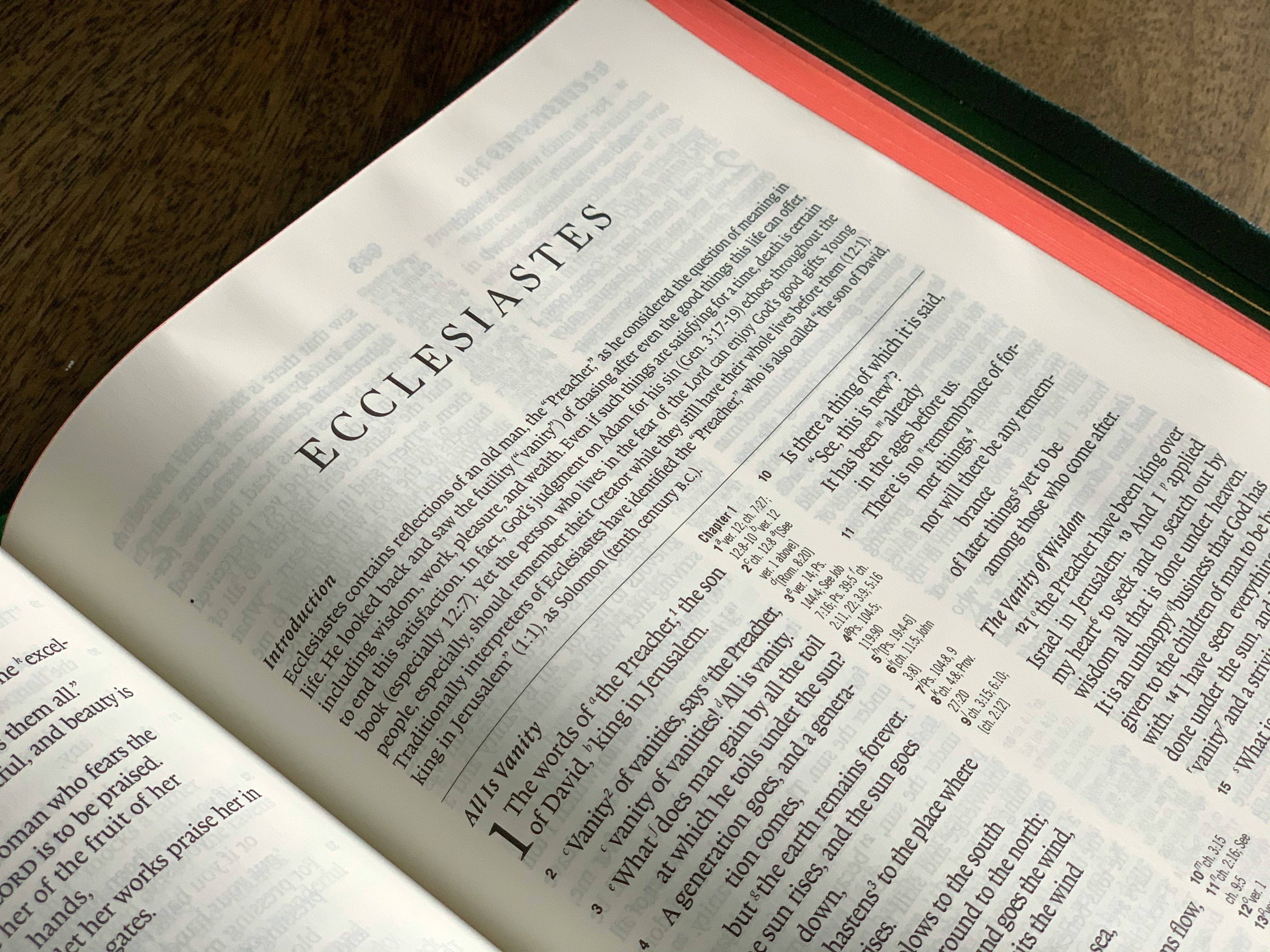
The wisest man in history, King Solomon, tells us, “There is nothing new under the sun” (Ecclesiastes 1:9).
The pride of man has reared its head through the latest technology and means of production before. As soon as human beings had the chance, they took brick and mortar and built the tower of Babel, aiming to reach as high as heaven to make a name for themselves — not for the God who gave them clay, water, and sun in the first place.
Today, we are seeing the latest expression of that sinful pride: men thinking they can hold infinite knowledge without it destroying them. Casting wisdom aside, they trust in their own minds and technical ability rather than in God.
In the Garden of Eden, Adam and Eve fell to the temptation of wanting to be all-knowing, like God. He judged that decision then, and He will not be mocked now (Galatians 6:7).
There is nothing more urgent for the unbeliever than to humble themselves, fall on their knees, and cry out to the Creator for salvation. There is, likewise, nothing more urgent for the believer than to refuse every temptation to fear in these times — to live the joyful, abundant life offered to them in Christ.
It is not a suggestion to be unafraid. It is a commandment given us by God, time and time again throughout the Scriptures.
Do not stifle your witness to the watching world.
The book of Ecclesiastes warns us that there are many dark days in this life under the sun, and that we will encounter circumstances which are difficult, perplexing, and often don’t make sense. Yet, there are a few things that author King Solomon found to be good: “Behold, what I have seen to be good and fitting is to eat and drink and find enjoyment in all the toil with which one toils under the sun the few days of his life that God has given him, for this is his lot” (Ecclesiastes 5:18).
New threats to our livelihood may come at alarming rates, but our responsibility as Christians remains the same: Do not dread the future or fear the potential of “superintelligence.” Rather, “fear God and keep his commandments, for this is the whole duty of man” (Ecclesiastes 12:13).
So, keep breaking bread with those you love. Keep enjoying the toil and the lot that God has given you with a grateful heart. Regardless of the news cycle, and whatever may come out of Washington and Silicon Valley — rejoice in what you have been given.
Our lives are but a vapor, a mist, Solomon says. The years go by quickly, and soon, we will return to dust.
That need not be depressing — in fact, let it be motivating as you live the most upright, joyous, and noble life possible along the way. Be encouraged, for we have all the instruction we need to please God in every circumstance, including the ones out of our control.
God says, “I am the Alpha and the Omega, the first and the last, the beginning and the end” in Revelation 22:13. If God is the Omega just as much as He is the Alpha, what is there to fear?
At the end of all things, just as much as at the beginning — He is there. And He rules and reigns at every point in between.
Human history was born from and ends in perfect wisdom, and God will tie the final bow on our story.
Not Sam Altman, or Dario and Daniela Amodei, or Donald Trump, or Xi Jinping — but Jesus Christ will do it, who is the same “yesterday, today, and forever” (Hebrews 13:8).
This article was written by Erica Mendel and originally published on The Washington Stand. For more content like this, visit Real Life Network.

World News
25 min
The 2026 Midterms: What Early Voting, National Security, and Economic Concerns Reveal
As the 2026 midterms approach, shifting voting trends and debates over immigration, national security, energy costs, and religious liberty are shaping America's political future. Explore the issues voters should examine beyond the polls.
With Election Day approaching on November 3, Americans are facing decisions that extend far beyond which political party controls Congress. Immigration enforcement, national security, religious freedom, education, and the cost of living are all shaping the national conversation. Yet the growing focus on polling numbers and campaign predictions can distract from the policies that will ultimately affect American families.
Recent early-voting trends and voter-registration changes have raised questions about conventional expectations for the midterm elections. But political momentum is difficult to measure, and no polling advantage guarantees an election result.
The significance of the 2026 midterms lies not simply in which party gains seats, but in the policies that elected officials will have the authority to advance or challenge.
For continued coverage of the issues shaping America's future, watch The Daniel Cohen Show on Real Life Network.
Early Voting, Political Momentum, and the Limits of Polling
Political commentators frequently turn to historical patterns when predicting congressional elections. Traditionally, the president's party has faced challenges during midterm elections, often losing seats as voters express dissatisfaction with the administration.
But historical trends do not determine individual elections.
Early-voting activity in states such as Michigan, Nevada, Arizona, North Carolina, and Pennsylvania has become a focus of political analysis. Changes in registration figures, ballot returns, and participation across different counties may offer clues about voter engagement.
Michigan presents an especially interesting example because the state does not register voters by political party. Analysts therefore examine geographic voting patterns, previous election results, and other indicators to estimate which groups are participating.
Those estimates have limitations. A county's historical voting preferences do not establish how every resident voted, and a higher share of early ballots does not necessarily translate into additional votes for a particular candidate.
National polling presents similar challenges.
CNN political analyst Harry Enten has discussed historical instances in which congressional polling underestimated Republican support. Such patterns are worth examining, but they cannot establish that the same errors will occur in 2026.
Campaigns must also account for changes in voter behavior. Americans increasingly have different options for casting ballots, including early in-person voting and voting by mail, depending on their state.
A shift in when voters cast their ballots does not always mean a shift in whom they support.
Rather than treating every new poll or early-voting report as a prediction, voters should recognize the distinction between participation data and actual election results.
The more important question is what candidates intend to do if elected.
Immigration, Religious Liberty, and the Responsibility of Public Officials
Some of the most consequential debates in the 2026 elections concern the federal government's responsibility to enforce immigration laws, protect national security, and preserve constitutional freedoms.
Congress has substantial influence over immigration policy through legislation, federal appropriations, and oversight of executive agencies. Decisions about border security, deportation priorities, asylum procedures, and pathways to legal status can affect communities throughout the country.
Candidates offer different approaches to those responsibilities.
Some emphasize stronger enforcement and expanded removal of individuals who violate immigration laws. Others support broader legalization measures, changes to enforcement practices, or additional protections for undocumented immigrants.
These differences deserve careful examination because campaign slogans rarely explain how a proposal would operate in practice.
National security questions have also entered several prominent Senate campaigns.
In Michigan, the contest involving Republican Mike Rogers and Democrat Abdul El-Sayed has generated debate over foreign policy, Israel, terrorism, and the responsibilities of elected officials.
Questions concerning a candidate's statements, political associations, and policy positions are legitimate subjects of public scrutiny. However, allegations involving family members or past organizational relationships must be distinguished from evidence of personal wrongdoing.
That distinction is particularly important when discussions involve religion.
A candidate's Muslim or Christian identity does not establish that person's national security positions, political loyalties, or commitment to constitutional government. Those judgments require examination of actual statements, decisions, and evidence.
Political accountability depends on documented facts and consistent standards, not assumptions about someone's faith, family, or political affiliation.
Religious liberty and questions surrounding human identity are also shaping state and local races.
A high school cross-country controversy in Washington has renewed debate over transgender participation in girls' athletics. Supporters of sex-based athletic categories emphasize competitive fairness and opportunities for female athletes. Supporters of inclusive participation policies emphasize access and protection from discrimination.
The disagreement raises broader questions about school governance, parental involvement, student rights, and the authority of state athletic associations.
These decisions are often made outside Washington, reminding voters that local and state elections can be just as consequential as congressional contests.
For Christians, evaluating these issues requires more than adopting the language of a political party.
Scripture establishes principles of truthfulness, justice, respect for human dignity, and responsible stewardship. Applying those principles to public policy requires examining what a proposed law actually does and whom it affects.
Energy Costs, Government Spending, and Biblical Stewardship
For millions of Americans, political debates eventually return to the household budget.
Fuel prices, groceries, rent, utilities, and transportation expenses directly influence financial stability. These concerns are particularly significant for families living on fixed incomes and workers whose livelihoods depend on transportation.
California's fuel prices have become a recurring example in debates about energy policy.
State taxes, environmental regulations, refinery capacity, distribution requirements, and broader oil-market conditions all contribute to the prices consumers pay. Political leaders disagree about how much emphasis should be placed on domestic production, environmental protection, infrastructure, and tax relief.
Those competing approaches involve real tradeoffs.
Policies designed to reduce emissions or encourage alternative energy sources may impose costs on certain industries and consumers. Measures intended to expand conventional fuel production may raise different environmental and economic concerns.
The appropriate response is to evaluate the evidence behind each proposal rather than assume that a single political decision explains every change in fuel prices.
Energy policy also intersects with national security.
Reliable fuel supplies support commercial transportation, military readiness, agriculture, and emergency services. Disruptions to domestic refining or international energy markets can create consequences far beyond the gas pump.
Congress influences these questions through taxation, spending, regulation, and oversight. State governments also exercise significant authority, particularly over transportation, environmental standards, and energy infrastructure.
That makes understanding the responsibilities of each elected office essential.
Biblical stewardship offers a helpful framework for considering these decisions.
Deuteronomy 30:19 records Moses calling Israel to choose life and blessing. That passage addressed Israel's covenant responsibilities and should not be treated as a direct endorsement of a modern political party. Nevertheless, Scripture consistently teaches that choices have consequences and that people bear responsibility for how they exercise authority.
Public officials are entrusted with decisions that affect families, communities, and future generations. Voters likewise have an opportunity to examine those decisions carefully.
Responsible civic participation begins with understanding the issues, testing political claims against the evidence, and recognizing the long-term consequences of public policy.
The 2026 midterms will determine who holds important positions of authority in Congress and in state and local governments. Those officials will make decisions involving national security, immigration, energy, education, and public spending.
Polls will continue to change. Campaigns will continue making competing claims. But the responsibilities of citizenship remain.
Christians can approach those responsibilities with prayer, discernment, and a commitment to truth, recognizing that political allegiance must never replace biblical conviction.
Follow the issues shaping the 2026 midterm elections, including national security, public policy, and the intersection of faith and culture, through The Daniel Cohen Show, streaming free on Real Life Network.
Faith & Culture
25 min
What’s on Your Ballot? How to Research Your 2026 Local Elections
Your 2026 ballot includes more than the races making national headlines. Learn how to research candidates, understand local offices, evaluate ballot measures, and approach Election Day with greater knowledge and discernment.
National races dominate election coverage, but some of the decisions that affect your daily life may appear much farther down the ballot.
The 2026 midterm elections on November 3 will determine control of the U.S. House and affect the makeup of the Senate, but voters across the country will also encounter state legislative races, governors’ contests, county and city offices, judges, school boards, and ballot measures.
That is why researching the 2026 ballot should involve more than recognizing a few names from national television.
If you are beginning to ask, “What’s on my ballot in 2026?”, the next step is to understand the different kinds of races and measures you may encounter and know what questions to ask about each one.
Start With the Full Ballot, Not Just the Headline Races
Most voters hear far more about Congress than they do about county government, school boards, judges, or local ballot initiatives.
That imbalance can make the bottom half of a ballot feel unfamiliar.
Before Election Day, take time to review the ballot information published for your jurisdiction and identify every race and measure that will require a decision. Instead of trying to research everything at once, make a list and work through it category by category.
Depending on where you live, that list may include:
- U.S. House and Senate races
- Governor or other statewide offices
- State legislative races
- County and municipal offices
- Judges or judicial retention questions
- School board races
- State constitutional amendments
- Local tax, bond, or policy measures
Some may receive extensive news coverage. Others may receive almost none. Lack of national attention does not make a race unimportant.
Understand What Each Office Actually Does
Candidate research becomes much more useful when you understand the responsibilities of the position being sought.
A candidate for Congress will deal with very different questions from a city council member. A governor has different authority from a state legislator. School board members, county officials, judges, and local prosecutors each operate within their own responsibilities.
Before comparing candidates, ask:
What authority does this office actually have?
That simple question can cut through a surprising amount of campaign rhetoric.
Candidates sometimes make promises involving issues their office has little power to change. Understanding the role itself helps voters evaluate whether campaign claims are realistic and whether the issues being emphasized actually belong within that office’s responsibilities.
Research Candidates Beyond Their Campaign Ads
Campaign websites are useful because they tell you what candidates want voters to know about them. They should not be your only source, however.
Compare campaign statements with interviews, public records, reliable local reporting, debate appearances, previous votes when applicable, and other primary-source material.
Useful questions include:
- What issues does the candidate identify as priorities?
- What specific policies does the candidate support?
- Has the candidate previously held public office?
- If so, what does that record show?
- What experience does the candidate bring to the position?
- Does the candidate explain how proposed policies would work?
- Are major claims about an opponent supported by evidence?
Party affiliation can provide some information about a candidate’s general political alignment, whether Republican, Democrat, independent, or another affiliation. But it does not substitute for researching the individual candidate.
Two candidates from the same party can differ substantially on priorities, policies, governing style, or experience.
Pay Particular Attention to State and Local Races
Local elections often receive less attention than congressional races, even though state and local officials can make decisions that affect people directly.
State legislators may vote on taxes, education, criminal law, business regulation, healthcare policy, and state spending. Local officials can influence public safety, development, transportation, housing, budgets, and other community priorities.
School boards may make decisions involving curriculum, district policies, budgets, and administration.
That makes local elections in 2026 worth researching with the same seriousness as races that generate national headlines.
Local journalism can be particularly valuable here because local reporters often cover candidate forums, controversies, voting records, and community concerns that never reach national media.
Don’t Skip the Ballot Measures
Candidates are not the only part of the November 3 election.
Many voters will also be asked to decide ballot measures involving state or local law. These could include constitutional amendments, taxes, bonds, public spending, criminal justice questions, government structure, education, or other policy matters.
Ballot-measure campaigns often reduce complicated proposals to memorable slogans.
Go deeper.
Read the actual proposal or an official summary. Understand what changes if it passes and what remains in place if it does not. Look at arguments from both supporters and opponents, but also distinguish campaign claims from what the measure itself would legally do.
A useful research checklist is:
What does the measure change?
Who or what would be affected?
What would it cost?
How would it be implemented?
Am I willing to pay increased taxes for this measure?
What are supporters arguing?
What are opponents arguing?
Which claims can be independently verified?
The wording may take a little more time to understand, but that time can be well spent.
Separate News Reporting from Political Persuasion
By the final weeks of an election, voters can be surrounded by campaign ads, fundraising emails, social posts, endorsements, commentary, and viral videos.
Those sources may contain useful information, but they also have a purpose.
A campaign ad exists to persuade you. So does a political action committee advertisement. An endorsement tells you what another person or organization wants you to conclude.
That does not make those materials worthless. It simply means they should be recognized for what they are.
Whenever possible, compare persuasive claims against original documents, direct quotations, voting records, full interviews, official reports, and reporting from multiple sources.
Proverbs 18:17 says, “The first one to plead his cause seems right, until his neighbor comes and examines him” (NKJV). That principle is especially useful during an election season.
Ask How the Issues Affect Your Community
National political conversations can sometimes obscure what an election means closer to home.
A question about education, public safety, taxation, housing, religious liberty, healthcare, or economic policy may look different depending on the state, district, or community involved.
As you research state and local elections, ask how the major issues being discussed connect to the actual offices and measures on your ballot. Which decisions are made federally? Which belong to your state? Which are controlled locally?
Understanding that distinction makes political research more useful and helps prevent national rhetoric from overshadowing the decisions voters are actually being asked to consider.
Christians Can Approach Election Research with Discernment
For Christian voters, becoming informed is part of taking civic responsibility seriously.
That does not require assuming that every believer will make identical political choices. It does mean approaching candidates and policies thoughtfully rather than allowing a party label, celebrity endorsement, social media clip, or campaign advertisement to make the decision for you.
Research what candidates actually believe and have done. Examine policy proposals carefully. Consider how the issues intersect with biblical convictions about human dignity, justice, truth, freedom, family, stewardship, and care for others.
And recognize the difference between biblical principles and political messaging that simply borrows Christian terminology.
Discernment requires more than hearing what you already agree with.
Know Your Ballot Before November 3
The closer Election Day gets, the louder the political conversation will become.
Researching early gives you time to move at a different pace.
Start with the races and measures that will affect your own community. Understand what each office does. Compare candidates. Examine ballot measures. Check campaign claims against reliable information. Then continue following the larger national stories shaping the 2026 midterms.
Local knowledge and national awareness belong together.
Stay Informed with Real Life Network
Real Life Network will continue following the news, cultural conversations, and major issues shaping the 2026 elections as November 3 approaches.
Then on Election Night, America Speaks ’26: Election Night Live will bring viewers live results, updates, conversation, and biblical perspective on races and issues from across the country.
Stay informed locally and nationally. Sign up for America Speaks ’26 updates from Real Life Network as Election Day 2026 approaches.
World News
25 min
National Security, Israel, and the Questions Behind the 2026 Midterms
As the 2026 midterms approach, national security deserves attention alongside the economy. From Iran and Israel to domestic terrorism and rising antisemitism, congressional decisions carry consequences for American families, religious freedom, and public safety.
The economy matters. Groceries, gas prices, housing costs, and the pressure on American families deserve serious attention. But national security belongs in that conversation, too. The decisions made in Washington affect more than household budgets. They shape the country's ability to confront terrorism, protect religious communities, secure its borders, and respond to threats abroad.
Those connections deserve closer examination. Through The Daniel Cohen Show on Real Life Network, the intersection of faith, national security, Israel, and American politics remains central to understanding the headlines.
The approaching November 3 midterms raise questions that go well beyond which party controls Congress. Who sets national security priorities? How should America respond to Iran and its terrorist proxies? What responsibilities do elected officials have when antisemitism and political violence reach American communities?
National security is not an abstract debate reserved for Washington. Its consequences can reach neighborhoods, schools, houses of worship, and ordinary families.
Iran, Israel, and the Responsibility to Confront Terrorism
Iran remains central to the discussion about American national security and the Middle East. Its support for armed groups, including Hezbollah and Hamas, has made its regional influence a continuing concern for the United States and Israel.
Yet political disagreements over Iran and Israel often become tangled in arguments about military assistance, international law, and America's responsibilities overseas.
Michigan's Senate contest illustrates those competing priorities.
Abdul El-Sayed has argued against unconditional American military assistance to foreign governments, including Israel. In interviews, his position has emphasized applying international law consistently and restricting weapons transfers to governments accused of violating it.
That approach raises legitimate questions about American foreign policy. Military assistance is not an unlimited obligation, and elected officials have a responsibility to scrutinize how taxpayer money is spent.
But the discussion cannot stop there.
Israel faces rocket and missile threats from hostile armed groups and regional adversaries. Defensive systems such as Iron Dome exist to intercept incoming projectiles and protect civilian populations. Any proposal to restrict military assistance therefore deserves careful examination of its potential consequences for defensive capabilities as well as offensive operations.
There is also an important distinction between criticizing a government's military decisions and excusing terrorism directed against its citizens.
The March attack against Temple Israel in West Bloomfield, Michigan, brought that distinction much closer to home. A vehicle carrying incendiary materials was driven into a synagogue complex that also serves children and families. The incident prompted renewed concerns about antisemitic violence and the reach of conflicts originating thousands of miles away.
Political leaders can disagree about Israel's government, military operations, and American foreign assistance. Those disagreements do not diminish the obligation to condemn attacks against Jewish civilians and religious institutions.
No disagreement over foreign policy can justify threatening Jewish families or treating American religious communities as extensions of a foreign government.
The same principle must apply to every community. A synagogue, church, mosque, or school should never become a target because of anger over events elsewhere.
Why National Security Belongs in Congressional Debates
The connection between national security and congressional elections is more substantial than campaign rhetoric might suggest.
Congress controls federal appropriations, establishes statutory authorities, conducts oversight, and plays a central role in shaping the agencies responsible for national defense and domestic security. The Senate also exercises its constitutional responsibility to provide advice and consent on presidential nominations requiring confirmation.
Those responsibilities make congressional debates over homeland security, intelligence gathering, immigration enforcement, and counterterrorism consequential.
An alleged ISIS-inspired plot involving the Mall of America in Minnesota offers an example of the threats federal investigators seek to identify before violence occurs.
According to the account presented by federal authorities, an 18-year-old suspect had communicated about supporting ISIS and allegedly considered carrying out an attack in the United States after plans to travel overseas did not materialize. The allegations require the usual distinction between prosecutors' claims and facts established in court.
But the broader issue remains significant: preventing terrorism requires investigative resources, intelligence cooperation, appropriate legal authorities, and effective oversight.
Protecting the public also requires precision.
Terrorist organizations are responsible for their own violence. Their actions must not become an excuse to assign collective guilt to immigrants, Muslims, or particular ethnic communities. Effective counterterrorism depends upon identifying actual threats rather than confusing religious identity or national origin with criminal conduct.
That is why national security policy requires more than slogans about being tough or compassionate.
The public deserves to understand how candidates would approach terrorism investigations, border security, intelligence oversight, civil liberties, and the constitutional limits of government authority.
Those questions belong alongside debates about inflation, healthcare, education, and taxation.
Antisemitism, Political Rhetoric, and the Limits of Party Loyalty
Three years after the Hamas-led October 7 attack, the anniversary remains a painful occasion for Jewish communities around the world.
Approximately 1,200 people were killed in the attack, and 251 were taken hostage. The consequences have extended far beyond Israel, including heightened security concerns and incidents of antisemitism in the United States.
New York City's response to the anniversary illustrates how difficult the public conversation has become.
Mayor Zohran Mamdani's remarks acknowledging the suffering caused by October 7 while criticizing Israel's subsequent military actions became a point of contention among activists with sharply different expectations.
The controversy reflects a larger problem in contemporary politics: expressions of sympathy, criticism, and disagreement are increasingly measured against demands for complete ideological agreement.
Recognizing the suffering of Israeli victims does not require ignoring Palestinian civilian suffering. Likewise, expressing concern for Palestinians does not require minimizing the October 7 atrocities or excusing antisemitism.
Both truths can be maintained without contradiction.
Political movements become less capable of honest debate when every disagreement is treated as betrayal. Acknowledging suffering should not depend upon whether the victims belong to a preferred political or religious community.
For Christians, Scripture establishes a higher standard than political loyalty. Human beings bear God's image, and the obligation to speak truthfully does not disappear when truth becomes inconvenient to a favored party or cause.
Proverbs 18:17 reminds readers that the first account of a dispute may sound persuasive until it is examined. That principle applies to viral videos, campaign statements, accusations of extremism, and claims about political opponents.
Christian discernment requires consistency: condemn terrorism without qualification, reject antisemitism without hesitation, and examine political claims without surrendering judgment to party loyalty.
The approaching midterms will generate enormous attention around polling, turnout, and campaign strategies. Those subjects are part of the political process, but they should not obscure the governing responsibilities attached to the offices being contested.
A Senate vote can affect national security appointments. A congressional appropriation can determine resources available to federal agencies. Legislative oversight can expose failures or strengthen accountability.
Understanding those responsibilities provides a more useful framework than treating every political development as a contest between personalities.
The same seriousness belongs in discussions about Israel, Iran, and religious freedom. American foreign policy involves real tradeoffs, and domestic security decisions can affect both public safety and constitutional liberties.
No political party possesses a monopoly on wisdom, and no candidate should be exempt from difficult questions.
The standard should remain consistent: evidence before accusations, clarity before slogans, and responsibility before political convenience.
Follow the intersection of biblical truth, Israel, national security, and American current events through The Daniel Cohen Show, streaming free on Real Life Network

World News
25 min
Media Starts to Doubt Dems’ Invincibility as November Creeps Closer
As the 2026 midterms approach, shifting media coverage and conflicting polls are raising questions about election forecasts. Historical polling errors, voter turnout, and competitive congressional races highlight the uncertainty surrounding November 3.
After months of flooding the zone with glum predictions for Republicans, there’s been a quiet but meaningful shift in major media headlines. Left-leaning outlets desperate to make the GOP’s demise a self-fulfilling prophecy seem to be subtly hedging their bets against another polling embarrassment. In the last handful of days, even the big dogs — The New York Times, Washington Post, and Newsweek — are conceding that maybe the election forecasts aren’t as lopsided as they’ve been leading voters to believe.
Suddenly, readers are clicking on stories that paint a very different picture of the apocalyptic landscape for Republicans they’d come to expect. Articles like “Democratic Optimism in Six Senate Races May Be a Mirage,” “3 Bright Spots for the G.O.P.,” and “How Much Can Republicans Outrun Trump’s Approval?” are popping up in the same pages that have urged Americans to don galoshes for the Blue Tsunami. And while there certainly are very troubling signs for Speaker Mike Johnson’s (R-La.) party, one lesson everyone should have learned by now is that polls are an incredibly flawed measure of public opinion.
In the modern age, Republicans have consistently outperformed the industry’s numbers in presidential and midterm elections. Pollsters have frantically tried to solve this puzzle, especially after a string of national humiliations. After a lot of head-scratching, two theories for this unpredictability revolve around the GOP. “First, Republicans are becoming more distrustful of institutions and society, and that may be extending to how they feel about pollsters. Second, suburban Republican college graduates are more likely to fear professional sanction for their views and are therefore self-censoring more, including in surveys,” FiveThirtyEight’s Emily Ekins suggests. Most experts estimate that conservatives underpoll somewhere between 3-5% — a massive swing for anyone trying to prophecy close races.
Over the last handful of days, the media seems to be making an intentional effort to temper their excitement, noting that as optimistic as Minority Leader Chuck Schumer (D-N.Y.) may be, “history offers a warning to Democrats, as polls in recent elections underestimated Republicans in key states. Control of the Senate could come down to just a handful of races where polls show razor-thin margins.” In places like Alaska, Iowa, Maine, Michigan, Ohio, and Texas, Newsweek warns, Democrats appear to have a polling edge. “But Republicans have outperformed polling averages in many of those same states over the past few elections. Polling errors are not necessarily repeated from cycle to cycle. But a similar pro-Republican polling error this cycle would not bode well for Democrats’ chances of flipping the Senate.”
Watch live coverage of election night on Real Life Network.
Frankly, it’s “impossible to know for sure” what the polling error could look like this year, Syracuse Political Science Professor Grant Davis Reeher acknowledged. “There are some pretty big known unknowns in this election, which could throw off polls,” he said. “A primary one is turnout. Polls must make educated guesses about who is most likely to vote. It’s a little trickier in midterms.”
National Review’s Jim Geraghty, who hasn’t exactly been a glass-is-half-full prognosticator, offered what he called “the cheeriest midterm take for Republicans you’re going to find,” urging readers to second-guess the excitement surrounding Democrats in cherry-red Kansas, South Carolina, South Dakota, Nebraska, and Florida. Despite the media’s insistence that GOP candidates are in trouble, the polling doesn’t necessarily bear that out. “There’s good reason to not believe the hype; we’ve seen this sort of narrative before.”
He ticks off the numbers for each key race, along with historical trends, dismantling the idea that conservatives are in trouble. “The lesson of this is not that all the polls are always wrong, or that every prediction of an upset Democratic win is always wrong,” Geraghty cautions. “But there’s an extremely familiar narrative of ‘this Democrat really has a shot in a deep red state!’ that rarely pans out; when it does, it’s usually because of a spectacularly flawed Republican candidate.” Americans should be wary of a blue wave, he writes, if only because “certain left-of-center media voices always tell them there will be a blue wave every November.”
An unlikely source echoes NR’s guardedness: The New York Times. Despite what pundits say, “there is also quite a bit of good news for Republicans,” Ruth Igielnik wrote late last month. For starters, “Republican Senate candidates are running ahead of the party. … Each of [them] is outrunning President Trump’s popularity in their states, sometimes by double digits. … And in each of the races, Republican candidates are winning some voters who otherwise say they want Democrats to control the Senate. Taken together, these are signs that in these competitive, Democratic-leaning states, Republicans have nominated strong candidates who appeal beyond their base.”
Then, of course, there’s the Left’s ugly infighting. “As Democrats are divided,” the Times points out, “Republicans are united. … We asked Democrats across the country if they felt the party was united or divided. About half said the party was united, and half said divided. Those numbers are nearly identical to a survey we ran in 2016. Republicans, on the other hand, are feeling very unified. In our most recent national survey, 70 percent of Republicans said they felt the party was united. That is a dramatic departure from 10 years ago. In 2016, more than 80 percent of Republicans said they thought the party was divided.”
Over at The Washington Post, Scott Clement reiterates that a “poll of two key House districts shows good signs for Democrats, but no tsunami.”
As for the bluster that even Hispanics are abandoning the GOP, Rasmussen Reports soundly beats back that narrative. In results released Monday, Hispanic voters favor Republicans by a 50 to 42% margin over Democrats. “The poll also indicates a tightening battle for control of Congress, as the Democrats’ lead over Republicans decreased for the second week in a row, according to the company. Overall, voters said if the election was held today 47 percent of likely voters would vote for the Democrat candidate, while 44 percent would vote for the Republican. Four percent of voters said another party’s candidate and just 4 percent were undecided.” In other words, Republicans have slashed the Democrats’ lead in half since just mid-September, “particularly with independent voters.”
But as encouraging as those signs are, leadership is clear-eyed about the hill they have to climb this November. “Now listen, this is going to be a very close election,” Speaker Johnson underscored Tuesday. His Senate counterpart, Majority Leader John Thune (R-S.D.), has been cautiously optimistic about his side of the Capitol. “I think we can keep the majority,” he told Politico this week. “I think all of these races are margin of error, at least the ones that we have to win. And historically, at least if you look at polls, we tend to outperform them.”
House Majority Leader Steve Scalise (R-La.) made that same point in a conversation with Family Research Council President Tony Perkins on “This Week on Capitol Hill.” When Cook Political Report, a widely respected organization, moved more seats to the toss-up or Democratic-leaning column, the House’s second-in-command wasn’t worried. In his mind, there’s more to the story. “You know, the polling really is interesting when you dig into it. You’re seeing an undersampling of Republicans, and we’re digging into some of these. Let’s be clear too. There are a lot of close races, not just Republican races.” He pointed to a few states like New Hampshire where GOP candidates are making a dent in Democratic areas too. “There [are] about 35 seats across the country that are truly swing districts,” Scalise observed. “Twenty of them are held by Republicans that are close right now, but 15 are held by Democrats that are also close, that we have a real chance to flip. And so, turnout is going to be a big factor. Who really does show up?”
The GOP has another secret weapon this election — in large part thanks to President Trump and Speaker Johnson — and that’s campaign cash. As Perkins highlighted, conservatives “have a strong edge on the fundraising to get their message through in these final days.” Scalise nodded. “We really do. You know, it’s rare that we outraise Democrats in a lot of these seats. We have now. And again, I think people are seeing what’s at stake, and they’re donating money.”
The media, he thinks, “[is] counting on Republicans, especially traditional conservative voters, to just stay home. And I don’t think that’s going to happen, because I think more and more people are seeing this sharp contrast [between the two parties].” With the rise of the Democratic Socialists, Scalise warns, “This isn’t like two candidates [who] are similar. This is common sense versus crazy. And some of these candidates … [don’t just want] to defund the police — they want to disarm the police. They actually advocate for taking guns away from police officers. You were a police officer. Could you imagine approaching a criminal who’s got a gun and saying, ‘Hey, let’s have a conversation and try to talk this out?’ He shoots you, and it’s over. This is insanity. And that’s beyond crazy. But if people stay home ... [these radicals win]. And that’s why people can’t stay home.”
At the end of the day, Scalise insisted, Democrats are trotting out polls “to make it look like they’re doing better than they are, because they want to depress conservative voters. Because if conservative voters stay home, guess what? Socialists will actually win. They can’t win if you show up and vote on November 3rd.”
That’s right, Perkins stressed. “The only poll that really counts is Election Day when people turn out and vote.”
Watch live coverage of election night on Real Life Network.
This article was written by Suzanne Bowdey and originally published on The Washington Stand. For more content like this, visit Real Life Network.
World News
25 min
New California Law Requires Churches to Implement Pro-LGBT ‘Anti-Hate Speech’ Training
California’s new workplace anti-hate speech training law is raising religious liberty concerns. Christian advocates warn that vague language could pressure churches and religious employers to provide training that conflicts with their biblical beliefs.
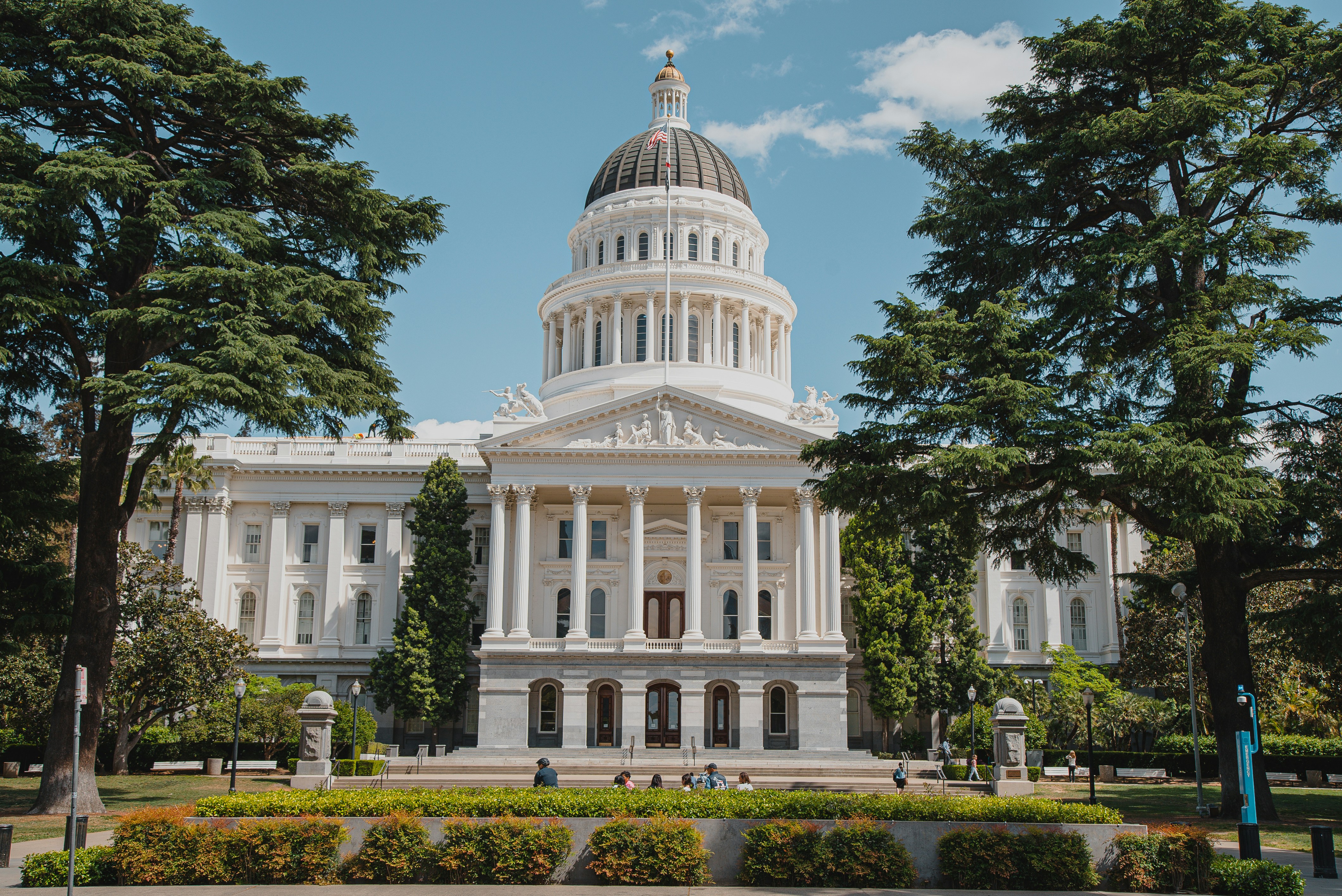
A newly enacted law in California that requires virtually all employers to give employees “anti-hate speech” training is raising red flags, as experts say that the mandate could force churches to provide training that conflicts with sincerely held biblical beliefs regarding sexuality, gender, and marriage.
Late last month, California Governor Gavin Newsom (D) signed into law AB 1803, a measure that requires all employers with five or more workers, including all churches and other nonprofit religious organizations, to provide employees with “anti-hate speech” instruction. But as observers like the California Family Council (CFC) are pointing out, the legislation does not define “hate speech,” instead handing the job to the state’s Civil Rights Department. The bill mandates that the training must confront workplace speech that “vilifies, humiliates, or incites hatred” against individuals based on what the state has already deemed a protected characteristic, which includes sex, gender identity, gender expression, and sexual orientation.
The CFC goes on to observe that the statute, which will go into effect on January 1, 2028, never mentions churches or religious nonprofits and their First Amendment rights to hold sincerely held religious beliefs about sexuality and gender. It also “fails to separate protected expression from unlawful conduct,” noting that the Supreme Court held in 2017 that “the First Amendment has no hate speech exception.”
Greg Burt, who serves as vice president of CFC, further pointed out the problems with AB 1803’s vague language regarding key terms that it says constitute “hate.”
“What does it mean to vilify? What speech actually humiliates?” he wondered during “Washington Watch with Tony Perkins” Tuesday. “[M]any times legislators consider many Christian beliefs when they’re expressed — especially regarding sexuality or gender — they accuse us of hating people. That’s [the] farthest thing from my mind. But we are simply advocating for our view that sex is determined by biology, and God created us both male and female. Well, to many people that is humiliating and that incites hatred. And so that’s the problem with this legislation.”
Burt went on to clarify that AB 1803 is being folded into a previously enacted statute that mandates sexual harassment training, which already specifies that using accurate biological pronouns constitutes “harassment.” “[Businesses are] already required to go through sexual harassment training, and we found out several years ago they redefined what sexual harassment means to include gender identity,” he explained. “… [The] California Civil Rights Department says misgendering is harassment, and so this training is on top of that already egregious training.”
As for how employers can fulfill the required training, Burt noted that hiring outside trainers is allowed, but the state-provided training that includes pro-LGBT messaging is free. “Right now, the state puts together a free curriculum — that’s how they do it with sexual harassment training, but you’re not required to use that training. You can come up with your own. But we don’t know exactly what ‘anti-hate’ is going to include, right? [Their] definition of speech that ‘humiliates’ — what does that mean? It really depends on the person who’s receiving the language.”
Burt further urged churches and other religious organizations in the Golden State to push back vigorously against the mandate. “What I think the state is doing is it’s trying to intimidate churches into following through with this,” he lamented. “They should not be receiving any kind of ideological training from the state on any moral issue. That’s why what churches need to be doing is asking for religious accommodations. The federal law and the state law already require businesses to accommodate people’s faith if they’re being required to do something that violates their faith. … [T]his is one of those points in history here in California where civil disobedience is going to be necessary.”
Burt concluded by emphasizing that state officials in California are counting on churches to kowtow to their demands instead of standing up for the constitutional freedoms, which has already proven to be a winning strategy.
“I’m sure they’re already thrilled that they get to retrain the entire population to believe what they believe regarding gender identity,” he reflected. “And so once we get accustomed to this and say, ‘Well, this is just what California requires, I guess we have to do it.’ No, you don’t. Folks, you’ve got to resist, and that includes individual employees. That’s what we are encouraging people to do. And we are having success. We have some attorneys we’re working with, and when people have been asking for religious accommodations, they have been accommodated.”
This article was written by Dan Hart and originally published on The Washington Stand. For more content like this, visit Real Life Network.
Thank you! Your submission has been received!
Oops! Something went wrong while submitting the form.
World News
For decades, support for Israel crossed political lines in America. Democrats and Republicans often debated Israeli policy while agreeing on one fundamental truth: Israel had the right to exist and defend itself. That consensus is rapidly disappearing. As explored on The Daniel Cohen Show, Israel has become one of the clearest dividing lines within progressive politics, exposing growing fractures inside the Democratic Party and raising important questions about where the movement is headed. Watch more biblical news and analysis anytime for free on Real Life Network.
Israel Has Become a Test of Political Loyalty
Political parties naturally evolve over time, but healthy coalitions leave room for disagreement. Today's progressive movement appears to be moving in a different direction. Increasingly, Israel has become more than a foreign policy issue. It has become a political litmus test.
Support for Israel's right to exist is no longer enough for many activists. Even criticism of Israel's government often fails to satisfy the movement's most vocal voices. Instead, public officials are increasingly expected to embrace increasingly radical positions or risk becoming the next target.
Scott Wiener illustrates that reality.
For years, Wiener has been one of California's most recognizable progressive lawmakers. He has championed many of the causes embraced by the political left. Yet despite publicly criticizing Israel's actions in Gaza, Wiener recently found himself confronted and driven away from a Pride event by activists who viewed him as insufficiently aligned with their movement.
That confrontation wasn't simply about Scott Wiener.
When a political movement begins turning on longtime allies, it often reveals that ideological purity has become more important than coalition building.
The same pattern is beginning to emerge across the country. Longtime progressive lawmakers who once represented the movement's leading edge are discovering that yesterday's credentials no longer guarantee today's acceptance.
The Democratic Party Is Facing a Growing Internal Divide
The shift extends far beyond one California lawmaker.
Colorado Representative Diana DeGette has spent decades representing one of the safest Democratic districts in America. Her record places her firmly on the political left, yet even she now faces criticism from activists because she has continued supporting Israel's defensive Iron Dome system and refused to abandon Israel entirely.
Meanwhile, candidates identifying as democratic socialists continue challenging establishment Democrats from within their own party.
The result is an increasingly uncomfortable reality for Democratic leadership.
The loudest voices inside the movement are no longer simply debating taxes, immigration, or health care. Israel has become one of the defining issues separating traditional Democrats from a growing socialist wing that openly acknowledges its dissatisfaction with the party itself.
That transformation deserves careful attention.
Political disagreement is healthy. Demanding absolute agreement on every issue is something entirely different. When movements lose the ability to tolerate internal disagreement, they inevitably begin consuming themselves.
The battle over Israel increasingly reflects a deeper struggle over the future identity of the Democratic Party itself.
This is why stories like Scott Wiener's receive so much attention. They reveal broader political trends that extend well beyond one protest or one election.
Readers interested in more commentary examining today's headlines through a biblical worldview can find additional episodes on Real Life Network.
Zechariah's Prophecy Still Speaks Today
Long before today's political debates, the prophet Zechariah described Jerusalem as a burdensome stone for the nations.
The imagery remains striking.
Throughout history, Jerusalem has repeatedly become the focal point of international conflict, political controversy, and religious tension. Thousands of years after Zechariah recorded those words, the city continues occupying a unique place unlike any other on earth.
Current events only reinforce that reality.
Across college campuses, political rallies, and legislative debates, Israel increasingly occupies the center of ideological conflict. Alliances that appear contradictory on nearly every other issue suddenly unite around opposition to the Jewish state.
That contradiction raises difficult questions.
How do movements that champion LGBTQ rights find themselves standing alongside organizations whose governing ideologies reject those same values? How do politicians who claim to oppose hatred remain silent when antisemitism increasingly appears within their own political coalition?
These questions deserve honest discussion rather than easy slogans.
Jerusalem remains one of the world's most contested cities because the spiritual significance of Israel has never disappeared from history.
Whether examining politics, international affairs, or biblical prophecy, Israel continues shaping conversations far beyond the Middle East.
The headlines may change from week to week, but the underlying issues remain remarkably consistent. Israel continues serving as both a geopolitical flashpoint and a spiritual reminder that biblical history continues intersecting with current events.
To watch the complete discussion and explore more biblical news analysis, visit The Daniel Cohen Show on Real Life Network, where every episode is available to stream for free.
25 min

July 1, 2026
Daniel Cohen
Business & Finance
As America celebrates its 250th year, we’re celebrating a milestone of our own at Economic War Room: our 400th episode. It’s an opportunity to look back at where we started, the warnings we’ve sounded, the people who have joined us along the way and, most importantly, why this mission matters now more than ever.
For nearly two decades, I’ve studied how America’s adversaries use economics as a weapon. Long before Economic War Room reached television screens, I traveled to Moscow with my partner Russell Lake and saw firsthand how foreign powers were thinking strategically about America’s economic vulnerabilities.
That experience helped put me on a path that eventually led to research for the Pentagon and years of studying economic warfare. Since then, the threats have evolved. But the central lesson hasn’t changed.
What we see as a marketplace, our enemies view as a battle space.
Watch this full episode on Economic War Room, streaming now on the Real Life Network.
The Economic War Didn’t Start Yesterday
For 400 episodes, Economic War Room has examined threats that were often ignored or dismissed until they became impossible to overlook.
We’ve investigated whether Communist China is waging economic warfare against the United States. We’ve examined America’s dependence on China for medicines and other critical supply chains. We’ve warned about the movement toward a cashless society and explored the risks posed by global financial and political agendas.
We’ve also looked to history for answers. Ronald Reagan understood the enormous power of economic warfare. His administration used economic strategy as part of the broader effort that helped defeat Soviet communism and win the Cold War.
That history matters today because communism and authoritarianism didn’t disappear with the Berlin Wall. They changed. The weapons changed. And the battlefield changed.
Today, a nation can attack another country without firing a shot. It can target supply chains, currencies, markets, intellectual property, technology and investment capital.
That’s why Americans must understand economic warfare before they can hope to defend themselves against it.
From Diagnosing the Problem to Building Solutions
From the beginning, my goal has never been simply to identify threats.
Anyone can tell you the sky is falling. The harder, and more important, job is finding solutions.One example is our work on transactional gold and silver.
For years, we’ve studied how precious metals can function not simply as investments, but as transactional money. The idea is rooted in a much larger question: How do Americans maintain economic freedom and financial resilience when confidence in traditional monetary systems is being challenged? That work has moved beyond theory.
States across the country have considered or enacted measures involving gold and silver as legal tender, and I’ve had the opportunity to participate in research and policy efforts examining how precious metals can fit into modern financial systems.
It’s one example of what Economic War Room is designed to do: identify a strategic vulnerability and then work toward a practical solution. But transactional gold is only part of the story.
Over 400 episodes, we’ve explored American energy independence, critical supply chains, national debt, free markets, investment strategy, Communist China, globalism and the preservation of economic liberty. All of those issues eventually come back to one principle: stewardship.
America’s Economic Future Depends on What We Sow Today
One of the most meaningful symbols here at Liberty Hawk Ranch is the sower. Most people know the old saying: Give a man a fish and you feed him for a day. Teach him to fish and you feed him for a lifetime.
We take that idea one step further. Teach a man to sow seeds and reap harvests. That is economics.
Every generation decides what kind of seeds it will plant. Good economic policy can encourage private ownership, entrepreneurship, investment, responsibility and abundance. Bad economic policy can encourage dependency, debt and stagnation. The question facing America as we celebrate 250 years is straightforward:
What are we sowing today, and what will our children reap tomorrow? Our nation is younger than we sometimes realize. Two hundred and fifty years may sound like a long time, but in generational terms, it isn’t.
The responsibility for preserving what previous generations built now belongs to us.Economic freedom is not something we inherit permanently. It has to be understood, protected and passed on.
Reagan Understood the Power of Economic Freedom
Walking through the Economic War Room set for our 400th episode brought back memories of some remarkable people who have influenced this mission.
Watch this full episode on Economic War Room, streaming now on the Real Life Network.
One of the most important for me was President Ronald Reagan. Years ago, through the Adam Smith Foundation, I had the privilege of presenting Reagan with an Adam Smith Award and an original edition of The Wealth of Nations. I still treasure the photograph and autograph from that meeting.
Reagan understood something America desperately needs to remember today: economic strength is national strength. Free enterprise isn't merely a mechanism for producing wealth. It disperses power. It gives ordinary people the ability to build businesses, own property, invest, innovate and shape their own futures.
That is precisely why authoritarian systems seek economic control. And it is why defending free markets remains inseparable from defending liberty itself.
Behind 400 Episodes Is a Foundation of Faith
There is another part of the Economic War Room story that cannot be separated from the mission. Prayer.
Liberty Hawk Ranch has been dedicated to God from the beginning, and one of its most meaningful places is our prayer garden and cross.
That cross represents something bigger than a television program, an economic strategy or a political movement. It reminds us that human wisdom has limits.
America’s Founders understood that. During the Constitutional Convention of 1787, as delegates struggled with deep disagreements over the nation's future, Benjamin Franklin famously urged them to turn to prayer. Franklin reminded his fellow delegates that during the struggle with Great Britain, they had prayed for divine protection—and he believed those prayers had been answered.
He then asked a question worth asking again today: Had they forgotten that powerful friend?
America was divided then. It faced foreign threats then. Its leaders disagreed bitterly then. And yet they understood that preserving a nation required something beyond political strategy.
400 Episodes Later, the Mission Is Just Beginning
That lesson is just as relevant today. America faces Communist China, global instability, massive economic challenges and deep internal division. We can—and should—develop sound policies. We should strengthen American industry, protect our financial system, defend free markets and understand how our adversaries are using economics against us.
But strategy alone is not enough. We need stewardship. We need courage. And we need prayer. Four hundred episodes have given us an opportunity to study the battlefield, warn Americans about emerging threats and develop practical solutions. But this milestone isn't an ending.
As America prepares to celebrate 250 years, it should remind us how much has been entrusted to our generation—and how much is at stake if we fail to preserve it. The question now is what we do with that responsibility. What seeds will we sow? What kind of country will our children and grandchildren inherit? And will we remember, as Franklin reminded the Founders, that we cannot build this nation by human wisdom alone?
That is the challenge ahead. And after 400 episodes, Economic War Room remains committed to meeting it.
Watch this full episode on Economic War Room, streaming now on the Real Life Network.
25 min
400 Episodes of Economic War Room: The Fight for America’s Economic Future

July 1, 2026
Kevin Freeman
World News
Politics has always involved disagreement. Competing ideas, spirited debate, and shifting coalitions are part of any healthy democracy. But every so often, a single moment exposes something much deeper. Scott Wiener's recent confrontation with pro-Palestinian protesters was one of those moments. It wasn't simply another viral political clip. It revealed a growing ideological divide that continues reshaping progressive politics from within. As debates over Israel, antisemitism, and political identity intensify, incidents like this deserve more than a passing glance. Watch more news and biblical analysis anytime on Real Life Network, home of The Daniel Cohen Show.
Scott Wiener Became the Latest Target of an Ever-Changing Movement
Scott Wiener has spent years establishing himself as one of California's most progressive lawmakers. His legislative record has consistently aligned with many of the priorities championed by the political left, making him a familiar figure among progressive activists across the state.
That is precisely why his recent confrontation stood out.
During a pro-Palestinian demonstration, Wiener found himself facing angry protesters who viewed him as insufficiently supportive of their cause. Despite publicly criticizing Israel's military actions in Gaza, his refusal to embrace more extreme positions became enough to earn condemnation from activists who once would have considered him an ally.
That should cause people to stop and ask an important question.
If one of California's most progressive elected officials can suddenly become the target of progressive outrage, where exactly is the movement headed?
When political movements continually redefine ideological loyalty, yesterday's allies can quickly become today's opponents.
This wasn't simply about Scott Wiener. It was about a movement that continues narrowing the boundaries of acceptable opinion. Agreement is no longer enough. Increasingly, complete ideological conformity has become the expectation.
That trend reaches far beyond California politics.
Israel Has Become a Defining Fault Line Inside the Democratic Party
Few issues reveal the Democratic Party's internal divisions more clearly than Israel.
Not long ago, support for Israel generally crossed party lines. Lawmakers could disagree over specific policies while still recognizing Israel's right to defend itself and exist as a sovereign nation.
Today, those conversations look dramatically different.
Israel has become one of the defining tests of political identity for many activist groups. Increasingly, elected officials face pressure not simply to criticize specific Israeli policies, but to adopt increasingly uncompromising positions regarding the conflict itself.
Scott Wiener's experience illustrates just how quickly those expectations can shift.
For many activists, criticizing Israel is no longer enough. There is growing pressure to embrace every position demanded by the movement, leaving little room for nuance or disagreement.
Political coalitions begin fracturing when ideological purity becomes more important than persuasion.
This pattern extends well beyond one California lawmaker. Across the country, elected officials are discovering that long records of progressive advocacy no longer guarantee acceptance if they hesitate on issues that have become ideological litmus tests.
The result is a political environment where compromise is viewed with suspicion and disagreement is increasingly treated as betrayal.
That should concern anyone who values thoughtful public discourse, regardless of political affiliation.
Readers looking for additional analysis on current events from a biblical perspective can explore more programming available through Real Life Network.
The Bigger Story Is About Where Progressive Politics Is Going
Scott Wiener's confrontation matters because it points toward something much larger than one protest.
The incident reflects a broader transformation taking place within progressive politics. The loudest voices increasingly shape the movement's direction, while longtime allies find themselves struggling to satisfy constantly changing expectations.
History shows that political movements often face their greatest challenges from within.
When every disagreement becomes evidence of disloyalty, coalitions become increasingly difficult to maintain. Leaders spend more time defending themselves against ideological allies than persuading political opponents.
That appears to be happening with increasing frequency.
Whether it involves debates surrounding Israel, identity politics, or broader questions about the future of the Democratic Party, internal divisions continue receiving as much attention as partisan battles between Democrats and Republicans.
Scott Wiener may be today's example, but he is unlikely to be the last.
The most significant political battles ahead may not occur between opposing parties. They may unfold within them.
That possibility should not be ignored.
Political parties survive because they build broad coalitions capable of accommodating disagreement. When every issue becomes a test of absolute loyalty, those coalitions inevitably become smaller, more divided, and increasingly difficult to hold together.
Scott Wiener's recent confrontation offers a glimpse of that reality. It serves as a reminder that political movements are constantly changing and that those changes often begin long before most people recognize them.
For more biblical news analysis and commentary on today's biggest headlines, watch The Daniel Cohen Show anytime on Real Life Network, where every episode is available to stream for free.
25 min
Scott Wiener's Protest Clash Highlights a Growing Rift Within Progressive Politics

June 30, 2026
Daniel Cohen
World News
Tucker Carlson's announcement that he no longer identifies with the Republican Party generated headlines across conservative media. For some, it was a shocking development. For others, it felt like the formal conclusion of a process that had been unfolding for years. On Real Life Network and The Daniel Cohen Show, the discussion goes beyond party politics and asks a deeper question: Is this really about Tucker Carlson leaving the Republican Party, or does it reveal a growing divide within conservatism itself? The conversation touches on Israel, anti-Semitism, media influence, biblical truth, and the increasingly different visions competing for the future of the conservative movement.
Carlson's comments sparked immediate reactions because of his influence. For years, he has been one of the most recognizable voices in conservative media. Yet many conservatives now find themselves questioning whether his priorities still align with the values and principles that have traditionally defined the movement.
A Debate About More Than Party Politics
The biggest takeaway from Carlson's announcement is not simply that he is distancing himself from the Republican Party. Political affiliations change. Public figures evolve. Those developments are not unusual.
What makes this moment significant is the broader worldview conflict underneath it. Many conservative voters have noticed a pattern. Carlson has increasingly positioned himself in opposition to prominent defenders of Israel while giving sympathetic platforms to voices that criticize the Jewish state. Critics argue that these choices reveal deeper disagreements that extend far beyond political strategy. The concern is not merely about foreign policy.
It is about whether support for Israel remains a central feature of modern conservatism or whether a growing segment of the movement views Israel as a liability rather than an ally. For many Bible-believing conservatives, that distinction matters greatly. Support for Israel is not rooted solely in geopolitics. It is informed by history, shared values, democratic principles, and Scripture itself.
The most important question is not whether Tucker Carlson left the Republican Party, but whether he left the conservative movement long ago.
That question explains why Carlson's announcement has generated such strong reactions from people who once viewed him as a leading conservative voice.
For more biblical analysis of current events, cultural issues, and world affairs, viewers continue turning to Real Life Network.
Who Gets the Credit for Israel's Survival?
The conversation shifts from media personalities to another issue that Daniel Cohen believes deserves careful attention.
During recent remarks, President Trump suggested that without his actions, Israel might not exist today. While many supporters praised his administration's foreign policy accomplishments, Daniel argues that such statements cross an important line.
There is no question that President Trump made decisions that many supporters of Israel welcomed. The Abraham Accords, recognition of Jerusalem as Israel's capital, and military action against threats in the region all remain significant achievements.
Acknowledging those accomplishments is appropriate. Assigning ultimate credit for Israel's existence is another matter entirely. Throughout Scripture, God repeatedly promises to preserve Israel. From Exodus to Isaiah, from the Psalms to Zechariah, the biblical narrative consistently points to God's covenant faithfulness rather than human achievement.
Psalm 121 provides an important reminder, which describes God as the keeper of Israel. The Hebrew word used in the passage, shomer, refers to a watchman or guardian who remains vigilant and never abandons his post. That image carries profound significance for understanding Israel's survival throughout history.
Empires have risen and fallen. Kingdoms have disappeared. Entire civilizations have vanished from the pages of history. Israel remains.
Israel's existence is not sustained by politicians, military leaders, or world powers, but by the God who promised to preserve His people.
Gratitude for political leaders and military support is entirely appropriate. Worship and ultimate credit belong elsewhere.
For additional content exploring faith, culture, and biblical worldview issues, viewers can explore programming available through Real Life Network.
Anti-Semitism, Canada, and a Warning for the West
The episode's most sobering discussion centers on the tragic shooting in Montreal that left multiple people dead, including Rabbi Michael Moshe Mizrahi. While investigators continue examining the facts, the incident raised serious questions about anti-Semitism, political extremism, and public safety.
What makes the story particularly troubling is that it does not fit neatly into familiar media narratives.
The suspect reportedly left behind a lengthy manifesto promoting violent revolutionary ideas while expressing hostility toward Jews, capitalism, law enforcement, and broader Western institutions. The tragedy serves as a reminder that hatred can emerge from many ideological directions.
Anti-Semitism rarely exists in isolation. It often appears alongside broader efforts to undermine truth, distort history, and divide communities. When public figures normalize hostility toward Israel or consistently portray the Jewish state as uniquely responsible for global problems, those messages contribute to an environment where anti-Jewish sentiment becomes easier to justify.
That reality extends beyond any single country. Throughout history, societies that tolerated anti-Semitism eventually discovered that the problem never remained confined to one group.
When societies stop defending truth and begin excusing hatred, the consequences eventually reach ordinary people.
At the same time, increasing anti-Semitism in North America and Europe is contributing to renewed interest in aliyah, the return of Jewish people to Israel. Thousands of Jewish immigrants are expected to relocate to Israel in the coming years, reflecting a trend that many believers view through both historical and biblical lenses.
The stories discussed throughout this episode may seem unrelated at first. Tucker Carlson's political future, President Trump's comments, anti-Semitism in Canada, and Jewish immigration to Israel occupy very different headlines.
Yet they share a common thread. Each story ultimately raises questions about truth, loyalty, identity, and whether people are willing to view current events through a biblical lens rather than a purely political one.
For more news, cultural commentary, and biblical analysis, visit Real Life Network and watch The Daniel Cohen Show.
25 min
Tucker Carlson, Israel, and the Growing Divide Within Conservatism

June 24, 2026
Daniel Cohen
World News
Iran, Israel, President Trump, the Strait of Hormuz, sanctions relief, and Middle East peace have dominated headlines in recent weeks. But beneath the political talking points lies a growing debate among conservatives about whether the administration's proposed agreement with Iran represents a strategic victory or a costly concession. On Real Life Network and The Daniel Cohen Show, the conversation centers on a question many Americans are asking: why does an agreement designed to promote stability appear to provide significant benefits to Iran while offering few visible gains for the United States or Israel?
The controversy has become one of the most significant foreign policy discussions within the conservative movement, exposing divisions over diplomacy, deterrence, and America's relationship with Israel.
Why Critics Are Concerned About the Iran Agreement
The administration has described the memorandum of understanding with Iran as an opportunity to reduce tensions and avoid a broader regional conflict. Supporters argue that diplomacy remains preferable to military escalation and that economic engagement could encourage greater stability.
Critics see a very different picture.
According to details discussed throughout the episode, the agreement would reportedly ease economic pressure on Iran through sanctions relief, allow greater access to international markets, and potentially unlock significant financial resources. At the same time, opponents argue that the deal offers little more than assurances from a regime that has repeatedly violated international commitments and continued supporting proxy organizations throughout the Middle East.
The concern is not merely about economics. The concern is whether the agreement addresses the underlying threat posed by the Islamic Revolutionary Guard Corps and the broader ideology driving Iranian foreign policy.
For decades, Iran has funded groups such as Hezbollah, Hamas, and the Houthis while pursuing regional influence through military, political, and financial support. Critics argue that any agreement that strengthens Tehran financially without fundamentally changing its behavior risks recreating the same conditions that produced instability in the first place.
A diplomatic agreement is only as strong as the willingness of both sides to honor it.
Many conservatives who supported President Trump through multiple elections now find themselves questioning whether this approach aligns with the administration's previous commitment to maximum pressure and strong deterrence.
For additional analysis of international affairs and current events through a biblical worldview, viewers continue turning to Real Life Network and The Daniel Cohen Show.
Israel's Role in the Debate
One of the most controversial aspects of the proposed agreement is Israel's position in the process.
Israel remains America's closest ally in the Middle East and has long viewed Iran's nuclear ambitions and regional influence as direct threats to its security. Yet critics argue that Israel was largely sidelined during discussions surrounding the agreement despite being one of the nations most directly affected by its outcome.
This concern intensified after comments from Vice President J.D. Vance criticizing members of the Israeli government who publicly opposed the deal. Those remarks generated significant backlash among conservative voters who believe support for Israel should remain a foundational principle of American foreign policy.
The criticism is not necessarily rooted in partisan politics.
Rather, it reflects a broader belief that Israel faces unique security challenges that cannot be fully understood from Washington alone. Israeli citizens live under the constant threat of rocket attacks, terrorist activity, and regional instability. For many supporters of Israel, those realities make security concerns more than theoretical policy debates.
Many conservatives believe that strengthening Israel and strengthening American interests are complementary goals, not competing priorities.
The discussion has also highlighted broader questions about deterrence. Critics argue that adversaries are less likely to pursue aggression when they perceive strength and resolve. They worry that economic concessions offered before meaningful behavioral changes have occurred could send the opposite message.
These concerns help explain why the debate has become so emotional among voters who otherwise remain supportive of President Trump's broader agenda.
For more faith-based commentary on culture, politics, and world events, viewers can explore programming available through Real Life Network.
What Conservatives Want to See Next
Beyond the details of the agreement itself, many conservatives are focused on what comes next.
One issue receiving renewed attention involves American citizens currently detained in Iran. Critics have questioned why the release of detained Americans was not more prominently included in discussions surrounding sanctions relief and economic incentives.
Others point to Iran's continued support for regional proxy groups as evidence that fundamental problems remain unresolved. From their perspective, any lasting peace agreement must address not only nuclear concerns but also the broader network of organizations responsible for destabilizing the region.
The debate also reveals something larger about the modern conservative movement.
Many voters are demonstrating that their support for political leaders is not unconditional. They are willing to celebrate policies they believe work while voicing concerns when they believe mistakes are being made.
That distinction matters. Political loyalty and policy agreement are not the same thing.
Conservatives increasingly want results, accountability, and policies that reflect the principles they elected leaders to pursue.
Whether the agreement ultimately succeeds or fails remains to be seen. What is already clear is that many Americans remain deeply invested in the outcome. They understand that decisions made today could shape the future of the Middle East, America's global influence, and the security of one of its closest allies for years to come.
As the conversation continues, supporters and critics alike will be watching closely to see whether diplomacy produces meaningful change or simply delays difficult decisions.
For more news, cultural commentary, and biblical analysis, visit Real Life Network and watch The Daniel Cohen Show.
25 min
Trump's Iran Deal Faces Growing Scrutiny From Conservatives

June 23, 2026
Daniel Cohen
World News
When ideologically opposed governments clash, those caught in the middle usually duck for cover like pedestrians in Godzilla’s shadow. Such instinctive acts of self-preservation can produce absurd situations, like the one Colorado Children’s Hospital found itself in on Monday. After the Colorado Supreme Court judicially compelled the hospital to resume providing gender transition hormones to minors, not one doctor in its gender center was willing to shoulder the risk, out of fear of federal consequences.
Through 2025, Colorado Children’s in Aurora was the state’s largest supplier of gender transition hormones to minors, subjecting 257 children to puberty blockers and 549 children to cross-sex hormones last year alone (though it reportedly never carried out transgender surgeries).
But that practice came to an abrupt halt on January 5, when the hospital announced it would no longer provide gender transition hormones to minors. Along with dozens of other hospitals, Colorado Children’s had received a federal subpoena for information on its provision of the drugs to minors, which it is trying to quash in court. The hospital was also concerned about losing access, even temporarily to federal Medicaid funding, which covers roughly half of the hospital’s patients.
But the Rivendell of Californian expats could not long endure any behavior — however rational its basis — that smelled like compliance with the Trump administration, which Colorado treats with all the hatred and disgust of elves for orcs. Left-wing activist groups brought a state lawsuit to force the hospital to reverse its suspension of services, arguing that a state anti-discrimination statute required it.
After losing in a district court, the activists won a favorable (5-2) ruling from the Colorado Supreme Court on May 18. “Any potential harm to the public’s interest in access to healthcare is speculative,” wrote Supreme Court Justice William Hood. In a dissent, Justice Brian Boatright countered that “CHC’s decision to terminate gender-affirming care for minors was plainly not ‘because of’ petitioners’ gender identity, sex or disability. It was a decision driven by the direct threat to the viability of the entire hospital.”
Nevertheless, the pro-transgender position prevailed by a sizable majority, holding that the hospital must provide gender transition hormones as a matter of law and returning the case to a lower court to deliver the final order. Denver District Judge Ericka Englert issued that order on Thursday.
The hospital initially asked the judge to require its opponents to post a $250,000 bond to cover the hospital’s financial risk but withdrew that request the next day. In the final analysis, Judge Englert set the bond at one dollar.
Thus, on Monday, Colorado Children’s announced that it had “reinstated medical gender-affirming care into our scope of services,” to comply with the Colorado courts. But the announcement contained one major twist: not one of the doctors who worked at Colorado Children’s TRUE Center for Gender Diversity was willing to prescribe puberty blockers or cross-sex hormones. Instead, each doctor “has independently decided they will not prescribe or renew gender-affirming medications for patients under age 18,” the hospital said.
How the hospital is complying with the court order without the cooperation of any of the doctors remains unexplained. Are the prescriptions being written by nurses or by doctors from other departments? Or is this the hospital’s way of saying, we wish to comply, but it is out of our hands?
The reason why the doctors could refuse to cooperate with the hospital is that “Children’s Colorado does not employ the medical providers at the TRUE Center or direct their independent clinical decisions,” the hospital explained. Instead, the doctors are all employed by the nearby University of Colorado Anschutz School of Medicine and retain control over their care and prescription decisions.
It turns out that the doctors had each individually reached the same rational conclusion the hospital had reached on January 5 — that the risk of consequences for carrying out gender transition procedures on minors had become greater than the benefit of providing them for an interim period.
“At this time, the medical providers at the TRUE Center have each determined that we will not be prescribing, refilling, or renewing gender-affirming prescriptions for patients under 18 years old,” the doctors said in a statement. “We were each individually forced to make a very difficult decision and none of us reach this decision lightly. Ultimately each of our decisions is driven by the serious risk of federal action that could result in the inability to continue serving and caring for any patients for years into the future.”
The risk of federal action to individual practitioners is not hypothetical. In May, the U.S. Department of Justice reached a settlement with Texas Children’s Hospital after which the hospital paid $10 million to cover fraudulent medical billing, agreed to open a detransitioner clinic, and permanently fired five doctors who had provided gender transition procedures to minors there. Weeks later, the DOJ reached another settlement with the Cleveland Clinic in Ohio that included “a decades-long commitment to not perform or offer sex-rejecting procedures.”
Unsurprisingly, these Colorado doctors had no wish to become the next whitecoats in the DOJ’s crosshairs.
Nor is it surprising that left-wing activists responded with outrage to the news. “Instead of complying with the court order, Children’s Hospital is now claiming that it is not responsible for whether its medical staff discriminates against children based on sex, gender identity, race, religion, or any other protected category,” complained Attorney Paula Greisen, who brought the lawsuit. “The hospital at first sacrificed the children and now they’re throwing the doctors under the bus, basically raising their hands in the air, saying we have no control over these doctors.”
The better question is, who is under which bus? With state penalties looming on one side and federal penalties on the other, the many hospitals and doctors who conducted gender transition procedures merely to make a quick buck are scrambling for the nearest exit.
This has been the hope of pro-children strategists for years. One goal behind state laws protecting minors from gender transition procedures was to increase the risk of liability. For many doctors, this is a far more effective method of deterrence than any amount of state prosecution. Thus, most state laws allowed for private civil suits over a long period of time. Already, this spring, a detransitioner won the first ever malpractice suit for $2 million, even under New York’s pro-transgender laws.
But state laws and individual lawsuits could only slow the runaway semi of transgender medicine one speed bump at a time. It took the might of the federal government — with its massive law enforcement apparatus and control of incentives through Medicaid — to finally pull out a titanium lasso strong enough to halt its momentum mid-career and begin to reel it backward.
It’s a rare day when such positive news washes down from the marijuana-scented slopes of the Rocky Mountains’ majesty. The bizarre situation demonstrates that, even in far-left jurisdictions, there are rational actors who will respond to incentives — if the government sets the incentives properly. It also demonstrates that the Colorado Supreme Court remains far out on the Left fringe, where it would force a hospital to shoulder massive liability against federal wrath in the misguided pursuit of non-discrimination.
This article was originally written by Joshua Arnold and published on The Washington Stand. For more content like this, visit Real Life Network.
25 min
Colorado Doctors Individually Refuse to Practice at Trans Center over Fear of Personal Consequences

June 22, 2026
The Washington Stand
World News
The Federal Trade Commission (FTC) and attorneys general in four states filed a lawsuit Wednesday against the World Professional Association for Transgender Health (WPATH), accusing the group of misleading doctors, parents, and children to promote the lucrative business of administering transgender procedures to minors. In a 123-page complaint, the FTC lays out “ten specific unlawful misrepresentations or omissions” by WPATH and seeks “a permanent injunction to prevent future violations.”
“When an organization provides guidance designed to mislead families about the risks, benefits, or medical consensus behind a treatment, it undermines trust in those responsible for providing medical care,” declared FTC Commissioner Mark R. Meador. The FTC was joined in its lawsuit by attorneys general from Alaska, Iowa, Nebraska, and Texas.
The lawsuit is significant because it goes directly to the source of claims undergirding transgender medical practice. In countless other legal battles, pro-transgender activists have invariably cited WPATH as the foremost authority on transgender procedures for minors. Now, the FTC has challenged WPATH itself to prove that its claims, often cited as an expert authority, can hold up in a court of law.
The lawsuit challenged the accuracy of specific claims made by WPATH, as well as omissions in the most recent version of its so-called, unofficial “Standards of Care” (SOC-8):
“(1) WPATH misrepresents that pediatric medical transition is medically necessary to prevent suicide in children who express dissatisfaction with or report distress about their sex traits.
“(2) WPATH misrepresents that pediatric medical transition is effective at preventing suicide in children who express dissatisfaction with or report distress about their sex traits.
“(3) WPATH misrepresents that puberty blockers are fully reversible.
“(4) WPATH misrepresents that cross-sex hormones improve mental health.
“(5) WPATH misrepresents that performing breast amputations on children is safe, effective, and consistently results in better health and quality of life.
“(6) WPATH misrepresents SOC-8 to be the result of unbiased, evidence-based expert consensus.
“(7) WPATH misrepresents that pediatric medical transition is the “standard of care” for children who express dissatisfaction with or report distress about their sex traits.
“(8) WPATH fails in SOC-8 to adequately disclose certain side effects of puberty blockers including hot flashes, lethargy, and cognitive problems.
“(9) WPATH fails in SOC-8 to adequately disclose certain side effects of cross-sex hormones including mood disturbances, vocal pain, pelvic pain, pelvic floor dysfunction, clitoral discomfort, vaginal pain, persistent sexual dysfunction continuing after cessation of use, and erectile pain.
“(10) WPATH fails in SOC-8 to adequately disclose certain side effects of breast amputations including inability to breastfeed, nerve damage, and necrosis of the nipples.”
“WPATH made each of these ten misrepresentations or omissions expressly or by implication,” the complaint declared. “WPATH knew they were false or misleading, and WPATH further knew — and intended — that they would provide WPATH members and other providers of medical transition services with the means to mislead consumers.”
The FTC challenged WPATH’s SOC-8 in detail, alleging that its methodology “does not satisfy accepted medical standards of evidence” for at least four reasons. “WPATH selected authors who had conflicts of interest; WPATH ignored the consensus protocol that SOC-8 purports to follow; WPATH failed to adhere to proper protocols both in evaluating scientific and medical evidence and in making recommendations based on that evidence; and WPATH made material changes to its recommendations in response to external pressure rather than scientific evidence.”
Regarding conflicts of interest, the FTC argued that WPATH selected drafters for SOC-8 who had both “intellectual conflicts of interest” and “financial … conflicts of interest.” The intellectual conflicts of interest stemmed from the fact that its selection criteria required every team leader to be a “longstanding WPATH Full Member in good standing” and a “well recognized advocate for WPATH” — in other words, professionals “who already supported medical transition services.”
The financial conflicts of interest concerned the fact that many authors directly performed and thereby profited from the procedures under review, such as Dr. Marci Bowers. Bowers, the complaint stated, “made more than a million dollars in a single year from transition surgeries but declared it ‘absurd’ to disclose that conflict or attempt to account for it in SOC-8.”
Regarding external pressure, the FTC referenced “the removal of age minimums for pediatric medical transition drugs, surgeries, and services including cross-sex hormones, breast amputations, surgical penis removal, and facial surgery.” This removal came after the Biden administration Department of Health and Human Services asked in 2022 “if the specific ages can be taken out” to combat “the conservative anti trans agenda.” In addition, “According to a WPATH leader, the American Academy of Pediatrics threatened to ‘actively publicly oppose’ SOC-8 if WPATH did not remove the age minimums,” although without “any sound evidence-based argument(s) underpinning” the change it demanded.
“One WPATH committee member acknowledged that it was ‘the most strange experience’ to see WPATH eliminate minimum age recommendations at the ‘last minute’ after internal discussion made clear that ‘nobody [on the committee] wanted to [eliminate] them, and personally not agreeing with the change,’” the complaint stated.
Regarding consensus protocol, the FTC elaborated on the same issue, noting that WPATH failed to strictly follow its own selected “Delphi process” for achieving expert consensus. “At least one WPATH member could not ‘see how we can simply remove something that important from the document — without going through a Delphi — at this final stage of the game.’”
Regarding the quality of evidence, the FTC excoriated WPATH for “a deliberate decision to obfuscate the strength of the evidence supporting WPATH’s recommendations and allow WPATH to overstate the strength of its evidence.” WPATH claimed to use an evidence-rating system called “GRADE,” but it chose not to include the GRADE ratings to make the evidence look stronger than it really was. One draft leader, Dr. Eli Coleman, admitted in 2023, “[a]ll of us are painfully aware that there are many gaps in research to back up our recommendations.”
Yet the SOC-8 authors “knew ‘what we should end up with,’” the complaint alleged, because “SOC-8 authors had prejudged that SOC-8 would ultimately make strong recommendations in favor of pediatric medical transition regardless of whether the quality of the evidence supported such recommendations.” As one author, Dr. Amy Tishelman, said in February 2026, “The sun and the moon existed before we understood anything about why. Lots of things we observe in life, we know to be true, and we don’t understand them.”
The complaint goes on to argue that WPATH failed to “follow the science” in other important respects. For instance, “SOC-8’s authors commissioned systematic reviews of evidence regarding pediatric medical transition from Johns Hopkins University,” according to the complaint. However, “WPATH secured significant control over … they would ultimately be published.” When the reviews “found little to no evidence about children and adolescents,” “WPATH rejected multiple Johns Hopkins manuscripts, causing” the head of the research team “to express frustration that WPATH was ‘trying to restrict our ability to publish.’”
The incident echoes the 2024 controversy involving Dr. Johanna Olson-Kennedy, later head of USPATH (WPATH’s American outpost), who refused to publish the results of a taxpayer-funded study after they contradicted her belief in using puberty blockers for the purpose of gender transition. The complaint referenced another “notable evidentiary exclusion” involving Olson-Kennedy. Although a study she conducted “formed the evidence base of SOC-8,” SOC-8 “did not disclose” that two subjects of the study committed suicide during the observation period or “discuss … how they might undermine SOC-8’s conclusion that pediatric medical transition improved psychological well-being.”
Finally, the complaint alleges that WPATH’s guidelines discourage clinicians from exploring other “numerous potential root causes of a child’s distress about or discomfort with their sex traits,” such as sexual assault or other mental illnesses. Although it acknowledges that such intervening factors do exist, SOC-8 attacks them as “gatekeeping practices” that act as a “barrier to the provision of” transgender procedures.
“Even if WPATH legitimately encouraged clinicians to investigate whether medical transition treatment is appropriate for a given child, SOC-8 offers no genuine method for making such a determination,” the complaint continued. “Indeed, WPATH defines ‘gender incongruence’ as a subjective ‘experience’ that is ‘deeply felt’ by the child. It offers no objective diagnosis criteria for clinicians,” even though “SOC-8 purports to require rigorous diagnostic procedures.” So much for following the science.
These accusations raise an important question: what would motivate the physicians associated with WPATH to venture so far from established science. Beyond the obvious ideological reasons, the complaint focuses on another motive: profit.
“WPATH misrepresents scientific and medical consensus and makes false, deceptive, or unsubstantiated claims regarding pediatric medical transition and related services for a simple reason: WPATH’s members generate significant profit because of the organization’s representations and guidance,” it declared. “Two of the five current members of WPATH’s executive committee are surgeons who specialize in medical transition procedures, and a third member specializes in medical transition procedures for children.”
As a result of WPATH’s non-scientific, profit-motivated guidelines, the complaint continued, children and their families were misled and thereby harmed. “WPATH’s assertions that its recommendations represent evidence-based and “consensus-based expert opinion” give members and other clinicians the means to misrepresent to consumers that the SOC reflects expert scientific consensus,” it argued, “and to repeat the unsubstantiated statements therein when persuading parents and children.”
Whether they visit a family doctor with no specialized training, a gender transition specialist, or an activist center, “children and parents are unlikely to avoid being influenced by WPATH’s deceptive claims and omissions. Indeed, WPATH board member and former president Dr. Marci Bowers claims that ‘the vast majority of mental health providers in the country that [Dr. Bowers is] familiar with follow the WPATH standards of care.’”
“Clinicians begin selling parents and children on medical transition procedures once they arrive at a medical transition provider’s clinic,” the complaint explained. “Sometimes, clinicians make the sale by directly invoking WPATH’s name and providing parents with the SOC or other material containing WPATH’s deceptive claims. Other times, clinicians repeat WPATH’s deceptive claims without attribution. And even without telling parents, clinicians often rely on WPATH’s deceptive claims in making diagnoses and recommending treatment.”
The complaint included numerous examples of WPATH’s malign influence:
- “For example, a pediatric endocrinologist in California told a pediatric patient's mother that he follows the recommendations of WPATH. When the patient’s mother asked for supporting studies and other evidence for medical transition, the doctor sent her a web link directly to WPATH’s SOC-7, which she then read.
- “Boston Children’s Hospital Center for Gender Surgery cited ‘WPATH standards of care’ on its page advertising breast implants for children.
- “One online medical transition clinic asserts that it follows SOC-8 and promises to provide monthly prescriptions for transition services without an in-person visit, covered by major US insurers. It asserts that ‘puberty blockers are fully reversible’ and that ‘children can begin their medical transition with puberty blockers.’
- “Stanford Medicine’s Transgender Surgery team promises that it ‘follows the World Professional Association for Transgender Health (WPATH) guidelines to ensure patients are appropriate surgical candidates.’
- “One 13-year-old girl visited a Dallas, Texas clinic with her parents. A psychologist who has presented at WPATH conferences told the girl’s parents that their daughter needed to undergo medical transition, including cross-sex hormones and breast amputation. When these parents expressed skepticism and asked how the psychologist ‘knew that medical transition would help’ their daughter’s distress, the psychologist ‘answered that WPATH recommended it.’
- “One doctor at a large public university encouraged one 15-year-old patient to read the SOC. The girl, who was later prescribed testosterone and had her breasts amputated, believed based on her interaction with the doctor that WPATH was an official, authoritative medical organization.
- “A nurse, who worked at Texas Children’s Hospital, recalls that a pediatric endocrinologist at that hospital recorded in patient charts that he ‘told parents he was following WPATH’s Standards of Care’ and ‘explained WPATH’s Standards of Care’ to parents. This doctor ‘frequently referenced WPATH’ when communicating with parents.”
“Clinicians emphasize the need for pediatric medical transition by stating or strongly implying that if parents do not consent to medical transition, their children will commit suicide. Some clinicians tell parents that if their children die, the parents will be to blame. Clinicians often ask parents if they would ‘rather have a dead son or a living daughter,’ or vice versa,” the complaint added. “Clinicians make these statements because WPATH represents that medical transition is ‘lifesaving’ and SOC-8 expressly represents that medical transition is ‘medically necessary’ and reduces suicidality, thereby providing clinicians with the rationale that they use to pressure parents into consenting.”
The complaint provided another half dozen examples of this practice.
“Collectively, WPATH’s deceptive statements and material omissions cause parents to worry that their children are in mortal peril and that the only effective solution is to consent to pediatric medical transition,” it stated. “In many cases, the pressure created by WPATH’s unlawful conduct — and the fear it creates — causes parents to purchase pediatric medical transition drugs, surgeries, or services.”
For years, WPATH was cited not only in doctor’s offices but also in state houses. As some 27 states moved to pass legislation protecting minors from the irreversible effects of gender transition procedures, pro-transgender activists always lined up to appeal to WPATH as experts, citing the “scientific consensus” that “gender-affirming care” was “medically necessary” and “life-saving.” But the evidence never lived up to the buzzwords, and now the FTC is taking WPATH to task.
“Children, but especially their parents, must have complete and truthful information when making decisions to purchase medical services. … The complaint filed today reflects that same long-standing mandate: when an entity makes a claim about a medical treatment, the claim must be truthful, evidence-based and not misleading,” declared FTC Chairman Andrew Ferguson. “WPATH … made false and unsubstantiated claims regarding the necessity, effectiveness and safety of puberty blockers, hormones and sex-change surgeries.”
This article was originally written by Joshua Arnold and published on The Washington Stand. For more content like this, visit Real Life Network.
25 min
FTC, States Sue WPATH for Misleading Claims on Transgender Procedures for Minors

June 19, 2026
The Washington Stand
World News
Iran, Israel, free speech, social media, parenting, political leadership, and cultural decline may seem like separate issues. In reality, they all point to the same question: what happens when leaders stop confronting problems honestly? Through the analysis featured on Real Life Network and The Daniel Cohen Show, recent headlines reveal a growing pattern of institutions avoiding difficult truths while expecting the public to accept the consequences.
Whether the issue is a proposed agreement with Iran, restrictions on speech in the United Kingdom, or the growing influence of social media on children, reality does not disappear simply because leaders choose not to address it.
The Iran Deal Nobody Has Seen
The latest agreement between the United States and Iran has generated headlines around the world. Supporters describe it as an opportunity for stability and peace. Critics see it differently.
The problem is simple. Nobody has actually seen the details.
Public officials are celebrating what has been described as a memorandum of understanding, yet many of the specifics remain unknown. That uncertainty has created significant concern, particularly in Israel, where citizens live with the direct consequences of Iranian aggression.
For many Israelis, the issue is not abstract. It is personal.
Iran continues to fund proxy organizations throughout the region, support terrorist groups, and pursue influence through organizations openly hostile to both Israel and the United States. Critics of the agreement argue that economic relief and diplomatic recognition may provide a struggling regime with new opportunities while leaving the underlying threat unchanged.
The concern is not whether diplomacy has value. Diplomacy can be useful.
The concern is whether diplomacy is being mistaken for resolution.
A temporary agreement cannot solve a long-term problem if the underlying threat remains intact.
Many observers point to previous agreements with Iran that promised restraint while allowing the regime to preserve its power and influence. That history explains why skepticism remains high among those who believe the Islamic Republic has consistently demonstrated its unwillingness to honor commitments.
For more analysis of international affairs, current events, and biblical worldview commentary, viewers continue turning to Real Life Network and The Daniel Cohen Show.
When Governments Decide What People Can Hear
The conversation about reality extends beyond foreign policy.
In the United Kingdom, government officials have proposed new restrictions on social media access for children under sixteen. Supporters argue these policies are necessary to protect young people from harmful content and excessive screen time.
Few parents would deny that social media presents challenges.
The deeper question is who gets to decide what information people can access.
Historically, governments have often attempted to regulate speech. What makes these developments different is that they increasingly involve regulating what citizens are allowed to hear, read, and consume.
That distinction matters.
Restricting speech controls expression. Restricting access to information shapes understanding itself.
Many observers have noted the inconsistency in modern Western governments. Authorities often appear reluctant to address serious social problems while simultaneously becoming more aggressive in regulating public discourse.
This concern is especially significant for Christians, who understand that truth flourishes through open examination rather than government management.
A society that limits access to ideas risks creating citizens who are easier to control but less capable of discernment.
The answer to harmful ideas has never been ignorance. It has always been wisdom.
For additional commentary on culture, politics, and faith, viewers can explore the growing library of content available through Real Life Network.
The Battle for the Next Generation
While politicians debate foreign policy and governments debate speech restrictions, another battle is unfolding much closer to home.
It is taking place in families.
One of the most revealing moments discussed in this episode involved children participating in political protests while repeating slogans and language they are far too young to understand. The incident served as a reminder that children often absorb the worldview of the adults shaping their environment.
Parents understand this instinctively.
Children learn what to value long before they understand why they value it.
This reality makes the conversation about social media even more important. Smartphones, social platforms, influencers, and digital communities increasingly compete with parents for a child's attention, loyalty, and identity.
The challenge is not merely technological.
It is spiritual and cultural.
Many young people now spend more time consuming content than building relationships, developing skills, or engaging with the real world around them. As screen time increases, meaningful human interaction often declines.
This trend carries long-term consequences.
Families cannot outsource discipleship to algorithms. Parents cannot delegate character formation to social media platforms.
The future of a culture is shaped by what it teaches its children to love, believe, and pursue.
That is why parenting matters. It is why education matters. It is why worldview matters.
The most important questions facing society are not ultimately political. They are questions about truth, responsibility, and whether the next generation will inherit the wisdom needed to preserve what previous generations built.
The issues discussed throughout this episode may appear disconnected at first glance. Iran, free speech, social media, parenting, and cultural change all seem to occupy different categories.
Yet they share a common thread.
Every one of them involves a choice between confronting reality and avoiding it.
History repeatedly shows that problems ignored today rarely become easier tomorrow.
For more news, biblical analysis, and cultural commentary, visit Real Life Network and watch The Daniel Cohen Show.
Related Articles
25 min
From Iran to Britain: The Consequences of Looking Away

June 17, 2026
Daniel Cohen
World News
Iran, Israel, artificial intelligence, immigration, capitalism, Elon Musk, and cultural change may seem like unrelated topics. Yet they share a common thread. Across politics, economics, technology, and foreign policy, many of today's biggest debates come down to one question: are leaders willing to confront reality, or are they trying to negotiate with it? Through the analysis featured on Real Life Network and The Daniel Cohen Show, recent headlines reveal the consequences of avoiding hard truths and the importance of recognizing reality before it becomes impossible to ignore.
Whether discussing Iran's nuclear ambitions, the rise of artificial intelligence, or the cultural challenges facing Western nations, reality has a way of asserting itself regardless of political preferences or public opinion.
Iran, Israel, and the Limits of Negotiation
Much of the current discussion surrounding the Middle East centers on negotiations between the United States, Israel, and Iran. While diplomatic agreements can serve important purposes, they cannot solve problems that remain fundamentally unchanged.
According to Daniel Cohen's analysis, the central issue is not oil prices, shipping routes, or even temporary ceasefires. The concern is the Iranian regime itself and the ideology that continues to drive its actions. For decades, Iran has funded proxy groups, supported terrorism, and pursued nuclear capabilities despite repeated international pressure.
The recent agreement being discussed would reportedly reopen economic pathways and provide relief to a regime that many observers believe was facing unprecedented weakness. Critics argue that such agreements risk giving Iran valuable time to regroup, rebuild, and continue pursuing its long-term objectives.
The concern extends beyond military capabilities.
The question is whether policymakers are addressing symptoms while leaving the underlying problem intact.
A deal may pause a conflict, but it cannot solve a problem that leaders refuse to define honestly.
Supporters of a tougher approach argue that lasting peace requires confronting the source of instability rather than repeatedly negotiating around it. They point to decades of failed agreements and broken promises as evidence that diplomacy alone cannot transform a regime that remains committed to revolutionary goals.
For more biblical analysis of world events, current affairs, and international developments, viewers continue turning to Real Life Network and The Daniel Cohen Show.
Artificial Intelligence Is Already Reshaping the Future
While headlines focus on international conflict, another transformation is unfolding at remarkable speed.
Artificial intelligence is no longer a future possibility. It is a present reality.
Students entering the workforce are increasingly aware that many traditional career paths may look dramatically different within a few years. Businesses are integrating AI into daily operations. Military organizations are incorporating AI into decision-making systems. Healthcare, education, finance, and manufacturing are all being reshaped by technologies that continue advancing at a rapid pace.
This creates both opportunity and uncertainty.
On one hand, artificial intelligence has the potential to solve problems, improve efficiency, and create entirely new industries. On the other hand, it raises serious questions about employment, ethics, human dignity, and the future of decision-making itself.
What makes this moment unique is that many people still underestimate how quickly these changes are occurring.
The conversation is no longer about whether AI will affect society. It already is.
Artificial intelligence is not a future issue. It is already reshaping how people learn, work, fight, and make decisions.
This reality creates an important challenge for Christians, educators, business leaders, and policymakers. Ignoring the technology will not stop its development. Embracing it without wisdom could create entirely new dangers.
The wiser path requires understanding the technology while remaining grounded in timeless principles that affirm human value, responsibility, and accountability.
For additional faith-based content exploring culture, technology, and current events, viewers can explore programming available through Real Life Network.
Wealth, Immigration, and the Importance of Cultural Confidence
The same tension between reality and ideology appears in debates surrounding wealth creation, immigration, and cultural identity.
The recent milestone of Elon Musk becoming the world's first trillionaire generated strong reactions across the political spectrum. Supporters celebrated innovation, entrepreneurship, and economic growth. Critics focused on wealth inequality and concerns about concentrated financial power.
Lost in much of the debate was an important reality: wealth creation and wealth redistribution are not the same thing.
SpaceX's success reportedly created thousands of new millionaires among employees, demonstrating how innovation can generate opportunities for workers throughout an organization.
The larger question is whether societies reward the creation of value or merely focus on redistributing what already exists.
At the same time, debates surrounding immigration and assimilation continue growing throughout the Western world. Communities in Europe and North America increasingly find themselves asking how immigration policies can balance compassion, opportunity, security, and cultural stability.
These discussions are often portrayed as conflicts between inclusion and exclusion. In reality, many citizens are asking a simpler question: can a society maintain its identity if newcomers are not encouraged to embrace its values, laws, and institutions?
Assimilation is not about ethnicity or race. It is about shared commitments.
Successful immigration has historically depended upon newcomers embracing the principles that allowed their new home to flourish in the first place.
Whether discussing economic systems, technological innovation, or immigration policy, the same lesson emerges repeatedly.
A society cannot preserve what it values if it refuses to acknowledge the realities shaping its future.
Reality does not disappear simply because it is politically inconvenient. Technology continues advancing. Ideologies continue spreading. Economic systems continue producing results. Cultural decisions continue shaping future generations.
The challenge facing leaders today is not merely identifying problems. It is having the courage to describe those problems honestly and address them before they become crises.
For more news, cultural commentary, and biblical analysis, visit Real Life Network and watch The Daniel Cohen Show.
Related Articles
25 min
Iran, Artificial Intelligence, and the Cost of Ignoring Reality

June 15, 2026
Daniel Cohen
World News
Immigration, assimilation, public safety, border policy, cultural identity, and political accountability remain some of the most debated issues in the Western world. Recent events in Belfast, Michigan, Texas, and Illinois have renewed questions about how societies integrate newcomers, preserve public safety, and maintain trust in institutions. Through the analysis featured on Real Life Network and The Daniel Cohen Show, these stories reveal a growing concern shared by many voters: what happens when leaders ignore warning signs and refuse to address difficult realities?
The discussion begins with a disturbing attack in Belfast, Northern Ireland. But the questions raised by that incident extend far beyond one city or one crime. They touch on immigration policy, cultural assimilation, public safety, political leadership, and the willingness of institutions to confront uncomfortable truths.
What the Belfast Attack Revealed
A violent knife attack in Belfast shocked viewers across Europe and beyond. The victim, a man with special needs, suffered life-altering injuries after being attacked in a public street. The brutality of the assault generated outrage and prompted renewed discussion about immigration, cultural integration, and public safety.
The incident quickly became larger than a single criminal act. Many observers viewed it as part of a broader pattern unfolding across parts of Europe, where immigration has increased rapidly while assimilation efforts have often lagged behind.
This distinction matters.
Immigration and assimilation are not the same thing. Immigration concerns who enters a country. Assimilation concerns whether newcomers embrace the civic values, laws, customs, and cultural expectations of the society they enter.
Supporters of stricter immigration policies argue that successful assimilation is essential for social stability. Critics warn against unfairly attributing the actions of individuals to entire communities. Yet even among those perspectives, one reality remains clear: public safety concerns cannot simply be dismissed as political talking points.
Immigration policy cannot be evaluated solely by the number of people entering a country. It must also consider whether newcomers are successfully integrating into the society they join.
The debate is not unique to Europe. Similar conversations are taking place throughout the United States as communities wrestle with questions surrounding border security, migration, crime, and cultural identity.
For more analysis of current events through a biblical worldview, many viewers continue turning to Real Life Network and The Daniel Cohen Show for news and commentary grounded in faith and cultural awareness.
Political Narratives and Public Trust
The conversation surrounding immigration often intersects with broader concerns about political accountability.
Michigan Senate candidate Abdul El-Sayed faced questions regarding thousands of deleted social media posts and previous policy positions. Critics argued that voters deserve transparency regarding a candidate's public record, particularly when seeking higher office.
The larger issue extends beyond one campaign.
Across the political landscape, Americans increasingly express frustration when politicians appear unwilling to answer straightforward questions directly. Whether the topic involves immigration, crime, policing, education, or foreign policy, voters often feel they receive carefully crafted talking points instead of clear answers.
Trust becomes difficult to maintain under those circumstances.
The same dynamic appears in discussions surrounding law enforcement. Many communities continue debating the proper role of police, public safety priorities, and criminal justice reform. While reasonable disagreements exist, public confidence depends on leaders being willing to acknowledge facts even when those facts are politically inconvenient.
Public trust erodes when leaders appear more interested in managing narratives than addressing reality.
This concern helps explain why alternative media platforms, independent journalism, and faith-based networks continue attracting larger audiences. Many viewers are searching for perspectives they believe are more willing to engage difficult subjects honestly.
For additional commentary on politics, culture, and faith, viewers can explore programming available through Real Life Network.
What Voters Are Saying About Leadership
Questions about leadership extend beyond immigration and public safety.
In Illinois, controversy erupted after the Chicago Bears advanced plans that could move the franchise to neighboring Indiana. While sports stories are often viewed as entertainment, the reaction revealed deeper frustrations among residents regarding taxes, governance, economic development, and political leadership.
For many citizens, the issue was symbolic.
The concern was not merely where a football team plays its games. It was whether state and local leaders had created an environment where businesses and institutions increasingly feel compelled to leave.
That frustration mirrors concerns appearing in cities and states across the country. Residents frequently cite affordability, taxation, crime, regulation, and quality of life when evaluating political leadership.
These concerns are not confined to one party or one region.
Voters consistently demonstrate a willingness to support leaders who address practical problems directly. They tend to lose confidence in leaders who appear disconnected from the challenges people face in everyday life.
When institutions stop listening to ordinary citizens, voters eventually look elsewhere for leadership.
The broader lesson extends beyond any individual headline.
Whether discussing immigration, public safety, elections, economic policy, or cultural change, people want leaders who acknowledge reality, communicate honestly, and apply standards consistently. Public trust depends on those qualities, and once lost, trust is difficult to regain.
For more news, cultural analysis, and biblical commentary, visit Real Life Network and watch The Daniel Cohen Show.
Related Articles
25 min
The Belfast Attack, Immigration, and the Debate Over Assimilation

June 11, 2026
Daniel Cohen
World News
Election integrity, voter ID laws, political accountability, parental rights, and cultural change remain at the center of national conversations. Across the country, Americans are increasingly asking whether institutions are applying standards consistently or simply changing the rules when convenient. Through the analysis featured on Real Life Network and The Daniel Cohen Show, recent headlines reveal a growing concern that trust is becoming harder to maintain when principles appear flexible and accountability seems selective.
From a closely watched Senate race in Maine to ballot-counting controversies in California and debates over family law in New York, the common thread is not politics alone. It is the question of whether institutions can function effectively when confidence in them continues to erode.
When Political Accountability Depends on Party Affiliation
The Democratic primary in Maine has become one of the most closely watched races in the country. Candidate Graham Plattner has faced a growing list of controversies involving past comments, personal conduct, and allegations that have generated national attention. Yet despite those concerns, many prominent Democrats have continued supporting his campaign.
For many voters, the issue extends beyond one candidate. Every election cycle brings flawed candidates and political controversies, but what captures public attention is how differently those controversies are often treated depending on who is involved.
The debate surrounding Plattner has reignited questions about consistency. If character matters, does it matter equally for everyone? If allegations deserve scrutiny, should that scrutiny apply regardless of party affiliation?
These questions resonate because many Americans remember previous national controversies where standards appeared far more rigid. The perception of unequal treatment continues feeding distrust toward political institutions, media organizations, and party leadership.
Public confidence suffers when accountability appears conditional rather than universal.
This challenge is not unique to Maine. Across the political landscape, voters increasingly express frustration with leaders who demand standards from opponents while excusing similar behavior from allies. Trust becomes difficult to sustain when principles seem negotiable.
For more analysis of politics, elections, and current events through a biblical worldview, viewers continue turning to Real Life Network and The Daniel Cohen Show.
Election Integrity and California's Ballot Debate
Questions about public trust extend well beyond candidate controversies.
California's recent elections once again sparked debate about ballot-counting procedures and election transparency. As ballots continued arriving and being counted days after Election Day, critics questioned why some states can deliver rapid results while others require extended counting periods.
Election officials point to state law, which permits ballots postmarked by Election Day to be counted after voting concludes. Supporters argue the process ensures every eligible vote is included. Critics counter that lengthy delays create uncertainty and fuel skepticism.
Regardless of political affiliation, confidence in elections depends upon public understanding. Citizens must believe not only that elections are secure, but that they are transparent enough to inspire trust.
This debate has intensified support for voter identification requirements and legislation such as the SAVE Act, which would require proof of citizenship in federal elections. Supporters argue these measures strengthen confidence in the electoral process. Opponents contend they create unnecessary barriers. The larger issue remains trust.
Election systems function best when voters have confidence that rules are clear, transparent, and consistently enforced.
As trust declines nationally, election procedures that once attracted little attention now receive intense scrutiny from voters across the political spectrum.
For additional commentary on election integrity, public policy, and current events, visit Real Life Network for more faith-based programming and analysis.
Redefining Language and Redefining Reality
Perhaps the most significant debate emerging from recent headlines involves language itself.
New York lawmakers recently advanced legislation that would replace traditional parental terms in portions of state law. Under the proposal, references to "mother" and "father" would be replaced with gender-neutral terminology intended to accommodate a broader range of family structures.
Supporters describe the changes as inclusive and modern. Critics view them differently. For many Americans, words such as mother and father represent more than legal categories. They reflect relationships, responsibilities, and realities that transcend politics.
This debate touches a much deeper cultural question. Can institutions redefine language without also affecting how people understand reality?
The concern extends beyond family law. Similar debates continue surrounding biological sex, gender identity, education, parental rights, and public policy. While political leaders often present these discussions as administrative updates or legal revisions, many citizens view them as attempts to redefine concepts that have long carried clear meaning.
Language matters because it shapes understanding. The words societies choose reveal what those societies value.
When institutions redefine foundational concepts, many people begin questioning whether anything remains fixed or permanent.
That concern helps explain why cultural debates often generate such passionate responses. The disagreement is rarely about vocabulary alone. It is about competing understandings of truth, identity, and reality itself.
As these debates continue, Americans increasingly find themselves asking whether institutions are preserving reality or revising it. The answer may determine how much trust remains in the years ahead.
For more biblically grounded analysis of politics, culture, and current events, visit Real Life Network and watch The Daniel Cohen Show.
Related Articles
25 min
Why Election Integrity and Political Accountability Remain Key Issues for Voters

June 8, 2026
Daniel Cohen
World News
Media bias, election integrity, parental rights, transgender policies, anti-Israel activism, and political accountability continue shaping conversations across America. As trust in institutions declines, many voters are asking whether the standards applied to public figures, political movements, and cultural issues are being enforced consistently. Through the analysis featured on Real Life Network and The Daniel Cohen Show, these headlines reveal a deeper question facing the country: can institutions maintain public trust if they selectively apply truth, accountability, and moral standards?
From congressional races and media credibility to parental rights and public safety, recent events suggest many Americans believe the answer is increasingly no.
When Political Accountability Depends on Party Affiliation
The Maine Senate race has become one of the most revealing political stories of the election cycle. Democrat candidate Graham Plattner continues receiving support from influential party leaders despite controversies that would likely dominate national coverage under different circumstances. Questions surrounding personal conduct, judgment, and a controversial Nazi-associated death symbol tattoo have not prevented major endorsements from some of the most recognizable figures within the Democratic Party.
For many voters, the issue extends beyond one candidate.
The larger concern involves consistency.
Political leaders often claim character matters. Yet public reactions frequently appear to depend on who is involved rather than what occurred. When voters see standards applied unevenly, confidence in institutions begins to erode.
The same concerns surfaced in New Jersey's 12th Congressional District, where Adam Hamawi secured the Democratic nomination despite longstanding questions regarding his past defense of Omar Abdel Rahman, the "Blind Sheikh" convicted for his role in terrorism-related plots connected to the 1993 World Trade Center bombing. These facts were not hidden from voters. They were widely known before ballots were cast.
Public trust declines when principles become negotiable based on political convenience.
The challenge for both parties is simple. If standards matter, they must apply universally. If they only apply selectively, voters eventually notice.
For more analysis of politics, culture, and current events through a biblical lens, viewers continue turning to Real Life Network and The Daniel Cohen Show.
Gender Ideology, Parental Rights, and Protecting Children
Another major theme emerging from this week's news involves the growing tension between gender ideology and public policy.
A Virginia court case drew national attention after charges against a registered sex offender were dismissed following arguments related to transgender identity and access to women's facilities. While the legal details remain complicated, the broader concern raised by critics centers on whether public institutions are prioritizing ideological commitments over public safety and common sense protections.
Questions surrounding biological sex, privacy, parental rights, and public accommodations continue generating intense debate throughout the country.
For many Americans, these issues are not abstract policy discussions.
They affect schools, sports, locker rooms, medical decisions, and families.
The testimony of detransitioner Chloe Cole before Congress highlighted another aspect of this debate. After medically transitioning as a minor and later reversing course, Cole urged lawmakers to establish stronger protections for children facing gender dysphoria. Her testimony focused on parental involvement, informed consent, and long-term consequences associated with medical interventions performed on minors.
Children deserve protection from irreversible decisions they are often too young to fully understand.
The discussion surrounding parental rights continues gaining momentum because many families increasingly feel excluded from decisions involving their own children.
Regardless of political affiliation, these concerns deserve thoughtful consideration rather than dismissal.
For more faith-based analysis of cultural issues impacting families and communities, visit Real Life Network for additional programming and commentary.
Why Americans No Longer Trust Legacy Media
Trust in traditional media continues reaching historic lows.
One reason is the growing perception that many journalists have abandoned objectivity in favor of advocacy. The departure of longtime CBS journalist Scott Pelley reignited discussions about media credibility and the role journalists should play in shaping public opinion.
Critics argue that modern news organizations increasingly present political narratives rather than neutral reporting. Supporters contend that journalists have a responsibility to confront misinformation and defend democratic institutions.
The problem is that many Americans no longer believe the standards are being applied fairly.
Coverage often appears aggressive toward one political party and deferential toward another. Interviews, headlines, story selection, and framing all contribute to perceptions of bias.
When audiences sense that reporters have predetermined conclusions, trust inevitably suffers.
The media's most valuable asset is credibility, and credibility disappears when advocacy replaces journalism.
This challenge helps explain why alternative media platforms, podcasts, independent journalism, and digital networks continue expanding their audiences. Consumers increasingly seek information from sources they believe are transparent about their perspectives rather than pretending neutrality while advancing a particular agenda.
The broader lesson extends beyond journalism.
Every institution depends upon trust.
Whether discussing government, education, media, or public policy, confidence erodes when people believe standards are enforced selectively.
The Hope of the Gospel
Political institutions will disappoint. Media organizations will fail. Courts will make controversial decisions. Public leaders will fall short.
Yet the deepest problem facing humanity is not political or cultural.
It is spiritual.
Scripture teaches that all people have sinned and stand in need of reconciliation with God. No election, law, court ruling, or public policy can solve that problem. That is why Jesus Christ came into the world. He lived the perfect life sinners could never live, died on the cross for sinners, and rose again from the grave.
Through repentance and faith in Christ, forgiveness, reconciliation, and eternal life are available to all who believe.
That hope remains greater than any headline.
For more biblically grounded reporting and analysis, visit Real Life Network and watch The Daniel Cohen Show.
Related Articles
25 min
Maine Senate Controversy, Media Credibility, Parental Rights, and Public Trust in America

June 5, 2026
Daniel Cohen
World News
When Augustine of Hippo wrote “The City of God” in the early fifth century, Rome was collapsing around him. He lamented the horrors of war, yet he also recognized that governments bear responsibility for preserving order and restraining evil. Augustine argued that just wars arise because of the wrongdoing of aggressors and that political authorities sometimes have a duty to protect the innocent when peaceful remedies fail. From that hard recognition emerged the Christian just war tradition: not a license to fight, but a moral framework designed to make war harder, not easier, to justify. Sixteen centuries later, Pope Leo XIV has declared it obsolete.
In paragraph 192 of “Magnifica Humanitas,” his encyclical released May 25, Pope Leo writes that just war theory “which has all too often been used to justify any kind of war, is now outdated.” He argues that humanity now possesses “far more effective and capable tools for promoting human life and resolving conflicts, such as dialogue, diplomacy and forgiveness.” While he does acknowledge in a footnote that military force can be used for “legitimate defense,” his insistence on “updating” just war theory implies that every part of the theory is on the table for adjustment, which could lead to an entirely new theory.
Every Christian can honor that desire for peace. The encyclical’s conclusion on this point, however, rests on a misunderstanding of what the just war tradition teaches — and it arrives at exactly the wrong moment, when artificial intelligence is remaking warfare at a pace no diplomatic instrument can match.
What the Just War Tradition Was Actually Designed to Do
Just war doctrine was never a theological permission slip for ambitious princes. When Thomas Aquinas codified Augustine’s reasoning into formal criteria in the 13th century, every element was conceived as a restraint on power. Legitimate authority prevents private actors from waging war on personal grievance. Just cause limits conflict to resisting genuine aggression. Right intention rules out conquest and vengeance as acceptable aims. Last resort requires that statesmen genuinely pursue peaceful remedies before reaching for the sword. Proportionality forbids using more force than the threat demands. Discrimination protects civilians from deliberate targeting.
Each criterion was designed to make going to war morally harder, not easier. The doctrine has been abused across centuries — Leo is right about that — but the answer to the abuse of a sound principle is to apply it more rigorously, not to abandon it. We do not discard contract law because contracts are sometimes breached.
History vindicates the doctrine when leaders follow it. The Allied response to Nazi Germany met every just war criterion: aggression was undeniable, diplomacy had been exhausted at Munich, and military resistance became morally necessary to halt a catastrophic evil. The 1991 Gulf War coalition rested on the same grounds — an aggressor had violated international borders, peaceful remedies had been genuinely pursued, and coalition forces acted with proportionate force to restore the status quo. History’s condemnation falls not on Augustine’s framework but on those leaders who chose to ignore it.
The ongoing conflict with Iran offers a more searching test. The United States and Israel launched Operation Epic Fury on February 28, 2026, targeting Iran’s nuclear infrastructure and military leadership. Christians across denominations have invoked every just war criterion to evaluate those strikes — questioning whether last resort was truly satisfied when Omani mediators reported a diplomatic framework still within reach, whether a president acting without new congressional authorization met the standard of legitimate authority, and whether proportionality was observed given the civilian casualties that followed. Those are exactly the right questions to ask. That they are being asked — vigorously, publicly, across the church — proves the doctrine is functioning as Augustine intended: as a moral check on the temptation to use force. Remove the framework, and there is no vocabulary left with which to hold a government accountable. The answer to a contested war is not to abolish the criteria. It is to apply them with greater discipline.
The present makes the same case. Russian forces entered Ukraine in February 2022 and have continued to shell civilian infrastructure, occupy sovereign territory, and forcibly deport Ukrainian civilians. Ukrainian resistance satisfies the right Pope Leo himself acknowledges, self-defense “in the strictest sense.” The just war criteria are not making that resistance harder to justify — they are the only internationally legible moral framework by which Ukraine’s defense can be distinguished from Russia’s invasion, and on which the moral and material support sustaining Ukraine depends. The doctrine is not the obstacle to peace — the aggression is.
Where Leo Is Right — and Why It Points Back to the Tradition
Pope Leo is at his most persuasive when “Magnifica Humanitas” turns to autonomous weapons. He warns that any technology facilitating attacks “without seeing the face of human beings lowers the moral threshold of conflict,” and insists that decisions involving life and death “must not be entrusted to machines.” As a retired U.S. Army infantry officer who has written extensively on these questions in “The New AI Cold War,” I take that warning seriously.
The battlefield of the near future involves autonomous drone swarms, AI-assisted targeting, predictive intelligence networks, and cyber weapons operating at machine speed. The Department of War’s DoD Directive 3000.09, Autonomy in Weapon Systems, updated in January 2023, requires that commanders retain “appropriate levels of human judgment over the use of force” precisely because machines making lethal decisions without human oversight is a live danger, not a hypothetical one.
Seen clearly, every danger Leo identifies in AI-enabled warfare is an argument for applying just war doctrine more rigorously, not for retiring it. Artificial intelligence compresses decision cycles and lowers the threshold for initiating conflict — which is precisely why last resort becomes more indispensable, not less. Autonomous systems distribute and obscure accountability across command-and-control chains, which is why legitimate authority becomes a sharper requirement than ever. Machine-speed targeting raises the risk of uncontrolled escalation, demanding more careful attention to proportionality. Targeting algorithms that cannot reliably distinguish combatants from civilians make the principle of discrimination more urgent, not obsolete. Augustine’s framework has not been overtaken by technology. It has vindicated it.
Leo’s diagnosis of the AI age’s dangers is sound. Where the encyclical goes astray is in concluding that those dangers discredit the tradition rather than calling it back into force.
Scripture’s teaching in Genesis 1:27 that human beings bear the image of God is the theological foundation on which just war reasoning rests. A machine carries no such image and bears no moral guilt. When an autonomous system misidentifies a civilian target, no algorithm faces a court-martial, and no targeting model confronts its conscience before God. That is not an argument for abandoning moral frameworks around warfare — it is the most powerful argument available for insisting that human beings, commanded in Romans 13 to bear the sword as God’s servants for good, must never surrender that accountability to a machine. The theological case for just war has seldom been more urgent than it is right now.
The Problem Has Always Been Disobedience to the Doctrine
The pope’s proposed alternatives — dialogue, diplomacy, and forgiveness — are not actually alternatives to just war doctrine; they are already embedded within it as requirements. Last resort has always been one of the tradition’s core requirements. The framework demands that peaceful options be genuinely pursued before force is ever considered, and that war be undertaken to restore peace rather than achieving conquest. Far from competing with diplomacy, just war doctrine elevates it by making recourse to arms morally difficult to justify. What no doctrine can do is substitute for diplomacy once diplomacy has already failed — which is precisely the situation Augustine was addressing, and precisely the situation that confronts the world today.
Pope Leo XIV has done something important. By devoting a major teaching document to artificial intelligence and warfare, he has forced a global conversation that Christian statesmen, military planners, and pastors have largely avoided. His warning that decisions involving life and death must remain in human hands, not in algorithms, deserves to be taken seriously across every faith group. That much of the encyclical stands.
Where the document falls short is in urging the retirement of a moral framework rather than its more disciplined application. The future battlefield will be shaped by lethal drones, AI-assisted command systems, and autonomous platforms operating at speeds that compress human decision-making toward the vanishing point. The questions that will matter most in that environment are the same ones Augustine posed in the ruins of Rome — who authorized the use of force, were peaceful alternatives genuinely exhausted, were the innocent protected — and no algorithm will ever be equipped to answer them.
As I develop in “AI for Mankind’s Future,” the church’s task in the age of artificial intelligence is not to retire the frameworks that discipline warfare but to insist, with renewed urgency, that they govern it. The human being created in God’s image — not the machine built in a laboratory — must remain the moral center of every decision about lethal force.
This article was originally written by Robert Maginnis and published on The Washington Stand. For more content like this, visit Real Life Network.
25 min
Pope Leo Is Wrong about Just War - Especially in the Age of Artificial Intelligence
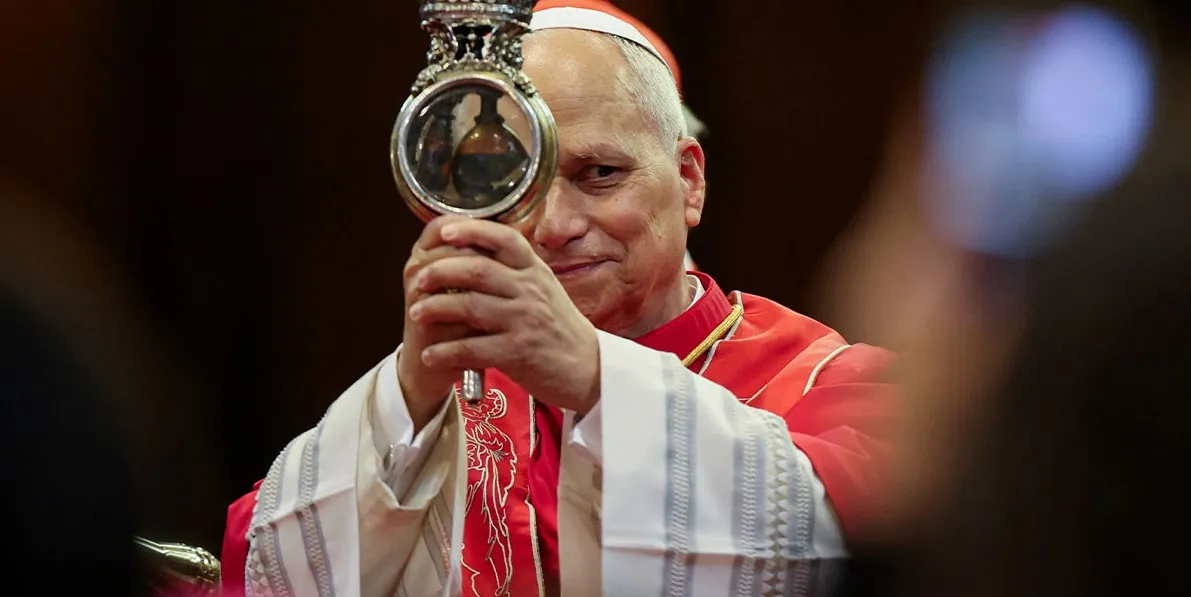
June 4, 2026
The Washington Stand
World News
Israel, Hezbollah, Pride Month, religious liberty, women's sports, and cultural identity continue dominating headlines across the United States and around the world. Through the analysis featured on Real Life Network and The Daniel Cohen Show, these stories are examined through a biblical worldview that seeks to understand not only what is happening, but why it matters. While these issues may appear unrelated at first glance, they reveal a common challenge facing both nations and individuals: the pressure to compromise truth for the sake of convenience, acceptance, or short-term peace.
Whether on the battlefield, in politics, or inside the church, the question remains the same. What happens when conviction gives way to compromise?
Israel's Security Cannot Depend on Empty Promises
Recent developments along Israel's northern border once again exposed the difficulty of making agreements with organizations that have repeatedly demonstrated hostility toward the Jewish state. Reports of ceasefire discussions involving Hezbollah and Lebanon were quickly overshadowed by renewed rocket and drone attacks into northern Israel.
For families living near the Lebanese border, these are not abstract geopolitical discussions. They are daily realities. Parents wake children in the middle of the night. Communities rush to bomb shelters. Soldiers continue serving in dangerous conditions while political leaders weigh competing pressures.
The challenge for Israel is unique.
Most nations can afford strategic mistakes. Israel often cannot.
The discussion surrounding negotiations with Iran raises similar concerns. For decades, Iranian leaders have used diplomacy, delay, and negotiations while continuing to support proxy groups throughout the region. The question is no longer whether Iran seeks regional influence. The question is whether Western leaders fully understand how long Iran is willing to wait to achieve its objectives.
Peace built on promises means little when one side continues preparing for conflict.
That reality explains why many Israelis remain skeptical whenever international pressure encourages concessions before long-term security concerns are addressed. History has taught painful lessons about trusting hostile actors who continue calling for Israel's destruction while negotiating publicly.
For more analysis of Israel, geopolitics, and current events through a biblical lens, viewers continue turning to Real Life Network and The Daniel Cohen Show.
When Institutions Stop Defending Truth
The pressure to compromise is not limited to foreign policy.
Across the Western world, institutions increasingly face demands to affirm ideas that directly conflict with biological reality, historic Christianity, and common sense. Pride Month once again highlighted these tensions as corporations, sports leagues, government officials, and even churches rushed to signal support for causes that many Christians believe contradict Scripture.
The issue is not whether churches should welcome people. They should. The gospel is for sinners. Churches should be filled with broken people seeking grace, forgiveness, healing, and transformation through Jesus Christ.
The problem emerges when welcoming people becomes indistinguishable from celebrating sin. A church exists to proclaim truth, not redefine it.
This concern became especially visible as some churches openly celebrated identities and lifestyles Scripture consistently identifies as sinful. In doing so, many critics argue these institutions have confused compassion with affirmation.
That distinction matters. A hospital welcomes sick people without celebrating disease. Likewise, churches should welcome everyone while remaining faithful to biblical truth.
The church serves people best when it refuses to compromise the truth that has the power to transform them.
This same tension extends beyond church walls. Professional sports leagues, entertainment companies, and major corporations increasingly adopt ideological positions that many Americans neither support nor recognize as representative of their values.
As cultural pressure grows, conviction becomes increasingly costly. That reality should not surprise believers. Scripture repeatedly warns that standing for truth often requires courage.
Fairness, Identity, and the Future of Cultural Leadership
Questions surrounding truth and reality have become especially visible in women's athletics.
The recent California state track championship reignited national debate after a biological male competing in the girls' division won multiple state titles. For many observers, the controversy was not complicated. It was a matter of fairness.
Young women trained, sacrificed, and competed only to find themselves competing against someone with significant biological advantages.
The response from state officials only intensified frustration. Rather than addressing the underlying issue, officials attempted to soften criticism through symbolic accommodations and shared podiums.
Yet symbols cannot resolve reality. Athletes understand competition. Parents understand competition. Most Americans understand competition. When fairness disappears, trust eventually follows.
A culture that refuses to acknowledge reality eventually loses the ability to pursue justice.
The broader challenge extends beyond sports. Questions surrounding identity, truth, biology, family, and morality increasingly shape political campaigns, educational institutions, and public life.
That is why states like Indiana and Tennessee have recently emphasized the importance of the nuclear family. These efforts reflect a growing recognition that healthy families remain foundational to healthy societies.
The cultural conversation is ultimately not about slogans or political branding. It is about whether truth remains objective or becomes subject to social pressure. The answer to that question will shape far more than public policy. It will shape the future.
The Hope of the Gospel
Political leaders will disappoint. Institutions will fail. Cultural movements will rise and fall.
Yet the deepest need of humanity remains unchanged.
Scripture teaches that all people have sinned and stand in need of reconciliation with God. No political movement, social cause, or cultural trend can solve that problem. That is why Jesus Christ came into the world. He lived the perfect life sinners could never live, died on the cross for sinners, and rose again from the grave.
Through repentance and faith in Christ, forgiveness, reconciliation, and eternal life are available to all who believe.
That hope remains greater than any headline.
For more biblically grounded reporting and analysis, visit Real Life Network and watch The Daniel Cohen Show.
Related Articles
25 min
Israel, Pride Month, and the Cost of Compromising Truth

June 3, 2026
Daniel Cohen
Entertainment & Lifestyle
Three years ago, Real Life Network launched with a simple but important mission: to share biblical truth without compromise and help believers fast-forward their faith. What began as a vision for a trusted Christian streaming service has grown into a platform reaching viewers across the United States and around the world with Christ-centered content, biblical teaching, and faith-based programming.
Since its launch, Real Life Network has become a destination for believers seeking biblical truth in a culture often dominated by confusion and competing worldviews. Through Christian TV shows, sermons, documentaries, Bible studies, cultural commentary, and family-friendly programming, the network has remained committed to helping viewers engage the world through the lens of Scripture.
Over the past three years, God has used Real Life Network to expand its reach and impact in remarkable ways. Viewers have connected with trusted voices, compelling stories, and programs designed to strengthen faith and encourage spiritual growth. Whether through daily biblical teaching, Christian news analysis, or original programming, the mission has remained the same: proclaim the truth of God's Word and point people to Jesus Christ.
As many viewers search for reliable Christian media and uncensored news coverage rooted in a biblical worldview, Real Life Network has continued to provide content that addresses today's most important cultural, political, and spiritual issues without compromising biblical convictions. In an age of information overload, the network seeks to equip believers with wisdom, discernment, and confidence in God's truth.
This milestone is also an opportunity to celebrate God's faithfulness. Every viewer, supporter, ministry partner, and contributor has played a role in helping Real Life Network expand its influence and reach new audiences. Together, a growing community has helped make biblical content accessible to families, churches, and individuals seeking encouragement, truth, and hope.
As Real Life Network looks ahead, the mission continues. There are more people to reach, more stories to tell, and more opportunities to bring a biblical worldview into a culture searching for answers. The need for trusted Christian streaming services, biblical teaching, Christian TV shows, and faith-based media remains as important as ever.
The past three years have been a testimony to God's provision and faithfulness. The vision for the future remains clear: continue sharing truth, strengthening believers, delivering biblically grounded content, and pointing people to the hope found in Jesus Christ through Real Life Network.
Related Articles
- How Do Christian Streaming Platforms Reach Younger Generations? by Real Life Network
- How Does Streaming Faith-Based Content Strengthen My Faith by Real Life Network
- Best Faith-Based Documentaries to Watch for Free by Real Life Network
25 min
Celebrating Three Years of Real Life Network
June 3, 2026
Real Life Network
World News
Politics, culture, Israel, religious liberty, and the future of Western values continue to dominate headlines across the United States. Through the reporting and analysis featured on Real Life Network and The Daniel Cohen Show, these stories are viewed through a biblical worldview that seeks to understand not only what is happening, but why it matters. Recent developments in New York, Texas, California, and beyond reveal growing debates about leadership, identity, anti-Semitism, and the direction of American culture.
While the stories may seem unrelated at first glance, a common thread runs through many of them. Increasingly, voters are questioning whether political leaders truly represent the values they claim to defend.
Political Branding Meets Public Scrutiny
Political campaigns are built on image. Candidates work tirelessly to present themselves as authentic, relatable, and trustworthy. Yet in an era where information moves instantly, public figures face unprecedented scrutiny.
The controversy surrounding Maine Senate candidate Graham Plattner illustrates that reality. Questions surrounding past behavior, judgment, and personal conduct have become central to public discussions about his candidacy. While voters ultimately decide whether such issues matter, campaigns increasingly discover that personal credibility often becomes inseparable from political messaging.
The same dynamic is unfolding in Texas.
James Tallarico has received significant attention from Democrats searching for a statewide candidate capable of appealing to younger voters and progressive activists. Yet questions surrounding his positions on gender, abortion, faith, and cultural issues continue generating debate among Texans who view those issues as central rather than secondary.
Voters are increasingly evaluating candidates through the lens of worldview rather than party affiliation alone.
This shift helps explain why campaigns increasingly focus on cultural issues. For many Americans, questions surrounding family, faith, education, biological reality, and religious liberty feel far more immediate than traditional partisan talking points.
The result is a political environment where authenticity matters more than carefully crafted messaging.
For more analysis of politics, culture, and current events through a biblical lens, viewers continue turning to Real Life Network and The Daniel Cohen Show for thoughtful reporting grounded in truth.
New York's Direction Raises Larger Questions
Nowhere are these cultural tensions more visible than New York City.
The decision by Mayor Zohran Mamdani not to participate in the city's Israel Day Parade generated significant controversy. For decades, New York's leaders have recognized the city's historic connection to its Jewish community, which remains the largest Jewish population outside of Israel.
That history makes symbolic decisions matter.
Supporters argue Mamdani is simply remaining consistent with his views on Israel. Critics argue the decision reflects a broader hostility toward the Jewish state and raises concerns about the future relationship between city leadership and New York's Jewish community.
The discussion extends beyond one parade.
Recent years have witnessed a dramatic increase in anti-Semitic incidents across North America and Europe. University campuses, public demonstrations, and social media platforms have become battlegrounds where debates about Israel often spill over into hostility toward Jewish people themselves.
A society cannot tolerate hostility toward one group without eventually weakening its commitment to human dignity for all groups.
The challenge is compounded by the rise of ideological coalitions that often appear united politically despite holding fundamentally different worldviews.
This reality became increasingly visible through public appearances involving progressive politicians and activist groups whose beliefs diverge sharply on issues such as women's rights, religious liberty, sexual ethics, and freedom of expression.
Yet political alliances continue forming because shared political objectives often outweigh philosophical differences.
That trend deserves careful examination.
California, Culture, and the Future of Civic Leadership
While New York grapples with questions surrounding identity and representation, California finds itself confronting a different set of challenges.
Crime, homelessness, affordability, public safety, and government accountability remain dominant concerns throughout the state. Those frustrations have created opportunities for outsider candidates willing to challenge entrenched political systems.
The rise of Spencer Pratt's mayoral campaign in Los Angeles reflects this dynamic. What began as an unconventional candidacy has gained traction by focusing attention on issues many residents experience every day.
The campaign's appeal is not primarily ideological.
It is practical.
Voters increasingly want solutions to visible problems rather than explanations for why those problems continue to exist.
The same reality shapes the California governor's race. As Democrats continue searching for their preferred candidate, Republicans face pressure to consolidate support behind a candidate capable of advancing to the general election.
Political success ultimately depends upon whether leaders address the realities citizens encounter in everyday life.
This broader dissatisfaction extends beyond California. Across the country, Americans continue expressing concern about inflation, public safety, education, border security, and trust in institutions.
Those concerns explain why political outsiders continue finding support despite lacking traditional political credentials.
Citizens are searching for leaders who acknowledge reality rather than redefine it.
The Hope Beyond Politics
Politics matters because ideas matter. Elections have consequences. Leadership matters.
But politics cannot solve humanity's deepest problem.
Scripture teaches that every person stands in need of reconciliation with God. No government, political movement, or cultural trend can repair what sin has broken. That is why Jesus Christ came into the world. He lived the perfect life sinners could never live, died on the cross for sinners, and rose again from the grave.
Through repentance and faith in Christ, forgiveness and eternal life are available to all who believe.
That hope remains greater than any election, political movement, or cultural controversy.
For more biblically grounded reporting and analysis, visit Real Life Network and watch The Daniel Cohen Show.
Related Articles
25 min
New York Politics, Anti-Israel Activism, and the Questions Many Leaders Avoid
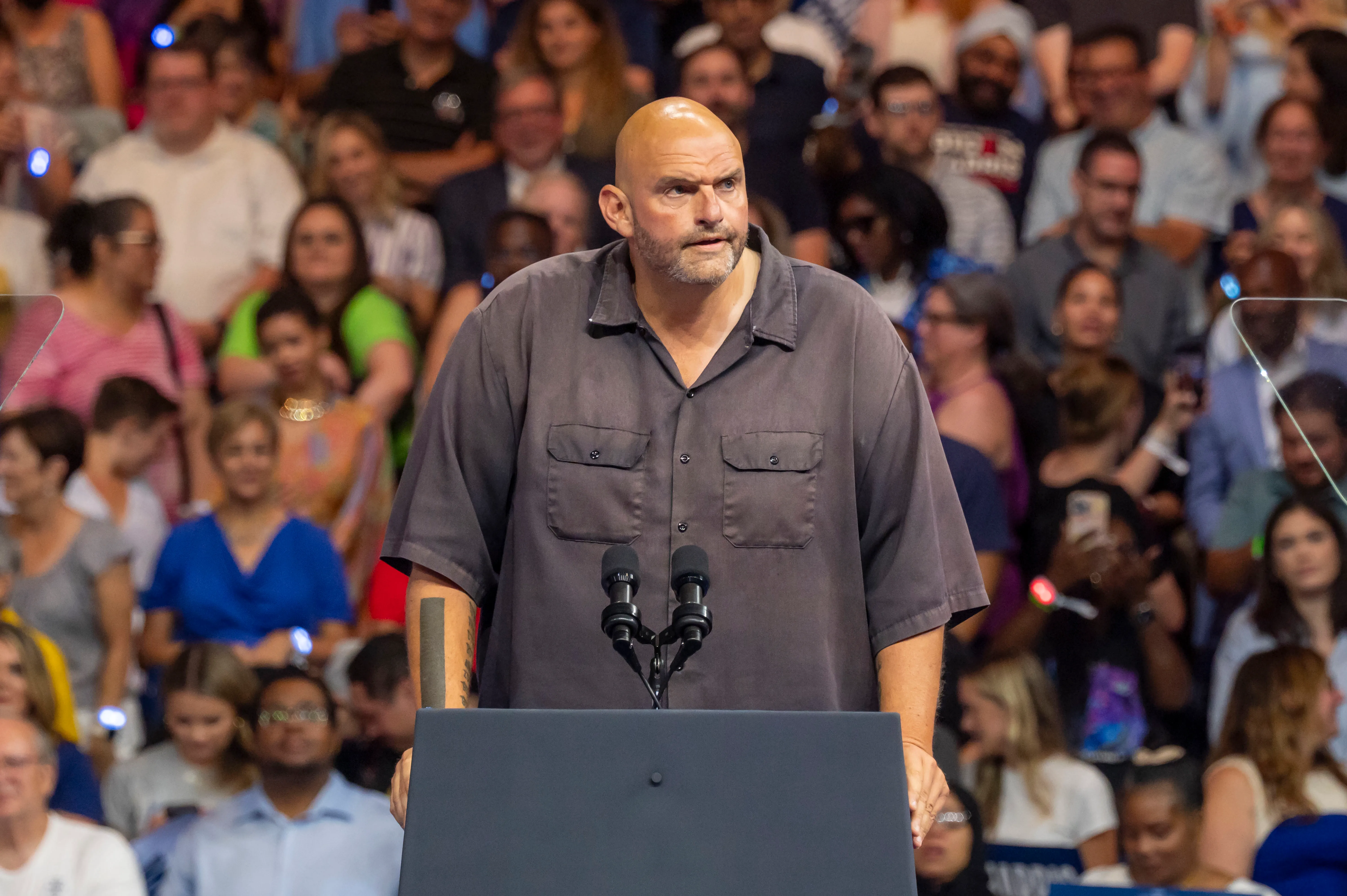
June 1, 2026
Daniel Cohen
World News
Election integrity, border security, free speech, anti-Semitism, and cultural values continue to dominate the national conversation. As Americans prepare for another election cycle, the debate is no longer limited to taxes, spending, or partisan politics. Increasingly, voters are asking deeper questions about leadership, accountability, truth, and the future direction of the country. Through the analysis featured on Real Life Network and The Daniel Cohen Show, these issues are viewed through a biblical worldview that seeks to understand not only what is happening, but why it matters.
Recent developments in Texas, Canada, California, New York, and on college campuses across America reveal a common thread. Citizens are becoming increasingly skeptical of institutions they believe have grown disconnected from the people they are meant to serve.
The Republican Base Is Demanding More Than Party Loyalty
The Texas Senate primary delivered one of the most significant political results of the year. Attorney General Ken Paxton's overwhelming victory over longtime Senator John Cornyn sent a message that extended far beyond state lines.
This was not simply a contest between two Republicans.
It reflected a growing frustration among conservative voters who increasingly believe that party affiliation alone is no longer enough. Many voters are looking beyond voting records and campaign promises. They want leaders who actively pursue the issues they believe matter most.
The debate surrounding the SAVE America Act became one of the clearest examples. Requiring proof of citizenship in federal elections remains broadly popular among Republican voters and enjoys significant support among independents as well. For many Americans, election integrity is not a partisan issue. It is a confidence issue.
Trust in elections affects trust in government itself.
Voters are no longer rewarding politicians simply for holding conservative positions. They are rewarding politicians who are willing to advance those positions.
That sentiment extends beyond Texas. Across the country, establishment figures within both parties continue facing challenges from voters who feel ignored, dismissed, or taken for granted.
The message from Texas was straightforward. Political titles, seniority, and institutional influence matter less than they once did. Results matter more.
For more analysis of politics, culture, and current events through a biblical lens, viewers continue turning to Real Life Network and The Daniel Cohen Show for thoughtful commentary grounded in truth rather than political fashion.
Culture, Truth, and the Limits of Political Rebranding
The growing divide in American politics is increasingly cultural rather than economic.
Questions surrounding gender, abortion, national identity, religious liberty, and education have moved from the margins of public debate to the center. Voters are evaluating candidates not only by what policies they support but also by the worldview that shapes those policies.
This dynamic became especially visible in Texas, where discussions surrounding gender ideology, abortion, and faith played a prominent role in the campaign environment.
The challenge for many political candidates is that public statements, interviews, social media posts, and recorded comments now follow them indefinitely. In an age where every statement can be replayed instantly, attempts to reposition or redefine previous positions often face significant obstacles.
That reality is reshaping modern campaigns.
It is also reshaping public trust.
When leaders repeatedly ask voters to ignore what they have plainly said, credibility becomes difficult to maintain.
The same concerns are emerging beyond the United States.
In Canada, the detention of a conservative activist under mental health provisions raised serious questions about government authority, free speech, and the treatment of political dissent. Regardless of political affiliation, the principle remains important. Free societies require the freedom to express disagreement without fear of state punishment.
History provides countless examples of what happens when governments decide which viewpoints are acceptable and which are not.
For Christians, these developments highlight the importance of discernment. Political movements come and go, but truth remains unchanged. The ability to think critically, evaluate ideas carefully, and remain anchored in Scripture becomes increasingly important in times of cultural confusion.
Anti-Semitism, Free Expression, and the Future of the West
Another issue demanding attention is the resurgence of anti-Semitism throughout the Western world.
Events on university campuses, including incidents at UCLA and other major institutions, have exposed a troubling trend. Jewish students increasingly report harassment, intimidation, exclusion, and hostility simply because of their identity or support for Israel.
These developments should concern everyone.
Anti-Semitism has rarely remained isolated throughout history. It often serves as an early warning sign of broader cultural and moral decline.
The normalization of hostility toward any group creates conditions where intolerance can flourish more broadly. That reality makes moral clarity essential.
A society that becomes comfortable with hatred eventually discovers that hatred never stays confined to one target.
The discussion surrounding Israel also continues to reveal how historical understanding shapes present-day conversations. Many debates surrounding the Israeli-Palestinian conflict ignore decades of failed peace negotiations, rejected compromises, and competing visions for the future of the region.
Without historical context, public understanding becomes vulnerable to slogans, propaganda, and oversimplification.
The same principle applies domestically.
Whether discussing free speech, election integrity, anti-Semitism, or political accountability, healthy societies depend upon a commitment to truth. Facts matter. History matters. Ideas matter.
When those foundations erode, institutions become weaker, public trust declines, and social division deepens.
The future of America will not be determined solely by elections. It will also be shaped by whether citizens remain committed to truth, responsibility, and the values that sustain free societies.
The Hope of the Gospel
Political victories come and go. Governments rise and fall. Cultural movements gain influence and eventually fade.
Yet the deepest problem facing humanity cannot be solved through elections, legislation, or public policy.
Scripture teaches that every person stands in need of reconciliation with God. Sin separates humanity from its Creator, and no amount of political success can solve that problem. That is why Jesus Christ came into the world. He lived the perfect life sinners could never live, died on the cross as a substitute for sinners, and rose again from the grave.
Through repentance and faith in Christ, forgiveness, reconciliation, and eternal life are available to all who believe.
That hope remains far greater than any political moment.
For more biblically grounded reporting and analysis, visit Real Life Network and watch The Daniel Cohen Show.
Related Articles
25 min
Texas Voters Draw a Line as the Republican Party Continues to Change
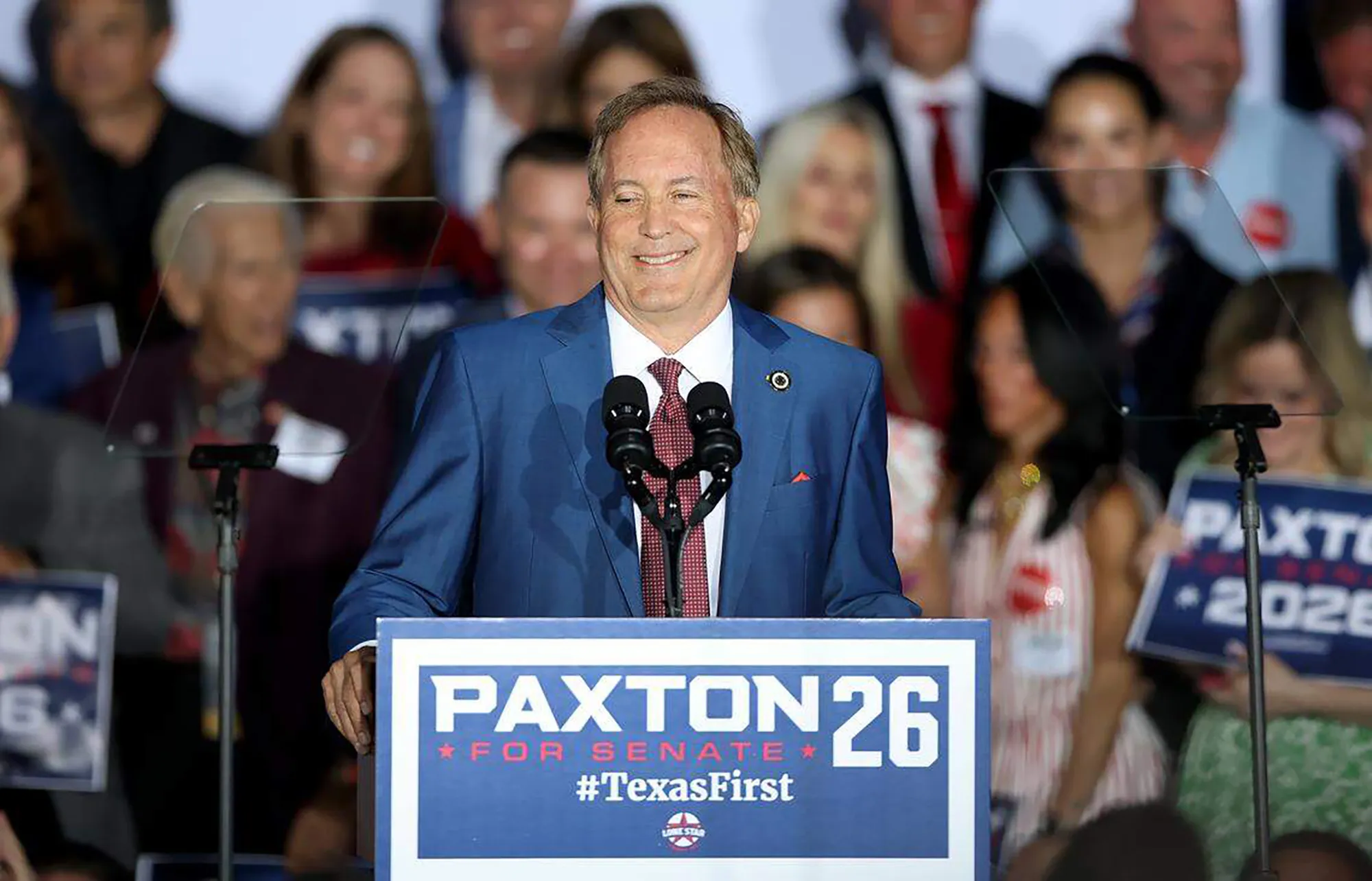
May 29, 2026
Daniel Cohen
World News
In today’s online news, politics, and Christian streaming environment, debates surrounding Iran, Israel, election integrity, immigration, cultural identity, and political leadership continue shaping the future of the West. On Real Life Network and through The Daniel Cohen Show, viewers are engaging with analysis that moves beyond headlines and examines the deeper realities driving global events. From fragile negotiations with Iran and President Trump’s strategy surrounding the Abraham Accords to concerns over election integrity, Democrat political messaging, and cultural confusion spreading throughout the West, these stories reveal a world increasingly divided over truth, leadership, and national identity.
At the center of all of it is one critical question.
Can the West preserve its foundations while abandoning the values that built it?
Iran, the Abraham Accords, and the Strategy Behind Trump’s Negotiations
Negotiators continue discussing a possible agreement with Iran, but despite public statements suggesting progress, major divisions remain unresolved. Iran insists on preserving uranium enrichment rights, while the United States continues demanding full restrictions, verification, and accountability.
Daniel Cohen repeatedly emphasized a simple point throughout the discussion.
Words are not the same thing as concessions.
Iranian officials continue speaking in vague terms about future cooperation while refusing to commit to the very conditions required for a meaningful agreement. That distinction matters because the Islamic Republic has spent decades exploiting negotiations to buy time while advancing its long-term objectives.
A deal that delays accountability without eliminating the threat is not peace. It is postponement.
The issue becomes even more serious when considering Iran’s continued hostility toward both Israel and the United States. Iranian leaders still openly support terror proxies across the Middle East while threatening the Jewish state and destabilizing the region.
At the same time, President Trump introduced another major element into the negotiations by linking any future agreement to an expansion of the Abraham Accords. Reports indicate Trump wants additional Muslim-majority nations, including Saudi Arabia and Qatar, to normalize relations with Israel as part of a broader regional framework.
That strategy changes the conversation entirely.
The Abraham Accords are not simply symbolic diplomacy. They create economic, military, technological, and strategic partnerships that strengthen regional stability while isolating extremist regimes like Iran.
For more biblically grounded reporting on Israel, geopolitics, and current events, continue watching on Real Life Network and The Daniel Cohen Show.
Election Integrity, Midterms, and the Democrat Credibility Problem
While international negotiations dominate headlines, political battles inside the United States continue intensifying ahead of the next election cycle. Speaker Mike Johnson expressed confidence that Republicans can maintain congressional control by focusing on kitchen table issues like inflation, food prices, border security, and affordability.
Daniel Cohen argued that those concerns remain central because ordinary Americans care most about practical realities affecting daily life.
Gas prices matter.
Food prices matter.
Public safety matters.
Political messaging becomes meaningless when voters feel everyday life becoming more unstable and unaffordable.
That frustration also fuels growing calls for stronger election integrity laws. Cohen specifically highlighted Republican efforts surrounding the Save America Act, which focuses on voter ID requirements, proof of citizenship, and paper ballot protections.
For many conservatives, the issue is straightforward.
Secure elections build trust.
At the same time, Democrats continue facing serious internal credibility problems following Kamala Harris’s election defeat. A lengthy post-election Democrat “autopsy” report acknowledged major losses among working-class voters, men, Latino voters, and rural Americans. Yet critics argue the report largely ignored the policy failures that drove those losses in the first place.
The broader concern is not simply messaging.
It is trust.
Polling numbers continue showing historically low approval ratings for congressional Democrats, particularly among male voters. Many Americans increasingly view progressive cultural priorities as disconnected from the practical concerns facing working families.
That disconnect is becoming politically costly.
Stay connected to biblically grounded political analysis through Real Life Network and The Daniel Cohen Show.
Cultural Confusion, Western Identity, and the Importance of Conviction
Beyond politics, the episode also focused heavily on cultural identity and the growing confusion spreading throughout portions of the West. Daniel Cohen discussed controversies involving beauty pageants, Islamic symbolism, anti-Israel demonstrations, and education systems increasingly hostile toward Christianity and traditional Western values.
One particularly viral moment involved a young student in the United Kingdom refusing to participate in Islamic prayer during a school mosque visit.
Cohen praised the student’s conviction.
Conviction matters most when standing firm carries personal pressure or social consequences.
That moment resonated because many parents increasingly worry Western institutions are pressuring children to embrace ideological conformity while discouraging biblical conviction and national identity.
The broader concern is not about hatred toward Muslims or immigrants. Cohen repeatedly distinguished between respecting people and surrendering foundational values.
That distinction matters.
At the same time, anti-Israel demonstrations across cities like Montreal continue intensifying concerns about rising anti-Semitism throughout the West. Images of Jewish figures hanging in effigy during protests reflected how quickly political extremism can normalize hatred when moral boundaries collapse.
Daniel Cohen also criticized political figures like James Talarico for framing the American flag itself as “complicated.” Cohen argued the flag represents sacrifice, freedom, faith, family, and the principles that built the country.
For millions of Americans, those values are not outdated.
They are foundational.
The deeper issue is whether Western nations still possess the confidence to preserve the values and moral clarity that allowed them to flourish in the first place.
In a moment where geopolitical instability, election integrity, cultural confusion, and ideological division are all converging at once, discernment matters more than ever. These headlines are not disconnected stories. They reflect competing visions for the future of the West and fundamentally different understandings of truth, freedom, and leadership.
Understanding those differences requires more than political outrage or tribal loyalty.
It requires wisdom grounded in biblical truth.
For more biblically grounded reporting connecting current events to a biblical worldview, visit Real Life Network and watch The Daniel Cohen Show.
Related Articles
25 min
Iran, Election Integrity, and the Political Realignment Reshaping the West

May 27, 2026
Daniel Cohen
World News
In today’s online news, politics, and Christian streaming environment, the battles over socialism, political violence, radical ideology, Israel, faith, and cultural truth are becoming impossible to ignore. On Real Life Network and through The Daniel Cohen Show, viewers are engaging with conversations that connect headlines to a biblical worldview and examine the deeper spiritual forces shaping America and the West. From the tragic shooting at a San Diego mosque to the rise of socialist politics in New York City, from anti-Israel rhetoric and political extremism to surprising moments of bipartisan cooperation involving President Trump and Mark Cuban, these stories reveal a nation wrestling with truth, morality, and identity.
The divide is no longer just political.
It is spiritual, cultural, and deeply moral.
Violence, Radical Ideology, and the Moral Difference the West Must Preserve
The deadly shooting at the Islamic Center of San Diego shocked the nation and immediately reignited debates surrounding political violence, radicalization, and religious extremism. The attack left five people dead, including a security guard credited with preventing even greater loss of life.
Daniel Cohen made one point unmistakably clear.
Violence against innocent people is wrong. Full stop.
That principle matters because moral consistency matters. Conservatives grieve when synagogues are attacked. Christians grieve when churches are bombed. And believers should also grieve when innocent people at a mosque lose their lives.
A society that abandons moral consistency eventually loses its ability to distinguish justice from vengeance.
At the same time, the broader context surrounding radical Islam and anti-Israel extremism cannot be ignored. Cohen referenced the documented ties between individuals connected to the San Diego Islamic Center and two of the 9/11 hijackers, information contained within the official 9/11 Commission Report. He also addressed comments from Imam Taha Hassani following the October 7 Hamas massacre, in which he framed the attacks as justified “resistance.”
That distinction matters deeply.
Criticizing radical ideology is not the same as celebrating violence against innocent people. In fact, the refusal to target civilians is precisely what separates Western moral principles from terrorist ideology.
Israel’s actions following October 7 reflected that distinction as well. Cohen emphasized the extensive warnings issued by the IDF before strikes in Gaza, including text messages, phone calls, and leaflets urging civilians to evacuate targeted areas. No military conflict is without tragedy, but Israel’s efforts to minimize civilian casualties stand in stark contrast to Hamas tactics involving human shields and deliberate attacks against civilians.
For more biblically grounded reporting on Israel, politics, and culture, continue watching on Real Life Network and The Daniel Cohen Show.
Socialism, Dependency, and the Failure of Government Solutions
While San Diego processed tragedy, New York City found itself debating a very different issue. Democratic Socialist mayoral candidate Zoran Mamdani announced plans for additional city-owned grocery stores funded by tens of millions of taxpayer dollars.
The proposal was framed as compassion.
Critics viewed it as economic fantasy.
Daniel Cohen pointed to the collapse of similar city-funded grocery projects in Kansas City, where millions in taxpayer dollars produced empty shelves, mounting crime, financial failure, and eventual closure. The issue is not merely whether government should help struggling communities. It is whether government-run economic systems actually produce sustainable results.
History repeatedly answers that question.
Socialism promises equality and security, but it repeatedly produces dependency, inefficiency, and economic decline.
This concern extends beyond grocery stores. Cohen argued that younger generations increasingly embrace socialism because they have been taught to view capitalism primarily through its failures rather than through its historical success in lifting millions out of poverty.
At the same time, the rise of online political extremism surrounding the murder of UnitedHealthcare CEO Brian Thompson exposed another disturbing trend. Social media users openly celebrated the assassination, praised the accused shooter, and framed violence as justified resistance against wealth and capitalism.
That normalization of hatred reflects something deeper.
When political ideology replaces moral restraint, violence eventually becomes easier to justify.
The cultural consequences become visible quickly. Cities already struggling with crime, addiction, homelessness, and economic instability increasingly double down on policies critics argue helped create those conditions in the first place.
Stay connected to biblically grounded analysis through Real Life Network and The Daniel Cohen Show.
Truth, Cooperation, and the Spiritual Foundation America Cannot Lose
At the same time, the show also highlighted a rare moment of political cooperation. Billionaire entrepreneur Mark Cuban, a longtime Trump critic and supporter of Kamala Harris, appeared alongside President Trump to announce expanded access to lower-cost prescription drugs through Trump Rx and Cost Plus Drugs.
The moment mattered because it demonstrated something increasingly rare in modern politics.
Results over tribalism.
When truth and practical solutions matter more than political branding, people with very different views can still work together for the common good.
For millions of Americans struggling to afford medication, the issue is not ideological. It is deeply personal. Cohen referenced seniors forced to choose between paying for prescriptions or buying food, highlighting why reducing drug costs matters in practical human terms.
The conversation then widened into a broader cultural reflection.
Hollywood outsourcing jobs overseas, growing distrust in institutions, rising political tribalism, and cultural confusion all point back to a deeper spiritual problem. Daniel Cohen referenced comments from Jewish activist Josh Hammer, who argued that societies abandoning objective truth eventually descend into misery, despair, and destruction.
That concern connects directly to Scripture.
The Ten Commandments introduced objective moral boundaries into civilization itself. “Thou shalt not murder” is not a partisan slogan or political opinion. It is a moral command rooted in God’s authority.
Without those boundaries, truth becomes tribal.
And when truth becomes tribal, society eventually loses the ability to distinguish between reality and ideology.
That is why Cohen closed by emphasizing prayer, humility, repentance, and civic engagement. Christians are not called to surrender culture. They are called to engage it with truth, conviction, and moral clarity grounded in Scripture.
In a time where socialism, political violence, radical ideology, and cultural confusion continue colliding across America and the West, discernment matters more than ever. These stories are not disconnected headlines. They reveal a broader battle over morality, truth, and the future direction of society.
Understanding that battle requires more than outrage or political loyalty.
It requires wisdom grounded in biblical truth.
For more biblically grounded reporting connecting today’s headlines to the good news of the gospel, visit Real Life Network and watch The Daniel Cohen Show.
Related Articles
25 min
The San Diego Shooting and New York’s Socialist Experiment
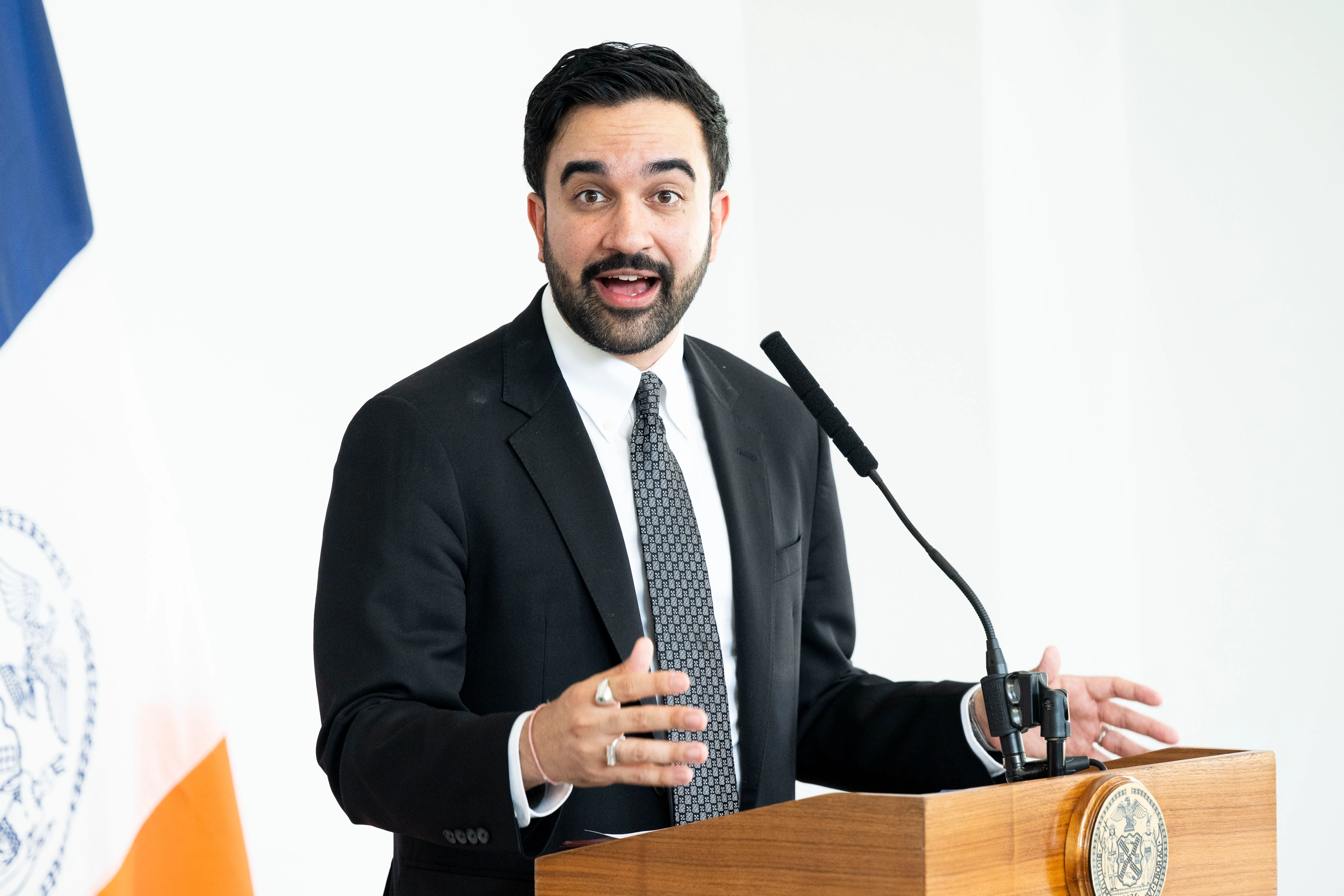
May 22, 2026
Daniel Cohen
World News
In today’s online news, politics, and Christian streaming environment, the battles over election integrity, anti-Semitism, radical Islam, media manipulation, and the future of Western civilization are intensifying at an extraordinary pace. On Real Life Network and through The Daniel Cohen Show, viewers are engaging with analysis that cuts through political branding and legacy media narratives to examine what is actually happening beneath the surface. From Republican voters removing establishment politicians like Bill Cassidy to rising unrest in London, from anti-Semitic intimidation in New York City to Hamas propaganda campaigns shaping Western media coverage, these stories are not disconnected. They reveal a deeper struggle over truth, national identity, and the survival of the values that built the West.
The divide is no longer hidden.
It is unfolding in public for the entire world to see.
Election Integrity, Republican Revolt, and the End of the Rhino Era
The latest Republican primaries revealed something many establishment figures still refuse to acknowledge. Conservative voters are increasingly unwilling to tolerate politicians they believe abandoned the movement that elected them in the first place.
Louisiana Senator Bill Cassidy’s collapse in the Republican primary became one of the clearest examples yet. After voting with Democrats during President Trump’s second impeachment, Cassidy attempted to defend his decision as accountability and principle. Republican voters saw it differently.
They saw betrayal.
The result was historic. Cassidy not only lost support. He failed to even make the runoff election in his own state.
When political leaders repeatedly ignore the priorities of their own voters, those voters eventually remove them from power.
At the same time, Kentucky Congressman Thomas Massie now faces growing political backlash as conservatives accuse him of repeatedly obstructing key Republican priorities involving taxes, border security, Israel, and election integrity.
The frustration is broader than any single politician.
Many conservative voters increasingly believe portions of the Republican establishment have become more interested in media approval and institutional acceptance than actually advancing conservative policy goals. That frustration explains the growing support for legislation like the Save America Act, which would require proof of citizenship in federal elections.
For many voters, the issue is not controversial.
It is common sense.
The same frustration also explains why outsider voices and alternative media platforms continue gaining influence while trust in legacy institutions keeps collapsing.
For more biblically grounded reporting on politics, Israel, and culture, continue watching on Real Life Network and The Daniel Cohen Show.
Radical Islam, Anti-Semitism, and the Warnings Coming from Europe
At the same time, events unfolding in New York City and across the United Kingdom are raising major concerns about anti-Semitism, radical Islam, and the long-term consequences of failed immigration and assimilation policies.
One particularly disturbing example involved groups of Muslim men gathering directly outside an all-girls Jewish school in New York City during Friday prayers. The issue was not prayer itself. The issue was location and intent.
Why there?
Why directly outside a Jewish girls’ school?
For many Jewish families, the message felt unmistakable.
A society that refuses to confront intimidation eventually empowers the people carrying it out.
Meanwhile, similar tensions are rapidly escalating in London and other major European cities. Massive demonstrations across the UK protesting immigration policies, Islamist influence, and rising crime reflected a growing belief among ordinary citizens that political leaders no longer represent their interests.
These were not fringe activists.
They were working families, longtime residents, and ordinary citizens saying they no longer recognize their own country.
That concern intensified further as Islamist counter-protesters openly declared, “These streets are ours,” during demonstrations in London. Critics argue statements like that reveal a deeper ideological conflict unfolding across portions of Europe.
At the same time, British authorities continue aggressively policing speech involving Christianity, nationalism, and criticism of Islam while appearing far less aggressive toward radical Islamist activism itself.
That double standard has become impossible for many citizens to ignore.
Stay connected to biblically grounded analysis through Real Life Network and The Daniel Cohen Show.
Gaza Propaganda, Media Manipulation, and the Fight Over Truth
Beyond political unrest, the information war surrounding Israel and Gaza continues reshaping public perception across the West. Viral images, emotionally charged videos, and carefully crafted narratives now dominate social media platforms at extraordinary speed.
But increasingly, many of those images are being exposed as manipulated or staged.
One widely circulated photograph portraying a starving Palestinian child standing amid destruction was later revealed to involve carefully staged production techniques, including smoke effects, wind machines, and orchestrated camera positioning.
The image spread globally before questions were ever asked.
In the modern information war, emotional imagery often spreads faster than verified truth.
This pattern extends far beyond a single photograph.
Repeated examples of staged videos, recycled footage, choreographed hospital scenes, and manipulated casualty narratives have fueled growing skepticism toward media coverage surrounding Gaza. Critics argue many major outlets continue repeating Hamas-provided information with minimal scrutiny while applying intense skepticism toward Israel.
At the same time, Hamas continues openly indoctrinating children, rebuilding military infrastructure, and refusing meaningful demilitarization. Video footage showing children carrying rifles alongside terrorists only reinforced Israeli concerns that the conflict is far from over.
For Israel, this is not theoretical.
It is existential.
Meanwhile, the Justice Department’s decision to pursue the death penalty against Elias Rodriguez, the man accused of murdering Israeli embassy staffers Yaron Lischinsky and Sarah Milgrim in Washington, D.C., underscored the deadly consequences of radicalized anti-Semitism spreading across portions of the West.
Political violence fueled by ideological hatred is no longer happening only overseas.
It is happening here.
In a time when election integrity, anti-Semitism, media propaganda, and national identity are all colliding simultaneously, discernment matters more than ever. These debates are not isolated headlines. They reflect a broader struggle over truth, leadership, and the future direction of Western civilization.
Understanding that struggle requires more than outrage or political branding.
It requires wisdom grounded in truth.
For more biblically grounded reporting connecting current events to a biblical worldview, visit Real Life Network and watch The Daniel Cohen Show.
Related Articles
25 min
Election Integrity, Radical Islam, and the Growing Revolt Against the Political Establishment
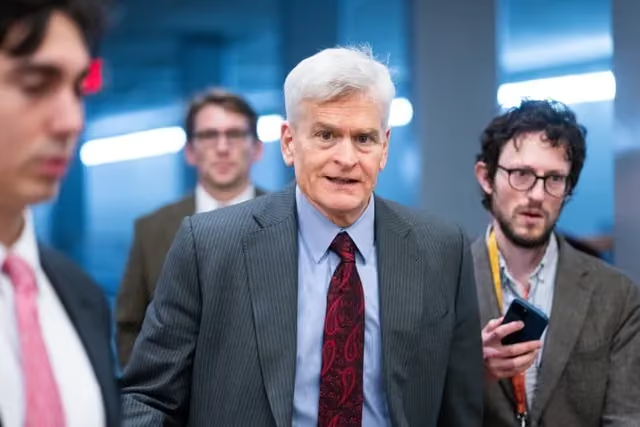
May 20, 2026
Daniel Cohen
World News
In today’s online news, politics, and Christian streaming environment, debates surrounding socialism, border security, government power, Israel, and the future direction of America are becoming impossible to ignore. On Real Life Network and through The Daniel Cohen Show, viewers are engaging with analysis that cuts through political branding and media narratives to examine what competing visions for America would actually look like in practice. From Gavin Newsom’s California record to Alexandria Ocasio-Cortez’s growing influence inside the Democrat Party, from Kamala Harris’s role in the border crisis to concerns over socialism and American decline, these conversations are revealing a larger struggle over leadership, truth, and national identity.
The stakes are no longer theoretical.
The direction of the next decade is already being debated in real time.
The 2028 Democrat Field and the Politics of Managed Decline
The latest polling surrounding the Democrat presidential field for 2028 revealed a dramatic shift inside the party. Alexandria Ocasio-Cortez surged into first place among potential candidates, ahead of Pete Buttigieg, Gavin Newsom, and Kamala Harris.
That polling matters because it reflects where energy inside the Democrat Party is moving.
AOC represents a movement built around expansive government power, aggressive climate mandates, identity politics, open border policies, and socialist-style economic restructuring. At the same time, Gavin Newsom continues positioning himself as the polished face of progressive governance despite California’s mounting problems involving homelessness, crime, taxation, illegal immigration, and population loss.
The contrast between rhetoric and reality has become increasingly difficult to ignore.
Political branding can shape perception for a season, but reality eventually exposes whether policies are actually working.
California remains central to that debate.
Despite billions spent on homelessness initiatives, the crisis continues growing. Businesses and families continue leaving the state. Infrastructure failures, rising living costs, and public safety concerns continue fueling frustration among ordinary residents.
At the same time, Newsom’s critics increasingly point to what they describe as a pattern of symbolic politics replacing practical governance. Whether discussing lockdown hypocrisy during COVID, taxpayer-funded programs for prison inmates, or escalating state spending with little measurable improvement, opponents argue California reflects a model of governance many Americans do not want exported nationally.
For more biblically grounded reporting on politics, culture, and current events, continue watching on Real Life Network and The Daniel Cohen Show.
Socialism, Government Power, and the Appeal of Free Everything
Beyond personalities, the larger ideological battle inside the Democrat Party revolves around the role of government itself. Figures like AOC continue promoting Medicare for All, the Green New Deal, expanded welfare systems, student debt forgiveness, and sweeping economic redistribution policies.
The messaging is emotionally effective.
Promises of free healthcare, free education, free childcare, and government-provided security resonate strongly with younger voters struggling financially in an uncertain economy.
But critics argue those promises ignore economic reality.
The promise of socialism often sounds compassionate until someone asks who ultimately pays the cost.
This debate is not merely theoretical. Around the world, examples of socialist governance have repeatedly produced economic collapse, shortages, inflation, and growing government dependency. Venezuela remains one of the clearest modern examples.
At the same time, polling data showing rising support for democratic socialism among younger Americans has intensified concern among conservatives who believe many young voters are increasingly disconnected from the historical consequences of centralized government power.
The issue also intersects with broader cultural messaging.
Many progressive leaders increasingly frame success itself with suspicion, arguing wealth creation is inherently exploitative. Critics counter that entrepreneurship, innovation, and private industry are precisely what historically fueled American prosperity.
That contrast became especially visible in debates surrounding Elon Musk, Jeff Bezos, and private sector innovation versus government inefficiency. While companies like Tesla built massive global charging networks through private investment, federal programs backed by billions in taxpayer funding struggled to produce measurable results.
Stay connected to biblically grounded cultural analysis through Real Life Network and The Daniel Cohen Show.
Border Security, Israel, and the Future of American Leadership
At the same time, concerns surrounding border security and foreign policy continue shaping the broader political conversation. Kamala Harris’s role overseeing border policy during the Biden administration remains a central point of criticism among conservatives who point to millions of illegal crossings occurring during her tenure.
For many Americans, the issue extends beyond immigration itself.
It involves questions of sovereignty, law enforcement, economic pressure, and national identity.
When a nation loses control of its borders, it eventually struggles to maintain confidence in every other institution tied to national stability.
Those same concerns now intersect with growing anxiety surrounding America’s role on the world stage.
Daniel Cohen’s perspective from Israel adds another dimension to the discussion. Living in Israel during October 7 and the ongoing regional conflict with Iran, he repeatedly emphasized the importance of strong American leadership and unwavering support for Israel’s security.
That concern becomes especially significant given rising anti-Israel sentiment among portions of the progressive left. AOC and other Democrat Socialists of America members have openly pushed to reduce or eliminate support for Israel, including opposition to defensive systems like Iron Dome.
For Israelis living under constant missile threats, these are not abstract political debates.
They are life-and-death realities.
At the same time, broader geopolitical instability following the Afghanistan withdrawal, escalating Iranian aggression, and rising tensions involving China and Russia continue fueling concerns about American weakness abroad.
The question voters increasingly face is not simply which policies sound appealing.
It is which leadership vision appears capable of maintaining stability in an increasingly unstable world.
In a moment where socialism, border security, government power, and foreign policy are all converging in the national conversation, discernment matters more than ever. These debates are not isolated headlines. They reflect competing visions for America’s future and fundamentally different understandings of freedom, leadership, and responsibility.
Understanding those differences requires more than political slogans or emotional appeals.
It requires wisdom grounded in truth.
For more biblically grounded reporting connecting current events to a biblical worldview, visit Real Life Network and watch The Daniel Cohen Show.
Related Articles
25 min
2028 Democrats, Socialism, and the Growing Debate Over America’s Future
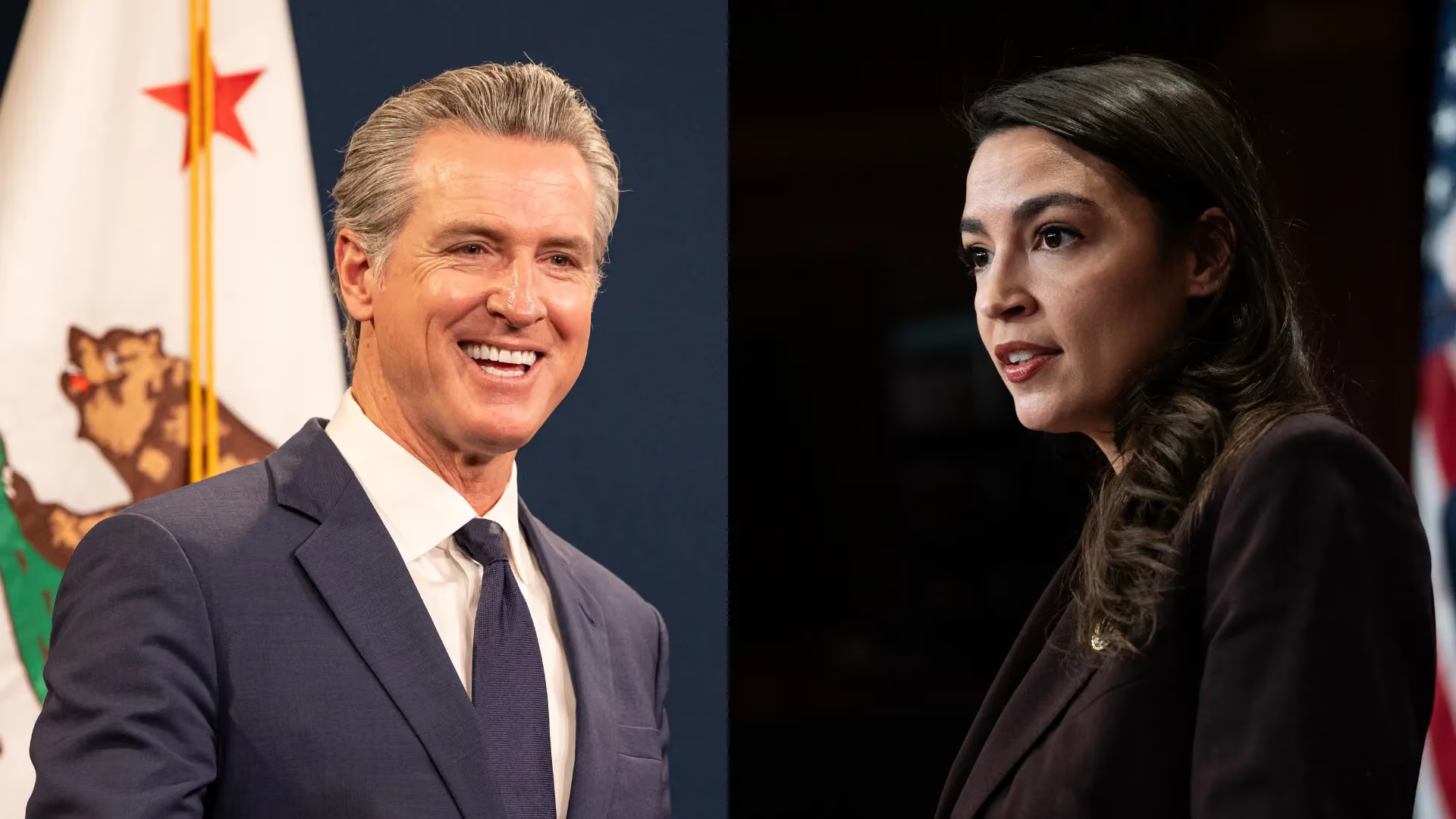
May 19, 2026
Daniel Cohen
World News
In today’s online news, Christian streaming, and political media environment, the battle over truth, Israel, anti-Semitism, and cultural identity is intensifying across the United States and the Middle East. On Real Life Network and through The Daniel Cohen Show, viewers are confronting stories the legacy media increasingly avoids. From the newly released October 7 atrocity report and rising anti-Semitic unrest in New York City to debates over election integrity, media bias, and cultural decline in California, these headlines reveal a broader struggle over truth, morality, and the future direction of the West.
The deeper issue is no longer simply political.
It is spiritual, cultural, and civilizational.
October 7, Hamas Atrocities, and the Media’s Silence
The release of the most comprehensive report yet detailing Hamas atrocities on October 7 exposed horrifying acts of brutality committed against Israeli civilians. The report included survivor testimonies, forensic evidence, photographs, video documentation, and firsthand accounts from emergency responders.
The details are difficult to process.
Yet many major media organizations largely ignored the findings altogether.
That silence has become part of the story itself.
When evil becomes politically inconvenient, many institutions would rather suppress the truth than confront it honestly.
For many Israelis, October 7 was not merely a terrorist attack. It was a national trauma that fundamentally reshaped how the country views security, survival, and the surrounding region.
The atrocities committed that day shattered any illusion that Hamas represents a conventional political movement. The attack targeted civilians, families, children, Holocaust survivors, and entire communities with extraordinary cruelty.
At the same time, anti-Israel activism across universities and social media continues framing Israel as the aggressor while minimizing or excusing the violence carried out by Hamas.
That contradiction has become increasingly difficult to ignore.
The same activists who often speak passionately about human rights, women’s rights, and justice have remained largely silent regarding documented atrocities committed against Israeli civilians.
For more biblically grounded reporting on Israel, culture, and current events, continue watching on Real Life Network and The Daniel Cohen Show.
Media Narratives, Anti-Semitism, and America’s Cultural Divide
At the same time, growing anti-Semitic demonstrations across American cities are revealing deeper cultural fractures within the United States. Violent clashes surrounding pro-Hamas demonstrations in New York City, including unrest near Orthodox Jewish neighborhoods, highlighted how rapidly tensions are escalating.
For many Jewish Americans, the fear feels increasingly personal.
A society that excuses hatred against Jews eventually normalizes hatred against everyone else who stands for biblical truth.
That concern extends beyond isolated protests.
The broader issue involves how media narratives shape public perception. Critics increasingly argue that major outlets selectively amplify stories that damage Israel while minimizing evidence that challenges anti-Israel activism.
The controversy surrounding major outlets publishing questionable claims against Israel while overlooking extensive evidence of Hamas brutality only intensified those concerns.
At the same time, social media platforms remain central battlegrounds in the fight over information, propaganda, and censorship. Elon Musk’s comments regarding online censorship and the ideological influence shaping major technology platforms reflect growing public distrust toward legacy media institutions.
Many Americans increasingly feel they are not simply receiving news coverage.
They are receiving narrative management.
That distrust continues fueling the rise of alternative media, independent journalism, and platforms willing to challenge institutional narratives surrounding Israel, faith, politics, and culture.
Stay connected to biblically grounded analysis through Real Life Network and The Daniel Cohen Show.
Political Accountability, Cultural Decline, and the Future of the West
Beyond the Middle East conflict, broader concerns surrounding political accountability, urban decline, and election integrity continue shaping American politics. Cities like Los Angeles, New York, and San Francisco increasingly symbolize larger debates surrounding crime, homelessness, government spending, and cultural priorities.
The contrast between red and blue states continues widening.
Major corporations like Goldman Sachs shifting major operations away from New York reflect growing concerns surrounding taxation, public safety, governance, and long-term economic stability.
At the same time, debates surrounding voter ID laws and election integrity remain deeply polarizing. Many Americans view requiring proof of citizenship to vote as common sense, while critics frame those efforts as restrictive or discriminatory.
The broader frustration centers on accountability.
Citizens lose confidence in institutions when leaders appear unwilling to defend borders, enforce laws, or apply standards consistently.
That same frustration also explains the growing appeal of outsider political figures and alternative media voices willing to confront issues many voters believe establishment leaders ignore.
Meanwhile, California continues serving as a warning sign for many conservatives concerned about unchecked progressive governance. Rising homelessness, drug addiction, infrastructure failures, and controversial spending priorities continue fueling dissatisfaction among residents and businesses alike.
The political divide is no longer theoretical.
It is increasingly visible in everyday life.
In a time when truth itself is constantly contested, discernment matters more than ever. The battles surrounding Israel, anti-Semitism, censorship, election integrity, and cultural identity are not disconnected headlines. They reflect a broader struggle over morality, leadership, and the future direction of Western civilization.
Understanding that struggle requires more than political loyalty or outrage.
It requires wisdom grounded in truth.
For more biblically grounded reporting connecting current events to a biblical worldview, visit Real Life Network and watch The Daniel Cohen Show.
Related Articles
25 min
October 7, Media Silence, and the Rising Tide of Anti-Semitism in America

May 15, 2026
Daniel Cohen
Business & Finance
It feels like the world is coming apart at the seams. Between global instability, economic uncertainty, political division, and cultural confusion, many Americans are wondering whether the country is losing the values that once made it strong. On a recent episode of Pirate Money Radio, I sat down with Ryan Helfenbein of Liberty University to discuss the deeper issue driving much of today’s chaos: the steady erosion of a biblical worldview.
Too many people are focused solely on politics or economics without recognizing the spiritual battle underneath it all. If we are going to restore liberty, rebuild strong communities, and preserve the values that sustain freedom, we have to return to truth. That begins with understanding what a biblical worldview is and why it still matters.
Watch this full episode on Pirate Money Radio, streaming now on the Real Life Network.
America’s Crisis Is Ultimately Spiritual
During my conversation with Ryan, one thing became abundantly clear: America’s greatest crisis is not economic. It is not political. It is spiritual.
Ryan made an important distinction that I believe many Christians overlook today. It is not enough to simply claim a “Christian worldview.” Our worldview must actually be rooted in Scripture. Truth does not come from social trends, political parties, or personal feelings. Truth comes from God.
Once a society abandons objective truth, confusion follows. We are watching that happen in real time across nearly every major institution in America. Basic ideas about morality, family, identity, and even human nature itself are now treated as subjective and endlessly changeable.
Without a biblical foundation, societies eventually lose their ability to distinguish right from wrong. History repeatedly shows where that path leads.
The Lessons of History Still Matter
Ryan and I spent time discussing the contrast between the American Revolution and the French Revolution because the difference between those two movements still carries enormous significance today.
America’s founding was rooted in the belief that our rights come from God. The Declaration of Independence made a moral argument grounded in divine authority and individual liberty. The French Revolution, by contrast, rejected God-centered authority and elevated human power and secular ideology. That same divide is reappearing in modern culture.
Many of today’s political and cultural movements frame society entirely through struggles between oppressors and victims rather than through biblical truth and personal responsibility. These ideas are not new. Ryan pointed out that many of them trace back to Marxist frameworks that have simply been repackaged for a modern audience.
The result is a society increasingly detached from moral clarity.
The Cultural Revolution Happening in America
What concerns me most is that this battle is no longer simply political or economic. It is cultural.
Ryan described how many modern ideologies attempt to disconnect people from their roots — from faith, tradition, family, and history. Once people lose those anchors, they become easier to manipulate. We are seeing that unfold across the West today. Entire generations are growing up without a strong understanding of biblical truth or the principles that shaped Western civilization. Instead, they are being taught that truth is relative, identity is fluid, and history itself should be viewed primarily through grievance and division.
That kind of worldview creates instability because it removes the moral framework necessary for freedom to survive.
Why Biblical Values Create Strong Societies
One of the most overlooked realities in modern discussions is the connection between biblical values and societal flourishing.
I have spent years studying economics, financial systems, and geopolitical threats, and I can tell you this: strong economies do not survive without strong moral foundations.
A biblical worldview encourages responsibility, honesty, discipline, family stability, and respect for human dignity. Those principles create trust within a society, and trust is essential for both economic prosperity and individual liberty.
Even people who do not personally practice Christianity still benefit from living in a culture shaped by biblical values.
But when those values disappear, instability follows. Families weaken, institutions lose credibility, and social trust begins to collapse. What we are witnessing today is not random cultural drift. It is the natural result of abandoning foundational truths.
Watch this full episode on Pirate Money Radio, streaming now on the Real Life Network.
Immigration, Assimilation, and Shared Values
Ryan and I also discussed immigration, which has become one of the most emotionally charged issues in America.
America has always been a nation of immigrants, and throughout much of our history, newcomers largely assimilated into a shared framework of values rooted in Western and biblical traditions. That shared understanding helped preserve national unity.
Today, however, America is experiencing large-scale immigration at the same time that it is losing confidence in its own cultural identity. The issue is not ethnicity or nationality. It is whether a society can remain unified without shared values.
A free nation ultimately depends on a common understanding of liberty, responsibility, and moral truth. Without those things, division grows and social cohesion weakens.Ryan emphasized that Christians must approach these issues thoughtfully and biblically, balancing compassion with wisdom while recognizing that ideas and ideologies shape nations.
The Church Cannot Retreat From Culture
One of the strongest themes from our conversation was the role of the church during times of cultural decline.
Too many Christians today have adopted a mindset of retreat. Some believe the world is simply too far gone to engage anymore. Others are so focused on end-times speculation that they neglect their responsibility in the present. I believe that is a mistake.
Scripture calls believers to remain faithful, engaged, and active. Christians are supposed to build, disciple, lead, and stand for truth even in difficult times.Ryan said something during our interview that I believe the church desperately needs to hear: Christians need a theology of victory, not a theology of defeat.
That does not mean pretending evil does not exist. It means understanding that truth still matters, individual actions still matter, and faithfulness still matters. The future is shaped by people who are willing to act with courage and conviction.
Hope for America’s Future
Despite all the challenges we discussed, I remain hopeful. America is not beyond redemption. The church is not powerless. Truth has not changed simply because culture has shifted.
But restoring what has been lost will require courage. It will require Christians willing to speak clearly, lead faithfully, and engage boldly in every area of life — from business and education to media, politics, and the family. The path forward begins with rediscovering the biblical worldview that once shaped this nation and applying those principles consistently in everyday life.
That responsibility belongs to all of us. The challenges facing America today are deeper than politics or economics. They reflect a society that is increasingly disconnected from biblical truth.
My conversation with Ryan Helfenbein reinforced something I have believed for a long time: if America is going to remain free and stable, we cannot ignore the spiritual foundations that made liberty possible in the first place.
Truth matters. Faith matters. Culture matters. And the decisions we make now will shape the future for generations to come.
For more conversations on faith, culture, economics, and current events, listen to Pirate Money Radio with Kevin Freeman.
Related Articles
- Protests, Power, and the Long March Through Institutions by Kevin Freeman
- Homeschooling for Liberty and Future-Proof Education by Kevin Freeman
- Biblical Money vs. Modern Currency: What the Bible Really Says by Kevin Freeman
25 min
Biblical Worldview vs. Modern Marxism

May 14, 2026
Kevin Freeman
World News
In today’s online news, politics, and Christian streaming landscape, the battle over immigration, political power, media narratives, and cultural identity is intensifying across America. On Real Life Network and through The Daniel Cohen Show, viewers are engaging with conversations that challenge mainstream narratives surrounding California politics, Islamism, election strategy, and the growing divide between red and blue states. From Tom Steyer’s rise in California politics to Ron DeSantis taking direct aim at groups linked to Islamist activism, these stories are exposing larger questions about leadership, national identity, and the direction of the country.
At the same time, voters are increasingly frustrated with policies that appear disconnected from everyday reality.
That frustration is reshaping politics in real time.
California Politics and the Expanding Progressive Coalition
California has long served as a testing ground for progressive politics, but recent developments reveal how dramatically the political landscape continues shifting. Billionaire activist Tom Steyer is once again emerging as a major Democrat figure, now backed by organizations like the Council on American Islamic Relations, better known as CAIR.
That endorsement matters.
CAIR has become one of the most influential Islamist lobbying organizations in the country, and its political partnerships increasingly intersect with progressive Democrat movements. The alliance reflects a broader political strategy that unites activists around shared opposition to conservative values, even when their underlying worldviews fundamentally conflict.
The contradictions are obvious.
Modern progressive movements often promote causes that directly conflict with traditional Islamic beliefs, yet political convenience has created a coalition that continues expanding in influence across major cities and universities.
Political alliances built on shared opposition rather than shared values eventually expose deeper contradictions beneath the surface.
At the same time, California’s leadership continues facing criticism over homelessness, crime, illegal immigration, taxation, and infrastructure failures. Many residents increasingly feel disconnected from political elites who appear insulated from the consequences of the policies they support.
This frustration explains why outsider candidates and independent media voices are gaining traction.
Voters are searching for authenticity and accountability in a political system that often feels manufactured and disconnected from reality.
For more biblically grounded analysis of politics, culture, and media narratives, continue watching on Real Life Network and The Daniel Cohen Show.
Florida, Islamism, and the Debate Over National Identity
While California continues moving further left, Florida Governor Ron DeSantis is taking a dramatically different approach. Recent legislation signed in Florida targets organizations connected to foreign extremist influence and expands the state’s authority to restrict terror-linked activity.
The legislation directly addresses concerns many conservatives believe national leaders have ignored for years.
DeSantis argues the issue is not simply immigration policy. It is about protecting the cultural and constitutional foundations of the country from ideological movements openly hostile to Western values.
That debate is becoming increasingly central in American politics.
When ideological movements openly declare their long-term goals, ignoring those statements does not make the threat disappear.
Critics accuse conservatives of fearmongering. Supporters argue they are responding to clear public statements and growing political influence networks operating across universities, nonprofits, and activist organizations.
The broader concern centers on assimilation versus transformation.
Historically, immigration into the United States operated within a framework where newcomers assimilated into American civic values. Today, many conservatives argue some activist movements are instead seeking to fundamentally reshape those values altogether.
This debate extends beyond Florida.
It now influences elections, education, immigration policy, and the broader cultural conversation surrounding identity and national cohesion.
Stay grounded in biblical truth and cultural clarity through Real Life Network and The Daniel Cohen Show.
Economic Reality, Socialist Promises, and the Politics of Contrast
At the same time, the growing popularity of democratic socialism continues reshaping political conversations, especially in places like New York and California. Politicians such as Alexandria Ocasio-Cortez and Zoran Mamdani increasingly frame wealth creation itself as morally suspect while promoting larger government systems and expanded state control.
Critics argue those ideas consistently collapse under economic reality.
Examples from New York City, California, and even socialist governments abroad continue fueling concerns about rising taxes, shrinking tax bases, growing deficits, and worsening public services.
The contrast is becoming difficult to ignore.
The promise of socialism often sounds compassionate in theory, but economic reality eventually exposes whether the system can actually sustain itself.
This political contrast also explains why states like Florida, Tennessee, and Texas continue gaining population while states like California and New York lose residents. Families and businesses increasingly vote with their feet.
The same contrast appears in cultural issues as well.
Debates surrounding gender ideology, biological reality, women’s sports, and family structure continue dividing the country. Conservative-led states are increasingly emphasizing the nuclear family, parental rights, and biological distinctions, while progressive governments continue expanding identity-based bureaucracies and social policies.
For many Americans, the issue is no longer abstract.
It is personal.
Parents, schools, sports competitions, churches, and local communities are all directly affected by the cultural direction these policies create.
In a political environment increasingly shaped by ideological extremes, media narratives, and cultural confusion, discernment matters more than ever. These debates are not isolated headlines. They reflect a deeper struggle over identity, truth, and the future direction of American society.
Understanding that struggle requires more than outrage or political tribalism.
It requires wisdom grounded in truth.
For more biblically grounded reporting connecting today’s headlines to a biblical worldview, visit Real Life Network and watch The Daniel Cohen Show.
Related Articles
- Election Integrity, Political Power, and the Future of the Republican Movement by Daniel Cohen
- Anti-Christian Bias, Israel, and the Escalation of Political Violence in America by Daniel Cohen
- Non-Citizen Voting, California Policy Failures, and Cultural Influence: What’s Shaping America Right Now by Daniel Cohen
25 min
California Politics, Immigration, and the Growing Divide Over America’s Future

May 11, 2026
Daniel Cohen