.webp)
The Latest
- Daniel Cohen argues that agreements with Iran cannot address the deeper ideological challenges driving instability in the Middle East.
- Artificial intelligence is already transforming education, employment, warfare, and everyday life at a pace many people underestimate.
- Elon Musk's trillionaire milestone reignited debate about capitalism, wealth creation, and economic opportunity.
- Immigration and assimilation remain central issues as Western nations wrestle with questions of identity, culture, and social cohesion.
Real Life Network is a free, faith-based streaming platform offering biblically grounded teaching, documentaries, news, movies, and original programming. Sign up today.
Iran, Israel, artificial intelligence, immigration, capitalism, Elon Musk, and cultural change may seem like unrelated topics. Yet they share a common thread. Across politics, economics, technology, and foreign policy, many of today's biggest debates come down to one question: are leaders willing to confront reality, or are they trying to negotiate with it? Through the analysis featured on Real Life Network and The Daniel Cohen Show, recent headlines reveal the consequences of avoiding hard truths and the importance of recognizing reality before it becomes impossible to ignore.
Whether discussing Iran's nuclear ambitions, the rise of artificial intelligence, or the cultural challenges facing Western nations, reality has a way of asserting itself regardless of political preferences or public opinion.
Iran, Israel, and the Limits of Negotiation
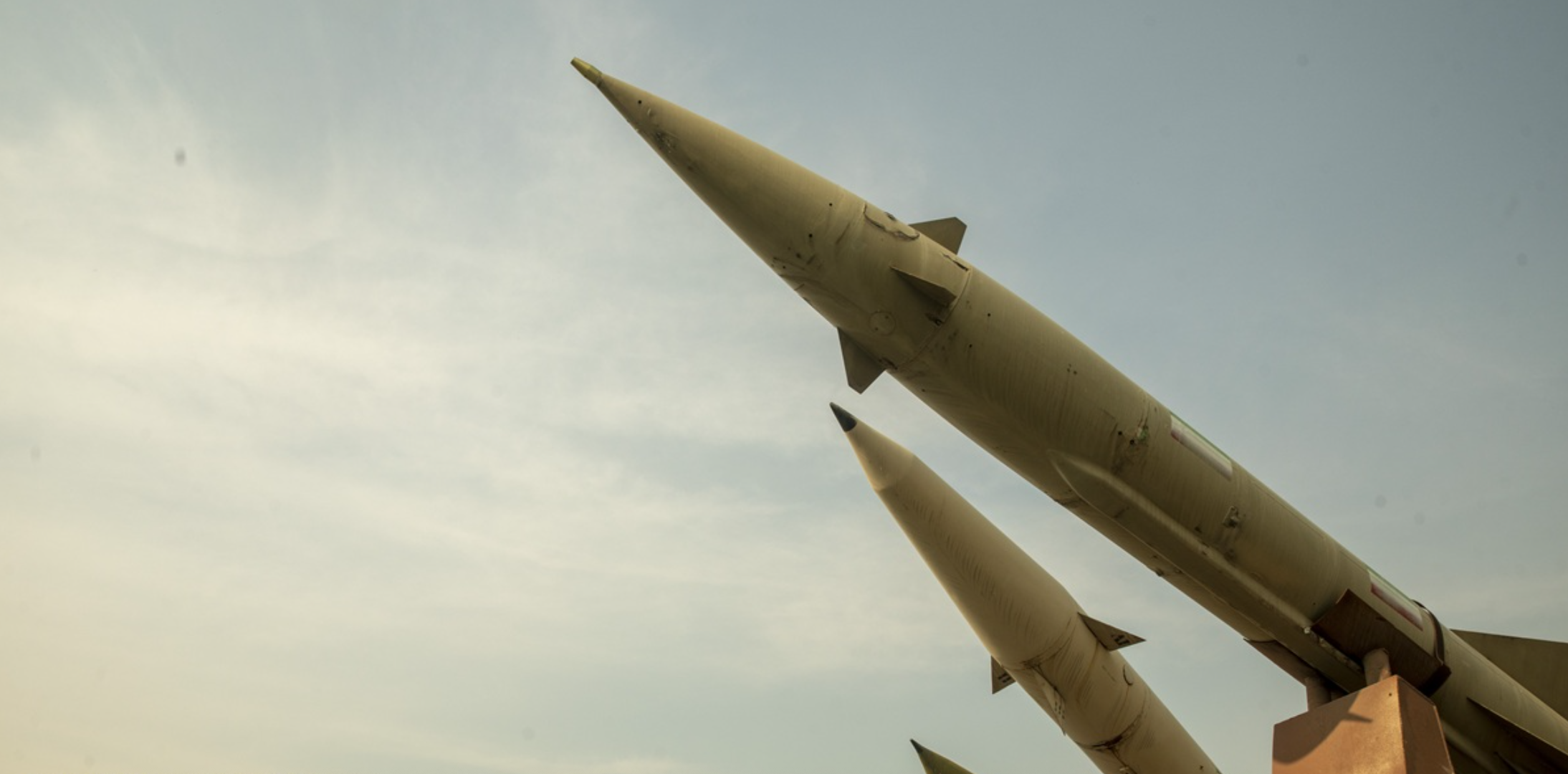
Much of the current discussion surrounding the Middle East centers on negotiations between the United States, Israel, and Iran. While diplomatic agreements can serve important purposes, they cannot solve problems that remain fundamentally unchanged.
According to Daniel Cohen's analysis, the central issue is not oil prices, shipping routes, or even temporary ceasefires. The concern is the Iranian regime itself and the ideology that continues to drive its actions. For decades, Iran has funded proxy groups, supported terrorism, and pursued nuclear capabilities despite repeated international pressure.
The recent agreement being discussed would reportedly reopen economic pathways and provide relief to a regime that many observers believe was facing unprecedented weakness. Critics argue that such agreements risk giving Iran valuable time to regroup, rebuild, and continue pursuing its long-term objectives.
The concern extends beyond military capabilities.
The question is whether policymakers are addressing symptoms while leaving the underlying problem intact.
A deal may pause a conflict, but it cannot solve a problem that leaders refuse to define honestly.
Supporters of a tougher approach argue that lasting peace requires confronting the source of instability rather than repeatedly negotiating around it. They point to decades of failed agreements and broken promises as evidence that diplomacy alone cannot transform a regime that remains committed to revolutionary goals.
For more biblical analysis of world events, current affairs, and international developments, viewers continue turning to Real Life Network and The Daniel Cohen Show.
Artificial Intelligence Is Already Reshaping the Future
While headlines focus on international conflict, another transformation is unfolding at remarkable speed.
Artificial intelligence is no longer a future possibility. It is a present reality.
Students entering the workforce are increasingly aware that many traditional career paths may look dramatically different within a few years. Businesses are integrating AI into daily operations. Military organizations are incorporating AI into decision-making systems. Healthcare, education, finance, and manufacturing are all being reshaped by technologies that continue advancing at a rapid pace.
This creates both opportunity and uncertainty.
On one hand, artificial intelligence has the potential to solve problems, improve efficiency, and create entirely new industries. On the other hand, it raises serious questions about employment, ethics, human dignity, and the future of decision-making itself.
What makes this moment unique is that many people still underestimate how quickly these changes are occurring.
The conversation is no longer about whether AI will affect society. It already is.
Artificial intelligence is not a future issue. It is already reshaping how people learn, work, fight, and make decisions.
This reality creates an important challenge for Christians, educators, business leaders, and policymakers. Ignoring the technology will not stop its development. Embracing it without wisdom could create entirely new dangers.
The wiser path requires understanding the technology while remaining grounded in timeless principles that affirm human value, responsibility, and accountability.
For additional faith-based content exploring culture, technology, and current events, viewers can explore programming available through Real Life Network.
Wealth, Immigration, and the Importance of Cultural Confidence
The same tension between reality and ideology appears in debates surrounding wealth creation, immigration, and cultural identity.
The recent milestone of Elon Musk becoming the world's first trillionaire generated strong reactions across the political spectrum. Supporters celebrated innovation, entrepreneurship, and economic growth. Critics focused on wealth inequality and concerns about concentrated financial power.
Lost in much of the debate was an important reality: wealth creation and wealth redistribution are not the same thing.
SpaceX's success reportedly created thousands of new millionaires among employees, demonstrating how innovation can generate opportunities for workers throughout an organization.
The larger question is whether societies reward the creation of value or merely focus on redistributing what already exists.
At the same time, debates surrounding immigration and assimilation continue growing throughout the Western world. Communities in Europe and North America increasingly find themselves asking how immigration policies can balance compassion, opportunity, security, and cultural stability.
These discussions are often portrayed as conflicts between inclusion and exclusion. In reality, many citizens are asking a simpler question: can a society maintain its identity if newcomers are not encouraged to embrace its values, laws, and institutions?
Assimilation is not about ethnicity or race. It is about shared commitments.
Successful immigration has historically depended upon newcomers embracing the principles that allowed their new home to flourish in the first place.
Whether discussing economic systems, technological innovation, or immigration policy, the same lesson emerges repeatedly.
A society cannot preserve what it values if it refuses to acknowledge the realities shaping its future.
Reality does not disappear simply because it is politically inconvenient. Technology continues advancing. Ideologies continue spreading. Economic systems continue producing results. Cultural decisions continue shaping future generations.
The challenge facing leaders today is not merely identifying problems. It is having the courage to describe those problems honestly and address them before they become crises.
For more news, cultural commentary, and biblical analysis, visit Real Life Network and watch The Daniel Cohen Show.
Related Articles
.png)
Daniel Cohen hosts the "Daniel Cohen Show" exclusively on the Real Life Network. A Jewish follower of Jesus and three-time Emmy award-winning journalist, Cohen delivers the news from Israel, reporting on today's top headlines with a biblical worldview.