The Latest
- The Maine Senate race reignited debate over political accountability and whether standards are applied equally across party lines.
- California's prolonged ballot-counting process renewed concerns about election transparency and voter confidence.
- The SAVE Act and voter ID requirements remain central topics in discussions surrounding election integrity.
- Proposed changes to family law terminology in New York sparked broader debate about language, identity, and cultural change.
Real Life Network is a free, faith-based streaming platform offering biblically grounded teaching, documentaries, news, movies, and original programming. Sign up today.
Election integrity, voter ID laws, political accountability, parental rights, and cultural change remain at the center of national conversations. Across the country, Americans are increasingly asking whether institutions are applying standards consistently or simply changing the rules when convenient. Through the analysis featured on Real Life Network and The Daniel Cohen Show, recent headlines reveal a growing concern that trust is becoming harder to maintain when principles appear flexible and accountability seems selective.
From a closely watched Senate race in Maine to ballot-counting controversies in California and debates over family law in New York, the common thread is not politics alone. It is the question of whether institutions can function effectively when confidence in them continues to erode.
When Political Accountability Depends on Party Affiliation
The Democratic primary in Maine has become one of the most closely watched races in the country. Candidate Graham Plattner has faced a growing list of controversies involving past comments, personal conduct, and allegations that have generated national attention. Yet despite those concerns, many prominent Democrats have continued supporting his campaign.
For many voters, the issue extends beyond one candidate. Every election cycle brings flawed candidates and political controversies, but what captures public attention is how differently those controversies are often treated depending on who is involved.
The debate surrounding Plattner has reignited questions about consistency. If character matters, does it matter equally for everyone? If allegations deserve scrutiny, should that scrutiny apply regardless of party affiliation?
These questions resonate because many Americans remember previous national controversies where standards appeared far more rigid. The perception of unequal treatment continues feeding distrust toward political institutions, media organizations, and party leadership.
Public confidence suffers when accountability appears conditional rather than universal.
This challenge is not unique to Maine. Across the political landscape, voters increasingly express frustration with leaders who demand standards from opponents while excusing similar behavior from allies. Trust becomes difficult to sustain when principles seem negotiable.
For more analysis of politics, elections, and current events through a biblical worldview, viewers continue turning to Real Life Network and The Daniel Cohen Show.
Election Integrity and California's Ballot Debate
Questions about public trust extend well beyond candidate controversies.
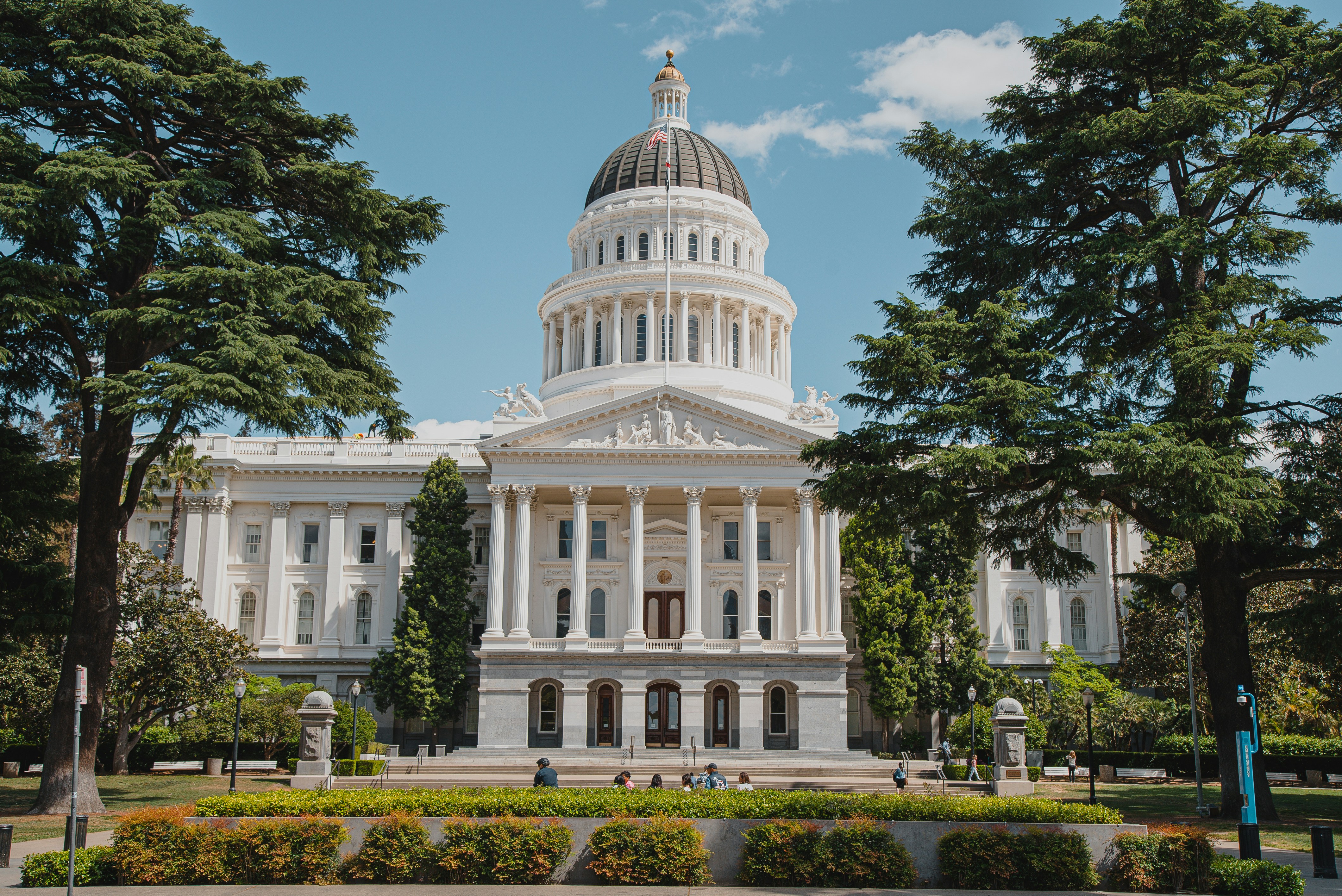
California's recent elections once again sparked debate about ballot-counting procedures and election transparency. As ballots continued arriving and being counted days after Election Day, critics questioned why some states can deliver rapid results while others require extended counting periods.
Election officials point to state law, which permits ballots postmarked by Election Day to be counted after voting concludes. Supporters argue the process ensures every eligible vote is included. Critics counter that lengthy delays create uncertainty and fuel skepticism.
Regardless of political affiliation, confidence in elections depends upon public understanding. Citizens must believe not only that elections are secure, but that they are transparent enough to inspire trust.
This debate has intensified support for voter identification requirements and legislation such as the SAVE Act, which would require proof of citizenship in federal elections. Supporters argue these measures strengthen confidence in the electoral process. Opponents contend they create unnecessary barriers. The larger issue remains trust.
Election systems function best when voters have confidence that rules are clear, transparent, and consistently enforced.
As trust declines nationally, election procedures that once attracted little attention now receive intense scrutiny from voters across the political spectrum.
For additional commentary on election integrity, public policy, and current events, visit Real Life Network for more faith-based programming and analysis.
Redefining Language and Redefining Reality
Perhaps the most significant debate emerging from recent headlines involves language itself.
New York lawmakers recently advanced legislation that would replace traditional parental terms in portions of state law. Under the proposal, references to "mother" and "father" would be replaced with gender-neutral terminology intended to accommodate a broader range of family structures.
Supporters describe the changes as inclusive and modern. Critics view them differently. For many Americans, words such as mother and father represent more than legal categories. They reflect relationships, responsibilities, and realities that transcend politics.
This debate touches a much deeper cultural question. Can institutions redefine language without also affecting how people understand reality?
The concern extends beyond family law. Similar debates continue surrounding biological sex, gender identity, education, parental rights, and public policy. While political leaders often present these discussions as administrative updates or legal revisions, many citizens view them as attempts to redefine concepts that have long carried clear meaning.
Language matters because it shapes understanding. The words societies choose reveal what those societies value.
When institutions redefine foundational concepts, many people begin questioning whether anything remains fixed or permanent.
That concern helps explain why cultural debates often generate such passionate responses. The disagreement is rarely about vocabulary alone. It is about competing understandings of truth, identity, and reality itself.
As these debates continue, Americans increasingly find themselves asking whether institutions are preserving reality or revising it. The answer may determine how much trust remains in the years ahead.
For more biblically grounded analysis of politics, culture, and current events, visit Real Life Network and watch The Daniel Cohen Show.
Related Articles
.png)
Daniel Cohen hosts the "Daniel Cohen Show" exclusively on the Real Life Network. A Jewish follower of Jesus and three-time Emmy award-winning journalist, Cohen delivers the news from Israel, reporting on today's top headlines with a biblical worldview.
.jpg)