The Latest
- The discussion connected immigration policy in Europe and America to broader questions of national identity, border security, and cultural assimilation.
- Free speech and open debate emerged as central themes, particularly in discussions surrounding controversial religious and political issues.
- The episode examined the growing influence of democratic socialist candidates and the policy debates shaping American politics.
- Throughout the conversation, viewers were encouraged to approach today's cultural challenges with biblical wisdom, civic engagement, and thoughtful discernment.
Real Life Network is a free, faith-based streaming platform offering biblically grounded teaching, documentaries, news, movies, and original programming. Sign up today.
Questions surrounding immigration, national identity, free speech, and democratic socialism continue to shape political debates across Europe and the United States. A recent discussion on The Daniel Cohen Show on Real Life Network explored these issues through recent events in Spain, the United Kingdom, and several American cities, arguing that many Western nations are facing similar cultural and political challenges. The conversation connected immigration policy, assimilation, religious freedom, and the growing influence of democratic socialism, urging viewers to consider how these trends could shape the future of Western civilization.
Immigration, Borders, and National Identity
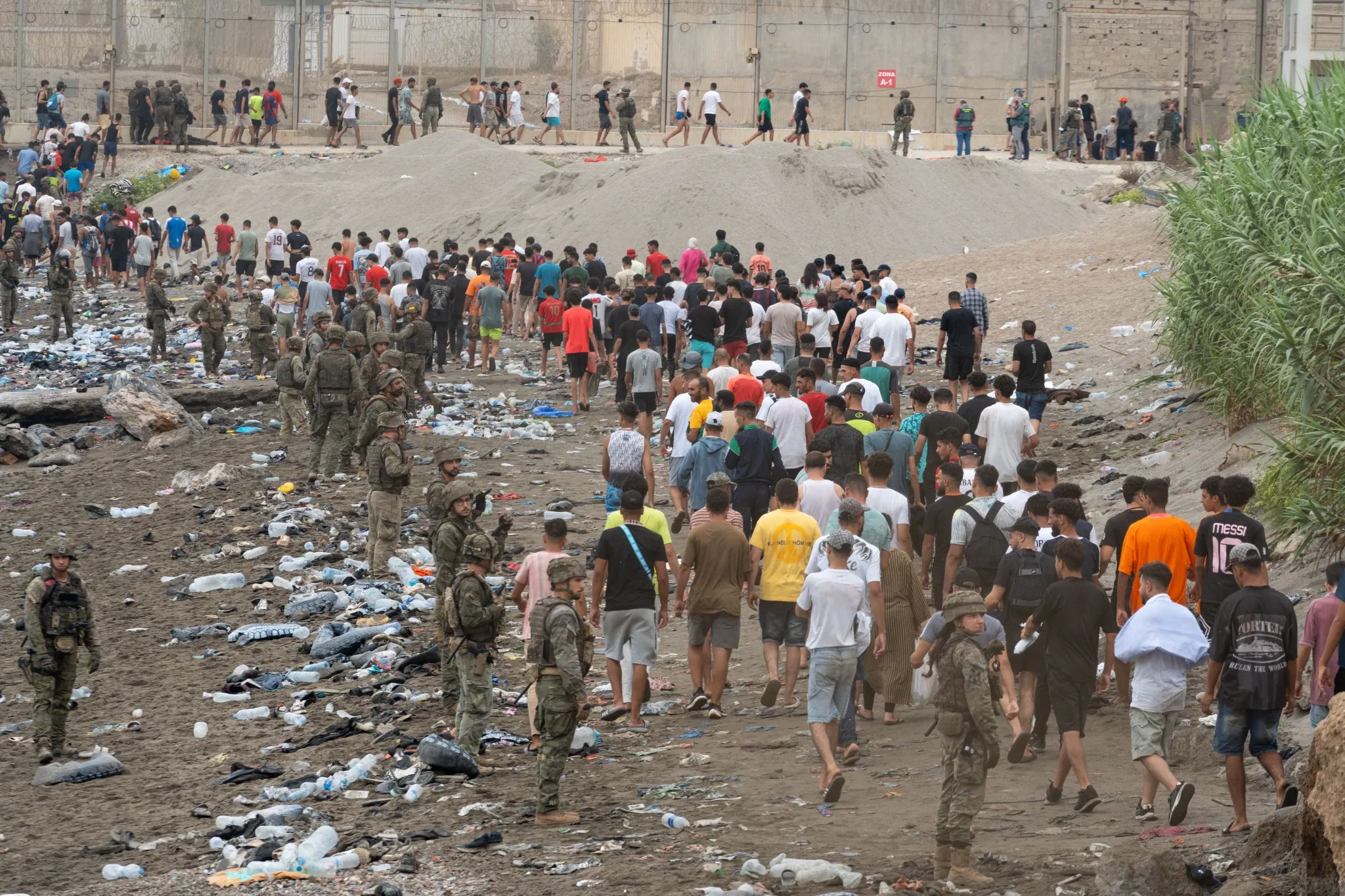
The discussion began with recent events in the Spanish territory of Ceuta, where large numbers of migrants entered from neighboring Morocco. According to the episode, the incident illustrates broader concerns about border enforcement and immigration policy throughout Europe.
The conversation argued that court decisions and government policies in Spain have encouraged additional migration while making it more difficult for authorities to remove certain migrants after they arrive. It also highlighted Italy's criticism of Spain's immigration approach and suggested that disagreements among European nations reflect growing divisions over how borders should be managed.
The episode expanded this discussion beyond Europe, drawing comparisons to immigration debates in the United States. It argued that border policy is closely connected to questions of national identity, cultural assimilation, and long-term political stability. Rather than viewing immigration solely through an economic or humanitarian lens, the discussion emphasized the importance of maintaining secure borders while encouraging newcomers to embrace the civic values of their adopted nation.
Free Speech and Cultural Confidence
Another major theme centered on free speech, particularly a debate held at the Oxford Union regarding Islam and the West.
The episode highlighted several moments from that debate, arguing that the reactions of participants demonstrated growing concern about whether controversial ideas can still be discussed openly without fear of intimidation or violence. The discussion referenced historical incidents such as the attack on the French publication Charlie Hebdo as context for understanding why questions surrounding religious criticism continue to generate intense debate in Europe.
According to the program, the broader issue extends beyond any single religion or event. Instead, it argued that Western societies must determine whether freedom of expression remains a foundational principle when discussions involve controversial subjects.
The conversation suggested that a healthy democratic society depends upon answering arguments with better arguments rather than intimidation or threats, describing open debate as one of the defining characteristics of free societies.
Political Change on Both Sides of the Atlantic
The final portion of the discussion shifted toward American politics, focusing on the growing influence of democratic socialist candidates within the Democratic Party.
The episode examined recent political campaigns in Michigan, New York, and Wisconsin, arguing that candidates aligned with democratic socialism are gaining greater influence within the party. It also discussed proposals involving government-operated grocery stores, immigration policy, and other progressive priorities, suggesting these developments reflect a broader ideological shift rather than isolated political campaigns.
Throughout the conversation, the episode maintained that cultural trends and political movements are deeply interconnected. Rather than viewing developments in Europe and the United States as unrelated, it argued that both reflect larger debates about national identity, government authority, immigration policy, and the future direction of Western democracies.
The discussion concluded by encouraging viewers to remain engaged in civic life, participate in elections, and carefully evaluate public policy through the lens of enduring moral principles. It also encouraged Christians to approach political questions thoughtfully while remaining grounded in a biblical worldview rather than allowing political identity alone to define their perspective.
Whether readers agree with every conclusion presented in the discussion or not, the issues raised continue to shape important conversations about immigration, free speech, national identity, and the role of government throughout the Western world. As these debates continue, Real Life Network remains committed to examining current events through the lens of Scripture, encouraging thoughtful engagement with the cultural issues influencing both the Church and society today.
.png)
Daniel Cohen hosts the "Daniel Cohen Show" exclusively on the Real Life Network. A Jewish follower of Jesus and three-time Emmy award-winning journalist, Cohen delivers the news from Israel, reporting on today's top headlines with a biblical worldview.