What To Expect
- Movements like the “No Kings” protests reflect deeper ideological battles, rooted in critical theory and identity-based frameworks that challenge America’s founding belief that rights come from God, not government.
- The struggle over history, culture, and free speech is part of a broader effort to reshape society, often by undermining the institutions and principles that formed the foundation of the American system.
- Restoring honest money, such as gold-backed transactional systems, can help protect Americans from inflation and government manipulation, reinforcing economic freedom and financial integrity.
Real Life Network is a free, faith-based streaming platform offering biblically grounded teaching, documentaries, news, movies, and original programming. Sign up today.
America was founded on a simple but revolutionary idea: our rights come from God, not government. That truth shaped our founding documents, our institutions, and our understanding of liberty for nearly 250 years. But today we are watching a growing movement challenge that foundation.
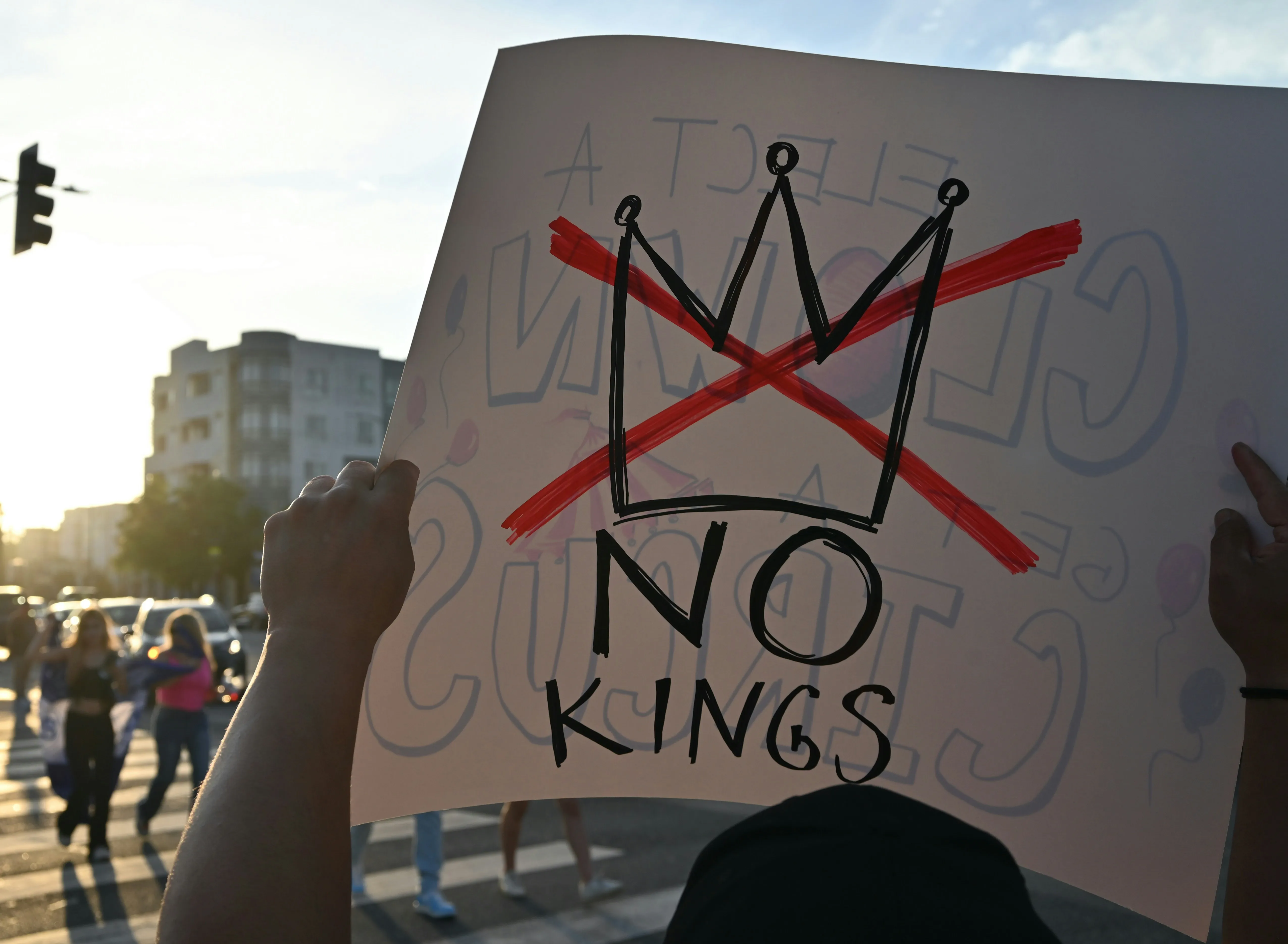
Recently, protests erupted across the country under the slogan “No Kings.” Demonstrators claimed they were standing against tyranny. But the irony is hard to miss. In a country where citizens freely protest their government, often in the harshest terms imaginable, the very existence of those protests proves something important: America does not have kings.
On Pirate Money Radio, I sat down with my good friends Rod Martin and Mike Carter to unpack what’s really happening beneath the surface of today’s cultural and political conflicts. When you look past the slogans and headlines, you begin to see a much deeper ideological struggle, one that involves culture, faith, and even the way our money works.
Stream Pirate Money Radio on the Real Life Network.
The Ideological Roots Behind Today’s Protests
Many Americans see events like the “No Kings” demonstrations and assume they’re spontaneous reactions to political developments. But the truth is that the ideas behind many modern protest movements have been building for decades. Rod Martin explained that the roots of today’s activism trace back to Karl Marx and the failure of his original revolutionary prediction.
Marx believed the industrialized world would erupt in class warfare between workers and the owners of capital. He expected revolutions in countries like the United States, Germany, and Britain. But that never happened. Instead, revolutions took place in places like Russia and China, countries that were far less industrialized.
Because Marx’s predictions failed, later intellectuals had to rethink their strategy.
From Marxism to Critical Theory
That rethink produced what we now call critical theory.
Rather than focusing only on economic class, critical theory reframed society as a struggle between various identity groups, oppressors and oppressed defined by race, gender, sexuality, and other categories. Over time this framework produced ideas Americans now hear about regularly:
- Critical Race Theory
- Intersectionality
- Gender theory
- Postcolonial theory
These frameworks encourage people to view themselves primarily through group identity rather than individual character. Rod pointed out that this approach also explains some of the strange coalitions we see today. For example, activists in the West sometimes rally behind movements or regimes that openly reject the very values those activists claim to support. The coalition isn’t built on shared principles, it’s built on a shared opposition to existing institutions.
The goal is to assemble a large alliance of grievance groups capable of reshaping political power.
The Real Question: Where Do Rights Come From?
Behind the slogans and protests lies a deeper question that has shaped Western civilization for centuries: where do our rights come from? America’s founders gave a clear answer in the Declaration of Independence. Our rights come from God.
That belief shaped the American Revolution and the constitutional system that followed. Government exists to protect rights that already belong to individuals. But the ideological framework behind critical theory assumes something very different. If rights come from the state, then the state can redefine them, expand them, or remove them. That’s a completely different vision of society.
You can see this clash of worldviews playing out in today’s cultural debates, from free speech battles on college campuses to conflicts over religious liberty and the role of government in everyday life.
Why History Is Being Rewritten
One of the most visible signs of this ideological struggle is the battle over history itself. In recent years we’ve seen statues torn down, historical figures reinterpreted, and America’s founding narrative repeatedly challenged.
These efforts are often framed as attempts to correct historical injustice. But they also serve another purpose: weakening the cultural foundations that support the American system of government. Radical revolutions throughout history have pursued something called “year zero”—a moment when the past is erased so a completely new society can be built.
When a culture forgets its history, it becomes much easier to reshape its future.
Despite the tension in our culture, I believe there are real reasons for hope. Across the country we are seeing signs of spiritual renewal. Bible sales are increasing. Young people are returning to church. Many members of Generation Z are searching for meaning in ways that surprise cultural commentators.
During our discussion I mentioned something Glenn Beck once explained to me. There’s a difference between revival and awakening. Revival changes individual hearts. Awakening changes entire societies.
America experienced such an awakening during the First Great Awakening in the 1700s. That spiritual movement reshaped the colonies and helped create the moral framework that made the American Revolution possible. When people rediscover the belief that their rights come from God, it transforms how they think about government, culture, and even economics.
Honest Money and the Moral Economy
That brings us to an issue most people wouldn’t immediately connect to these cultural debates: money. Scripture speaks clearly about honest weights and measures. Throughout history, societies have used gold and silver as money because they function as stable stores of value.
Modern fiat currency works very differently.
Because it is not tied to a physical standard like gold, governments can expand the money supply indefinitely. When that happens, inflation reduces the purchasing power of the currency already in circulation. Inflation might sound like an abstract economic concept, but its effects are very real. Prices rise. Savings lose value. Families struggle to keep up.
And the people hurt most are often those with the least ability to protect themselves financially.
Stream Pirate Money Radio on the Real Life Network.
Why Gold Is Returning in the Digital Age
The wealthy often have ways to hedge against inflation through investments. Working families rarely do. That’s one reason Mike Carter and I have spent years promoting what we call Pirate Money, restoring the ability for people to use gold as money again.
Thanks to modern financial technology, this idea is far more practical than it once was. Today, digital platforms allow individuals to hold physical gold in secure vaults while using debit cards or mobile apps to spend it.
When you make a purchase, a small amount of gold is sold in real time to cover the transaction.
This approach combines the stability of precious metals with the convenience of modern payments. States like Arkansas, Florida, and Texas have already taken steps to recognize gold as legal tender and support systems that allow citizens to use it. The goal isn’t to replace the dollar overnight. It’s simply to give Americans access to an honest store of value.
The Real Battle Behind the Headlines
At the end of the day, movements like the “No Kings” protests reveal something deeper than political disagreement. They reflect a fundamental battle over worldview.
If our rights come from God, government must remain limited. If our rights come from government, power will inevitably expand. The same principle applies to money. Honest systems protect the people who use them. Dishonest systems quietly transfer wealth and power to those who control the system.
America’s future will depend on which ideas ultimately prevail.
My prayer is that we will see not only revival in individual hearts, but a true awakening across our nation—one that restores faith, strengthens liberty, and renews the principles that made this country extraordinary in the first place.
Stream Pirate Money Radio on the Real Life Network.
Related Articles
- Homeschooling for Liberty and Future-Proof Education by Kevin Freeman
- Pirate Money Radio: Biblical Economics with Bob McEwen by Kevin Freeman
- Economic Justice, Real Money, and America’s Future by Kevin Freeman
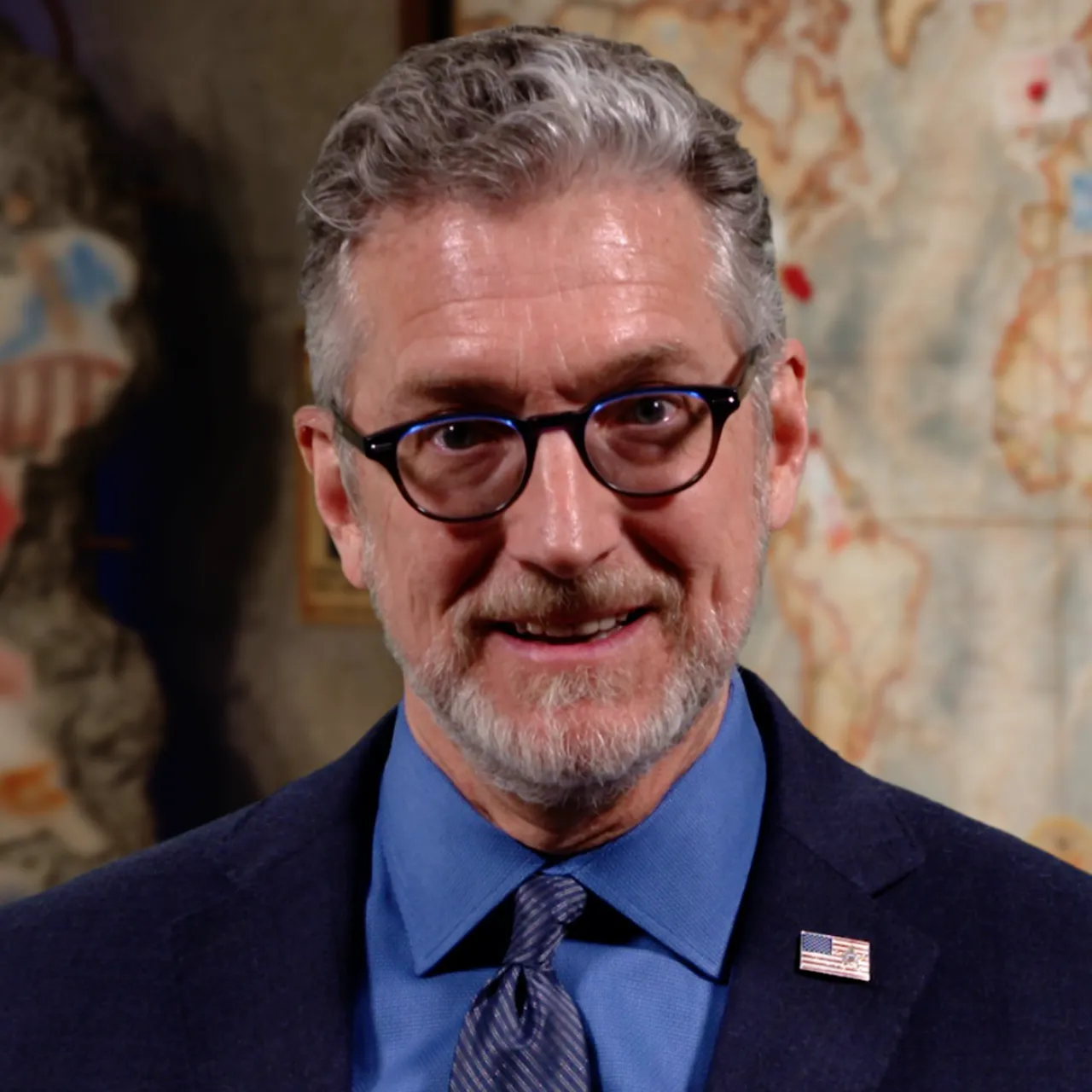
Kevin Freeman is a leading expert on economic warfare and financial terrorism. He hosts the TV program Economic War Room and Pirate Money Radio, translating national security and financial threats into clear insights for audiences nationwide.
.jpg)
.jpg)