What To Expect
- Global instability involving Iran directly impacts oil prices and inflation.
- Inflation reduces purchasing power and affects everyday expenses.
- Gold and other alternatives can provide stability during economic uncertainty.
- Long-term financial resilience depends on discipline and preparation.
Real Life Network is a free, faith-based streaming platform offering biblically grounded teaching, documentaries, news, movies, and original programming. Sign up today.
The world can change faster than most people realize. History proves it. In 1977, Iran was considered a stable ally of the United States. Less than two years later, the Islamic Revolution transformed the nation into one of America’s most persistent adversaries. What was once an “island of stability” became a focal point of global conflict.
Today, the headlines suggest we may once again be standing at a pivotal moment, not just geopolitically, but economically. Because what’s happening overseas doesn’t stay overseas. It affects your wallet, your savings, and your financial future.
Watch this full episode on Pirate Money Radio, streaming now on the Real Life Network.
How Iran Reshaped the Global Economic Landscape
The Iranian Revolution didn’t just alter political alliances, it reshaped global markets. When the Ayatollah seized power, Iran transitioned from a pro-Western economic partner to a destabilizing force in the Middle East. The consequences have played out over decades, influencing energy markets, military conflicts, and international trade.
Today, Iran remains deeply connected to global economic tensions. Its actions in critical regions like the Strait of Hormuz continue to threaten oil supply chains, creating ripple effects that impact fuel prices and inflation worldwide. This is not abstract policy. It is a direct factor in what Americans pay at the pump and the grocery store.
Oil Prices, Inflation, and Economic Pressure
Whenever instability rises in the Middle East, oil markets react quickly. Even the threat of disruption can drive prices upward. Short-term spikes in oil prices often translate into broader inflationary pressure. Transportation costs increase. Manufacturing expenses rise. Consumers ultimately bear the burden.
Inflation, in many ways, acts like a hidden tax. It erodes purchasing power and places the greatest strain on working families trying to make ends meet. Yet history also shows that markets adjust. Supply chains adapt. Strategic reserves are deployed. While volatility creates short-term challenges, it can also lead to long-term corrections.
Understanding that balance is essential for wise financial decision-making.
What appears chaotic on the surface often has deeper strategic implications. Major geopolitical moves rarely exist in isolation. Actions involving Iran, energy markets, and global trade frequently intersect with broader economic competition, particularly involving nations like China and Russia.
From an economic standpoint, these dynamics influence currency strength, trade flows, and investment patterns. For example, shifts in oil availability can reshape global alliances and force major economies to adjust their strategies. This is where economic policy and national security converge. Decisions made on the world stage carry real consequences for everyday people, underscoring the importance of wisdom and long-term thinking.
Stream Pirate Money Radio on the Real Life Network.
Why Financial Stability Requires More Than Policy
While governments play a role in stabilizing markets, lasting financial security cannot depend solely on policy decisions. Economic systems are inherently vulnerable to disruption—whether through conflict, debt, or mismanagement. That reality highlights the need for individuals to take responsibility for their own financial future.
Preparation, discipline, and careful planning become essential in times like these. One of the most important lessons from economic volatility is the importance of sound money. Over time, the U.S. dollar has lost significant purchasing power. While it remains the world’s dominant currency, it is not immune to inflation or policy-driven devaluation.
That reality has led to renewed interest in alternatives such as gold and silver. In recent years, several states have taken steps to recognize precious metals as legal tender, opening the door for what is often called transactional gold. This allows individuals not only to hold gold, but to use it as a functional form of money.
It is not about abandoning the dollar. It is about creating stability and flexibility in an uncertain world.
The Future: Risk and Opportunity
Financial uncertainty often leads to reactive decisions. But reaction is not a strategy.
Periods of volatility call for a steady, disciplined approach to managing money. That includes thoughtful decisions about saving, spending, and investing, even when conditions feel unpredictable. It also means keeping a long-term perspective—recognizing that short-term disruptions are part of broader economic cycles.
Despite the challenges, there is reason for cautious optimism. Global markets are resilient. Innovation continues to drive productivity. And even in times of conflict, opportunities emerge for those who are prepared.
Energy markets may stabilize. Supply chains may improve. New technologies may reshape economic growth in ways we are only beginning to understand. At the same time, risks remain. Debt levels, geopolitical tensions, and currency volatility all require careful attention. Navigating this environment requires both awareness and action.
The situation in Iran is more than a geopolitical story. It is part of a larger narrative about how global events shape economic realities. For individuals and families, the takeaway is clear: financial stewardship matters more than ever.
In a world where markets can shift overnight, building a strong financial foundation, grounded in discipline, preparation, and wise decision-making, is essential for long-term stability.
Stream Pirate Money Radio on the Real Life Network.
Related Articles
- Protests, Power, and the Long March Through Institutions by Kevin Freeman
- Homeschooling for Liberty and Future-Proof Education by Kevin Freeman
- Economic Justice, Real Money, and America’s Future by Kevin Freeman
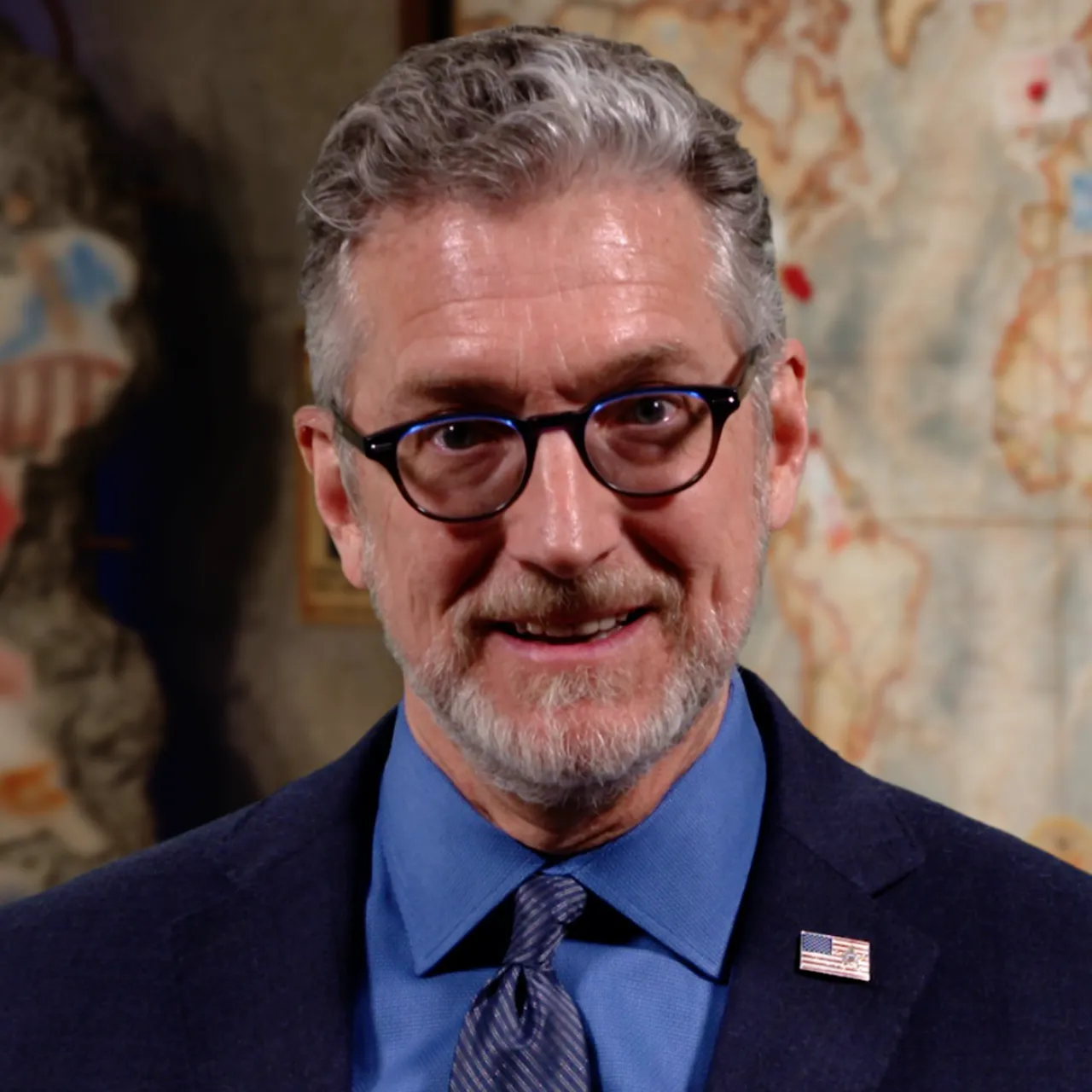
Kevin Freeman is a leading expert on economic warfare and financial terrorism. He hosts the TV program Economic War Room and Pirate Money Radio, translating national security and financial threats into clear insights for audiences nationwide.
.jpg)
.jpg)