The Latest
- Questions remain about the Iran memorandum of understanding as many details have not been publicly released.
- Growing restrictions on speech and information access in the United Kingdom have raised concerns about government overreach.
- Social media continues shaping the beliefs, habits, and worldview of younger generations.
- Parents play a critical role in helping children develop discernment in an increasingly digital culture.
Real Life Network is a free, faith-based streaming platform offering biblically grounded teaching, documentaries, news, movies, and original programming. Sign up today.
Iran, Israel, free speech, social media, parenting, political leadership, and cultural decline may seem like separate issues. In reality, they all point to the same question: what happens when leaders stop confronting problems honestly? Through the analysis featured on Real Life Network and The Daniel Cohen Show, recent headlines reveal a growing pattern of institutions avoiding difficult truths while expecting the public to accept the consequences.
Whether the issue is a proposed agreement with Iran, restrictions on speech in the United Kingdom, or the growing influence of social media on children, reality does not disappear simply because leaders choose not to address it.
The Iran Deal Nobody Has Seen
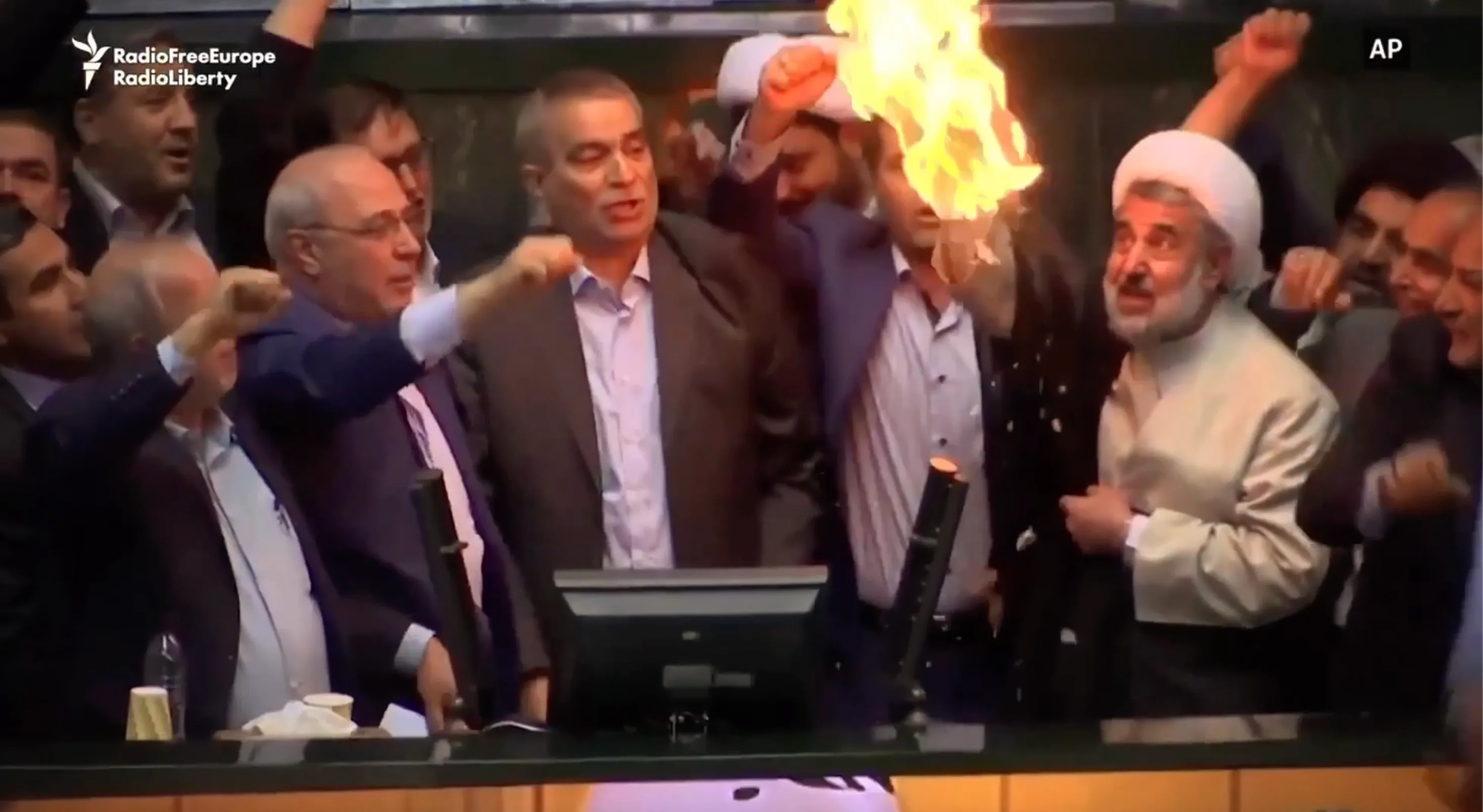
The latest agreement between the United States and Iran has generated headlines around the world. Supporters describe it as an opportunity for stability and peace. Critics see it differently.
The problem is simple. Nobody has actually seen the details.
Public officials are celebrating what has been described as a memorandum of understanding, yet many of the specifics remain unknown. That uncertainty has created significant concern, particularly in Israel, where citizens live with the direct consequences of Iranian aggression.
For many Israelis, the issue is not abstract. It is personal.
Iran continues to fund proxy organizations throughout the region, support terrorist groups, and pursue influence through organizations openly hostile to both Israel and the United States. Critics of the agreement argue that economic relief and diplomatic recognition may provide a struggling regime with new opportunities while leaving the underlying threat unchanged.
The concern is not whether diplomacy has value. Diplomacy can be useful.
The concern is whether diplomacy is being mistaken for resolution.
A temporary agreement cannot solve a long-term problem if the underlying threat remains intact.
Many observers point to previous agreements with Iran that promised restraint while allowing the regime to preserve its power and influence. That history explains why skepticism remains high among those who believe the Islamic Republic has consistently demonstrated its unwillingness to honor commitments.
For more analysis of international affairs, current events, and biblical worldview commentary, viewers continue turning to Real Life Network and The Daniel Cohen Show.
When Governments Decide What People Can Hear
The conversation about reality extends beyond foreign policy.
In the United Kingdom, government officials have proposed new restrictions on social media access for children under sixteen. Supporters argue these policies are necessary to protect young people from harmful content and excessive screen time.
Few parents would deny that social media presents challenges.
The deeper question is who gets to decide what information people can access.
Historically, governments have often attempted to regulate speech. What makes these developments different is that they increasingly involve regulating what citizens are allowed to hear, read, and consume.
That distinction matters.
Restricting speech controls expression. Restricting access to information shapes understanding itself.
Many observers have noted the inconsistency in modern Western governments. Authorities often appear reluctant to address serious social problems while simultaneously becoming more aggressive in regulating public discourse.
This concern is especially significant for Christians, who understand that truth flourishes through open examination rather than government management.
A society that limits access to ideas risks creating citizens who are easier to control but less capable of discernment.
The answer to harmful ideas has never been ignorance. It has always been wisdom.
For additional commentary on culture, politics, and faith, viewers can explore the growing library of content available through Real Life Network.
The Battle for the Next Generation
While politicians debate foreign policy and governments debate speech restrictions, another battle is unfolding much closer to home.
It is taking place in families.
One of the most revealing moments discussed in this episode involved children participating in political protests while repeating slogans and language they are far too young to understand. The incident served as a reminder that children often absorb the worldview of the adults shaping their environment.
Parents understand this instinctively.
Children learn what to value long before they understand why they value it.
This reality makes the conversation about social media even more important. Smartphones, social platforms, influencers, and digital communities increasingly compete with parents for a child's attention, loyalty, and identity.
The challenge is not merely technological.
It is spiritual and cultural.
Many young people now spend more time consuming content than building relationships, developing skills, or engaging with the real world around them. As screen time increases, meaningful human interaction often declines.
This trend carries long-term consequences.
Families cannot outsource discipleship to algorithms. Parents cannot delegate character formation to social media platforms.
The future of a culture is shaped by what it teaches its children to love, believe, and pursue.
That is why parenting matters. It is why education matters. It is why worldview matters.
The most important questions facing society are not ultimately political. They are questions about truth, responsibility, and whether the next generation will inherit the wisdom needed to preserve what previous generations built.
The issues discussed throughout this episode may appear disconnected at first glance. Iran, free speech, social media, parenting, and cultural change all seem to occupy different categories.
Yet they share a common thread.
Every one of them involves a choice between confronting reality and avoiding it.
History repeatedly shows that problems ignored today rarely become easier tomorrow.
For more news, biblical analysis, and cultural commentary, visit Real Life Network and watch The Daniel Cohen Show.
Related Articles
.png)
Daniel Cohen hosts the "Daniel Cohen Show" exclusively on the Real Life Network. A Jewish follower of Jesus and three-time Emmy award-winning journalist, Cohen delivers the news from Israel, reporting on today's top headlines with a biblical worldview.