

The Latest
- Debates over abortion, fertility, and family reveal fundamentally different understandings of human life and the value of children.
- Concerns over academic preparedness raise questions about whether lowering standards ultimately helps or harms the students education is meant to serve.
- Controversies surrounding pandemic-era public health decisions demonstrate why transparency and accountability are essential to rebuilding public trust.
- Christians must look beyond political personalities and evaluate competing cultural and political ideas through the truth of Scripture.
Real Life Network is a free, faith-based streaming platform offering biblically grounded teaching, documentaries, news, movies, and original programming. Sign up today.
America is having more than a political debate. It is having a debate about what kind of country it will hand to the next generation. From abortion and delayed family formation to declining academic standards, distrust in public health, and the growing influence of democratic socialism, seemingly unrelated headlines point toward a common question: What values are shaping America's future? At Real Life Network, these cultural questions are examined through a biblical worldview, while The Daniel Cohen Show challenges viewers to look beyond the headline and consider what today's decisions could mean tomorrow.
When Life Becomes a Matter of Convenience
Few issues reveal America's competing views of human life more clearly than abortion.
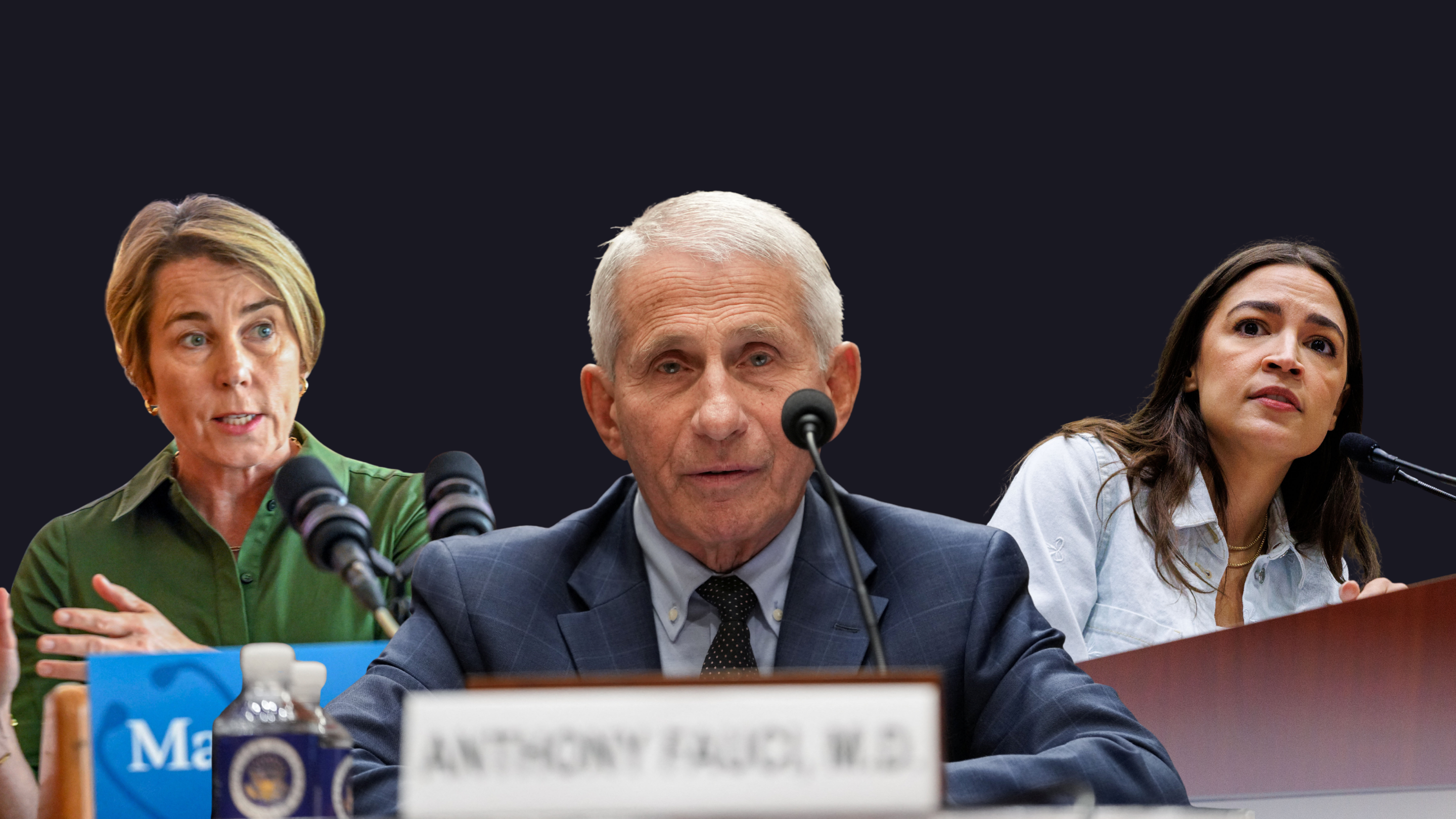
Recent changes to Massachusetts abortion law became a focal point of the discussion. Supporters have characterized the changes as strengthening reproductive protections, particularly for families facing devastating circumstances late in pregnancy. The argument presented on the show, however, is that removing specific statutory criteria and relying more heavily on a physician's professional judgment raises serious questions about protections for unborn children later in pregnancy.
That debate becomes especially striking when considered alongside modern neonatal medicine. Hospitals routinely devote extraordinary resources to saving premature babies. Physicians, nurses, and parents fight for children born months before their due dates, carefully monitoring every ounce of growth and every sign of progress.
For Christians, the value of those children does not depend on whether they are wanted, healthy, convenient, or capable of surviving without assistance. Human worth begins with the reality that every person is made in the image of God.
A culture cannot consistently defend human dignity if the value of a human life changes according to circumstances, location, or whether that life is wanted.
The conversation about children extends beyond abortion. Alexandria Ocasio-Cortez's public discussion of freezing her eggs prompted another debate about marriage, motherhood, career, and the cultural message surrounding delayed childbearing. The personal circumstances of any individual remain their own, but the broader cultural question is worth examining.
Modern society often tells young adults that family can be postponed while education, career, financial security, and personal achievement take priority. Technology may provide additional options, but it cannot eliminate every biological reality or guarantee future outcomes.
The Christian vision offers something different. Children are not obstacles to self-fulfillment. Marriage and family are not consolation prizes after professional goals have been accomplished. Scripture consistently presents children as a blessing and family as one of God's fundamental institutions.
That does not minimize the genuine heartbreak of infertility or prescribe an identical timeline for every person. It does challenge a culture that increasingly treats fertility as another part of life to be engineered around personal ambition.
What Happened to Truth and Excellence?
The same question of what America is handing the next generation reaches into education.
Thousands of University of California faculty members have reportedly called for reconsideration of the system's test-free admissions policy amid concerns about incoming students' mathematical preparation. The episode highlighted reports of substantial growth in the number of students arriving at UC campuses without high-school-level math proficiency.
Whatever role standardized testing ultimately plays in admissions, the larger lesson is difficult to ignore: lowering or removing a measurement does not automatically solve the underlying inequality.
Students deserve compassion and opportunity. They also deserve honesty.
Real education prepares young people to confront difficult standards, not simply removes the standards that reveal where preparation has failed.
The concern goes beyond mathematics. The program also examined course offerings at Arizona State University involving witchcraft, magic, and the occult, contrasting those offerings with the university's limited coursework specifically devoted to Christianity. The point was not that universities should prohibit the academic study of other beliefs. Universities should be places where competing ideas can be seriously examined.
The question is whether Christianity receives the same serious intellectual consideration in institutions that often pride themselves on diversity of thought.
Ideas never exist in a vacuum. When biblical Christianity disappears from education and public life, the resulting space does not remain philosophically neutral. Another understanding of humanity, morality, identity, and truth eventually takes its place.
Parents should therefore pay attention not only to whether their children earn degrees, but to what they are actually learning. A beautifully decorated dorm room means very little if students leave college academically unprepared and spiritually confused.
A Crisis of Trust and a Battle of Worldviews
Few institutions illustrate America's crisis of trust more clearly than public health.
The program revisited Anthony Fauci's pandemic-era statements and discussed recently publicized communications concerning COVID-19 vaccination and pregnancy. The episode argued that private discussions about possible risks deserve scrutiny when compared with the confident public assurances Americans heard during the pandemic. Claims about miscarriage rates and the meaning of those communications remain matters that require careful evaluation of the underlying evidence rather than conclusions drawn from isolated messages.
That distinction matters because public trust is difficult to rebuild once it is lost.
Scientific institutions should be able to acknowledge uncertainty. Officials should be willing to correct themselves when evidence changes. Americans should be able to ask difficult questions without immediately being treated as enemies of science.
The goal should not be replacing blind trust in government with blind distrust of government. It should be restoring a culture in which evidence can be examined openly and authorities are held accountable for what they tell the public.
That need for discernment extends into politics.
The program concluded by examining statements from leaders associated with the Democratic Socialists of America, including comments about the October 7 Hamas attack and the organization's position on policing and incarceration. Those comments were presented as evidence of a broader ideological movement that deserves far more scrutiny from American voters.
Elections matter because ideas have consequences. Political philosophies eventually become policies, and policies eventually affect families, neighborhoods, schools, churches, and communities.
Christians cannot afford to evaluate those ideas merely by party labels or campaign personalities. Every worldview makes assumptions about human nature, justice, authority, freedom, family, and morality. Those assumptions must be examined against Scripture.
The most important question is not whether an idea sounds compassionate or progressive, but whether it is true and whether its consequences honor the God-given dignity of human beings.
That requires Christians to remain engaged rather than retreat from difficult cultural conversations. It requires knowing Scripture, examining evidence, voting thoughtfully, raising children with conviction, and refusing to surrender truth for cultural acceptance.
The stories will change. The political candidates will change. Today's controversy will eventually be replaced by tomorrow's headline. But the underlying battle over truth, human dignity, family, freedom, and the next generation will remain.
Christians therefore need more than outrage at what is happening around them. They need discernment about why it is happening and courage to respond faithfully. Real Life Network provides free, biblically grounded programming designed to help families navigate those questions, including The Daniel Cohen Show, where today's cultural and political headlines are examined through the enduring truth of a biblical worldview.
.png)
Daniel Cohen hosts the "Daniel Cohen Show" exclusively on the Real Life Network. A Jewish follower of Jesus and three-time Emmy award-winning journalist, Cohen delivers the news from Israel, reporting on today's top headlines with a biblical worldview.

.jpg)