The Latest
- Major outages raise concerns about cybersecurity, aging infrastructure, and government preparedness.
- Federal officials deny a coordinated cyberattack, while lawmakers demand greater transparency.
- Tensions with Iran highlight the economic and security risks of prolonged conflict.
- Healthcare debates raise questions about affordability, patient choice, and biblical compassion.
Real Life Network is a free, faith-based streaming platform offering biblically grounded teaching, documentaries, news, movies, and original programming. Sign up today.
A series of disruptions affecting American businesses, financial institutions, and government systems has raised questions about the reliability of the nation's digital infrastructure. From banking services and technology companies to aviation systems and federal communications, recent outages have demonstrated how dependent modern society has become on interconnected technology.
Government officials have sought to reassure Americans that these incidents do not appear to be part of a coordinated cyberattack. Yet the disruptions have also revealed a broader challenge: restoring public confidence in institutions at a time when trust is already strained.
The distinction matters. Asking legitimate questions about national security does not require assuming that every unexplained event is evidence of a conspiracy.
A healthy society must be able to demand accountability without allowing uncertainty to become fear.
For Christians, this balance is especially important. Scripture calls believers to exercise discernment, act responsibly, and remember that their ultimate security rests in something more enduring than political institutions or technological systems.
When Infrastructure Failures Become a Question of Trust
Recent outages involving companies such as Apple and Charles Schwab, alongside disruptions affecting federal systems, have prompted questions about the resilience of America's technological infrastructure.
An interruption involving the Federal Aviation Administration reportedly resulted from maintenance work replacing older copper wiring with fiber-optic connections. According to the account presented by Transportation Secretary Sean Duffy, identifying the problem took approximately 45 minutes.
The incident illustrates a familiar problem in government technology: aging infrastructure can remain operational for decades while becoming increasingly difficult to maintain.
Other disruptions have raised similar concerns about outdated systems, maintenance procedures, and the growing complexity of digital networks.
Federal officials have maintained that the incidents do not appear to be connected.
Secretary of State Marco Rubio stated that available evidence indicated separate causes rather than a coordinated attack by a foreign adversary. Other administration officials similarly reported finding no indications of a broader cyber operation.
Those assessments deserve consideration.
At the same time, preliminary findings should not be mistaken for a complete explanation of every incident.
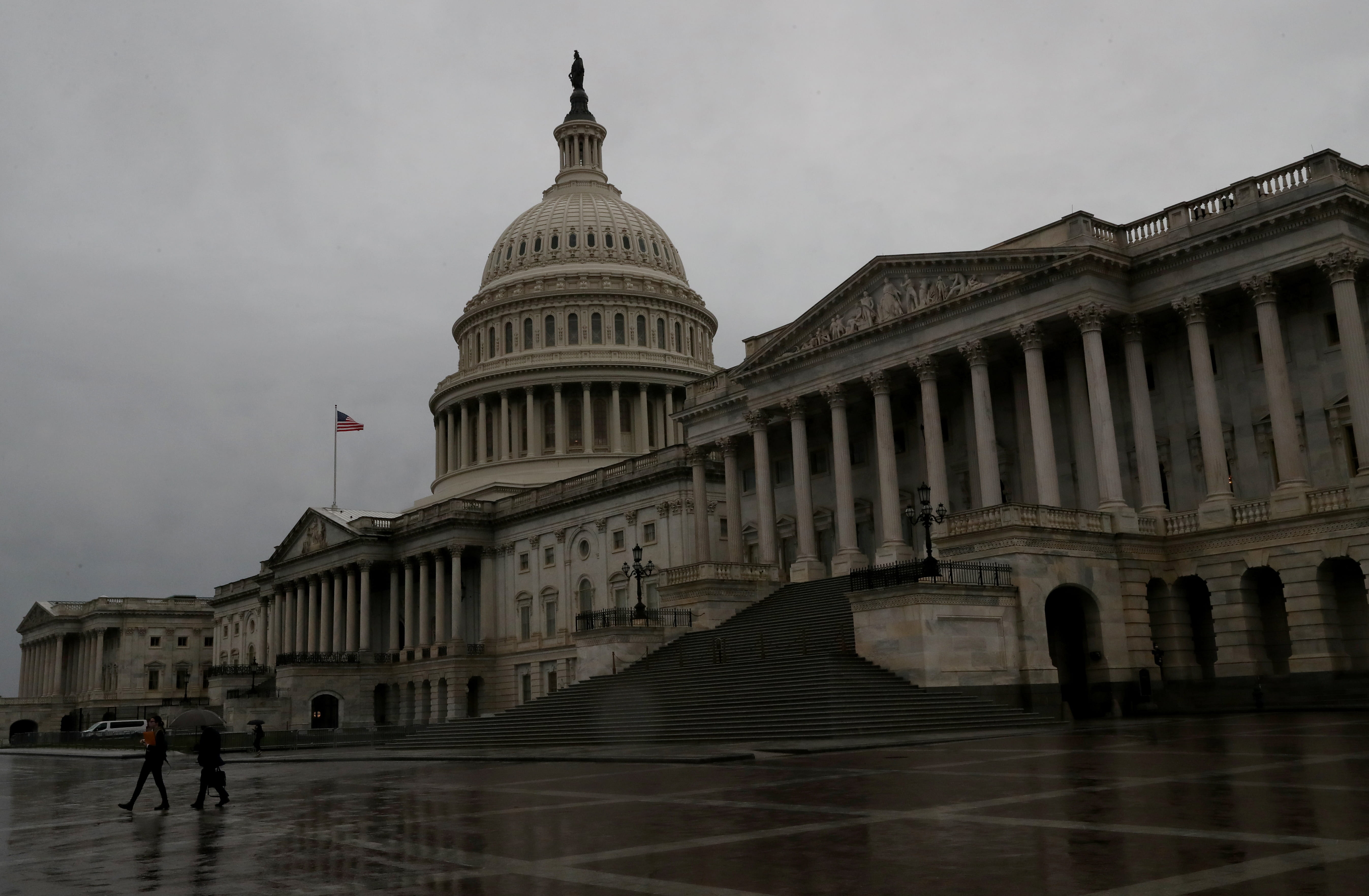
Senator Josh Hawley has called for additional briefings, arguing that Americans deserve clear information about what happened and whether vulnerabilities remain.
That is a reasonable expectation.
Public confidence grows when institutions provide evidence, acknowledge uncertainty, and explain what steps are being taken to prevent future disruptions.
It weakens when official statements appear more concerned with reassurance than transparency.
The issue extends beyond any single administration.
The COVID-19 pandemic intensified longstanding disagreements over government authority, scientific expertise, and the reliability of public information. Those divisions continue to shape how Americans interpret official statements, even on unrelated matters.
Rebuilding trust will require more than confident assurances. It will require consistent communication and demonstrable competence.
One concern raised in the discussion is the leadership of the Cybersecurity and Infrastructure Security Agency, which has reportedly operated for an extended period without a Senate-confirmed director.
Such vacancies raise legitimate questions about administrative priorities and the Senate's responsibility to fill important national security positions.
Government credibility depends not merely on what officials promise, but on whether institutions demonstrate the competence and transparency necessary to earn public confidence.
The practical response is neither complacency nor panic.
It is sustained attention to cybersecurity, infrastructure modernization, and responsible oversight.
National Security and the Cost of Prolonged Uncertainty
The infrastructure debate also comes amid continuing tensions involving Iran and American military commitments in the Middle East.
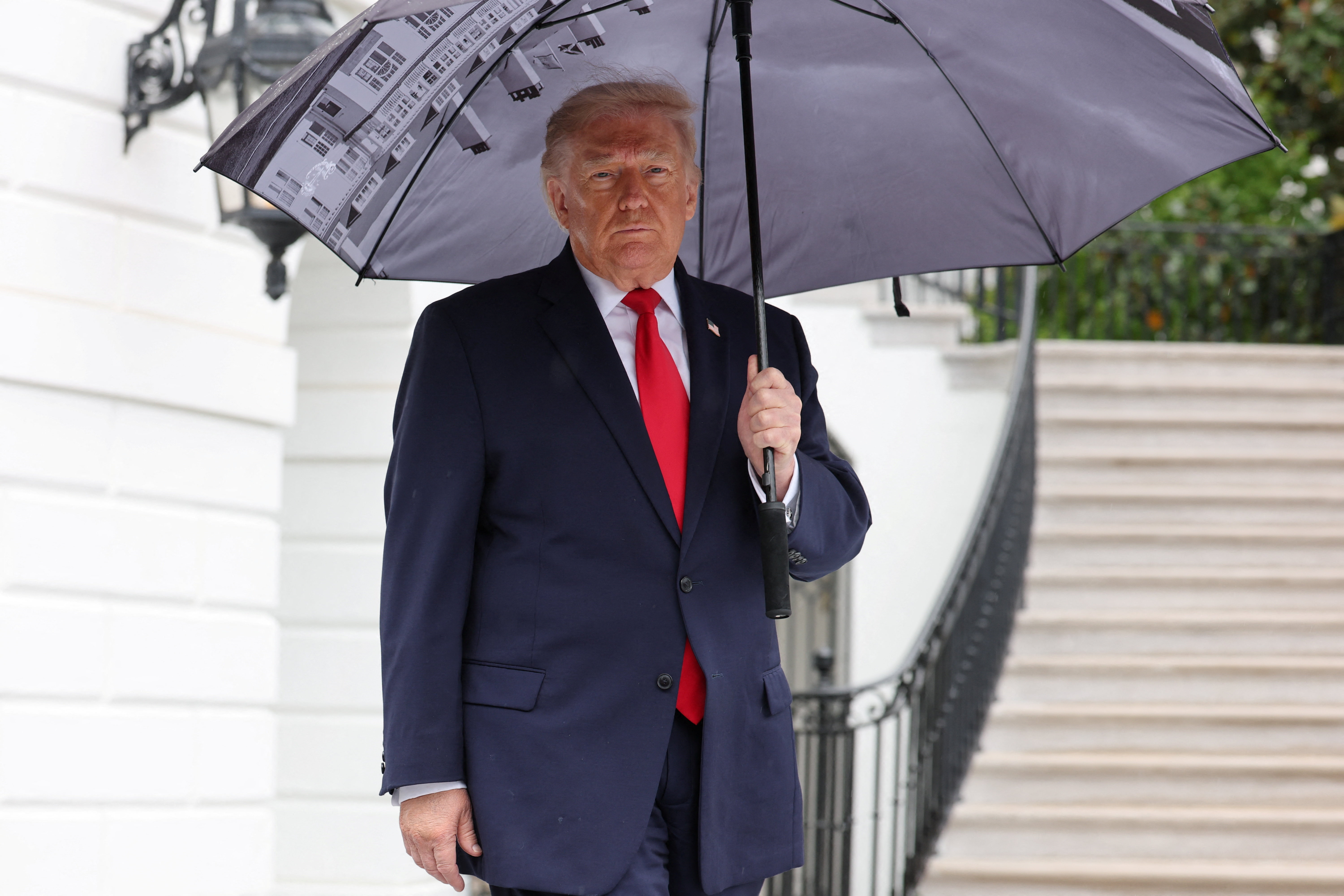
President Donald Trump has warned that threats against the United States would carry serious consequences. His administration has emphasized the importance of preventing Iran from developing nuclear weapons and maintaining American military readiness.
The strategic questions surrounding Iran remain difficult.
Military action can deter aggression, but prolonged conflict also carries economic, diplomatic, and humanitarian costs.
Disruptions to maritime transportation through the Strait of Hormuz and nearby shipping routes illustrate how instability can affect international commerce.
Higher insurance premiums, increased transportation costs, and uncertainty about regional security can eventually influence prices paid by American consumers.
These consequences complicate the debate over military intervention.
Some policymakers argue that sustained pressure is necessary to prevent further aggression and protect American allies, including Israel.
Others question whether continued military operations can achieve clearly defined objectives without creating additional risks.
Both concerns warrant serious examination.
A responsible national security strategy must consider not only the ability to use military force, but also the objectives, limitations, and potential consequences of doing so.
The same principle applies to domestic cybersecurity.
The United States possesses considerable technological and military capabilities. Yet those resources cannot eliminate every vulnerability or guarantee protection from every threat.
Scripture offers a useful perspective on the limits of national power.
Psalm 20:7 contrasts reliance on military strength with trust in the Lord.
The passage does not suggest that nations should abandon their defenses or neglect practical responsibilities. Rather, it warns against treating earthly strength as the ultimate source of security.
Military readiness, effective government, and sound economic policy all matter.
But none can provide the lasting confidence that Christians find in God's sovereignty.
Second Timothy 1:7 similarly reminds believers that God has not given them a spirit of fear, but of power, love, and self-control.
That teaching encourages thoughtful action rather than passive indifference.
Christian confidence should produce clear judgment and responsible engagement, not indifference to genuine threats or surrender to speculation.
Healthcare, Affordability, and the Meaning of Compassion
Questions about government competence also extend into the debate over healthcare.
Following the 2026 elections, renewed attention has turned toward proposals for a single-payer healthcare system, commonly described as Medicare for All.
Supporters argue that healthcare should be accessible regardless of income or employment status. They believe a publicly financed system could reduce administrative complexity and expand coverage.
Critics contend that such a transition could limit private insurance options, require substantial new taxation, and create difficulties involving medical access and provider reimbursement.
The financial implications are considerable.
During the discussion, Dr. Mehmet Oz cited an estimate of approximately $47 trillion over ten years for a proposed national healthcare program, warning that its financing could create significant challenges.
Such projections require careful examination. The overall cost of a single-payer system is not necessarily equivalent to its additional cost to society, since public spending would replace some existing private insurance expenditures.
Nevertheless, the questions surrounding taxation, provider participation, patient choice, and long-term sustainability deserve rigorous debate.
The American healthcare system already presents serious difficulties.
Insurance premiums, medical bills, prescription costs, and access to specialists place considerable pressure on families.
Acknowledging these problems does not require endorsing every proposed solution.
Likewise, questioning a government-run system does not mean opposing affordable healthcare.
The underlying moral concern is shared more widely than political arguments often suggest: people who are sick should be able to obtain necessary medical treatment.
The disagreement concerns how that responsibility can best be fulfilled.
For Christians, the discussion also raises a question about the relationship between government programs and personal compassion.
The parable of the Good Samaritan in Luke 10 provides a powerful example.
A traveler encounters a wounded stranger, tends to his injuries, brings him to safety, and personally assumes the cost of his care.
The Samaritan does not simply express sympathy. His compassion results in meaningful sacrifice.
That example does not, by itself, settle modern debates about healthcare financing or the appropriate role of government.
It does, however, establish an enduring principle: love for one's neighbor requires more than political declarations.
Christians are called to care for people in need through generosity, service, and practical assistance.
Government may have a legitimate role in addressing social problems, but no public program can substitute for the transforming work of the Gospel or eliminate the personal responsibility to love others.
The Christian understanding of compassion begins with the recognition that every person possesses dignity and deserves humane treatment.
It also recognizes that the deepest human need extends beyond material circumstances.
Healthcare policy can address physical suffering. Economic policy can alleviate hardship. National security policy can help protect communities.
None of these can accomplish what Scripture identifies as reconciliation with God through Jesus Christ.
That distinction should encourage Christians to participate seriously in public affairs while maintaining a clear understanding of the Church's mission.
America faces real challenges involving infrastructure, international security, and healthcare affordability. Those problems require competent leadership, careful analysis, and sustained civic engagement.
But they do not require a politics governed by fear.
The Christian response is to seek truth, exercise discernment, fulfill civic responsibilities, and demonstrate compassion toward neighbors.
Amid uncertainty, the responsibility remains the same: act wisely in the present while placing ultimate confidence in the God who remains sovereign over the future.
Watch The Daniel Cohen Show on Real Life Network for conversations connecting current events, biblical principles, and the hope of the Gospel.

Daniel Cohen hosts the "Daniel Cohen Show" exclusively on the Real Life Network. A Jewish follower of Jesus and three-time Emmy award-winning journalist, Cohen delivers the news from Israel, reporting on today's top headlines with a biblical worldview.