The Latest
- Election integrity requires transparent rules that protect legitimate voters and maintain meaningful safeguards.
- Parents should pay attention to the political, cultural, and religious ideas shaping students from public school through college.
- Christians must evaluate pastors and political candidates according to Scripture rather than Christian labels or credentials.
- Whether evaluating education, politics, or media coverage, believers should pursue evidence, context, and biblical discernment instead of blind trust.
Real Life Network is a free, faith-based streaming platform offering biblically grounded teaching, documentaries, news, movies, and original programming. Sign up today.
The biggest battles shaping America are not always fought in Congress or decided at the ballot box. Many begin in classrooms, universities, churches, newsrooms, and other institutions entrusted with shaping how Americans understand truth. From election integrity and higher education to religious liberty and biblical authority, the question is increasingly clear: Who gets to shape the next generation? Real Life Network examines these cultural debates through a biblical worldview, while The Daniel Cohen Show connects today's headlines to deeper questions of faith, truth, and freedom.
Election Integrity and the Battle Over Education
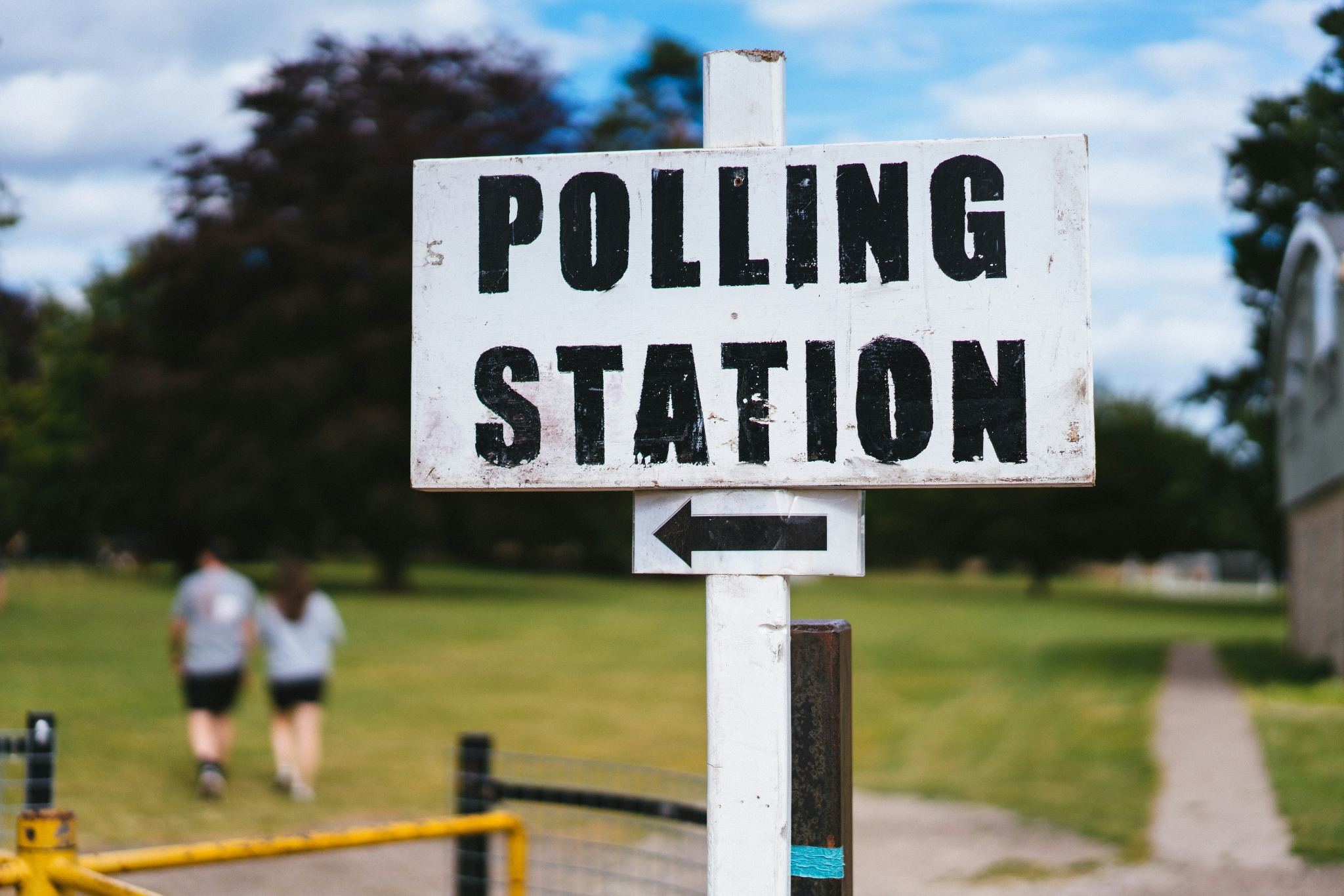
Confidence in elections depends on Americans believing that every legitimate vote counts and that safeguards exist to prevent unlawful participation.
That concern has returned to Minnesota, where state law allows a registered voter in a precinct to vouch for the residence of up to eight people registering on Election Day. Recent videos from James O'Keefe drew renewed attention to the practice after he questioned polling workers about how the process operates. Minnesota officials responded that participants sign legal oaths regarding residency and criticized O'Keefe's conduct.
A legal voting procedure is not itself proof that illegal votes were cast. But Americans should be able to scrutinize election procedures and ask whether existing safeguards are sufficient.
Election integrity should not be partisan. Every American benefits from a system that makes voting accessible to eligible citizens while maintaining meaningful safeguards against unlawful participation.
The same need for scrutiny applies to education.
Universities have long presented themselves as places where students encounter competing ideas and learn to think critically. Yet Americans increasingly disagree over whether political activism has become intertwined with education itself.
The discussion highlighted comments from University of Chicago professor Eman Abdelhadi at a 2025 socialism conference, where she discussed political organizing and her involvement with students. Her remarks were presented as part of a broader concern about political activism on university campuses.
Students should encounter ideas they disagree with. They should wrestle with competing political, religious, and philosophical arguments. But education becomes something different when students are taught what to think rather than equipped to determine what is true.
The debate begins long before college. A Texas school district also drew attention after students visited an Islamic center as part of an educational experience designed to expose them to another faith and culture. That prompted questions about whether public schools apply religious neutrality consistently, particularly when Christian practices or symbols have generated constitutional controversies.
Religious liberty cannot mean accommodating one faith while treating another as inherently dangerous to public life. The standard should protect Muslims, Christians, Jews, and everyone else equally.
Biblical Authority Cannot Be Redefined by Politics
For Christians, the question of who shapes the next generation eventually reaches the Church itself.
Political candidates frequently invoke Christianity and Scripture. But theological vocabulary should never substitute for examining what someone actually believes.
The discussion highlighted Texas political debates over teaching biblical material to children and comments from Senate candidate James Talarico criticizing a state curriculum that he argued would present Christian Bible stories as historical fact and exclusive truth to young students. The program challenged that characterization and raised a broader question: If children are being formed by what they encounter at school, who determines which worldviews are acceptable?
Christians should apply that scrutiny in every direction.
A seminary degree does not automatically make someone's theology biblical. Neither does being a pastor, writing Christian books, or speaking from a pulpit.
The program also highlighted comments from pastor and political candidate Adam Hamilton concerning the eternal destiny of adherents of other religions. Hamilton expressed hope that people of other faiths could ultimately encounter Christ without embracing the traditional evangelical understanding that explicit faith in Jesus is necessary for salvation.
For Christians, that is no minor theological disagreement. Jesus declares in John 14:6, "I am the way, and the truth, and the life. No one comes to the Father except through me."
Christianity loses its foundation when Jesus becomes merely one path among many rather than the Savior at the center of the gospel.
Biblical literacy therefore matters. Christians cannot determine truth according to a political party, favorite pastor, media personality, or cultural trend. Scripture itself must remain the standard.
Truth Matters in the Newsroom Too
The responsibility to pursue truth extends to journalism.
A complicated surrogacy case involving a baby born with hypoplastic left heart syndrome demonstrated how framing can affect the way audiences understand a story. According to the account discussed on the program, the surrogate objected when the biological parents chose to terminate the pregnancy after learning of the diagnosis. She eventually traveled to Texas, carried the baby to term, and became involved in a legal dispute over the child's future.
The program criticized national media coverage for framing the situation primarily as a custody battle rather than emphasizing the earlier disagreement over terminating the pregnancy. The biological parents' attorneys, meanwhile, said their clients were devastated by the circumstances and focused on ensuring the child received necessary medical care.
Journalism inevitably involves choices. Editors decide which facts lead, which quotations appear, and what context audiences receive. That power carries responsibility.
The same principle applies to questions surrounding COVID-19. Former ABC News correspondent Terry Moran described internal changes to a report concerning the origins of the pandemic and Anthony Fauci's involvement in the review process. His account raises questions about how major news organizations handled competing theories during a period of extraordinary uncertainty.
The answer is neither blind trust nor automatic distrust. It is discernment.
America's institutions will continue competing for the attention and allegiance of the next generation. Schools will teach. Politicians will persuade. Journalists will frame stories. Pastors will preach. The question is whether Christians will simply absorb those messages or learn to test them.
Christians should be among the people most committed to truth because Christianity itself makes objective claims about what is true.
Facts matter. Context matters. Evidence matters. Most importantly, Scripture matters.
At Real Life Network, believers can find programming designed to help navigate today's cultural and political questions without separating the news from the truth of God's Word. Watch The Daniel Cohen Show for more conversations examining faith, politics, culture, and the ideas shaping America's future.
.png)
Daniel Cohen hosts the "Daniel Cohen Show" exclusively on the Real Life Network. A Jewish follower of Jesus and three-time Emmy award-winning journalist, Cohen delivers the news from Israel, reporting on today's top headlines with a biblical worldview.