The Latest
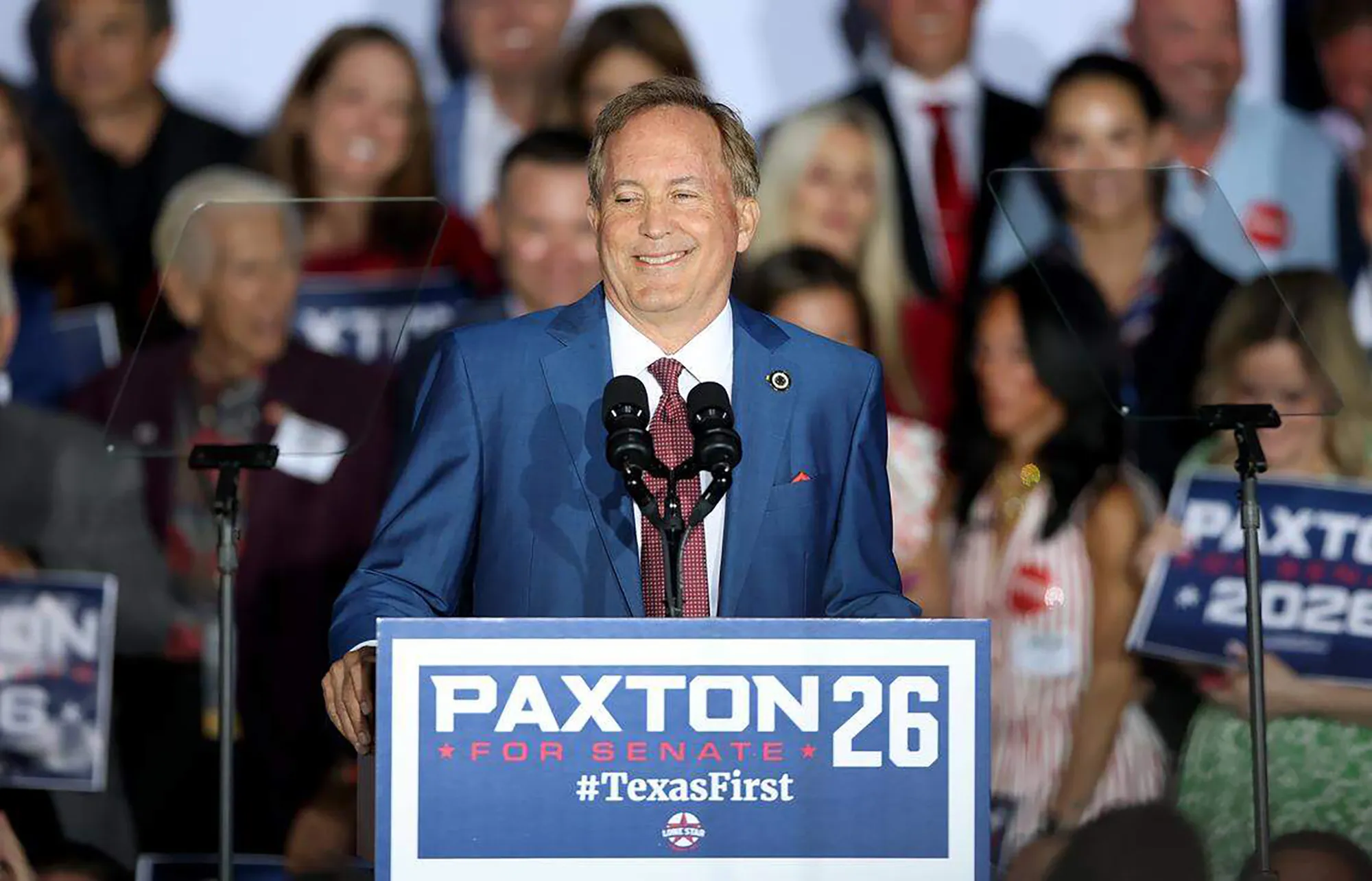
- Ken Paxton's decisive primary victory signaled growing dissatisfaction with establishment Republicans.
- Election integrity remains a central issue for voters concerned about trust in government institutions.
- Cultural debates surrounding gender, abortion, faith, and free speech continue reshaping American politics.
- Rising anti-Semitism on college campuses highlights the importance of historical awareness and moral clarity.
Real Life Network is a free, faith-based streaming platform offering biblically grounded teaching, documentaries, news, movies, and original programming. Sign up today.
Election integrity, border security, free speech, anti-Semitism, and cultural values continue to dominate the national conversation. As Americans prepare for another election cycle, the debate is no longer limited to taxes, spending, or partisan politics. Increasingly, voters are asking deeper questions about leadership, accountability, truth, and the future direction of the country. Through the analysis featured on Real Life Network and The Daniel Cohen Show, these issues are viewed through a biblical worldview that seeks to understand not only what is happening, but why it matters.
Recent developments in Texas, Canada, California, New York, and on college campuses across America reveal a common thread. Citizens are becoming increasingly skeptical of institutions they believe have grown disconnected from the people they are meant to serve.
The Republican Base Is Demanding More Than Party Loyalty
The Texas Senate primary delivered one of the most significant political results of the year. Attorney General Ken Paxton's overwhelming victory over longtime Senator John Cornyn sent a message that extended far beyond state lines.
This was not simply a contest between two Republicans.
It reflected a growing frustration among conservative voters who increasingly believe that party affiliation alone is no longer enough. Many voters are looking beyond voting records and campaign promises. They want leaders who actively pursue the issues they believe matter most.
The debate surrounding the SAVE America Act became one of the clearest examples. Requiring proof of citizenship in federal elections remains broadly popular among Republican voters and enjoys significant support among independents as well. For many Americans, election integrity is not a partisan issue. It is a confidence issue.
Trust in elections affects trust in government itself.
Voters are no longer rewarding politicians simply for holding conservative positions. They are rewarding politicians who are willing to advance those positions.
That sentiment extends beyond Texas. Across the country, establishment figures within both parties continue facing challenges from voters who feel ignored, dismissed, or taken for granted.
The message from Texas was straightforward. Political titles, seniority, and institutional influence matter less than they once did. Results matter more.
For more analysis of politics, culture, and current events through a biblical lens, viewers continue turning to Real Life Network and The Daniel Cohen Show for thoughtful commentary grounded in truth rather than political fashion.
Culture, Truth, and the Limits of Political Rebranding
The growing divide in American politics is increasingly cultural rather than economic.
Questions surrounding gender, abortion, national identity, religious liberty, and education have moved from the margins of public debate to the center. Voters are evaluating candidates not only by what policies they support but also by the worldview that shapes those policies.
This dynamic became especially visible in Texas, where discussions surrounding gender ideology, abortion, and faith played a prominent role in the campaign environment.
The challenge for many political candidates is that public statements, interviews, social media posts, and recorded comments now follow them indefinitely. In an age where every statement can be replayed instantly, attempts to reposition or redefine previous positions often face significant obstacles.
That reality is reshaping modern campaigns.
It is also reshaping public trust.
When leaders repeatedly ask voters to ignore what they have plainly said, credibility becomes difficult to maintain.
The same concerns are emerging beyond the United States.
In Canada, the detention of a conservative activist under mental health provisions raised serious questions about government authority, free speech, and the treatment of political dissent. Regardless of political affiliation, the principle remains important. Free societies require the freedom to express disagreement without fear of state punishment.
History provides countless examples of what happens when governments decide which viewpoints are acceptable and which are not.
For Christians, these developments highlight the importance of discernment. Political movements come and go, but truth remains unchanged. The ability to think critically, evaluate ideas carefully, and remain anchored in Scripture becomes increasingly important in times of cultural confusion.
Anti-Semitism, Free Expression, and the Future of the West
Another issue demanding attention is the resurgence of anti-Semitism throughout the Western world.
Events on university campuses, including incidents at UCLA and other major institutions, have exposed a troubling trend. Jewish students increasingly report harassment, intimidation, exclusion, and hostility simply because of their identity or support for Israel.
These developments should concern everyone.
Anti-Semitism has rarely remained isolated throughout history. It often serves as an early warning sign of broader cultural and moral decline.
The normalization of hostility toward any group creates conditions where intolerance can flourish more broadly. That reality makes moral clarity essential.
A society that becomes comfortable with hatred eventually discovers that hatred never stays confined to one target.
The discussion surrounding Israel also continues to reveal how historical understanding shapes present-day conversations. Many debates surrounding the Israeli-Palestinian conflict ignore decades of failed peace negotiations, rejected compromises, and competing visions for the future of the region.
Without historical context, public understanding becomes vulnerable to slogans, propaganda, and oversimplification.
The same principle applies domestically.
Whether discussing free speech, election integrity, anti-Semitism, or political accountability, healthy societies depend upon a commitment to truth. Facts matter. History matters. Ideas matter.
When those foundations erode, institutions become weaker, public trust declines, and social division deepens.
The future of America will not be determined solely by elections. It will also be shaped by whether citizens remain committed to truth, responsibility, and the values that sustain free societies.
The Hope of the Gospel
Political victories come and go. Governments rise and fall. Cultural movements gain influence and eventually fade.
Yet the deepest problem facing humanity cannot be solved through elections, legislation, or public policy.
Scripture teaches that every person stands in need of reconciliation with God. Sin separates humanity from its Creator, and no amount of political success can solve that problem. That is why Jesus Christ came into the world. He lived the perfect life sinners could never live, died on the cross as a substitute for sinners, and rose again from the grave.
Through repentance and faith in Christ, forgiveness, reconciliation, and eternal life are available to all who believe.
That hope remains far greater than any political moment.
For more biblically grounded reporting and analysis, visit Real Life Network and watch The Daniel Cohen Show.
Related Articles
.png)
Daniel Cohen hosts the "Daniel Cohen Show" exclusively on the Real Life Network. A Jewish follower of Jesus and three-time Emmy award-winning journalist, Cohen delivers the news from Israel, reporting on today's top headlines with a biblical worldview.