The Latest
- Democratic candidates in New York, Michigan, and Texas reflect a broader ideological shift within the party.
- Media controversies surrounding 9/11 and political extremism raise questions about whether institutions are willing to describe events plainly and accurately.
- Restrictions involving Christian messages in public and commercial spaces highlight growing debates over faith and religious expression.
- From California wildfire relief to church arson, institutions must be held accountable when the people and communities they serve are overlooked.
Real Life Network is a free, faith-based streaming platform offering biblically grounded teaching, documentaries, news, movies, and original programming. Sign up today.
There are moments when a single story reveals something much larger about the direction of a culture. A news organization hesitates to call terrorism terrorism. A political candidate distances himself from the very people who helped build his campaign. Companies permit religious messages about almost anyone except Jesus. Churches burn while much of the media looks elsewhere.
On Real Life Network, The Daniel Cohen Show looks beyond individual headlines to the worldview underneath them. And increasingly, the same question keeps appearing: Who gets to define what can be said, what can be believed, and what can be acknowledged in public?
That question matters politically. It matters culturally. And for Christians, it matters spiritually.
When Terrorism Becomes Too Controversial to Name
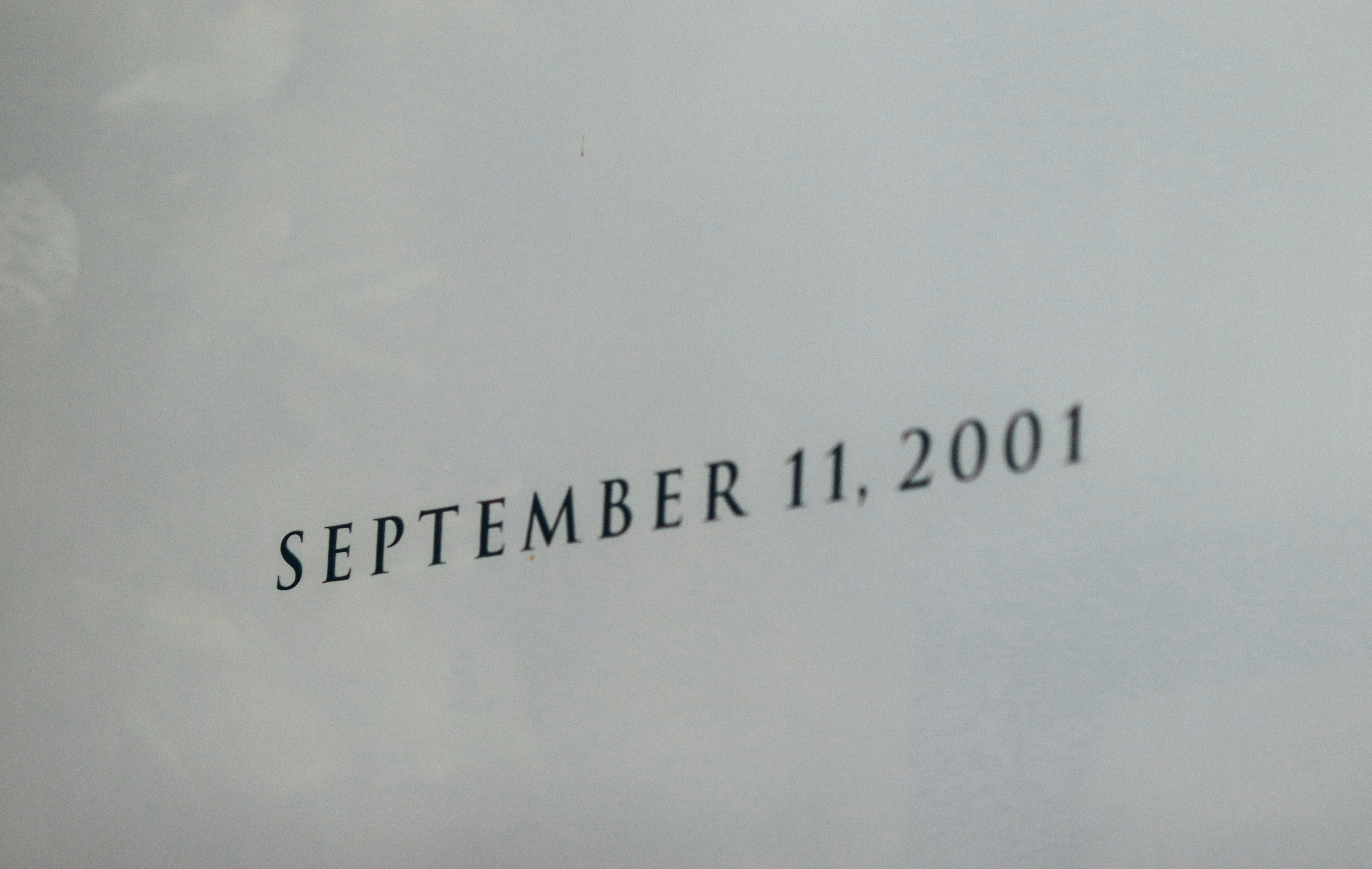
The CBC recently found itself facing intense criticism over guidance telling journalists not to refer to the September 11 attacks as “terrorist attacks” except through attribution. After public backlash, the Canadian broadcaster reversed course.
Think about what that means.
Nearly 25 years after hijacked passenger planes were deliberately flown into the World Trade Center and the Pentagon, killing thousands, one of Canada's largest news organizations was uncomfortable simply calling the attack terrorism.
Words matter because words describe reality. When institutions become more concerned about whether accurate language might offend someone than whether that language is true, journalism stops informing people and begins managing what people are permitted to think.
That problem extends far beyond one Canadian newsroom.
New York City offers another glimpse of the cultural and political tensions developing across the country. The rise of Zohran Mamdani and the Democratic Socialists of America is not simply another election story. It represents a much larger ideological shift taking place within the Democratic Party.
The old political establishment increasingly appears unable to control the movement growing beneath it. Candidates and activists who once existed on the political margins are becoming power brokers.
The same tension is playing out in Michigan.
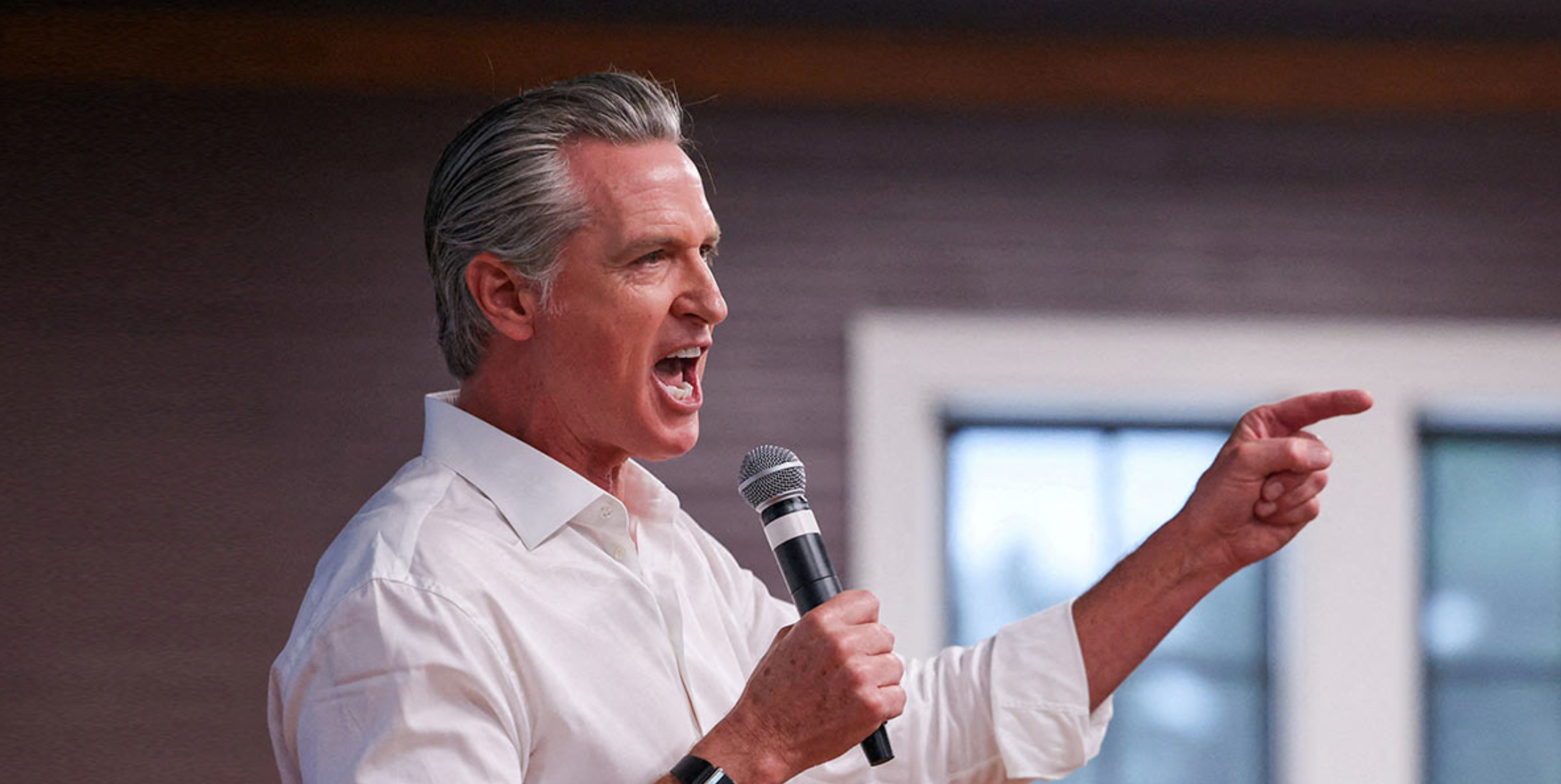
Abdul El-Sayed has campaigned alongside Hasan Piker, a controversial political streamer who has made inflammatory statements about America, Israel, and capitalism. Yet when questioned about that relationship, El-Sayed attempted to reduce Piker to merely a “social media person in California.” The problem is that Piker himself has publicly described campaigning and fundraising for El-Sayed.
The issue isn't simply association. It's accountability.
If political candidates believe the people surrounding them represent ideas worth defending, they should be willing to defend those relationships openly. If they don't, voters should ask why.
Which God Is Allowed in Public?
Politics is only one part of the story.
Recent examples involving the WNBA and Coca-Cola raise another question about Christianity's place in American culture.
Testing of the WNBA's custom jersey system reportedly found that phrases including “Jesus Christ” and “Jesus is God” were blocked while Islamic phrases were permitted. A similar controversy arose around Coca-Cola's personalization system, where attempts to enter “Jesus” were reportedly rejected while references to other religious figures or even Satan could be accepted.
The point isn't that Christians should demand corporations become Christian.
The issue is whether the rules are actually being applied equally.
If companies allow religious expression, Christianity should not uniquely become the expression that is unacceptable.
That question becomes even more important as children return to school and debates over sexuality and gender continue. In Massachusetts, Senator Ed Markey has promoted a federal “Transgender Bill of Rights,” while schools around the country continue wrestling with what children should be taught about sex, gender, and identity.
Christians cannot outsource these conversations to politicians, corporations, schools, or professional sports leagues.
Scripture gives Christians an identity that precedes politics. Human beings are created by God. Male and female are not arbitrary categories invented by society. And Jesus Christ is not simply one spiritual option among many.
The question isn't whether America will have a worldview in the public square. The question is which worldview will shape it.
That is why believers must pay attention even to cultural stories that initially appear trivial. A custom jersey. A personalized soda can. A school message. Individually, each can look insignificant. Together, they reveal the assumptions increasingly governing public life.
When Institutions Stop Serving the People They Were Meant to Serve
California provides another example.
After the devastating 2025 Southern California wildfires, Americans donated enormous sums believing their money would directly help families who had lost homes and communities. Yet questions have since emerged about where portions of wildfire relief money went and whether organizations unrelated to rebuilding received funding.
A House Judiciary Committee staff report cited on the show raised concerns about grants and assistance allegedly being directed toward organizations and causes with unclear connections to wildfire victims. Meanwhile, many families affected by the fires continue struggling to rebuild.
People gave because neighbors were hurting.
They deserve transparency about where that money went.
But perhaps one of the least discussed stories is what has been happening to churches.
A century-old former church building in Cleveland was recently destroyed in a fire investigators ruled arson. In Canada, another church burned, part of a broader pattern of churches being burned or vandalized in recent years.
Church buildings are not the church. Scripture is clear that God's people are the church.
But that doesn't make attacks on places of worship meaningless.
When churches are vandalized or burned, Christians should care. Authorities should investigate. Journalists should report it. And believers should refuse to accept the idea that hostility toward Christianity somehow becomes less significant because Christianity has historically been influential in the West.
Christians do not need cultural permission to proclaim Christ, but they do need the courage to recognize when the culture is becoming increasingly uncomfortable with His name.
That courage also requires discernment.
Not every controversy is persecution. Not every political disagreement is spiritual warfare. Not every person on the other side of an issue is an enemy.
But Christians should be able to recognize patterns without pretending they don't exist.
Truth still matters when a newsroom finds it uncomfortable. Political accountability still matters when the candidate belongs to the preferred party. Religious freedom still matters when the religion being expressed is Christianity. And people harmed by disasters still matter after the cameras leave.
The solution isn't panic. It is faithfulness.
Pay attention. Ask questions. Hold leaders accountable. Protect your children. Know Scripture. Participate in your community. Vote. And most importantly, refuse to surrender the truth simply because the culture has decided that truth is inconvenient.
Watch The Daniel Cohen Show on Real Life Network for more news and commentary connecting the headlines to the good news through a biblical worldview.
.png)
Daniel Cohen hosts the "Daniel Cohen Show" exclusively on the Real Life Network. A Jewish follower of Jesus and three-time Emmy award-winning journalist, Cohen delivers the news from Israel, reporting on today's top headlines with a biblical worldview.
.jpg)