.webp)
The Latest
- Reform UK’s major election gains reflected growing public frustration over immigration and cultural identity in Britain.
- Benjamin Netanyahu defended Israel’s response to October 7 while criticizing media narratives surrounding the war.
- Social media and public opinion are increasingly shaping international perceptions of Israel and the Middle East conflict.
- Political debates surrounding law enforcement, socialism, and public safety continue reshaping major American cities.
Real Life Network is a free, faith-based streaming platform offering biblically grounded teaching, documentaries, news, movies, and original programming. Sign up today.
In today’s online news, politics, and Christian streaming landscape, the battles over Western identity, immigration, Israel, political violence, and cultural truth are intensifying across both Europe and the United States. On Real Life Network and through The Daniel Cohen Show, viewers are engaging with reporting that examines the deeper forces reshaping the West. From Reform UK’s election victories to growing concerns surrounding Islamist political influence, from media coverage of Israel to debates surrounding socialism and law enforcement in Los Angeles, these stories reveal a broader struggle over leadership, national identity, and the future direction of Western civilization.
At the center of these debates is one unavoidable question.
Can nations preserve their identity while abandoning the values that built them?
Britain, Immigration, and the Fight Over National Identity
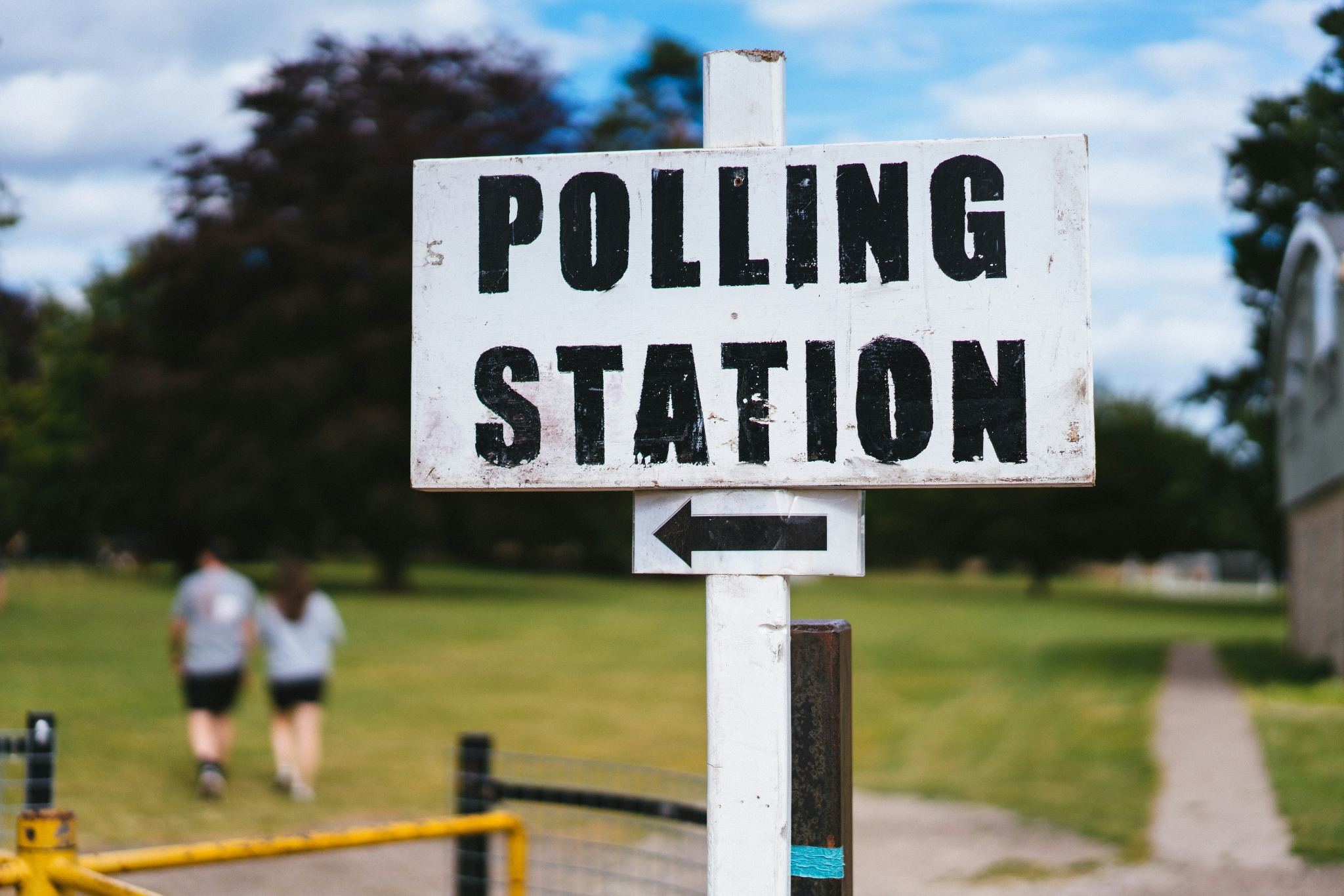
Recent election results in the United Kingdom revealed a major political shift. Reform UK gained more than 1,400 council seats across England while both Labour and Conservative leadership suffered major setbacks.
The results reflected far more than frustration over local governance.
For many voters, the election became a referendum on immigration, assimilation, crime, and cultural identity. Growing concerns surrounding Islamist political influence, demographic change, and public safety are increasingly shaping the national conversation across Europe.
The issue is no longer isolated to fringe political circles.
It has become mainstream.
When citizens begin feeling disconnected from the identity and values of their own nation, political upheaval becomes inevitable.
At the same time, critics argue Western governments have spent years suppressing legitimate debate surrounding immigration and assimilation by dismissing concerns as prejudice or extremism.
That tension is now reaching a breaking point.
Debates over grooming gangs, public safety, religious influence, and national identity are forcing leaders across Europe to confront questions many political institutions previously avoided altogether.
For more biblically grounded analysis of culture, politics, and global events, continue watching on Real Life Network and The Daniel Cohen Show.
Israel, Media Narratives, and the Battle for Public Opinion
At the same time, Israel remains at the center of a growing global information war. Prime Minister Benjamin Netanyahu’s recent interview defending Israel’s response to the October 7 Hamas massacre highlighted the widening gap between Israeli security concerns and Western media narratives.
Netanyahu rejected accusations that he has a “hunger for conflict,” arguing instead that Israel is responding to existential threats from Hamas and the broader Iranian regime.
That distinction matters.
Israel’s leaders view October 7 not as an isolated terrorist attack, but as part of a coordinated regional effort to weaken and ultimately destroy the Jewish state.
The debate extends beyond military operations.
It also involves public perception, social media influence, and the growing hostility toward Israel among younger Western audiences. Polling data now shows significant declines in American support for Israel, particularly among younger demographics heavily influenced by platforms like TikTok and social media activism.
This is why Netanyahu described public perception as another “front” in the war.
The conflict is being fought not only with weapons, but with narratives.
At the same time, Israeli leaders continue emphasizing the importance of reducing long-term financial dependence on the United States while maintaining strong strategic alliances. Netanyahu’s comments about eventually phasing out portions of U.S. financial support reflected a desire for Israel to maintain greater national independence moving forward.
Stay connected to biblically grounded reporting through Real Life Network and The Daniel Cohen Show.
Political Contrast, Public Safety, and the Future of the West
Across the United States, the same debates surrounding leadership, law enforcement, socialism, and public order continue intensifying. Cities like Los Angeles and New York increasingly reflect competing visions for the future of urban America.
That contrast is becoming difficult to ignore.
Spencer Pratt’s emerging mayoral campaign in Los Angeles has gained attention largely because it directly confronts issues many voters believe political leaders have ignored for years, including homelessness, crime, drug addiction, infrastructure failures, and bureaucratic corruption.
The message resonates because many Americans increasingly feel exhausted by political language disconnected from everyday reality.
Political messaging becomes powerful when it reflects the frustrations ordinary people are already living through every day.
At the same time, concerns surrounding media bias and political double standards continue fueling distrust in major institutions. Coverage surrounding attempted violence against President Trump and repeated efforts to minimize political extremism on the left have deepened concerns about unequal treatment across the political landscape.
Meanwhile, Republican leadership continues evolving heading into future election cycles. Figures like J.D. Vance, Marco Rubio, and Ron DeSantis are increasingly viewed as major voices shaping the future direction of conservative politics.
The broader divide remains clear.
One vision emphasizes national identity, law enforcement, border security, and traditional values. The other prioritizes progressive social policies, expanded government systems, and identity-based political movements.
That divide is now shaping elections, culture, education, and international policy simultaneously.
In a time when Western nations are wrestling with immigration, cultural identity, media narratives, and political trust, discernment has become essential. These debates are not disconnected headlines. They reflect a broader struggle over truth, leadership, and the future direction of the West.
Understanding that struggle requires more than political outrage or partisan loyalty.
It requires wisdom grounded in truth.
For more biblically grounded reporting connecting current events to a biblical worldview, visit Real Life Network and watch The Daniel Cohen Show.
Related Articles
.png)
Daniel Cohen hosts the "Daniel Cohen Show" exclusively on the Real Life Network. A Jewish follower of Jesus and three-time Emmy award-winning journalist, Cohen delivers the news from Israel, reporting on today's top headlines with a biblical worldview.