What To Expect
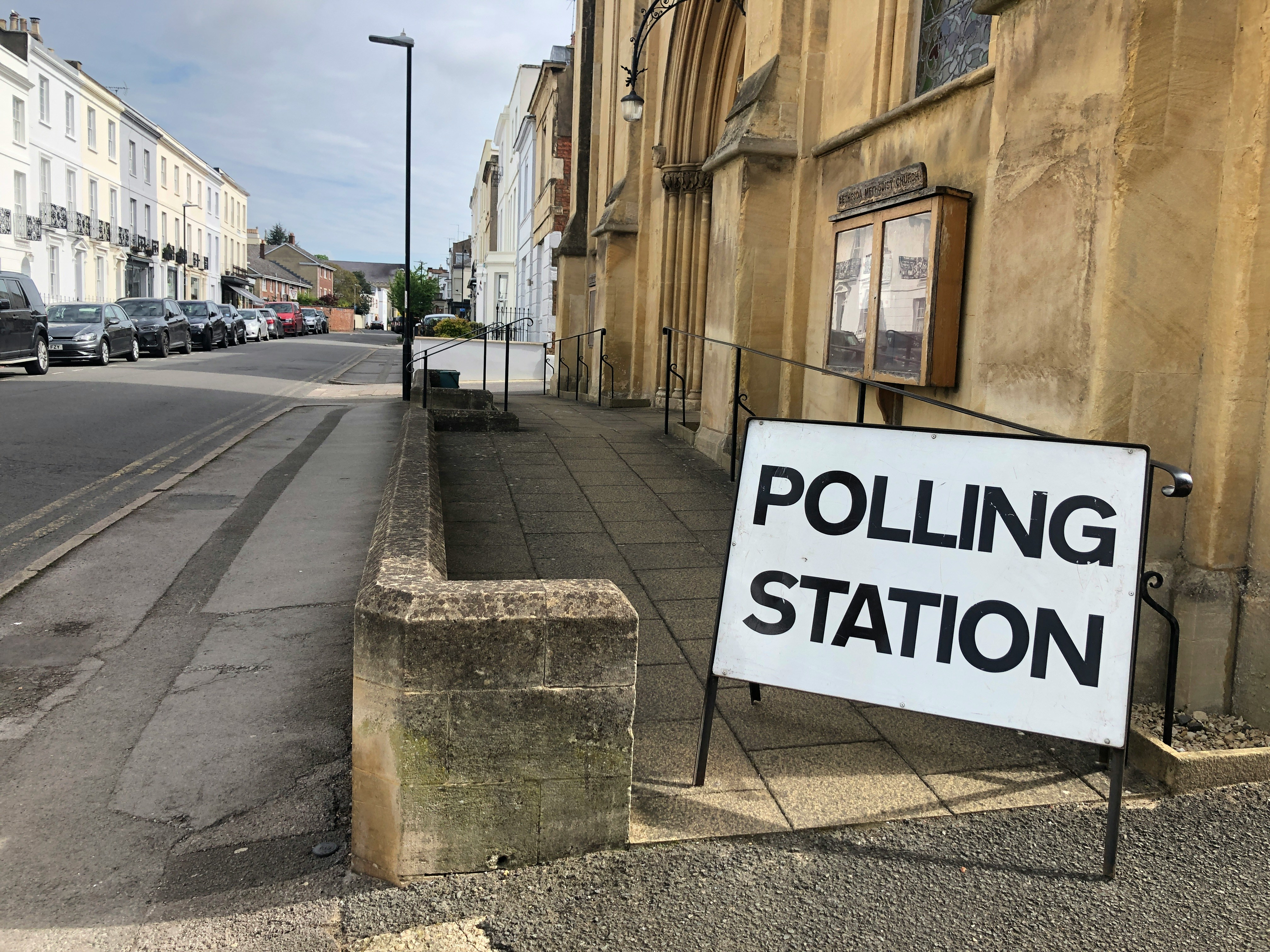
- A Pew Research Center survey found that 66% of Americans believe churches and houses of worship should stay out of political matters.
- Biblical figures such as Moses, Esther, Daniel, and John the Baptist demonstrated courage by confronting rulers and speaking God's truth.
- Issues such as abortion, marriage, sexuality, and justice raise moral questions that Scripture addresses, even when they become politically controversial.
- Christians are called to engage society with biblical conviction without allowing political parties to dictate their beliefs or remaining silent on moral issues.
Real Life Network is a free, faith-based streaming platform offering biblically grounded teaching, documentaries, news, movies, and original programming. Sign up today.
A Pew Research Center survey released earlier this year found that 66% of Americans believe churches and other houses of worship should stay out of political matters rather than address day-to-day social and political questions. Does that mean a pastor should avoid any subject politicians happen to debate?
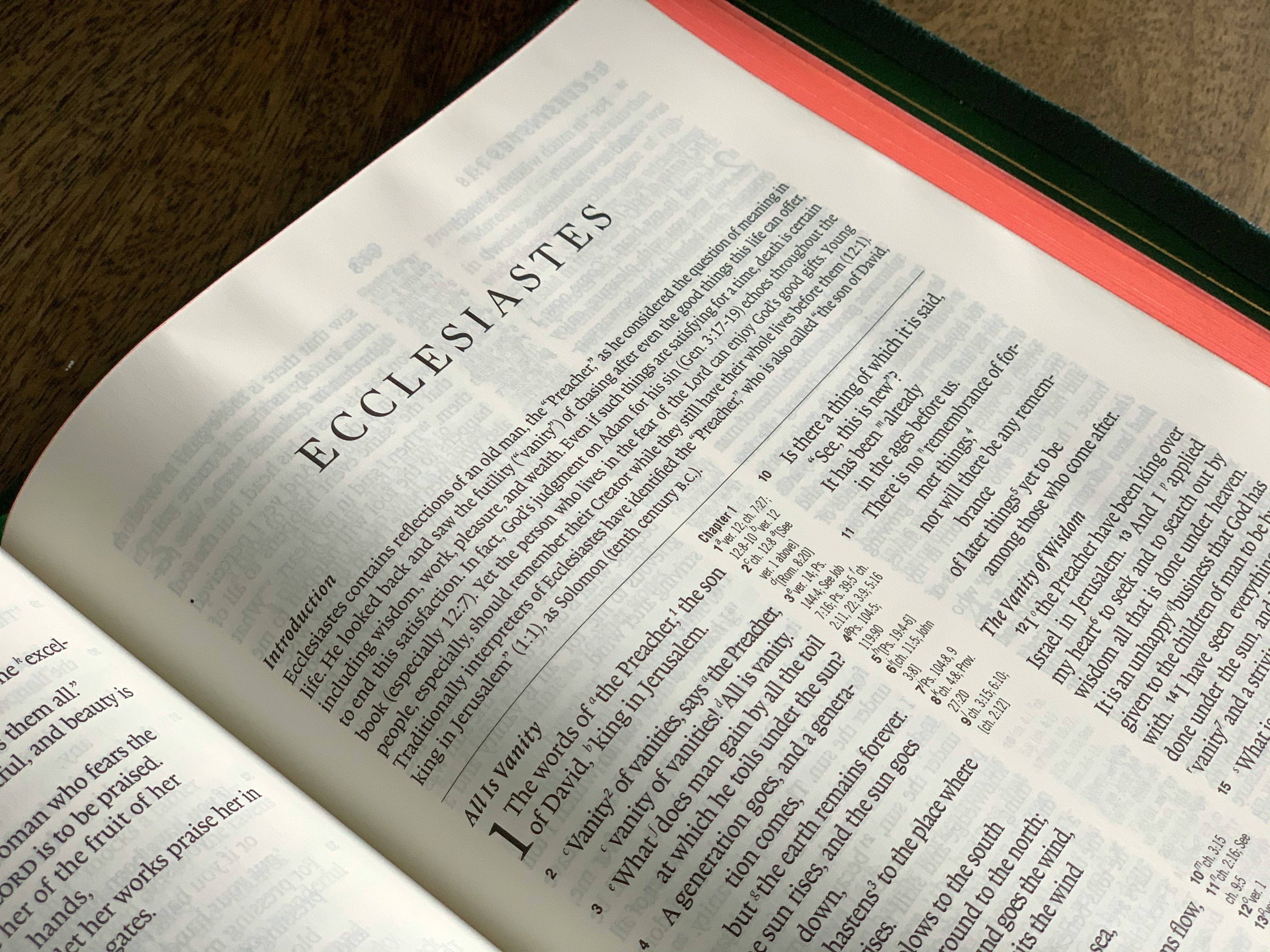
Consider abortion, marriage, human sexuality, immigration, and justice. These are not merely political issues that divide the parties. They are moral and spiritual issues which Scripture addresses. If pastors were to cut every biblical passage that becomes controversial in Washington, our Bibles would look like Swiss cheese.
Perhaps the deeper question is whether we understand how frequently God’s people were called to bring God’s truth to bear on matters of civil government.
In a 2019 Pew survey of biblical knowledge, 79% correctly identified Moses, 78% David, 69% Abraham, but only 28% Esther.
Pew didn’t ask what those four had in common. Besides being Hebrews, each had a consequential encounter with political power.
Moses stood before Pharaoh and demanded freedom for God’s people. David became Israel’s model king. Abraham dealt with kings and rulers. Esther risked her life by approaching the Persian king to save her people from destruction.
And the list hardly ends there.
Joseph rose to authority in Egypt. Nehemiah served a Persian king before becoming governor of Judah. Prophets such as Nathan, Elijah, and Jeremiah confronted rulers when their actions violated God’s commands.
Then there was Daniel.
Daniel served under pagan kings in Babylon and, later, under Persian rule. Yet his proximity to power never silenced his allegiance to God. When King Belshazzar offered him rewards, Daniel refused them and delivered a message the king did not want to hear: God had weighed his kingdom and found it wanting.
Daniel understood something the church must rediscover: God’s people cannot remain silent on matters God has clearly addressed simply because those matters have been declared political.
This pattern continues in the New Testament. John the Baptist confronted Herod over his marriage. Paul asserted his rights as a Roman citizen and testified before governors and a king. Their witness did not stop at the palace gates.
Certainly, ancient Israel and Rome were not modern America, and Scripture does not offer a party platform or a position on every legislative detail. But it does establish moral truths that apply to nations, to their rulers and citizens alike.
Jesus called His followers the salt of the earth and the light of the world. Neither image suggests withdrawal. Both describe engagement that makes a difference.
So the issue is not whether the church should become political. It is whether Christians will remain biblical when biblical truth has political consequences.
Our calling is neither to become the mouthpiece of a party nor to retreat into silence. It is to stand on God’s word, defend what is right, confront what is wrong, and speak with courage — even when the culture would rather we remain silent.
This article was orginally published on The Washington Stand. For more content like this, visit Real Life Network.
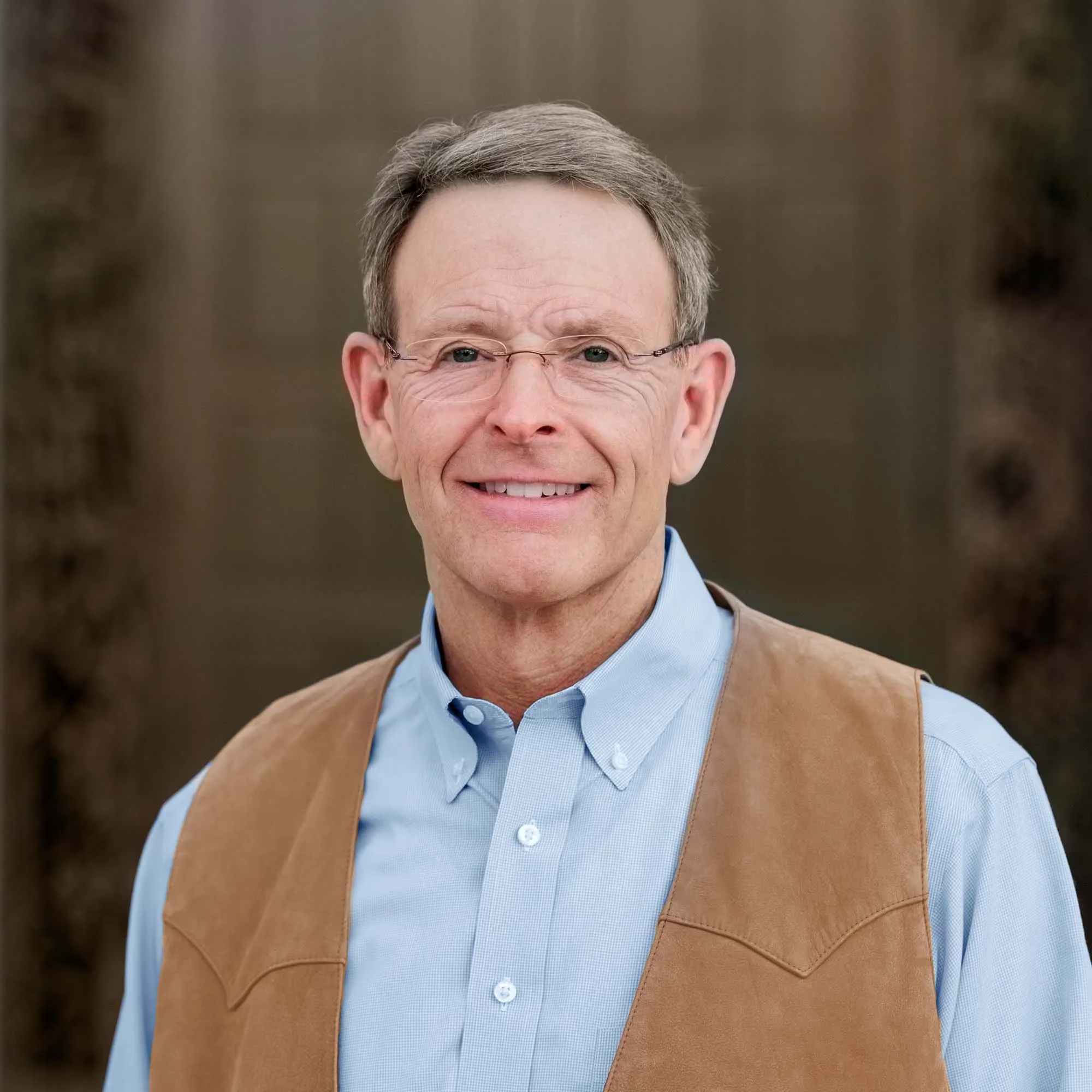
Tony Perkins is president of the Family Research Council and host of Washington Watch. A leading voice on faith, family, and religious liberty, he provides policy insight and commentary on issues shaping America’s cultural and political landscape.