World News

World News

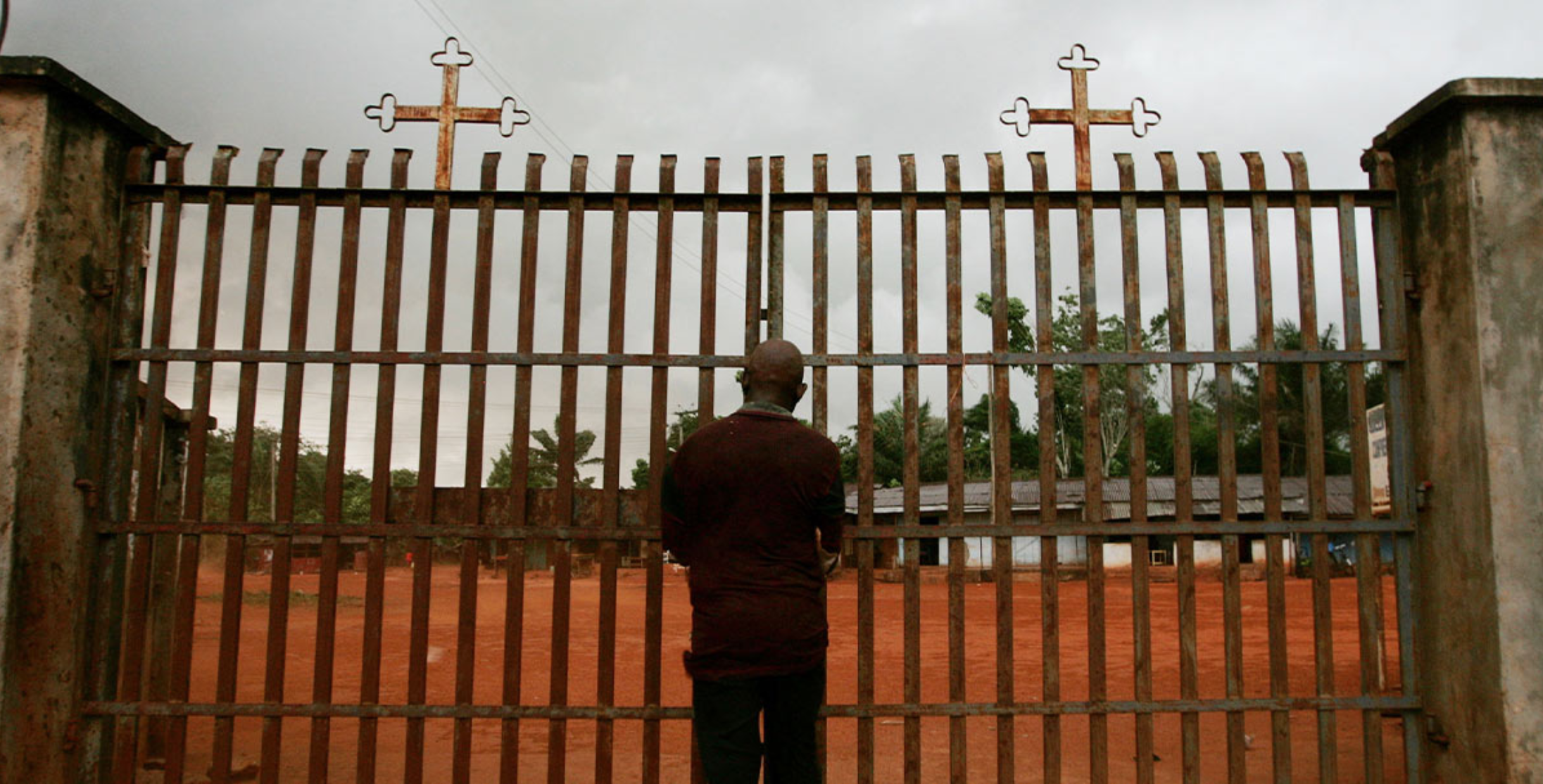
As terrorist violence in Nigeria continues to claim the lives of Christians and other religious practitioners at rates not seen anywhere else in the world, experts and lawmakers gathered for a hearing on Capitol Hill Thursday to assess if any progress has been made to address the crisis one year after the U.S. designated the West African nation as a Country of Particular Concern (CPC).

Last month, another devastating attack was carried out by rifle-wielding terrorists who massacred dozens of civilians, with at least 62 killed and another 52 wounded in Taraba state in the eastern part of the country. The atrocity is part of a disturbing pattern of attacks being committed almost exclusively by Islamist terrorists, including groups like Boko Haram, the Islamic State West Africa Province (ISWAP), and Fulani. According to Open Doors, of the 4,849 Christians killed for their faith worldwide last year, 72% (3,490) were murdered in Nigeria.

Overall, between 50 and 60,000 Christians have been killed in Nigeria by various terrorist groups since 2009, far and away the most killed in any one single country over that time span, with experts calling the situation a “genocide.” In addition, at least 19,800 churches have been attacked, with some estimates stating that over 18,000 churches and 2,000 Christian schools have been destroyed.

During Tuesday’s House Foreign Affairs Committee hearing that aimed to assess Nigeria’s efforts to address the violence since the Trump administration designated the country a CPC a year ago, Riley Barnes, assistant secretary of State for Democracy, Human Rights, and Labor, stated that Islamist attacks against Christians have largely continued unabated.

“The levels of violence and atrocities committed against Christians in Nigeria are appalling, particularly in the Middle Belt,” he explained. “Fulani ethnic militias commit violent attacks that directly target Christian populations. Nigerians I have spoken to on the ground have underscored the depth and breadth of suffering for many. Ample witness testimonies over even the past year have stated plainly that perpetrators use religious language during their attacks, specifically identified Christians for killing and abduction.”

Rep. Chris Smith (R-N.J.), who chaired the hearing, observed during Thursday’s “Washington Watch” that there has been some movement from the Nigerian government to address the ongoing crisis.

“[U]nfortunately, Christians are still being slaughtered, particularly in the Middle Belt, by the Fulani terrorists, the Boko Haram terrorists; more to the north [ISWAP is] continuing their killing spree,” he detailed. “But the government to some extent is trying to mitigate that carnage. But when it comes to Fulani, not nearly enough has been done. [The Trump] administration [is] doing a great job and really pressing the Nigerian government to use police, military assets, [and] intel [to] stop these terrorists from slaughtering Christians, from abducting individuals and then demanding ransom for which they use to buy more weapons and raping the women. It’s disgusting.”

Smith went on to highlight how the Nigerian government has for the most part denied that the targeted killings are even an issue. “On one trip in 2012, I met with a Catholic bishop in Jos, which is where Boko Haram was running rampant. I went to five of his fire-bombed churches, met with the survivors — wonderful, wonderful Christians who are suffering lost loved ones. [The] government said, ‘Oh, what? Nothing to see here.’ There’s a culture of denial that enables all of this. They pay lip service but don’t do enough. … Some Muslims get killed too, those who refuse to join in with the jihadist mindset. But Christians are singled out because [they consider them] infidels and don’t deserve to live, and they kill with impunity.”

Smith further noted that the approaches of previous administrations to appease and increase trade with governments that commit egregious human rights violations has not succeeded in stopping the violations. “[The Biden administration] took away CPC status for Nigeria, and under Obama, they wouldn’t even name countries [as CPCs],” he pointed out. “… And people just say, ‘Let’s trade more with this country or that more. Let’s trade with China.’ But [instead] let’s have human rights conditionally affixed to it to say, ‘Okay, we’ll trade if and only if you stop killing the Christians and persecuting believers the way you do.’”

Arielle Del Turco, who serves as director of the Center for Religious Liberty at Family Research Council, additionally asserted that the CPC designation of Nigeria put a spotlight on the issue that should help in the long run.

“[The CPC designation] doesn’t mean things change on the ground overnight, unfortunately,” she acknowledged during “Washington Watch” Thursday. “What it did do, though, is it directed a lot of attention from the State Department onto Nigeria, where it wasn’t really on their radar previously. It is now on the top of their radar. … This was an issue that the Biden administration routinely denied. They would explain it with climate change. They would explain it as a farmer-herder conflict. But the Trump administration knows that when we have militants riding on motorcycles, coming into villages with guns and weapons, slaughtering people, shouting ‘Allahu Akbar,’ that there is a religious element to this.”

Del Turco also emphasized that progress has been made since the CPC designation a year ago. “Now, one year later … at least Nigerian government officials will admit that, ‘Oh yeah, there might be a problem here.’ Now, to us, that might seem so small, but as someone that’s been tracking this issue for years, I think this is the first I’ve heard that Nigerian officials will admit that there’s any problem at all. So these small incremental changes hopefully will lead to something bigger along the way.”

Going forward, Del Turco underscored the responsibility that American Christians have to pray for their less privileged fellow Christians a world away. “I was very blessed to be able to go to Nigeria earlier this year with the group Christian Freedom International, and we were on the ground in some of the villages that do routinely face attacks from these Muslim Fulani militants. I remember one woman in particular we spoke to. … There was a Nigerian military base like a stone’s throw away, so close, but they wouldn’t or couldn’t stop these attacks. … [S]he would just be lying in her bed praying that the Lord would protect her and her two children. Her husband had already died 10 years before from a militant attack. So these people are just trying to lead normal lives. This woman in particular ran a little corner store selling snacks. … [T]his is the violence and brutality that is their normal life that they have to face every day. … These fellow believers in Christ really deserve our compassion. They deserve our prayers.”

‍

This article was written by Dan Hart and origianlly published on The Washington Stand. For more content like this, visit Real Life Network.

25 min

House GOP, White House Continue to Press Nigerian Government to Address Christian Genocide

A year after Nigeria's designation as a Country of Particular Concern, deadly attacks against Christians continue. Discover what U.S. lawmakers and religious liberty advocates are saying about the crisis, government accountability, and the urgent need for prayer.

World News

What happens when a person gains everything the world has to offer but remains unprepared to face eternity?

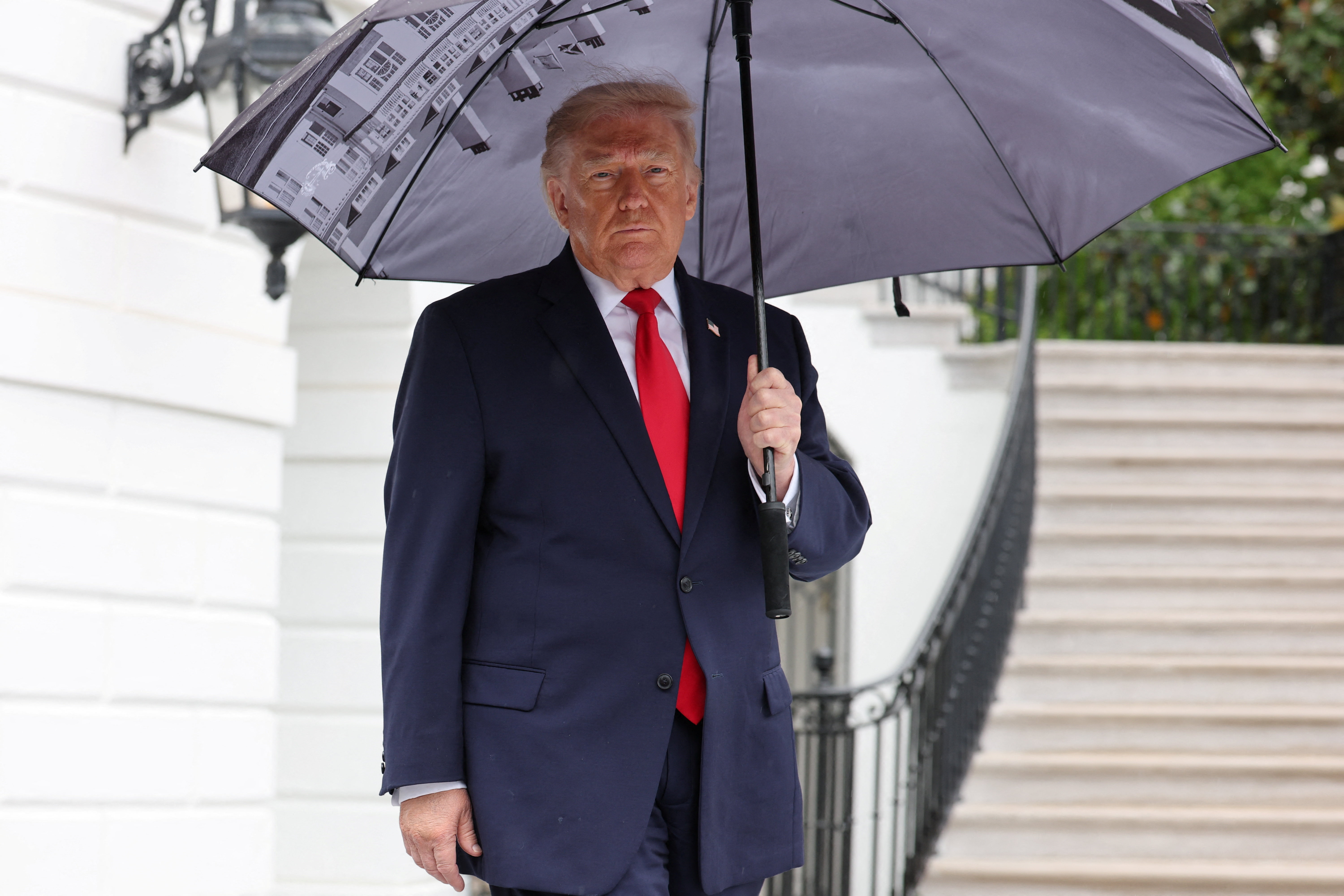
It is a question that transcends politics, wealth, influence, and public reputation. Yet it became the center of an important conversation when President Donald Trump was asked about death, heaven, and forgiveness during a recent 60 Minutes interview.

The president's answers revealed something worth examining, not simply about Donald Trump, but about the human heart.

The discussion also comes at a difficult moment for American politics. Republicans are confronting electoral losses, disagreements over Israel and Iran are dividing conservatives, and the assassination of Charlie Kirk continues to expose troubling attitudes toward political violence.

But beneath these headlines lies a more consequential question.

Political success cannot save the soul, and no amount of earthly influence can replace the transforming grace of Jesus Christ.

That truth applies to presidents and ordinary citizens alike.

Donald Trump, Forgiveness, and the Condition of the Heart

During his interview, Trump was asked what he believed would happen to him after death.

Having survived an assassination attempt in Butler, Pennsylvania, the president has experienced a reminder of life's fragility that few people encounter so directly.

When asked whether he expected to go to heaven, Trump expressed hope that he would, explaining that he considered himself religious.

The conversation then turned to forgiveness.

Interviewer Ross Douthat referenced the memorial service for Charlie Kirk, where Kirk's widow, Erika, publicly forgave the man accused of murdering her husband.

At that same memorial, Trump acknowledged that he did not share Kirk's approach toward political opponents.

When Douthat asked whether the president could forgive figures such as James Comey and Nancy Pelosi, Trump indicated that he could not honestly promise to do so.

The answer was striking.

Trump has experienced extraordinary political opposition, legal battles, and threats against his life. His frustration with political adversaries is understandable, even when his responses deserve examination.

Christians can recognize those circumstances without excusing bitterness.

Jesus' teaching in Matthew 6:14–15 makes forgiveness an essential part of the Christian life. Believers who have received God's mercy are called to extend forgiveness to others.

That does not mean wrongdoing should go unpunished. Forgiveness does not eliminate accountability, excuse criminal behavior, or require abandoning justice.

It means refusing to allow hatred to govern the heart.

Erika Kirk's response to her husband's murder provides a powerful example.

Faced with unimaginable grief, she publicly expressed forgiveness grounded in her Christian faith.

Her words did not minimize the seriousness of the crime. Instead, they demonstrated that the Gospel offers a response to suffering that goes beyond retaliation.

The contrast raises a question for every Christian, regardless of political affiliation.

Is it possible to defend the right policies while harboring the wrong attitudes?

Absolutely.

A person can hold strong convictions about immigration, religious liberty, national security, or Israel while struggling with pride, resentment, and unforgiveness.

The same is true of political opponents.

No party possesses a monopoly on virtue, and no political leader is exempt from the moral demands of Scripture.

Christians are called to evaluate leaders through biblical truth without confusing political loyalty with spiritual faithfulness.

The warning is especially important when discussing someone as influential as Donald Trump.

His accomplishments and political positions can be assessed on their merits. His statements can be praised or challenged. But his eternal standing before God cannot be determined by political achievements, and no observer can claim complete knowledge of his heart.

That judgment belongs to God.

The responsibility of believers is to speak truth with humility, pray for leaders, and remember that everyone stands in need of divine grace.

Israel, Immigration, and the Divisions Within Conservatism

The president's interview also exposed growing tensions over America's relationship with Israel.

Trump suggested that Israel and other American partners should reimburse the United States for costs associated with the conflict involving Iran.

He also claimed that Israel would not exist without his leadership.

Those statements raise questions about the relationship between American foreign policy and biblical convictions.

Trump's administration has taken significant steps in support of Israel, including recognizing Jerusalem as its capital and overseeing the Abraham Accords.

Those accomplishments deserve recognition.

Yet American assistance and Israel's biblical significance are not identical matters.

Scripture presents God's covenant with Abraham and his descendants as something established long before the existence of the United States.

Genesis 12:3 and Numbers 24:9 have traditionally informed Christian discussions about blessing Israel, while Jeremiah 31 emphasizes God's enduring covenantal faithfulness.

Christians differ over how those passages apply to the modern State of Israel and contemporary foreign policy. Those interpretive questions deserve thoughtful consideration.

Nevertheless, a biblical perspective should encourage humility about the limits of political power.

No president can claim ultimate credit for God's purposes in history.

American leaders must make difficult decisions about military spending, alliances, and national interests. Those decisions can be debated without reducing an entire relationship to financial transactions.

The disagreements surrounding Israel and Iran have also intensified divisions within the Republican Party.

Representative Thomas Massie's opposition to aspects of the administration's foreign policy, including his effort to impeach Defense Secretary Pete Hegseth, illustrates the growing conflict among conservatives over military involvement overseas.

Some Republicans believe a more restrained foreign policy is necessary to protect American interests and avoid prolonged conflicts.

Others argue that maintaining a strong partnership with Israel is essential to regional security and America's broader strategic responsibilities.

These competing positions cannot be resolved through personal attacks alone.

They require serious consideration of military objectives, costs, constitutional authority, and the consequences of American action or inaction.

Immigration has produced similar disagreements.

During the 60 Minutes interview, Trump acknowledged the possibility that his administration's deportation policies had been too harsh.

At approximately the same time, the administration announced that Stephen Miller would replace Susie Wiles as White House chief of staff.

The combination raised questions about whether immigration enforcement would become more restrained or more aggressive.

For many conservative voters, border security remains a central political concern.

Yet the biblical responsibility to love one's neighbor and treat strangers with dignity must also inform Christian discussions of immigration.

A nation can maintain lawful borders while recognizing the humanity of immigrants and the importance of fair treatment.

Those principles need not be mutually exclusive.

The larger concern is whether political disagreements are producing thoughtful debate or simply deepening resentment.

Conservatives who share many foundational beliefs increasingly disagree about Israel, military intervention, immigration, and the direction of the Republican Party.

Those divisions may have significant electoral consequences.

But they also offer an opportunity for Christians to demonstrate something different from the hostility that dominates so much of public discourse.

Conviction and humility can coexist.

Disagreement does not require hatred.

And faithfulness to Scripture must remain more important than loyalty to a political movement.

Charlie Kirk, Political Violence, and the Hope of the Gospel

The assassination of Charlie Kirk remains a painful reminder of what can happen when political hostility becomes something more dangerous.

Kirk was known for engaging students on college campuses, often inviting those who disagreed with him to ask questions and challenge his positions.

His approach reflected a belief that political and cultural disagreements should be addressed through conversation rather than intimidation or violence.

Following his death, comedian Dave Chappelle reportedly made remarks during a performance that Cohen criticized as insensitive toward Kirk's murder.

The controversy raised a broader question about the boundaries of comedy and the moral responsibilities of public figures.

Free speech protects the right to express unpopular, offensive, or provocative opinions.

But possessing the right to say something does not make every statement wise, compassionate, or morally defensible.

Political violence should never become a source of celebration.

The principle must apply consistently.

A person does not become less deserving of compassion because of political affiliation, religious belief, or public controversy.

Kirk's family deserves the same dignity and sympathy that should be extended to every family devastated by violence.

That standard should also shape Christian conversations about conflict overseas, including the suffering of Israeli and Palestinian civilians.

Every human life bears inherent dignity.

And no political disagreement justifies celebrating another person's death.

Erika Kirk's public response offered an alternative to the bitterness surrounding so much of the conversation.

She chose to speak about forgiveness while grieving the loss of her husband.

That decision points toward a truth that reaches beyond the immediate tragedy.

The Gospel does not promise that Christians will avoid suffering, injustice, or persecution.

It promises something greater: reconciliation with God through Jesus Christ and the possibility of a transformed heart.

This is why the question of eternity matters more than any election.

Mark 8:36 asks what a person gains by possessing the whole world while forfeiting the soul.

Wealth cannot answer that question.

Neither can fame, political influence, military strength, or electoral success.

The Christian message is that salvation is not earned through accomplishments or moral superiority. It is received by God's grace through faith in Jesus Christ.

Ephesians 2:8–9 teaches that salvation is God's gift, not the result of human works.

That message should produce gratitude and humility rather than self-righteousness.

It should also change how Christians approach public life.

Believers have responsibilities as citizens. They should study the issues, participate thoughtfully in elections, pray for elected officials, and seek the good of their communities.

But political engagement must never replace the Church's central mission.

The Great Commission calls Christians to make disciples, proclaim the Gospel, and teach obedience to Christ.

That calling remains unchanged regardless of which party controls Congress or occupies the White House.

The greatest need in American politics is not simply better leadership or stronger policies, but hearts transformed by the grace and truth of Jesus Christ.

The same grace that makes forgiveness possible is available to presidents, entertainers, political activists, and ordinary families.

No one is beyond the need for repentance.

And no one is beyond the reach of God's mercy.

The future of American politics may remain uncertain, but the promises of Scripture do not change with election results.

God remains sovereign.

Christ remains the only Savior.

And the Church remains called to speak truth, extend grace, and point people toward the hope of eternal life.

The question is not merely what kind of country will be left to the next generation.

It is whether the people living in it are prepared for eternity.

Watch The Daniel Cohen Show on Real Life Network for news, cultural analysis, and conversations connecting current events to the hope of the Gospel.

25 min

Donald Trump, the Limits of Political Power, and the Demands of Faith

Donald Trump's remarks on forgiveness, Israel, and political power raise deeper questions about faith and leadership. Explore how Charlie Kirk's legacy, growing conservative divisions, and biblical teachings reveal the importance of humility, grace, and eternal hope.

World News

The nationwide campaign against transgender procedures on minors gained new momentum last week, despite the general triumph of pro-transgender politicians. In Colorado, voters approved a ballot measure (Proposition 135) prohibiting transgender surgeries on minors, acting to protect children when their politicians would not. Colorado thus became the 28th state to restrict transgender procedures on minors, and the first state to do so by ballot measure.

Proposition 135 would “prohibit surgeries on minors that alter their biological sex characteristics as a treatment in response to a minor’s perception of sex or gender” and “prohibit the use of state or federal funds or insurance coverage to pay for these surgeries.” The Colorado Department of Health Care Policy and Financing said the state’s Medicaid program spent $2.7 million on transgender procedures for minors between 2023 and 2025, although the lion’s share was likely for hormonal treatments, which the ballot measure did not address.

Notably, amid a general landslide in favor of Democrats, the proposition passed in Colorado by a margin of 51.9% to 48.1%, or just over 100,000 votes. The Associated Press called the race on Friday.

“Amidst Democrats’ decisive election victories last week, ballot measures reversing their gender-bending social agenda still won in deep-blue states,” noted Quena González, senior director of Government Affairs at Family Research Council. “In Colorado, where the Republican Party has been on the defense for over a decade, liberal voters provided the winning edge for a first-in-the-nation ballot measure protecting children from gender transition procedures.”

The voters’ verdict was thus a reality check on the extremism of the transgender agenda. Pro-transgender activists did not accept the result calmly. “It’s certainly painful to see the outcome and how close it was,” lamented Nadine Bridges, executive director of the LGBT advocacy group One Colorado. “I don’t imagine if people had the right information that they would have made this decision.”

Denial is the first stage of grief. In reality, opponents of Proposition 135 dropped $4,927,982 into defeating the measure, while a grassroots campaign known as Protect Kids Colorado mustered only $271,540 in its favor — a ratio of 18 to one. If the proposition’s opponents had any good arguments, they certainly had every opportunity to let voters know.

This fact suggests that even liberal voters in Colorado did hear the arguments against Proposition 135 — and voted for it anyways. “Ascendant elected Democrats and demoralized Republicans alike would do well to note that the issue of protecting children from gender ideology cuts directly across party lines,” González told The Washington Stand.

In fact, pro-transgender activists are the ones actually promoting false claims. Planned Parenthood Action alleged that “Proposition 135 would allow the government to interfere in personal medical decisions that should remain between families and their trusted providers. The measure creates barriers to care.” Likewise, GLAAD claimed that “Proposition 135 would prohibit health care professionals from practicing medically necessary health care for transgender youth that is supported by every major medical association.”

In reality, there is nothing “medically necessary” about amputating healthy breasts or genitalia. Such irreversible surgeries with long-term side effects are an extreme way to treat mental or emotional distress, and multiple evidence reviews commissioned by Western governments have not found the results satisfactory enough to justify rushing minors into such life-altering surgeries.

Nor is it true that transgender surgeries for minors are supported by “every major medical association.” In February, the American Society of Plastic Surgeons (ASPS) — the organization whose members would be responsible for conducting such surgeries — recommended “that surgeons delay gender-related breast/chest, genital, and facial surgery until a patient is at least 19 years old.” When pressed on their position, the American Medical Association reluctantly agreed that transgender surgeries “should be generally deferred to adulthood.”

Given these position statements, it is entirely inaccurate to characterize Proposition 135 as government interference “in personal medical decisions” when even medical organizations agree that transgender surgeries are inappropriate for minors.

Unfortunately, the transgender lobby holds more sway over Colorado officials than over Colorado voters, which means there is still a chance for the legislature to undo the protections voters implemented. Proposition 135 was a statutory measure, not a constitutional one. This meant that it only needed a simple majority to pass (a threshold it only narrowly cleared), but that the state legislature could amend or repeal it.

“We’re going to have to take a look at these anti-trans measures and what adjustments are necessary and appropriate,” Colorado Governor-elect Phil Weiser responded to the outcome. He added that it is “a natural and I believe appropriate role of the legislature” to consider adjustments to statutory ballot measures.

Meanwhile, however, the fact remains that Colorado voters did implement Proposition 135. And, as Republicans found out in the 2026 midterm, ignoring the voters can be a dangerous prospect.

For now, advocates of Proposition 135 are celebrating a successful effort to protect Colorado children, even against long political and fiscal odds. Protect Kids Colorado Co-Founder Erin Lee celebrated “the thousands of just everyday Coloradans who came together to make this happen.” And she warned legislators that any attempt to undo the measure, as well as a girls’ sports measure (Proposition 134) which also passed, would be “to their detriment.”

“The results of the 2026 election are an early indication that one of the most lasting effects of President Trump’s second term may very well end up being a 180-degree reversal in the cultural tide that until 2024 targeted children with lies and convinced families that ‘gender transition’ is the only answer,” González concluded. “Today, the transgender activists are in retreat as popular opinion turns decidedly against trans ideology.”

This article was written by Joshua Arnold and origianlly published on The Washington Stand. For more content like this, visit Real Life Network.

25 min

Voters Make Colorado the 28th State to Restrict Trans Surgeries for Minors

Colorado voters approved Proposition 135, restricting gender-transition surgeries for minors despite strong opposition and Democratic victories statewide. Explore what the results reveal about public opinion, medical concerns, and the ongoing debate over parental rights.

World News

The 2026 midterm elections left Republicans confronting a difficult reality. Democratic victories in states once considered reliably conservative raised serious questions about the future of the Republican Party, the influence of emerging political movements, and the direction of the country.

Was the election a rejection of President Donald Trump? Did the conflict with Iran and rising gasoline prices drive voters away? Or did Democrats simply run more effective campaigns?

Each explanation may contain part of the answer. But focusing exclusively on political strategy risks overlooking a deeper concern.

America's political divisions may be symptoms of a much larger spiritual problem, one that cannot be solved by winning another election.

The prophet Jeremiah confronted a similar failure of leadership when he warned against those who offered superficial reassurance while ignoring the deeper problems facing God's people.

Jeremiah 6:14 describes leaders who treated serious wounds as though they were minor, declaring peace when there was no peace.

The warning remains relevant. A nation cannot address its challenges honestly without first understanding what is wrong.

And for Christians, that examination must begin with more than the opposing political party. It must also include the spiritual condition of the Church.

Texas, Georgia, and Ohio Reveal a Changing Political Landscape

The Democratic victories in Texas, Georgia, and Ohio represented more than disappointing results for Republican candidates. They exposed assumptions about voter loyalty, political organization, and the effectiveness of conservative messaging.

In Texas, Democrat Gina Hinojosa defeated longtime Republican Governor Greg Abbott, while James Talarico won the state's closely watched Senate race against Ken Paxton.

Texas has served as a foundation of Republican presidential campaigns for decades. With its substantial electoral vote count, changes in the state's political direction could have lasting national consequences.

Georgia delivered another historic result with the election of Keisha Lance Bottoms as governor. In Ohio, Amy Acton defeated Republican Vivek Ramaswamy despite the state's strong support for Trump in the 2024 presidential election.

These outcomes invite an uncomfortable question: Had Republicans become too confident in states they assumed would remain safely conservative?

Campaign spending and national recognition cannot replace the importance of relationships with voters.

Democrats demonstrated the effectiveness of local organizing, volunteer networks, voter registration, and consistent engagement with communities.

The lesson extends beyond any particular election. Political movements must understand the people they hope to represent rather than assume those voters will remain loyal indefinitely.

Even prominent progressive politicians such as Alexandria Ocasio-Cortez have demonstrated an ability to communicate effectively with their supporters, build recognizable messages, and maintain engagement through social media.

Disagreeing with a political opponent's policies should not prevent an honest assessment of that opponent's organizational strengths.

The same principle applies to the concerns driving voters.

Affordability became a central theme of Democratic campaigns. Families facing higher grocery bills, gasoline prices, and housing costs wanted leaders who understood their daily struggles.

Economic statistics and policy achievements matter, but political leaders must also recognize how families experience the economy.

There are legitimate disagreements about which policies would best address these concerns. Energy production, government spending, healthcare, and taxation all deserve serious debate.

Yet one lesson from the election is difficult to ignore: voters want their concerns acknowledged and their circumstances understood.

For Republicans, rebuilding trust will require more than criticizing Democratic proposals. It will require clearly communicating how conservative policies would address the challenges facing American households.

Israel, Iran, and the Divisions Reshaping American Politics

The election also brought growing disagreements over America's relationship with Israel into sharper focus.

Within conservative media and Republican political circles, the conflict with Iran has intensified debates about military involvement, national security, and the responsibilities of the United States overseas.

Some commentators have questioned whether the costs of the conflict contributed to Republican losses. Others have expressed concern that opposition to military intervention could weaken America's longstanding partnership with Israel.

These disagreements reflect a broader debate about the meaning of an America First foreign policy.

Should the United States reduce its international commitments? How should American leaders balance domestic economic pressures with security threats overseas? What responsibilities does the country have toward allies facing military aggression?

These questions deserve careful consideration.

Israel remains an important American partner in intelligence sharing, defense technology, and regional security. Its relationship with the United States has historically received support from both major political parties, although disagreements over military assistance and the conduct of particular conflicts have grown.

Iran's government and its support for armed groups throughout the Middle East remain central concerns in discussions about regional security.

For Americans living thousands of miles from the conflict, these debates often focus on energy prices, military spending, and the possibility of prolonged involvement.

For families living in Israel, the consequences can be immediate.

Rocket warnings, bomb shelters, and the threat of attacks are realities that shape everyday life. Understanding those experiences provides important context for conversations about Israel's security.

At the same time, concern for Israeli civilians should not diminish concern for Palestinian civilians or others affected by conflict. Human suffering deserves compassion regardless of nationality or religious identity.

Christian engagement with these issues should be grounded in biblical conviction, careful attention to facts, and a commitment to human dignity.

The political debate has also brought renewed attention to Michigan Senator-elect Abdul El-Sayed, whose campaign emphasized economic concerns, healthcare, and changes to American foreign policy.

El-Sayed has criticized U.S. military assistance to Israel and argued for greater attention to Palestinian suffering. His positions have generated significant disagreement among Americans concerned about Israel's security and the future of American foreign policy.

Those disagreements should be evaluated through his stated policies and their potential consequences, rather than assumptions about his religious identity.

Religious freedom is a foundational American principle, and Christians can defend their convictions while respecting the rights of fellow citizens who worship differently.

Faithful engagement requires the courage to challenge ideas without abandoning the biblical responsibility to treat people with dignity.

The growing divisions within both political parties suggest that the coming years will involve difficult debates about national identity, foreign policy, economic priorities, and the principles that should guide American leadership.

But political debates alone cannot answer the deeper questions facing the country.

The Spiritual Diagnosis: A Church Called to Wake Up

Near the conclusion of the election analysis, a warning from actor Jim Caviezel brought the discussion back to the spiritual responsibilities of Christians.

Caviezel, known for portraying Jesus in The Passion of the Christ, challenged believers to consider whether the modern Church has become too comfortable, too hesitant, or too disconnected from the demands of the Gospel.
His comments echoed the warning to the church at Laodicea in Revelation 3.

In Revelation 3:15–16, Jesus rebukes a congregation for being spiritually lukewarm.

The passage is not primarily about political participation. It is about spiritual complacency, misplaced confidence, and the need for genuine repentance.

That distinction is important.

A church can become politically active without becoming spiritually healthy. It can speak loudly about cultural problems while neglecting prayer, discipleship, evangelism, and obedience to Scripture.

Likewise, political frustration can tempt Christians to view people who disagree with them as enemies rather than neighbors who need the same grace and truth found in Jesus Christ.

The deeper challenge is not simply whether Christians are sufficiently involved in elections.

It is whether the Church is faithfully fulfilling its biblical mission.

Are believers sharing the Gospel? Are families being strengthened through Scripture and prayer? Are churches teaching sound doctrine and equipping Christians to live faithfully in a changing culture?

Are Christians demonstrating the love, humility, integrity, and courage that should characterize followers of Jesus?

These questions deserve attention regardless of which political party holds power.

The Great Commission in Matthew 28:18–20 calls Christians to make disciples of all nations, baptizing them and teaching them to obey Christ's commands.

That mission does not depend on election results.

Neither does God's sovereignty.

Political setbacks can create uncertainty about the future, but they cannot surprise the Lord. Scripture repeatedly reminds believers that God remains sovereign over nations, rulers, and the course of history.

Daniel 2:21 declares that God changes times and seasons, removes kings, and raises up kings.

That truth should produce humility rather than political complacency.

Christians still have responsibilities as citizens. They should vote thoughtfully, evaluate policies carefully, serve their communities, and pray for those in authority.

But the Church must never confuse political victory with spiritual revival.

The answer to a spiritually lukewarm Church is not greater political outrage. It is renewed love for Christ, deeper faithfulness to Scripture, and a greater commitment to the Gospel.
That renewal begins in ordinary places.

It begins with parents teaching their children God's Word, believers praying for their neighbors, pastors faithfully preaching Scripture, and Christians demonstrating integrity in their workplaces and communities.

It also requires the humility to recognize that cultural and spiritual problems are not confined to one political party.

Every person needs the grace of God. Every community benefits from truth, compassion, and moral responsibility.

And every generation of Christians must decide whether it will faithfully carry forward the mission entrusted to the Church.

The 2026 midterms may be remembered for unexpected political victories, changing electoral coalitions, and the growing divisions within American politics.

But for believers, the most important question is not simply what went wrong on Election Day.

It is what must change in the hearts and lives of God's people.

America's political future remains uncertain. The outcome of the next election is unknown. The challenges facing families, communities, and the nation are real.

Yet none of those uncertainties diminish the authority of Jesus Christ.

There is still reason to pray, to serve, to speak truth graciously, and to remain engaged in the life of the nation.

The call is not to despair over political defeat or place ultimate confidence in the next candidate.

It is to return to the unchanging mission of the Church with renewed conviction and a heart shaped by the Gospel.
Watch The Daniel Cohen Show on Real Life Network for news, cultural analysis, and conversations about current events from a biblical worldview.

25 min

The Lessons Republicans Overlooked in 2026

Republican losses in 2026 exposed weaknesses in voter outreach, messaging, and party unity. Explore how economic concerns, debates over Israel, and shifting voter priorities reveal a deeper challenge for Christians: spiritual complacency and the need for renewed faith.

World News

Far-left activist groups like the Human Rights Campaign are already calling on Democrats to pass pro-transgender legislation like the Equality Act. But a closer look at the 2026 election results would caution the incoming congressional majorities against interpreting the election as a mandate to do so. Although American voters elected Democrats in overwhelming numbers, voters in Democrat-controlled states still voted against transgender extremism.

The facts of this issue dawn slowly, as the relevant states count ballots slowly. Still, at 9:14 p.m. on Wednesday, the Associated Press decided there was enough information, with 68% of votes counted, to declare that Washington voters had chosen to restrict participation in school sports by biological sex by approving Ballot Measure 638.

According to the official ballot title, “this measure would prohibit students it defines as ‘biologically male’ from competing in certain school athletic activities intended for female students only. It would require verification of biological sex by students’ healthcare providers.”

Washington voters were asked, “Should this measure be enacted into law?” Thus far, 1,252,863 voters (56.6%) have voted “yes,” while 961,810 voters (43.4%) have voted “no.” That’s a lead of 290,000 votes (or 13.2% of the total votes cast), with two-thirds of the ballots already counted.

The dominant popularity of Measure 638 is evident from the county breakdown. The “no” votes hold a majority in only three of Washington’s 39 counties, and even in those counties the margins are relatively close. In far-north Whatcom (home to Bellingham, Wash.), “no” votes lead 50.6% to 49.4%. In King County (Seattle), “no” votes lead 57.2% to 42.8%; this county’s large population is the only reason the contest even took this long to determine. And, in sparsely-populated Jefferson County, “no” votes lead 57.5% to 42.5%.

In the other 36 counties, a majority of Washington voters preferred to protect girls’ sports. That includes counties with other large cities, including Snohomish (Everett), Pierce (Tacoma), Thurston (Olympia), Clark (Vancouver), Benton (Richland), and Spokane (Spokane).

When the suburbs of Seattle and Portland are voting against a transgender policy item, Democratic politicians would be wise to pay attention.

The vote was not some conservative fluke, where Washingtonians zigged right while the country zagged left. The very same Washington voters rejected Measure 645, which would have repealed the state’s millionaire tax, by a margin of 57.9% to 42.1%. Washington voters remain their usual progressive selves, but allowing confused boys to compete in girls’ sports is one wilderness trail they refused to hike.

Meanwhile, Arizona voters approved Ballot Proposition 318, which protected both girls’ sports and girls’ locker rooms. According to its title, it “requires all schools and athletic associations to designate athletic teams as male, female, or coed based on the biological sex of the athletes as defined at birth; [and] prohibits these entities from authorizing use of private spaces not designated for a person’s sex.”

As of Thursday, Arizona voters favored the proposition 58.9% to 41.1%, with an estimated 86.4% of the vote recorded (enough to make the outcome mathematically certain). While Arizona is less solidly Democratic than Washington state, it has grown steadily bluer; the same preliminary election results show Democrats flipping both legislative chambers to give them a governing trifecta in January.

Once again, the widespread appeal of the proposition is apparent at the county level. In only one of Arizona’s 15 counties did “no” votes outnumber “yes” votes. In Cococino County (Flagstaff), 54.1% of voters voted “no,” compared to 45.9% of voters who voted “yes.” Even this result defied partisan odds, as 61% of the county usually votes for Democrats.

A third western state offered voters the chance to protect girls’ sports on the ballot, and there the outcome appears to be closer. In deep-blue Colorado, with 87% of the votes recorded as of Thursday, the outcome of two transgender-related ballot measures remain too close to call.

Colorado Proposition 134 would:

  • “require that all elementary through collegiate school-based athletic teams and sports be designated as male-only or female-only based on biological sex, unless the team or sport is designated as open to participation by individuals of any sex or gender;
  • “require schools and school districts to implement policies to ensure that students are assigned to gender-designated teams that align with their biological sex; and
  • “prohibit investigations of, or penalties for, a school that designates a team or sport as female-only.”

Current reporting shows 1,232,721 “yes” votes (52.7%) and 1,107,376 “no” votes (47.3%), for a lead of 5.4%.

Colorado Proposition 135 would:

  • “prohibit surgeries on minors that alter their biological sex characteristics as a treatment in response to a minor’s perception of sex or gender, with certain exceptions; and
  • “prohibit the use of state or federal funds or insurance coverage to pay for these surgeries.”

As of this writing, there are 1,224,683 “yes” votes (52.3%) and 1,118,057 “no” votes (47.7%), for a lead of 4.6%.

With an estimated 13% of the vote left to be counted, neither proposition is over the finish line yet. But they are certainly outperforming other propositions. On Colorado Amendment 81, which would require law enforcement agencies to coordinate with the Department of Homeland Security, “no” votes are leading 54.8% to 45.2%. This means that protecting girls’ sports and protecting children from irreversible, harmful surgeries is significantly more popular — even among Colorado’s progressive population — than enforcing federal immigration law.

It’s noteworthy that each of the transgender-related measures came in left-leaning states. This is because the legislatures in those states have refused to protect girls’ sports and gender-confused children on their own.

When more than half the state legislatures protected female athletes from male intrusion and children from gender transition surgeries, pro-transgender activists argued that these were irrelevant or niche issues, driven by “transphobic hate” and an activist class. In reality, these commonsense policies are popular even among voters in Democratic-leaning states. It is the transgender activists and the politicians they control who are truly out of touch.

Such results in ballot initiatives also invite another conclusion. Despite the Democrats’ historic victory in the 2026 midterm elections, the simultaneous success of girls’ sports initiatives in Democrat-controlled states suggests that voters did not choose them because they wanted to see radical pro-transgender policies implemented. If Democrats misinterpret their electoral victory as a signal to return to the radicalism of the Biden administration, they might provoke the type of voter anger that delivered victory to Republicans in 2024.

‍

This article was written by Joshua Arnold and origianlly published on The Washington Stand. For more content like this, visit Real Life Network.

25 min

Blue-State Voters Rejected Trans Extremism despite Democrats’ Gains

Despite major Democratic victories in the 2026 midterms, voters in Washington, Arizona, and Colorado supported measures restricting transgender participation in girls' sports. Discover what these results reveal about voter priorities and the future of transgender policies.

World News

The 2026 midterm elections delivered a sobering message. Democrats secured major victories, Republicans suffered significant setbacks, and the political landscape shifted in ways few anticipated. For many Americans, the results brought disappointment, frustration, and serious questions about the country's future.

But amid the uncertainty, Christians must remember a truth that no election can change: Our hope was never on a ballot.

Psalm 146:3 warns, “Do not put your trust in princes, in human beings who cannot save.” Political leaders come and go. Parties gain and lose power. Congressional majorities change. Yet the authority of Jesus Christ remains unchanged.

That truth does not diminish the importance of elections or the consequences of public policy. Christians should care deeply about the direction of their country, the protection of religious liberty, the well-being of their neighbors, and the future of their families.

But political disappointment must never become spiritual despair. The same God who governed history before Election Day remains sovereign today.

A Political Reckoning for Republicans

The election results revealed serious challenges for the Republican Party, particularly in states that have traditionally provided a foundation for conservative political victories.

In Texas, Democrat James Talarico defeated Republican Ken Paxton in a consequential Senate race. Democratic victories extended beyond the Senate contest, with Republicans also experiencing major setbacks in statewide races.

The results raised questions about whether Texas, long considered a Republican stronghold, could become increasingly competitive in future national elections.

Other states delivered difficult outcomes for Republicans as well. Democratic victories in Ohio, Kansas, Georgia, and Maine reflected a broader shift that cannot be dismissed as an ordinary midterm setback.

History offers some perspective. In 2010, Democrats lost 63 House seats and six Senate seats during Barack Obama's first midterm election. In 1994, Republicans gained 54 House seats and eight Senate seats under Bill Clinton.

Both presidents eventually recovered politically.

A difficult election does not necessarily determine the outcome of the next presidential race. Nevertheless, the results deserve serious reflection.

Americans are concerned about affordability, healthcare, energy prices, national security, and the financial pressures facing their families.

Political leaders may point to economic statistics, border security improvements, or other policy achievements. But when families continue struggling to afford groceries, gasoline, and everyday necessities, those concerns cannot simply be dismissed.

The political consequences of the conflict with Iran also deserve examination. Military decisions carry economic consequences, and higher energy prices affect nearly every aspect of American life.

Acknowledging these concerns does not require abandoning principles. It requires listening carefully to the people affected by public policy.

There were also examples of graciousness amid defeat.

Following the Texas Senate race, Ken Paxton congratulated James Talarico and pledged to pray for his success in serving Texas and the nation. In Ohio, Vivek Ramaswamy encouraged supporters to learn from setbacks and continue working toward a stronger country.

These responses demonstrate an important principle: Political defeat does not excuse bitterness, and disagreement does not remove the Christian responsibility to pray for those in authority.

The path forward requires more than identifying electoral mistakes. It requires humility, wisdom, and a renewed commitment to the principles that matter most.

Israel, Iran, and the Debate Over America's Future

One of the most consequential questions emerging from the election concerns America's relationship with Israel.

Within the Republican Party, disagreements over foreign policy, the conflict with Iran, and the future of American involvement overseas have become increasingly visible.

Vice President JD Vance has called for changes in America's approach to foreign policy, including its relationship with Israel. Those comments raise important questions about the direction of the Republican coalition and the priorities that may shape the 2028 presidential election.

The concerns driving these disagreements are understandable.

American families are tired of rising costs, prolonged conflicts, and uncertainty about the country's responsibilities overseas. Many want their leaders to focus more attention on the challenges affecting everyday life at home.

Those concerns deserve serious consideration.

Yet America's relationship with Israel involves more than the immediate political costs of a particular conflict.

Israel has long been an important American partner in intelligence, defense, technology, and regional security. Cooperation between the two countries carries significant implications for both nations.

For Christians who understand the biblical promises concerning Israel as continuing to carry significance today, the relationship also raises important theological questions.

Genesis 12:3 records God's promise to Abraham concerning those who bless him. Numbers 24:9 echoes the language of blessing and cursing in relation to Israel.

These passages have shaped the convictions of many Christians who believe that America's treatment of Israel should be approached with particular seriousness.

At the same time, biblical conviction should encourage thoughtful judgment rather than dismissing every legitimate question about foreign policy.

Supporting Israel does not require treating every decision by its government as beyond criticism. Nor does concern about American military involvement necessarily indicate hostility toward the Jewish people.

The challenge is to distinguish reasonable policy disagreements from genuine prejudice while considering the moral, strategic, and biblical dimensions of the relationship.

The threat posed by Iran's leadership and its regional activities also remains an important concern.

Iran's nuclear ambitions, its support for armed groups, and the security challenges facing Israel cannot be separated from the broader discussion about American foreign policy.

But difficult questions remain about military strategy, the costs of conflict, and how best to protect American interests while supporting important allies.

Those conversations will likely continue shaping both major political parties.

Political calculations may change from one election to the next, but Christians must evaluate the issues before them through enduring biblical principles rather than temporary partisan loyalties.

God's Sovereignty Is Greater Than Any Election

The most important lesson from the midterms is not found in the electoral map.

It is found in Scripture.

Psalm 20:7 declares, “Some trust in chariots and some in horses, but we trust in the name of the Lord our God.”

That distinction matters in moments of political uncertainty.

The strength of a nation is not measured solely by its economy, military capabilities, or political leadership. Proverbs 14:34 reminds believers that righteousness exalts a nation, while sin brings reproach.

America's challenges therefore cannot be solved through political strategy alone.

Better candidates, stronger campaigns, and more effective policies may produce meaningful improvements. But no political leader can transform the human heart or accomplish the mission entrusted to the Church.

Only Jesus Christ can save.

That truth should shape how Christians respond to both political victories and defeats.

When preferred candidates win, gratitude should be accompanied by humility. Political success is not evidence that every decision made by a party or leader is righteous.

When preferred candidates lose, disappointment should not become hopelessness. God's authority does not depend on congressional majorities or presidential elections.

The responsibility of Christians remains the same.

Continue sharing the Gospel. Make disciples. Strengthen families. Support faithful churches. Care for neighbors. Defend biblical truth. Pray for elected leaders, including those whose beliefs and policies differ from biblical convictions.
First Timothy 2:1–2 calls believers to pray for kings and all who are in authority. That command does not change when a different political party assumes power.

Pray for wisdom in government. Pray for justice and peace. Pray for leaders to recognize their responsibility before God. Pray that those who do not know Jesus Christ would come to saving faith.

And remember that political opponents are not beyond the reach of God's grace.

A nation cannot be renewed simply by winning an election. Lasting spiritual renewal begins with transformed hearts and lives shaped by the truth of God's Word.

That is why Christians must resist the temptation to measure the Church's success by the fortunes of a political party.

The Great Commission has not been suspended. The call to be salt and light has not been withdrawn. The responsibility to love God and neighbor remains.

The coming years may bring difficult political battles, disagreements over America's future, and further uncertainty about the direction of the country.

But uncertainty about politics does not require uncertainty about God.

Empires rise and fall. Political movements emerge and fade. Leaders who once appeared unstoppable eventually leave the stage of history.

Jesus Christ remains King.

There is no reason to abandon the work God has placed before His people. There is no reason to surrender joy to fear or allow disappointment to harden into bitterness.

Grief may be an understandable response to a difficult election. Despair need not be.

America's future remains worth caring about, its people remain worth serving, and its leaders remain worth praying for.

Most importantly, the hope of the Gospel remains as powerful today as it was before the first ballot was cast.

Remember who you are, whose you are, and who remains on the throne.

For more news, cultural analysis, and biblical perspective, watch The Daniel Cohen Show on Real Life Network.

25 min

After the Midterms: America's Political Future, Israel, and the Hope That Never Changes

Following the 2026 midterms, America faces political uncertainty and growing divisions over Israel and foreign policy. Discover why Christians can trust God's sovereignty, remain grounded in biblical truth, and find lasting hope beyond election results.

Select Category
Sort By:
Thank you! Your submission has been received!
Oops! Something went wrong while submitting the form.
World News

In today’s online news, Christian streaming, and political media environment, the battle over truth, Israel, anti-Semitism, and cultural identity is intensifying across the United States and the Middle East. On Real Life Network and through The Daniel Cohen Show, viewers are confronting stories the legacy media increasingly avoids. From the newly released October 7 atrocity report and rising anti-Semitic unrest in New York City to debates over election integrity, media bias, and cultural decline in California, these headlines reveal a broader struggle over truth, morality, and the future direction of the West.

The deeper issue is no longer simply political.

It is spiritual, cultural, and civilizational.

October 7, Hamas Atrocities, and the Media’s Silence

The release of the most comprehensive report yet detailing Hamas atrocities on October 7 exposed horrifying acts of brutality committed against Israeli civilians. The report included survivor testimonies, forensic evidence, photographs, video documentation, and firsthand accounts from emergency responders.

The details are difficult to process.

Yet many major media organizations largely ignored the findings altogether.

That silence has become part of the story itself.

When evil becomes politically inconvenient, many institutions would rather suppress the truth than confront it honestly.

For many Israelis, October 7 was not merely a terrorist attack. It was a national trauma that fundamentally reshaped how the country views security, survival, and the surrounding region.

The atrocities committed that day shattered any illusion that Hamas represents a conventional political movement. The attack targeted civilians, families, children, Holocaust survivors, and entire communities with extraordinary cruelty.

At the same time, anti-Israel activism across universities and social media continues framing Israel as the aggressor while minimizing or excusing the violence carried out by Hamas.

That contradiction has become increasingly difficult to ignore.

The same activists who often speak passionately about human rights, women’s rights, and justice have remained largely silent regarding documented atrocities committed against Israeli civilians.

For more biblically grounded reporting on Israel, culture, and current events, continue watching on Real Life Network and The Daniel Cohen Show.

Media Narratives, Anti-Semitism, and America’s Cultural Divide

At the same time, growing anti-Semitic demonstrations across American cities are revealing deeper cultural fractures within the United States. Violent clashes surrounding pro-Hamas demonstrations in New York City, including unrest near Orthodox Jewish neighborhoods, highlighted how rapidly tensions are escalating.

For many Jewish Americans, the fear feels increasingly personal.

A society that excuses hatred against Jews eventually normalizes hatred against everyone else who stands for biblical truth.

That concern extends beyond isolated protests.

The broader issue involves how media narratives shape public perception. Critics increasingly argue that major outlets selectively amplify stories that damage Israel while minimizing evidence that challenges anti-Israel activism.

The controversy surrounding major outlets publishing questionable claims against Israel while overlooking extensive evidence of Hamas brutality only intensified those concerns.

At the same time, social media platforms remain central battlegrounds in the fight over information, propaganda, and censorship. Elon Musk’s comments regarding online censorship and the ideological influence shaping major technology platforms reflect growing public distrust toward legacy media institutions.

Many Americans increasingly feel they are not simply receiving news coverage.

They are receiving narrative management.

That distrust continues fueling the rise of alternative media, independent journalism, and platforms willing to challenge institutional narratives surrounding Israel, faith, politics, and culture.

Stay connected to biblically grounded analysis through Real Life Network and The Daniel Cohen Show.

Political Accountability, Cultural Decline, and the Future of the West

Beyond the Middle East conflict, broader concerns surrounding political accountability, urban decline, and election integrity continue shaping American politics. Cities like Los Angeles, New York, and San Francisco increasingly symbolize larger debates surrounding crime, homelessness, government spending, and cultural priorities.

The contrast between red and blue states continues widening.

Major corporations like Goldman Sachs shifting major operations away from New York reflect growing concerns surrounding taxation, public safety, governance, and long-term economic stability.

At the same time, debates surrounding voter ID laws and election integrity remain deeply polarizing. Many Americans view requiring proof of citizenship to vote as common sense, while critics frame those efforts as restrictive or discriminatory.

The broader frustration centers on accountability.

Citizens lose confidence in institutions when leaders appear unwilling to defend borders, enforce laws, or apply standards consistently.

That same frustration also explains the growing appeal of outsider political figures and alternative media voices willing to confront issues many voters believe establishment leaders ignore.

Meanwhile, California continues serving as a warning sign for many conservatives concerned about unchecked progressive governance. Rising homelessness, drug addiction, infrastructure failures, and controversial spending priorities continue fueling dissatisfaction among residents and businesses alike.

The political divide is no longer theoretical.

It is increasingly visible in everyday life.

In a time when truth itself is constantly contested, discernment matters more than ever. The battles surrounding Israel, anti-Semitism, censorship, election integrity, and cultural identity are not disconnected headlines. They reflect a broader struggle over morality, leadership, and the future direction of Western civilization.

Understanding that struggle requires more than political loyalty or outrage.

It requires wisdom grounded in truth.

For more biblically grounded reporting connecting current events to a biblical worldview, visit Real Life Network and watch The Daniel Cohen Show.

Related Articles

25 min

October 7, Media Silence, and the Rising Tide of Anti-Semitism in America

From the October 7 atrocity report and rising anti-Semitism to media bias, election integrity, and America’s growing cultural divide, today’s headlines reveal a deeper battle over truth and moral clarity.

May 15, 2026
World News

In today’s online news, politics, and Christian streaming landscape, the battles over Western identity, immigration, Israel, political violence, and cultural truth are intensifying across both Europe and the United States. On Real Life Network and through The Daniel Cohen Show, viewers are engaging with reporting that examines the deeper forces reshaping the West. From Reform UK’s election victories to growing concerns surrounding Islamist political influence, from media coverage of Israel to debates surrounding socialism and law enforcement in Los Angeles, these stories reveal a broader struggle over leadership, national identity, and the future direction of Western civilization.

At the center of these debates is one unavoidable question.

Can nations preserve their identity while abandoning the values that built them?

Britain, Immigration, and the Fight Over National Identity

Recent election results in the United Kingdom revealed a major political shift. Reform UK gained more than 1,400 council seats across England while both Labour and Conservative leadership suffered major setbacks.

The results reflected far more than frustration over local governance.

For many voters, the election became a referendum on immigration, assimilation, crime, and cultural identity. Growing concerns surrounding Islamist political influence, demographic change, and public safety are increasingly shaping the national conversation across Europe.

The issue is no longer isolated to fringe political circles.

It has become mainstream.

When citizens begin feeling disconnected from the identity and values of their own nation, political upheaval becomes inevitable.

At the same time, critics argue Western governments have spent years suppressing legitimate debate surrounding immigration and assimilation by dismissing concerns as prejudice or extremism.

That tension is now reaching a breaking point.

Debates over grooming gangs, public safety, religious influence, and national identity are forcing leaders across Europe to confront questions many political institutions previously avoided altogether.

For more biblically grounded analysis of culture, politics, and global events, continue watching on Real Life Network and The Daniel Cohen Show.

Israel, Media Narratives, and the Battle for Public Opinion

At the same time, Israel remains at the center of a growing global information war. Prime Minister Benjamin Netanyahu’s recent interview defending Israel’s response to the October 7 Hamas massacre highlighted the widening gap between Israeli security concerns and Western media narratives.

Netanyahu rejected accusations that he has a “hunger for conflict,” arguing instead that Israel is responding to existential threats from Hamas and the broader Iranian regime.

That distinction matters.

Israel’s leaders view October 7 not as an isolated terrorist attack, but as part of a coordinated regional effort to weaken and ultimately destroy the Jewish state.

The debate extends beyond military operations.

It also involves public perception, social media influence, and the growing hostility toward Israel among younger Western audiences. Polling data now shows significant declines in American support for Israel, particularly among younger demographics heavily influenced by platforms like TikTok and social media activism.

This is why Netanyahu described public perception as another “front” in the war.

The conflict is being fought not only with weapons, but with narratives.

At the same time, Israeli leaders continue emphasizing the importance of reducing long-term financial dependence on the United States while maintaining strong strategic alliances. Netanyahu’s comments about eventually phasing out portions of U.S. financial support reflected a desire for Israel to maintain greater national independence moving forward.

Stay connected to biblically grounded reporting through Real Life Network and The Daniel Cohen Show.

Political Contrast, Public Safety, and the Future of the West

Across the United States, the same debates surrounding leadership, law enforcement, socialism, and public order continue intensifying. Cities like Los Angeles and New York increasingly reflect competing visions for the future of urban America.

That contrast is becoming difficult to ignore.

Spencer Pratt’s emerging mayoral campaign in Los Angeles has gained attention largely because it directly confronts issues many voters believe political leaders have ignored for years, including homelessness, crime, drug addiction, infrastructure failures, and bureaucratic corruption.

The message resonates because many Americans increasingly feel exhausted by political language disconnected from everyday reality.

Political messaging becomes powerful when it reflects the frustrations ordinary people are already living through every day.

At the same time, concerns surrounding media bias and political double standards continue fueling distrust in major institutions. Coverage surrounding attempted violence against President Trump and repeated efforts to minimize political extremism on the left have deepened concerns about unequal treatment across the political landscape.

Meanwhile, Republican leadership continues evolving heading into future election cycles. Figures like J.D. Vance, Marco Rubio, and Ron DeSantis are increasingly viewed as major voices shaping the future direction of conservative politics.

The broader divide remains clear.

One vision emphasizes national identity, law enforcement, border security, and traditional values. The other prioritizes progressive social policies, expanded government systems, and identity-based political movements.

That divide is now shaping elections, culture, education, and international policy simultaneously.

In a time when Western nations are wrestling with immigration, cultural identity, media narratives, and political trust, discernment has become essential. These debates are not disconnected headlines. They reflect a broader struggle over truth, leadership, and the future direction of the West.

Understanding that struggle requires more than political outrage or partisan loyalty.

It requires wisdom grounded in truth.

For more biblically grounded reporting connecting current events to a biblical worldview, visit Real Life Network and watch The Daniel Cohen Show.

‍

Related Articles

25 min

UK Elections, Israel, and the Growing Debate Over Western Identity

From UK elections and immigration debates to Israel, media narratives, and political unrest, today’s headlines reveal a growing struggle over Western identity, truth, and leadership.

May 13, 2026
World News

In today’s online news, politics, and Christian streaming landscape, the battle over immigration, political power, media narratives, and cultural identity is intensifying across America. On Real Life Network and through The Daniel Cohen Show, viewers are engaging with conversations that challenge mainstream narratives surrounding California politics, Islamism, election strategy, and the growing divide between red and blue states. From Tom Steyer’s rise in California politics to Ron DeSantis taking direct aim at groups linked to Islamist activism, these stories are exposing larger questions about leadership, national identity, and the direction of the country.

At the same time, voters are increasingly frustrated with policies that appear disconnected from everyday reality.

That frustration is reshaping politics in real time.

California Politics and the Expanding Progressive Coalition

California has long served as a testing ground for progressive politics, but recent developments reveal how dramatically the political landscape continues shifting. Billionaire activist Tom Steyer is once again emerging as a major Democrat figure, now backed by organizations like the Council on American Islamic Relations, better known as CAIR.

That endorsement matters.

CAIR has become one of the most influential Islamist lobbying organizations in the country, and its political partnerships increasingly intersect with progressive Democrat movements. The alliance reflects a broader political strategy that unites activists around shared opposition to conservative values, even when their underlying worldviews fundamentally conflict.

The contradictions are obvious.

Modern progressive movements often promote causes that directly conflict with traditional Islamic beliefs, yet political convenience has created a coalition that continues expanding in influence across major cities and universities.

Political alliances built on shared opposition rather than shared values eventually expose deeper contradictions beneath the surface.

At the same time, California’s leadership continues facing criticism over homelessness, crime, illegal immigration, taxation, and infrastructure failures. Many residents increasingly feel disconnected from political elites who appear insulated from the consequences of the policies they support.

This frustration explains why outsider candidates and independent media voices are gaining traction.

Voters are searching for authenticity and accountability in a political system that often feels manufactured and disconnected from reality.

For more biblically grounded analysis of politics, culture, and media narratives, continue watching on Real Life Network and The Daniel Cohen Show.

Florida, Islamism, and the Debate Over National Identity

While California continues moving further left, Florida Governor Ron DeSantis is taking a dramatically different approach. Recent legislation signed in Florida targets organizations connected to foreign extremist influence and expands the state’s authority to restrict terror-linked activity.

The legislation directly addresses concerns many conservatives believe national leaders have ignored for years.

DeSantis argues the issue is not simply immigration policy. It is about protecting the cultural and constitutional foundations of the country from ideological movements openly hostile to Western values.

That debate is becoming increasingly central in American politics.

When ideological movements openly declare their long-term goals, ignoring those statements does not make the threat disappear.

Critics accuse conservatives of fearmongering. Supporters argue they are responding to clear public statements and growing political influence networks operating across universities, nonprofits, and activist organizations.

The broader concern centers on assimilation versus transformation.

Historically, immigration into the United States operated within a framework where newcomers assimilated into American civic values. Today, many conservatives argue some activist movements are instead seeking to fundamentally reshape those values altogether.

This debate extends beyond Florida.

It now influences elections, education, immigration policy, and the broader cultural conversation surrounding identity and national cohesion.

Stay grounded in biblical truth and cultural clarity through Real Life Network and The Daniel Cohen Show.

Economic Reality, Socialist Promises, and the Politics of Contrast

At the same time, the growing popularity of democratic socialism continues reshaping political conversations, especially in places like New York and California. Politicians such as Alexandria Ocasio-Cortez and Zoran Mamdani increasingly frame wealth creation itself as morally suspect while promoting larger government systems and expanded state control.

Critics argue those ideas consistently collapse under economic reality.

Examples from New York City, California, and even socialist governments abroad continue fueling concerns about rising taxes, shrinking tax bases, growing deficits, and worsening public services.

The contrast is becoming difficult to ignore.

The promise of socialism often sounds compassionate in theory, but economic reality eventually exposes whether the system can actually sustain itself.

This political contrast also explains why states like Florida, Tennessee, and Texas continue gaining population while states like California and New York lose residents. Families and businesses increasingly vote with their feet.

The same contrast appears in cultural issues as well.

Debates surrounding gender ideology, biological reality, women’s sports, and family structure continue dividing the country. Conservative-led states are increasingly emphasizing the nuclear family, parental rights, and biological distinctions, while progressive governments continue expanding identity-based bureaucracies and social policies.

For many Americans, the issue is no longer abstract.

It is personal.

Parents, schools, sports competitions, churches, and local communities are all directly affected by the cultural direction these policies create.

In a political environment increasingly shaped by ideological extremes, media narratives, and cultural confusion, discernment matters more than ever. These debates are not isolated headlines. They reflect a deeper struggle over identity, truth, and the future direction of American society.

Understanding that struggle requires more than outrage or political tribalism.

It requires wisdom grounded in truth.

For more biblically grounded reporting connecting today’s headlines to a biblical worldview, visit Real Life Network and watch The Daniel Cohen Show.

‍

Related Articles

25 min

California Politics, Immigration, and the Growing Divide Over America’s Future

From California politics and immigration debates to socialism, Islamism, and cultural conflict, today’s headlines reveal a growing divide over America’s identity, values, and future direction.

May 11, 2026
World News

In today’s online news, politics, and Christian streaming environment, the battles over election integrity, political power, media narratives, and cultural direction are intensifying. On Real Life Network and through The Daniel Cohen Show, viewers are engaging with analysis that cuts through headlines to examine the deeper forces shaping America. From renewed concerns about DOJ weaponization and election security to the rise of outsider political figures like Spencer Pratt and ongoing controversies surrounding Ilhan Omar, these stories are not isolated. They reveal a growing divide over truth, accountability, and the future direction of the country.

This moment is not simply political. It is cultural and spiritual as well.

Election Integrity and the Return of Old Battles

One of the clearest themes emerging in this political cycle is the renewed concern over election integrity and the use of government power. Former Attorney General Eric Holder’s recent comments about ending the filibuster and expanding the Supreme Court reignited fears among conservatives who believe the Department of Justice was previously weaponized for political purposes.

For many Americans, these concerns are not theoretical.

The memory of Operation Fast and Furious, the Russia investigation, and multiple impeachment efforts against President Trump remain central to how millions of voters interpret today’s political climate. Whether discussing Dinesh D’Souza’s prosecution, investigations into Trump, or broader accusations of selective enforcement, many conservatives believe the justice system has operated unevenly for years.

When Americans lose confidence that justice is being applied equally, trust in institutions begins to collapse.

That concern is now intersecting with the debate over the Save America Act, legislation designed to require proof of citizenship in federal elections. Supporters argue it is a basic safeguard. Critics claim it is unnecessary.

At the same time, proposals allowing non-citizens to vote in local elections continue emerging in places like Los Angeles. These efforts are reshaping the conversation around citizenship, representation, and political power.

The issue is larger than one election.

It is about whether the public still believes the system itself is trustworthy.

For more biblically grounded analysis of politics, culture, and leadership, continue watching on Real Life Network and The Daniel Cohen Show.

California, Political Contrast, and the Spencer Pratt Effect

While Washington dominates national headlines, California has become a case study in political contrast. Rising crime, homelessness, devastating wildfires, and the ongoing exodus of residents and businesses have intensified frustration with Democrat leadership across the state.

That frustration is creating unexpected political opportunities.

Spencer Pratt’s mayoral campaign in Los Angeles has gained attention precisely because it focuses less on polished political language and more on contrast. His campaign messaging frames the race as a direct comparison between current Democrat leadership and an alternative direction for the city.

The strategy is resonating.

Voters rarely respond to polished slogans alone. They respond when leaders clearly define the consequences of failure and the possibility of change.

Pratt’s viral campaign ads highlighting the aftermath of the Palisades fires, empty reservoirs, homelessness, and public safety concerns tap into frustrations many Californians already feel. Whether or not he ultimately wins, the campaign reflects a broader shift in how outsider candidates are communicating politically.

At the same time, debates surrounding non-citizen voting continue fueling concerns about representation and electoral influence. Comments from California officials acknowledging the role of illegal immigration in sustaining population growth only deepen those concerns for many voters.

The underlying issue remains the same.

Trust.

When residents believe leaders are disconnected from the consequences of their own policies, political realignment becomes possible.

Stay grounded in clear, biblically rooted analysis through Real Life Network and The Daniel Cohen Show.

Trump, Political Momentum, and the Future of the GOP

Despite repeated claims from media outlets that the MAGA movement is fading, recent political data suggests otherwise. Trump-backed candidates continue winning key races, and polling indicates strong support across large segments of the Republican electorate.

The movement remains highly energized.

At the same time, internal battles within conservative media and the Republican Party continue shaping the broader conversation. Some voices argue the movement is fragmenting, while others believe it is evolving into a larger coalition that extends beyond traditional conservatism.

What remains undeniable is President Trump’s continued influence.

Political movements survive when they connect emotionally and culturally with ordinary people rather than operating only through polished institutions.

That connection helps explain why Trump remains deeply relatable to millions of Americans despite years of controversy and nonstop media opposition. Many supporters view him less as a traditional politician and more as a disruption to systems they believe have failed them.

The broader Republican strategy is also shifting. Redistricting battles, election law reforms, and cultural issues are increasingly viewed as central components of long-term political survival.

Meanwhile, controversies involving figures like Ilhan Omar continue fueling concerns about corruption, accountability, and immigration policy. Allegations surrounding federal fraud investigations and unanswered questions regarding public conduct reinforce broader frustrations about unequal standards in political life.

These developments are contributing to a political environment defined less by persuasion and more by contrast.

And that contrast is becoming sharper by the day.

In a time where election integrity, political trust, and cultural identity are all being debated simultaneously, the need for discernment has never been greater. These stories are not disconnected headlines. They are part of a larger struggle over truth, accountability, and the future direction of the nation.

Understanding that struggle requires more than political loyalty.

It requires wisdom grounded in truth.

For more biblically grounded content connecting the news to a biblical worldview, visit Real Life Network and watch The Daniel Cohen Show.

‍

Related Articles

25 min

Election Integrity, Political Power, and the Future of the Republican Movement

From election integrity and DOJ weaponization claims to California politics and Trump’s growing coalition, today’s headlines reveal a larger battle over trust, accountability, and America’s future

May 8, 2026
World News

In today’s online news, politics, and Christian streaming landscape, the connection between anti-Christian bias, political violence, Israel, and cultural truth is becoming increasingly clear. On Real Life Network and through The Daniel Cohen Show, viewers are engaging with reporting that cuts through media narratives to examine the deeper issues shaping America and the Middle East. From the Biden administration’s documented treatment of Christians to escalating political violence, from biblical ignorance surrounding Israel to the growing conflict with Iran, these stories are not isolated. They reveal a deeper spiritual and cultural battle that requires discernment grounded in a biblical worldview.

This is not simply about politics. It is about truth, power, and the direction of a civilization.

When Government Power Turns Against Faith

The recently released report from the Task Force to Eradicate Anti-Christian Bias paints a troubling picture. According to the findings, federal agencies across the Biden administration engaged in a pattern of hostility toward Christians and traditional religious beliefs. The report includes more than 1,000 footnotes, hundreds of pages of exhibits, and reviews spanning multiple federal agencies.

The allegations are serious.

Investigations into traditional Catholics, leaked communications from federal prosecutors mocking religious believers, and legal pressure placed on Christian institutions all point to something broader than isolated misconduct. They suggest a culture within parts of government that viewed biblical conviction not merely as disagreement, but as a threat.

When government power is used to punish conviction rather than protect liberty, the issue becomes far bigger than politics.

This concern becomes even more significant when combined with broader cultural messaging. The same political and entertainment figures who lecture Americans about morality and tolerance often openly ridicule biblical Christianity while promoting ideologies directly opposed to it.

That contrast matters.

A civilization that loses respect for faith does not become neutral. It increasingly becomes hostile toward those who continue to hold biblical convictions.

For more biblically grounded analysis of culture, politics, and Israel, continue watching on Real Life Network and The Daniel Cohen Show.

Israel, Biblical Truth, and the Rise of Confusion

At the same time, confusion surrounding Israel and the Bible continues to grow. Influencers and commentators with large audiences increasingly promote narratives that distort both history and Scripture.

One of the clearest examples is the repeated claim that “the Jews killed Jesus,” a statement that ignores the plain teaching of Scripture itself. Jesus said in John 10:18, “No one takes my life from me, but I lay it down of myself.” The crucifixion was not an accident of history. It was the fulfillment of God’s redemptive plan.

Biblical ignorance becomes dangerous when it is presented confidently to millions of people searching for truth.

This is why discernment matters.

There is also growing misinformation surrounding Israel itself. Claims that Israel is an apartheid state or that Jewish history in the land is fabricated collapse under both historical and archaeological scrutiny. Projects like the Temple Mount Sifting Project continue uncovering artifacts connected directly to ancient Judea and the biblical record.

The evidence is literally in the ground.

For believers, this matters because the Bible is not mythology detached from history. It is rooted in real places, real people, and real events. Archaeology consistently reinforces what Scripture has already declared.

Stay grounded in biblical truth and cultural clarity through Real Life Network and The Daniel Cohen Show.

Violence, Iran, and the Moral Clarity the Moment Requires

While cultural confusion deepens, political violence and global instability continue escalating. The attempted assassination plots against President Trump, the shootings involving Secret Service agents near the White House, and increasingly hostile rhetoric all point to a dangerous political climate.

The issue is not merely disagreement.

When public figures and media institutions repeatedly frame opponents as existential threats, the atmosphere changes. The line between rhetoric and justification begins to erode.

A culture that normalizes hatred should not be surprised when violence follows.

At the same time, the global stage remains volatile. Iran’s attacks in the Strait of Hormuz and the broader conflict involving Israel reveal the stakes of weakness versus strength in the Middle East. The region operates according to realities that many in the West fail to understand.

Power matters.

That is why efforts to contain Iran’s military capabilities and regional influence are viewed by many in Israel as essential to long-term peace and stability. The possibility of broader normalization between Saudi Arabia and Israel depends largely on neutralizing the destabilizing influence of the Iranian regime.

There is also a deeper moral battle taking place domestically, particularly surrounding abortion. Congressman Brandon Gill’s questioning of abortion advocates exposed the language war that has shaped public understanding for decades. Euphemisms obscure reality. Clinical truth exposes it.

A baby is not a slogan. A child in the womb is a human life made in the image of God.

In moments like these, moral clarity becomes essential.

In a time when faith is increasingly targeted, truth is distorted, and violence is escalating both politically and globally, discernment is no longer optional. These issues are connected by a deeper spiritual struggle over truth, morality, and authority.

Understanding that struggle requires more than headlines.

It requires a biblical worldview.

For more biblically grounded content that connects the news to the good news, visit Real Life Network and watch The Daniel Cohen Show.

Truth, Discernment, and the Direction of Culture

The deeper issue connecting these stories is not simply politics or media narratives. It is the growing battle over truth and moral clarity.

When governments target religious conviction, when violence becomes normalized, and when biblical truth is treated as outdated, the cultural foundation begins to shift. These moments are not isolated. They reflect a broader struggle over who shapes values, identity, and direction.

This is why discernment matters.

Christians are called to evaluate events through Scripture rather than through outrage, fear, or political tribalism. In a culture increasingly driven by confusion and reaction, remaining grounded in truth becomes essential.

Clarity matters. And truth does not change.

‍

Related Articles

25 min

Anti-Christian Bias, Israel, and the Escalation of Political Violence in America

From anti-Christian bias and political violence to Israel, Iran, and abortion, today’s headlines reveal a deeper battle over truth and morality. This article examines these issues through a biblical worldview.

May 6, 2026
World News

In today’s online news, politics, and Christian streaming landscape, the battle for truth is not just happening in Washington. It is unfolding in culture, media, education, and even within the home. On Real Life Network and through The Daniel Cohen Show, viewers are engaging with content that connects biblical truth to the headlines shaping America and Israel. From proposals to allow non-citizens to vote in local elections to cultural messaging that is reshaping identity, morality, and purpose, these developments are not isolated. They reflect a deeper shift that requires discernment grounded in a biblical worldview.

This is not simply about politics. It is about truth and direction.

Power, Policy, and the Changing Rules

One of the clearest signals of this shift is the growing push to redefine who participates in the democratic process. A proposal from a Los Angeles city councilman seeks to explore allowing non-citizens to vote in local elections. The justification centers on residency, longevity, and participation in the community.

At first glance, that argument may sound reasonable.

However, it raises a fundamental question about the nature of citizenship itself. Voting is not simply about presence. It is about legal identity, responsibility, and the structure of governance. When that boundary begins to shift, the implications extend far beyond a single city.

When the definition of participation changes, the structure of representation changes with it.

This is not an isolated proposal. It reflects a broader strategy that intersects with census data, redistricting, and long-term political influence. When populations that are not eligible to vote are still counted for representation, the balance of power is affected.

This is not about theory. It is about math.

At the same time, legislative efforts like the Save America Act, which would require proof of citizenship for federal elections, remain stalled. The contrast between expanding access in one direction and reinforcing safeguards in another highlights the tension in how the system is being shaped.

For deeper, biblically grounded analysis of these developments, continue watching on Real Life Network and The Daniel Cohen Show.

Leadership, Consequences, and Real-World Impact

While policy debates continue, their consequences are being felt in real time. In Los Angeles, the devastating fires in the Palisades exposed not only the force of nature, but the impact of leadership decisions.

Thousands of homes were lost. Families were displaced. Communities were changed.

In the aftermath, questions have emerged about preparedness, resource management, and accountability. Basic infrastructure, such as water availability in hydrants and reservoirs, became a central issue.

When leadership fails to prepare for predictable challenges, the consequences are carried by the people.

The response from leadership has also drawn scrutiny. Statements that appear dismissive or disconnected from the lived experience of those affected only deepen frustration. At the same time, individuals directly impacted by the disaster are stepping forward, raising questions, and seeking accountability.

This dynamic reflects a broader pattern.

When institutions fail to meet expectations, trust begins to erode. That erosion is not limited to one event. It compounds over time, influencing how people view leadership more broadly.

Stay grounded in clear, biblically rooted analysis through Real Life Network and The Daniel Cohen Show.

Culture, Formation, and the Battle for the Next Generation

Beyond policy and leadership, the most significant battle may be taking place in culture itself. The messages shaping identity, relationships, and purpose are being delivered through some of the most influential platforms in the world.

Advice that prioritizes immediate gratification over long-term commitment is becoming normalized. Content that redefines morality and minimizes consequences is widely consumed.

These messages are not neutral.

What shapes the mind ultimately shapes the direction of a life.

At the same time, data continues to point to a different outcome for those raised in homes centered on faith. Studies show that teenagers in households focused on God are more likely to succeed academically, demonstrate emotional stability, and report a stronger sense of purpose.

This is not accidental.

It reflects the consistency of truth over time.

Parents, mentors, and church leaders play a critical role in this process. Streaming platforms, podcasts, and media can support that effort, but they cannot replace it. Formation happens through relationships, through intentional teaching, and through consistent exposure to truth.

This is why discernment matters.

It is not just about what is happening in the world. It is about what is shaping the next generation.

In a moment where political strategy, leadership decisions, and cultural influence are all intersecting, the need for clarity is more urgent than ever. These issues are connected by a deeper question about truth and responsibility.

Understanding that connection requires more than information.

It requires discernment.

For more biblically grounded content that helps you navigate today’s most pressing issues, visit Real Life Network and watch The Daniel Cohen Show.

The Hope of the Gospel

Amid political tension, cultural confusion, and competing narratives, Scripture directs us to a deeper truth. The greatest need is not policy reform or cultural correction. It is reconciliation with God.

The Bible teaches that all people have sinned and are separated from Him. This is a universal condition that no system or institution can fix. Left to ourselves, there is no path back.

But God has provided a way.

Jesus Christ lived a perfect life, died on the cross for sin, and rose again. Through Him, forgiveness is offered to all who repent and believe. This is not something earned. It is a gift of grace.

This truth changes everything.

A renewed heart leads to a renewed life. A restored relationship with God brings clarity, purpose, and hope. The transformation that society seeks begins at the individual level through Christ.

In a world searching for direction, the gospel provides what nothing else can. Truth that does not change and hope that endures.

‍

Related Articles

25 min

Non-Citizen Voting, California Policy Failures, and Cultural Influence: What’s Shaping America Right Now

From voting policy to cultural influence, the direction of truth in America is being challenged. This article examines the connection between leadership, culture, and the next generation through a biblical worldview.

May 4, 2026
World News

In today’s online news, politics, and Christian streaming environment, questions of authority, accountability, and truth are converging in ways that are becoming harder to ignore. On Real Life Network and through The Daniel Cohen Show, viewers are engaging with analysis that connects biblical truth to the most pressing headlines. From the indictment of former FBI Director James Comey to broader questions about justice, leadership, and global instability, these stories are not isolated. They reveal a deeper pattern about how power is exercised and how truth is handled in the modern age.

This is not simply about one individual. It is about a system.

Accountability and the Question of Power

For years, Americans have heard a consistent message. No one is above the law. That principle is foundational to the nation’s identity. It reflects the belief that justice should be applied equally, regardless of position or influence.

Now, that principle is being tested.

The indictment of former FBI Director James Comey represents a moment that goes beyond legal proceedings. It raises a larger question about whether accountability applies equally at every level of leadership. The charges stem from actions that are now being examined through the lens of federal law, with potential consequences that are significant.

At the same time, it is important to recognize the distinction between an indictment and a conviction. The legal process is designed to evaluate evidence and determine truth through due process.

Accountability is not declared in headlines. It is established through truth tested over time.

This moment reflects more than a legal case. It reflects a shift in how authority is being viewed. When institutions that once operated with little scrutiny begin to face examination, it signals a change in public expectation.

That expectation is rooted in fairness.

For deeper analysis grounded in truth and a biblical worldview, continue watching on Real Life Network and The Daniel Cohen Show.

Trust, Media, and the Shaping of Perception

Beyond the legal case, there is a broader issue that continues to surface. Trust in media and institutions has been declining for years. That decline is not based on a single event. It is the result of repeated moments where perception and reality appear misaligned.

When narratives are presented in ways that omit key details or emphasize selective information, the result is confusion. Over time, that confusion leads to skepticism.

When people begin to question whether they are being told the full truth, trust does not fade slowly. It breaks.

This breakdown in trust creates a fragmented information environment. Individuals turn to sources that reinforce their existing beliefs, rather than challenge them with balanced perspectives.

The consequences are significant.

A society without a shared understanding of truth struggles to engage in meaningful dialogue. Differences become amplified. Common ground becomes harder to find.

This is why clarity is essential.

It is not enough to simply consume information. It must be evaluated carefully, consistently, and through a framework that prioritizes truth over narrative.

Stay grounded in clear, biblically rooted analysis through Real Life Network and The Daniel Cohen Show.

Global Signals and Cultural Direction

While domestic issues dominate headlines, global developments continue to send important signals about the direction of the world. Decisions made on the international stage often reflect deeper priorities and values.

Recent developments involving global institutions and leadership choices highlight a growing tension between stated goals and actual outcomes. When organizations tasked with maintaining stability make decisions that appear contradictory, it raises questions about consistency and credibility.

When leadership decisions contradict stated values, confidence in those institutions begins to erode.

At the same time, economic pressures and policy decisions are affecting everyday life. Rising costs, shifting energy strategies, and regulatory environments are shaping how people live and work.

These realities are not disconnected.

They are part of a larger pattern that reflects how leadership choices impact both national and global outcomes. Understanding that pattern requires more than observation. It requires discernment.

A biblical worldview provides that discernment.

It emphasizes truth, accountability, and stewardship. These principles offer a consistent lens through which to evaluate both cultural and geopolitical developments.

In a moment where legal accountability, media trust, and global instability are intersecting, the need for clarity has never been greater. The stories shaping the world are complex, but the principles needed to understand them remain constant.

Truth matters.

And the ability to recognize it is essential.

For more biblically grounded content that helps you navigate today’s most important issues, visit Real Life Network and watch The Daniel Cohen Show.

The Hope of the Gospel

Amid shifting institutions, cultural uncertainty, and questions of justice, Scripture directs attention to a deeper truth. The greatest need is not simply better systems or more effective leadership. It is reconciliation with God.

The Bible teaches that all people have sinned and are separated from Him. This separation cannot be resolved through human effort or any institution. No system can restore what has been broken.

But God has provided a way.

Jesus Christ lived a perfect life, died on the cross for sin, and rose again. Through Him, forgiveness is offered to all who repent and believe. This is not earned. It is given by grace.

This truth transforms everything.

A changed heart leads to changed action. A renewed mind leads to a renewed perspective. The clarity that society seeks begins with truth found in Christ.

In a world searching for answers, the gospel provides what nothing else can. Truth that remains and hope that endures.

‍

Related Articles

25 min

Comey Indictment and the Crisis of Trust in Media, Government, and Global Leadership

The indictment of a former FBI director raises deeper questions about accountability, media trust, and global leadership. This article examines how these moments connect and why a biblical worldview is essential.

April 30, 2026
World News

In today’s online news, politics, and Christian streaming landscape, the connection between rhetoric, political violence, and cultural division is becoming impossible to ignore. On Real Life Network and through The Daniel Cohen Show, viewers are engaging with analysis that moves beyond headlines to examine truth, media influence, Israel, and the direction of the United States. From the attempted assassination at the White House Correspondents' Dinner to the broader pattern of language used by political leaders, media figures, and cultural influencers, these moments are not isolated. They reveal a deeper issue that demands discernment through a biblical worldview.

This is not simply about one incident. It is about the environment that surrounds it.

When Words Move Beyond Debate

The attempted assassination involving Cole Allen is not just a story about one individual. It is a moment that forces a larger question. How does language shape action?

Allen’s manifesto was not chaotic or incoherent. It was structured, deliberate, and clear in its intent. He used language that has been repeated across media platforms, political speeches, and public commentary for years. Terms such as criminal, traitor, and other accusations have become normalized in public discourse.

That normalization matters.

When language consistently frames a person as irredeemably dangerous, it can shape how others justify action.

This is not an argument about disagreement. Disagreement is part of a functioning society. The issue arises when disagreement turns into dehumanization. When opposition is no longer seen as wrong, but as evil beyond correction.

History shows where that path can lead.

At the same time, there has been a reluctance in some circles to acknowledge the connection between rhetoric and outcome. Even when a manifesto is made public and motives are stated clearly, the conversation often shifts away from accountability and toward deflection.

That disconnect only adds to the problem.

For more analysis grounded in truth and a biblical worldview, continue watching on Real Life Network and The Daniel Cohen Show.

Media Influence and the Question of Trust

The role of media in shaping public perception cannot be overstated. Trust is the foundation of any news organization. When that trust erodes, the consequences extend far beyond ratings or reputation.

Over time, many Americans have grown skeptical of legacy media. Statements that contradict observable facts, selective reporting, and visible bias have contributed to that decline in trust.

This is not a new concern.

Even within the industry, there have been acknowledgments that public confidence has diminished. When journalists themselves admit that trust has been lost, it confirms what many viewers already believe.

When truth becomes secondary to narrative, trust does not just weaken. It collapses.

This erosion of trust creates a vacuum. In that vacuum, people search for sources that align with their perspective, rather than sources that challenge them with truth.

The result is fragmentation.

Instead of a shared understanding of reality, there are competing versions of it. Each reinforced by the sources people choose to trust.

This is why clarity matters. Not just in what is reported, but in how it is reported.

Stay anchored in clear, biblically grounded analysis through Real Life Network and The Daniel Cohen Show.

Global Conflict and Cultural Confusion

While domestic tensions continue to rise, global events add another layer of urgency. The ongoing conflict involving Israel, Hamas, and Iran is not separate from the cultural moment in the United States. It reflects similar challenges related to truth, narrative, and moral clarity.

Israel continues to face real and immediate threats. Terror groups operate with stated intentions, and the consequences of those actions are felt by civilians on a daily basis.

At the same time, cultural responses to these events often reveal a lack of understanding. Protests, activism, and public statements frequently simplify complex realities or ignore key facts altogether.

When truth is ignored, even well-intentioned movements can end up supporting what they do not fully understand.

This is where discernment becomes essential.

A biblical worldview provides a framework for evaluating both domestic and global events. It emphasizes truth, accountability, and the value of human life. These principles do not change based on political alignment or cultural pressure.

They remain constant.

In a moment where confusion is widespread, that consistency is critical.

In a time when rhetoric is escalating, trust is declining, and global conflict is intensifying, the need for clarity has never been greater. These issues are not isolated. They are connected by a deeper question about truth and responsibility.

Understanding that connection requires more than information.

It requires discernment.

For more biblically grounded content that helps you navigate today’s most pressing issues, visit Real Life Network and watch The Daniel Cohen Show.

The Hope of the Gospel

Amid political division, cultural tension, and global uncertainty, Scripture directs attention to a deeper reality. The greatest problem humanity faces is not political disagreement or media bias. It is sin.

The Bible teaches that all people have sinned and are separated from God. This separation cannot be resolved through human effort or any system. No institution, leader, or ideology can restore what has been broken.

But God has provided a way.

Jesus Christ lived a perfect life, died on the cross for sin, and rose again. Through Him, forgiveness is offered to all who repent and believe. This is not earned. It is received by grace.

This is the foundation for true transformation.

Changed hearts lead to changed lives. Renewed minds lead to renewed direction. The clarity that society seeks begins with truth found in Christ.

In a world searching for answers, the gospel provides what nothing else can. Truth that does not change and hope that endures.

‍

Related Articles

25 min

Rhetoric, Responsibility, and the Cost of What Is Said

Rhetoric, media influence, and global conflict are shaping more than headlines. This article examines how language and truth are influencing today’s cultural and political direction.

April 28, 2026
World News

For years, one organization has quietly shaped how Americans are told to think about extremism.

The Southern Poverty Law Center has not just observed the national conversation. It has influenced it. Its reports are cited by the media, relied upon by institutions, and used to define who is considered dangerous, who is considered legitimate, and who is pushed outside the boundaries of acceptable public discourse.
That level of influence carries consequences.

‍
It also raises a fundamental question. Who is holding the gatekeeper accountable?

Because the story surrounding the SPLC is no longer just about the groups it labels. It is about the credibility of the institution doing the labeling.

Over the years, concerns have steadily grown. Critics have pointed to the organization’s “hate map,” arguing that it does more than identify threats. It collapses categories, placing mainstream Christian and conservative organizations alongside violent extremists. That kind of classification is not neutral. It shapes perception. It influences behavior. And in some cases, it has contributed to real-world danger.

One of the clearest examples came in 2012, when a gunman targeted the Family Research Council after using the SPLC’s map to identify his target. He later admitted his intent was mass violence. The attack was stopped, but the implications were unmistakable. When an organization labels broadly, the consequences do not remain theoretical.

At the same time, the SPLC has faced its own internal crises. Leadership shakeups, allegations of misconduct, and the firing of founder Morris Dees exposed cracks in the image of moral authority the organization had carefully built. When an institution presents itself as a watchdog, its own conduct becomes part of the story.

I have personally examined this pattern before. In my book, Living Fearless in Christ, I documented how even federal agencies have, at times, leaned on SPLC reporting to inform investigations, including inquiries into so-called “radical” Catholics. That should concern every American. When one private organization’s classifications begin influencing government action, the stakes move from cultural to constitutional.

For more biblically grounded content that helps you navigate today’s headlines with clarity, visit Real Life Network and watch Living Fearless.

Allegations, Indictments, and Expanding Concerns

Now, that story has taken a far more serious turn.

According to a federal indictment posted by the Department of Justice, the SPLC is accused of engaging in deceptive financial practices and misrepresenting how donor funds were used. The indictment alleges that money raised under the premise of combating extremism was, in part, directed toward individuals connected to extremist groups themselves.

Even more striking are the claims regarding embedded “field sources.” The indictment alleges that individuals operating within extremist networks were actively participating in those environments while under SPLC supervision. In some cases, those same individuals were allegedly contributing to the very activity the organization publicly condemned.

The document goes further, stating that one such source was present in online leadership discussions tied to the planning of the 2017 Unite the Right rally in Charlottesville, even assisting with coordination efforts for attendees .

If these allegations are accurate, the implications are profound.

Because Charlottesville was not just another event. It became a defining moment in modern American political life. The violence and the tragic loss of life rightly drew condemnation. No moral society excuses that. No Christian justifies hatred.

But what followed was something broader. Charlottesville became a symbol. It was used to define entire movements, to blur distinctions, and to cast suspicion far beyond those directly responsible. Millions of Americans found themselves associated with something they had no part in.

That narrative shaped public opinion. It influenced institutions. It affected reputations.

And now, there are serious allegations suggesting that the forces behind that moment may not have been as straightforward as the public was led to believe.

Truth, Accountability, and the Standard That Remains

If individuals connected to extremist groups were being engaged, influenced, or even indirectly supported in ways that were not disclosed, while their actions were used to construct a national narrative, then the issue is no longer just bias. It is whether perception itself was being shaped in ways the public did not understand.

That is a serious charge. And it demands serious scrutiny.

This does not excuse wrongdoing by those who committed acts of violence. Accountability remains where it belongs. But justice also demands that the full truth be known. It demands that narratives be accurate, not constructed. It demands that influence be transparent, not concealed.

Scripture speaks directly to this kind of moment. We are warned against false witness. We are warned against dishonest scales. We are warned that those who judge will themselves be judged by the same measure. These are not abstract ideals. They are standards.

The SPLC has built its influence by defining others. It has drawn lines, labeled groups, and shaped how Americans understand extremism. That authority carries weight. It carries consequences. And it carries responsibility.

If the allegations now before the public raise credible concerns about whether that responsibility has been upheld, they cannot be ignored.

Because this is not just about one organization.

It is about whether power can operate without scrutiny. It is about whether narratives can be shaped without accountability. It is about whether institutions that claim to stand for justice are willing to be measured by the same standard they impose on everyone else.

Truth is not a partisan tool. It is a standard. And a standard applied only to others is not justice. It is control.

The Southern Poverty Law Center has spent years defining who should be questioned.

Now it must answer a far more serious question.

What happens when the institution that judges everyone else is finally judged itself?

For more biblically grounded content that helps you navigate today’s headlines with clarity, visit Real Life Network and watch Living Fearless.

‍

Related Articles

25 min

The SPLC & Charlottesville: The Story We Were Never Told

Questions surrounding the Southern Poverty Law Center are shifting from who it labels to how it operates. This article examines growing concerns about influence, accountability, and whether institutions are being held to the same standard they apply to others.

April 27, 2026
World News

In today’s online news, politics, and Christian streaming world, the conversation surrounding political violence, Israel, and cultural division is reaching a breaking point. On Real Life Network and through The Daniel Cohen Show, viewers are engaging with reporting that cuts through media bias to examine what is actually happening. From the latest assassination attempt on President Donald Trump to the broader pattern of rhetoric, global tension involving Iran, and the cultural direction of the United States, these events are not isolated. They point to something deeper that requires a biblical worldview to understand clearly.

This is not just about one moment. It is about a pattern.

A Fourth Attempt and a Growing Pattern

For the fourth time in less than two years, an attempt has been made on the life of President Donald Trump. The latest incident unfolded at the White House Correspondents' Dinner, a setting that is typically associated with formality, media presence, and political theater.

Instead, it became a crime scene.

A 31-year-old man approached a security checkpoint armed with multiple weapons and opened fire. A Secret Service officer was wounded, though protected by his vest and now recovering. Within moments, the room shifted from routine to chaos, with agents securing the president and evacuating leadership.

What followed was striking.

President Trump remained composed, addressed the situation publicly, and continued forward without hesitation. His response reflected a level of calm that stood in contrast to the intensity of the moment.

When repeated attempts occur in a short period of time, it is no longer an isolated incident. It is a pattern that demands explanation.

This was not Butler, Pennsylvania alone. It was not Mar-a-Lago alone. It was not the golf course in Florida alone. It is now Washington, D.C.

The question is no longer whether something is happening. The question is why.

For deeper, biblically grounded insight into today’s headlines, continue watching on Real Life Network and The Daniel Cohen Show.

Rhetoric, Influence, and the Direction of Culture

To understand the present moment, it is necessary to examine the environment that surrounds it. Language shapes perception. Perception shapes action.

Over the past several years, political rhetoric has intensified. Public figures, media voices, and cultural influencers have used language that moves beyond disagreement and into moral condemnation. Opponents are not simply wrong. They are described as dangerous, illegitimate, or even existential threats.

That shift matters.

When political opponents are framed as existential threats, the line between disagreement and justification for action begins to erode.

This is not theoretical. History shows that when a society begins to view its opposition as beyond redemption, the potential for escalation increases.

At the same time, influential voices continue to amplify this framing. Statements that once would have been considered extreme are now normalized. The result is a cultural environment where anger is not just present. It is validated.

The impact of this environment cannot be separated from the events that follow.

Stay grounded in truth and discernment through content on Real Life Network and The Daniel Cohen Show.

Global Pressure and the Stakes Beyond America

While domestic tension continues to rise, global developments add another layer of complexity. The ongoing conflict involving Iran, Israel, and the United States is not disconnected from what is happening at home.

Iran remains the leading state sponsor of terrorism. Its influence extends through proxy groups such as Hezbollah, Hamas, and others operating throughout the Middle East. Negotiations continue, but the underlying objectives remain unchanged.

Iran seeks time.

Time to expand influence. Time to strengthen position. Time to outlast political cycles in the United States.

Global adversaries benefit when internal division weakens national resolve.

This is why the stakes extend beyond domestic politics. Leadership decisions, cultural stability, and national unity all play a role in how effectively threats are addressed.

At the same time, Israel continues to face the reality of those threats daily. For decades, it has navigated a region where hostility is not hypothetical. It is immediate.

Understanding these dynamics requires more than information. It requires discernment grounded in truth.

In a moment where repeated violence, escalating rhetoric, and global pressure are all converging, the need for clarity is clear. These events are not random. They reflect deeper issues that are shaping the direction of the country and the world.

Truth matters.

And the ability to recognize it matters even more.

For more biblically grounded content that helps you navigate today’s most pressing issues, visit Real Life Network and watch The Daniel Cohen Show.

The Hope of the Gospel

Amid political division, cultural tension, and global uncertainty, Scripture points to a deeper and more urgent truth. The greatest problem is not political instability or even violence. It is sin.

The Bible teaches that all people have sinned and are separated from God. This is a universal condition that no system, leader, or policy can resolve. Left unaddressed, it leads to brokenness both personally and collectively.

But God has provided a way.

Jesus Christ lived a perfect life, died on the cross for sin, and rose again. Through Him, forgiveness is offered to all who repent and believe. This is not earned through effort. It is received by grace.

This is the foundation for true change.

A changed heart leads to changed actions. A renewed mind leads to renewed direction. The transformation that society seeks begins at the individual level through Christ.

In a world searching for solutions, the gospel provides what nothing else can. Truth that does not change and hope that endures.

‍

Related Articles

25 min

A Nation Under Strain: Violence, Rhetoric, and the Search for Clarity

A fourth attempt, rising political rhetoric, and global tension raise serious questions about where the country is headed. This article connects the pattern and explains why discernment and a biblical worldview are essential.

April 26, 2026
World News

In today’s online news, politics, and Christian streaming landscape, the gap between political power and political action is becoming more visible. On Real Life Network and through The Daniel Cohen Show, viewers are engaging with content that connects biblical truth to the headlines shaping the United States and beyond. From election integrity debates to policy failures in California and the broader cultural moment, the stories dominating the news are not isolated. They point to deeper questions about leadership, truth, and responsibility that require discernment.

This is not simply about policy. It is about direction.

Power Without Action and the Cost of Delay

One of the most significant political stories right now is not about who holds power, but how that power is being used. The party that currently holds the House, the Senate, and the White House has the ability to act decisively, yet key legislation remains stalled.

The Save America Act is a clear example. The purpose of the bill is straightforward. It aims to ensure that only American citizens vote in federal elections by requiring proof of citizenship and identification. For most Americans, this is not controversial. Polling shows overwhelming support across political affiliations.

Yet the bill remains in limbo.

When a clear mandate is not acted upon, confidence in leadership begins to erode.

The explanation often comes down to procedure. Senate rules, vote thresholds, and the filibuster all play a role. These are real constraints, but they also raise a larger question. At what point does process become an excuse for inaction?

At the same time, opposition voices remain active and engaged. Even without formal power, they continue to shape the conversation and influence outcomes.

For deeper, biblically grounded analysis of leadership and cultural direction, continue watching on Real Life Network and The Daniel Cohen Show.

Strategy, Influence, and the Battle for Momentum

While legislative efforts stall, political strategy continues to move forward in other ways. Redistricting, messaging, and long term planning are shaping the future landscape of elections.

In states like Virginia, recent actions have significantly altered the balance of representation. These decisions are not temporary. They have lasting impact on how power is distributed and maintained.

Momentum is not built in a single moment. It is built through consistent, strategic action over time.

This is where urgency becomes critical. Political outcomes are not determined only on election day. They are shaped in the months and years leading up to it.

At the same time, public perception plays a key role. Voters are watching not just what leaders say, but what they do. When action does not match expectation, trust is affected.

The contrast between strategy and hesitation is becoming more apparent. Those who act with clarity and consistency often shape the outcome, even without holding formal authority.

Stay informed with clear, biblical analysis of political and cultural trends through Real Life Network and The Daniel Cohen Show.

Policy Outcomes and the Reality on the Ground

Beyond Washington, policy decisions are producing visible consequences in states like California. What happens at the policy level does not stay theoretical. It impacts real people in real ways.

Recent reports of large scale fraud within healthcare systems illustrate this clearly. Instances of fake operations and misuse of funds highlight deeper issues of oversight and accountability.

When systems lack accountability, the consequences are both financial and moral.

At the same time, economic policies continue to shape everyday life. High taxes, rising costs, and regulatory challenges are influencing where people live, work, and invest. The effects are measurable and ongoing.

These outcomes raise important questions about leadership and responsibility. They also highlight the importance of evaluating policy not just by intention, but by result.

A biblical worldview provides a framework for that evaluation. It emphasizes truth, accountability, and stewardship. These principles are essential when considering how resources are managed and how decisions affect others.

In a moment where political power, strategic action, and policy outcomes are all intersecting, the need for clarity is clear. The issues shaping the nation are complex, but the principles needed to understand them are not.

Truth matters.

And the ability to recognize it is essential.

For more biblically grounded content that helps you navigate today’s headlines with clarity, visit Real Life Network and watch The Daniel Cohen Show.

The Hope of the Gospel

Amid political debates and cultural shifts, Scripture points to a deeper and more lasting truth. The greatest need is not simply better leadership or improved policy. It is reconciliation with God.

The Bible teaches that all people have sinned and fall short of His standard. This separation cannot be resolved through human effort or systems. No law or institution can restore what has been broken.

But God has provided a way.

Jesus Christ lived a perfect life, died on the cross for sin, and rose again. Through Him, forgiveness is offered to all who repent and believe. This is not something that can be earned. It is a gift of grace.

This truth changes everything.

It provides not only clarity, but transformation. In a world searching for direction, the gospel offers what nothing else can. Unchanging truth and lasting hope.

Related Articles

25 min

Power, Policy, and the Direction of the Moment

Political power, stalled legislation, and real world policy outcomes are shaping more than headlines. This article examines how leadership, strategy, and accountability are influencing the direction of the country.

April 24, 2026
World News

In today’s online news, politics, and Christian streaming environment, the conversation around Israel, Iran, and U.S. leadership is changing in ways that cannot be ignored. On Real Life Network, viewers are engaging with analysis that cuts through media narratives to examine what is actually happening. From Senate votes impacting Israel’s defensive systems to cultural and policy decisions shaping life in California and beyond, the headlines point to something deeper. A biblical worldview is essential to understand the direction of both global conflict and domestic policy.

This is not simply a political moment. It is a test of moral clarity.

Changing Support for Israel and a Question of Clarity

For decades, support for Israel’s Iron Dome missile defense system was one of the few issues that crossed political lines. It was widely understood as a defensive necessity. Iron Dome exists for one purpose, to intercept rockets before they strike homes, schools, and hospitals.

That clarity is now being challenged.

Recent Senate votes attempted to block portions of funding tied to Israel’s defense capabilities. While those efforts ultimately failed, the number of lawmakers supporting the measure increased significantly. That shift matters.

A purely defensive system should not require political justification, yet that is exactly what is happening.

The arguments against funding are often framed in terms of budget priorities or broader critiques of military aid. On the surface, those arguments may appear reasonable. However, when examined closely, they fail to account for the reality on the ground.

Iron Dome does not escalate conflict. It does not target civilians. It exists to stop incoming threats. The moral distinction is clear.

At the same time, threats against Israel remain active. Hezbollah continues to operate along the northern border. Iran’s influence and missile capabilities continue to grow. The idea that Israel can simply absorb these threats without defensive support is not grounded in reality.

For deeper, biblically grounded insight into Israel and global conflict, continue watching on Real Life Network.

Seeing the Threat Up Close

Understanding Israel’s position requires more than headlines. It requires seeing the reality firsthand.

On the northern border, underground tunnel systems built by Hezbollah reveal the scale and sophistication of the threat. These tunnels are not improvised structures. They are engineered pathways with electricity, ventilation, and communication systems, designed to move weapons and personnel into Israeli territory.

This is not theoretical. It is operational.

When threats are hidden beneath the surface, ignoring them does not remove the danger.

Israel’s response to these tunnels is straightforward. They are either destroyed or filled with cement to prevent use. These actions are defensive in nature, aimed at preventing infiltration and protecting civilians.

Yet even these measures are criticized by some policymakers.

This raises a serious question. What is the alternative?

Allowing these systems to remain intact would create ongoing risk. Neutralizing them is not escalation. It is prevention.

The broader context includes multiple groups that have openly declared their intent to attack Israel. These are not isolated actors. They are part of a coordinated network supported by larger regional powers.

Discernment requires acknowledging this reality rather than minimizing it.

Stay anchored in truth by engaging content that prioritizes clarity over narrative on Real Life Network.

Policy at Home and the Consequences of Decisions

While global conflict captures attention, domestic policy decisions carry their own consequences.

In states like California, economic and regulatory choices are reshaping industries and communities. Proposals such as significant minimum wage increases are presented as solutions to economic challenges. However, the practical impact often tells a different story.

Businesses operate on basic principles. They must remain sustainable. When costs rise beyond what a business can support, adjustments are made. In many cases, that means reducing staff or increasing automation.

Economic policy does not operate in theory. It produces measurable outcomes in people’s lives.

Examples of automation replacing entry level jobs are becoming more common. What were once opportunities for early work experience are increasingly replaced by machines. This is not driven by a lack of compassion. It is driven by economic necessity.

At the same time, concerns about fraud and accountability continue to surface. Reports of significant financial mismanagement raise questions about oversight and responsibility. When investigations are blocked or delayed, public trust erodes.

Leadership decisions matter.

They shape economic conditions, public safety, and long term stability. When those decisions are not grounded in reality, the consequences are felt broadly.

In a time when both global conflict and domestic policy are shifting rapidly, the need for discernment is clear. Support for Israel is no longer a settled issue. Economic policy is reshaping opportunity. Leadership decisions are influencing both.

Understanding these developments requires more than information.

It requires truth.

For more biblically grounded content that helps you see clearly in a complex and changing world, visit Real Life Network.

The Hope of the Gospel

Amid political tension, global conflict, and cultural change, Scripture directs attention to a deeper reality. The greatest need is not political reform or international stability. It is reconciliation with God.

The Bible teaches that all people have sinned and stand separated from Him. This is a universal condition that no policy or system can resolve. Left to ourselves, there is no path back.

But God has provided one.

Jesus Christ, the Son of God, entered into history, lived a sinless life, and went to the cross to bear the penalty for sin. He died in the place of sinners and rose again, defeating death. Through Him, forgiveness is offered.

This is not earned. It is received.

Those who repent and place their faith in Christ are reconciled to God and given new life. This is the foundation of true hope, one that does not shift with circumstances or depend on human systems.

In a world searching for clarity, the gospel provides what nothing else can. Truth that is unchanging and hope that is lasting.

Related Articles

25 min

A Shift in Support for Israel and the Cost of Policy at Home

Support for Israel, rising global threats, and economic policy at home are shifting at the same time. This article connects the dots and explains why discernment and a biblical worldview are critical right now.

April 17, 2026
World News

In today’s online news, politics, and Christian streaming landscape, the connection between global conflict and cultural consequences is becoming increasingly clear. On Real Life Network, viewers are engaging with content that goes beyond headlines to examine Israel, Iran, and the ripple effects felt in the United States and Europe. From the Strait of Hormuz to border security, from global leadership decisions to local crime policies, the stories dominating the news are not isolated. They reveal a deeper pattern that demands discernment and a biblical worldview.

This is not just about events happening across the world. It is about understanding the direction those events are pointing.

Pressure Abroad and the Reality of Power

One of the most significant developments in recent weeks has been the economic pressure placed on Iran through the Strait of Hormuz. This critical waterway carries a large portion of the world’s oil supply, and any disruption has immediate global consequences.

The strategy is straightforward. Limit the regime’s access to revenue, and its ability to operate begins to weaken. Funding for military operations, regional proxies, and internal enforcement structures all depend on financial flow.

When financial resources are restricted, the ability to sustain power begins to collapse.

At the same time, the response from global leaders has been uneven. While some are taking decisive action, others appear to rely on passive strategies that do little to address the underlying issue. In some cases, proposed solutions focus more on reducing demand than confronting the threat itself.

This contrast highlights a broader challenge. Not all leadership approaches problems with the same level of urgency or clarity. Some act decisively, while others delay, deflect, or minimize.

For deeper, biblically grounded analysis of global conflict and Israel, continue watching on Real Life Network.

Security, Borders, and the Cost of Policy Decisions

While international events unfold, their impact is often felt at home. Policies that appear distant or abstract can have very real consequences in everyday life.

Questions surrounding border security and public safety continue to grow. Decisions that allow the release of individuals with criminal records raise serious concerns for communities across the country. These are not theoretical debates. They involve real people, real families, and real outcomes.

Policy decisions are not theoretical. They shape real outcomes in people’s lives.

At the same time, accountability remains a central issue. When systems fail, the question is not only what happened, but who is responsible and how those responsible will be held accountable. This includes examining judicial decisions, enforcement practices, and legislative priorities.

There is also a growing tension between transparency and control. When citizen journalists expose fraud or mismanagement, the response is not always reform. In some cases, the response is to limit exposure rather than address the problem itself.

Stay grounded in truth and clarity by engaging content that examines these issues through a biblical worldview on Real Life Network.

Truth, Leadership, and the Direction of Culture

Beyond policy and global conflict, there is a deeper issue shaping this moment. It is the way truth is handled by those in positions of influence.

When leaders speak on global issues, their words carry weight. This is especially true for those who hold both spiritual and political authority. Their decisions influence not only policy, but perception.

At the same time, responses to global events often reveal inconsistencies. Situations that demand clarity are sometimes met with ambiguity. Issues that require decisive action are met with hesitation or reframing.

Clarity matters most in moments when confusion is easiest.

This is where a biblical worldview becomes essential. It provides a consistent framework for evaluating both global events and cultural trends. It anchors understanding in something unchanging rather than something constantly shifting.

There are also moments that raise important questions about leadership itself. When spiritual leaders engage political issues, their words invite examination. When political leaders speak on moral issues, their convictions are revealed.

Discernment requires careful evaluation, not blind acceptance. It calls for truth, not reaction.

In a time when headlines often compete for attention without providing clarity, the need for discernment has never been greater. From global conflict involving Iran and Israel to the consequences of domestic policy decisions, each story contributes to a larger picture.

Understanding that picture requires more than information. It requires truth.

For more biblically grounded content that helps you see clearly in a complex world, visit Real Life Network.

The Hope of the Gospel

Amid global conflict, cultural confusion, and competing narratives, Scripture points to a deeper and more important reality. The greatest problem humanity faces is not political instability or international tension. It is sin.

Every person stands accountable before a holy God. No policy, leader, or system can resolve that reality. The Bible makes clear that all have sinned and fall short of the glory of God.

But the message of the gospel is not one of condemnation alone. It is a message of hope.

God, in His mercy, sent His Son, Jesus Christ, to live a perfect life, to die on the cross for sin, and to rise again. Through His death and resurrection, forgiveness is offered to all who repent and believe.

This is the foundation of true clarity.

It is not found in shifting narratives or human institutions. It is found in Christ alone.

In a world searching for direction, the gospel provides what nothing else can. Truth, redemption, and lasting hope.

‍

Related Articles

25 min

Conflicting Signals Abroad and Consequences at Home

Global conflict, border policy, and leadership decisions are shaping more than headlines. This article examines how these issues connect and why a biblical worldview is essential for understanding what is really happening.

April 15, 2026
World News

In today’s online news, politics, and Christian streaming landscape, the headlines surrounding Israel, Iran, and the United States are only telling part of the story. On Real Life Network, viewers are engaging with content that looks deeper, examining global conflict, cultural change, and spiritual truth through a biblical worldview. From failed negotiations with Iran to cultural shifts happening inside the United States, the contrast is becoming clearer. What appears to be disconnected headlines are actually part of a broader pattern that reveals both geopolitical tension and spiritual drift.

This is not just about current events. It is about understanding truth.

Negotiations Without Resolution

Recent high level talks between the United States and Iran have drawn significant attention. After hours of negotiation, no agreement was reached. This outcome raises an important question. What is actually being negotiated?

The expectations from the United States have remained consistent. Iran would need to halt nuclear enrichment, stop funding terror groups, and allow transparency regarding its nuclear capabilities. These are not new demands. They have been central to discussions for years.

Yet Iran’s response continues to resist those conditions.

When a nation refuses reasonable terms that protect global security, it reveals deeper intentions.

This is not simply a disagreement over policy. It is a reflection of fundamentally different goals. While one side seeks stability, the other continues to pursue leverage through uncertainty.

At the same time, global leaders and media outlets present varying interpretations of the same events. This creates confusion for those trying to understand what is truly happening.

For ongoing, biblically grounded analysis of global events and Israel, continue watching on Real Life Network.

Cultural Shifts and the Loss of Foundation

While international negotiations unfold, significant cultural changes are happening closer to home.

Moments that once would have been unthinkable are now becoming normalized. Public settings that were once grounded in shared values are increasingly reflecting a mixture of competing beliefs and ideologies.

This is not accidental. It reflects a shift away from foundational truths that once shaped society.

When a culture removes its foundation, it does not remain neutral. It moves in another direction.

This shift can be seen in education, public discourse, and even everyday consumer experiences. Practices and ideas that carry spiritual significance are often introduced without explanation, leaving many unaware of their deeper meaning.

At the same time, conversations about faith are often pushed to the margins. The result is a society that is increasingly disconnected from its spiritual roots.

Understanding this shift requires more than observation. It requires discernment grounded in Scripture.

Stay anchored in truth by engaging content that prioritizes a biblical worldview on Real Life Network.

A Call for Discernment and Faithfulness

In moments of uncertainty, the natural response is to look for clarity in outcomes. To determine who is right and who is wrong. To identify clear victories or defeats.

But not every moment offers immediate resolution. Scripture reminds believers that faith is not dependent on immediate understanding. It is rooted in trust.

Discernment begins when we stop reacting to headlines and start evaluating them through a biblical lens.

This applies to both global events and personal decisions.

The responsibility of believers is not to withdraw from the world, but to engage with it wisely. To understand what is happening and to respond with clarity, conviction, and faith. This includes being informed, asking questions, and remaining grounded in truth even when narratives shift.

It also includes recognizing moments of hope. Stories of transformation continue to emerge. Individuals searching for meaning are finding it in Christ. Lives marked by confusion are being restored through truth.

These moments remind us that even in a world filled with uncertainty, truth remains constant.

In a time when headlines are often driven by narrative rather than clarity, the need for discernment has never been greater. From negotiations with Iran to cultural changes within the United States, each story points to a deeper reality.

Truth matters. And the ability to recognize it is essential.

For more biblically grounded content that helps you see clearly in a confusing world, visit Real Life Network.

‍

Related Articles

25 min

A Ceasefire Abroad and Cultural Shifts at Home: What the Headlines Are Missing

A biblical worldview analysis of Iran negotiations, cultural shifts in America, and the importance of discernment in today’s headlines.

April 13, 2026
World News

In today’s online news, politics, and Christian streaming landscape, the situation involving Israel, Iran, and the United States continues to raise urgent questions. On Real Life Network, viewers are seeing beyond media bias to understand what is really happening in the Middle East. A proposed ceasefire, conflicting narratives from Iran and the United States, and ongoing threats against Israel all point to a deeper need for discernment. From the Strait of Hormuz to missile attacks in the middle of the night, this moment is not as simple as victory or defeat. A biblical worldview is essential to make sense of it.

This is not just about geopolitics. This is about truth.

A Ceasefire with Competing Narratives

The first question many are asking is simple. What just happened?

A ceasefire was announced, but the details remain unclear. Statements from leadership in the United States and Iran appear to contradict one another. Each side is presenting a different version of reality.

Iran has framed the agreement as a victory. Meanwhile, American officials suggest that key demands were met, including pressure on nuclear development and regional aggression. Both cannot be fully accurate.

When two sides tell completely different stories about the same agreement, discernment becomes essential.

Adding to the confusion, actions on the ground do not reflect stability. Reports of continued missile activity, including cluster munitions targeting Israel, raise serious concerns about the reliability of any agreement.

The Strait of Hormuz remains a focal point, with implications for global trade and energy stability. Rather than a full resolution, what exists now appears to be a temporary pause.

For ongoing, biblically grounded analysis of global conflict and Israel, continue watching on Real Life Network.

The Reality Behind the Headlines

Beyond official statements, there are critical questions that remain unanswered.

One of the most significant involves Iran’s nuclear capabilities. Reports indicate that large quantities of enriched uranium are unaccounted for. This raises concerns about long term intentions and future escalation.

At the same time, internal instability within Iran suggests a weakening structure of leadership. Reports of leadership disruptions, uncertainty about authority, and conflicting messaging all point to a regime under pressure. Yet even in weakness, the threat remains.

A weakened threat is still a threat, especially when its intentions have been clearly stated.

Iranian officials have openly acknowledged ambitions related to nuclear weapons. This is not speculation. It is a matter of record.

Meanwhile, Israel continues to operate under real and immediate danger. Missile attacks, including those launched during supposed ceasefire periods, demonstrate the ongoing risk to civilian life.

This reality stands in contrast to narratives that attempt to minimize the threat or suggest that tensions have been resolved.

Stay grounded in truth by engaging content that prioritizes clarity over narrative on Real Life Network.

A Biblical Perspective on Waiting and Trust

In moments like this, uncertainty can be difficult.

There is a natural desire to identify clear outcomes. To determine who has won and who has lost. To find resolution in a situation that remains unresolved.

But Scripture offers a different perspective.

In 1 Samuel 24, David had the opportunity to take immediate action against King Saul. From a human perspective, it would have seemed justified. Yet David chose restraint.

Not because he lacked strength. Because he trusted God’s timing.

What looks like hesitation can sometimes be obedience to a timeline we do not yet understand.

This principle applies today. There are moments in history where events unfold in ways that are not immediately clear. Where outcomes are delayed and understanding comes later.

The call for believers is not to react impulsively, but to remain grounded in truth, prayer, and trust. The Bible reminds us in Psalm 27 to wait on the Lord with courage. Not passively, but with strength and confidence.

This does not mean ignoring reality. It means interpreting reality through the lens of Scripture.

In a world filled with competing narratives, the need for clarity has never been greater. The situation involving Israel, Iran, and global powers continues to evolve, and the full outcome remains uncertain. But one thing is certain. Truth does not change.

For more biblically grounded insight into global events, Israel, and the cultural moment we are living in, visit Real Life Network.

‍

Related Articles

25 min

A Ceasefire, Conflicting Narratives, and an Uncertain Outcome

A clear, biblical worldview analysis of the Iran ceasefire, Israel, and global tension, revealing why discernment and truth matter in a confusing moment.

April 10, 2026
World News

In today’s online news, politics, and Christian streaming world, the tension between biblical truth and cultural narratives is becoming impossible to ignore. On Real Life Network, conversations are cutting through media bias to examine Israel, Iran, American leadership, and the deeper spiritual issues shaping our culture. From a Christian astronaut carrying Scripture into space to political leadership in California and global conflict in the Middle East, these stories reveal a contrast that defines our moment. A biblical worldview is not just helpful. It is necessary to understand what is really happening.

This is not just about events. This is about truth.

A Picture of Hope Above the Noise

At a time when headlines are filled with division, there are still moments that point to something greater.

Right now, American astronauts are circling the moon for the first time in over fifty years. Among them is Victor Glover, a Christian who brought a Bible and communion into space. As humanity reaches beyond Earth, the message of the gospel is going with it.

That matters.

It is a reminder that faith is not confined to a building or a moment. It reaches into every sphere of life, even into space.

The gospel is not limited by geography. It reaches wherever people go.

This moment stands in contrast to a growing narrative that seeks to diminish faith, dismiss truth, and redefine identity. While one vision of America reaches toward purpose and truth, another seems focused on confusion and reinvention.

This contrast is not accidental. It is foundational.

For more stories that highlight truth through a biblical lens, watch on Real Life Network.

Leadership, Accountability, and the Reality of Governance

While moments of hope exist, there are also serious questions about leadership and accountability.

In California, massive levels of fraud have been uncovered within the Medicaid system. Billions of dollars have been lost. Programs designed to help the vulnerable have instead been exploited.

At the same time, major infrastructure projects like the high speed rail system have failed to deliver on their promises. Costs have increased dramatically while progress has stalled.

These are not isolated issues. They reflect a broader pattern of governance that prioritizes messaging over results.

You cannot fix reality by managing perception.

Instead of addressing systemic problems, resources are often directed toward public relations efforts designed to reshape how people feel about the situation.

But reality cannot be hidden indefinitely. People see the cost of living rising. They see businesses leaving. They see policies that do not produce results.

And they are asking questions. This is where discernment becomes essential. Understanding how money is spent, how policies are implemented, and how narratives are shaped allows people to see clearly rather than react emotionally.

Continue engaging with truth-driven analysis on Real Life Network, where these issues are examined through a biblical worldview.

Truth, Identity, and the Direction of Culture

Beyond policy and politics, there is a deeper issue unfolding.

A battle over truth itself.

Cultural leaders increasingly promote the idea that identity is fluid and self-defined. That reality can be reshaped through language, education, and influence.

This is not just a philosophical shift. It is a foundational change in how people understand themselves and the world. From debates in sports to conversations about parenting and education, these ideas are being introduced at every level of society. At the same time, Scripture offers a clear and consistent message. God created humanity with purpose. Identity is not accidental. It is intentional.

When truth is replaced with ideology, confusion becomes the outcome.

This is why a biblical worldview matters so deeply. It provides clarity in a culture that is increasingly unclear.

It anchors identity in something unchanging rather than something constantly shifting. It offers truth in a world that often prioritizes feelings over reality. This is not about winning arguments. It is about understanding truth and living it out faithfully.

In a world filled with competing narratives, the need for clarity has never been greater. From global conflict involving Israel and Iran to cultural shifts within the United States, each story points to the same reality. Truth matters. And the ability to discern truth from deception is essential.

For more biblically grounded content that helps you see clearly in a confusing world, visit Real Life Network.

25 min

A Rocket Launch, a Fraud Scandal, and a Question of Direction

A biblical worldview analysis of faith, culture, Israel, and leadership, revealing the contrast between truth and deception in today’s world.

April 8, 2026
World News

In today’s online news, politics, and Christian streaming landscape, the battle between biblical truth and cultural pressure is intensifying. On Real Life Network, viewers are seeing what mainstream media often avoids, the spiritual reality behind global events involving Israel, Iran, and the growing hostility toward faith. From rising tensions with the Iranian regime to bold public declarations of faith by young athletes, this moment reveals a deeper divide between hardened hearts and hearts transformed by truth.

This is not just geopolitics. This is spiritual warfare.

Iran, Power, and the Danger of Hardened Hearts

As tensions rise between the United States, Israel, and Iran, the world is watching a moment that feels historic.

Deadlines, ultimatums, and military actions dominate the headlines. But beneath it all is something deeper. A spiritual principle that has played out across history. Hardened hearts.

Scripture tells the story of Pharaoh in the book of Exodus. A leader who saw warning after warning, yet refused to change. Each time, his heart grew harder. Until eventually, judgment followed. That same pattern is visible today.

Iran’s leadership has been given opportunity after opportunity. Negotiations, warnings, and consequences have all been laid out clearly. Yet the response has remained the same. Defiance.

When hearts harden against truth, consequences are no longer avoidable.

This is not about politics alone. It is about a refusal to turn from a path that leads to destruction.

At the same time, the alliance between Israel and the United States continues to demonstrate strength. Intelligence cooperation, rescue operations, and strategic alignment show a partnership that goes beyond convenience.

It reflects something deeper. A shared commitment to protecting life and confronting evil.

For more biblical analysis of global events and Israel, continue watching on Real Life Network.

Faith That Speaks vs Culture That Silences

While global conflict unfolds, another battle is taking place closer to home. A cultural battle over truth.

A professional athlete stood publicly for his faith, declaring biblical truth and refusing to compromise. The cost was immediate. His career took a hit.

But what followed was even more powerful. Instead of retreating, he stepped into the public square and proclaimed the gospel. This is the difference between a hardened heart and an open one. One resists truth. The other cannot contain it.

When faith is real, it does not stay silent even when it comes at a cost.

Young athletes across the country are beginning to do the same. They are recognizing that their platform is not their purpose. Their identity is not found in performance, success, or approval.

It is found in Christ. This stands in direct contrast to a culture that increasingly pressures believers to remain quiet. To keep faith private. To conform. But truth does not conform. It confronts.

If you want to stay anchored in a biblical worldview amid cultural pressure, explore more content on Real Life Network.

A Nation at a Crossroads of Truth and Deception

The divide we are witnessing is not limited to foreign policy or sports.

It extends into culture, media, and everyday life.

Stories that do not fit preferred narratives are often ignored. Policies that carry real consequences are downplayed. Meanwhile, values that conflict with Scripture are elevated and protected. This creates confusion. And confusion weakens discernment.

At the same time, believers are being called to engage, not retreat. Faith was never meant to remain hidden. It was meant to shape how we think, how we live, and how we respond to the world around us.

A biblical worldview is not optional in a confused culture. It is essential.

There is a growing urgency for clarity. For courage. For conviction. Because the direction of a culture is ultimately shaped by what it believes to be true.

In a world filled with competing voices, the contrast between hardened hearts and open hearts has never been clearer. From Iran’s defiance to Israel’s resilience, from cultural pressure to courageous faith, each story points to the same reality. Truth matters. And how we respond to it matters even more.

For more bold, biblically grounded content that cuts through media bias and helps you see clearly, visit Real Life Network.

Related Articles

25 min

Faith, Leadership, and the Question of the Heart in a Time of Global Tension

A powerful look at Iran, Israel, and cultural pressure through a biblical worldview, revealing the difference between hardened hearts and faith-filled courage.

April 7, 2026
World News

In today’s online news, politics, and Christian streaming landscape, the clash between biblical truth and cultural pressure is becoming impossible to ignore. On Real Life Network, conversations are exposing how institutions from sports leagues to global leaders are responding to faith, Israel, and morality. From the NBA controversy surrounding a player speaking biblical truth to Israel’s decisive action against terrorism, this moment reveals a deeper spiritual battle shaping our culture.

This is not just about sports or politics. This is about truth under pressure.

The NBA and the Cost of Biblical Conviction

The NBA just sent a clear message.

A young player spoke openly about his faith, affirmed biblical truth, and called sin what it is. The result was immediate. He lost his position.

This was not about performance. This was not about basketball. This was about belief.

The league celebrates Pride Month openly. It promotes certain values without hesitation. But when a player expresses a biblical worldview, suddenly it becomes unacceptable.

The issue is not tolerance. The issue is which beliefs are allowed and which are punished.

There are players across the league who hold similar convictions privately. The difference is that most do not say it publicly. Speaking truth now comes with a cost.

Meanwhile, figures within the league who push political narratives face no consequences. The standard is not consistency. The standard is alignment.

This is where we are as a culture. If your message matches the prevailing narrative, you are amplified. If your message reflects Scripture, you are silenced.

For more bold conversations on faith, culture, and truth, watch on Real Life Network.

Israel’s Response to Terror and the Reality of Evil

While cultural debates dominate headlines in the West, Israel is dealing with something far more serious.

Terrorism.

After decades of attacks targeting civilians, Israel has approved the death penalty for terrorists convicted of carrying out these acts. Predictably, critics immediately responded with accusations and outrage. But the reality is straightforward.

If someone commits acts of terror, there are consequences. This is not complicated. This is justice.

A nation defending its people is not oppression. It is responsibility.

For years, Israel has absorbed attacks on buses, in neighborhoods, and in public spaces. The decision to strengthen consequences is not driven by hatred. It is driven by survival.

At the same time, the response from the global media continues to distort reality. Terrorists are often portrayed as victims, while Israel is framed as the aggressor.

This reversal of truth is dangerous.

It blurs moral clarity and confuses those trying to understand what is actually happening. A biblical worldview recognizes the difference between justice and evil. It does not apologize for defending life.

Stay informed with biblically grounded analysis of Israel and global events on Real Life Network.

A Culture That Rewards Silence and Punishes Truth

Beyond sports and geopolitics, there is a broader issue unfolding.

Truth is no longer neutral. It is being filtered, reshaped, and in many cases, suppressed.

When biblical truth is labeled harmful and cultural narratives are treated as unquestionable, society begins to lose its foundation.

This is not limited to one institution. It spans media, politics, entertainment, and education.

At the same time, harmful policies and decisions often go unchallenged if they align with the right narrative. Stories that do not fit that narrative are minimized or ignored altogether.

This selective attention shapes perception. And perception shapes reality.

When truth is silenced, confusion fills the void.

The challenge for believers is clear. Faith cannot remain private in a world that is increasingly hostile to it. Silence is not a neutral position. It is a surrender of influence.

Speaking truth requires courage. It always has. But it is also necessary.

In a world where biblical truth is being tested, the response matters. Whether it is a player standing firm in his faith, a nation defending its people, or individuals choosing to speak clearly in a confused culture, each moment reveals where we stand.

The battle is not just cultural. It is spiritual. And the question is not whether pressure will come. The question is how we will respond when it does.

For more truth-driven, biblically grounded content that cuts through media bias and cultural confusion, visit Real Life Network.

‍

Related Articles

25 min

When Speaking the Bible Costs You: NBA Fallout, Israel, and Cultural Collapse

A bold look at the NBA controversy, Israel’s fight against terrorism, and the growing cultural pressure against biblical truth in today’s world.

April 3, 2026
World News

In today’s online news cycle, where politics, Israel, and global conflict dominate headlines, biblical truth is being pushed aside for distraction and confusion. The Daniel Cohen Show on Real Life Network, viewers are finding clarity rooted in a biblical worldview, not media bias. While Iran launches missiles, Hamas spreads terror, and Christians are persecuted across the globe, Western culture is consumed with identity debates and moral confusion. This contrast reveals a deeper spiritual crisis that cannot be ignored.

This is not just about current events. This is about truth versus deception.

A World Distracted While Christians Are Under Attack

While much of the West debates pronouns and identity politics, real suffering is unfolding across the globe.

In Nigeria, Islamist terrorists continue to target Christian communities. On Palm Sunday, believers gathered to worship were met with violence. Armed attackers stormed villages, killing innocent people and destroying homes. This is not an isolated incident. It is part of a growing pattern.

Thousands of Christians have been killed in recent years. Entire communities have been displaced. Churches have been burned. Yet global outrage is almost nonexistent.

Why the silence? Because Christians do not fit the preferred victim narrative of the modern media.

When a culture refuses to acknowledge evil, it becomes complicit in its spread.

The same pattern is unfolding in Syria. Following political upheaval, radical groups have targeted Christian populations, driving them from their homes and erasing centuries of history. What was once a thriving Christian presence has been reduced to a fraction of its former size.

This is not random. This is ideological. If the Church does not speak, who will?

Stay informed with reporting grounded in truth by watching content on Real Life Network, where these stories are not ignored.

Israel, Iran, and the Battle Over Truth

At the same time, misinformation continues to spread about Israel.

When Iran launched ballistic missiles toward Jerusalem, fragments landed near holy sites, including the Church of the Holy Sepulcher. In response, Israeli authorities temporarily restricted access to protect worshipers of all faiths.

Yet the narrative quickly shifted.

Claims surfaced accusing Israel of targeting Christians. The reality was the opposite. Israel was protecting lives while under active threat. This is the pattern. Truth is replaced with narrative.

Israel is defending life while its enemies deliberately target civilians and sacred spaces.

Iran’s actions are not limited to military targets. They threaten Jews, Christians, and Muslims alike. The danger is real, especially in places like Jerusalem’s Old City, where narrow streets make emergency response nearly impossible.

Understanding this reality requires discernment.

Without it, people are easily misled by emotionally driven narratives that collapse under scrutiny.

For deeper, biblically grounded analysis of Israel and global conflict, continue watching on Real Life Network.

A Culture Losing Its Moral Compass

Beyond global conflict, there is a deeper issue unfolding within Western culture.

Moral clarity is being replaced with confusion.

A tragic example is the lack of attention given to violence that does not fit a political narrative. When a woman was murdered in Wisconsin for her political beliefs, the story received little national attention. The response would likely have been very different if the roles were reversed.

This selective outrage reveals a deeper problem. The media shapes perception, and when it chooses silence, truth is buried.

At the same time, political leaders increasingly use religious language for cultural and political gain. Scripture is quoted, but often detached from its true meaning. Faith becomes a tool rather than a foundation.

Discernment is essential. Faith without truth is empty, and truth without application is ignored.

A biblical worldview is not optional in times like these. It is essential for seeing clearly.

The Church must recognize what is happening. Silence is not neutrality. Silence is surrender.

In a world filled with noise, confusion, and competing narratives, the need for truth has never been greater. The persecution of Christians, the conflict in Israel, and the moral drift of Western culture all point to a deeper spiritual battle.

The question is not whether these things are happening. The question is whether we are willing to see them for what they are.

For more bold, biblically grounded content that speaks truth into today’s most pressing issues, visit Real Life Network.

‍

Related Articles

25 min

Missiles, Martyrs, and Moral Confusion: A World Losing Clarity

A powerful look at Israel, Christian persecution, and cultural confusion through a biblical worldview. Discover how truth is being replaced by narrative and why it matters now more than ever.

April 1, 2026
World News

In today’s world of online news, politics, and Christian streaming, the fight for biblical truth is more urgent than ever. From the Daniel Cohen Show on the Real Life Network, viewers are turning to bold, unfiltered reporting that cuts through media bias and exposes what’s really happening in Israel, Iran, and the West. From Hamas tactics to cultural deception and moral confusion, this conversation reveals how a dangerous ideology known as suicidal empathy is reshaping our world.

This is not just about headlines. This is about a civilization wrestling with truth itself.

The Rise of Suicidal Empathy in a Confused Culture

There is a growing belief in modern culture that compassion means affirming anything and everything, even when it leads to destruction. That helping someone means agreeing with their choices, regardless of the consequences. That resisting evil is somehow unloving.

That is not compassion. That is surrender. This is what can only be described as suicidal empathy.

In Iran, the regime has reportedly lowered its recruitment age to just twelve years old. Children are being armed and placed at checkpoints. Boys who should be playing sports are instead being trained for war. This is not strength. It is desperation.

At the same time, groups like Hamas and Hezbollah continue to operate from within civilian populations. They store weapons in schools and hospitals. They disguise operatives as journalists. They manipulate the optics, knowing the Western media will amplify their narrative.

The enemy hides behind innocence while exploiting the compassion of the West.

This distortion creates confusion. It paralyzes moral clarity. And it leaves many unable to distinguish between good and evil.

For those seeking clear, biblically grounded reporting, you can watch full episodes on the Real Life Network, where truth is not filtered through political agendas.

When Narratives Replace Reality

One of the most consistent themes today is that things are not what they appear to be.

A man presented as a journalist is revealed to be a terrorist operative. A school becomes a weapons depot. A protest described as grassroots turns out to be highly organized and well funded.

Even culturally, the same pattern exists.

A viral moment shows a beauty pageant contestant whose polished image falls apart when her veneers slip during a live broadcast. It is an uncomfortable scene, but it serves as a powerful picture of something deeper.

What looks convincing on the surface often collapses under the weight of reality. This is true of many modern narratives, especially those tied to politics and identity. They are emotionally compelling but historically and factually disconnected.

When examined through the lens of biblical truth and objective reality, they cannot stand.

When truth collides with reality, the manufactured narrative cannot stand.

This is why discernment matters. Without it, people are swept into movements and ideas that sound compassionate but are rooted in deception.

Stay anchored in truth by engaging content that prioritizes a biblical worldview on the Real Life Network.

A Culture That Offers Death Instead of Hope

Perhaps the most heartbreaking example of suicidal empathy comes from a tragic story in Spain.

A young woman, just 25 years old, endured severe trauma after being assaulted. In the aftermath, she suffered physically and emotionally, eventually becoming paralyzed after a failed suicide attempt. Instead of receiving sustained care, restoration, and hope, she was ultimately granted euthanasia. Her life ended not because hope was impossible, but because hope was never fully pursued.

This is the devastating outcome of a culture that prioritizes ending suffering over redeeming lives. It sends a message that some lives are no longer worth fighting for.

But the biblical worldview tells a different story. Every human being is created in the image of God. Every life has value. Suffering is real, but it is not the end. Redemption is possible, even in the darkest moments.

A life in pain is still a life with purpose, and redemption is always possible through Christ.

There are countless testimonies of people who stood at the edge of despair and found new life, new purpose, and lasting hope through Jesus Christ. That is the message the world desperately needs. Not surrender. Not silence. Not death. Hope.

In a time when truth is blurred and compassion is redefined, it is more important than ever to stand firm in a biblical worldview. The issues facing Israel, the rise of cultural confusion, and the spread of suicidal empathy all point to a deeper spiritual battle.

The question is not just what is happening in the world. The question is whether we are willing to see it clearly.

For more bold, biblically grounded content that speaks truth into today’s most pressing issues, visit the Real Life Network.

‍

Related Articles

25 min

The Dangerous Lie of Suicidal Empathy: Israel, Iran, and a Culture Losing Truth

A bold look at suicidal empathy, Israel, and cultural decline through a biblical worldview. Discover how truth is being replaced by narrative and why it matters now more than ever.

March 30, 2026
World News

In today’s rapidly shifting global landscape, Israel, Iran, Russia, and the United States are at the center of a growing geopolitical storm. As discussed on The Daniel Cohen Show on Real Life Network, this moment is not just about politics. It is about biblical truth, spiritual warfare, and the future of nations. From advanced Israeli defense systems like Iron Beam to Iran’s alliance with Russia, the stakes are rising quickly. Watch more uncensored Christian news and analysis anytime at Real Life Network.

The question is no longer whether conflict is expanding. The question is who understands what is really happening and who is willing to speak the truth.

Israel Is Building While Its Enemies Align

While Iran continues to fund terror and destabilize the region, Israel is doing something very different. It is building.

Israel has begun deploying advanced laser defense technology known as Iron Beam, capable of intercepting incoming threats with precision and speed. At the same time, Israel is integrating airborne laser systems into its F-35 program. This is not theoretical. This is operational progress.

Israel is not just surviving. It is innovating and strengthening for the future.

This development reflects something deeper than military advancement. It reflects resilience rooted in biblical history. Scripture declares Israel as a light to the nations, and today we are watching that reality unfold in real time.

Meanwhile, Iran continues to fire missiles into civilian areas while spreading propaganda. Yet even in the midst of these attacks, Israel continues to defend its people and prepare for what comes next.

For more in-depth coverage of Israel, biblical prophecy, and global conflict, explore content on Real Life Network.

The Russia-Iran Alliance Is About Power and Profit

Evidence continues to mount that Russia is actively supporting Iran’s military operations. Intelligence sharing, drone tactics, and battlefield strategies are now being exchanged between the two nations.

This is not speculation. It is a coordinated effort.

Why would Russia align so closely with Iran?

The answer is simple. Oil and power.

Every time Iran escalates conflict and threatens key shipping routes like the Strait of Hormuz, oil prices rise. When oil prices rise, Russia profits. That revenue fuels its war efforts and strengthens its global position.

This is not just geopolitics. It is a calculated system where chaos creates profit.

Iran supplies drones and instability. Russia supplies intelligence and strategy. China watches and waits. Together, this axis challenges both Israel and the United States.

This alliance also exposes the consequences of past political decisions that empowered Iran financially and diplomatically. What we are seeing today did not happen overnight. It was built over time.

A Crisis of Clarity in American Leadership

One of the most revealing aspects of this moment is not just what enemies are doing, but how leaders respond.

When asked whether weakening Iran’s military infrastructure is a good thing, some leaders could not give a clear answer.

That hesitation speaks volumes.

If leaders cannot clearly identify evil, they cannot effectively confront it.

At the same time, voices within media and politics continue to distort reality, sometimes even suggesting that radical ideologies are simply responses to Western actions. That narrative ignores history, ignores facts, and ultimately confuses the truth.

There is also growing division on the political right. Some voices are drifting toward isolationism, confusing skepticism with denial. Others recognize that peace comes through strength, not retreat.

As Senator Ted Cruz emphasized, the possibility of major geopolitical shifts exists if hostile regimes are weakened.

The path forward requires clarity, courage, and a willingness to stand for truth even when it is unpopular.

The Battle Is Bigger Than Politics

Beyond military strategy and political debate, there is a deeper reality.

This is a battle of worldviews.

Radical ideologies that celebrate violence and destruction are not abstract ideas. They produce real consequences. From attacks on civilians to targeting first responders, the pattern is clear and consistent.

At the same time, Israel and its allies continue to demonstrate a different model. One that values life, innovation, and stability.

This contrast is not accidental. It reflects a deeper spiritual divide between light and darkness.

The Bible reminds us that truth will ultimately be revealed. What is hidden will be brought into the light. And in times like these, that truth becomes increasingly clear for those who are willing to see it.‍

Final Thoughts: Peace Through Strength

The current moment is a turning point.

Israel is advancing. Iran is aligning with powerful allies. Global tensions are rising. And leadership decisions will shape what comes next.

Peace does not come from ignoring threats. It comes from confronting them with strength and clarity.

For believers, this is also a reminder to stay grounded in a biblical worldview. To understand not only what is happening, but why it matters.

Stay informed with trusted Christian news, biblical analysis, and global updates by visiting Real Life Network.

‍

Related Articles

25 min

Israel’s Laser Defense, Iran’s Axis, and the War Shaping the Future of the Middle East

Israel’s cutting-edge defense technology, Iran’s growing alliance with Russia, and rising global tensions reveal a deeper battle shaping the Middle East and the future of biblical prophecy.

March 26, 2026
World News

In a moment when global headlines are filled with confusion, misinformation, and fear, truth matters more than ever. The war between Israel, Iran, and the United States is not just another geopolitical conflict. It is a defining moment that touches biblical prophecy, national security, and the future of freedom. On the Real Life Network, The Daniel Cohen Show continues to cut through the noise, delivering Christian news rooted in biblical truth, a biblical worldview, and clear-eyed analysis of what is really happening in the Middle East and beyond.

Trump’s Ultimatum and the Reality of Power

President Donald Trump did something few leaders in modern history have had the courage to do. He issued a direct ultimatum to Iran. Open the Strait of Hormuz or face devastating consequences.

This was not reckless. It was strategic.

The Strait of Hormuz is one of the most critical waterways in the world. Nearly a fifth of global oil passes through it. When Iran threatens to shut it down, they are not just targeting Israel or the United States. They are threatening the entire global economy.

Trump’s ultimatum was not about escalation. It was about deterrence.

Within hours, nations across the world responded. Allies stepped in. Pressure mounted. This is what happens when leadership is clear and strong.

The same voices that once supported sending pallets of cash to Iran are now criticizing decisive action. But history has already shown us what weakness produces. It fuels terror. It empowers regimes that openly call for destruction.

This is not narrative driven by fear, but truth grounded in reality and Scripture. And it is exactly the kind of clarity being delivered consistently on the Real Life Network, where viewers are equipped to understand today’s headlines through a biblical worldview.

Iran’s True Threat and the War on Civilians

Let’s be clear about what is happening on the ground.

Iran is not targeting military installations alone. Civilians are being hit. Families, children, entire neighborhoods.

Meanwhile, Israel is targeting military leaders, infrastructure, and strategic threats. The contrast could not be more obvious.

This is not a conflict between equals. It is a confrontation between a nation defending life and a regime that glorifies death.

Iran has also been lying about its capabilities. For years, leaders claimed their missile range was limited. That claim has now been exposed.

Their missiles can reach far beyond the Middle East. European capitals are within range. Even the United States is not outside that threat.

This is no longer a regional issue. It is global.

And yet, there are still voices in media and politics trying to minimize the danger, trying to convince Americans that this is not our fight.

That is not just naïve. It is dangerous.

The threat from Iran is not theoretical. It is expanding, intentional, and aimed at the West.

If you want reporting that actually connects these realities with biblical truth and global context, The Daniel Cohen Show on the Real Life Network continues to provide that depth without compromise.

Truth, Media Lies, and the Battle at Home

While missiles are flying overseas, another battle is taking place here at home.

Narratives.

Voices in media are attempting to draw moral equivalence between the United States and Iran. That claim collapses under even the slightest scrutiny of the facts.

Iran executes protesters. Silences dissent. Oppresses women. Eliminates freedom.

America, for all its flaws, remains a nation where truth can be spoken, debated, and defended.

Yet confusion persists because many voices have abandoned truth for ideology.

From government overreach to weaponized investigations, Americans are watching a system that increasingly targets opposition instead of protecting freedom.

But there is a deeper layer to all of this.

This is not just political. It is spiritual.

The Bible makes clear that there is a distinction between good and evil. Between truth and deception. Between light and darkness.

And in moments like this, those lines become impossible to ignore.

The greatest danger is not just what is happening overseas, but the confusion that keeps people from recognizing truth when they see it.

That is why platforms like the Real Life Network matter. They are not just reporting events. They are helping people see clearly, equipping believers with a biblical worldview in a time when clarity is desperately needed.

The Hope of the Gospel

In a world filled with conflict, fear, and uncertainty, there is one unshakable truth.

Jesus Christ is King.

Scripture reminds us that while nations rise and fall, God’s kingdom is eternal. Wars will come. Leaders will change. Threats will emerge. But Christ remains sovereign over all of it.

The gospel is not just a message for peaceful times. It is hope in the midst of chaos.

Jesus lived the perfect life we could not live, died the death we deserved, and rose again so that all who repent and believe in Him can have eternal life.

That is the ultimate victory. Not political. Not military. Eternal.

And it is available to all who turn to Him.

For more biblical insight, uncensored Christian news, and shows like The Daniel Cohen Show, visit the Real Life Network and stay grounded in truth.

‍

Related Articles

25 min

Trump’s Ultimatum, Iran’s Threat, and the Fight for Truth in a Time of War

A deep look at Trump’s ultimatum to Iran, the growing global threat, and the spiritual battle behind today’s headlines, through a biblical worldview and Christian news perspective.

March 23, 2026
World News

If you want clarity on the Israel Iran conflict, biblical truth, The Daniel Cohen Show, Real Life Network, and what is really happening in the Middle East, you need to look beyond the headlines. On the Real Life Network, we cut through media bias, expose false narratives, and bring you truth grounded in a biblical worldview. The question is not whether something is happening. The question is whether you are seeing it clearly.

The Reality: The Iranian Regime Is Weakening

Step back for a moment and look at the big picture.

The Iranian regime is not strong. It is not advancing. It is on the defensive. According to reports, leadership within Iran’s military structure is being eliminated so rapidly that the regime is now appointing multiple backups for key positions. That is not stability. That is survival mode.

This is what victory looks like.

When leadership is replaced faster than it can function, when command structures are scrambling to maintain continuity, and when fear begins to spread within the ranks, the reality becomes undeniable.

This is not a close fight. This is a decisive shift in power.

Even more revealing is the response from within Iran itself. Reports describe Iranian officials acknowledging that they are already defeated. When a system begins to admit collapse internally, the outcome is no longer theoretical.

At the same time, the United States and Israel continue to dismantle the infrastructure that has fueled global terrorism for decades. This includes networks tied to Hamas, Hezbollah, and other proxy groups supported by the Iranian regime.

You can follow continued updates and analysis on the Real Life Network.

The Narrative Battle: Truth Versus Media Spin

While events on the ground tell one story, the media often tells another.

There is a persistent narrative that the war is failing or losing momentum. Yet polling data shows overwhelming support among key voter groups for military action against Iran, with approval numbers approaching 90 percent in some segments.

That kind of support does not grow in failure. It grows when results are visible.

When results are clear, narratives begin to crumble.

This brings us to one of the most controversial developments: the resignation of Joe Kent.

Kent, a decorated veteran with significant service, stepped down and claimed that Iran did not pose an imminent threat. His statement has been widely circulated and amplified by groups that have historically opposed Israel.

But there is a problem.

Previous statements from Kent himself acknowledged repeated attacks on U.S. troops by Iranian proxies, numbering well over 100 incidents.

That is not speculation. That is documented reality.

So what changed?

This is where discernment becomes critical. A single statement, even from a credible individual, does not override a pattern of evidence. Intelligence, history, and ongoing attacks all point in one direction.

Iran has been engaged in hostile action against the United States and its allies for decades.

To deny that reality is to ignore the facts.

For more truth-driven reporting and biblical analysis, visit the Real Life Network.

The Deeper Issue: A Spiritual Battle

This conflict is not just political. It is not just military. It is spiritual.

From a biblical worldview, what we are witnessing aligns with a larger pattern. Nations rise and fall, but behind them are deeper forces shaping events.

Scripture reminds us that truth matters. Jesus said, “I am the way, the truth, and the life.” That means our loyalty must be to truth above all else.

And truth requires clarity.

The targeting of civilians, the use of indiscriminate weapons, and the spread of propaganda are not just strategic decisions. They reflect a worldview that opposes life, freedom, and truth itself.

Meanwhile, there is a growing silence from many institutions that claim to defend human rights. When outrage is selective, it ceases to be justice.

Selective outrage is not morality. It is deception.

This is why discernment is essential. Not every voice that claims authority speaks truth. Not every narrative reflects reality.

As believers, we are called to test what we hear, measure it against truth, and stand firm.

The stakes are high. This is about more than geopolitics. It is about understanding the times and responding with wisdom.

As this situation continues to unfold, one thing remains clear. Truth will prevail. What is hidden will be revealed.

For ongoing updates, biblical insight, and trusted analysis, stay connected with the Real Life Network.

Because in a world filled with noise, truth is not optional. It is essential.

‍

Related Articles

25 min

War with Iran: What’s Really Happening Behind the Headlines

A bold breakdown of the Israel Iran conflict, exposing media narratives, defending biblical truth, and revealing why this moment matters for America, Israel, and the future of the Middle East.

March 20, 2026
World News

In this analysis from the Daniel Cohen Show on the Real Life Network, we examine Gavin Newsom, California leadership, government fraud, taxpayer accountability, and what this means for the future of the United States. Through a biblical worldview and Christian news perspective, this report explores how policy, leadership, and truth intersect in a moment that demands clarity. As conversations grow about Newsom’s national ambitions, the question is simple. Does his record in California hold up under scrutiny?

If you are applying for the most powerful office in the world, your record matters. It is not enough to speak well or position yourself politically. The American people deserve to ask a basic question. How did you perform in your last role?

That is the question now facing Gavin Newsom.

While national attention is focused on global conflict and leadership decisions on the world stage, Newsom has continued to position himself as a national figure. But positioning is not performance. And performance is what voters ultimately evaluate.

What Investigations Are Revealing

In California, independent journalists have begun uncovering troubling patterns that raise serious concerns about oversight and accountability. These investigations involve taxpayer-funded programs that are meant to serve vulnerable populations, including child care services, hospice care, and housing initiatives.

One investigation revealed a state-funded child care facility listed as serving multiple children, yet no children were present. Records were incomplete. Oversight appeared minimal. Another inquiry into hospice services uncovered facilities tied to significant public funding, yet lacking clear evidence of operations consistent with their stated purpose.

These are not isolated anecdotes. They point to a broader pattern.

When oversight fails at multiple levels, the issue is no longer individual error. It becomes systemic.

Reports also highlight a concentration of hospice providers in certain regions, raising questions about how licensing and funding are distributed. In Los Angeles County alone, a significant percentage of the nation’s hospice providers are located within a single region, prompting scrutiny over whether regulatory systems are functioning effectively.

You can explore more investigative reporting and analysis like this on the Real Life Network.

Housing initiatives have also come under review. One high-profile example involves a publicly funded project intended to provide housing for a limited number of individuals, yet after years and significant financial investment, the project remains incomplete. The cost per unit has raised eyebrows among analysts and taxpayers alike.

These findings have led to a broader question. Where is the money going?

A System That Raises Bigger Questions

Critics argue that these issues reflect more than inefficiency. They suggest the possibility of structural problems within how programs are funded, managed, and evaluated.

When funds move through layers of contracts, administrative fees, and third-party organizations, transparency becomes more difficult. Accountability can become diluted. And the original purpose of the funding can be overshadowed by the complexity of the system itself.

A system that cannot clearly account for taxpayer dollars risks losing the trust of the people it is meant to serve.

This concern extends beyond financial management. It touches on governance itself. If oversight mechanisms are not functioning effectively, then reforms are not just necessary. They are urgent.

There have also been reports of irregularities related to ballot initiatives, including allegations of improper practices in gathering signatures. While investigations are ongoing, these reports contribute to a broader narrative of concern about accountability and integrity.

For continued coverage and updates, visit the Real Life Network.

At the same time, California has experienced population shifts, with many residents choosing to relocate to other states. Economic pressures, housing costs, and policy decisions all play a role in these trends. Whether these shifts are directly tied to governance decisions is a matter of ongoing debate, but they are part of the broader picture voters are evaluating.

Leadership, Accountability, and the National Stage

As discussions about future national leadership take shape, records like this come into sharper focus. Campaign messaging can shape perception, but governing records provide substance.

The question is not whether a candidate can communicate effectively. It is whether their leadership has produced measurable, positive outcomes for the people they serve.

Supporters of Newsom point to initiatives and policies they believe have moved California forward. Critics point to issues like those outlined here as evidence of deeper problems. Voters will ultimately weigh both.

Leadership is not defined by ambition. It is defined by results.

From a biblical worldview, accountability is not optional. Scripture consistently emphasizes stewardship, honesty, and responsibility. When entrusted with resources, leaders are called to manage them faithfully. That principle applies whether the context is personal, local, or national.

This moment invites reflection. Not just on one leader, but on the standards we apply to leadership as a whole.

Are we asking the right questions? Are we looking at outcomes as well as intentions? Are we willing to examine evidence carefully and thoughtfully?

Those questions matter.

Because leadership matters.

Because truth matters.

Because the decisions made today shape the future we all inherit.

For more insights, reporting, and biblical perspective on today’s biggest issues, visit the Real Life Network.

‍

Related Articles

‍

25 min

Gavin Newsom’s Record Under Scrutiny as 2026 Ambitions Take Shape

A deep dive into Gavin Newsom’s leadership record in California raises serious questions about fraud, accountability, and whether his governance model is ready for the national stage.

March 19, 2026