The Latest
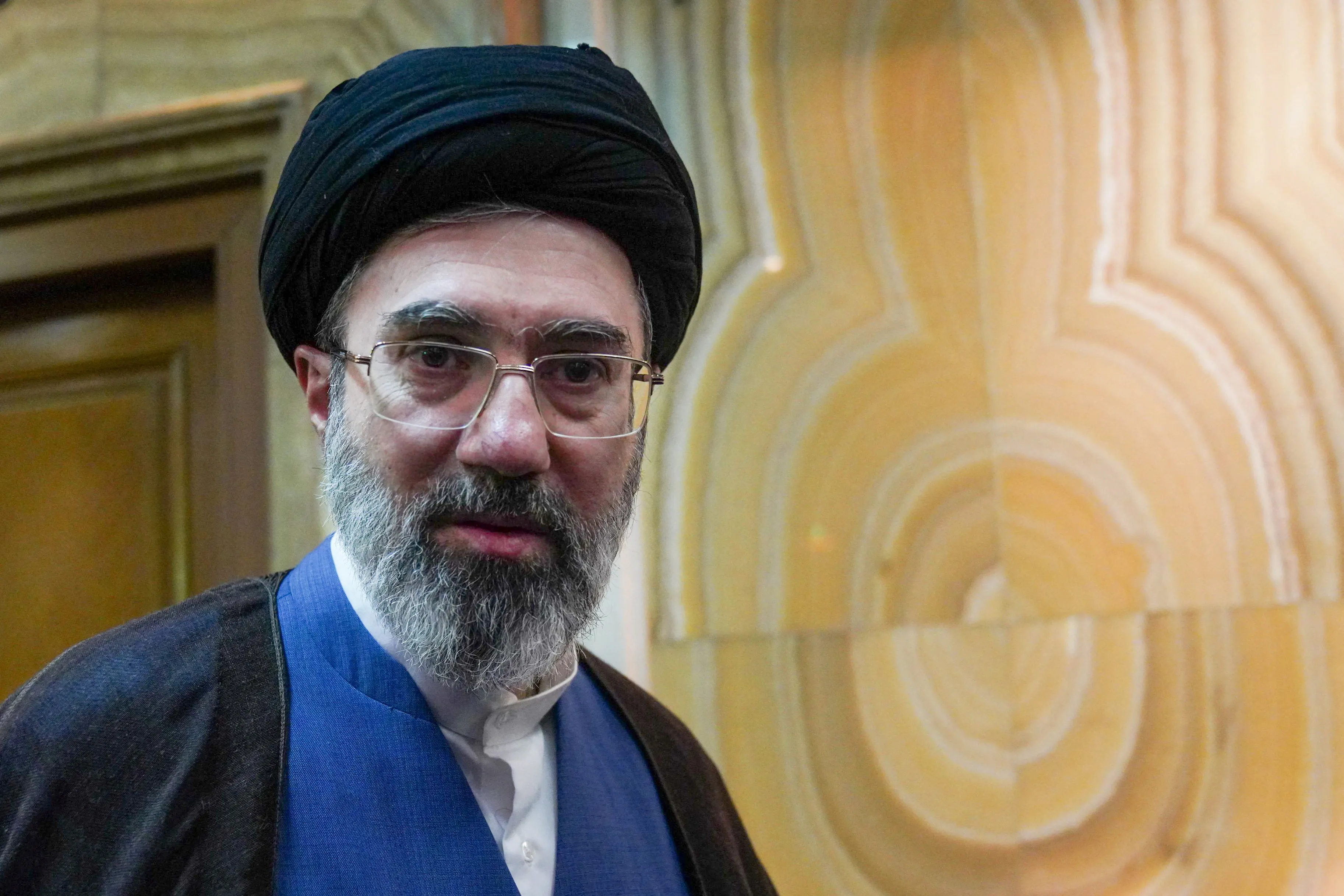
- Iran has installed Mojtaba Khamenei as supreme leader, creating a dynastic succession within a system that once rejected hereditary rule.
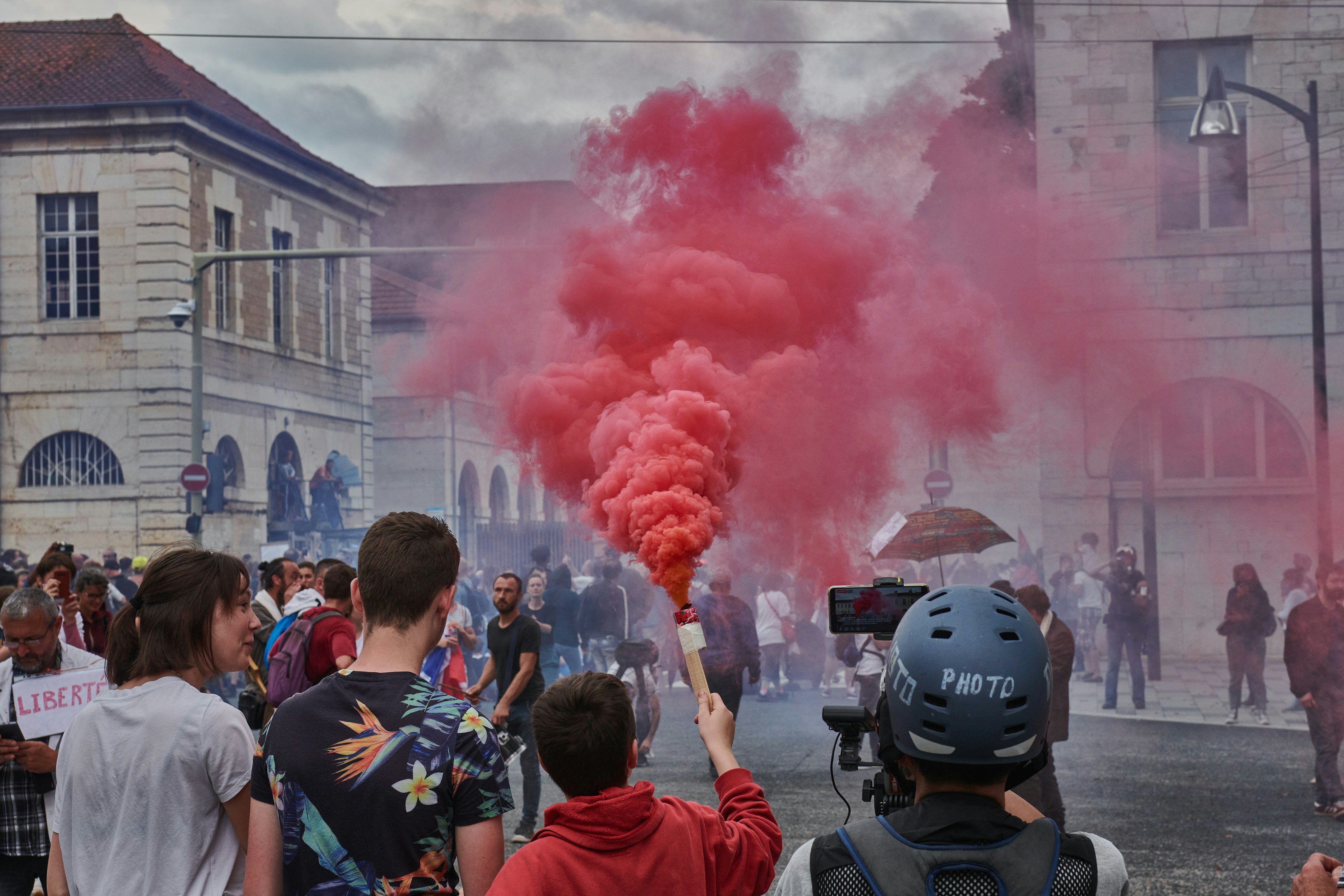
- Many Iranians continue protesting the regime despite severe repression and lack of basic freedoms.
- Reports of luxury properties connected to the ruling elite highlight the stark gap between the regime and the Iranian people.
- The debate in America over confronting Iran reflects the broader question of how democracies respond to hostile authoritarian regimes.
Real Life Network is a free, faith-based streaming platform offering biblically grounded teaching, documentaries, news, movies, and original programming. Sign up today.
In the aftermath of major U.S. and Israeli strikes on Iran, the Middle East is entering a historic turning point. Iran has installed Mojtaba Khamenei, the son of the late Ayatollah Ali Khamenei, as the new supreme leader of the Islamic Republic. The development has drawn immediate attention from President Donald Trump, Israeli leaders, and analysts across the region. On the Daniel Cohen Show , we examine the deeper meaning behind this leadership change and what it reveals about the future of Iran, Israel, and the broader Middle East.
For ongoing analysis rooted in biblical truth, Christian news, and a biblical worldview, viewers can follow the coverage on the Real Life Network, where the Daniel Cohen Show continues to track these rapidly unfolding events.
The moment raises serious questions. The Islamic Revolution of 1979 was supposed to abolish hereditary rule in Iran. Yet now, nearly half a century later, the regime has effectively crowned the son of the previous supreme leader. Instead of ending dynastic power, the revolution has reproduced it.
The revolution that promised to destroy monarchy has now created a dynasty.
The Iranian regime calls itself a republic. But the elevation of Mojtaba Khamenei reveals a system that increasingly resembles the very form of rule it once condemned.
A Regime Built on Power, Not Representation
Mojtaba Khamenei is not a figure known for public leadership. Reports indicate he has never held elected office and has rarely spoken publicly. Yet within hours of his father’s death, Iran’s Assembly of Experts moved swiftly to elevate him to the highest authority in the Islamic Republic.
The speed of the decision raised eyebrows even among analysts who closely follow Iranian politics. A body that had not convened in decades suddenly acted with remarkable urgency during a time of regional conflict.
What makes the situation even more striking is the timing. The leadership transition took place while Israel and the United States were actively targeting elements of Iran’s military infrastructure. With pressure mounting on the regime, clerics quickly rallied around a familiar family name.
But beyond the political maneuvering lies a deeper reality that cannot be ignored. Many ordinary Iranians have been openly protesting their government for years.
Videos circulating online show citizens chanting against the regime from rooftops and balconies, often risking severe punishment.
The Iranian people understand something that much of the international media ignores. Their greatest enemy is not Israel or America. It is the regime ruling over them.
The courage required to protest in Iran cannot be overstated. There are no free speech protections. Dissidents face imprisonment, torture, and even execution. Yet the calls for change continue.
That persistence suggests something powerful. Beneath the regime’s iron grip lies a population increasingly desperate for freedom.
For deeper insight into the spiritual and political forces shaping the Middle East, viewers can explore additional reporting and programming on the Real Life Network.
The Hypocrisy at the Heart of Iran’s Leadership
One of the most revealing aspects of the new supreme leader’s story is not his theology or political ideology. It is his lifestyle.
Reports from European media indicate that Mojtaba Khamenei and members of the ruling elite have accumulated extraordinary wealth outside Iran. Luxury properties linked to the family in London are reportedly worth tens of millions of pounds.
This stands in stark contrast to the economic hardship faced by many Iranians. Inflation has ravaged the country. The national currency has collapsed in value. Millions struggle to afford basic necessities.
Meanwhile, members of the regime’s inner circle reportedly own luxury real estate abroad, including properties on some of London’s most exclusive streets.
The contrast is striking. While the regime portrays itself as the defender of Islamic purity and resistance against the West, its leadership often enjoys the benefits of Western prosperity.
This contradiction is not lost on the Iranian people. The system that claims to defend their dignity has instead enriched a small circle of elites while ordinary citizens endure economic crisis and political repression. This pattern is one reason protests continue to erupt across the country despite severe government crackdowns.
For many Iranians, the issue is no longer simply political. It is moral.
The Debate in America Over Israel and Iran
While the Iranian people confront the reality of life under a theocratic regime, another debate is unfolding in the United States.
Some commentators have begun questioning whether America should remain involved in confronting Iran’s military ambitions. Others argue that preventing a nuclear armed Iran is a matter of global security.
The stakes are enormous. Iran’s leadership has repeatedly called for the destruction of Israel. Its government has funded militant groups throughout the Middle East for decades.
If such a regime were to acquire nuclear weapons, the consequences could be catastrophic. This is why many leaders in Washington and Jerusalem see the current moment as decisive.
The question is not simply whether Iran will change leadership. It is whether the system itself will continue to threaten the stability of the region. Freedom has never come without cost. History reminds us of that truth repeatedly.
The price of confronting tyranny may be high, but the price of ignoring it is far higher.
For Christians observing these events, Scripture offers an important reminder. Nations rise and fall, but God remains sovereign over history.
Believers are called to pray for peace, pursue truth, and stand firmly for righteousness even in times of global uncertainty.
For continued coverage of Israel, the Middle East, and global events through a biblical worldview, visit the Real Life Network and follow the Daniel Cohen Show.
Related Articles
.png)
Daniel Cohen hosts the "Daniel Cohen Show" exclusively on the Real Life Network. A Jewish follower of Jesus and three-time Emmy award-winning journalist, Cohen delivers the news from Israel, reporting on today's top headlines with a biblical worldview.