The Latest
- Economic pressure on Iran reveals how financial control directly impacts global power and stability.
- Border and crime policies in the United States demonstrate the real world consequences of leadership decisions.
- Leadership responses to global conflict expose differences in clarity, urgency, and accountability.
- A biblical worldview provides a stable framework for navigating cultural confusion and global uncertainty.
Real Life Network is a free, faith-based streaming platform offering biblically grounded teaching, documentaries, news, movies, and original programming. Sign up today.
In today’s online news, politics, and Christian streaming landscape, the connection between global conflict and cultural consequences is becoming increasingly clear. On Real Life Network, viewers are engaging with content that goes beyond headlines to examine Israel, Iran, and the ripple effects felt in the United States and Europe. From the Strait of Hormuz to border security, from global leadership decisions to local crime policies, the stories dominating the news are not isolated. They reveal a deeper pattern that demands discernment and a biblical worldview.
This is not just about events happening across the world. It is about understanding the direction those events are pointing.
Pressure Abroad and the Reality of Power
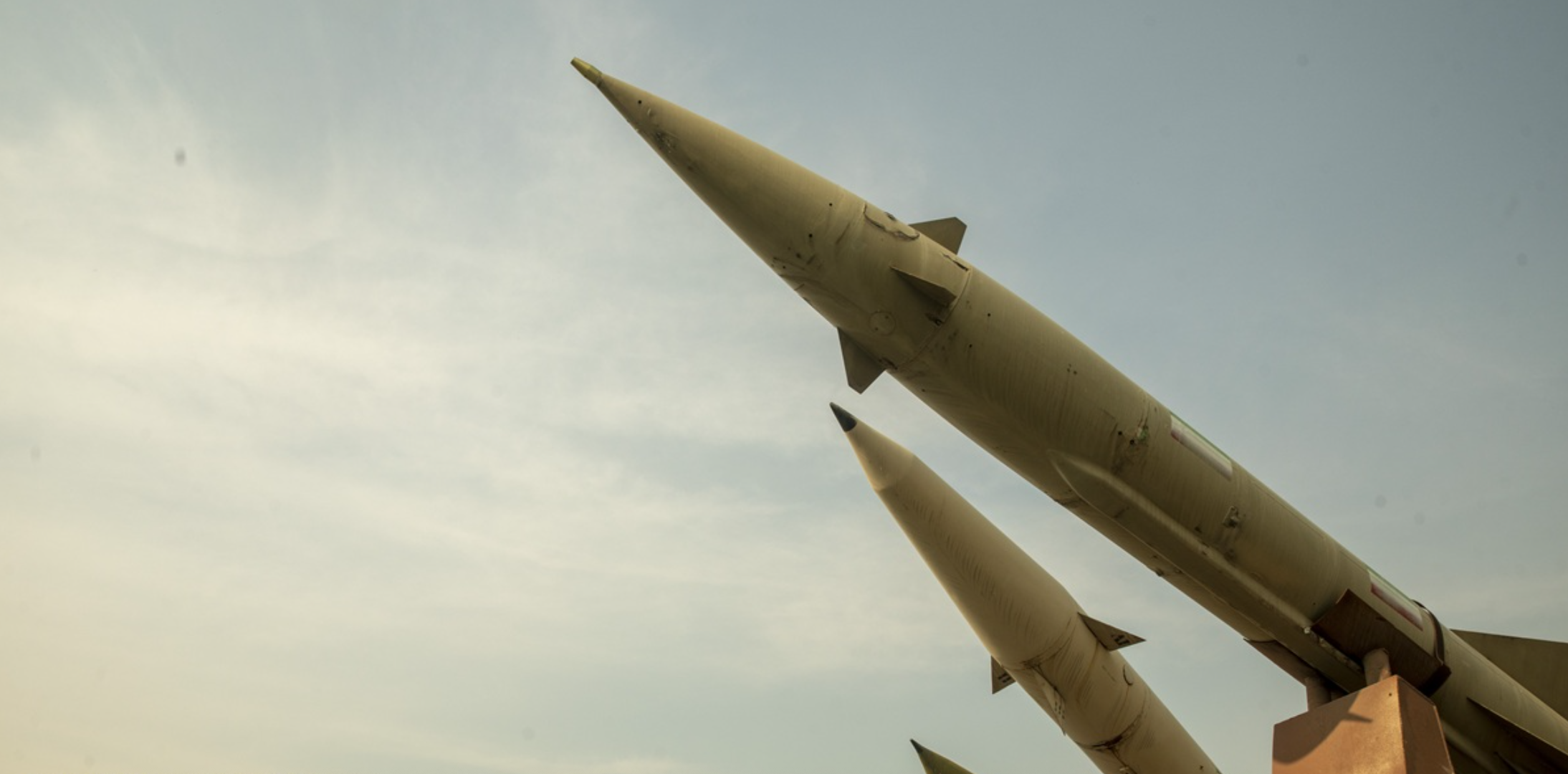
One of the most significant developments in recent weeks has been the economic pressure placed on Iran through the Strait of Hormuz. This critical waterway carries a large portion of the world’s oil supply, and any disruption has immediate global consequences.
The strategy is straightforward. Limit the regime’s access to revenue, and its ability to operate begins to weaken. Funding for military operations, regional proxies, and internal enforcement structures all depend on financial flow.
When financial resources are restricted, the ability to sustain power begins to collapse.
At the same time, the response from global leaders has been uneven. While some are taking decisive action, others appear to rely on passive strategies that do little to address the underlying issue. In some cases, proposed solutions focus more on reducing demand than confronting the threat itself.
This contrast highlights a broader challenge. Not all leadership approaches problems with the same level of urgency or clarity. Some act decisively, while others delay, deflect, or minimize.
For deeper, biblically grounded analysis of global conflict and Israel, continue watching on Real Life Network.
Security, Borders, and the Cost of Policy Decisions
While international events unfold, their impact is often felt at home. Policies that appear distant or abstract can have very real consequences in everyday life.
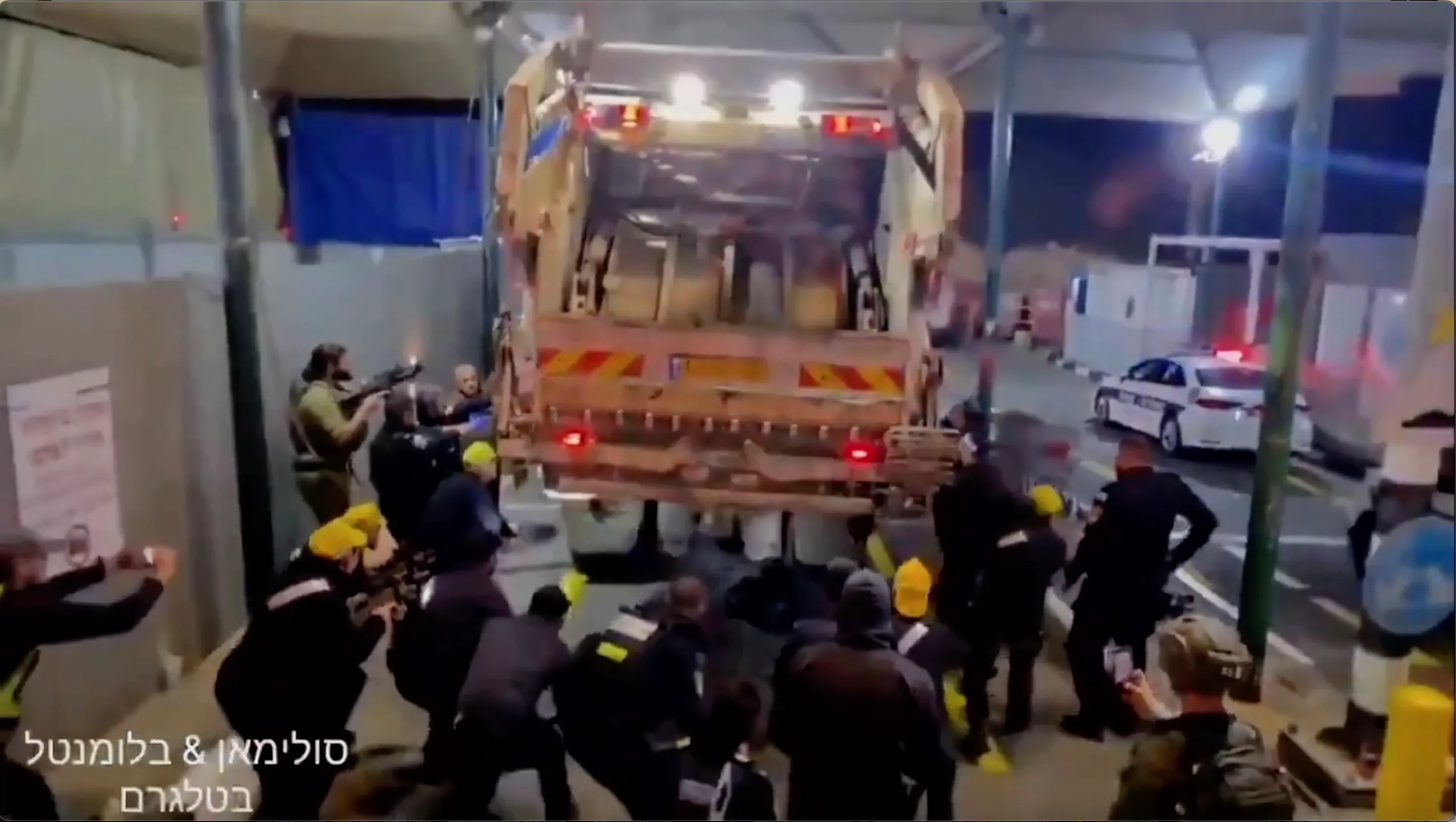
Questions surrounding border security and public safety continue to grow. Decisions that allow the release of individuals with criminal records raise serious concerns for communities across the country. These are not theoretical debates. They involve real people, real families, and real outcomes.
Policy decisions are not theoretical. They shape real outcomes in people’s lives.
At the same time, accountability remains a central issue. When systems fail, the question is not only what happened, but who is responsible and how those responsible will be held accountable. This includes examining judicial decisions, enforcement practices, and legislative priorities.
There is also a growing tension between transparency and control. When citizen journalists expose fraud or mismanagement, the response is not always reform. In some cases, the response is to limit exposure rather than address the problem itself.
Stay grounded in truth and clarity by engaging content that examines these issues through a biblical worldview on Real Life Network.
Truth, Leadership, and the Direction of Culture
Beyond policy and global conflict, there is a deeper issue shaping this moment. It is the way truth is handled by those in positions of influence.
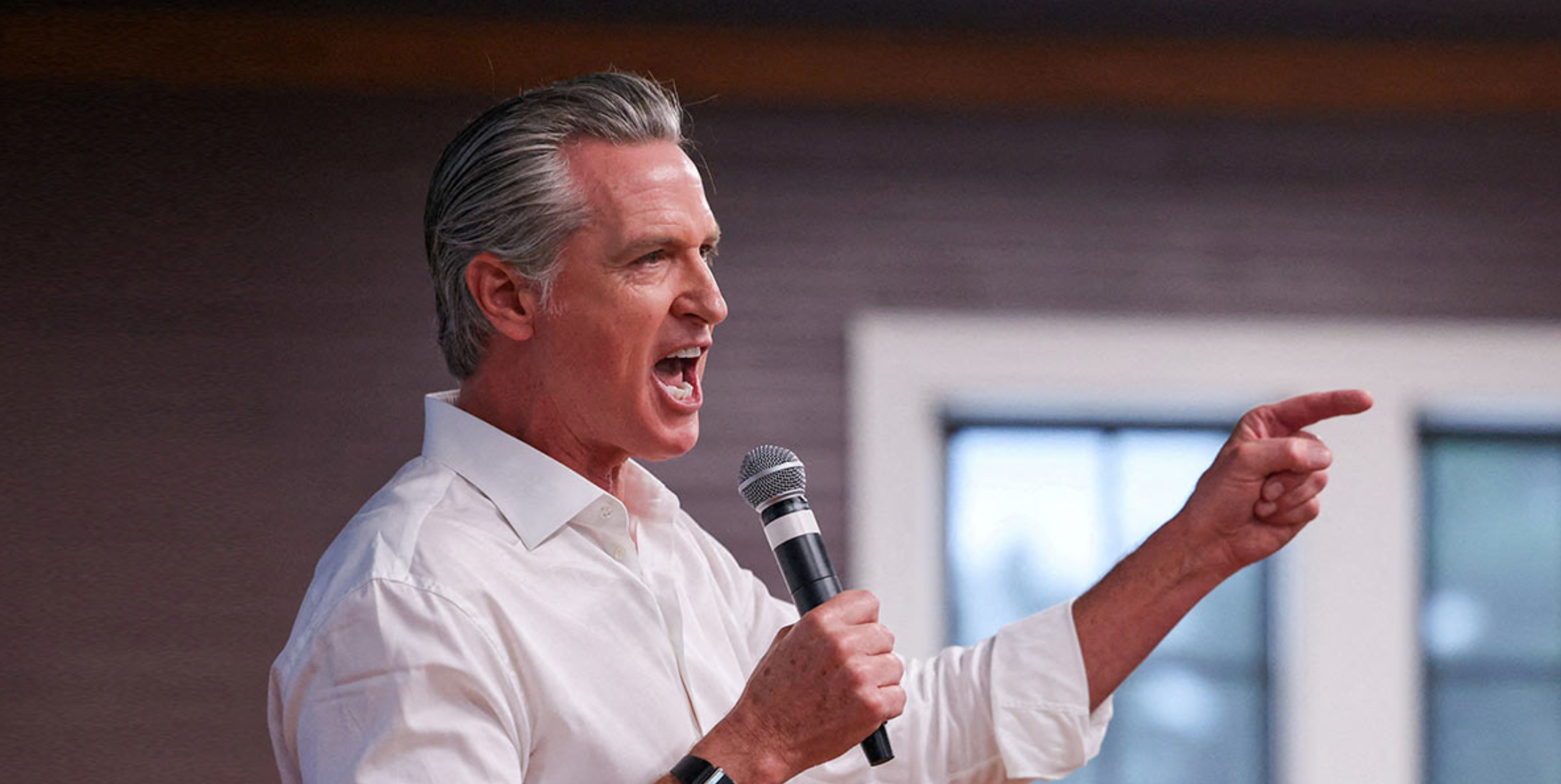
When leaders speak on global issues, their words carry weight. This is especially true for those who hold both spiritual and political authority. Their decisions influence not only policy, but perception.
At the same time, responses to global events often reveal inconsistencies. Situations that demand clarity are sometimes met with ambiguity. Issues that require decisive action are met with hesitation or reframing.
Clarity matters most in moments when confusion is easiest.
This is where a biblical worldview becomes essential. It provides a consistent framework for evaluating both global events and cultural trends. It anchors understanding in something unchanging rather than something constantly shifting.
There are also moments that raise important questions about leadership itself. When spiritual leaders engage political issues, their words invite examination. When political leaders speak on moral issues, their convictions are revealed.
Discernment requires careful evaluation, not blind acceptance. It calls for truth, not reaction.
In a time when headlines often compete for attention without providing clarity, the need for discernment has never been greater. From global conflict involving Iran and Israel to the consequences of domestic policy decisions, each story contributes to a larger picture.
Understanding that picture requires more than information. It requires truth.
For more biblically grounded content that helps you see clearly in a complex world, visit Real Life Network.
The Hope of the Gospel
Amid global conflict, cultural confusion, and competing narratives, Scripture points to a deeper and more important reality. The greatest problem humanity faces is not political instability or international tension. It is sin.
Every person stands accountable before a holy God. No policy, leader, or system can resolve that reality. The Bible makes clear that all have sinned and fall short of the glory of God.
But the message of the gospel is not one of condemnation alone. It is a message of hope.
God, in His mercy, sent His Son, Jesus Christ, to live a perfect life, to die on the cross for sin, and to rise again. Through His death and resurrection, forgiveness is offered to all who repent and believe.
This is the foundation of true clarity.
It is not found in shifting narratives or human institutions. It is found in Christ alone.
In a world searching for direction, the gospel provides what nothing else can. Truth, redemption, and lasting hope.
Related Articles
.png)
Daniel Cohen hosts the "Daniel Cohen Show" exclusively on the Real Life Network. A Jewish follower of Jesus and three-time Emmy award-winning journalist, Cohen delivers the news from Israel, reporting on today's top headlines with a biblical worldview.