.webp)
The Latest
- The removal of Iran’s Supreme Leader represents a psychological and ideological rupture in the global Islamist project.
- Iran’s revolutionary regime has long grounded its authority in Twelver Shiite theology and the doctrine of Wilayat al-Faqih.
- When systems built on claims of inevitability reveal vulnerability, their ideological power begins to weaken.
- Christians are called to pray for freedom, stability, and the spread of the gospel amid geopolitical upheaval.
Real Life Network is a free, faith-based streaming platform offering biblically grounded teaching, documentaries, news, movies, and original programming. Sign up today.
For decades, the Islamic Republic of Iran projected an image of theological inevitability. Its leaders did not speak merely as politicians. They spoke as custodians of sacred destiny. They governed not simply as rulers of a nation-state, but as guardians of an eschatological mission.
Now that image has been shattered.
The removal of Iran’s Supreme Leader marks more than a military turning point. It represents a psychological and ideological rupture inside the global Islamist project. For the first time in modern history, the flagship regime of political Shiite Islam has been struck at its highest level by external powers it long portrayed as spiritually illegitimate and historically doomed.
That matters.
Islamism is often misunderstood in Western discourse. Islamism is a political doctrine. It fuses state authority with religious mandate. It seeks to impose Islamic law through governance and, where necessary, confrontation. It operates with a long-term vision of civilizational transformation.
The Islamic Republic of Iran has been its most durable model.
For deeper analysis on faith, geopolitics, and global events, visit Real Life Network.
Understanding Islam and the Theological Foundations of Iran’s Regime
Since 1979, Tehran’s revolutionary framework has rested on Twelver Shiite theology. Central to that theology is Mahdism — the belief that the Twelfth Imam, Muhammad ibn Hasan al-Mahdi, entered occultation in the ninth century and will return at the end of history to establish global Islamic justice after a period of chaos and war.
This belief is not a marginal doctrine. It is embedded in the regime’s self-understanding.
Under the doctrine of Wilayat al-Faqih, clerical leadership governs as a steward during the Hidden Imam’s absence. Political authority is not merely constitutional. It is sacred trusteeship. Resistance against perceived enemies is not just policy. It is preparation for divine culmination.
In that narrative, America became the “Greater Satan.” Israel became the “Lesser Satan.” Confrontation was woven into theology. Global upheaval was not feared. It was anticipated.
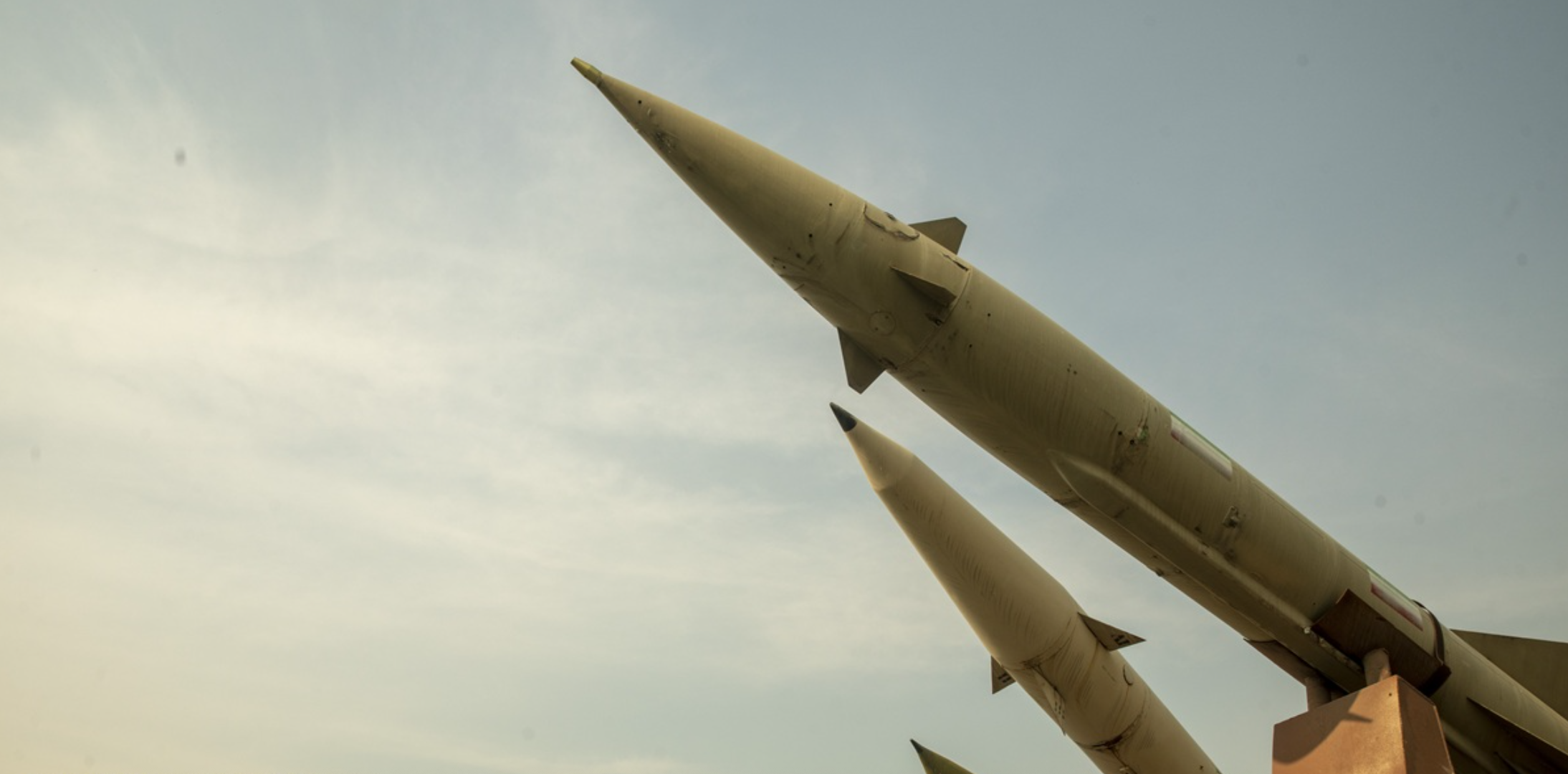
The regime’s strategic behavior cannot be separated from this ideological infrastructure. Its missile development, its regional proxy networks, its rhetoric about Jerusalem — all have been framed within a worldview that sees history as moving toward a decisive Islamic vindication.
That is why this moment carries symbolic weight.
Islamism has long relied on the perception of historical momentum. The revolution succeeded. The regime endured sanctions. Proxy networks expanded influence across the Middle East. The narrative was one of resilience, inevitability, and divine favor.
When a system built on sacred certainty suffers visible vulnerability, the psychological effect can be profound.
Inside Iran, generations have lived under clerical rule that enforces religious conformity while restricting political dissent. Women have protested compulsory hijab. Young Iranians have challenged ideological control. Underground Christian communities have quietly grown despite persecution. A vibrant diaspora has spoken openly about freedom and reform.
The regime has survived these pressures through repression and narrative control.
But narratives weaken when inevitability is punctured.
For more Christian worldview analysis and commentary on global affairs, explore more content at Real Life Network.
Iran’s Ideological Vulnerability and the Cracks in Political Islam
This does not mean Islamism disappears tomorrow. Ideologies rarely collapse overnight. Power vacuums can create instability. Hardline factions may double down. Escalation is always possible.
Yet something fundamental has shifted.
For the first time, the regime that framed itself as divinely anchored has been forced into visible fragility. The myth of untouchability has dissolved. And when myth dissolves, imagination begins.
A Biblical Worldview Response to the Ideological Battle Over Freedom
From a Christian perspective, this is not a moment for triumphalism. It is a moment for discernment. Scripture repeatedly warns that systems built on pride and coercive control eventually fracture. Empires that merge divine justification with unchecked authority sow the seeds of their own instability.
The issue before us is not whether a single leader has fallen. The deeper issue is whether the ideological spell of inevitability surrounding political Islam is weakening.
History shows that ideas often fall before institutions do. Once people recognize that a system is neither eternal nor invincible, alternative futures become conceivable. Freedom becomes imaginable.
For decades, Western leaders treated Islamist ideology either as misunderstood or as unstoppable. That miscalculation allowed its influence to expand in diplomatic circles, academic institutions, and political discourse without adequate scrutiny. A visible setback forces reassessment.
The Iranian people deserve more than perpetual confrontation and theological authoritarianism. They deserve liberty of conscience, freedom of worship, and governance accountable to citizens rather than to eschatological expectation.
Christians should pray for stability, for protection of innocent lives, and for a genuine opening toward freedom. We oppose Islamism not because we oppose Muslims, but because we oppose any political system that suppresses dissent, restricts liberty, and denies the exclusivity of the gospel.
The global contest is not merely military. It is ideological. It is spiritual. It is about which vision of human flourishing will prevail — one rooted in coercive religious state power, or one grounded in liberty, dignity, and moral accountability.
The fall of a single figure does not settle that contest.
But it may mark the beginning of the end of an illusion.
And when illusions collapse, history can move in new directions.
For more reporting and biblical worldview analysis on global events, visit Real Life Network.
Related Articles
- Agape Love: Obedient, Courageous, Costly by Hedieh Mirahmadi Falco
- Why do Christian Kids Convert to Islam? By Hedieh Mirahmadi Falco
- Iran at the Breaking Point: Power, Oil, Faith, and the Battle for What Comes Next by Hedieh Mirahmadi Falco
Hedieh Mirahmadi Falco is a former FBI senior advisor turned author and evangelist. A national security expert and contributor to The Christian Post and major news outlets, she now shares her powerful story of faith and redemption, on the Living Fearless Devotional podcast.