What To Expect
- Iran’s potential collapse or transformation would ripple through global oil markets, proxy wars, and regional power structures, affecting everything from energy prices to Middle East alliances.
- U.S. involvement, especially under Donald Trump, would likely be driven by long-term strategic interests, including oil and regional stability, rather than altruism.
- Opposition to Islamic rule inside Iran is clear, but external actors risk empowering dangerous alternatives like the MEK, which do not reflect the Iranian people’s desire for freedom.
- Beyond geopolitics, the crisis carries deep spiritual significance as Christianity grows underground despite persecution, calling the global Church to moral clarity and courage.
Real Life Network is a free, faith-based streaming platform offering biblically grounded teaching, documentaries, news, movies, and original programming. Sign up today.
Iran is not simply teetering on the edge of unrest. It is standing at a historic rupture, one that carries consequences far beyond its borders. What unfolds next will reshape energy markets, redraw regional alliances, challenge Islamist power structures, and test the moral clarity of the West and the Church alike. This is not a local uprising. It is a global fault line.
At the heart of the question is whether the Islamic Republic can survive sustained internal collapse or whether it will be decisively dismantled through airstrikes, internal fracture, or a combination of both. A full destruction of the regime would send shockwaves across the Middle East, not least because Iran sits at the center of proxy warfare, nuclear brinkmanship, and global oil supply chains. Any destabilization of Tehran reverberates through Hezbollah in Lebanon, militias in Iraq and Syria, the Houthis in Yemen, and even energy prices felt by American families at the pump.
President Donald Trump has made clear in past conflicts that American involvement is rarely altruistic. His approach to Venezuela demonstrated that regime pressure often comes with long-term U.S. interests attached, particularly oil. Trump has openly said the United States would be involved there “for years” and Iran would be no different. Even if Washington were to assist in facilitating the return of Crown Prince Reza Pahlavi, it would come at a price. Power vacuums invite factions, and Iran has no shortage of them.
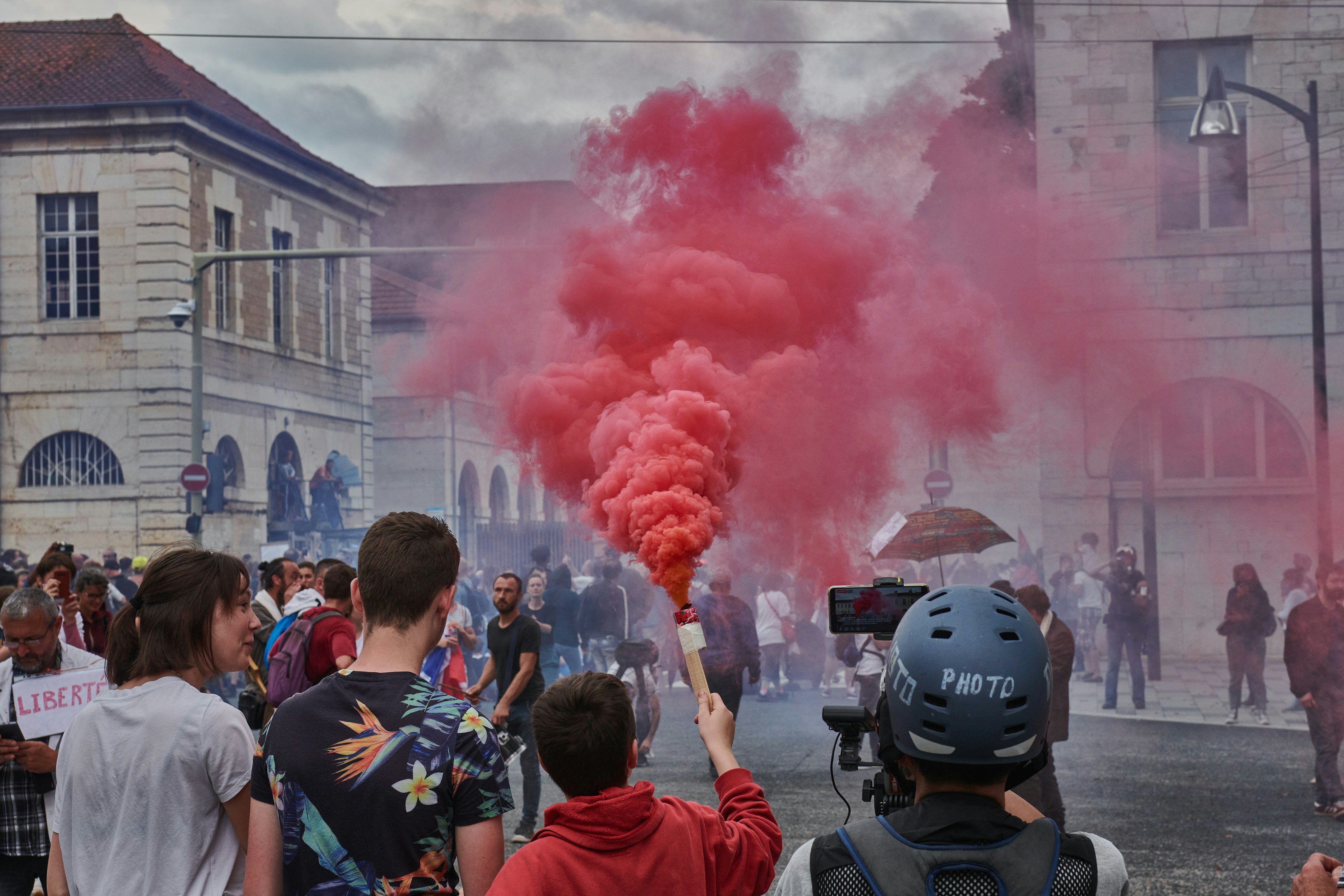
Inside the country, the chants are unmistakable. “Javeed Shah--Long live the King” has echoed through protests, signaling an overwhelming popular rejection of Islamic rule. Yet outside Iran, the opposition landscape is far messier. Competing factions backed by powerful Western and regional forces are positioning themselves for influence. Chief among them is the Mujahideen-e-Khalq, or MEK, whose very name means “those who fight jihad for truth.” Despite the branding, the reality is darker.
The MEK is a Marxist-Islamist cult that demands absolute obedience, suppresses dissent, and operates with rigid ideological control. It does not resonate with a generation of Iranians who are risking their lives for personal freedom, not ideological replacement. Yet the MEK has found defenders in surprising places within Western political circles, including figures such as Rudy Guiliani, John Bolton and Mike Pence. Their support reflects a dangerous misunderstanding of the Iranian people’s aspirations and a willingness to empower another authoritarian movement under the guise of opposition.
Power, Oil, and Global Consequences
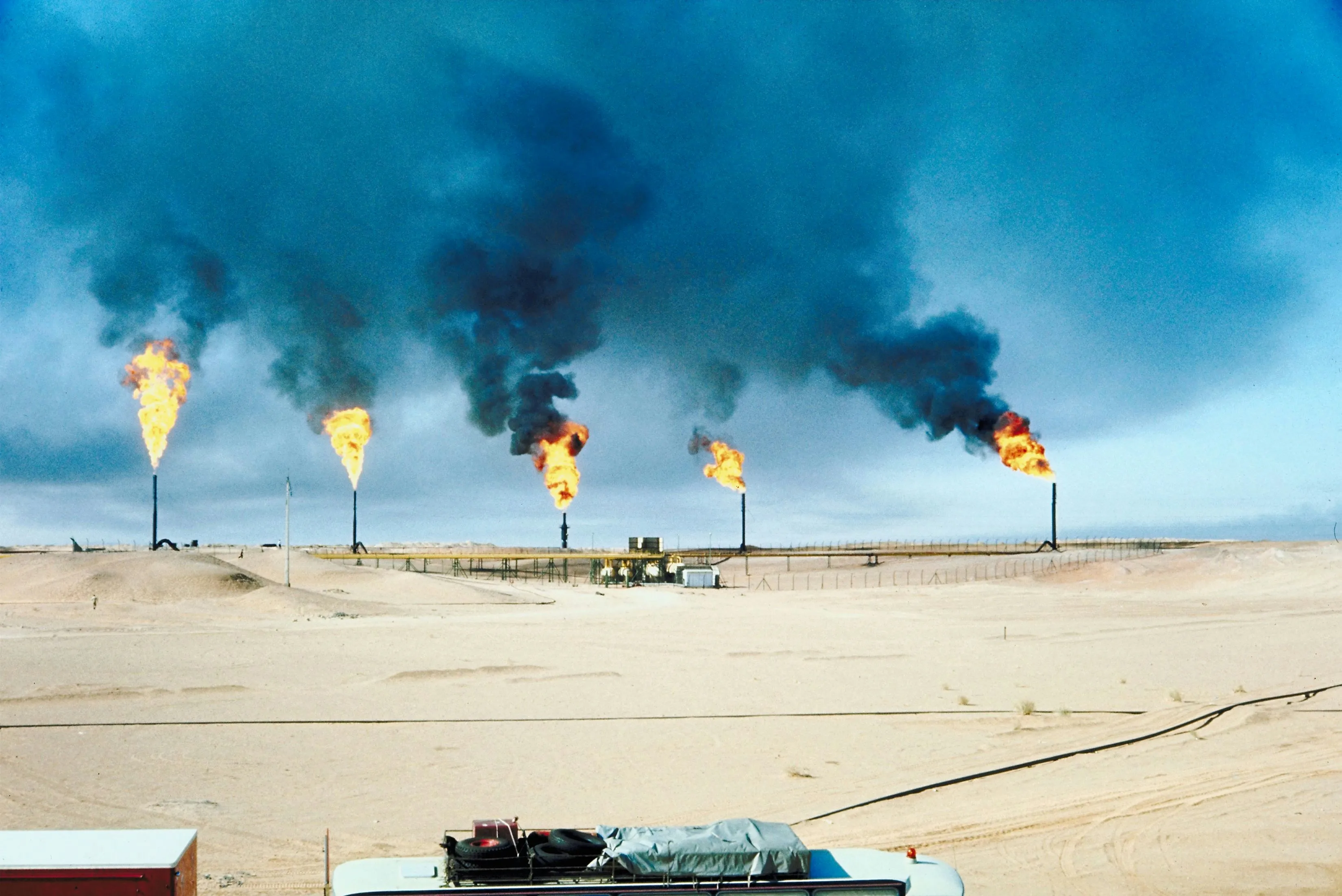
The stakes extend well beyond Iran’s borders. A destabilized or liberated Iran would dramatically affect global energy markets, potentially lowering oil prices and weakening petro-authoritarian regimes. It would alter nuclear negotiations overnight. It would challenge the balance of power across the Middle East, especially among Islamist governments that have been propped up by Western policy for decades, including Saudi Arabia, Qatar, Turkey, and now post-war Syria and Iraq. Many within the U.S. State Department fear “regional imbalance” if Iran falls. What they truly fear is something unprecedented: the defeat of Islamic rule by its own
people.
Regional leaders from Riyadh to Ankara do not want a free Iran. Saudi Arabia and Qatar worry about oil price shocks and the ideological implications of a successful anti-Islamist revolution. Turkish President Erdogan fears the precedent it would set for political Islam across the region. Trump will hear these concerns loudly. At the same time, he faces pressure from isolationist elements within his own base who reject any form of nation-building or prolonged U.S. involvement abroad.
Officially, the administration maintains that diplomacy comes first. White House press secretary Karoline Leavitt has stated that while negotiations are preferred, nothing is off the table. Trump has already imposed a sweeping 25 percent tariff on any entity doing business with Iran, signaling that economic warfare is very much underway.
Israel’s position adds another layer of complexity. A free Iran would almost certainly align against Islamist terror networks and in favor of Israel’s security. That shift would have profound implications for the Abraham Accords, Palestinian statehood debates, and regional peace negotiations. The very existence of a non-Islamist Iran would upend decades of anti-Israel strategy rooted in Tehran.
Yet military intervention is not the only tool available, and it is striking how many non-military options remain underutilized. The United States possesses some of the most advanced cyber capabilities in the world. Iranian internet infrastructure, traffic systems, and regime-controlled media could be disrupted at scale. The temporary shutdown of Iran’s national television network showed what is possible. More could be done.
The Islamic Revolutionary Guard Corps, designated as a Foreign Terrorist Organization, continues to operate with alarming freedom through front companies, shipping firms, construction conglomerates, charities, banks, and energy intermediaries. Assets are hidden through relatives. Money is laundered through third countries. Operatives travel under diplomatic cover. Sanctions are riddled with carve-outs and selectively enforced by Western governments terrified of escalation.
Cutting off the IRGC would require real resolve: aggressive enforcement of material support laws, freezing assets held by proxies and family members, blocking insurance and port access, grounding aviation services tied to IRGC networks, and ending humanitarian or commercial channels the Guard secretly controls. Elevating authentic opposition voices, smuggling communication tools and supplies into Iran, and conducting psychological operations that sow doubt within regime ranks are all viable strategies that fall short of open war.
The urgency of this moment is underscored by recent developments. The U.S. has ordered evacuations of American citizens. France has withdrawn diplomats. Intelligence reports suggest regime elites are already moving money and preparing exit strategies. The cracks are real.
Faith, the Church, and What Comes Next
For the Church, this moment carries profound spiritual weight. Iran is a theocracy that criminalizes Christianity. Converts are branded traitors. Pastors are imprisoned. Evangelism is treated as a national security threat. Yet despite relentless persecution, Christianity is growing through underground churches, exposing the moral and spiritual bankruptcy of political Islam.
While Iranians risk everything to escape Islamic rule, too many Western churches remain silent, confused, or morally neutral. Scripture does not permit such detachment. Isaiah commands, “Learn to do right; seek justice. Defend the oppressed.” Hebrews reminds us that what can be shaken will be shaken, so that what cannot be shaken may remain.
Living fearless does not mean predicting outcomes or endorsing geopolitical schemes. It means refusing to avert our eyes, refusing to distort the truth, and refusing to let fear dictate our witness. Millions of Iranian Christians are praying for freedom. The question is whether the global Church will have the courage to stand with them when history is being written in real time.
For biblical insight, cultural analysis, and fearless reporting on moments shaping our world, stay connected with the Real Life Network. Visit RealLifeNetwork.com to watch, listen, and stand for truth where faith and current events collide.
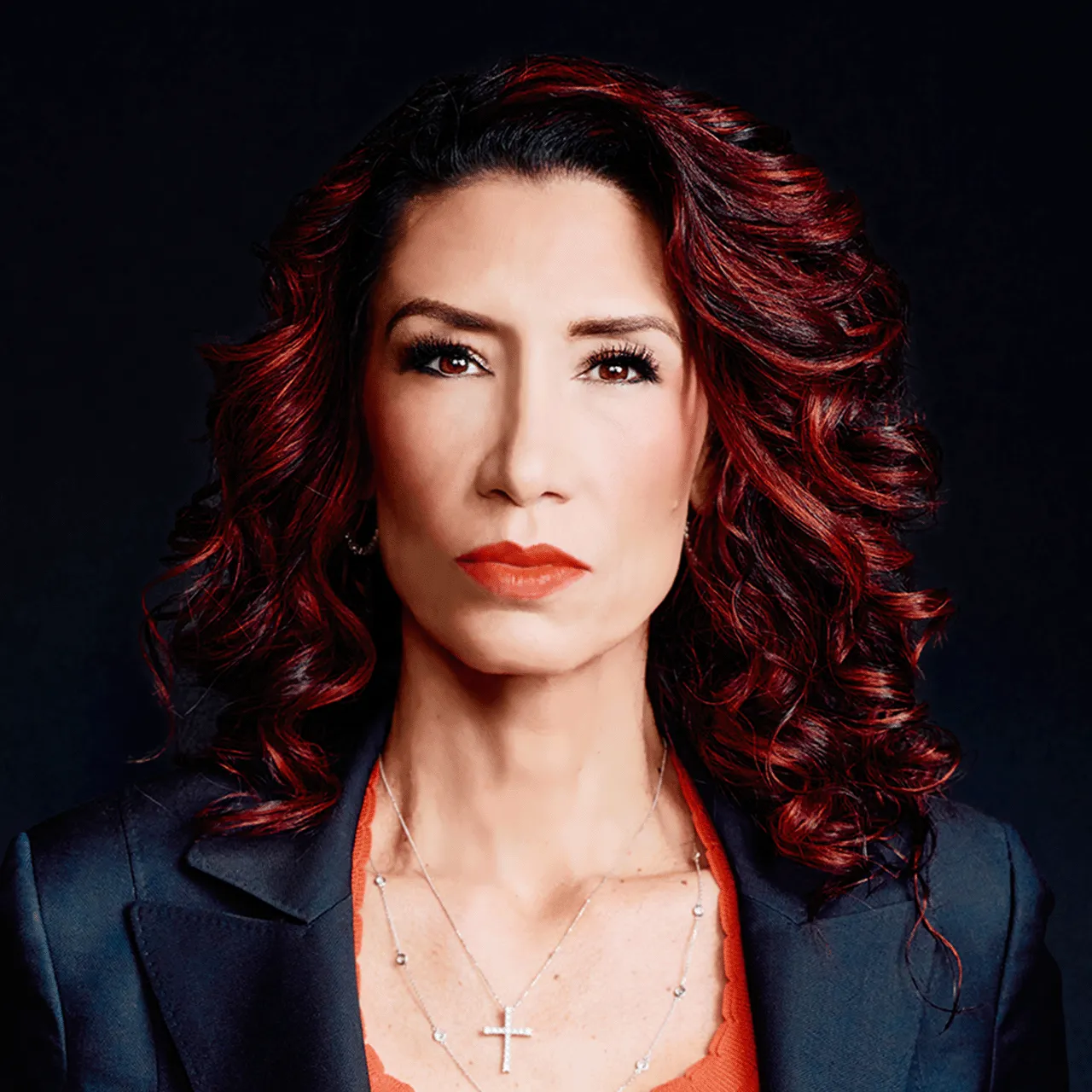
Hedieh Mirahmadi Falco is a former FBI senior advisor turned author and evangelist. A national security expert and contributor to The Christian Post and major news outlets, she now shares her powerful story of faith and redemption, on the Living Fearless Devotional podcast.