The Latest
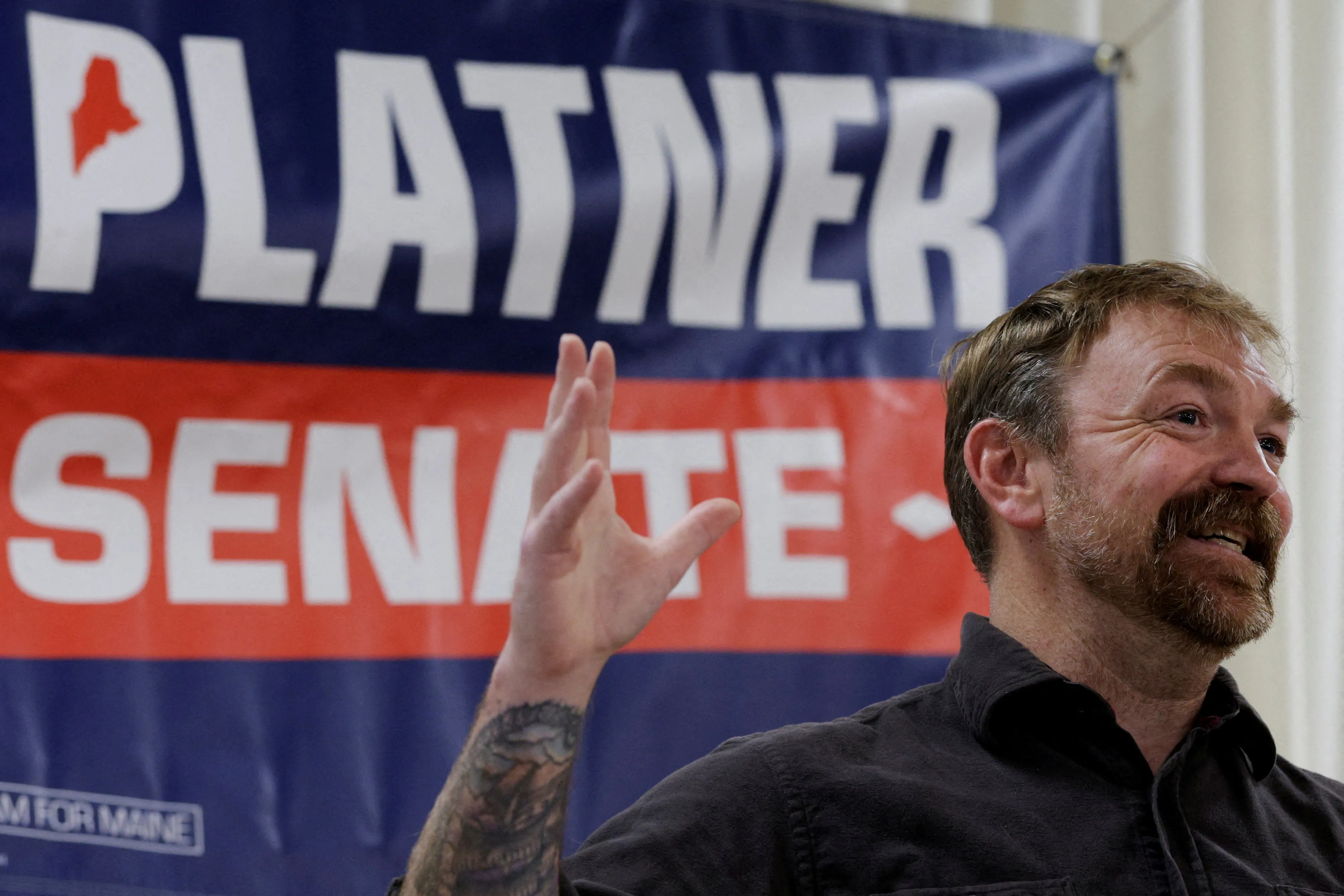
- Explore why the Graham Plattner controversy reveals a broader debate about integrity, consistency, and political power.
- Discover how selective outrage can undermine public trust and weaken the credibility of moral principles.
- Learn why Daniel Cohen argues that truth and character must remain constant, even when they become politically inconvenient.
- See how biblical principles challenge Christians to value integrity above partisan victories and cultural influence.
Real Life Network is a free, faith-based streaming platform offering biblically grounded teaching, documentaries, news, movies, and original programming. Sign up today.
Political movements often reveal their true values not when defending their friends, but when those friends become liabilities. The controversy surrounding Maine Senate candidate Graham Plattner is about far more than one politician facing serious allegations. It raises a deeper question about integrity, consistency, and whether political principles still matter when power is at stake. As discussed on The Daniel Cohen Show, the real story isn't simply what Graham Plattner is accused of. The real story is what his own party tolerated until it became politically inconvenient. Watch more biblical news and cultural analysis anytime on Real Life Network.
Principles Mean Little If They Only Apply to Opponents
Every political movement claims to stand for something.
Honesty. Justice. Accountability. Character.
Those principles sound admirable until they become costly.
For years, Democrats have championed slogans like "Believe All Women," presenting themselves as defenders of victims and champions of accountability. Yet the Graham Plattner controversy forces an uncomfortable question: Were those principles truly universal, or were they conditional?
Before the most recent allegation surfaced, there had already been numerous warning signs.
Reports of disturbing online behavior. Multiple women raising concerns. A history of deeply troubling public controversies.
None of those revelations caused Democratic leadership to abandon him. Instead, many prominent figures continued endorsing his campaign, praising his future, and encouraging voters to support him.
Only after the political math began changing did the calls for his resignation suddenly multiply.
Principles cease to be principles the moment they become negotiable for political advantage.
That observation extends far beyond one Senate race.
Every political party faces the temptation to excuse behavior from its own side while condemning identical behavior from its opponents. Integrity requires applying the same standard regardless of whose name appears on the ballot.
Otherwise, morality becomes little more than another campaign strategy.
Selective Outrage Destroys Public Trust
The Plattner controversy illustrates a growing problem throughout American politics. Outrage increasingly depends less on the facts than on tribal loyalty.
The question often becomes not, "What happened?" but rather, "Whose side is this person on?" That mindset inevitably erodes public confidence.
When voters believe standards change depending on political affiliation, trust disappears. People stop believing public statements because they assume every response has already been filtered through electoral calculations.
That perception becomes especially damaging when movements claim moral authority.
The same inconsistency appeared after the horrific atrocities committed against Israeli civilians on October 7. Many organizations that had previously spoken passionately about believing victims suddenly became noticeably quieter when Jewish women testified about sexual violence committed by Hamas terrorists.
The victims had changed. The moral standard appeared to change with them.
Justice loses its credibility when compassion becomes selective.
The issue is not whether every allegation is automatically true. Serious accusations deserve careful investigation and due process. The issue is whether identical standards are applied consistently.
Without consistency, justice itself becomes politicized.
Readers interested in more biblical analysis of today's headlines can explore additional programming on Real Life Network.
Truth Matters More Than Winning
Political victories are temporary. Character lasts much longer.
Near the end of the episode, Daniel reflected on the legacy of Charlie Kirk. What made Kirk influential wasn't merely his ability to win arguments. It was his willingness to engage opponents thoughtfully while remaining grounded in conviction.
Ideas mattered. Truth mattered. People mattered. That same principle applies beyond politics.
Pastor Jack Hibbs offered a timely reminder that America's deepest problems cannot ultimately be blamed on those who reject biblical truth. Scripture first calls God's own people to humility, repentance, and faithfulness.
That perspective changes everything.
It reminds Christians that integrity cannot depend on election cycles, polling numbers, or partisan advantage. It must remain constant.
When winning becomes more important than integrity, both eventually disappear.
Every generation faces moments that reveal what it truly believes. The Plattner controversy is one of those moments.
Not because it exposes the failures of one politician, but because it exposes the temptation facing every movement: protecting power instead of protecting principle.
History remembers societies that defended truth even when it was costly.
It also remembers those that sacrificed truth for short-term political gain.
The choice remains the same today.
Watch the full discussion on The Daniel Cohen Show and explore more biblical news and cultural commentary anytime on Real Life Network.
.png)
Daniel Cohen hosts the "Daniel Cohen Show" exclusively on the Real Life Network. A Jewish follower of Jesus and three-time Emmy award-winning journalist, Cohen delivers the news from Israel, reporting on today's top headlines with a biblical worldview.