What To Expect
- The Hamas-led October 7 attack killed about 1,200 people and resulted in 251 hostages being taken into Gaza.
- The hostage crisis lasted two years, with the final 20 Israeli hostages known to be alive returning in October 2025.
- October 7 reshaped Israeli security, the broader Middle East, and Jewish life as antisemitism increased around the world.
- Christians can mark the anniversary by remembering the victims, rejecting terrorism and antisemitism, showing compassion for those who suffer, and praying for peace.
Real Life Network is a free, faith-based streaming platform offering biblically grounded teaching, documentaries, news, movies, and original programming. Sign up today.
At a Glance
Three years after Hamas launched its October 7, 2023, attack on Israel, the consequences still reach far beyond that terrible morning. The attack rocked assumptions about Israeli security, began a prolonged hostage crisis, reshaped the Middle East, and contributed to a dramatic rise in antisemitism around the world.
- About 1,200 people were killed in the Hamas-led attack, and 251 were taken hostage.
- Civilians were murdered in their homes, communities, and at the Nova music festival.
- The final 20 Israeli hostages known to be alive were released in October 2025 as part of a ceasefire agreement.
- Antisemitism remains far above pre-October 7 levels in the United States and other parts of the world.
- For Christians, the anniversary is a time to remember the victims, reject antisemitism and terrorism, and pray for Israel and lasting peace.
At sunrise on October 7, 2023, Israel was a very different country from the one that would exist by nightfall. Hamas-led attackers breached the border from Gaza, striking Israeli communities, military positions, and the Nova music festival. Approximately 1,200 people were killed, most of them civilians, and 251 people were abducted into Gaza.
What happened during those hours was horrific, but the significance of October 7 cannot be measured only by what occurred that day. Three years later, its effects are still being felt across Israel, throughout the Middle East, on American campuses, and in Jewish communities around the world.
October 7 became a dividing line: before and after.
October 7 Rocked Israel’s Sense of Security
Israel has lived with terrorism and war throughout its modern history, but October 7 exposed vulnerabilities on a scale few Israelis had imagined possible. Communities near Gaza that had lived for years with rocket fire suddenly faced armed attackers inside their neighborhoods. Families hid in safe rooms while gunmen moved nearby, and in some communities, military help took hours to arrive.
The shock went far beyond the immediate loss of life. Israel has long faced the reality of terrorism and hostile forces seeking its destruction, but October 7 demonstrated the extraordinary lengths Hamas was willing to go to target Israeli civilians. The attack permanently changed the country’s understanding of the threats along its borders and intensified the determination to prevent anything like October 7 from happening again.
The Hostages Became a National Wound
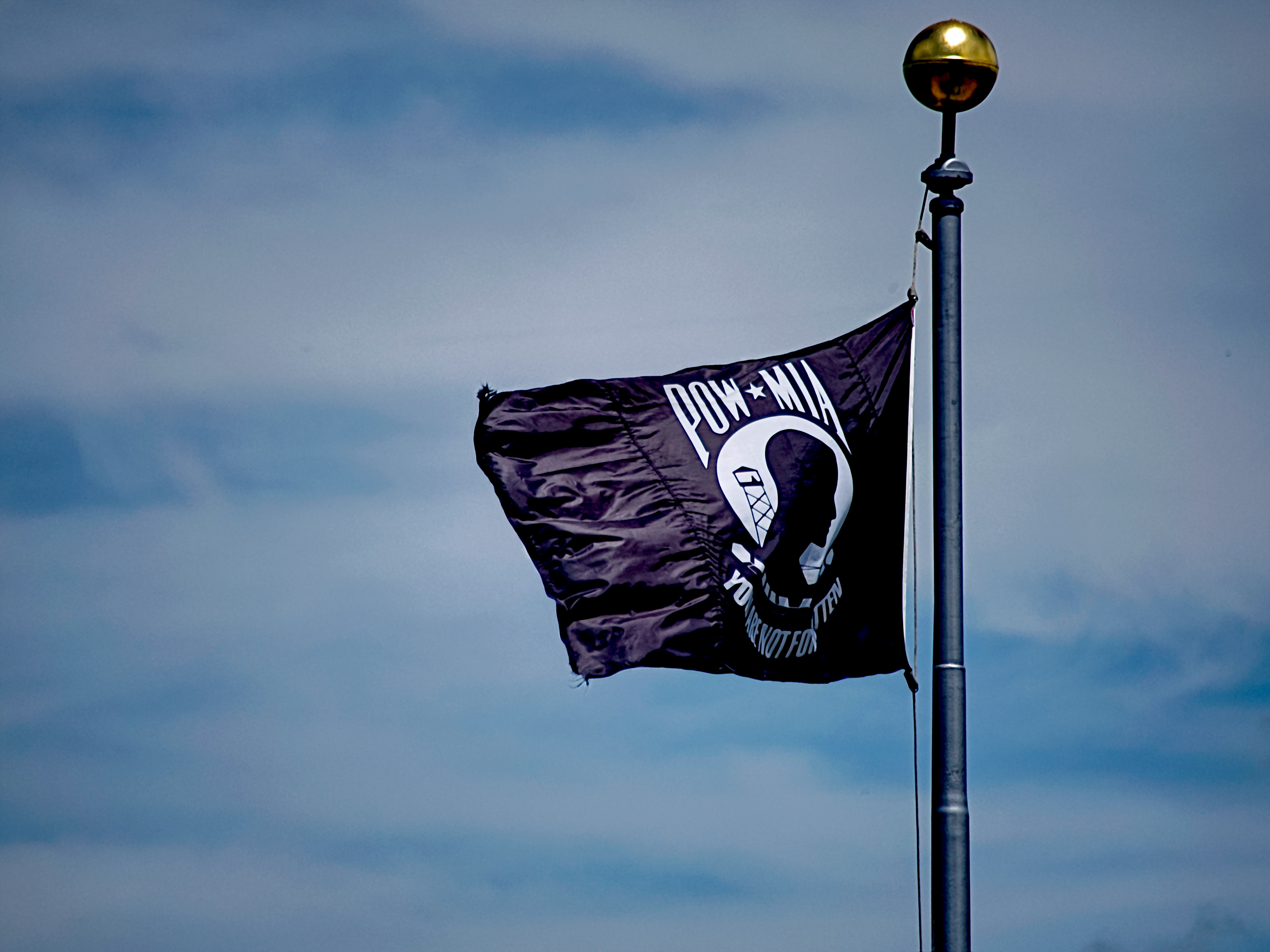
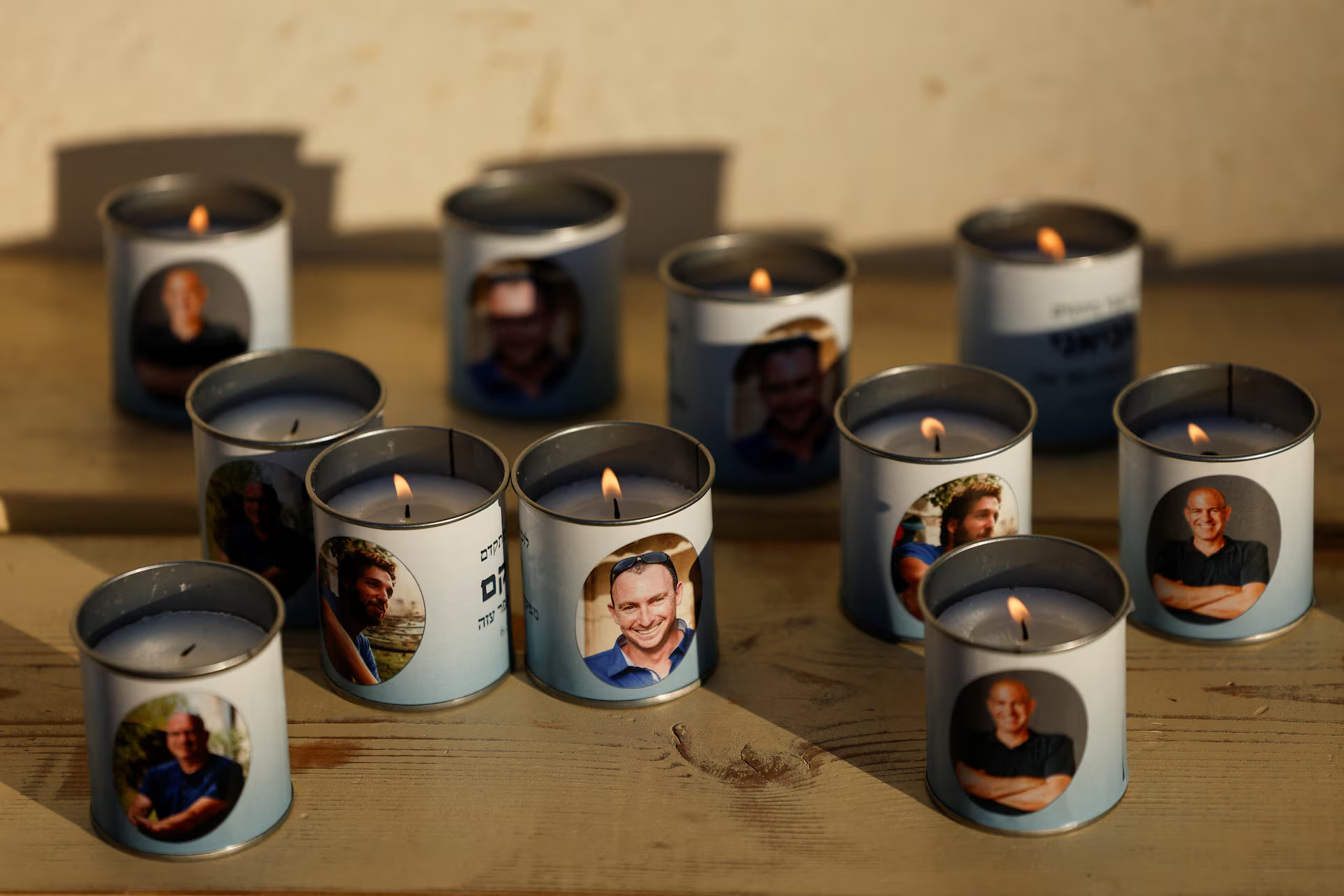
Among the most enduring images after October 7 were the faces of the hostages. Posters appeared around the world. Families spoke publicly about loved ones ranging from children to elderly grandparents. Israelis gathered in what became known as Hostages Square in Tel Aviv, calling for their return.
The hostage crisis lasted two years. Some captives were released through agreements, others were rescued, and some died in captivity or were killed on October 7 and their bodies taken into Gaza. In October 2025, the remaining 20 Israeli hostages known to be alive were released as part of a ceasefire agreement.
Their return closed one chapter of October 7, but it did not erase what captivity had done to the hostages, their families, or Israeli society. The ordeal reinforced something terrorism is designed to accomplish: creating fear and trauma that continue long after an attack ends.
Remember the People, Not Just the Date
Three years later, October 7 risks becoming a shorthand phrase for a war, a political argument, or a date in a timeline. But before it became any of those things, it was a human tragedy.
The people murdered that day were parents, grandparents, children, soldiers, young adults, foreign workers, and visitors. Some were killed inside their homes. Others were attacked while trying to escape. At the Nova music festival, young people who had gathered for a night of music found themselves running for their lives.
Remembering October 7 means refusing to let those lives disappear inside statistics or political debate. It means remembering the families who still live with empty chairs, the survivors who carry lasting trauma, and the communities that were forever changed in a matter of hours.
Romans 12:15 tells believers to “weep with those who weep.” On this anniversary, remembrance is one way of doing exactly that.
The Attack Reshaped the Middle East
October 7 did not remain a conflict between Israel and Hamas. The war reverberated throughout the region, increasing tensions involving Hezbollah in Lebanon, Iran, the Houthis in Yemen, and other armed groups. Governments reconsidered security relationships, diplomatic efforts changed course, and long-standing regional conflicts became increasingly interconnected.
The war also brought terrible loss and destruction to Palestinian civilians in Gaza, a reality that can be acknowledged without minimizing what happened to Israelis on October 7 or excusing the actions of Hamas.
The October 2025 ceasefire stopped the largest phase of fighting between Israel and Hamas and brought the remaining living hostages home, but it did not resolve the deeper questions surrounding Gaza’s future, Israeli security, Hamas, or future peace. Three years after the attack, those questions remain unsettled.
Jewish Life Changed Far Beyond Israel
October 7 also changed life for Jewish communities thousands of miles from the Middle East. In the United States, antisemitic harassment, vandalism, threats, and violence rose sharply after the attack and the war that followed.
Jewish Americans who had nothing to do with the decisions of Israel’s government found themselves confronted over events thousands of miles away. Synagogues increased security. Jewish students faced hostility on campuses. Demonstrations sometimes crossed the line from political criticism into explicit anti-Jewish rhetoric or threats.
That distinction matters. In the years since October 7, critics of Israel’s conduct have argued that its military response was disproportionate or caused unacceptable harm to Palestinian civilians. Those policies and military decisions can be debated, and criticism of the Israeli government is not automatically antisemitic. But holding Jewish people collectively responsible for Israel’s response, repeating antisemitic conspiracies, threatening Jewish institutions, or excusing violence against Jews crosses a very different line.
October 7 exposed how quickly an ancient hatred can reappear.
Christians Should Remember, Reject Hatred, and Pray
For Christians, the anniversary of October 7 should be more than a marker on the calendar. It is an opportunity to remember those who were murdered, honor the survivors and families still carrying the weight of that day, and stand firmly against the terrorism and antisemitism that helped make such atrocities possible.
The anniversary also calls Christians to resist allowing political arguments to overshadow the human reality of what happened. Terrorism must be condemned for what it is, antisemitism must be rejected wherever it appears, and the suffering of those affected by October 7 should move believers toward compassion rather than political point-scoring.
The anniversary is also a time to pray. Psalm 122:6 says, “Pray for the peace of Jerusalem.” Pray for Israel, for those still living with trauma and loss, for Jewish communities facing antisemitism, for leaders making difficult decisions, and for a lasting peace that protects innocent life and restrains those who seek violence.
Remembering October 7 should move Christians toward truth, compassion, courage, and prayer.
Three Years Later, the Story Is Still Unfinished
October 7 is moving further into history, but its consequences are still unfolding. Israel continues to confront the threat of terrorism and the challenge of protecting its citizens in an increasingly volatile region. Families are still living with trauma and loss. Jewish communities around the world remain alert to antisemitism that intensified after the attack. And leaders throughout the Middle East continue to confront questions of terrorism, diplomacy, regional stability, and peace.
The attack also changed relationships and assumptions across the region in ways that are still developing. Questions surrounding Hamas, Gaza’s future, Iran and its proxies, Israel’s borders, and the possibility of lasting regional peace remain unresolved.
Three years later, October 7 remains a turning point whose consequences continue to shape Israel and the Middle East. Remembering what happened matters, but so does understanding how that day continues to influence what comes next.
Follow developments in Israel, the Middle East, and around the world through a biblical worldview on The Daniel Cohen Show and RLN News, streaming free on Real Life Network.

At Real Life Network, we help viewers grow in faith and build a biblical worldview. Founded by Pastor Jack Hibbs, we are a free Christian streaming service featuring uncensored news, trusted biblical teaching, and family programming.