
Stream Real Life Network Now

WATCH NOW
War in Israel

World News
25 min
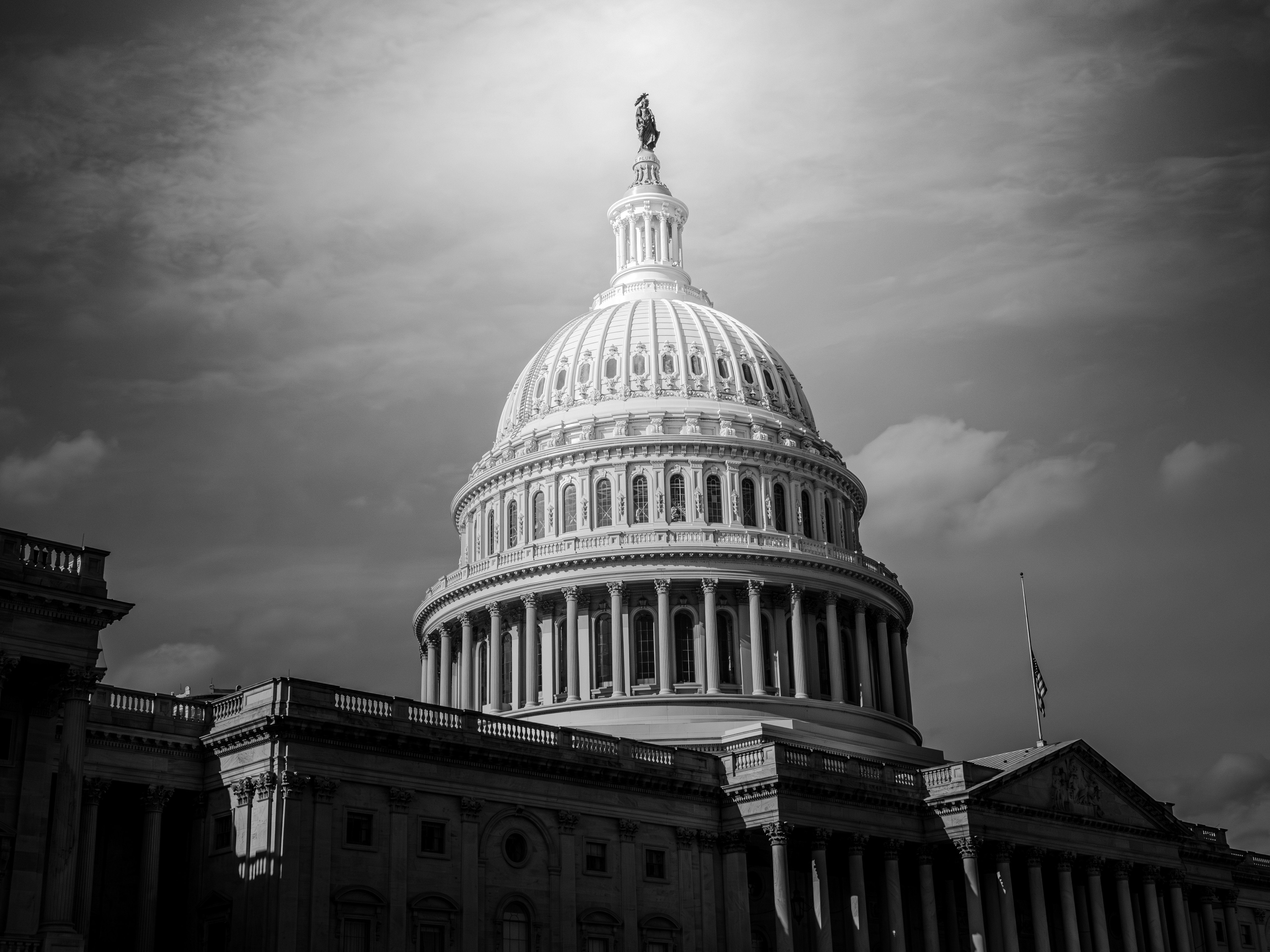
National Security, Israel, and the Questions Behind the 2026 Midterms
As the 2026 midterms approach, national security deserves attention alongside the economy. From Iran and Israel to domestic terrorism and rising antisemitism, congressional decisions carry consequences for American families, religious freedom, and public safety.
The economy matters. Groceries, gas prices, housing costs, and the pressure on American families deserve serious attention. But national security belongs in that conversation, too. The decisions made in Washington affect more than household budgets. They shape the country's ability to confront terrorism, protect religious communities, secure its borders, and respond to threats abroad.
Those connections deserve closer examination. Through The Daniel Cohen Show on Real Life Network, the intersection of faith, national security, Israel, and American politics remains central to understanding the headlines.
The approaching November 3 midterms raise questions that go well beyond which party controls Congress. Who sets national security priorities? How should America respond to Iran and its terrorist proxies? What responsibilities do elected officials have when antisemitism and political violence reach American communities?
National security is not an abstract debate reserved for Washington. Its consequences can reach neighborhoods, schools, houses of worship, and ordinary families.
Iran, Israel, and the Responsibility to Confront Terrorism
Iran remains central to the discussion about American national security and the Middle East. Its support for armed groups, including Hezbollah and Hamas, has made its regional influence a continuing concern for the United States and Israel.
Yet political disagreements over Iran and Israel often become tangled in arguments about military assistance, international law, and America's responsibilities overseas.
Michigan's Senate contest illustrates those competing priorities.
Abdul El-Sayed has argued against unconditional American military assistance to foreign governments, including Israel. In interviews, his position has emphasized applying international law consistently and restricting weapons transfers to governments accused of violating it.
That approach raises legitimate questions about American foreign policy. Military assistance is not an unlimited obligation, and elected officials have a responsibility to scrutinize how taxpayer money is spent.
But the discussion cannot stop there.
Israel faces rocket and missile threats from hostile armed groups and regional adversaries. Defensive systems such as Iron Dome exist to intercept incoming projectiles and protect civilian populations. Any proposal to restrict military assistance therefore deserves careful examination of its potential consequences for defensive capabilities as well as offensive operations.
There is also an important distinction between criticizing a government's military decisions and excusing terrorism directed against its citizens.
The March attack against Temple Israel in West Bloomfield, Michigan, brought that distinction much closer to home. A vehicle carrying incendiary materials was driven into a synagogue complex that also serves children and families. The incident prompted renewed concerns about antisemitic violence and the reach of conflicts originating thousands of miles away.
Political leaders can disagree about Israel's government, military operations, and American foreign assistance. Those disagreements do not diminish the obligation to condemn attacks against Jewish civilians and religious institutions.
No disagreement over foreign policy can justify threatening Jewish families or treating American religious communities as extensions of a foreign government.
The same principle must apply to every community. A synagogue, church, mosque, or school should never become a target because of anger over events elsewhere.
Why National Security Belongs in Congressional Debates
The connection between national security and congressional elections is more substantial than campaign rhetoric might suggest.
Congress controls federal appropriations, establishes statutory authorities, conducts oversight, and plays a central role in shaping the agencies responsible for national defense and domestic security. The Senate also exercises its constitutional responsibility to provide advice and consent on presidential nominations requiring confirmation.
Those responsibilities make congressional debates over homeland security, intelligence gathering, immigration enforcement, and counterterrorism consequential.
An alleged ISIS-inspired plot involving the Mall of America in Minnesota offers an example of the threats federal investigators seek to identify before violence occurs.
According to the account presented by federal authorities, an 18-year-old suspect had communicated about supporting ISIS and allegedly considered carrying out an attack in the United States after plans to travel overseas did not materialize. The allegations require the usual distinction between prosecutors' claims and facts established in court.
But the broader issue remains significant: preventing terrorism requires investigative resources, intelligence cooperation, appropriate legal authorities, and effective oversight.
Protecting the public also requires precision.
Terrorist organizations are responsible for their own violence. Their actions must not become an excuse to assign collective guilt to immigrants, Muslims, or particular ethnic communities. Effective counterterrorism depends upon identifying actual threats rather than confusing religious identity or national origin with criminal conduct.
That is why national security policy requires more than slogans about being tough or compassionate.
The public deserves to understand how candidates would approach terrorism investigations, border security, intelligence oversight, civil liberties, and the constitutional limits of government authority.
Those questions belong alongside debates about inflation, healthcare, education, and taxation.
Antisemitism, Political Rhetoric, and the Limits of Party Loyalty
Three years after the Hamas-led October 7 attack, the anniversary remains a painful occasion for Jewish communities around the world.
Approximately 1,200 people were killed in the attack, and 251 were taken hostage. The consequences have extended far beyond Israel, including heightened security concerns and incidents of antisemitism in the United States.
New York City's response to the anniversary illustrates how difficult the public conversation has become.
Mayor Zohran Mamdani's remarks acknowledging the suffering caused by October 7 while criticizing Israel's subsequent military actions became a point of contention among activists with sharply different expectations.
The controversy reflects a larger problem in contemporary politics: expressions of sympathy, criticism, and disagreement are increasingly measured against demands for complete ideological agreement.
Recognizing the suffering of Israeli victims does not require ignoring Palestinian civilian suffering. Likewise, expressing concern for Palestinians does not require minimizing the October 7 atrocities or excusing antisemitism.
Both truths can be maintained without contradiction.
Political movements become less capable of honest debate when every disagreement is treated as betrayal. Acknowledging suffering should not depend upon whether the victims belong to a preferred political or religious community.
For Christians, Scripture establishes a higher standard than political loyalty. Human beings bear God's image, and the obligation to speak truthfully does not disappear when truth becomes inconvenient to a favored party or cause.
Proverbs 18:17 reminds readers that the first account of a dispute may sound persuasive until it is examined. That principle applies to viral videos, campaign statements, accusations of extremism, and claims about political opponents.
Christian discernment requires consistency: condemn terrorism without qualification, reject antisemitism without hesitation, and examine political claims without surrendering judgment to party loyalty.
The approaching midterms will generate enormous attention around polling, turnout, and campaign strategies. Those subjects are part of the political process, but they should not obscure the governing responsibilities attached to the offices being contested.
A Senate vote can affect national security appointments. A congressional appropriation can determine resources available to federal agencies. Legislative oversight can expose failures or strengthen accountability.
Understanding those responsibilities provides a more useful framework than treating every political development as a contest between personalities.
The same seriousness belongs in discussions about Israel, Iran, and religious freedom. American foreign policy involves real tradeoffs, and domestic security decisions can affect both public safety and constitutional liberties.
No political party possesses a monopoly on wisdom, and no candidate should be exempt from difficult questions.
The standard should remain consistent: evidence before accusations, clarity before slogans, and responsibility before political convenience.
Follow the intersection of biblical truth, Israel, national security, and American current events through The Daniel Cohen Show, streaming free on Real Life Network
World News
25 min
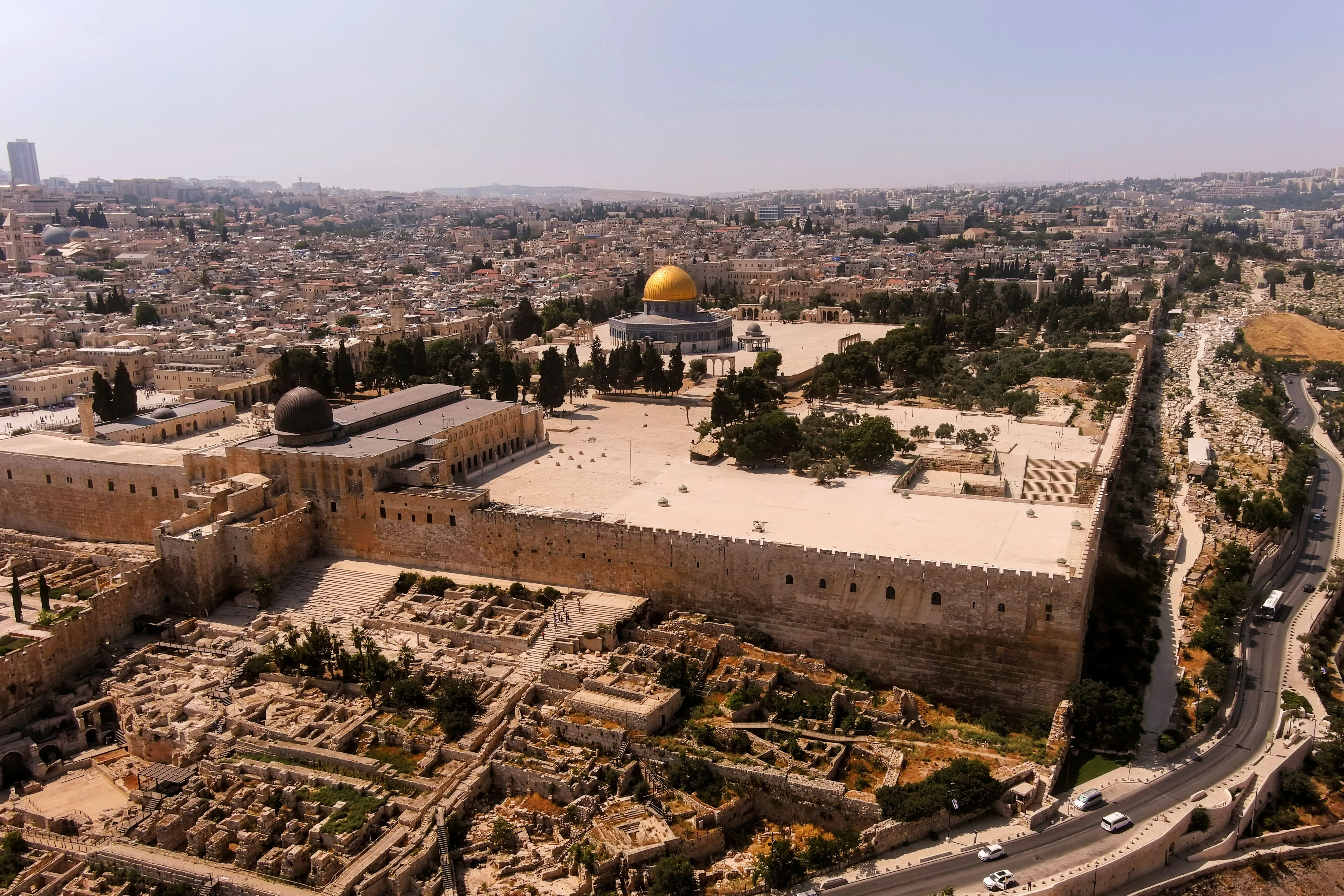
Why Jerusalem Is the Most Contested Place on Earth
Why is Israel the most fought over land on earth? From Jerusalem, Daniel Cohen explains the unbreakable biblical connection between the Messiah, the Jewish people, and the land God promised and why the nations rage against it.
I am often asked why Israel, a tiny strip of land about the size of New Jersey, dominates global headlines, ignites outrage, and fuels endless conflict. Standing here in Jerusalem, the answer becomes clear. This city is not just geography. It is theology. It is the place where the Messiah, His land, and His people are bound together by an unbreakable covenant that the enemy of God desperately wants to sever.
Jerusalem is not controversial because of politics. It is contested because of prophecy.
The Covenant the World Cannot Break
Israel’s enemies refuse to accept one foundational truth. God tied the Messiah, the Jewish people, and the land together forever. Scripture makes this unmistakably clear. God calls Israel the apple of His eye. When the nations rage against Israel, they are not merely opposing a country. They are provoking God Himself.
The Bible does not teach replacement. God has not abandoned Israel. He has not revoked His covenant. Romans tells us plainly that all Israel will be saved. Zechariah tells us the Lord will dwell in Jerusalem again. And when Yeshua returns, He is not coming back to Rome, London, or New York. He is coming back to the Mount of Olives.
That is why this land matters. If Israel could be erased, where would the Messiah return? The answer terrifies the enemies of God because it exposes the impossibility of their goal. God laughs at the nations because what He established cannot be undone.
Why the Enemy Is Obsessed With Israel
This is why Iran, Hamas, Hezbollah, and their allies fixate on Israel. This is why the United Nations obsessively condemns it. This is why history keeps repeating itself with different names and different regimes but the same hatred.
Pharaoh tried to destroy the Jewish people. Haman tried. Hitler tried. Hamas tried. Iran is trying now. Yet Israel remains. Four thousand years later, the Jewish people are still here. The land still exists. Jerusalem still stands.
That is the proof. The gates of hell have not prevailed, and they never will.
The conflict over Israel is not about borders or politics. It is about the Messiah. It is about God keeping His word. And it is about a spiritual battle that has been raging since the beginning of time.
I am Daniel Cohen for the Real Life Network. If this message matters to you, share it and watch the full episode of The Daniel Cohen Show.
Thank you! Your submission has been received!
Oops! Something went wrong while submitting the form.
World News
The economy matters. Groceries, gas prices, housing costs, and the pressure on American families deserve serious attention. But national security belongs in that conversation, too. The decisions made in Washington affect more than household budgets. They shape the country's ability to confront terrorism, protect religious communities, secure its borders, and respond to threats abroad.
Those connections deserve closer examination. Through The Daniel Cohen Show on Real Life Network, the intersection of faith, national security, Israel, and American politics remains central to understanding the headlines.
The approaching November 3 midterms raise questions that go well beyond which party controls Congress. Who sets national security priorities? How should America respond to Iran and its terrorist proxies? What responsibilities do elected officials have when antisemitism and political violence reach American communities?
National security is not an abstract debate reserved for Washington. Its consequences can reach neighborhoods, schools, houses of worship, and ordinary families.
Iran, Israel, and the Responsibility to Confront Terrorism
Iran remains central to the discussion about American national security and the Middle East. Its support for armed groups, including Hezbollah and Hamas, has made its regional influence a continuing concern for the United States and Israel.
Yet political disagreements over Iran and Israel often become tangled in arguments about military assistance, international law, and America's responsibilities overseas.
Michigan's Senate contest illustrates those competing priorities.
Abdul El-Sayed has argued against unconditional American military assistance to foreign governments, including Israel. In interviews, his position has emphasized applying international law consistently and restricting weapons transfers to governments accused of violating it.
That approach raises legitimate questions about American foreign policy. Military assistance is not an unlimited obligation, and elected officials have a responsibility to scrutinize how taxpayer money is spent.
But the discussion cannot stop there.
Israel faces rocket and missile threats from hostile armed groups and regional adversaries. Defensive systems such as Iron Dome exist to intercept incoming projectiles and protect civilian populations. Any proposal to restrict military assistance therefore deserves careful examination of its potential consequences for defensive capabilities as well as offensive operations.
There is also an important distinction between criticizing a government's military decisions and excusing terrorism directed against its citizens.
The March attack against Temple Israel in West Bloomfield, Michigan, brought that distinction much closer to home. A vehicle carrying incendiary materials was driven into a synagogue complex that also serves children and families. The incident prompted renewed concerns about antisemitic violence and the reach of conflicts originating thousands of miles away.
Political leaders can disagree about Israel's government, military operations, and American foreign assistance. Those disagreements do not diminish the obligation to condemn attacks against Jewish civilians and religious institutions.
No disagreement over foreign policy can justify threatening Jewish families or treating American religious communities as extensions of a foreign government.
The same principle must apply to every community. A synagogue, church, mosque, or school should never become a target because of anger over events elsewhere.
Why National Security Belongs in Congressional Debates
The connection between national security and congressional elections is more substantial than campaign rhetoric might suggest.
Congress controls federal appropriations, establishes statutory authorities, conducts oversight, and plays a central role in shaping the agencies responsible for national defense and domestic security. The Senate also exercises its constitutional responsibility to provide advice and consent on presidential nominations requiring confirmation.
Those responsibilities make congressional debates over homeland security, intelligence gathering, immigration enforcement, and counterterrorism consequential.
An alleged ISIS-inspired plot involving the Mall of America in Minnesota offers an example of the threats federal investigators seek to identify before violence occurs.
According to the account presented by federal authorities, an 18-year-old suspect had communicated about supporting ISIS and allegedly considered carrying out an attack in the United States after plans to travel overseas did not materialize. The allegations require the usual distinction between prosecutors' claims and facts established in court.
But the broader issue remains significant: preventing terrorism requires investigative resources, intelligence cooperation, appropriate legal authorities, and effective oversight.
Protecting the public also requires precision.
Terrorist organizations are responsible for their own violence. Their actions must not become an excuse to assign collective guilt to immigrants, Muslims, or particular ethnic communities. Effective counterterrorism depends upon identifying actual threats rather than confusing religious identity or national origin with criminal conduct.
That is why national security policy requires more than slogans about being tough or compassionate.
The public deserves to understand how candidates would approach terrorism investigations, border security, intelligence oversight, civil liberties, and the constitutional limits of government authority.
Those questions belong alongside debates about inflation, healthcare, education, and taxation.
Antisemitism, Political Rhetoric, and the Limits of Party Loyalty
Three years after the Hamas-led October 7 attack, the anniversary remains a painful occasion for Jewish communities around the world.
Approximately 1,200 people were killed in the attack, and 251 were taken hostage. The consequences have extended far beyond Israel, including heightened security concerns and incidents of antisemitism in the United States.
New York City's response to the anniversary illustrates how difficult the public conversation has become.
Mayor Zohran Mamdani's remarks acknowledging the suffering caused by October 7 while criticizing Israel's subsequent military actions became a point of contention among activists with sharply different expectations.
The controversy reflects a larger problem in contemporary politics: expressions of sympathy, criticism, and disagreement are increasingly measured against demands for complete ideological agreement.
Recognizing the suffering of Israeli victims does not require ignoring Palestinian civilian suffering. Likewise, expressing concern for Palestinians does not require minimizing the October 7 atrocities or excusing antisemitism.
Both truths can be maintained without contradiction.
Political movements become less capable of honest debate when every disagreement is treated as betrayal. Acknowledging suffering should not depend upon whether the victims belong to a preferred political or religious community.
For Christians, Scripture establishes a higher standard than political loyalty. Human beings bear God's image, and the obligation to speak truthfully does not disappear when truth becomes inconvenient to a favored party or cause.
Proverbs 18:17 reminds readers that the first account of a dispute may sound persuasive until it is examined. That principle applies to viral videos, campaign statements, accusations of extremism, and claims about political opponents.
Christian discernment requires consistency: condemn terrorism without qualification, reject antisemitism without hesitation, and examine political claims without surrendering judgment to party loyalty.
The approaching midterms will generate enormous attention around polling, turnout, and campaign strategies. Those subjects are part of the political process, but they should not obscure the governing responsibilities attached to the offices being contested.
A Senate vote can affect national security appointments. A congressional appropriation can determine resources available to federal agencies. Legislative oversight can expose failures or strengthen accountability.
Understanding those responsibilities provides a more useful framework than treating every political development as a contest between personalities.
The same seriousness belongs in discussions about Israel, Iran, and religious freedom. American foreign policy involves real tradeoffs, and domestic security decisions can affect both public safety and constitutional liberties.
No political party possesses a monopoly on wisdom, and no candidate should be exempt from difficult questions.
The standard should remain consistent: evidence before accusations, clarity before slogans, and responsibility before political convenience.
Follow the intersection of biblical truth, Israel, national security, and American current events through The Daniel Cohen Show, streaming free on Real Life Network
25 min
October 9, 2026
Daniel Cohen
Faith & Culture
At a Glance
Three years after Hamas launched its October 7, 2023, attack on Israel, the consequences still reach far beyond that terrible morning. The attack rocked assumptions about Israeli security, began a prolonged hostage crisis, reshaped the Middle East, and contributed to a dramatic rise in antisemitism around the world.
- About 1,200 people were killed in the Hamas-led attack, and 251 were taken hostage.
- Civilians were murdered in their homes, communities, and at the Nova music festival.
- The final 20 Israeli hostages known to be alive were released in October 2025 as part of a ceasefire agreement.
- Antisemitism remains far above pre-October 7 levels in the United States and other parts of the world.
- For Christians, the anniversary is a time to remember the victims, reject antisemitism and terrorism, and pray for Israel and lasting peace.
At sunrise on October 7, 2023, Israel was a very different country from the one that would exist by nightfall. Hamas-led attackers breached the border from Gaza, striking Israeli communities, military positions, and the Nova music festival. Approximately 1,200 people were killed, most of them civilians, and 251 people were abducted into Gaza.
What happened during those hours was horrific, but the significance of October 7 cannot be measured only by what occurred that day. Three years later, its effects are still being felt across Israel, throughout the Middle East, on American campuses, and in Jewish communities around the world.
October 7 became a dividing line: before and after.
October 7 Rocked Israel’s Sense of Security
Israel has lived with terrorism and war throughout its modern history, but October 7 exposed vulnerabilities on a scale few Israelis had imagined possible. Communities near Gaza that had lived for years with rocket fire suddenly faced armed attackers inside their neighborhoods. Families hid in safe rooms while gunmen moved nearby, and in some communities, military help took hours to arrive.
The shock went far beyond the immediate loss of life. Israel has long faced the reality of terrorism and hostile forces seeking its destruction, but October 7 demonstrated the extraordinary lengths Hamas was willing to go to target Israeli civilians. The attack permanently changed the country’s understanding of the threats along its borders and intensified the determination to prevent anything like October 7 from happening again.
The Hostages Became a National Wound
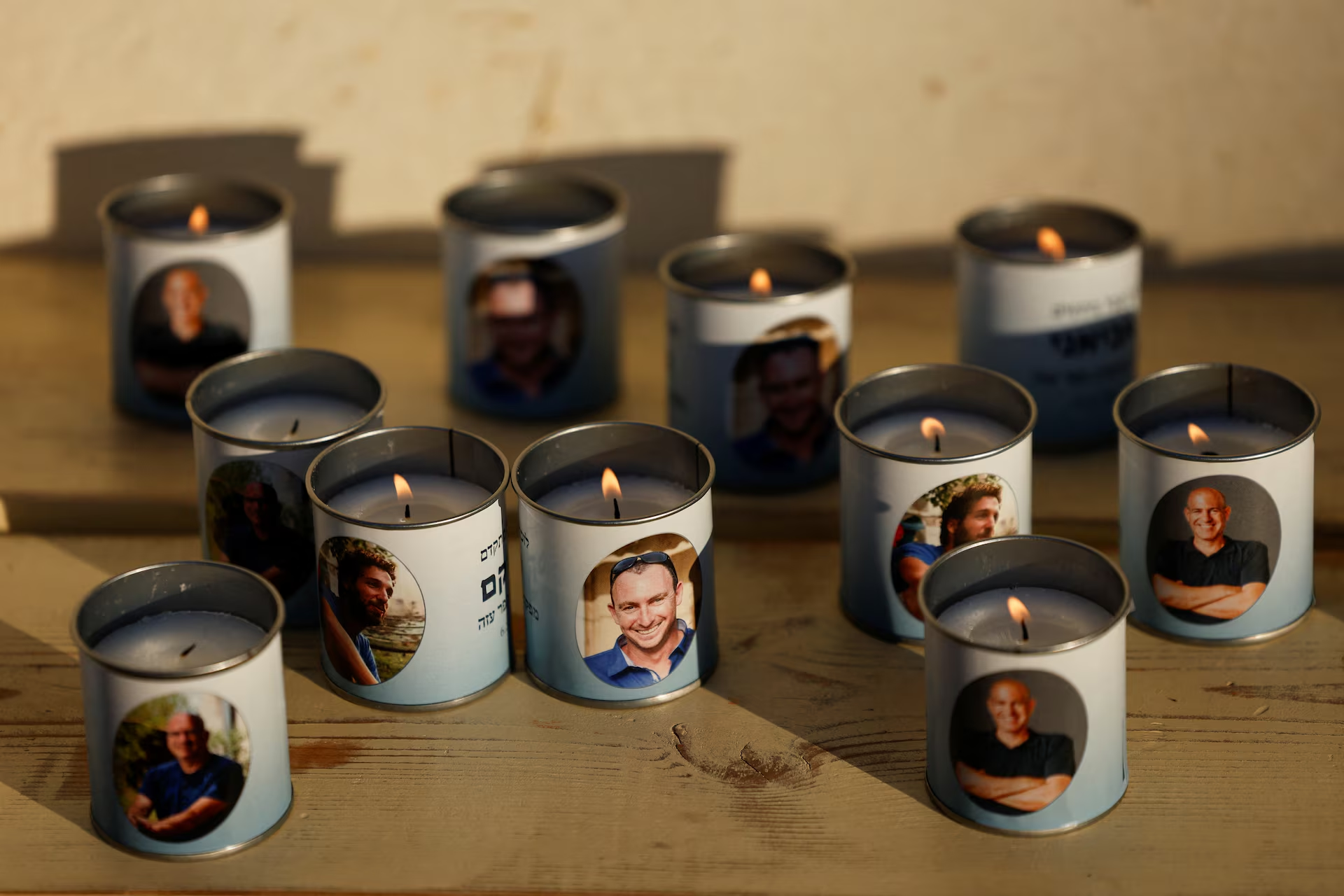
Among the most enduring images after October 7 were the faces of the hostages. Posters appeared around the world. Families spoke publicly about loved ones ranging from children to elderly grandparents. Israelis gathered in what became known as Hostages Square in Tel Aviv, calling for their return.
The hostage crisis lasted two years. Some captives were released through agreements, others were rescued, and some died in captivity or were killed on October 7 and their bodies taken into Gaza. In October 2025, the remaining 20 Israeli hostages known to be alive were released as part of a ceasefire agreement.
Their return closed one chapter of October 7, but it did not erase what captivity had done to the hostages, their families, or Israeli society. The ordeal reinforced something terrorism is designed to accomplish: creating fear and trauma that continue long after an attack ends.
Remember the People, Not Just the Date
Three years later, October 7 risks becoming a shorthand phrase for a war, a political argument, or a date in a timeline. But before it became any of those things, it was a human tragedy.
The people murdered that day were parents, grandparents, children, soldiers, young adults, foreign workers, and visitors. Some were killed inside their homes. Others were attacked while trying to escape. At the Nova music festival, young people who had gathered for a night of music found themselves running for their lives.
Remembering October 7 means refusing to let those lives disappear inside statistics or political debate. It means remembering the families who still live with empty chairs, the survivors who carry lasting trauma, and the communities that were forever changed in a matter of hours.
Romans 12:15 tells believers to “weep with those who weep.” On this anniversary, remembrance is one way of doing exactly that.
The Attack Reshaped the Middle East
October 7 did not remain a conflict between Israel and Hamas. The war reverberated throughout the region, increasing tensions involving Hezbollah in Lebanon, Iran, the Houthis in Yemen, and other armed groups. Governments reconsidered security relationships, diplomatic efforts changed course, and long-standing regional conflicts became increasingly interconnected.
The war also brought terrible loss and destruction to Palestinian civilians in Gaza, a reality that can be acknowledged without minimizing what happened to Israelis on October 7 or excusing the actions of Hamas.
The October 2025 ceasefire stopped the largest phase of fighting between Israel and Hamas and brought the remaining living hostages home, but it did not resolve the deeper questions surrounding Gaza’s future, Israeli security, Hamas, or future peace. Three years after the attack, those questions remain unsettled.
Jewish Life Changed Far Beyond Israel
October 7 also changed life for Jewish communities thousands of miles from the Middle East. In the United States, antisemitic harassment, vandalism, threats, and violence rose sharply after the attack and the war that followed.
Jewish Americans who had nothing to do with the decisions of Israel’s government found themselves confronted over events thousands of miles away. Synagogues increased security. Jewish students faced hostility on campuses. Demonstrations sometimes crossed the line from political criticism into explicit anti-Jewish rhetoric or threats.
That distinction matters. In the years since October 7, critics of Israel’s conduct have argued that its military response was disproportionate or caused unacceptable harm to Palestinian civilians. Those policies and military decisions can be debated, and criticism of the Israeli government is not automatically antisemitic. But holding Jewish people collectively responsible for Israel’s response, repeating antisemitic conspiracies, threatening Jewish institutions, or excusing violence against Jews crosses a very different line.
October 7 exposed how quickly an ancient hatred can reappear.
Christians Should Remember, Reject Hatred, and Pray
For Christians, the anniversary of October 7 should be more than a marker on the calendar. It is an opportunity to remember those who were murdered, honor the survivors and families still carrying the weight of that day, and stand firmly against the terrorism and antisemitism that helped make such atrocities possible.
The anniversary also calls Christians to resist allowing political arguments to overshadow the human reality of what happened. Terrorism must be condemned for what it is, antisemitism must be rejected wherever it appears, and the suffering of those affected by October 7 should move believers toward compassion rather than political point-scoring.
The anniversary is also a time to pray. Psalm 122:6 says, “Pray for the peace of Jerusalem.” Pray for Israel, for those still living with trauma and loss, for Jewish communities facing antisemitism, for leaders making difficult decisions, and for a lasting peace that protects innocent life and restrains those who seek violence.
Remembering October 7 should move Christians toward truth, compassion, courage, and prayer.
Three Years Later, the Story Is Still Unfinished
October 7 is moving further into history, but its consequences are still unfolding. Israel continues to confront the threat of terrorism and the challenge of protecting its citizens in an increasingly volatile region. Families are still living with trauma and loss. Jewish communities around the world remain alert to antisemitism that intensified after the attack. And leaders throughout the Middle East continue to confront questions of terrorism, diplomacy, regional stability, and peace.
The attack also changed relationships and assumptions across the region in ways that are still developing. Questions surrounding Hamas, Gaza’s future, Iran and its proxies, Israel’s borders, and the possibility of lasting regional peace remain unresolved.
Three years later, October 7 remains a turning point whose consequences continue to shape Israel and the Middle East. Remembering what happened matters, but so does understanding how that day continues to influence what comes next.
Follow developments in Israel, the Middle East, and around the world through a biblical worldview on The Daniel Cohen Show and RLN News, streaming free on Real Life Network.
25 min
Three Years After October 7: How the Hamas Attack Changed Israel and the World
October 7, 2026
Real Life Network
World News
I am often asked why Israel, a tiny strip of land about the size of New Jersey, dominates global headlines, ignites outrage, and fuels endless conflict. Standing here in Jerusalem, the answer becomes clear. This city is not just geography. It is theology. It is the place where the Messiah, His land, and His people are bound together by an unbreakable covenant that the enemy of God desperately wants to sever.
Jerusalem is not controversial because of politics. It is contested because of prophecy.
The Covenant the World Cannot Break
Israel’s enemies refuse to accept one foundational truth. God tied the Messiah, the Jewish people, and the land together forever. Scripture makes this unmistakably clear. God calls Israel the apple of His eye. When the nations rage against Israel, they are not merely opposing a country. They are provoking God Himself.
The Bible does not teach replacement. God has not abandoned Israel. He has not revoked His covenant. Romans tells us plainly that all Israel will be saved. Zechariah tells us the Lord will dwell in Jerusalem again. And when Yeshua returns, He is not coming back to Rome, London, or New York. He is coming back to the Mount of Olives.
That is why this land matters. If Israel could be erased, where would the Messiah return? The answer terrifies the enemies of God because it exposes the impossibility of their goal. God laughs at the nations because what He established cannot be undone.
Why the Enemy Is Obsessed With Israel
This is why Iran, Hamas, Hezbollah, and their allies fixate on Israel. This is why the United Nations obsessively condemns it. This is why history keeps repeating itself with different names and different regimes but the same hatred.
Pharaoh tried to destroy the Jewish people. Haman tried. Hitler tried. Hamas tried. Iran is trying now. Yet Israel remains. Four thousand years later, the Jewish people are still here. The land still exists. Jerusalem still stands.
That is the proof. The gates of hell have not prevailed, and they never will.
The conflict over Israel is not about borders or politics. It is about the Messiah. It is about God keeping His word. And it is about a spiritual battle that has been raging since the beginning of time.
I am Daniel Cohen for the Real Life Network. If this message matters to you, share it and watch the full episode of The Daniel Cohen Show.
25 min
Why Jerusalem Is the Most Contested Place on Earth
December 28, 2025
Daniel Cohen
World News
The world did not simply “change” in 2025. It accelerated. Nations shifted, narratives collapsed, and the spiritual temperature rose. From the first major political reset in Washington to the front lines of the Middle East conflict, the year carried a message many tried to ignore: truth matters, and leadership matters.
On the Daniel Cohen Show year in review, Daniel walks viewers through the defining moments of 2025, month by month. The stories include global conflict, media bias, moral confusion, and flashes of courage that reminded millions what Western civilization is built on: ordered liberty, Judeo Christian conviction, and the unshakable hope of the gospel.
This is not just a political recap. It is a snapshot of spiritual warfare in real time, with Israel, America, and the wider West facing the same fundamental question: will we stand for biblical truth, or will we surrender to deception.
January 2025: Trump Returns and the Reset Begins
The year opened with a dramatic shift as a new leader returned to the White House on January 20, 2025. Daniel frames it as the moment “truth and common sense came roaring back,” with immediate reversals of policies tied to climate agreements, DEI mandates, and what he describes as the “transgender madness” that had reshaped military culture.
It was also a month defined by clarity. “Peace through strength” became the theme as Trump issued blunt warnings to Iran and projected deterrence that many believed had vanished in recent years. Daniel connects these developments directly to Israel news and the Middle East conflict, pointing to how quickly adversaries adjust when America either projects strength or broadcasts hesitation.
January also carried sobering reminders at home. A devastating Southern California wildfire burned tens of thousands of acres, and Daniel highlights leadership failures, infrastructure strain, and the frustration of citizens watching officials offer excuses instead of accountability. In this telling, 2025 was already revealing a deeper divide between slogans and reality.
Spring 2025: Media Bias, Moral Collapse, and the Cost of Denial
As winter turned to spring, Daniel turns the lens toward the institutions shaping the national mind: the legacy press, cultural gatekeepers, and political elites. He highlights how media bias can blur moral lines, especially when it comes to Israel, Hamas, and the stories that dominate Christian news coverage.
In March, Daniel points to examples of mainstream outlets framing conflict in ways that minimize Hamas violence while applying scrutiny and blame to Israel. In his view, the issue is not merely bad reporting. It is a worldview problem. When a culture rejects biblical truth, it loses the ability to name evil clearly.
Then comes April, a month Daniel frames as symbolic. Holy Week, Passover, and Easter arrived, yet national leadership publicly elevated identity politics on Christianity’s most sacred day. For many believers, it underscored how rapidly Western civilization can drift when religious freedom is treated as optional and biblical worldview convictions are mocked.
Summer 2025: Israel’s 12 Day War With Iran and the Meaning of Strength
If the first half of 2025 felt turbulent, June became seismic. Daniel recounts the 12 day war with Iran as a turning point in the Middle East conflict. Israel launched strikes against Iran’s nuclear infrastructure, targeting facilities and leaders tied to the program. Iran responded with hundreds of ballistic missiles and waves of drones, pushing Israel’s defensive systems into constant motion.
Daniel describes the daily reality of Israelis moving between normal life and bomb shelters, with warning sirens, interceptors, and explosions that made the conflict intensely personal. He emphasizes what many in Israel already understand: survival in the region often depends on decisive action, not wishful thinking.
The climax came when the United States struck fortified nuclear sites that Israel could not reach alone. Daniel presents this as a defining picture of alliance and leadership: America backing Israel, not pressuring restraint at the moment restraint becomes deadly.
Whether one agrees with every political conclusion or not, the show’s point is clear: ideology has consequences. Deterrence is real. And when leaders refuse to confront threats, innocent people pay the price.
Fall 2025: Charlie Kirk’s Assassination
Then came September 10, 2025, a date Daniel treats as one of the darkest and most catalytic moments of the year: the assassination of Charlie Kirk. Daniel recounts the shock, the grief for a young father, and the ugliness of public celebration from corners of the culture that claimed moral superiority.
But the story did not end with tragedy. Daniel highlights what followed: a wave of public resolve, increased hunger for biblical truth, and what he describes as a “biblical movement” reflected in exploding Bible sales and renewed boldness across campuses and communities. Erica Kirk’s statement became a rallying cry: the mission did not die with Charlie. It multiplied.
In October, national recognition and public remembrance reframed the loss into a call to courage. Daniel’s message is not triumphalism. It is an admonition. Christians do not celebrate death. They mourn with those who mourn. Yet they also refuse to let fear silence truth.
Christmas 2025: The Hope That Outlasts Every Headline
By the end of the year, Daniel returns to the only anchor that does not shift with elections, wars, or media cycles: Jesus Christ. Christmas is not about the noise, the shopping, or the spectacle. It is about the Jewish Messiah entering the world to save it.
Daniel ties the entire year to a simple conclusion: the struggle is not merely political. It is spiritual. The answer is not despair. It is discernment, courage, and the gospel. In a world where tomorrow is promised to no one, the call is urgent and compassionate: come to the truth, receive grace, and walk with your Creator.
Watch the full Daniel Cohen Show on Real Life Network
25 min
2025 Year in Review: Trump, Israel, Iran, and the Turning Point That Sparked a Movement

December 22, 2025
Daniel Cohen
World News
In an age when truth bends to politics and headlines echo propaganda, Daniel Cohen stands apart. On The Daniel Cohen Show from Real Life Network, Cohen refuses to separate faith and politics, insisting that every crisis in Israel, Europe, or America reveals a deeper spiritual battle. His latest message, now streaming on RLN’s Christian streaming service, exposes how the war in Israel, the collapse of moral courage in the West, and the revival of the Church all connect to the same conflict between light and darkness.
The War in Israel and the Western Desire for Chaos
Daniel Cohen begins by explaining the Israel conflict as more than a military standoff. He calls it a mirror reflecting the moral decay of the West. When Vice President J D Vance stood in southern Israel and said that Western media seems to root for failure, Cohen agreed. He notes how every violent flareup is treated as proof that peace is impossible, as if journalists secretly prefer unrest to resolution.
Cohen points to something bigger happening beneath the surface. The ceasefire in Gaza, fragile as it is, represents the groundwork for an Abraham Accords 2.0 that could unite Israel with more Arab nations. Iran and Hamas tried to stop that process on October 7, but their terror only exposed their weakness. Across the Middle East, Arab leaders are tired of Iran’s chaos and looking toward stability with Israel instead.
For Cohen, this is where Christianity and politics intersect. He says the way nations treat Israel reveals their spiritual health. The promises God made to Abraham still stand, and rejecting those promises has consequences. Cohen praises leaders such as Netanyahu and pastors like Jack Hibbs, who refuse to apologize for supporting Israel’s right to exist. He reminds viewers that what happens in the Middle East is not random history. It is evidence that biblical prophecy is unfolding in real time.
From London to New York: The Cost of Moral Surrender
Cohen turns his attention to Europe, describing how cities once known for courage are now paralyzed by fear. London, Amsterdam, and Paris have become stages for mobs shouting antisemitic slogans while police stand by and do nothing. He calls it moral cowardice disguised as tolerance. The refusal to confront evil has created societies where Jewish citizens must hide behind fences and guards just to worship in peace.
Then Cohen looks at New York City, where radical candidate Zoran Mamdani publicly promises to remake the state “in the image of our people.” For Cohen, those words are not progress but warning. He explains that when politics becomes tribal, truth disappears. Polls show foreign born voters supporting Mamdani while native born New Yorkers divide among failed alternatives. It is a symptom, Cohen says, of immigration without assimilation and education without truth. When a nation forgets who it is, power replaces principle.
Cohen warns that America is on the same path as Europe. The slow surrender to radical ideologies, the moral confusion in the name of tolerance, and the silence of churches all point to a deeper loss of conviction. Without biblical truth, the West cannot survive. The problem is not diversity, he says, but the rejection of God’s design for justice and order.
The Church’s Moment to Rise
Even in the darkness, Cohen sees signs of hope. The Church is stirring. Turning Point USA Faith has doubled its network of partner churches, now more than eight thousand strong, reaching hundreds of thousands of believers ready to stand for truth. Cohen calls this growth part of Charlie Kirk’s legacy. Kirk preached repentance, holiness, and sacrifice in a culture that craves comfort. He reminded believers that a faith that costs nothing is worth nothing.
Cohen speaks with apologist Dr Frank Turek, who challenges Christians to prepare for cultural battle long before they step onto a college campus. Turek’s Cross Examined ministry teaches believers how to defend their faith with logic, evidence, and love. Both men agree that silence is no longer an option. Fear has no place in the life of a believer. God commands courage, not comfort.
Cohen ends with a reminder that history belongs to God. Governments rise and fall. Online news, news streaming, and live news will change by the hour, but the Gospel does not. The greatest battle is not in Gaza or New York but in the human heart. Christ alone can bring peace. He lived a perfect life, died for sinners, and rose again to offer forgiveness and eternal life.
When viewed through that lens, the war in Israel, the political turmoil in America, and the collapse of Europe are not separate stories but one message. They remind us that truth matters and eternity is near.
If you are tired of news channels that distort facts and weary of news sources that censor faith, The Daniel Cohen Show is the alternative. Stream uncensored news, Christian worldview news, and faith based news through Real Life Network, a leading Christian streaming service and one of the most trusted streaming platforms for video streaming services and Christian TV shows. Here you can watch live TV, follow news live, and explore new channels filled with biblical truth, Christianity and politics, and stories that strengthen faith instead of undermining it.
Visit RealLifeNetwork.com to discover why believers around the world are turning to RLN as their home for online news, news streaming, and uncensored news that honors God. Watch The Daniel Cohen Show today and see world events through the clarity of Scripture.
25 min
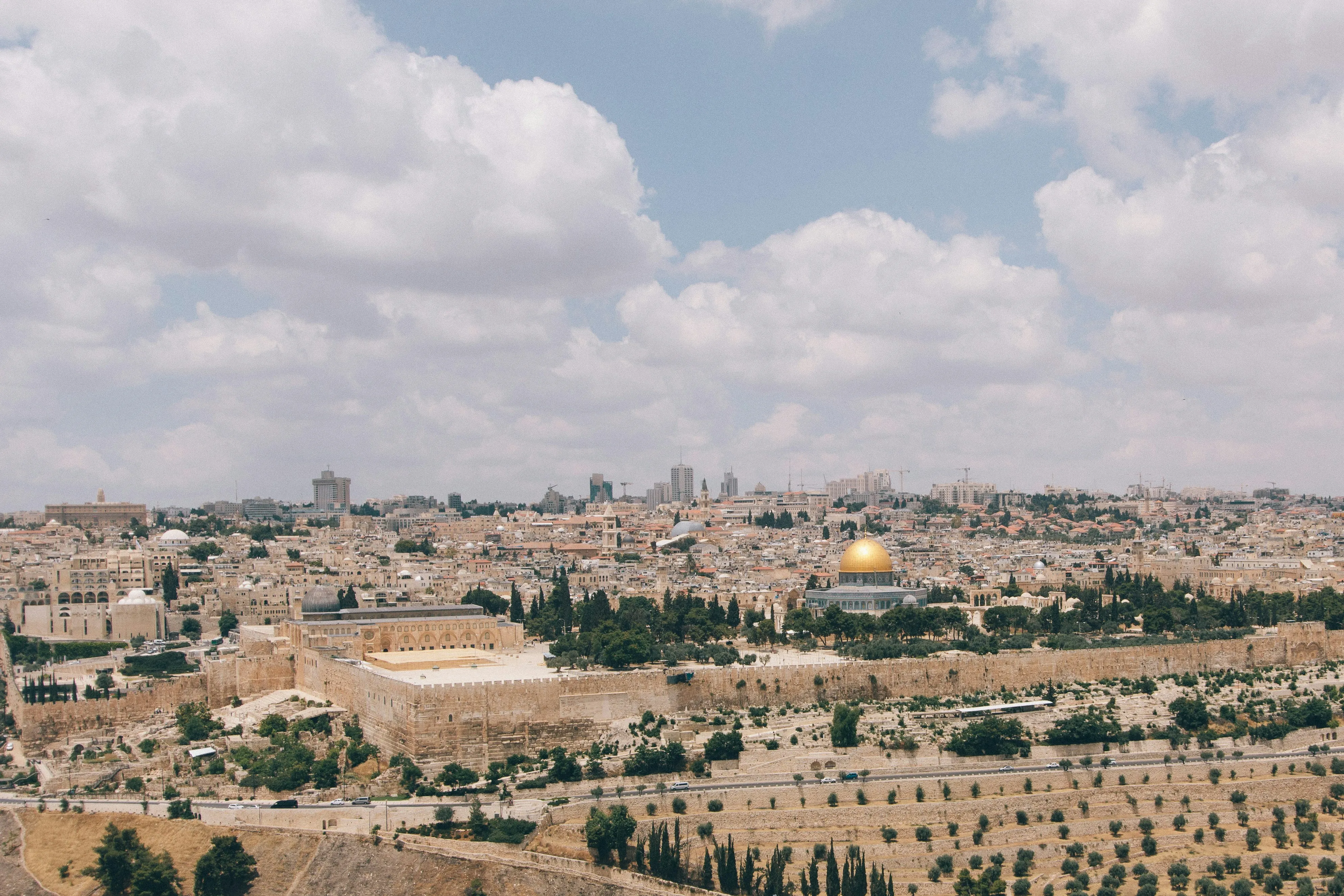
From Gaza to New York: Daniel Cohen Reveals What the Media Won’t Show You
October 23, 2025
Daniel Cohen