By now, campaigns are entering their final stretch, political advertising is intensifying, and attention is beginning to shift from what might happen on November 3 to what Americans will actually see when 2026 election results begin coming in.
There is still time to prepare.
Before Election Day arrives, finish researching the candidates and measures on your ballot, make sure you understand the issues at stake, and know where to find authoritative election information for your jurisdiction.
Then think ahead to Election Night itself.
Results will begin arriving from across the country at different times, major races may develop quickly, and some contests may remain unresolved well after Election Night ends. Knowing what to expect can help you follow the results without getting lost in the constant stream of numbers, projections, reactions, and commentary.
Finish Researching What’s on Your Ballot
If there are still names or measures on your ballot that you know little about, now is the time to research them.
National headlines may be dominated by control of Congress and prominent statewide races, but your ballot may also include state legislators, judges, county or city officials, school boards, and ballot initiatives.
Return to the questions that matter:
What authority does this office have?
What has each candidate actually said or done?
What policies are being proposed?
What would a ballot measure change?
Which claims come from campaigns or advocacy organizations, and which can be independently verified?
By this point in the election cycle, voters are surrounded by persuasive messaging. Going back to original sources, public records, full interviews, policy proposals, and reliable reporting can help separate useful information from the final rush of campaign rhetoric.
Review the Issues That Matter in Your Races
The national political conversation includes the economy, immigration, healthcare, education, abortion, public safety, foreign policy, government spending, technology, and many other concerns.
But not every office has authority over every issue.
Before November 3, connect the issues you care about with the candidates and offices that can actually influence them.
A congressional candidate and a school board candidate may both talk about education, but their responsibilities are very different. A governor, state legislator, mayor, and U.S. senator can each affect public policy in different ways.
That context can make the difference between simply following political debate and understanding the choices in front of you.
Use Reliable Sources as Election Day Approaches
The final days before an election can generate a remarkable amount of information, and not all of it deserves equal trust.
Old videos may resurface without context. Unverified claims can spread quickly on social media. Campaigns may make last-minute accusations against opponents. Commentary can sometimes be mistaken for reporting.
Slow down before accepting or sharing something simply because it confirms what you already believe.
Look for original statements. Read beyond headlines. Compare reporting from credible sources. Pay attention to when information was published and whether new facts have emerged since then.
Christians in particular should value truth more than partisan advantage. Proverbs 12:22 says, “Lying lips are an abomination to the LORD, but those who deal truthfully are His delight” (NKJV). Election season does not make accuracy less important.
What Happens When Election Night Results Begin Coming In?
Once voting concludes around the country, election reporting shifts rapidly from campaigns to results.
You will begin seeing vote totals, percentage reporting figures, maps, and race calls. But those numbers require context.
An early lead does not necessarily determine who will ultimately win a race. Different jurisdictions report results at different speeds, and the portions of the vote reported first may not resemble those reported later.
That is one reason reputable election-news organizations do not simply call a race because one candidate happens to be ahead.
The Associated Press, for example, says it declares a winner only when its analysts determine that the trailing candidate no longer has a path to victory. Some races can be called relatively quickly; closely contested races may take days or, occasionally, longer.
So on Election Night 2026, pay attention to more than the percentage of votes counted. Listen for explanations of where reported votes are coming from, how much remains outstanding, and why a race has or has not been called.
Not Every 2026 Election Result Will Be Known That Night
Election Night creates an expectation of instant answers, but elections do not always cooperate with television schedules.
Some races will become clear early in the evening. Others may remain uncertain as additional results are reported. Particularly close contests can require more time before a reliable winner can be identified.
That does not necessarily mean anything unusual has happened.
The United States does not have one centralized national vote-counting system. Elections are administered at the state and local level, and reporting practices differ across jurisdictions.
That means patience is sometimes part of following election results responsibly.
A responsible news source should be willing to say “too early to call” rather than turn uncertainty into speculation.
Watch the Larger Election Night Picture
Individual races matter, but Election Night 2026 will also tell a broader story.
Which issues appeared to motivate voters?
How are congressional races changing the makeup of Washington?
What happened in major governor’s contests?
Which state and local results could affect policy in the years ahead?
Did ballot measures reveal important differences between states or regions?
As results accumulate, the evening gradually moves from individual contests toward a national picture.
That broader context is one reason thoughtful election coverage matters. Numbers tell you who is ahead. Good reporting also helps explain what those results mean.
Christians Can Follow Election Night Without Losing Perspective
Political outcomes matter because government decisions affect real people, families, churches, communities, and institutions.
But Christians can care deeply about elections without treating politics as the source of their hope.
Whatever happens on November 3, God remains sovereign. The Gospel remains true. The responsibility to love your neighbor, speak truth, pray for leaders, serve your community, and faithfully follow Christ does not change when political control changes.
That perspective can be especially valuable on Election Night, when political coverage often encourages viewers to treat every development as an emergency or every victory and defeat as permanent.
Stay informed. Pay attention. Care about what happens. But keep politics in its proper place.
Follow Election Night 2026 With Real Life Network
When the results begin coming in on Tuesday, November 3, Real Life Network will bring viewers America Speaks ’26: Election Night Live.
Coverage begins at 8 PM ET / 5 PM PT and will include live election results, updates, commentary, conversation, and biblical perspective as major races unfold across the country.
Pastor Jack Hibbs, Daniel Cohen, and other Real Life Network voices will help viewers follow the evening’s developments and consider the larger issues behind the results.
RLN is free to watch, and creating an account ahead of Election Night means you can simply sign in and follow the coverage when November 3 arrives.
The campaigns will soon end. Then America will begin hearing from the voters.
Election Day 2026 is less than a month away, and the political conversation is intensifying.
Campaign ads are multiplying. Candidates are making their closing arguments. Social media is filling with clips, claims, endorsements, and reactions. But understanding the 2026 midterm elections requires looking beyond the daily campaign noise to the issues voters are actually being asked to consider.
Recent polling shows economic concerns, particularly affordability and the cost of living, remain especially prominent. But the November 3 election also comes amid ongoing debates about immigration, healthcare, public safety, education, abortion, foreign policy, government spending, artificial intelligence, and other questions that affect Americans differently depending on where they live.
The challenge is not simply identifying which issues are receiving attention. It is understanding how those issues connect to the candidates, offices, and measures on your own ballot.
Here are some of the major conversations to follow as Election Day 2026 approaches.
For many Americans, the economy remains the most immediate political concern.
Housing costs, grocery prices, energy expenses, healthcare, interest rates, taxes, and job opportunities all affect household budgets. Recent national polling has found that economic issues are among the topics voters most want congressional candidates to address, with affordability receiving particular attention.
But “the economy” can mean many things during an election campaign.
One candidate may emphasize taxes. Another may focus on government spending, tariffs, housing, wages, energy policy, or regulation. State and local candidates may have authority over different economic questions than members of Congress.
As you hear competing claims, ask what specific policy is being proposed, which level of government controls it, what evidence supports the argument, and what tradeoffs may be involved.
Immigration and Border Policy
Immigration remains an important issue in the 2026 elections, even as voter attention has shifted toward affordability and other economic concerns.
The debate includes border security, deportation and enforcement policies, asylum, legal immigration, the workforce, federal-state responsibilities, and the treatment of people already living in the United States.
Republican and Democratic candidates often approach these questions differently, but positions can also vary considerably within the same party.
Instead of relying only on campaign language, look at what candidates specifically support. Are they addressing border enforcement, legal immigration, employment rules, asylum policy, or some combination? What authority would the office they are seeking actually have over those questions?
Broad slogans can conceal important policy differences.
Healthcare and the Cost of Care
Healthcare continues to be both a national and household issue.
Voters may hear debates involving insurance premiums, the Affordable Care Act, Medicare and Medicaid, prescription drugs, hospital costs, federal subsidies, and the role of government in healthcare.
Candidates may agree that medical care costs too much while offering very different explanations for why and very different proposals for addressing it.
Healthcare can also intersect with state elections because states make significant decisions involving Medicaid, insurance regulation, public health, and medical policy.
When evaluating campaign claims, look beyond promises to lower costs and ask how a proposed change would work, who would be affected, and how it would be funded.
Public Safety, Crime, and the Role of Government
Public safety is another issue that can look very different depending on the race.
Federal candidates may discuss immigration enforcement, gun laws, federal law enforcement, drug trafficking, or national crime policy. State and local candidates may focus on policing, prosecution, sentencing, homelessness, drug policy, or funding for first responders.
Those distinctions matter. A city council member, county prosecutor, governor, and U.S. senator do not have the same responsibilities. Before evaluating a candidate’s promises about crime or public safety, determine what the office can realistically influence.
Local crime statistics and policies may also provide a more useful picture of conditions in your community than national political rhetoric.
Education and Questions Facing Families
Education remains a significant issue in many state and local elections. Debates can involve academic standards, school funding, parental involvement, curriculum, school choice, teacher recruitment, student achievement, sports policies, religious expression, and the role of state and federal government in education.
For Christian families, these questions can carry particular significance because they touch on parental responsibility, religious liberty, the formation of children, and competing understandings of human identity.
But education policy is highly decentralized. A position debated nationally may actually be decided by a state legislature, governor, local school board, or district administrator. Before assuming a national talking point applies directly to your community, identify who makes the relevant decision.
Abortion and State Policy
Abortion remains a significant issue in American elections, particularly because much of the legal and policy debate now takes place at the state level.
Voters may encounter candidates with sharply different positions on abortion restrictions, exceptions, funding, access, parental involvement, and related healthcare questions. Some states may also have ballot measures addressing abortion policy directly.
For Christian voters, questions surrounding unborn life carry deep moral significance. Other voters approach the issue through different legal, medical, or individual-rights frameworks.
Research what candidates and ballot measures would actually change under existing law rather than relying solely on campaign descriptions from either side.
Foreign Policy and National Security
International events are also influencing the 2026 political conversation.
Wars and conflicts abroad, relations with China and other global powers, U.S. military involvement, defense spending, trade, alliances, Israel and the Middle East, and America’s role overseas are all subjects candidates may address.
Foreign policy can also connect directly to domestic concerns. International conflicts may affect energy prices, trade, government spending, military families, and the broader economy.
Members of Congress have meaningful responsibilities involving military authorization, funding, sanctions, and foreign policy oversight, while presidents retain substantial executive authority.
As candidates discuss international events, consider not only the desired outcome but also what powers the office actually possesses.
Technology, Artificial Intelligence, and Energy
Artificial intelligence has become a more visible political issue in 2026. Questions include job displacement, privacy, misinformation, data-center construction, energy consumption, regulation, national security, and America’s competitiveness in emerging technologies.
Some communities are encountering these debates locally as new data centers and infrastructure projects raise questions about electricity use, water, zoning, and development.
AI may not rank as highly as the economy or immigration for many voters, but it illustrates why election research should extend beyond the most familiar political topics. New technologies can quickly create policy questions at the federal, state, and local levels.
Go Beyond the Campaign Headline
The issues receiving the most attention nationally will not necessarily be the most important issues on every ballot.
A congressional candidate may be debating foreign policy while your state is considering a major tax measure. A governor’s race may center on education or housing. Your local races may involve public safety, development, school policy, or government spending.
That is why the most useful question as Election Day 2026 approaches is not simply, What issues are dominating the news?
Ask: What decisions will the people and measures on my ballot actually affect?
Then research accordingly.
Read candidates’ own positions, but compare them with voting records, public statements, primary documents, and reliable reporting. Look at arguments from more than one perspective. Distinguish facts from predictions and campaign claims from independent evidence.
For Christians, this is also an opportunity to consider public issues through a biblical worldview while recognizing that applying broad biblical principles to specific policy choices often requires careful thought.
Follow Election News with Real Life Network
The final weeks before November 3 will bring more campaign claims, breaking news, debates, and political commentary.
As Election Day approaches, RLN will also be preparing for America Speaks ’26: Election Night Live, bringing together live election results, updates, and conversation from races across the country.
The goal is not simply to follow who wins and loses. It is to understand the issues shaping those results and why they matter.
Entertainment has never been more accessible. A television, phone, or tablet can provide an endless stream of movies, shows, short videos, news, games, and social media without ever reaching the bottom of the screen.
But having more to watch doesn’t necessarily mean families are better served by what they’re watching.
For many households, entertainment has become noisy in more ways than one. Programs compete for attention with faster pacing, stronger language, darker storylines, sexualized content, graphic imagery, and increasingly provocative themes. Algorithms encourage one more episode or video, while families can end an evening having consumed hours of media without feeling particularly rested, encouraged, or connected.
That raises a worthwhile question: Is it time to replace some of that noise with faith-based family media?
For Christian families, the answer may have less to do with watching less and more to do with choosing better.
What Does “Noisy Entertainment” Really Mean?
Noise isn’t necessarily about volume.
Media can be noisy when it constantly demands attention without giving anything meaningful in return. It can be entertainment built around shock, conflict, outrage, anxiety, or relentless stimulation. It can also be content filled with ideas and assumptions that compete with what parents are trying to teach their children.
Even material that isn’t overtly inappropriate can leave viewers feeling distracted or spiritually empty.
Philippians 4:8 gives Christians a useful standard for what deserves sustained attention, directing believers toward things that are true, noble, just, pure, lovely, and praiseworthy. That doesn’t mean every program needs to quote Scripture. But it does challenge families to think about what repeatedly occupies their minds.
Your Family’s Media Diet Matters
The phrase “media diet” is useful because entertainment has something in common with food: what is consumed occasionally matters less than what becomes normal.
One movie is unlikely to define a child’s worldview. Hundreds of hours of stories, characters, values, jokes, and messages over many years can have a much greater influence.
Children learn from stories. They notice which behaviors are rewarded, which relationships are celebrated, which beliefs are mocked, and what characters consider normal.
Adults aren’t immune either. Constant exposure to cynicism, fear, anger, or sexualized entertainment can gradually make those things feel ordinary.
Choosing faith-based media gives families an opportunity to put more spiritually nourishing material into that mix.
Replacing Is Often Easier Than Restricting
Parents can spend enormous energy saying no.
No, you can’t watch that show. No, that movie isn’t appropriate. No, we’re skipping this episode.
Boundaries are sometimes necessary, but they become much easier when there is also a good answer to, “What can we watch instead?” Faith-based streaming provides that replacement.
A family movie night could feature C.S. Lewis: The Most Reluctant Convert, opening conversations about doubt, reason, and conversion. A documentary such as The Listening Road can introduce thoughtful conversations about how people from different backgrounds think about faith. 7 Days in the Holy Land can help families visually connect places in Israel with biblical events.
The goal isn’t simply to remove entertainment. It is to replace some of it with stories and ideas worth carrying into the next day.
Faith-Based Media Can Start Conversations
One of the greatest advantages of watching Christian content together is what happens afterward. A program can naturally lead to questions that might otherwise feel forced:
What would you have done?
Why do you think that person responded that way?
What does Scripture say about this?
Do you agree with what was said?
Those conversations help turn viewing into family discipleship.
A documentary such as The Call, for example, can lead to discussion about the Great Commission and what evangelism looks like in ordinary Christian life. Way of the Master can prompt older children and adults to think about how they would talk about Jesus with someone who doesn’t share their beliefs.
The screen becomes the beginning of the conversation rather than the end of it.
Not Everything Has to Feel Like Bible Study
Replacing noisy entertainment with Christian media doesn’t mean turning every evening into a classroom. Families still need stories, laughter, discovery, music, and relaxation.
Faith-based media can include movies, animation, travel programs, interviews, biographies, documentaries, podcasts, and conversations. Some content teaches Scripture directly. Other programs simply tell compelling stories shaped by faith, courage, forgiveness, or hope.
That variety matters because healthy family media should still be enjoyable.
The distinction is that entertainment doesn’t need to undermine a family’s beliefs in order to hold its attention.
A Quieter Media Environment Can Help Families Slow Down
Another benefit of intentional viewing is simply reducing the constant demand for stimulation. Mainstream digital media often encourages viewers to keep going. Finish one episode and another begins automatically. Watch one short video and dozens more appear. Attention itself has become valuable currency.
Faith-based streaming can help families establish a different rhythm.
Choose one documentary. Watch a devotional together. Listen to a meaningful conversation. Then turn the television off and talk.
Programs such as Groundworks with Steve Wiggins are particularly suited to this approach because brief, Scripture-centered episodes can provide meaningful input without consuming an entire evening. Living Fearless with Andy and Hedieh can similarly encourage thoughtful conversation about faith and everyday challenges.
The objective isn’t to fill every available minute with Christian programming. It’s to make more intentional choices about which voices receive the family’s attention.
Parents Set the Tone
Children eventually make their own media choices. Before that happens, parents have an opportunity to model discernment. That includes more than policing what children watch. Kids also notice what their parents consume.
If adults spend hours immersed in angry commentary, dark entertainment, or endless scrolling while telling children to make healthier choices, the message can become confusing.
Christ-centered leadership in the home means asking the same questions of adult entertainment that parents ask about children’s programming.
Is this helping or hurting?
What is this normalizing?
Is it worth the time being given to it?
What could take its place?
Those questions can gradually reshape a family’s media habits without requiring an overnight purge of every mainstream platform.
Real Life Network Offers an Alternative
Real Life Network was created to provide a different kind of streaming environment.
Rather than placing biblical programming beside an enormous catalog of conflicting content, RLN carefully curates its library around Christian faith and biblical truth. Viewers can move between films, documentaries, podcasts, Bible teaching, cultural discussions, devotional programs, kids’ content, and live events without leaving that foundation.
That gives families something increasingly difficult to find in modern entertainment: a place where they can discover rather than constantly defend.
Parents still decide what fits the age and needs of their particular family. But the starting point is very different.
Replacing noisy entertainment doesn’t require rejecting technology, storytelling, or even every mainstream show. It means becoming more intentional about what receives a family’s limited time and attention.
Some entertainment merely fills a room. Better media can fill conversations, reinforce truth, encourage faith, and give families something meaningful to carry with them after the screen goes dark.
For Christian households, that makes faith-based family media more than an alternative. It can become one practical way to cultivate a home in which entertainment supports, rather than competes with, what matters most.
Explore biblically curated movies, documentaries, family programs, devotionals, and more anytime on Real Life Network.
Three years after Hamas launched its October 7, 2023, attack on Israel, the consequences still reach far beyond that terrible morning. The attack rocked assumptions about Israeli security, began a prolonged hostage crisis, reshaped the Middle East, and contributed to a dramatic rise in antisemitism around the world.
About 1,200 people were killed in the Hamas-led attack, and 251 were taken hostage.
Civilians were murdered in their homes, communities, and at the Nova music festival.
The final 20 Israeli hostages known to be alive were released in October 2025 as part of a ceasefire agreement.
Antisemitism remains far above pre-October 7 levels in the United States and other parts of the world.
For Christians, the anniversary is a time to remember the victims, reject antisemitism and terrorism, and pray for Israel and lasting peace.
At sunrise on October 7, 2023, Israel was a very different country from the one that would exist by nightfall. Hamas-led attackers breached the border from Gaza, striking Israeli communities, military positions, and the Nova music festival. Approximately 1,200 people were killed, most of them civilians, and 251 people were abducted into Gaza.
What happened during those hours was horrific, but the significance of October 7 cannot be measured only by what occurred that day. Three years later, its effects are still being felt across Israel, throughout the Middle East, on American campuses, and in Jewish communities around the world.
October 7 became a dividing line: before and after.
October 7 Rocked Israel’s Sense of Security
Israel has lived with terrorism and war throughout its modern history, but October 7 exposed vulnerabilities on a scale few Israelis had imagined possible. Communities near Gaza that had lived for years with rocket fire suddenly faced armed attackers inside their neighborhoods. Families hid in safe rooms while gunmen moved nearby, and in some communities, military help took hours to arrive.
The shock went far beyond the immediate loss of life. Israel has long faced the reality of terrorism and hostile forces seeking its destruction, but October 7 demonstrated the extraordinary lengths Hamas was willing to go to target Israeli civilians. The attack permanently changed the country’s understanding of the threats along its borders and intensified the determination to prevent anything like October 7 from happening again.
The Hostages Became a National Wound
Among the most enduring images after October 7 were the faces of the hostages. Posters appeared around the world. Families spoke publicly about loved ones ranging from children to elderly grandparents. Israelis gathered in what became known as Hostages Square in Tel Aviv, calling for their return.
The hostage crisis lasted two years. Some captives were released through agreements, others were rescued, and some died in captivity or were killed on October 7 and their bodies taken into Gaza. In October 2025, the remaining 20 Israeli hostages known to be alive were released as part of a ceasefire agreement.
Their return closed one chapter of October 7, but it did not erase what captivity had done to the hostages, their families, or Israeli society. The ordeal reinforced something terrorism is designed to accomplish: creating fear and trauma that continue long after an attack ends.
Remember the People, Not Just the Date
Three years later, October 7 risks becoming a shorthand phrase for a war, a political argument, or a date in a timeline. But before it became any of those things, it was a human tragedy.
The people murdered that day were parents, grandparents, children, soldiers, young adults, foreign workers, and visitors. Some were killed inside their homes. Others were attacked while trying to escape. At the Nova music festival, young people who had gathered for a night of music found themselves running for their lives.
Remembering October 7 means refusing to let those lives disappear inside statistics or political debate. It means remembering the families who still live with empty chairs, the survivors who carry lasting trauma, and the communities that were forever changed in a matter of hours.
Romans 12:15 tells believers to “weep with those who weep.” On this anniversary, remembrance is one way of doing exactly that.
The Attack Reshaped the Middle East
October 7 did not remain a conflict between Israel and Hamas. The war reverberated throughout the region, increasing tensions involving Hezbollah in Lebanon, Iran, the Houthis in Yemen, and other armed groups. Governments reconsidered security relationships, diplomatic efforts changed course, and long-standing regional conflicts became increasingly interconnected.
The war also brought terrible loss and destruction to Palestinian civilians in Gaza, a reality that can be acknowledged without minimizing what happened to Israelis on October 7 or excusing the actions of Hamas.
The October 2025 ceasefire stopped the largest phase of fighting between Israel and Hamas and brought the remaining living hostages home, but it did not resolve the deeper questions surrounding Gaza’s future, Israeli security, Hamas, or future peace. Three years after the attack, those questions remain unsettled.
Jewish Life Changed Far Beyond Israel
October 7 also changed life for Jewish communities thousands of miles from the Middle East. In the United States, antisemitic harassment, vandalism, threats, and violence rose sharply after the attack and the war that followed.
Jewish Americans who had nothing to do with the decisions of Israel’s government found themselves confronted over events thousands of miles away. Synagogues increased security. Jewish students faced hostility on campuses. Demonstrations sometimes crossed the line from political criticism into explicit anti-Jewish rhetoric or threats.
That distinction matters. In the years since October 7, critics of Israel’s conduct have argued that its military response was disproportionate or caused unacceptable harm to Palestinian civilians. Those policies and military decisions can be debated, and criticism of the Israeli government is not automatically antisemitic. But holding Jewish people collectively responsible for Israel’s response, repeating antisemitic conspiracies, threatening Jewish institutions, or excusing violence against Jews crosses a very different line.
October 7 exposed how quickly an ancient hatred can reappear.
Christians Should Remember, Reject Hatred, and Pray
For Christians, the anniversary of October 7 should be more than a marker on the calendar. It is an opportunity to remember those who were murdered, honor the survivors and families still carrying the weight of that day, and stand firmly against the terrorism and antisemitism that helped make such atrocities possible.
The anniversary also calls Christians to resist allowing political arguments to overshadow the human reality of what happened. Terrorism must be condemned for what it is, antisemitism must be rejected wherever it appears, and the suffering of those affected by October 7 should move believers toward compassion rather than political point-scoring.
The anniversary is also a time to pray. Psalm 122:6 says, “Pray for the peace of Jerusalem.” Pray for Israel, for those still living with trauma and loss, for Jewish communities facing antisemitism, for leaders making difficult decisions, and for a lasting peace that protects innocent life and restrains those who seek violence.
Remembering October 7 should move Christians toward truth, compassion, courage, and prayer.
Three Years Later, the Story Is Still Unfinished
October 7 is moving further into history, but its consequences are still unfolding. Israel continues to confront the threat of terrorism and the challenge of protecting its citizens in an increasingly volatile region. Families are still living with trauma and loss. Jewish communities around the world remain alert to antisemitism that intensified after the attack. And leaders throughout the Middle East continue to confront questions of terrorism, diplomacy, regional stability, and peace.
The attack also changed relationships and assumptions across the region in ways that are still developing. Questions surrounding Hamas, Gaza’s future, Iran and its proxies, Israel’s borders, and the possibility of lasting regional peace remain unresolved.
Three years later, October 7 remains a turning point whose consequences continue to shape Israel and the Middle East. Remembering what happened matters, but so does understanding how that day continues to influence what comes next.
Follow developments in Israel, the Middle East, and around the world through a biblical worldview on The Daniel Cohen Show and RLN News, streaming free on Real Life Network.
National races dominate election coverage, but some of the decisions that affect your daily life may appear much farther down the ballot.
The 2026 midterm elections on November 3 will determine control of the U.S. House and affect the makeup of the Senate, but voters across the country will also encounter state legislative races, governors’ contests, county and city offices, judges, school boards, and ballot measures.
That is why researching the 2026 ballot should involve more than recognizing a few names from national television.
If you are beginning to ask, “What’s on my ballot in 2026?”, the next step is to understand the different kinds of races and measures you may encounter and know what questions to ask about each one.
Start With the Full Ballot, Not Just the Headline Races
Most voters hear far more about Congress than they do about county government, school boards, judges, or local ballot initiatives.
That imbalance can make the bottom half of a ballot feel unfamiliar.
Before Election Day, take time to review the ballot information published for your jurisdiction and identify every race and measure that will require a decision. Instead of trying to research everything at once, make a list and work through it category by category.
Depending on where you live, that list may include:
U.S. House and Senate races
Governor or other statewide offices
State legislative races
County and municipal offices
Judges or judicial retention questions
School board races
State constitutional amendments
Local tax, bond, or policy measures
Some may receive extensive news coverage. Others may receive almost none. Lack of national attention does not make a race unimportant.
Understand What Each Office Actually Does
Candidate research becomes much more useful when you understand the responsibilities of the position being sought.
A candidate for Congress will deal with very different questions from a city council member. A governor has different authority from a state legislator. School board members, county officials, judges, and local prosecutors each operate within their own responsibilities.
Before comparing candidates, ask:
What authority does this office actually have?
That simple question can cut through a surprising amount of campaign rhetoric.
Candidates sometimes make promises involving issues their office has little power to change. Understanding the role itself helps voters evaluate whether campaign claims are realistic and whether the issues being emphasized actually belong within that office’s responsibilities.
Research Candidates Beyond Their Campaign Ads
Campaign websites are useful because they tell you what candidates want voters to know about them. They should not be your only source, however.
Compare campaign statements with interviews, public records, reliable local reporting, debate appearances, previous votes when applicable, and other primary-source material.
Useful questions include:
What issues does the candidate identify as priorities?
What specific policies does the candidate support?
Has the candidate previously held public office?
If so, what does that record show?
What experience does the candidate bring to the position?
Does the candidate explain how proposed policies would work?
Are major claims about an opponent supported by evidence?
Party affiliation can provide some information about a candidate’s general political alignment, whether Republican, Democrat, independent, or another affiliation. But it does not substitute for researching the individual candidate.
Two candidates from the same party can differ substantially on priorities, policies, governing style, or experience.
Pay Particular Attention to State and Local Races
Local elections often receive less attention than congressional races, even though state and local officials can make decisions that affect people directly.
State legislators may vote on taxes, education, criminal law, business regulation, healthcare policy, and state spending. Local officials can influence public safety, development, transportation, housing, budgets, and other community priorities.
School boards may make decisions involving curriculum, district policies, budgets, and administration.
That makes local elections in 2026 worth researching with the same seriousness as races that generate national headlines.
Local journalism can be particularly valuable here because local reporters often cover candidate forums, controversies, voting records, and community concerns that never reach national media.
Don’t Skip the Ballot Measures
Candidates are not the only part of the November 3 election.
Many voters will also be asked to decide ballot measures involving state or local law. These could include constitutional amendments, taxes, bonds, public spending, criminal justice questions, government structure, education, or other policy matters.
Ballot-measure campaigns often reduce complicated proposals to memorable slogans.
Go deeper.
Read the actual proposal or an official summary. Understand what changes if it passes and what remains in place if it does not. Look at arguments from both supporters and opponents, but also distinguish campaign claims from what the measure itself would legally do.
A useful research checklist is:
What does the measure change? Who or what would be affected? What would it cost? How would it be implemented? Am I willing to pay increased taxes for this measure? What are supporters arguing? What are opponents arguing? Which claims can be independently verified?
The wording may take a little more time to understand, but that time can be well spent.
Separate News Reporting from Political Persuasion
By the final weeks of an election, voters can be surrounded by campaign ads, fundraising emails, social posts, endorsements, commentary, and viral videos.
Those sources may contain useful information, but they also have a purpose.
A campaign ad exists to persuade you. So does a political action committee advertisement. An endorsement tells you what another person or organization wants you to conclude.
That does not make those materials worthless. It simply means they should be recognized for what they are.
Whenever possible, compare persuasive claims against original documents, direct quotations, voting records, full interviews, official reports, and reporting from multiple sources.
Proverbs 18:17 says, “The first one to plead his cause seems right, until his neighbor comes and examines him” (NKJV). That principle is especially useful during an election season.
Ask How the Issues Affect Your Community
National political conversations can sometimes obscure what an election means closer to home.
A question about education, public safety, taxation, housing, religious liberty, healthcare, or economic policy may look different depending on the state, district, or community involved.
As you research state and local elections, ask how the major issues being discussed connect to the actual offices and measures on your ballot. Which decisions are made federally? Which belong to your state? Which are controlled locally?
Understanding that distinction makes political research more useful and helps prevent national rhetoric from overshadowing the decisions voters are actually being asked to consider.
Christians Can Approach Election Research with Discernment
For Christian voters, becoming informed is part of taking civic responsibility seriously.
That does not require assuming that every believer will make identical political choices. It does mean approaching candidates and policies thoughtfully rather than allowing a party label, celebrity endorsement, social media clip, or campaign advertisement to make the decision for you.
Research what candidates actually believe and have done. Examine policy proposals carefully. Consider how the issues intersect with biblical convictions about human dignity, justice, truth, freedom, family, stewardship, and care for others.
And recognize the difference between biblical principles and political messaging that simply borrows Christian terminology.
Discernment requires more than hearing what you already agree with.
Know Your Ballot Before November 3
The closer Election Day gets, the louder the political conversation will become.
Researching early gives you time to move at a different pace.
Start with the races and measures that will affect your own community. Understand what each office does. Compare candidates. Examine ballot measures. Check campaign claims against reliable information. Then continue following the larger national stories shaping the 2026 midterms.
Local knowledge and national awareness belong together.
Real Life Network will continue following the news, cultural conversations, and major issues shaping the 2026 elections as November 3 approaches.
Then on Election Night, America Speaks ’26: Election Night Live will bring viewers live results, updates, conversation, and biblical perspective on races and issues from across the country.
Election Day 2026 is approaching, and much of the attention will naturally fall on the biggest national races, political personalities, and questions about which party will control Congress. But your ballot will likely have much more on it than that.
The 2026 midterm elections on November 3 include races for the U.S. House and Senate alongside elections for governors, state legislators, local officials, judges, and ballot measures across the country. What appears on your ballot will depend on where you live, which is why preparing for Election Day should begin closer to home.
Rather than waiting until the final days of the campaign, now is the time to find out what you will actually be voting on, research the candidates and issues, and understand the decisions facing your community.
What Are the 2026 Midterm Elections?
Midterm elections take place halfway through a president’s four-year term. There is no presidential race on the ballot, but voters will decide who represents them in Congress and, in many states, choose governors, state lawmakers, and other officials.
Every seat in the U.S. House of Representatives is part of the 2026 election cycle, along with roughly one-third of the U.S. Senate. Many states are also holding gubernatorial and state legislative elections.
That means the November 3 election could affect decisions made at nearly every level of government, from Washington, D.C., to your state capitol, county, city, and school district.
National coverage can help explain the larger political picture, but it cannot tell you everything you need to know about your own ballot.
Start by Finding Out What’s on Your Ballot
Before researching who or what to support, begin with a simpler question:
What’s on my ballot in 2026?
A sample ballot can show you the races, candidates, and ballot measures that will appear when you vote. Depending on where you live, that could include:
U.S. House and Senate races
Governor and other statewide offices
State legislature
County and city offices
Judges
School board or other local offices
State and local ballot measures
Some of these races may receive very little television or national news coverage even though the people elected will make decisions that directly affect your community.
Your state or local election office is a good starting place for identifying what will appear on your ballot. Once you know the races and measures involved, you can research them one by one rather than trying to absorb everything happening in the 2026 elections at once.
Don’t Stop With the Biggest Races
It is easy to know the names of candidates running for Congress or governor while knowing almost nothing about the other contests further down the ballot.
Yet state and local officials make decisions involving education, public safety, taxes, land use, transportation, budgets, business regulations, and many other issues that affect everyday life.
Ballot measures can matter just as much. Depending on your state or community, voters may be asked to decide questions involving taxes, bonds, constitutional amendments, criminal justice, education, election rules, or other public policies.
The wording can sometimes be complicated, so don’t wait until Election Day to read a measure for the first time.
Find out what is on the ballot, read the actual proposal, and look beyond campaign slogans from both supporters and opponents.
Research Candidates Beyond Party Labels
Political affiliation tells you something about a candidate, but it does not tell you everything.
Whether a candidate is Republican, Democrat, independent, or affiliated with another party, look at the person’s record and stated positions. Visit campaign websites, read interviews, examine public statements, and consider reliable reporting about previous votes or public service.
Questions worth researching include:
What issues does the candidate emphasize?
What policies has the candidate supported?
What has the candidate done in previous public office?
How does the candidate describe the responsibilities of the position?
Do independent sources confirm the claims being made by the campaign or its opponents?
Campaign advertisements and social media posts are designed to persuade. Research should go further.
Proverbs 18:17 offers a useful principle: “The first one to plead his cause seems right, until his neighbor comes and examines him” (NKJV). Hearing a claim is only the beginning. Informed citizens take time to examine it.
Pay Attention to the Issues Behind the Campaigns
Candidates often dominate election coverage, but elections are also about policy.
As November 3 approaches, national conversations will continue around issues such as the economy, immigration, public safety, education, foreign policy, religious liberty, government spending, healthcare, energy, and other concerns. State and local races may bring additional issues to the forefront.
The most useful question is not simply, What is everyone talking about? Ask instead: How does this issue connect to the choices on my ballot?
A national debate may have very different implications in a congressional race, a governor’s race, a state legislative contest, or a local ballot measure.
Understanding that connection helps turn election news into useful information rather than another stream of political noise.
Christian Voters Should Be Informed Voters
For Christians, civic participation provides an opportunity to approach public questions thoughtfully and responsibly.
That does not mean every Christian will reach the same conclusion about every candidate or public policy. It does mean believers can take the responsibility seriously enough to learn what they are voting on, examine competing claims, and consider political questions in light of their biblical convictions.
Being informed also means resisting the temptation to let a viral clip, political personality, favorite commentator, or party label do all the thinking for you.
Ask questions. Check sources. Read more than headlines. Understand both the office and the candidate seeking it. And pray for wisdom.
National Headlines Are Only Part of the 2026 Election Story
Election Night will be filled with major congressional contests and closely watched races around the country. Those results matter. But so does the race that may never appear on national television.
The November 3 election is national, state, and local at the same time. Your ballot may include choices that affect who writes federal laws, who leads your state, who represents your community, and what policies take effect where you live.
Preparing now gives you time to understand those decisions before campaign advertising and breaking-news coverage reach their peak.
Find your sample ballot. Make a list of the races and measures you need to investigate. Research candidates from multiple reliable sources. Learn what the offices actually do. Then keep following the broader election picture as November approaches.
Follow the 2026 Elections with Real Life Network
As Election Day draws closer, Real Life Network will be following the issues, conversations, and races shaping the country.
Then on Tuesday, November 3, RLN will present America Speaks ’26: Election Night Live, with live election results, updates, commentary, and conversation. Coverage will follow major races both in California and across the country, with biblical perspective from Pastor Jack Hibbs, analysis from Daniel Cohen, and insight from other Real Life Network voices.
Election Night coverage begins at 8 PM ET / 5 PM PT and is free to watch with a Real Life Network account.
Christian families have more streaming choices than ever. Alongside mainstream services, a growing number of platforms now offer Christian movies, Bible teaching, children’s programming, documentaries, inspirational series, apologetics, and family-friendly entertainment.
But the best Christian streaming platforms serve very different purposes. Some are built around biblical teaching. Others focus on movies, children’s programming, Bible studies, or simply giving families cleaner entertainment options.
Here are 10 Christian and faith-oriented streaming platforms worth considering.
1. Real Life Network: Best for Christian Teaching and Faith-Based Programming
Real Life Network Home Page
Cost: Free
Real Life Network offers one of the broadest combinations of biblical programming available without a subscription fee. The donor-supported platform includes Bible teaching, Christian news, apologetics, documentaries, podcasts, kids’ programs, movies, cultural commentary, and live events.
Unlike services centered primarily on movies, RLN is particularly strong for viewers who want entertainment combined with biblical teaching and programs addressing faith, culture, current events, and worldview.
Best for: Christians looking for a broad, free streaming platform built around biblical truth.
2. Pure Flix: Best for Christian Movies and Family Entertainment
Pure Flix Home Page
Cost: Paid subscription; plans begin at $9.99 per month
Great American Pure Flix is one of the best-known Christian streaming services for faith-forward movies and scripted entertainment.
Its catalog combines original series, Christian films, family dramas, Christmas programming, kids’ shows, and uplifting entertainment centered on faith, family, and traditional values. Multiple membership levels are available, with higher tiers adding features such as special screenings and early access.
For viewers who want a faith-oriented alternative to browsing mainstream movie libraries, Pure Flix remains one of the strongest options.
Best for: Christian movies, original series, family dramas, and faith-centered entertainment.
UP Faith & Family offers thousands of hours of commercial-free family movies, dramas, series, and inspirational entertainment.
Its catalog is broader than explicitly Christian programming. Viewers will find faith-friendly movies alongside wholesome family dramas and popular series such as Heartland.
That distinction makes UP Faith & Family particularly useful for households looking for cleaner entertainment without requiring every program to function as Christian teaching.
Best for: Wholesome dramas, family movies, romantic stories, and uplifting entertainment.
4. Faith Channel: Best for Faith-Based Shows and Inspirational Content
Faith Channel Home Page
Cost: Free
FaithChannel is a free Christian streaming service offering movies, television shows, documentaries, preaching, teaching, music, podcasts, children’s programming, and other inspirational content.
Its growing library includes programming from a variety of independent Christian ministries and content producers. Titles range from Heroic Faith and The Torchlighters to apologetics, Bible prophecy, family films, podcasts, and children’s shows.
Because much of its catalog comes from different creators and ministries, viewers can encounter a particularly wide variety of formats and perspectives.
Best for: Exploring free Christian films, independent programs, teaching, podcasts, and inspirational content.
5. Go Minno: Best for Christian Kids’ Shows and Bible-Based Content
Go Minno Home Page
Cost: $10.99 per month or $69.99 annually after a free trial
Minno is designed specifically for Christian families with younger children.
Its library includes more than 175 shows, including the classic VeggieTales collection, Bible stories, music, educational programs, and Christian children’s entertainment. Families can stream across multiple devices and download programming for offline viewing.
Because the service is built specifically for children rather than including kids’ programming as one category within a larger library, it gives parents a focused alternative to mainstream children’s streaming.
Best for: Preschool and elementary-age children, Christian cartoons, Bible stories, and faith-based learning.
6. Yippee: Best for Safe, Faith-Focused Kids’ Entertainment
Yippee Home Page
Cost: $7.99 per month or an annual subscription after a free trial
Yippee combines Christian children’s television with the energetic creator-driven format kids often encounter online.
Its library includes thousands of episodes from hundreds of series and movies, including Superbook, Christian programming, music, educational shows, and parent-approved creators. Yippee emphasizes that its environment contains no ads and no recommendation algorithms.
That makes it especially attractive to parents whose children enjoy online video but who want more control over what appears next.
Best for: Families seeking a Christian alternative to children’s YouTube viewing.
7. RightNow Media: Best for Bible Studies and Church Groups
RightNow Media Home Page
Cost: Access is generally provided through subscribing churches and Christian organizations
RightNow Media is less like Netflix and more like an enormous digital discipleship library.
It offers more than 25,000 video Bible studies covering Scripture, marriage, parenting, leadership, finances, recovery, Christian living, and other topics. The service also includes more than 2,000 children’s episodes and downloadable materials for many studies.
Rather than purchasing individual subscriptions, users generally receive access through a participating church, ministry, or organization.
Its combination of teaching videos and discussion materials makes RightNow Media particularly useful for small groups and church ministries.
Best for: Bible studies, small groups, church discipleship, leadership development, and Christian education.
8. RedeemTV: Best Free Christian Film Streaming Platform
RedeemTV Home Page
Cost: Free
RedeemTV offers more than 2,000 faith-filled titles without subscription fees or advertising.
Its donor-supported library includes Christian movies, documentaries, animated programs, television series, and family entertainment. Titles include The Pilgrim’s Progress, Vindication, Fragments of Truth, Ryan Defrates, and many others.
RedeemTV is especially strong for viewers whose primary interest is films and entertainment. Real Life Network offers a broader mix of teaching, news, cultural programming, and entertainment, while RedeemTV concentrates more heavily on movies and series.
Best for: Free Christian movies and shows without commercials.
9. VidAngel: Best for Filtering Movies and TV Shows
VidAngel Home Page
Cost: $9.99 per month when billed directly; supported streaming subscriptions may also be required
VidAngel takes a completely different approach to family entertainment.
Rather than providing only a traditional catalog of Christian programming, VidAngel lets viewers apply customizable filters to supported movies and shows from other streaming services. Families can choose categories of language, sexual content, violence, and other material they would prefer to mute or skip.
That means parents do not necessarily have to reject an entire movie because of a handful of objectionable scenes.
VidAngel requires users to have their own subscriptions to compatible streaming services for much of its filtered content.
Best for: Families who want more control over mainstream movies and television shows.
10. Christian Cinema: Best for Renting and Buying Christian Movies
Christian Cinema Home Page
Cost: Individual rentals and purchases; optional subscription plans are also available
Christian Cinema is useful for viewers who do not necessarily want another monthly streaming subscription.
Movies can be rented individually and streamed for a limited viewing period or purchased and stored in a digital library for on-demand viewing. The service specializes in Christian and faith-based films rather than trying to compete as a broad general-entertainment platform.
Christian Cinema also offers optional subscription plans for additional movies and television programming, but its rent-or-buy model remains a major distinction.
Best for: Viewers who want specific Christian movies without committing to another full streaming subscription.
What Should You Look for in a Christian Streaming Service?
The best platform depends on what you want from it.
Start by considering biblical alignment. A platform described as “family-friendly,” “inspirational,” or even “faith-based” is not necessarily the same as a service intentionally grounded in Scripture. Families should consider who selects the programming and what worldview shapes the library.
Next, consider the type of content your household actually watches. Parents with young children may get more value from Minno or Yippee, while a small-group leader may find RightNow Media far more useful. Movie lovers may prefer Pure Flix or RedeemTV, while viewers interested in Bible teaching, apologetics, news, and culture may find Real Life Network a better fit.
Finally, consider cost, commercials, device compatibility, offline viewing, parental controls, and whether a service requires other subscriptions to function.
Are There Any Free Christian Streaming Platforms?
Yes.
Real Life Network is completely free and donor-supported, offering Christian teaching, news, movies, kids’ programs, apologetics, podcasts, and more without a paid tier. RedeemTV is also donor-supported and offers more than 2,000 titles free without ads. FaithChannel provides free faith-and-family programming as well.
Angel has selected titles available without a Guild membership, although most of its full catalog now requires paid access.
For families trying to reduce monthly subscription costs, the amount of Christian programming available free is substantial.
Which Christian Streaming Platform Is Best for Families?
There is no single answer for every household. For families seeking a platform the whole household can use, Real Life Network has an advantage because its free library extends beyond children’s entertainment to Bible teaching, movies, documentaries, current events, apologetics, podcasts, and family programming.
Families primarily concerned with younger children may prefer Minno or Yippee. Those wanting a traditional movie-and-series experience may choose Pure Flix, UP Faith & Family, or RedeemTV.
The best choice is the one that not only avoids objectionable material but also supports the values parents are working to build at home.
Frequently Asked Questions About Christian Streaming Platforms
What Is the Best Christian Streaming Platform?
The best platform depends on your priorities. Real Life Network is a strong all-around choice for viewers seeking free biblical teaching, Christian news, apologetics, kids’ programming, movies, documentaries, and cultural content. Pure Flix is particularly strong for Christian movies and scripted entertainment, while Minno and Yippee specialize in children’s programming.
What Is the Best Free Christian Streaming Service?
Real Life Network and RedeemTV are two of the strongest completely free options. RLN provides a broad mix of programming, while RedeemTV has a particularly large free library of Christian films and series. FaithChannel is another free option worth exploring.
Is There a Christian Alternative to Netflix?
Several services can function as Christian or family-oriented alternatives to Netflix. Pure Flix most closely resembles a traditional subscription movie-and-series platform, while Real Life Network combines entertainment with teaching, news, apologetics, and family programming at no cost.
What Is the Best Christian Streaming Platform for Kids?
Minno and Yippee are specifically built around Christian children’s entertainment. Real Life Network also offers free children’s programming within a larger platform designed for the whole family.
Do I Need to Pay for Christian Streaming?
No. While many Christian streaming services charge monthly or annual subscription fees, Real Life Network, RedeemTV, and FaithChannel offer free options.
Finding the Best Christian Streaming Platform for Your Home
Christian streaming is no longer a single category. Families can now choose platforms specializing in movies, Bible studies, kids’ shows, documentaries, teaching, news, apologetics, and wholesome general entertainment.
The right choice depends on what you want entering your home and what role you want media to play in your family.
For viewers who want to begin with a service built around biblical truth without adding another monthly expense, Real Life Network provides free access to Christian teaching, news, family programming, movies, documentaries, podcasts, apologetics, kids’ shows, and more.
News can be useful. It helps us understand what is happening in our communities, our country, and around the world. It can alert us to events that deserve prayer, action, generosity, or thoughtful attention.
But news can also consume attention surprisingly quickly.
Breaking alerts lead to updates. Updates lead to commentary. Commentary leads to another video, article, or social media post. Before long, a few minutes of staying informed can become hours of absorbing conflict, outrage, fear, and speculation.
Christians don’t need to withdraw from what is happening in the world. But neither should the news determine the condition of our hearts.
Here are seven practical ways believers can remain informed without allowing the news cycle to become spiritually overwhelming.
1. Start with Scripture Before Starting with Headlines
One of the simplest ways to keep news in perspective is to decide which voice gets your attention first.
Opening a news app before getting out of bed can immediately fill your mind with elections, wars, economic concerns, crime, cultural conflict, and international crises. Scripture begins somewhere very different: with God, His character, His promises, and His purposes.
Psalm 119:105 says, “Your word is a lamp to my feet and a light to my path.”
Starting with God’s Word doesn’t make difficult events disappear. It helps place them within a larger biblical framework.
Before asking, What happened overnight? it can be helpful to remember what has not changed. God is still sovereign. His Word is still true. The Gospel is still good news. Christ is still building His Church.
Headlines change by the hour. Those truths do not.
2. Know the Difference Between Being Informed and Being Consumed
There is no biblical command requiring Christians to know every development immediately. Yet modern media can create a sense that we must continually monitor events or risk falling behind.
That urgency deserves examination.
Being informed means understanding significant events well enough to think, pray, and respond wisely. Being consumed means repeatedly checking for updates even when little has changed and continuing long after the information is useful.
One helpful question is: Am I learning something I need to know, or am I simply feeding my anxiety?
Setting specific times for checking news can help establish boundaries. So can turning off unnecessary alerts or stepping away when a developing story has become repetitive.
You can care deeply about the world without following every headline in real time.
3. Test What You Hear Instead of Reacting Immediately
Fast-moving news rewards quick reactions. Christian discernment often requires something slower. Proverbs 18:17 says, “The first one to plead his cause seems right, until his neighbor comes and examines him.”
That principle is especially useful in an age of social media clips, partial quotations, dramatic headlines, and rapidly developing stories.
Before sharing or reacting, ask:
Is the information confirmed?
Am I hearing the full context?
Is this reporting, commentary, or speculation?
Does another trustworthy source corroborate the claim?
Christians should have a particular concern for truth. Passing along something inaccurate simply because it supports our assumptions does not honor that responsibility.
Sometimes wisdom means waiting.
4. Evaluate the World Through Scripture, Not a Political Tribe
Politics matters because government, law, freedom, justice, family, human dignity, and public policy affect real people. But Christianity cannot be reduced to a political party or ideology.
Believers should evaluate political and cultural questions through Scripture rather than modifying Scripture to fit a preferred political position.
That means Christians may sometimes agree strongly with a political leader, movement, or commentator and at other times need to challenge what that same person says or does.
The objective isn’t to replace independent thinking. It is to consider events alongside voices that recognize biblical truth as relevant to public life.
5. Let the News Become a Prompt for Prayer
News can easily produce frustration. It can also become a prayer list.
A report about war can remind us to pray for civilians, soldiers, government leaders, missionaries, and churches in affected regions.
A story about persecution can lead us to pray for believers who face consequences for their faith.
A report involving children, schools, marriage, or culture can prompt prayer for parents, teachers, churches, and the next generation.
First Timothy 2:1–2 instructs believers to offer prayers and intercessions “for kings and all who are in authority.” That command gives Christians something constructive to do with difficult information.
Instead of merely asking, Can you believe this? we can also ask, How should I pray about this?
6. Make Room for Good News Too
News naturally emphasizes problems. That is partly because crises, disagreements, disasters, and unexpected developments are newsworthy. But consuming an uninterrupted stream of what is going wrong can distort our perception of what God is doing.
Churches are serving communities. Missionaries are sharing the Gospel. People are coming to Christ. Christians are caring for the poor, helping disaster victims, defending the vulnerable, strengthening families, and serving in places most viewers will never see on the evening news.
They remind us that bad news isn’t the whole story.
7. Remember Which Kingdom Comes First
Perhaps the most important way to remain grounded is to remember where Christian hope ultimately rests.
Governments change. Political movements rise and fall. Economies strengthen and weaken. International alliances shift. Cultural attitudes change.
Jesus Christ does not.
Philippians 3:20 reminds believers, “For our citizenship is in heaven, from which we also eagerly wait for the Savior, the Lord Jesus Christ.” That doesn’t make Christians indifferent to earthly events. In fact, biblical faith should encourage believers to care about their neighbors, communities, country, and world.
But it prevents temporary events from carrying eternal weight.
Christians can vote, serve, advocate, give, pray, speak truth, and remain engaged while remembering that no election, institution, economic system, or human leader can carry the hope that belongs to Christ alone.
Stay Informed Without Losing Your Peace
There is nothing wrong with wanting to understand what is happening in the world.
The challenge is keeping the news in its proper place.
Read Scripture before allowing headlines to establish the tone of your day. Set reasonable limits. Check facts carefully. Evaluate cultural and political questions through a biblical worldview. Pray about what you learn. Look for evidence of God’s work as well as evidence of human brokenness.
Above all, remember that Christians already know the most important news.
Jesus Christ has come. He died for sinners. He rose again. He offers forgiveness and eternal life to those who trust in Him, and He will return.
Choosing what your family watches used to be relatively simple. Today, children can encounter movies, shows, videos, games, social media, podcasts, and other digital content across multiple devices throughout the day.
That makes media decisions about more than whether a particular movie contains bad language or an inappropriate scene. Stories communicate ideas. Characters model attitudes. Entertainment can reinforce beliefs about relationships, identity, success, morality, authority, and what makes life meaningful.
Christian parents don’t need to approach every screen with suspicion. But thoughtful questions can help families move beyond simply asking, “Is this allowed?” toward developing genuine biblical discernment.
Here are seven questions worth asking.
1. What Is This Teaching My Child to Admire?
Every story has heroes. Sometimes they’re obvious. Other times the audience is simply encouraged to sympathize with certain characters, choices, or lifestyles.
Ask what qualities the program presents as admirable. Is courage celebrated? Loyalty? Honesty? Sacrifice? Compassion? Or does the story consistently reward selfishness, dishonesty, disrespect, cruelty, or behavior that conflicts with what your family is teaching?
This doesn’t mean every protagonist must behave perfectly. Some of the best stories involve flawed people learning from mistakes.
The more important question is whether the story ultimately recognizes the difference between wisdom and foolishness, good and evil, truth and deception.
2. What Does This Program Treat as Normal?
Media doesn’t always persuade through direct arguments. Often, it influences simply by repetition.
When children repeatedly see particular attitudes, relationships, behaviors, or beliefs presented as normal, those ideas can gradually begin to feel ordinary. That is why parents should pay attention not only to dramatic objectionable moments but also to the assumptions underneath a story.
What does the program communicate about marriage? Parents? Faith? Sexuality? Authority? Success? Human worth?
Children may not consciously identify those ideas, but that doesn’t mean they aren’t noticing them.
Parents can help by occasionally asking, “What do you think that show is saying about this?” That simple question teaches children to watch actively rather than absorb everything passively.
3. Is This Appropriate for My Particular Child?
An age rating can be helpful, but parents know their children better than a rating system does.
Two children of the same age may react very differently to the same movie. One might handle a tense historical story well, while another has nightmares after mild suspense. One teenager may be ready to engage thoughtfully with difficult cultural questions while another isn’t.
Christian parenting requires more than finding the boundary of what is technically permitted.
Romans 14:19 encourages believers to “pursue the things which make for peace and the things by which one may edify another.”
A useful question, then, is not only, Can my child watch this? but Will this be beneficial for my child right now?
4. How Does My Child Feel After Watching It?
Sometimes the effect of media becomes clearer after the screen turns off. Does a child seem encouraged, curious, imaginative, or eager to talk? Or irritable, anxious, fearful, disrespectful, restless, or obsessed with watching more?
One viewing won’t necessarily reveal a pattern. But repeated reactions can tell parents something important.
The same is true for adults. Some entertainment leaves viewers refreshed. Other content leaves them angry, agitated, discouraged, or mentally exhausted.
Philippians 4:8 directs believers toward what is true, noble, just, pure, lovely, commendable, virtuous, and praiseworthy. That provides a useful biblical framework for considering not just what enters the mind, but what it produces there.
5. Is Screen Time Crowding Out Something Better?
A perfectly acceptable program can still become a problem if it consumes too much time.
The issue may not be what a child is watching. It may be what he or she is no longer doing. Is screen time replacing sleep? Outdoor play? Reading? Family conversation? Church involvement? Homework? Prayer and Scripture? Time with friends?
Sometimes the wisest media decision is not finding a better show but leaving the television off.
Healthy media habits recognize entertainment as one part of life rather than the center of it.
6. Can This Become a Conversation Instead of Just Consumption?
Parents don’t have to eliminate every story containing an idea they disagree with. Sometimes those moments provide valuable opportunities to teach.
Watching together allows parents to ask questions.
Why do you think that character made that choice?
Was it wise?
What consequences followed?
What does the Bible teach about that issue?
How would following Jesus change the way someone responds?
Those conversations help children build discernment that will eventually matter far more than parental controls.
Christian media can provide especially natural opportunities for these discussions. A program such as LifeWise Academy can lead into conversations about bringing biblical truth into everyday life. Genesis Science Minute can introduce questions about creation and science in just 60 seconds. The Pilgrim’s Progress can start conversations about temptation, perseverance, and following Christ.
The goal isn’t to interrogate children after every episode. It’s to make talking about ideas a normal part of family life.
7. Does Our Entertainment Support the Kind of Home We’re Trying to Build?
This may be the most important question of all.
Parents spend years teaching children what is true, who they are, what relationships should look like, why Scripture matters, and what it means to follow Christ.
It makes sense to ask whether the family’s entertainment choices generally support those priorities or continually work against them. That doesn’t require every show to be overtly Christian. But intentionally including faith-based programming can help create a healthier balance.
Younger children might enjoy biblical programming such as Superbook, iBible, or Learn, Grow and Go! Older children and teens can explore apologetics through In Depth Apologetics for Kids or creation-focused content. Families can also choose movies, documentaries, Bible teaching, and programs built around Christian service, history, and worldview.
Real Life Network provides these kinds of options in one biblically curated streaming environment, giving parents a place to begin without having to sort through an enormous mainstream catalog first.
Teach Discernment, Not Just Rules
Parents cannot screen every piece of media their children will encounter forever.
Eventually, children become teenagers. Teenagers become adults. They choose their own movies, follow their own accounts, download their own apps, and decide which voices deserve their attention.
That’s why the long-term goal is bigger than creating a list of approved and prohibited programs. It is helping children learn to ask good questions themselves.
What is this teaching me?
Does it agree with what I know to be true?
How is it affecting my thoughts and attitudes?
Is this worth my time?
Would I make this same choice if Jesus were sitting beside me?
Those questions turn media discernment from a parental restriction into a lifelong Christian practice.
The goal isn’t a home without screens. It’s a home where screens know their place, parents remain engaged, and entertainment doesn’t get the final word on what children learn to value.
Explore free, biblically curated kids’ shows, family programs, movies, Bible teaching, and more on Real Life Network.
In a noisy world of hot takes, Addison Smith cuts through with incisive analysis and thoughtful conversations grounded in Biblical truth and love for America. As a host for a younger generation of viewers, he delivers substance over soundbites—where faith shapes citizenship, conviction replaces tribalism, and the values that built America are celebrated.
Christian streaming has grown far beyond Sunday sermons on demand. Today, viewers can find Christian news, Bible teaching, apologetics, podcasts, documentaries, movies, children’s programs, cultural discussions, devotional content, and live events without paying for another monthly subscription.
For families accustomed to searching across YouTube, television networks, podcast apps, and multiple streaming services, having those options together in one place can make Christian media much easier to discover.
Real Life Network offers all of it for free. Whether you’re looking for something to watch with your children, a Bible teacher to follow throughout the week, a podcast for the commute, or news viewed through a Christian worldview, there are thousands of episodes and many different types of programming to explore.
Here’s a guide to what you can find.
Christian News and Cultural Commentary
For viewers who want to stay informed without leaving their biblical worldview at the door, Christian streaming offers an alternative to relying exclusively on mainstream news.
RLN News covers national and international developments from a Christian perspective, while The Daniel Cohen Show brings a particular focus to Israel, global affairs, culture, and the intersection between current events and faith.
Other programs approach culture from different angles. Rose Unplugged features interviews and conversations about issues shaping society. Cure America with Star Parker examines public policy, faith, freedom, and the cultural questions facing the nation.
Bridge Bible Talk takes a different approach, allowing listeners to hear actual questions about Scripture, doctrine, and Christian living discussed in a conversational format.
Viewers can also explore the Legacy: Pioneers of the Faith collection for teaching from influential Christian voices of previous generations, including Billy Graham, Chuck Smith, Martyn Lloyd-Jones, and others.
For someone who wants to move beyond occasional sermon viewing and develop a regular habit of biblical learning, there is plenty to explore.
Apologetics, Creation, and Biblical Worldview
Some of the most useful Christian streaming content begins with difficult questions.
Does God exist? Can the Bible be trusted? How should Christians think about science and creation? What evidence supports the resurrection? How can believers respond when friends challenge Christianity?
There is also Lamps Lit Youth Prophecy Conference, which gives teens and adults an opportunity to explore Bible prophecy through sessions with Jeff Kinley, Todd Hampson, and Jack Hibbs.
These programs can be useful for personal viewing, family discussions, youth groups, and small-group studies.
Christian Podcasts and Conversations
Sometimes watching a full teaching program isn’t practical. Podcasts make Christian content easy to fit into driving, exercise, chores, or other parts of the day.
The Jack Hibbs Podcast discusses Scripture, culture, current issues, and Christian living in a conversational format. Ignite with Barry Meguiar focuses on helping believers become more comfortable sharing their faith.
The Prophecy Pros Podcast with Jeff Kinley and Todd Hampson explores biblical prophecy, while Victor Marx brings conversations shaped by ministry, hardship, faith, and real-world experiences.
For something much shorter, Groundworks with Steve Wiggins offers brief, Scripture-based devotional teaching that can fit into just a few minutes.
There are also programs such as Living Fearless with Andy and Hedieh, which offers conversations about faith, courage, and living faithfully through difficult circumstances.
Christian Documentaries and Movies
Christian streaming also gives viewers access to stories that can educate, challenge, and entertain.
For apologetics and prophecy, Before the Wrath explores the connection between ancient Galilean wedding customs and biblical teaching concerning Christ’s return.
Other documentaries offer very different experiences. The Listening Road follows conversations about faith across America. The Callexamines what can happen when the Great Commission becomes part of a church’s culture. 7 Days in the Holy Land takes viewers to biblical locations, while Scarred Earth considers the Grand Canyon from a creationist perspective.
The variety is an important point. “Christian entertainment” no longer describes just one kind of program.
Christian Shows for Kids and Families
Parents looking for alternatives to mainstream children’s programming have their own selection of options.
Superbook brings children into the events of Scripture through animated adventures. iBible presents the biblical narrative visually, while Ryan Defrates: Secret Agent combines humor and adventure with lessons about Christian character.
Star-Spangled Adventures gives children an animated introduction to American history and faith, and The Pilgrim’s Progress provides a full-length family movie based on John Bunyan’s classic Christian allegory.
These programs can do more than occupy children’s screen time. They give parents opportunities to ask questions, discuss Scripture, and connect entertainment with family discipleship.
Evangelism, Ministry, and Christian Leadership
Christian streaming can also help believers put their faith into practice.
Way of the Master focuses on evangelism and real Gospel conversations. Ignite with Barry Meguiar encourages Christians to share their faith naturally in everyday situations. Content from Samaritan’s Purse provides glimpses of Christian service and humanitarian ministry around the world.
For those serving in churches, ministries, workplaces, or other leadership roles, RLN also offers leadership-focused teaching designed to connect biblical principles with the responsibilities of Christian leadership.
These programs help move Christian streaming beyond simply learning more. They encourage viewers to consider what faithful action looks like.
One Free Platform, Many Ways to Watch
A Christian streaming library can serve very different purposes from one day to the next. Monday might mean catching up on the news. Tuesday could include a Bible teaching during lunch. A podcast might accompany Wednesday’s commute, followed by a documentary with a small group on Thursday and a family movie on Friday night.
Instead of searching separately for Christian news, sermons, apologetics, podcasts, movies, children’s programming, and documentaries, viewers can explore them in one biblically curated environment without adding another subscription bill.
For anyone wondering whether free Christian streaming offers enough variety to become a regular part of their viewing, the answer is worth discovering firsthand.
Explore free Christian news, teaching, podcasts, documentaries, movies, family shows, and more anytime on Real Life Network.
Screens are part of modern family life. Children use them for school, entertainment, communication, creativity, and even Bible study. The question for Christian parents is no longer simply whether children should have screen time.
A more important question is: What is that screen time forming in them?
Every day, children are absorbing stories about what matters, what makes someone valuable, what relationships should look like, how problems should be solved, and what is ultimately worth pursuing. Some of those messages are obvious. Others are woven so naturally into entertainment that children may absorb them without recognizing them as messages at all.
For Christian parents, managing screen time therefore involves more than counting minutes. It means considering how media fits into the much larger work of spiritual formation.
Children Are Always Being Formed
Soul formation doesn’t happen only during family devotions or Sunday school.
Children are constantly developing beliefs, habits, desires, and assumptions about life. Parents, teachers, friends, churches, books, music, social media, and entertainment all contribute to that process.
Jesus said, “For where your treasure is, there your heart will be also” (Matthew 6:21 NKJV). What consistently receives a person’s attention often begins to shape that person’s affections.
That makes attention an important part of parenting.
If a child spends a few minutes reading Scripture but several hours each day immersed in entertainment, games, videos, and social media, parents should at least consider which voices are receiving the greatest opportunity to influence that child.
Screen Time Is About More Than Minutes
Much of the conversation surrounding children and technology focuses on quantity: How many hours are too many?
That can certainly be useful. Families need boundaries, and unlimited access to screens can crowd out sleep, physical activity, responsibilities, relationships, church participation, and time outside.
But two children can spend the same amount of time watching screens and have very different experiences.
An hour spent watching random short-form videos isn’t the same as an hour spent watching a meaningful story with the family. A Bible program isn’t equivalent to a violent video game. A documentary that leads to an hour-long family conversation isn’t necessarily comparable to mindless scrolling.
Christian parents can therefore ask two questions:
How much is my child watching?
And just as importantly:
What is my child watching?
Entertainment Teaches Even When It Isn’t Trying To
Stories carry values.
They teach viewers which characters should be admired and which should be ridiculed. They show what produces happiness, what makes someone successful, what families look like, how authority should be treated, and how people respond when something goes wrong.
Sometimes those values align with Scripture. Sometimes they don’t.
That doesn’t mean Christians can only watch explicitly Christian programs. It does mean parents should recognize that entertainment is rarely worldview-neutral.
An animated show can communicate ideas about identity. A sitcom can normalize particular attitudes toward marriage or parents. A superhero movie can raise questions about justice, sacrifice, and power. Even comedy reveals something about what a culture considers worthy of celebration or ridicule.
Helping children identify those messages is an important part of discipleship.
Christian Media Can Reinforce What Parents Are Teaching
One way parents can become more intentional about screen time is by adding content that supports the beliefs and values being taught at home.
For younger children, Superbook brings biblical stories to life through animation, while iBible presents the biblical narrative in an accessible visual format. In Depth Apologetics for Kids can help children begin thinking about why Christians believe what they believe.
Older children and teens may benefit from programs that tackle larger worldview questions. The Creation Today Show explores creation, science, and apologetics, while LifeWise Academy content can encourage conversations about Bible education and living out Christian faith in the broader culture.
Sometimes even very short content can be useful. Genesis Science Minute with David Rives delivers a creation and science insight in just 60 seconds, giving parents an easy way to introduce a topic that can continue around the dinner table or in the car.
The point isn’t to replace every form of entertainment with a sermon. It’s to make sure some of the voices entering the home are intentionally reinforcing biblical truth.
Watching Together Changes the Experience
One of the simplest ways parents can make screen time more formative is to participate.
Watching together gives parents opportunities to notice what their children are seeing and ask questions afterward.
Why did that character make that decision?
Was it right?
What could the person have done differently?
Does that idea agree with Scripture?
What would following Jesus look like in that situation?
These conversations do something parental controls cannot. They teach children discernment.
Eventually, parents won’t choose every movie, video, or social media post their children encounter. Children need more than a list of prohibited titles. They need the ability to recognize truth and error for themselves.
Shared viewing provides a low-pressure place to practice.
Don’t Let Screens Crowd Out the Things That Form Faith
Even excellent Christian media has limits.
Watching a Bible program isn’t the same as reading Scripture. Streaming a church service isn’t the same as belonging to a local church. Listening to Christian conversations isn’t a substitute for talking with parents, mentors, pastors, and other believers.
Christian media should support those relationships and practices, not replace them.
Children need time to pray. They need unhurried conversations with parents. They need friendships. They need church. They need service, play, reading, outdoor activity, boredom, imagination, and face-to-face interaction.
Sometimes the most spiritually healthy decision regarding a screen is simply to turn it off.
Parents’ Screen Habits Matter Too
Children notice what adults do.
A parent can establish strict limits for children while spending every spare moment checking a phone. That contradiction can communicate more than the rule itself.
Parents can model healthier habits by putting devices away during meals, choosing programming intentionally, avoiding endless scrolling, talking about why certain shows are or aren’t appropriate, and occasionally choosing something the whole family can watch together.
It also helps children understand that media discernment isn’t punishment.
It’s something Christians practice because what occupies the heart and mind matters.
Choose Media That Serves Your Family
The goal of Christian parenting isn’t to create children who have never encountered a questionable idea. Eventually, they will.
The deeper goal is to raise young people who know Scripture, love Christ, recognize truth, understand the beliefs shaping the culture around them, and have learned how to make wise choices.
Media can either make that job harder or help support it.
Real Life Network gives Christian families another option by offering free, biblically curated programming across children’s shows, Bible teaching, apologetics, documentaries, family content, and more.
Parents still have the responsibility to decide what fits their children and their household. But instead of spending every evening filtering an enormous mainstream library, they can begin with content created or selected to support a biblical worldview.
Screen time is ultimately only one part of childhood. Yet because screens occupy so much attention in modern life, they deserve thoughtful consideration.
The question isn’t simply, How long have they been watching?
For Christian parents, an even better question may be: Who are they becoming while they watch?
Explore free Christian kids’ programs, family shows, Bible teaching, apologetics, and more on Real Life Network.
Some truths become easier to understand when you hear them through another person’s experience. A sermon may explain forgiveness, while an interview with someone who has forgiven an enemy can show what forgiveness looks like when it costs something. A Bible study may teach about trusting God through hardship, while a conversation with someone who has survived persecution, addiction, grief, or war can bring that truth into everyday life.
That is part of what makes personal interviews so valuable in Christian media. They allow viewers to hear ideas explored through stories, questions, experiences, and honest reflection. When those conversations are grounded in biblical truth, they can strengthen faith while also helping Christians think more carefully about the world around them.
1. Personal Stories Make Biblical Truth Concrete
Christians often know important biblical principles long before they understand how those principles play out in difficult circumstances. It is one thing to read that believers should trust God. It is another to hear someone explain how he or she continued trusting God after losing a career, facing persecution, walking through serious illness, or experiencing personal tragedy.
Programs such as The Resilient Show, hosted by Chad Robichaux, can open conversations about trauma, recovery, purpose, and resilience through the experiences of people who have endured significant challenges. Stories like these help viewers see that biblical faith is not reserved for ideal circumstances. It is meant to shape how believers live when life becomes difficult.
2. Interviews Allow Important Questions to Be Asked
Strong interviews do more than provide inspiring stories. They ask questions: Why did you believe that? What changed your mind? How did your faith affect your decision? What would you say to someone who disagrees?
Those questions create space for ideas to be examined rather than merely stated. This can be especially valuable when discussing theology, culture, politics, science, or apologetics because viewers get to hear not only a conclusion but also some of the reasoning behind it.
Programs such as Small Talk Big Issues bring together conversations with faith leaders, journalists, entrepreneurs, political figures, and other guests to explore significant issues from a Christian perspective. The interview format makes room for nuance that is often missing from headlines or short social-media clips.
3. Testimony Can Strengthen Faith
Personal testimony has always had an important place in Christianity. The New Testament repeatedly records people describing what Christ had done in their lives. The man healed by Jesus in John 9 offered one of the simplest examples: “One thing I know: that though I was blind, now I see” (John 9:25 NKJV).
A testimony does not replace Scripture, but it can illustrate Scripture. Hearing how someone came to faith, overcame fear, remained faithful under pressure, or experienced God’s provision can encourage believers facing their own struggles.
Living Fearless with Hedieh, for example, draws in part from Hedieh Mirahmadi’s experience of leaving Islam and becoming a follower of Christ. Conversations shaped by experiences like hers can introduce viewers to questions involving religious belief, freedom, culture, fear, and the work of the Gospel.
4. Conversations Help Christians Understand Different Perspectives
It is easy to form opinions about people we have never heard speak for themselves. Interviews slow that process down by allowing viewers to hear how another person understands an issue, why someone holds a particular belief, or how circumstances shaped his or her perspective.
That does not require Christians to agree with everything a guest says. In fact, disagreement can be useful when viewers are learning to compare ideas with Scripture. A strong biblical worldview is developed as believers learn to identify assumptions, examine arguments, recognize truth, and test what they hear against God’s Word.
That kind of discernment is especially important in a culture where complicated issues are often reduced to slogans.
5. Interviews Can Connect Faith with Current Events
Christians do not live their faith in isolation from the world. Questions about government, education, technology, religious freedom, economics, international conflict, family, and culture all affect daily life.
Interview-based programs can help connect those developments with biblical principles. The Daniel Cohen Show, Rose Unplugged, Cure America, and The City of God each use conversations and interviews to engage cultural or public issues from faith-informed perspectives.
Rather than treating Christianity as something confined to church services, these discussions encourage viewers to consider how biblical truth relates to public life.
6. Real People Can Challenge Easy Assumptions
Some of the most valuable interviews are uncomfortable. A person who has experienced persecution may challenge a casual approach to religious freedom. A missionary may challenge assumptions about evangelism. A veteran may speak differently about courage or sacrifice than someone who has never faced danger. A Christian serving the poor may cause viewers to reconsider how they think about generosity.
Programs connected with ministries such as Samaritan’s Purse, Fred Jordan Missions TV, and Evangelism Explosion International can introduce viewers to Christians putting faith into action through service, outreach, disaster response, and evangelism. Those stories can move the question from “What do Christians believe?” to “What should Christians do because they believe it?”
7. Interviews Can Support Apologetics Without Becoming a Debate
Not every interview is an apologetics program, but interviews can still help Christians understand why they believe what they believe. A scientist can discuss evidence for creation. A former skeptic can explain objections that once kept him from Christianity. A historian can discuss the reliability of biblical accounts. A pastor or theologian can respond to difficult questions about suffering, morality, or the resurrection.
Programs such as Cross Examined and The Creation Today Show give viewers opportunities to hear Christian truth claims examined through questions and conversation. Sometimes a thoughtful interview can accomplish something a formal debate cannot because it lets viewers follow the reasoning at a more natural pace.
Hearing Truth Through Someone Else’s Story
Christian faith ultimately rests on the truth of God’s Word, not the personality or experiences of an interview guest. But personal conversations can help illuminate those truths in memorable and practical ways.
A good interview lets viewers encounter people they might never meet, hear perspectives they might never otherwise consider, and see biblical principles applied to real circumstances. It can encourage faith, expose assumptions, deepen understanding, and prompt better questions.
That is why interviews occupy an important place in Christian media. They remind us that faith is not merely a collection of ideas. It is lived out by real people facing real choices in a complicated world.
Explore personal interviews, Christian conversations, cultural discussions, testimonies, and more for free on Real Life Network.
One year after the death of Charlie Kirk, there is much worth remembering about a life that ended far too soon. He was known across the country as a conservative activist, speaker, and founder of Turning Point USA. But the convictions that increasingly defined his public life went deeper than politics. Kirk spoke openly about his faith in Jesus Christ, his love for his wife and children, and his belief that strong families were essential to the future of America.
When asked how he wanted to be remembered, Kirk pointed to courage and his Christian faith. Those who worked closely with him likewise described his relationship with Christ as the most important part of his life. He used an enormous platform not simply to discuss elections and public policy, but to encourage people to follow Jesus and take their faith seriously.
That priority deserves to be remembered.
Kirk also understood something increasingly countercultural: the future of a nation is inseparable from the health of its families.
He married Erika in 2021, and they had two children. Fatherhood became an important part of the message he shared with young Americans. He encouraged young adults to pursue marriage, welcome children, leave behind empty pursuits, and build something that could endure beyond themselves. His wife later recalled that marriage and family were among the greatest joys of his life.
That message mattered because Kirk spent much of his career speaking directly to young people. He founded Turning Point USA at only 18 and built an organization centered on engaging the next generation in the future of the country.
Yet preserving America was about more than winning elections. A country ultimately depends upon the character of its people, the strength of its homes, and the convictions parents pass to their children.
If we want to honor Kirk's life, admiration is not enough. We should imitate what was worthy of imitation.
Go to Real Life Network to watch great moments from the life of Charlie Kirk.
That means having the courage to profess Christ when doing so carries a cost. It means building strong marriages and treating parenthood as a calling rather than an inconvenience. It means investing in young people instead of surrendering the next generation to whatever ideas happen to dominate the culture. And it means being willing to enter conversations with people who disagree rather than retreating from difficult questions.
Kirk became famous in part because he was willing to walk onto college campuses, take questions, defend his convictions, and invite disagreement. His example should encourage Christians to develop convictions strong enough to withstand opposition without becoming afraid of the people on the other side.
Most importantly, his legacy should point beyond politics.
Political victories pass. Organizations change. Elections are won and lost. But faithfulness to Christ, love within the home, children raised with conviction, and lives invested in others carry significance far beyond an election cycle.
Charlie Kirk cared deeply about America's future. His life offered a reminder that the work of building that future begins with faithfulness to God, courage in the public square, and commitment to the family at home.
Go to Real Life Network to watch great moments from the life of Charlie Kirk.
Christianity makes specific claims about God, Jesus, Scripture, morality, and the meaning of life. Apologetics asks whether those claims can stand up to serious questions.
That makes Christian apologetics much more than learning clever responses to skeptics. It is the process of examining what Christianity teaches, why Christians believe it is true, and how those beliefs compare with competing explanations of reality.
First Peter 3:15 calls believers to “always be ready to give a defense to everyone who asks you a reason for the hope that is in you.” That defense is not meant to be combative. It is meant to be thoughtful, truthful, and grounded in a faith that is willing to be examined.
Here are seven important apologetics conversations that can help Christians better understand the foundations of their faith and become more prepared to talk about them with others.
1. Does God Really Exist?
Christianity begins with a foundational claim: God exists, and He is the Creator of everything.
Apologetics asks whether there are good reasons to believe that claim is true. Christian thinkers often point to the beginning of the universe, the remarkable order and fine-tuning found in creation, the existence of objective moral standards, and the question of why anything exists at all.
These arguments do not attempt to reduce God to a scientific formula. Instead, they challenge the idea that belief in God is irrational or unsupported.
This conversation can be especially important for Christians who have heard that faith and reason are opposites. Examining the evidence can reveal that belief in a Creator rests on substantial philosophical and scientific questions that atheism must also account for.
2. Can We Trust the Bible?
Christianity also makes a historical claim: God has revealed truth through Scripture.
That raises important questions. Has the Bible been accurately preserved? Are the Gospel accounts historically reliable? Do archaeology and ancient history support or undermine the people, places, and events described in Scripture?
Christian apologetics does not ask believers to simply assume the Bible is trustworthy. It looks at manuscript evidence, textual transmission, historical corroboration, archaeology, eyewitness testimony, and the remarkable preservation of the biblical text.
Because Christianity is rooted in events claimed to have happened in real history, those claims can be investigated.
For many believers, studying this evidence does more than help answer objections. It deepens confidence that the Bible they read today is connected reliably to the texts written in the ancient world.
3. Did Jesus Really Rise from the Dead?
No Christian truth claim is more important than the resurrection. The apostle Paul wrote in 1 Corinthians 15:14 that “if Christ is not risen, then our preaching is empty and your faith is also empty.” Christianity therefore does not present the resurrection merely as a symbolic story about hope. It presents it as an event in history.
Apologetics examines the facts surrounding Jesus’ crucifixion, the empty tomb, the testimony of His followers, the reported appearances after His death, and the dramatic change in disciples who moved from fear and hiding to publicly proclaiming that they had seen the risen Christ.
The central question becomes: What explanation best accounts for the evidence? If Jesus truly rose from the dead, then His claims about Himself, God, salvation, and eternal life deserve to be taken seriously.
4. Has Science Disproved Christianity?
Another common claim is that modern science has made Christian belief unnecessary. But Christianity and science are not answering precisely the same questions. Science studies the natural world and how it functions. Christianity makes broader claims about why the universe exists, where its laws come from, why life exists, and whether creation ultimately points beyond itself.
Christian apologetics explores questions such as: Did the universe have a beginning? Why does nature operate according to consistent laws? How did life originate? What explains the extraordinary complexity found in living systems?
These are not questions Christians need to fear.
Apologetics gives individuals an opportunity to examine creation, science, and biblical claims together rather than accepting the assumption that faith and serious inquiry cannot coexist.
5. If God Is Good, Why Is There So Much Suffering?
Christianity claims that God is both good and powerful. The reality of suffering therefore creates one of the most difficult apologetics questions. If God is good, why does He allow pain, injustice, disease, natural disasters, and death?
This is not merely an abstract philosophical puzzle. For someone who has suffered deeply, the question may be intensely personal.
The Bible does not minimize suffering. Its pages are filled with grief, lament, injustice, persecution, and loss. Christianity teaches that the world is fallen, human beings possess genuine moral agency, evil has real consequences, and God is working toward a final restoration in which suffering and death will not have the last word.
Good apologetics should never treat another person’s pain as an intellectual exercise. But it can show that suffering does not make Christianity incoherent. In fact, Christianity offers a framework for understanding both why the world is broken and why there is reason for hope.
6. Can There Really Be Objective Right and Wrong?
Christianity also makes moral claims. It teaches that some things are truly right or wrong because morality is grounded in the character of God. That raises another important question: Are moral truths objective, or are they simply personal and cultural preferences?
If morality is entirely subjective, then statements such as “torturing innocent people is wrong” ultimately become expressions of opinion rather than statements about reality. Yet people routinely speak as though some actions are genuinely unjust, regardless of what an individual or society happens to approve.
Christian apologetics asks whether that universal moral intuition points beyond humanity to an objective moral lawgiver.
This conversation has significant implications for modern debates involving human dignity, justice, sexuality, family, freedom, and the value of human life. Before debating individual issues, it can be helpful to ask the deeper question: Where does moral authority come from in the first place?
7. Is Jesus Really the Only Way to God?
Perhaps one of Christianity’s most challenging claims in modern culture is Jesus’ statement in John 14:6: “I am the way, the truth, and the life. No one comes to the Father except through Me.”
That claim sounds exclusive because it is exclusive. Christianity teaches that reconciliation with God comes through Christ. But apologetics asks an important follow-up question: Is Jesus justified in making that claim?
The answer depends on who Jesus is. If He is simply one religious teacher among many, His words may sound unreasonable. But if He is truly the Son of God who died and rose again, then His claim carries unique authority.
The conversation therefore circles back to the historical case for Jesus Himself.
Christianity does not claim that Christians are morally superior to everyone else. It claims the opposite: Every person needs salvation. The Gospel teaches that God has provided that salvation through Christ and offers it freely to anyone who believes.
Where Can I Find Christian Apologetics Resources?
These conversations can seem intimidating at first, but apologetics does not require a theology degree.
Real Life Network offers free programs that help people examine Christianity’s major truth claims and think more carefully about difficult questions.
Cross Examined with Frank Turek explores topics such as the existence of God, morality, the resurrection, Scripture, and common objections to Christianity. The Creation Today Show examines questions involving science, creation, and worldview. Other RLN teaching and interview programs address biblical reliability, cultural issues, and the reasons Christians can have confidence in what they believe.
These resources can be useful for personal study, parents and teens, small groups, or anyone who wants to become better prepared for conversations about faith.
Christian apologetics does not promise an instant answer to every question. What it does offer is an invitation to examine Christianity seriously.
If Christian claims about God, Jesus, Scripture, morality, and salvation are true, they should be able to withstand honest investigation. And the more carefully believers understand those claims, the better prepared they become to explain why their hope is grounded in more than sentiment or tradition.
Explore free Christian apologetics and biblical worldview programming anytime on Real Life Network.
When people discover a new streaming platform, one of the first questions they often ask is: Is there a free trial?
That makes sense. Most streaming services today require a monthly subscription, a limited trial period, or tiered upgrades before viewers can fully access content. But Real Life Network works differently.
The simple answer is this: RLN does not require a free trial because the entire platform is ALREADY FREE to watch.
There are no subscription tiers, hidden fees, or surprise upgrades needed to access the content.
Why Real Life Network Is Free
Real Life Network was created with a mission-first approach rather than a subscription-first model. The goal is to make biblical teaching, faith-based programming, documentaries, podcasts, and family-friendly content accessible to as many people as possible without financial barriers.
Instead of charging viewers, RLN is supported entirely through the generosity of donors who believe in the mission of Real Life with Jack Hibbs and the broader outreach of the network.
This allows viewers to:
Stream content without monthly payments
Explore the full platform freely
Share programs with friends and family easily
Access biblical teaching regardless of financial situation
For many families, this removes a major obstacle and makes faith-based streaming far more accessible.
No Subscription Required
Unlike many mainstream streaming platforms, RLN does not require:
Paid memberships
Credit card trials
Premium unlocks
Hidden add-ons
Automatic billing after a trial period
Viewers can simply create an account and begin watching.
This straightforward approach reflects the network’s focus on ministry and outreach rather than maximizing subscriptions.
What You Can Watch on RLN
Even though RLN is free, the platform includes a wide variety of content across multiple categories. Viewers can explore:
Streaming costs can add up quickly. Many households already juggle multiple subscriptions across entertainment, music, and live TV platforms. By offering free access, RLN gives families a way to add faith-based content into their homes without increasing monthly expenses. It also makes it easier to:
Introduce children to biblical programming
Watch sermons and teaching regularly
Share content with small groups or friends
Explore faith-based media without commitment pressure
This accessibility is especially meaningful for viewers who are exploring Christian content for the first time.
A Different Kind of Streaming Model
Most modern streaming services are built around subscriptions because content licensing and original production are expensive. Christian streaming platforms often operate differently, especially those tied closely to ministry outreach.
RLN’s donor-supported model allows the platform to focus on:
Expanding biblical content
Supporting discipleship and evangelism
Reaching viewers globally
Providing family-safe programming without paywalls
Rather than asking viewers to “upgrade” for better access, the platform is designed to make truth available as broadly as possible.
What If You Want to Delete Your Account?
Another common concern with streaming services is cancellation. Many viewers are frustrated by complicated account systems or unclear billing structures. RLN keeps the process simple.
If a user decides they no longer want an account, they can:
Go to their account settings
Select delete account
Confirm deletion
There are no cancellation fees, hidden commitments, or subscription complications because there is no paid membership attached to the account.
Why Donors Support Free Christian Streaming
The reason RLN can remain free is because many people believe biblical teaching and Christ-centered content should remain widely accessible. Supporters of Real Life with Jack Hibbs help fund:
Ongoing platform development
New programming and documentaries
Streaming infrastructure
Outreach and discipleship efforts
Their generosity allows viewers around the world to access content without worrying about cost barriers.
Real Life Network does not offer a free trial because it doesn’t need one. The platform is already free to access, with no subscriptions, hidden fees, or premium tiers required.
That approach reflects the heart behind the network: making biblically grounded content available to anyone seeking truth, encouragement, and faith-based programming.
Streaming was supposed to make entertainment easier. Instead, many Christian families now find themselves spending more time filtering, previewing, skipping, and explaining what appears on their screens.
Popular mainstream platforms still offer plenty of enjoyable programming, but the overall viewing environment has changed. Libraries are larger, mature content is easier to encounter, and shows often reflect values that do not align with a biblical worldview.
As a result, some Christian families are reconsidering where they spend their viewing time and turning toward faith-based streaming platforms instead.
The shift is not simply about avoiding bad content. For many families, it is about choosing something better.
1. Parents Are Tired of Constantly Filtering Content
One of the biggest frustrations with mainstream streaming is the amount of supervision it can require.
Parents may need to research a movie before watching it, check content ratings, monitor recommendations, or keep the remote nearby in case something unexpected appears. Even children’s profiles and parental controls cannot always eliminate questionable themes, previews, or suggestions.
Christian streaming platforms reduce much of that friction by curating the library before content reaches the viewer.
At Real Life Network, programs are intentionally selected by a team of Christians committed to biblical truth. Content is evaluated not simply for whether it is technically “clean,” but for whether its overall message aligns with Scripture.
For parents, that means less time policing and more confidence in what the family chooses to watch.
2. Families Want Content That Does More Than Avoid Objectionable Material
There is an important difference between content that is merely harmless and content that is genuinely helpful.
A movie can contain no profanity or explicit sexuality and still offer very little that strengthens faith, character, or family life. Many Christian families are beginning to ask a different question:
Instead of simply avoiding what is harmful, what if the family watched more content that actively reinforces what matters?
Faith-based streaming gives families access to Bible teaching, Christian documentaries, testimonies, apologetics, devotionals, and programs built around truth, courage, forgiveness, evangelism, and spiritual growth.
That turns screen time into an opportunity rather than simply a neutral activity.
3. Parents Are Becoming More Concerned About Worldview
Every story says something about what is true, valuable, admirable, or worth pursuing.
Sometimes those messages are obvious. Often they are subtle.
A show may communicate assumptions about relationships, human identity, authority, morality, success, or the purpose of life without ever stating them directly. When those assumptions appear repeatedly, they can gradually influence how viewers understand the world.
Christian parents increasingly recognize that media is one of the many forces shaping their children’s worldview.
Faith-based platforms offer a more consistent foundation. Whether viewers are watching a documentary, listening to a podcast, or enjoying a family program, the content is selected with biblical truth in mind.
That consistency can help reinforce what children are already learning through Scripture, church, and discipleship at home.
4. Families Want More Shared Viewing
Mainstream streaming can easily separate a household into individual screens. One child watches one series, another watches something completely different, and parents have their own shows.
Christian streaming can create more opportunities to watch together.
A documentary can lead to a conversation about faith. A Bible program can prompt questions from children. A testimony can introduce discussions about courage, suffering, or God’s faithfulness.
Real Life Network includes programming across a wide range of interests and ages, from films and documentaries to Bible teaching, cultural discussions, podcasts, and family content. Programs such as The Listening Road, The Call, and So True with Philip De Courcy give families different ways to engage with faith-centered stories and teaching without relying on the same type of programming every night.
The value is not simply what happens on the screen. It is what can happen after the screen goes dark.
5. Families Want Their Media Habits to Support Discipleship
Most Christian parents would never expect television to disciple their children. But media inevitably participates in formation.
What a family repeatedly watches affects conversations, attitudes, interests, and expectations.
That is why some households are intentionally redirecting a portion of their entertainment time toward content that supports spiritual growth.
A Christian streaming platform can make it easier to build small discipleship rhythms into ordinary life. A short devotional can become part of breakfast. A podcast can play during a road trip. A documentary can become the focus of a family evening. A teaching program can help an older teen wrestle with a difficult biblical question.
Streaming does not replace prayer, Scripture, church, or parental leadership. But it can either compete with those things or help reinforce them. Families increasingly want the latter.
6. They Want a Streaming Environment They Can Trust
Perhaps the biggest difference is not one individual program. It is the environment surrounding it.
On a mainstream platform, family-friendly programming sits alongside mature entertainment, conflicting worldviews, and content designed for entirely different audiences. Algorithms, thumbnails, and recommendations can move viewers quickly from one category to another.
A Christian platform begins with a different assumption: The entire environment should serve the viewer well.
Real Life Network is built around that idea. Its library is curated for biblical integrity, and programs that stray from that standard are not included simply because most of their content is good.
That creates something increasingly valuable in modern media: trust.
Parents still have an important role in deciding what is appropriate for each child and age level, but they are starting from a much stronger foundation.
Choosing Better Rather Than Simply Watching Less
Leaving or reducing time on mainstream platforms does not necessarily mean rejecting every secular movie or television show. Christian families will make different decisions about what they watch.
The larger shift is toward intentionality.
Instead of allowing algorithms to determine what fills the home, families can decide what deserves their attention. Instead of constantly asking, “Is this okay to watch?” they can also ask, “Is there something better we could be watching?”
That is where Christian streaming offers a compelling alternative.
Families can enjoy entertainment while also discovering content that encourages faith, strengthens biblical understanding, and creates opportunities for meaningful conversation.
For Christian households trying to lead their homes with greater purpose, changing streaming habits can be a small decision with a lasting influence.
Explore biblically curated movies, programs, documentaries, and teaching anytime on Real Life Network.
For many believers, live worship is a meaningful part of their Christian experience. Whether it’s a concert, a special worship night, or a large conference gathering, music has a unique way of drawing people together and pointing hearts toward God.
But not everyone can attend these events in person. That’s why many people are now asking: Can I watch Christian music concerts online?
The answer is yes. Christian streaming platforms increasingly offer access to worship events, concerts, and music-centered programming, bringing these experiences into homes around the world.
How Christian Concert Streaming Works
Christian music events are now regularly recorded and streamed through dedicated platforms. Some are broadcast live, while others are made available on demand after the event. Viewers can typically access:
Full-length worship concerts
Conference worship sessions
Special music events and seasonal programs
Behind-the-scenes or artist-focused features
This allows people to experience worship beyond a single moment, revisiting it throughout the week or sharing it with others.
Live vs. On-Demand Worship Events
There are two primary ways Christian concerts are streamed.
Live events create a sense of shared experience. Viewers know they are watching alongside others, often at the same time as the in-person audience. This can feel especially meaningful during large gatherings, conferences, or special worship nights.
On-demand content offers flexibility. Viewers can watch at their convenience, pause or revisit songs, and incorporate worship into personal or family rhythms.
Most platforms now offer a combination of both.
What You Can Expect from Online Christian Concerts
Streaming a worship concert is not exactly the same as being in the room, but it offers its own advantages. High-quality video and audio allow viewers to focus on lyrics, musicianship, and the message behind the music.
Online concerts often provide:
Clear, distraction-free viewing
The ability to revisit meaningful moments
Access to events you might not otherwise attend
A way to include the whole family
For many households, this becomes a regular part of their week rather than a one-time experience.
Real Life Network includes a variety of music-centered programming and worship experiences that help bring this kind of content into everyday life.
In addition to teaching and documentaries, viewers will find:
Worship segments from conferences and special events
Music integrated into larger teaching gatherings
Seasonal programming that includes worship and reflection
Faith-centered productions where music plays a central role
Because RLN’s content is curated, these worship moments are part of a broader experience—one that includes teaching, Scripture, and encouragement rather than existing in isolation.
Why Families Are Streaming Worship at Home
Streaming Christian concerts isn’t just about convenience. For many families, it has become part of their spiritual routines. Parents may:
Play worship music during evenings at home
Watch a concert together as part of a family night
Introduce children to worship in an accessible way
Use music as a starting point for conversation or prayer
While it doesn’t replace gathering with a local church, it can support a home environment where worship is present throughout the week.
A Different Kind of Viewing Experience
Mainstream platforms may feature concerts as entertainment. Christian streaming approaches them differently: as worship.
That distinction matters. The focus shifts from performance to purpose. Songs are not just heard; they are engaged with. Lyrics are not just catchy; they are meaningful.
This changes how viewers interact with what they watch. Instead of passive consumption, it becomes participation.
How to Make the Most of Streaming Worship
Watching a Christian concert online can be more than background content. A few simple steps can make it more meaningful:
Set aside time rather than multitasking
Follow along with lyrics when possible
Watch with others when you can
Take a moment to reflect or pray afterward
These small shifts turn a viewing experience into something more intentional.
Christian music concerts are no longer limited by location. Through streaming platforms, worship experiences can now reach homes, families, and individuals wherever they are.
For those who want to incorporate more worship into their daily lives, online Christian concerts offer a simple and accessible way to do so.
Explore worship-centered programming and more anytime on Real Life Network.
Explore Proverbs with Pastor Jack Hibbs as he unpacks the difference between knowledge and wisdom, and why that difference matters. Discover how the fear of the Lord is the starting place for getting wisdom, and how applying God’s truth leads to a life marked by direction, stability, and purpose.
Bestselling author and speaker Heidi St. John teaches biblical truth where faith meets culture. Get #offthebench and onto the battlefield with the Heidi St. John Community! Her passion to encourage moms and set them free to boldly become who God has created them to be will both challenge and inspire you. Heidi has been married to her college sweetheart since 1989, and their family now includes seven children and four grandchildren. Jay and Heidi live just outside beautiful Vancouver, Washington, where they have homeschooled their kids all the way through high school — and are still finishing up with a few at home.
In a world where streaming content is available everywhere and at all times, many parents are asking an important question: Does what my family watches really matter that much?
The answer is yes.
Entertainment is often treated as harmless background noise, but media has a powerful influence on how people think, what they value, and what they eventually normalize. Over time, repeated messages shape perspectives about truth, morality, relationships, identity, and even God.
That’s why guarding what enters the home is not about fear or legalism. It’s about wisdom, discernment, and intentional leadership.
What We Watch Shapes How We Think
Scripture repeatedly emphasizes the importance of the mind and heart. What people consistently consume influences what they dwell on, believe, and eventually act upon.
Media works slowly and subtly. A single movie or show may not dramatically change someone overnight, but repeated exposure over time can shape attitudes and assumptions in powerful ways.
That’s especially true for children and teenagers, whose beliefs and worldviews are still developing. Families today are constantly exposed to messages about:
Truth and morality
Relationships and sexuality
Identity and self-worth
Violence and conflict
Authority and family structure
The question is not whether media influences people. The real question is which messages are shaping the home most consistently.
Guarding Is Different from Isolating
Guarding what a family watches does not mean avoiding the world entirely. Christians are called to live wisely within culture, not retreat completely from it.
But there is a difference between understanding culture and allowing culture to disciple the home unchecked. Guarding media choices means:
Being intentional instead of passive
Evaluating content carefully
Choosing what reinforces biblical truth
Recognizing when entertainment conflicts with family values
This kind of discernment helps parents lead proactively rather than constantly reacting afterward.
Children Often Absorb More Than Parents Realize
One reason media discernment matters is because children and teens often absorb themes long before they fully understand them.
Even subtle storytelling patterns can shape expectations about:
Marriage and relationships
Respect for parents
Right and wrong
Spiritual truth
Identity and purpose
What is repeatedly presented as normal eventually begins to feel normal.
That’s why many parents are becoming more intentional about creating a healthier media environment at home.
A Healthier Media Environment Creates Better Conversations
Guarding what a family watches is not just about saying “no” to harmful content. It’s also about creating space for better conversations and healthier habits.
Faith-based content often gives families opportunities to discuss:
Biblical truth
Character and integrity
Courage and perseverance
Faith in difficult situations
Questions about culture and worldview
Programs like Groundworks with Steve Wiggins, Bridge Bible Talk, and family-friendly content on Real Life Network can help spark meaningful conversations rather than simply filling time.
Media Habits Affect the Tone of the Home
What a family watches consistently influences the emotional and spiritual atmosphere of the home.
Some content leaves viewers:
Anxious
Cynical
Desensitized
Spiritually distracted
Other content encourages:
Peace
Wisdom
Hope
Reflection
Spiritual growth
Over time, these choices contribute to the overall tone and priorities of family life.
Christian Streaming Provides a Different Environment
One reason many families are exploring Christian streaming platforms is because they want a more trustworthy starting point.
Instead of constantly filtering through:
Graphic violence
Sexualized content
Crude humor
Conflicting worldviews
Christian platforms provide content intentionally selected to align with biblical values.
At Real Life Network, programming is carefully curated by a team of believers committed to biblical integrity. Shows and films are selected not only for quality, but for alignment with Scripture and their overall spiritual impact.
That intentional curation helps families watch with greater confidence and less constant concern.
Parents Still Play the Most Important Role
No platform replaces parental involvement. Even the best content works most effectively when parents stay engaged.
Simple practices can make a major difference:
Watching together when possible
Discussing themes afterward
Asking thoughtful questions
Teaching children how to discern wisely
The goal is not merely controlling media, but helping children learn how to evaluate it biblically for themselves.
Why Intentional Viewing Matters More Than Ever
Modern media is no longer limited to occasional television programs. Content now follows families everywhere through:
Phones
Tablets
Streaming devices
Social media
Short-form video platforms
Because access is constant, intentionality matters more than ever before.
Families who guard what they watch are not trying to avoid reality. They are recognizing that spiritual formation happens gradually through everyday habits—including entertainment choices.
Guarding what your family watches is ultimately about stewardship. It is recognizing that what enters the home influences hearts, minds, conversations, and spiritual growth over time.
Christian families cannot control every message in the culture, but they can choose what kind of environment they cultivate within their homes.
By choosing content intentionally and prioritizing biblical truth, families create more opportunities for faith, wisdom, and healthy discipleship to grow.
Explore biblically grounded, family-friendly content anytime on Real Life Network.
One of the biggest reasons Christian streaming continues to grow is the access it gives viewers to trusted pastors, teachers, and Christian leaders throughout the week. Instead of being limited to a single sermon or Sunday broadcast, viewers can now access biblical teaching, cultural discussions, apologetics, and encouragement anytime they want.
That raises an important question for many viewers: Which Christian shows and podcasts are actually worth watching regularly?
Real Life Network offers a wide range of programs hosted by pastors, apologists, evangelists, and ministry leaders who approach Scripture and culture thoughtfully and biblically. Here are 10 standout shows and podcasts on RLN worth adding to your regular rotation.
Hosted by Pastor Jack Hibbs of Calvary Chapel Chino Hills, Real Life with Jack Hibbs combines verse-by-verse biblical teaching with practical application for everyday life. The program addresses Scripture clearly while also helping viewers think biblically about current cultural issues.
Why viewers return to it: straightforward teaching that connects Scripture to real life without unnecessary complication.
Pastor John Randall’s A Daily Walk focuses on steady, verse-by-verse teaching through books of the Bible. The tone is calm, practical, and approachable, making it especially helpful for viewers looking to stay grounded in consistent biblical study.
Best for: daily encouragement and long-term Bible learning.
Part call-in show and part Bible discussion, Bridge Bible Talk allows listeners to hear real questions from everyday people answered through Scripture. Topics range from theology and Christian living to difficult cultural and personal questions.
Why it stands out: conversational format that feels accessible and practical.
Based on the well-known apologetics ministry, this program examines evidence for Christianity, the reliability of the Bible, and logical arguments for faith. It’s designed to help believers think critically and confidently about what they believe.
Best for: viewers who enjoy thoughtful, evidence-based discussions about Christianity.
Hosted by author and commentator Star Parker, Cure America explores cultural and societal issues through a biblical worldview. The show focuses on faith, freedom, leadership, and the role of biblical principles in public life.
Why viewers appreciate it: thoughtful cultural engagement without losing sight of Scripture.
Apologist Frank Turek tackles difficult questions about Christianity, truth, morality, and the reliability of Scripture. His approachable teaching style helps make complex apologetics topics understandable for everyday viewers.
Best for: viewers wrestling with tough questions or wanting stronger confidence in their faith.
Hosted by evangelists Ray Comfort and Kirk Cameron, Way of the Master focuses on evangelism, gospel conversations, and practical outreach. The program demonstrates real conversations with people about faith and salvation.
Why it stands out: practical examples of sharing the Gospel with boldness and compassion.
Hosted by Eric Hovind, The Creation Today Show explores creation, science, worldview, and biblical truth. Episodes often address questions surrounding evolution, design, and how Christians can think carefully about scientific topics.
Best for: families, students, and viewers interested in apologetics and science.
This program shares stories from the global ministry efforts of Franklin Graham and Samaritan’s Purse. Episodes often highlight disaster relief, missions work, humanitarian outreach, and testimonies from around the world.
Why viewers connect with it: real stories of faith put into action in difficult circumstances.
This podcast-style program expands on many of the themes Pastor Jack Hibbs addresses in his teaching ministry, often exploring cultural issues, worldview questions, and biblical encouragement in a more conversational setting.
Best for: listeners who enjoy deeper discussion and practical insight during commutes or throughout the week.
Why Christian Leadership Content Matters
One of the unique strengths of Christian streaming is the ability to learn from a variety of trusted voices throughout the week. Different teachers and leaders bring different experiences, insights, and emphases while remaining grounded in Scripture. This variety helps viewers:
Stay engaged in biblical learning
Explore topics from different perspectives
Grow in discernment and understanding
Continue learning beyond Sunday mornings
Rather than replacing local church involvement, these programs often complement and reinforce it.
Building Better Viewing Habits
Many people spend hours each week listening to podcasts, interviews, or commentary online. Christian streaming platforms provide an opportunity to redirect some of that attention toward content that encourages spiritual growth.
Whether it’s a sermon during a commute, an apologetics discussion during a workout, or a family-friendly teaching program in the evening, these shows help integrate faith into everyday routines.
Christian streaming is no longer limited to sermons alone. Today’s platforms offer thoughtful conversations, apologetics, cultural insight, evangelism training, and practical discipleship from trusted Christian leaders.
If you’re looking for meaningful content that strengthens faith and encourages biblical thinking, these shows and podcasts on Real Life Network are an excellent place to begin.
Explore Christian shows, podcasts, and teaching anytime on Real Life Network.
Christian streaming platforms have grown rapidly in recent years, offering everything from sermons and documentaries to kids’ programming, podcasts, and feature films. As more families and viewers explore these platforms, many naturally wonder: Who actually creates all this Christian content?
The answer is broader than many people realize.
Christian streaming content is created by a wide range of pastors, ministries, filmmakers, musicians, educators, evangelists, production companies, and Christian organizations—all working toward a common goal: communicating biblical truth through modern media.
Pastors and Bible Teachers
One of the largest categories of Christian streaming content comes from pastors and Bible teachers. Many churches and ministries now produce teaching programs specifically designed for television, streaming apps, podcasts, and digital platforms.
These programs often include:
Verse-by-verse Bible teaching
Sermon series
Devotional content
Question-and-answer discussions
Cultural and worldview conversations
On Real Life Network, viewers can find teaching from pastors and ministry leaders through programs such as:
These kinds of programs help extend biblical teaching far beyond the walls of a local church.
Christian Filmmakers and Production Studios
Christian streaming also includes professionally produced films, documentaries, and series created by filmmakers who want to tell stories through a biblical lens.
In the past, faith-based filmmaking was often viewed as lower-budget or limited in scope. That has changed dramatically. Today, many Christian filmmakers use high-level production, cinematography, writing, and storytelling techniques comparable to mainstream entertainment.
Many Christian organizations create streaming content specifically for outreach and spiritual growth. Evangelistic ministries often produce:
Gospel-centered documentaries
Testimony-based programs
Evangelism training
Humanitarian and missions stories
For example, programs connected to ministries like Way of the Master or the Samaritan’s Purse Podcast are designed not only to inform viewers, but to encourage active faith and Gospel outreach.
This kind of content helps viewers see Christianity lived out practically rather than only discussed theoretically.
Apologists and Christian Thinkers
Another major category of Christian streaming content comes from apologists, scholars, and Christian communicators who help believers think carefully about faith and culture. These creators often address:
Christian streaming platforms also rely heavily on creators who specialize in children’s content. These teams include:
Writers and animators
Voice actors
Educators
Bible consultants
Family-focused production studios
Their goal is not simply to entertain children, but to help communicate biblical truth in age-appropriate ways.
Shows like Superbook, Ryan Defrates: Secret Agent, and iBible reflect how Christian creators are using storytelling and animation to reach younger audiences more effectively than ever before.
Why Curation Matters
While many individuals and organizations create Christian content, not everything labeled “Christian” automatically aligns with biblical truth. That’s why trusted streaming platforms play an important role in curating what they include.
At Real Life Network, programming is carefully reviewed and selected by a team of believers committed to biblical integrity. The platform does not simply upload any faith-adjacent content available online. Programs are chosen intentionally based on:
Alignment with Scripture
Doctrinal consistency
Spiritual value
Family suitability
This helps create a viewing environment families can trust.
A Collaborative Effort Across the Christian Community
One of the unique aspects of Christian streaming is how collaborative it often is. Churches, ministries, filmmakers, teachers, musicians, and creators frequently work together to produce content that no single organization could create alone.
That collaboration allows Christian platforms to offer:
A wide variety of teaching styles
Multiple forms of storytelling
Diverse voices within biblical orthodoxy
Content for different ages and stages of life
As the industry grows, that cooperation continues expanding the reach and quality of faith-based media.
Why Christian Streaming Continues Growing
The growth of Christian streaming reflects a larger shift in how people access media and discipleship. Viewers increasingly want content that:
Aligns with their values
Encourages faith rather than undermining it
Helps families engage intentionally
Addresses real-life questions biblically
Christian creators are responding to that need by producing more thoughtful, accessible, and professionally crafted content than ever before.
Christian streaming content is created by a wide range of pastors, filmmakers, ministries, educators, and Christian communicators—all working to share truth through modern media.
From sermons and apologetics to documentaries and family programming, these creators help make biblical content accessible to viewers around the world.
And through careful curation, platforms like Real Life Network help ensure that the content families encounter remains grounded in Scripture and centered on Christ.
Explore biblically curated Christian content anytime on Real Life Network.
Christian streaming platforms are not built by one voice alone. Many of the strongest faith-based platforms grow through partnerships with churches, ministries, pastors, filmmakers, and Christian organizations that share a commitment to biblical truth.
That raises an important question: Do Christian platforms feature church partnerships?
Yes. In many cases, church partnerships are one of the main ways Christian streaming platforms expand their libraries, reach new audiences, and make trusted teaching more accessible beyond the walls of a local church.
Why Church Partnerships Matter
Churches are already creating meaningful content every week. Sermons, Bible studies, conferences, interviews, devotionals, worship services, and special events often serve their local congregations well, but the reach does not have to stop there.
When a church partners with a Christian streaming platform, its teaching can reach people who may never walk through the church doors. That can include:
Homebound viewers
People exploring faith privately
Believers without strong local teaching access
Families looking for trustworthy content
Small groups searching for biblical resources
Streaming partnerships allow churches to extend their ministry without changing their core mission.
What Types of Church Content Work Well?
Not every piece of church content needs to become streaming content, but many formats translate well to a broader audience.
Strong options often include sermon series, Bible teaching, conferences, topical studies, short devotionals, interviews, and special event recordings. Content that is clear, biblically grounded, and helpful beyond a single local context tends to work especially well.
A sermon series through Romans, a youth conference on biblical worldview, a marriage seminar, or a discipleship course may serve far more people when made available through a Christian streaming platform.
How Real Life Network Uses Partnerships
Real Life Network features content from a variety of pastors, ministries, and Christian leaders. This variety helps viewers access Bible teaching, apologetics, documentaries, podcasts, cultural discussions, and family programming in one trusted environment.
Church partnerships help RLN offer more than one format or teaching style. Viewers can engage with different voices while remaining within a curated platform committed to biblical integrity.
This is one reason platforms like RLN are helpful for families and churches alike. They bring together trusted content in a way that is easier to discover, share, and revisit.
Partnerships Help Churches Reach Beyond Sunday
Sunday teaching remains central to church life, but many people need encouragement and instruction throughout the week. Streaming helps extend discipleship into everyday rhythms.
Through church partnerships, a message can be watched:
During a commute
At home with family
In a small group
By someone recovering from illness
By a viewer in another state or country
This kind of reach can turn one sermon or teaching series into a long-term discipleship resource.
Why Curation Still Matters
A strong Christian streaming platform is not simply a place where any church uploads content. Curation matters.
At Real Life Network, programming is selected with care by a team of Christians committed to biblical truth. That helps ensure the platform remains consistent, trustworthy, and aligned with its mission.
For church partners, this means being part of a platform where content is not buried among conflicting messages or questionable recommendations. For viewers, it means they can explore new pastors and ministries with greater confidence.
How Can I Get My Church’s Content on RLN?
Churches or ministries interested in having their content considered for Real Life Network can begin by contacting the RLN team directly.
The best next step is to email: support@reallifenetwork.com
In that message, it is helpful to include basic information such as the church or ministry name, website, type of content available, sample links, and a brief description of how the content serves viewers.
From there, the RLN team can review the submission and determine whether it fits the platform’s mission, content standards, and current programming needs.
What Makes a Strong Potential Partnership?
Church content does not need to be flashy to be valuable. The most important qualities are biblical faithfulness, clear communication, and usefulness for viewers.
Strong potential partners usually offer content that is:
Rooted in Scripture
Doctrinally sound
Helpful beyond a local announcement context
Produced with clear audio and watchable video
Consistent with RLN’s mission
Even simple teaching can have a wide impact when it is faithful, clear, and accessible.
A Bigger Vision for Christian Media
Church partnerships reflect a bigger vision for Christian streaming. The goal is not simply to build larger content libraries, but to help more people encounter biblical teaching, Gospel-centered encouragement, and practical discipleship.
When churches and Christian platforms work together, local ministry can become part of a broader effort to serve viewers wherever they are.
Why Real Life Network Is a Helpful Partner
Real Life Network exists to make biblically grounded content available to viewers in a trusted streaming environment. By working with churches and ministries, RLN can help extend the reach of strong teaching while giving viewers more ways to grow in faith throughout the week.
For churches, partnership creates an opportunity to steward existing content more broadly. For viewers, it means more access to faithful teaching and Christian programming in one place.
Christian streaming platforms do feature church partnerships, and those partnerships can serve both the church and the wider body of Christ. By sharing sermons, studies, conferences, and special programs through trusted platforms, churches can reach more people with content that encourages faith and points to the truth of God’s Word.
To explore whether your church’s content may be a fit for Real Life Network, contact support@reallifenetwork.com.
For many people, YouTube has become the default place to watch videos online. Sermons, podcasts, music, documentaries, and short clips are all just a search away. That convenience has led many believers to ask an important question: How does Christian streaming compare to YouTube content?
Both offer access to faith-based material, but the experience is very different. Christian streaming platforms are designed around a specific mission and environment, while YouTube functions as a massive open platform built for every type of content imaginable.
Understanding the difference can help viewers and families decide which environment best supports their goals, values, and spiritual growth.
YouTube Offers Variety. Christian Streaming Offers Focus.
One of YouTube’s greatest strengths is its enormous variety. Almost anyone can upload content, which means viewers can find sermons, worship music, apologetics, podcasts, and Bible studies from thousands of creators.
But that openness also creates challenges. On YouTube:
Content quality varies widely
Recommendations can shift quickly away from faith-based material
Ads and autoplay often interrupt viewing
The surrounding environment may include content that conflicts with biblical values
Christian streaming platforms take a different approach. Instead of trying to offer everything to everyone, they curate content around a clear biblical foundation. That focus creates a more consistent viewing experience.
A More Curated Environment for Families
One of the biggest differences between YouTube and Christian streaming platforms is the environment surrounding the content itself. Parents using YouTube often find themselves monitoring:
Suggested videos
Advertisements
Comment sections
Autoplay recommendations
Unrelated or inappropriate thumbnails
Even when watching a helpful sermon or kids’ video, the next recommendation may lead somewhere entirely different.
Christian streaming platforms are built differently. Their libraries are intentionally curated, which helps reduce the constant need for filtering and supervision.
For families, this creates a safer and more predictable environment.
Christian Streaming Prioritizes Discipleship
YouTube is designed primarily for engagement and watch time. Its algorithms are built to keep viewers clicking and consuming more content.
Christian streaming platforms are generally designed with a different goal: discipleship. That means the emphasis is often on:
Biblical teaching
Spiritual growth
Encouragement and wisdom
Family discipleship
Meaningful conversations rather than endless scrolling
Platforms like Real Life Network bring together sermons, documentaries, apologetics programs, podcasts, and family-friendly content in one place, creating an experience centered on faith rather than algorithms.
Less Noise, More Intentionality
One challenge many viewers experience on YouTube is distraction. A person may begin watching a sermon and quickly end up pulled into unrelated content, debates, entertainment clips, or trending topics.
Christian streaming platforms reduce that noise by keeping the focus narrow and intentional. Instead of endless content loops, viewers are more likely to encounter:
Related biblical teaching
Faith-based documentaries
Worship content
Christian worldview discussions
Family-safe programming
This consistency helps viewers stay focused on why they came in the first place.
Quality and Production Continue to Improve
There was a time when many people assumed Christian streaming content would feel lower-budget or outdated compared to mainstream platforms or top YouTube creators. That gap has narrowed significantly. Today, Christian streaming platforms often feature:
The result is a viewing experience that feels polished while still remaining grounded in biblical purpose.
YouTube Still Has Value
This doesn’t mean YouTube is inherently negative. Many ministries use YouTube effectively to share sermons, clips, and outreach content with wide audiences. For people exploring faith, YouTube can even become a first point of contact.
But there is a difference between using YouTube occasionally and building a long-term media environment around it. Christian streaming platforms provide a more stable and intentional space for ongoing spiritual growth.
Choosing the Right Tool for the Right Purpose
For many believers, the choice isn’t necessarily either-or. Some use YouTube for quick clips or live events while relying on Christian streaming platforms for more consistent teaching and family viewing.
The key question is: What kind of environment do you want shaping your attention most consistently?
That question matters because media habits influence thought patterns, conversations, and spiritual focus over time.
How Real Life Network Fits into the Picture
Real Life Network was created to provide a focused, biblically grounded alternative to the constant noise of mainstream digital media. Rather than competing for attention through trends or controversy, RLN prioritizes content that strengthens faith and encourages discernment.
By bringing together teaching, apologetics, documentaries, podcasts, and family programming in one curated environment, RLN helps viewers engage Christian content without navigating the distractions commonly associated with open platforms.
YouTube offers convenience and variety, but Christian streaming platforms offer something different: consistency, focus, and intentionality.
For individuals and families looking to build healthier media habits and stay grounded in biblical truth, faith-based streaming provides a more curated and discipleship-oriented experience.
Explore focused, faith-based streaming anytime on Real Life Network.
Three years ago, Real Life Network launched with a simple but important mission: to share biblical truth without compromise and help believers fast-forward their faith. What began as a vision for a trusted Christian streaming service has grown into a platform reaching viewers across the United States and around the world with Christ-centered content, biblical teaching, and faith-based programming.
Since its launch, Real Life Network has become a destination for believers seeking biblical truth in a culture often dominated by confusion and competing worldviews. Through Christian TV shows, sermons, documentaries, Bible studies, cultural commentary, and family-friendly programming, the network has remained committed to helping viewers engage the world through the lens of Scripture.
Over the past three years, God has used Real Life Network to expand its reach and impact in remarkable ways. Viewers have connected with trusted voices, compelling stories, and programs designed to strengthen faith and encourage spiritual growth. Whether through daily biblical teaching, Christian news analysis, or original programming, the mission has remained the same: proclaim the truth of God's Word and point people to Jesus Christ.
As many viewers search for reliable Christian media and uncensored news coverage rooted in a biblical worldview, Real Life Network has continued to provide content that addresses today's most important cultural, political, and spiritual issues without compromising biblical convictions. In an age of information overload, the network seeks to equip believers with wisdom, discernment, and confidence in God's truth.
This milestone is also an opportunity to celebrate God's faithfulness. Every viewer, supporter, ministry partner, and contributor has played a role in helping Real Life Network expand its influence and reach new audiences. Together, a growing community has helped make biblical content accessible to families, churches, and individuals seeking encouragement, truth, and hope.
As Real Life Network looks ahead, the mission continues. There are more people to reach, more stories to tell, and more opportunities to bring a biblical worldview into a culture searching for answers. The need for trusted Christian streaming services, biblical teaching, Christian TV shows, and faith-based media remains as important as ever.
The past three years have been a testimony to God's provision and faithfulness. The vision for the future remains clear: continue sharing truth, strengthening believers, delivering biblically grounded content, and pointing people to the hope found in Jesus Christ through Real Life Network.
Rose has more than 20 years in both radio and television. As host of “The Rose Unplugged Show” on Real Life Network, she delivers insight on issues regarding politics, faith, family values, and more. Rose also produces a national podcast and is a frequent guest host for Sean Hannity and other national personalities on radio. Her television background includes hits on FOX News and CNN. Rose is a recognized speaker nationally.
Henry VIII wanted one thing: an heir. What he got was a schism that reshaped Western Christianity. When the Pope refused his annulment, Henry declared himself Supreme Head of the Church of England and cut England loose from nearly a thousand years of Catholic tradition. While it was a selfish, political move, God had other plans. From that fracture came something that couldn't be controlled: the English Bible, put into the hands of the common people. Dr. Erwin Lutzer and Dr. Gregg Quiggle travel through England, visiting the places where this history was made. They explore the central question: whom does God use to advance His purposes? The answer they find is more uncomfortable and hopeful than you'd expect.
Spiritual growth often happens in small, consistent moments rather than dramatic experiences. A few minutes in God’s Word before work, a devotional during a lunch break, or a short teaching before bed can shape an entire day.
That’s why more people are asking: Can I find devotional content on streaming platforms?
The answer is yes. Christian streaming platforms increasingly offer devotional-style programming designed to encourage viewers throughout the week—not just during church services. These programs combine Scripture, practical insight, and real-life application in formats that fit naturally into everyday routines.
What Counts as Devotional Content?
Devotional content is typically shorter, more personal, and more focused on everyday spiritual encouragement than a traditional sermon or Bible study. These programs often include:
Scripture-centered reflections
Practical encouragement for daily life
Conversations about faith and growth
Short-form teaching that fits busy schedules
Devotions designed for regular viewing habits
Some devotionals are only a few minutes long, while others take a more conversational or teaching-oriented approach.
Why Streaming Works So Well for Devotionals
Streaming platforms are especially effective for devotional content because they make encouragement available anytime and anywhere. Instead of waiting for scheduled broadcasts, viewers can:
Watch a devotional in the morning
Listen during a commute
Stream encouragement during a break
Revisit episodes throughout the week
This accessibility helps believers stay connected to biblical truth consistently, even during busy seasons.
Devotional Programs Available on Real Life Network
Real Life Network offers several devotional and encouragement-focused programs that help viewers stay grounded in Scripture throughout the week.
Hosted by Pastor Philip De Courcy, So True delivers biblical teaching with clarity, warmth, and practical application. The program focuses on helping believers understand Scripture and apply truth faithfully in everyday life.
Its approachable style makes it especially helpful for viewers looking for steady, Scripture-centered encouragement without unnecessary complexity.
Groundworks with Pastor Steve Wiggins takes a devotional approach centered on daily engagement with God’s Word. Episodes are concise but rich with biblical insight, making them ideal for viewers who want meaningful encouragement in a shorter format.
Steve Wiggins brings an energetic yet thoughtful teaching style that emphasizes knowing Scripture, obeying it, and living it out practically.
Hosted by Andy and Hedieh Falco, Living Fearless focuses on encouragement, resilience, and faith-filled living in difficult circumstances. Through personal stories, biblical truth, and practical wisdom, the program helps viewers navigate fear, uncertainty, and everyday challenges with confidence rooted in Christ.
Its conversational tone makes it especially relatable for viewers walking through stressful or uncertain seasons.
How Devotional Streaming Differs from Sermons
While sermons and long-form teaching remain important, devotional content serves a different purpose. Devotionals are often:
Shorter and easier to fit into daily life
More conversational and reflective
Focused on encouragement and application
Designed for consistent engagement over time
For many people, devotionals become part of a daily rhythm rather than a once-a-week experience.
Helping Families Build Spiritual Habits
Streaming devotionals can also support spiritual growth within families. Parents may:
Watch a short devotional before school or dinner
Share encouraging episodes with teens
Use devotional content as a conversation starter
Reinforce biblical habits throughout the week
Because these programs are accessible on phones, tablets, and televisions, they fit naturally into modern routines.
Encouragement During Difficult Seasons
One reason devotional content matters so much is because life is not always predictable. During seasons of stress, grief, uncertainty, or spiritual dryness, shorter encouragement-focused programs can help believers stay connected to truth without feeling overwhelmed.
Streaming platforms make that encouragement available immediately—whether someone needs hope, wisdom, or simply a reminder of God’s faithfulness.
A More Intentional Media Habit
Many people already spend part of their day listening to podcasts, scrolling videos, or consuming media. Devotional streaming offers an opportunity to redirect some of that attention toward content that strengthens faith rather than draining it.
Even a few minutes of biblical encouragement each day can help shift perspective over time.
Christian streaming platforms are no longer limited to sermons and movies. Today, they offer devotional content designed to encourage believers consistently throughout the week.
Programs like So True, Groundworks, and Living Fearless help viewers stay rooted in Scripture, encouraged in everyday life, and connected to biblical truth in practical ways.
For anyone looking to build healthier spiritual habits, devotional streaming can be a meaningful place to start.
Explore devotional and encouragement-focused content anytime on Real Life Network.
As streaming has become part of everyday life, many viewers have grown accustomed to two different experiences: subscription platforms with no ads, and free platforms supported by advertising. That contrast often leads to a simple question: Do Christian streaming platforms offer ad-free viewing?
The answer depends on the platform. Some Christian services are completely ad-free, others include limited advertising, and some use a hybrid approach. But across the board, the goal tends to be the same: provide content that encourages faith without unnecessary distraction.
Why Ad-Free Viewing Matters to Many Viewers
For some, ads are simply part of the viewing experience. For others, they can interrupt focus, break the tone of a message, or introduce content that doesn’t align with personal values. This is especially true when watching:
Sermons or Bible teaching
Worship content
Faith-based films
Programs intended for children
An ad in the middle of a teaching or worship moment can feel out of place. That’s why many viewers actively seek platforms that minimize or remove ads altogether.
How Christian Streaming Platforms Handle Ads
Christian streaming platforms generally fall into three categories:
1. Fully ad-free platforms These services offer uninterrupted viewing. They are often supported by donations, ministry funding, or partnerships rather than advertising revenue.
2. Ad-supported platforms Some free platforms include ads to cover operating costs. These ads may be limited or spaced out, but they are part of the experience.
3. Hybrid models Certain platforms offer both options—free content with ads and a paid subscription tier for ad-free viewing.
Each model has its advantages, but many viewers prefer a more consistent, distraction-free environment when engaging with faith-based content.
Real Life Network is designed to provide a clean, focused viewing experience. Its content is curated with families and individuals in mind, allowing viewers to engage with sermons, documentaries, podcasts, and kids’ programming without the interruptions commonly found on ad-heavy platforms.
This kind of environment is especially helpful when:
Watching teaching that requires attention
Sharing content with children
Using videos in a small group setting
Creating a consistent, distraction-free atmosphere at home
Rather than breaking the flow of a message, the platform allows viewers to stay engaged from beginning to end.
Ad-Free Viewing and Spiritual Focus
One of the less obvious benefits of ad-free or low-interruption viewing is focus. Faith-based content is often intended to encourage reflection, learning, and application. Interruptions can make it harder to stay engaged with the message. When content flows without disruption, viewers are more likely to:
Retain what they hear
Reflect on key ideas
Stay engaged through the entire program
Transition naturally into conversation or prayer
This is particularly important for families trying to build consistent spiritual habits.
What About Free vs. Paid Platforms?
Many people assume that ad-free viewing always requires a subscription. While that is often true in mainstream streaming, Christian platforms don’t always follow the same model.
Some ministries choose to offer content free of charge while still maintaining a clean viewing experience. Others rely on subscriptions to remove ads and support production costs.
This means viewers have options:
Free access with minimal interruptions
Paid access with fully ad-free experiences
A mix of both depending on the platform
The best choice often depends on how the content will be used.
Why the Viewing Environment Matters
The difference between ad-supported and ad-free viewing is not just technical. It shapes how content is experienced. On some platforms, ads can introduce:
Unrelated messaging
Distracting visuals
Shifts in tone that break immersion
Faith-based platforms aim to avoid these disruptions by creating a more consistent and intentional viewing space.
Choosing What Works for Your Home
For individuals and families, the question isn’t just whether ads exist; it’s how they affect the experience. Some may not mind occasional interruptions, while others prefer a fully uninterrupted environment, especially when engaging with spiritual content.
Choosing a platform often comes down to:
How frequently you watch
Who is watching (individual vs. family)
The type of content you engage with most
The importance of a distraction-free experience
Christian streaming platforms offer a range of viewing experiences, from ad-supported to fully ad-free. But across all models, the goal remains the same: to provide content that encourages faith, supports growth, and points viewers toward truth.
For those seeking a more focused, uninterrupted experience, platforms like Real Life Network provide a setting where content can be engaged without unnecessary distraction.
Explore distraction-free, faith-based streaming anytime on Real Life Network.
Live streaming has become a major feature of modern media. From concerts and sporting events to interviews and breaking news, mainstream platforms have shown how powerful real-time viewing can be. That naturally leads many viewers to ask: Do Christian streaming platforms offer live events as well?
The answer is yes—though the purpose and approach often look different. Christian streaming platforms increasingly provide live access to sermons, conferences, special events, and timely discussions, giving believers opportunities to engage in real time rather than only on demand.
How Live Events Fit into Christian Streaming
Live events have long been part of church life. Worship services, evangelistic outreaches, conferences, and special gatherings have always carried a sense of immediacy and shared experience. Streaming technology simply extends that experience beyond physical walls.
Christian streaming platforms use live events to:
Broadcast sermons and worship services
Stream conferences and special teaching events
Share timely conversations around cultural or global issues
Connect viewers across locations at the same moment
While mainstream platforms often emphasize entertainment, Christian platforms focus on participation, learning, and spiritual encouragement.
What Kinds of Live Events Are Typically Offered
Christian streaming platforms tend to prioritize events that serve the Church and individual believers rather than one-time spectacles. These often include live broadcasts of:
Weekend worship services
Special sermon series launches
Bible conferences and prophecy events
Youth gatherings and leadership summits
Live interviews or panel discussions
Some events are scheduled far in advance, while others respond to current events and pastoral needs. In both cases, the goal is to provide timely, relevant teaching rooted in Scripture.
How Live Christian Events Compare to Mainstream Streaming
The experience of watching a live event on a Christian platform is similar in function but different in focus. Like mainstream services, Christian platforms offer real-time access, interactive elements, and multi-device viewing. However, the emphasis is not on ratings or spectacle. Instead, live Christian streaming prioritizes:
Biblical teaching over entertainment value
Shared spiritual focus rather than viral moments
Community engagement rather than passive viewing
Encouragement and clarity rather than reaction
Many viewers find that this slower, more thoughtful approach helps them engage more deeply.
Why Live Events Matter for Faith
There is something uniquely impactful about knowing others are watching and learning at the same time. Live events help foster a sense of connection, even across distance.
For believers who:
Cannot attend church in person
Live far from strong teaching churches
Want to participate in conferences they could never travel to
Are seeking timely guidance during uncertain moments
Live streaming becomes a meaningful bridge rather than a replacement.
How Real Life Network Uses Live Events
Real Life Network regularly streams live events, sermons, and special programming to make biblical teaching accessible beyond physical locations. These live broadcasts often include:
Church services
Teaching events
Conferences and special series
Timely conversations addressing cultural or global developments
After the live broadcast ends, many of these events remain available on demand, allowing viewers to revisit teaching or catch up later. This combination of live access and ongoing availability gives viewers flexibility without losing the immediacy of the moment.
Live Events and the Church Connection
Christian streaming platforms are careful to emphasize that live-streamed events are not meant to replace involvement in a local church. Instead, they serve as an extension of teaching and encouragement.
Many churches use live streaming to:
Reach homebound members
Stay connected during travel or illness
Share special events with a broader audience
Invite people to explore faith in a lower-pressure setting
When paired with local fellowship and accountability, live streaming becomes a helpful support rather than a substitute.
Technology Has Lowered Barriers
One reason live Christian events are becoming more common is simple accessibility. Improvements in streaming technology mean that high-quality live broadcasts are now possible without massive production budgets. This has allowed:
Smaller churches to reach wider audiences
Conferences to stream globally
Teaching to cross borders and time zones
Christian streaming platforms help centralize these efforts, making live events easier to find and watch.
What Viewers Should Expect Going Forward
As viewing habits continue to evolve, live Christian streaming is likely to grow—not by copying mainstream entertainment models, but by meeting spiritual needs more effectively. Viewers can expect:
More live teaching opportunities
Greater access to conferences and events
Increased flexibility across devices
A blend of live and on-demand content
This hybrid model reflects how people already engage with media today.
Christian streaming platforms do offer live events—and those events play an important role in teaching, encouragement, and connection. While the focus differs from mainstream platforms, the impact can be just as meaningful.
For believers seeking timely biblical teaching and shared spiritual experiences, live Christian streaming offers a valuable and growing resource.
Explore live and on-demand faith-based events anytime on Real Life Network.
Every generation faces cultural questions that test what it believes. Today’s conversations around identity, truth, justice, and morality are often complex, emotional, and fast-moving. For many believers, this raises an important question: How do Christian streaming platforms address tough cultural issues in a way that stays rooted in Scripture?
Faith-based platforms are not designed to ignore difficult topics. Instead, they aim to engage them carefully, anchoring conversations in biblical truth while encouraging wisdom, discernment, and clarity.
Starting With Scripture, Not Culture
One of the clearest differences in how Christian platforms approach cultural issues is where they begin. Rather than starting with trends, headlines, or popular opinion, they start with Scripture.
This foundation shapes the entire conversation. Instead of asking, “What does culture say about this?” the focus becomes, “What does God’s Word say?”
That shift matters. It keeps discussions grounded in something unchanging, even when the surrounding culture is constantly shifting.
Addressing Issues Without Avoiding Them
Avoiding difficult topics may feel easier, but it rarely helps believers grow. Christian streaming platforms increasingly recognize that people—especially younger audiences—are already encountering challenging ideas elsewhere.
Rather than staying silent, faith-based content often addresses topics such as:
Identity and purpose
Truth and morality
Relationships and family
Suffering and justice
Cultural pressure and personal conviction
The goal is not to overwhelm or provoke, but to provide clarity where confusion often exists.
Focusing on Principles Rather Than Reactions
Cultural conversations can change quickly. What is debated today may look different tomorrow. That’s why Christian platforms tend to focus on biblical principles rather than reacting to every new development.
This approach emphasizes:
Truth over trends
Wisdom over immediacy
Understanding over argument
Long-term faithfulness over short-term reactions
By focusing on principles, viewers are better equipped to navigate future challenges—not just current ones.
Encouraging Discernment, Not Just Agreement
Another important aspect of biblical engagement is teaching discernment. Christian platforms are not simply aiming for viewers to agree with a position—they aim to help viewers think clearly.
This often includes:
Explaining why certain beliefs align with Scripture
One of the challenges in addressing cultural issues is tone. Conversations can quickly become harsh, reactive, or divisive. Christian streaming platforms typically aim for a different tone—one that reflects both truth and grace. This means:
Speaking clearly without being combative
Addressing issues directly without unnecessary harshness
Recognizing the dignity of people, even in disagreement
Keeping the focus on Christ rather than conflict
This tone helps viewers engage difficult topics without becoming discouraged or defensive.
Providing Context Through Teaching and Story
Not all learning happens through direct teaching. Many platforms also use stories, testimonies, and documentaries to explore cultural issues in a more personal and relatable way. These formats allow viewers to:
See how faith is lived out in real situations
Understand the human side of complex issues
Reflect on how biblical truth applies in everyday life
This combination of teaching and storytelling helps move conversations from abstract ideas to practical understanding.
Supporting Conversations at Home and in Church
One of the most valuable roles Christian streaming platforms play is helping start conversations. Tough cultural issues are rarely resolved in a single viewing; they require discussion, reflection, and guidance.
Families and churches often use this content to:
Introduce important topics in a structured way
Create space for questions and dialogue
Reinforce biblical teaching already being shared
Encourage thoughtful, ongoing engagement
When used this way, streaming becomes a tool for discipleship rather than just information.
How Real Life Network Approaches Cultural Issues
Real Life Network offers a range of content that addresses cultural topics through a biblical lens while maintaining a steady, thoughtful tone. By combining teaching, discussion-based programming, and real-world insight, RLN helps viewers engage complex issues without losing sight of Scripture.
The platform’s focus is not on reacting to culture, but on equipping believers to understand it—and respond in a way that reflects truth, wisdom, and faith.
Cultural challenges are not new, but the pace and visibility of today’s issues make them feel more immediate than ever. Christian streaming platforms provide a way to engage these topics thoughtfully, with Scripture as the foundation and Christ as the focus.
Rather than avoiding difficult conversations, they offer a path forward—one rooted in truth, guided by wisdom, and shaped by grace.
Explore biblically grounded teaching and cultural insight anytime on Real Life Network.
Reaching younger generations has become one of the most important conversations within churches and ministries today. Teens and young adults are growing up in a digital-first world, where content is fast, accessible, and constantly competing for attention.
That reality raises an important question: How do Christian streaming platforms reach younger generations in a meaningful way?
The answer isn’t simply by adding more content. It’s by understanding how younger audiences engage, what they value, and how faith can be communicated clearly in the environments where they already spend time.
Meeting Younger Viewers Where They Already Are
Younger generations don’t typically wait for scheduled programming. They are used to accessing content on demand through phones, tablets, and streaming devices. Christian platforms have adapted by making content:
Available anytime, not tied to a schedule
Accessible across multiple devices
Easy to navigate and discover
Designed for shorter attention spans as well as deeper learning
By aligning with how younger viewers already consume media, faith-based platforms remove barriers that once made engagement more difficult.
Offering Content That Speaks to Real Questions
Younger audiences are asking thoughtful and often challenging questions about identity, purpose, truth, and faith. They are not looking for surface-level answers; they want clarity and honesty. Christian streaming platforms are increasingly providing content that addresses:
Story remains one of the most effective ways to reach younger generations. Documentaries, testimonies, and narrative-driven content allow viewers to see how faith plays out in real life. Faith-based platforms use storytelling to:
Show how others navigate challenges
Illustrate biblical truths through lived experience
This kind of content helps younger viewers move from abstract ideas to personal engagement.
Creating a Safe and Consistent Environment
One of the biggest challenges for younger viewers is navigating a media environment filled with mixed messages. Many platforms present conflicting ideas about truth, identity, and purpose.
Christian streaming platforms offer a more consistent alternative. Instead of constantly filtering content, younger viewers can engage in an environment that:
Reinforces biblical values
Encourages thoughtful reflection
Avoids unnecessary confusion or contradiction
Supports spiritual growth over time
For parents, this consistency is especially important when guiding teens and children.
Balancing Depth and Accessibility
Younger generations are capable of engaging deeply when content is presented clearly and accessibly. Christian platforms are learning to balance:
Short-form content that fits busy schedules
Longer teaching for deeper study
Conversational formats that feel approachable
Structured series that build understanding over time
This flexibility allows viewers to engage at their own pace while still growing in their understanding of faith.
Encouraging Participation, Not Just Viewing
One key shift in reaching younger audiences is moving from passive viewing to active engagement.
Faith-based streaming content often becomes a starting point for:
Conversations with parents or mentors
Small group discussions
Personal reflection and journaling
Questions that lead to deeper study
Platforms like Real Life Network support this by offering a variety of content types—teaching, podcasts, documentaries, and discussion-based programs—that naturally lead into engagement rather than ending with the video itself.
The Role of Parents and Church Leaders
While platforms play a role, they are not the primary influence. Younger generations are most impacted by relationships—parents, pastors, and mentors who guide them. Christian streaming works best when it is:
Introduced intentionally
Watched together when possible
Discussed afterward
Connected back to Scripture
When adults use these tools wisely, they become part of a broader discipleship strategy rather than a replacement for it.
Real Life Network brings together a range of content that helps engage younger audiences without compromising biblical truth. From apologetics and cultural discussions to teaching and storytelling, RLN provides a platform where younger viewers can explore faith in a way that is both accessible and grounded.
By offering content across different formats and topics, RLN helps bridge the gap between traditional teaching and modern media habits.
Reaching younger generations requires understanding of how they think, what they value, and how they engage. Christian streaming platforms are rising to that challenge by meeting viewers where they are, addressing real questions, and providing content that encourages both understanding and growth.
When paired with strong relationships and intentional discipleship, these platforms can play a meaningful role in helping younger generations develop a steady, thoughtful faith.
Explore content designed to engage and encourage the next generation anytime on Real Life Network.
Faith is strengthened through consistent exposure to God’s Word, thoughtful study, and intentional choices about what shapes our thinking. For many believers, that process once revolved solely around weekly church attendance and personal Bible study. Today, however, digital media plays a significant role in how people learn, reflect, and grow.
That reality raises an important question: How does streaming faith-based content actually strengthen faith? When used intentionally, Christian streaming can become a meaningful support for spiritual growth, reinforcing biblical truth, encouraging perseverance, and helping believers stay anchored in Scripture throughout the week.
Faith Grows Through Consistency, Not Occasional Moments
Spiritual growth rarely happens through isolated experiences. It is shaped over time through repeated engagement with truth. Faith-based streaming helps support that consistency by making biblical teaching readily available.
Instead of relying only on a single sermon each week, believers can:
Revisit messages that stood out
Watch teaching throughout the week
Listen to podcasts during everyday routines
Explore Scripture-centered content at their own pace
This steady rhythm matters. When God’s Word becomes part of daily life—rather than something accessed only occasionally—faith deepens naturally.
The messages people consume daily shape how they interpret the world. News, entertainment, and social media often present values that conflict with Scripture. Faith-based streaming provides an alternative voice rooted in biblical truth rather than cultural pressure.
Christian platforms offer content that:
Interprets current events through Scripture
Encourages discernment rather than fear
Affirms God’s sovereignty in uncertain times
Helps believers think clearly about culture, identity, and purpose
Programs such as The Jack Hibbs Podcast, The Prophecy Pros, and worldview-focused documentaries on Real Life Network help viewers process complex issues without losing their biblical grounding.
Learning Deepens Confidence in What You Believe
Faith grows stronger when understanding grows deeper. Many believers struggle not because they lack sincerity, but because they feel unsure how to answer hard questions—whether their own or those raised by others.
When believers understand why they believe what they believe, their faith becomes steadier and more resilient.
Stories of Faith Encourage Perseverance
One of the most powerful ways faith is strengthened is through testimony. Seeing how God works in the lives of others encourages perseverance during personal trials.
Faith-based documentaries and testimonies remind viewers that:
Faith is not meant to grow in isolation. While streaming is often viewed as an individual activity, it can become a shared experience that strengthens relationships and spiritual growth.
Families might:
Watch faith-based films together
Discuss documentaries during dinner
Let kids engage with Bible-based cartoons
Talk about sermons throughout the week
Small groups often use streaming content as a discussion starter, breaking longer programs into manageable segments. When faith-based content leads to conversation, it moves from passive viewing to active discipleship.
Real Life Network’s wide range of kids’ programming, sermons, podcasts, and documentaries makes it easier for families and groups to engage together across age levels.
Faith-Based Streaming Reduces Spiritual Noise
Modern life is filled with competing voices. Many believers find that constant exposure to negative or distracting media weakens focus, peace, and clarity. Choosing faith-based streaming helps create a healthier media environment.
By intentionally replacing some entertainment with Christian content, viewers often experience:
Greater peace of mind
Reduced anxiety
Renewed focus on Scripture
Stronger spiritual discipline
This isn’t about withdrawing from the world, but about choosing what shapes the heart and mind most consistently.
Faith Is Strengthened When Truth Is Accessible
One reason streaming strengthens faith is accessibility. Sermons, teaching series, and devotionals are no longer tied to a specific place or time. This removes barriers that often interrupt spiritual growth.
Streaming allows believers to:
Continue learning during travel
Revisit teaching when questions arise
Stay connected during difficult seasons
Maintain spiritual habits during busy schedules
Platforms like Real Life Network make this access simple, offering biblically grounded content across devices so faith remains part of everyday life.
How Real Life Network Supports Spiritual Growth
Real Life Network exists to provide content that encourages believers and strengthens faith without unnecessary distractions. Its curated library includes:
Sermons and teaching
Apologetics and worldview programs
Podcasts and short-form content
Faith-based documentaries
Kids’ programming that builds biblical foundations
RLN focuses on content designed to support growth, understanding, and encouragement.
Faith is strengthened when believers remain rooted in God’s Word, encouraged by truth, and supported by wise teaching. Faith-based streaming, when used thoughtfully, helps reinforce those foundations, making biblical content accessible, consistent, and relevant to everyday life.
It is not a replacement for Scripture, prayer, or community. But it is a valuable tool that helps faith grow steadily in a world full of competing voices.
Christian media is in the middle of a noticeable shift. For decades, faith-based television networks shaped how sermons, worship services, and Christian programming reached homes. Viewers tuned in at set times, flipped channels, and built routines around broadcast schedules. Today, however, many believers access sermons and Christian content on phones, tablets, and smart TVs on demand.
That change has prompted an important question: Will Christian streaming platforms eventually replace traditional Christian TV channels?
The short answer is no, not entirely. But the relationship between the two is changing in meaningful ways.
Why Christian Streaming Is Growing So Quickly
Christian streaming platforms have expanded rapidly for the same reasons secular streaming has grown: convenience, flexibility, and accessibility. Viewers no longer have to plan their day around a broadcast schedule. Instead, they can watch content when and where it fits their life.
Streaming platforms allow believers to:
Watch sermons and teaching on demand
Revisit messages throughout the week
Choose content that fits their stage of life
Stream across phones, tablets, and televisions
Access a wide range of teaching styles and topics
For younger viewers and busy families, this flexibility is especially appealing. Many are accustomed to on-demand media and naturally expect the same from faith-based content.
What Traditional Christian TV Still Does Well
Despite the growth of streaming, traditional Christian television remains valuable. Broadcast TV offers a sense of structure and familiarity that many viewers still appreciate. For some households—particularly older viewers or those without reliable internet—television remains the most accessible option.
Christian TV channels continue to provide:
Scheduled programming that builds routine
A sense of shared viewing with a broader audience
Familiar voices and trusted ministries
Simplicity for viewers who prefer turn-on-and-watch access
In many homes, Christian television still plays a central role, especially during mornings, evenings, or specific teaching blocks.
Streaming Isn’t Replacing. It’s Expanding.
Rather than replacing Christian TV, streaming platforms are expanding how Christian content is delivered. Many ministries now use both broadcast and streaming to reach different audiences in different ways.
Streaming excels at depth and personalization. Viewers can select specific sermons, documentaries, kids’ programs, or apologetics resources rather than watching whatever happens to be on at the moment. This empowers believers to take a more active role in their spiritual growth.
Traditional TV, by contrast, excels at reach and simplicity. It brings content into homes without requiring app downloads, logins, or searching.
These strengths are complementary, not competitive.
How Viewing Habits Are Changing
One of the biggest shifts isn’t technological; it’s behavioral. Viewers are increasingly mixing platforms. A family might watch a Christian TV channel in the morning, stream a sermon later in the week, and let kids watch faith-based cartoons on a tablet in the evening.
This blended approach reflects how people already consume media in other areas of life. Music, news, and entertainment are no longer tied to a single format. Christian media is following the same pattern.
As a result, ministries that embrace both broadcast and streaming tend to reach the widest audience.
What Streaming Offers That TV Can’t
Streaming platforms bring several advantages that traditional TV struggles to match.
First, streaming allows for on-demand discipleship. Sermons, teaching series, and documentaries remain available long after they air. Viewers can pause, rewind, or revisit content as needed.
Second, streaming supports family-specific content. Parents can choose age-appropriate programming for children while adults explore teaching or apologetics resources. Everything lives in one place rather than scattered across schedules.
Third, streaming encourages discovery. Viewers often find new teachers, ministries, or topics they wouldn’t encounter on a single TV channel.
Platforms like Real Life Network are designed with this flexibility in mind, offering sermons, podcasts, documentaries, kids’ programming, and worldview content in a single, curated environment.
Why Christian TV Channels Are Adapting
Many traditional Christian networks recognize these changes and are adapting rather than resisting them. Some now offer:
Companion streaming apps
On-demand libraries
Simulcasts of live programming
Digital-only content
This evolution shows that the future isn’t an either-or decision. It’s a layered approach where broadcast and streaming work together.
Real Life Network represents how Christian streaming platforms complement traditional TV by filling gaps that broadcast schedules can’t. RLN offers:
On-demand access to sermons and teaching
Family-friendly kids’ programming
Apologetics and worldview content
Podcasts and short-form teaching
Documentaries addressing faith, culture, and history
Rather than replacing Christian television, RLN provides an alternative entry point—especially for viewers who prefer digital access or want content tailored to their needs.
For churches and ministries, platforms like RLN also extend the lifespan of teaching. A sermon or documentary doesn’t disappear after airing; it remains available for ongoing use in homes, small groups, and personal study.
What the Future Likely Looks Like
The most likely future is coexistence, not replacement. Christian TV channels will continue serving audiences who value structure and familiarity. Streaming platforms will continue growing among viewers who want flexibility and depth.
Together, they create a broader ecosystem—one that reaches more people, in more ways, at more moments in life.
This diversity strengthens Christian media rather than weakening it. It allows the message of Scripture to reach people wherever they are, through whatever format they’re most comfortable using.
Christian streaming platforms are not replacing traditional Christian TV, but they are reshaping how faith-based content is accessed and experienced. As viewing habits evolve, both models play an important role in sharing biblical teaching, encouraging believers, and supporting families.
For viewers seeking on-demand access to sermons, documentaries, podcasts, and family-safe programming, Christian streaming platforms offer a valuable complement to traditional television.
When someone hears “Christian documentary,” they may picture a narrow niche or a low-budget production. In reality, faith-based documentaries span a wide range of topics and styles: Bible history, creation and science, cultural commentary, evangelism, testimony, missions, and biographies of notable Christian leaders.
They also meet different needs. Some help answer hard questions. Some provide historical context for Scripture. Some explore the spiritual challenges of the modern world. Others put a human face on suffering, perseverance, and redemption.
Below are several faith-based documentaries available on Real Life Network (RLN), along with a few ways to choose the right one for your family, your small group, or your own viewing. If you are searching for free Christian documentaries, this list is a strong place to start.
What makes a documentary “faith-based”?
A faith-based documentary is usually marked by at least one of these qualities:
A biblical worldview that shapes the interpretation of history, culture, or current events
A gospel-centered aim, either explicitly or through testimony and themes
A discipleship purpose, meant to build conviction and strengthen faith
A focus on Christian people or movements, often through biography or church history
Not every film will fit every viewer. Some are best for adults. Some are ideal for families. Some work best as a multi-week small group series, especially when the documentary is divided into sessions or naturally breaks into chapters.
This short documentary-style devotional tour follows Franklin Graham and his daughter Cissie through key locations in Israel, connecting places with biblical stories. It’s filmed on location and designed to help Scripture feel more tangible.
Great for: families, new believers, small groups wanting a lighter week Try this discussion prompt: What Bible story felt “more real” after seeing the location?
Jerusalem is often portrayed solely as a place of conflict, but The Eye of the Storm invites viewers to see a fuller picture. Hosted by Isabel Brown, this documentary introduces audiences to the people of Jerusalem—men and women from diverse backgrounds who have learned to live with resilience, cooperation, and hope amid a complex history.
By looking beyond headlines, the film offers a thoughtful perspective on why Jerusalem remains central not only to global conversation, but to biblical history and faith.
Great for: adults, students, worldview discussions, and Holy Land interest groups Try this discussion prompt: How does understanding the people behind the headlines reshape the way we think about Jerusalem’s role in history and faith?
This film presents a young-earth creation perspective and features interviews with a number of creationist speakers while arguing that Genesis describes real history. It has drawn criticism for presenting views that conflict with mainstream scientific consensus, so it’s great material for thoughtful discussion.
Great for: apologetics-minded viewers, older teens with guidance, small groups that enjoy discussion Try this discussion prompt: What claims were most convincing, and what questions still remain?
This documentary examines the Grand Canyon and argues that the evidence aligns with a global Flood framework. It is structured in two halves, with the second portion moving into a direct gospel presentation.
Great for: viewers interested in creation topics, groups wanting both science discussion and evangelistic emphasis Try this discussion prompt: How should Christians think about creation discussions without turning them into personal attacks?
Culture, worldview, and current-moment documentaries
Truth Rising frames the present era as a pivotal cultural moment, using interviews and stories to examine faith, identity, morality, and the consequences of abandoning Scripture as a foundation.
A helpful companion is Truth Rising: The Study, which the official site (TruthRising.com) presents as a free small-group resource built around key themes (such as hope, truth, identity, and calling). If a group wants structure, this provides it.
Great for: small groups, parents of teens, worldview-focused discussions Try this discussion prompt: What pressures shape the way truth is defined in everyday life?
The Great Global Reset examines global economic and political shifts through a biblical and historical lens, drawing attention to conversations taking place among world leaders and institutions such as the World Economic Forum.
Produced in partnership with Turning Point USA and hosted by Jack Posobiec, the documentary invites viewers to think critically about power, policy, and the future of society while encouraging discernment rooted in Scripture.
Great for: adults, groups that can discuss carefully and charitably Try this discussion prompt: What does Scripture call believers to do when they feel anxious about world events?
The Call is a compelling documentary from Evangelism Explosion that explores what happens when the Great Commission becomes more than a program—it becomes the culture of the church. Rather than focusing on new strategies or methods, the film calls believers back to the heart of Jesus’ original mission.
Featuring Calvary Chapel Chino Hills, The Call highlights how everyday faithfulness and obedience can spark genuine spiritual renewal, reminding viewers that revival often begins quietly, one life at a time.
Great for: churches, leadership teams, small groups, and anyone passionate about evangelism Try this discussion prompt: How does treating the Great Commission as an identity—not an activity—change the way we live out our faith?
This documentary traces Billy Graham’s life and ministry, from his early years to global influence. It is produced by the Billy Graham Evangelistic Association and has a 28-minute runtime.
Great for: all ages, church history nights, family viewing Try this discussion prompt: What made Billy Graham’s message resonate across generations?
Produced by the Billy Graham Evangelistic Association, this documentary focuses especially on Zamperini’s life after WWII, including trauma, alcoholism, and the turning point connected to Billy Graham’s 1949 Los Angeles Crusade.
Great for: adults and older teens, testimony-focused nights Try this discussion prompt: What does forgiveness look like when the wound is deep?
A documentary produced by the Christian History Institute presents the life of Billy Sunday, the former baseball player who became a major American evangelist in the early 20th century.
Great for: history lovers, leadership discussions, groups studying revival movements Try this discussion prompt: What strengths and weaknesses often show up in celebrity-style ministry?
This docuseries follows Pastor Neil Tomba’s 33-day, 3,000-mile bicycle trip across the U.S., built around conversations with people from many backgrounds about faith and the questions of life. It’s an eight-part series.
Great for: groups that want bite-sized episodes, outreach-minded viewers Try this discussion prompt: What question do you wish Christians asked non-believers more often?
How to turn a documentary into a family night or small group series
A documentary becomes far more useful when it leads to conversation. Two easy approaches:
Option 1: One-night watch party
Watch together
Pause once or twice for quick reactions
End with 10 minutes of discussion and prayer
Option 2: Multi-week series
Choose a longer film or a docuseries and break it into 20–30 minute segments. Each week, cover:
One key idea
One Scripture connection
One application step
A simple guiding verse for discussion nights is 1 Peter 3:15, which calls believers to be ready to give an answer with a right posture.
Faith-based documentaries can do more than fill time. They can help families choose better media, help groups talk about hard issues without panic, and help believers anchor their thinking in Scripture.
Explore documentary titles on Real Life Network and build a watchlist for your next family night or small group series.
As the late Dr. Ed Hindson often said, “Bible prophecy isn’t given to scare us, but to prepare us.” It’s meant to strengthen our faith, steady our hearts, and guide the way we live today. In The Applied Series, Pastor Jack Hibbs explores what Scripture says about the last days and how prophecy should shape our decisions, priorities, and hope in a world that keeps shifting. As Jesus said, “I have told you before it comes, that when it does come to pass, you may believe” (John 14:29)
Living Fearless is a bold, faith-anchored show hosted by Hedieh Mirahmadi. Here, truth is spoken clearly, biblical values are upheld without apology, and the cultural and ideological threats facing our nation are confronted head-on. This is a place for clarity, courage, and conviction, where faith meets reality and fear has no authority.
As streaming has become part of everyday life, people increasingly expect to watch content wherever they are, not just on a television in the living room. That expectation naturally leads to a common question among families and individuals exploring faith-based media: Is there a mobile app for Christian streaming?
The short answer is yes. Most established Christian streaming platforms now offer mobile apps designed for phones and tablets, making it easier than ever to access sermons, podcasts, documentaries, kids’ programming, and Bible-based teaching throughout the day.
Why Mobile Apps Matter for Christian Streaming
Mobile devices have changed how people consume content. Faith-based streaming is no exception. A mobile app allows Christian content to fit into real life rather than requiring viewers to plan around a screen at home.
With a mobile app, users can:
Watch or listen while commuting
Stream teaching during breaks or travel
Give kids safe content on tablets
Continue a sermon or series anywhere
Maintain consistent spiritual input throughout the week
For many believers, this flexibility makes spiritual growth more accessible and sustainable.
What Christian Streaming Apps Typically Offer
While features vary by platform, most Christian streaming apps provide a similar core experience.
Users can usually expect:
On-demand access to sermons and teaching
Podcasts and talk-style programs
Faith-based movies and documentaries
Kids’ shows and family-safe content
Easy navigation and search
Compatibility with both phones and tablets
Some apps also allow users to pick up where they left off, save favorites, or stream content to other devices.
Real Life Network’s Mobile App Experience
Real Life Network offers a mobile app that allows viewers to access its full library of Christian content directly from their phone or tablet. This includes sermons, podcasts, apologetics programs, kids’ cartoons, documentaries, and special events.
The app is designed to be simple and intuitive, making it easy for users of all ages to find content quickly. Parents can confidently hand a device to a child, while adults can watch or listen during busy moments of the day.
Because RLN’s content is curated with families in mind, the mobile app offers a consistent viewing environment without the concerns that often come with mainstream platforms.
Mobile Apps and Family Life
For families, mobile apps play a unique role. Tablets and phones are often part of daily routines. When those devices are loaded with faith-based content, they can become tools for discipleship rather than distraction.
Parents often use Christian streaming apps to:
Provide clean cartoons during travel
Watch Bible stories before bedtime
Reinforce lessons from church
Encourage faith-based habits early
This kind of accessibility helps faith remain part of everyday life rather than something reserved for Sundays.
Do Other Christian Streaming Platforms Have Apps?
Yes. Many well-known Christian streaming services offer mobile apps, including platforms such as Pure Flix, TBN+, RightNow Media, and Answers.TV. These apps typically support both iOS and Android devices and are updated regularly to improve performance and content access.
As demand for faith-based streaming grows, mobile apps are no longer optional; they’re an expected part of the experience.
Explore Christian streaming on the go with the Real Life Network mobile app anytime.
How Mobile Apps Support Consistent Spiritual Growth
One of the greatest benefits of a Christian streaming app is consistency. Spiritual growth often happens through steady exposure to Scripture and teaching rather than occasional moments.
Mobile apps help support that consistency by:
Removing barriers to access
Making content available anytime
Encouraging daily or weekly engagement
Supporting learning at different life stages
Instead of waiting for a scheduled program or specific location, users can integrate biblical teaching into everyday rhythms.
Is a Mobile App Enough on Its Own?
Like any tool, a mobile app works best when paired with intentional use. Christian streaming apps are designed to support spiritual growth, not replace Scripture reading, prayer, or participation in a local church.
When used wisely, however, they can strengthen those practices, helping believers stay connected to God’s Word throughout the week.
Christian streaming has moved far beyond the living room. With mobile apps now widely available, accessing faith-based content is easier and more flexible than ever.
For individuals and families looking to stay grounded in biblical teaching while navigating busy schedules, a Christian streaming app can be a valuable resource.
Explore Christian streaming on the go with the Real Life Network mobile app anytime.
Scripture places the responsibility of spiritual formation squarely in the home, calling parents to teach God’s Word through everyday life, conversation, and example. Yet many families today feel stretched thin, balancing work, school, activities, and constant digital noise.
That reality has led many parents to ask a practical question: Can Christian streaming actually help with family discipleship? While streaming cannot replace personal relationships, Scripture reading, or prayer, it can serve as a meaningful support resource, especially when used intentionally.
When thoughtfully integrated, Christian streaming platforms can reinforce biblical teaching, spark spiritual conversations, and help families grow together in faith.
Family Discipleship Happens Best Through Shared Rhythms
Discipleship in the home rarely looks like a formal classroom. It happens through repetition, shared experiences, and conversations that unfold naturally. Meals, car rides, bedtime routines, and evenings together all become opportunities for spiritual formation.
Christian streaming fits into those rhythms by providing content families can engage with together. Watching a short teaching, a kids’ program, or a documentary often opens the door to questions that might not arise otherwise. Instead of replacing discipleship, streaming can prompt it.
How Christian Streaming Supports Family Discipleship
Christian streaming helps families disciple together in several important ways.
First, it provides shared reference points. When parents and children watch the same program, they have a common language for discussing faith. A Bible story, a sermon illustration, or a testimony can become the starting point for meaningful conversation.
Second, it reinforces biblical teaching across age groups. Parents may hear a sermon or podcast that strengthens their understanding, while children engage with animated Bible stories or faith-based cartoons. Though the content differs, the message remains consistent.
Third, it reduces friction around media choices. When families rely on faith-based platforms, parents don’t have to constantly filter or explain away content that conflicts with Scripture. That consistency helps create a home environment aligned with biblical values.
Examples of Discipleship-Friendly Content on Real Life Network
Real Life Network offers a variety of programming that families can use together or individually as part of their discipleship rhythm.
Kids’ Programming That Builds Foundations
Animated series such as Superbook, Ryan Defrates: Secret Agent, iBible, Star-Spangled Adventures, and The Pilgrim’s Progress (animated) help children learn biblical truths through engaging storytelling. These programs introduce Scripture, character, and faith in ways that are accessible and memorable for young viewers.
For parents, these shows provide natural opportunities to ask simple questions like, “What stood out to you?” or “What did this story teach us about God?”
Apologetics for Growing Minds
As children grow, their questions become more complex. RLN’s apologetics offerings help families address those questions with confidence. Programs like In Depth Apologetics for Kids, The Creation Today Show, and Cross-Examined with Frank Turek equip both parents and older kids to think clearly about faith, science, and worldview.
These resources are especially helpful for families navigating conversations around truth, culture, and belief in a thoughtful, age-appropriate way.
Sermons and Teaching for the Whole Family
Streaming sermons and teaching series allows parents to remain spiritually nourished while modeling the importance of biblical learning. Families may watch together or separately, then discuss key themes during the week.
On RLN, sermons and teaching content are easy to access and revisit, making it simple to connect Sunday teaching to everyday life.
Podcasts and Short-Form Teaching
Podcasts available on Real Life Network—such as The Jack Hibbs Podcast, Ignite with Barry Meguiar, ICR’s Creation Podcast, and others—fit naturally into family life. Parents might listen during a commute, then share insights at the dinner table. Older teens may listen independently and bring questions or reflections back to the family.
Streaming as a Conversation Starter, Not a Substitute
It’s important to keep expectations clear. Christian streaming is not meant to replace Scripture reading, prayer, church involvement, or personal discipleship. Its value lies in how it supports and reinforces those practices.
When families treat streaming as a tool rather than a solution, it becomes far more effective. A short episode followed by a conversation can have a greater impact than hours of passive viewing. The goal is engagement, not consumption.
Why Consistency Matters in Family Discipleship
Children learn most from what is modeled consistently. When families regularly choose faith-based content, they communicate that spiritual growth matters—not just on Sundays, but throughout the week.
Christian streaming helps maintain that consistency by making biblical content readily available. Instead of waiting for a scheduled program or special event, families can integrate discipleship into everyday moments.
How Real Life Network Supports Families
Real Life Network exists to serve families by providing content that is biblically grounded, accessible, and safe. Its wide range of programming allows parents to choose what best fits their family’s stage of life, from early childhood through adolescence and beyond.
By offering kids’ shows, apologetics resources, sermons, documentaries, and podcasts in one place, RLN helps families build a healthier media environment—one that supports spiritual growth rather than competing with it.
Christian streaming will never replace the role of parents, the church, or the work of the Holy Spirit in discipleship. But when used thoughtfully, it can become a valuable ally, supporting conversations, reinforcing biblical truth, and helping families grow together in faith.
For households seeking practical tools to support discipleship at home, faith-based streaming offers a meaningful place to start.
Explore family-friendly, discipleship-focused content anytime on Real Life Network.
For decades, Christian movies occupied a narrow corner of the entertainment world. Many early productions were created with minimal budgets, small casts, and limited distribution. These projects were sincere and often carried strong messages, but they rarely matched the production value audiences had come to expect from mainstream Hollywood films.
Today, that landscape has changed dramatically. Christian films and faith-based television have experienced a notable rise in quality, cultural influence, and commercial success. What was once a niche category now includes cinematic releases that draw national attention, perform well at the box office, and earn respect from viewers.
Understanding how this shift occurred helps explain why more studios are investing in faith-driven content and why platforms like Real Life Network are committed to producing and curating media that is meaningful, excellent, and grounded in biblical truth.
A Brief Look at Early Christian Film
Early Christian movies were created primarily for church audiences or small evangelical circles. These films often had:
Amateur or volunteer actors
Limited budgets
Simple scripts
Minimal or no special effects
Local or direct-to-DVD distribution
While these productions had heartfelt intentions, they rarely broke into mainstream entertainment. Many believers appreciated the message but still longed for films that combined strong storytelling with technical excellence.
The Turning Point: When Christian Films Stepped Into the Spotlight
About twenty years ago, a shift began. A handful of filmmakers and churches dared to dream bigger, believing that Christian stories deserved high-quality production and a national stage.
A few key titles helped change perceptions:
1. The Passion of the Christ (2004)
Though not produced by a traditional “Christian studio,” this film changed the conversation overnight. With a worldwide gross in the hundreds of millions of dollars, it showed that biblically rooted stories could draw enormous audiences and stir conversation far beyond church walls.
2. Sherwood Pictures and the Surprise of Small-Budget Success
Sherwood Baptist Church in Georgia helped launch a new era of grassroots Christian filmmaking:
Facing the Giants (2006) was produced on a very small budget (around $100,000) and went on to earn over $10 million worldwide.
Fireproof (2008) followed with a budget of about $500,000 and grossed more than $33 million.
Courageous (2011) continued the trend, made for about $2 million and earning more than $35 million worldwide.
These films weren’t just “good for a church movie.” They demonstrated that faith-driven storytelling, even with modest budgets, could connect with audiences across the country.
3. War Room, I Can Only Imagine, and Beyond
The momentum didn’t stop:
War Room (2015) was produced for about $3 million and went on to make around $74 million worldwide. It even reached the number-one spot at the North American box office during its second weekend in theaters.
I Can Only Imagine (2018), based on the story behind the MercyMe song, was made for about $7 million and earned more than $85 million worldwide.
Jesus Revolution (2023), telling the story of the Jesus Movement in Southern California, had a budget of about $15 million and went on to make more than $54 million worldwide.
These and other faith-based films showed that Christian stories could be both impactful and commercially successful, often delivering remarkable returns compared to their budgets.
Why Christian Films Are Improving
Several significant shifts explain why Christian movies now often come much closer to Hollywood’s production quality.
1. Higher Budgets and Better Technology
As studios and investors recognized real audience demand for faith-based content, more funding became available. At the same time, advances in digital filmmaking make high-quality cameras, editing tools, and visual effects more affordable. The result: better cinematography, sharper sound, and stronger overall polish.
2. Experienced Talent in Front of and Behind the Camera
Over time, more experienced actors, writers, directors, and crew members have chosen to work on faith-based projects. That professional expertise shows up in:
Stronger scripts
More nuanced performances
Better pacing and editing
More intentional visual storytelling
3. Audience Demand for Meaningful, Clean Content
Millions of viewers are weary of entertainment that feels dark, graphic, or hopeless. Parents and grandparents in particular are looking for movies that:
Uphold family, forgiveness, and moral responsibility
Avoid graphic violence and explicit content
Offer genuine emotional and spiritual depth
Faith-based films consistently provide that kind of experience. This demand has encouraged more careful craftsmanship and opened doors for wider distribution.
4. Studio Support and Faith-Focused Divisions
Many major studios and distributors have taken notice of the consistent performance of faith-based films. Some have created dedicated divisions or partnerships focused on this space, giving Christian projects access to:
Larger marketing campaigns
Professional distribution networks
Wider theatrical releases
Faith-driven entertainment is no longer an afterthought. It is now a recognized category with a strong and reliable audience.
Why Audiences Are Turning Toward Faith-Based Content
It isn’t only Christians who are watching. Many viewers who may not identify as religious still appreciate films that feel hopeful, honest, and emotionally grounded.
Faith-based films tend to provide:
Clear moral stakes
Stories of redemption and second chances
Characters who grow and change for the better
Endings that offer hope instead of cynicism
At a time when many mainstream stories lean into despair or shock value, that kind of storytelling is a welcome change.
How Christian Television and Streaming Have Grown
The growth isn’t limited to films. Faith-based television, documentaries, and streaming content have also expanded dramatically in both quality and reach. Today, Christian media offers:
Thoughtful documentaries and docuseries
Professional teaching and discipleship series
Podcast networks featuring pastors, apologists, and Christian thinkers
Children’s content with strong biblical themes
Worldview and cultural-analysis programs that help believers think biblically about current events
Streaming has opened the door for this content to reach global audiences. Viewers who once had to wait for a DVD or special broadcast can now access high-quality faith-based programming at any time.
What Still Sets Faith-Based Films Apart
Even as Christian films have improved technically, they remain distinct in important ways. Faith-based productions typically offer:
Purpose-driven storytelling anchored in biblical truth
Themes centered on grace, forgiveness, and hope
A commitment to avoid graphic or exploitative content
A focus on the value of every person before God
This combination is increasingly rare in mainstream entertainment and is one reason faith-based content continues to find new fans.
Real Life Network exists to provide families and individuals with uplifting, biblically grounded, and thoughtfully produced content without the moral concerns often woven into mainstream entertainment.
RLN’s mission includes:
Offering programming that aligns with a Christian worldview
Avoiding graphic violence, explicit sexuality, and sensationalism
Highlighting films, series, and conversations that encourage spiritual growth
Giving families a trusted place to find both entertainment and discipleship content
As faith-based media continues to grow in excellence, RLN is committed to being part of that growth—curating and producing content that is both engaging and rooted in truth.
Christian filmmaking has come a long way. What began as a small, low-budget corner of the industry has grown into a respected and influential space. Many titles now approach or match Hollywood-level quality, proving that when Christian stories are told with skill and care, they resonate deeply with audiences.
For viewers who are looking for films and shows that speak to the heart without compromising their convictions, this is very good news.
Explore thoughtfully produced Christian films, teaching, and series anytime on Real Life Network.
In recent months, more parents have begun paying closer attention to changes within Disney’s streaming ecosystem. Articles discussing Disney’s deeper integration of Hulu into Disney+ have raised new questions for families who once viewed Disney+ as a largely predictable, family-oriented platform.
As the lines between Disney+, Hulu, and broader general-market entertainment continue to blur, many Christian parents are asking a thoughtful question: What streaming options best support the values we’re trying to cultivate at home?
What’s Happening With Disney+ and Hulu
Disney has been steadily moving toward a more unified streaming strategy. Hulu content is now increasingly visible within the Disney+ experience for bundled subscribers, and Disney has announced plans to fully integrate Hulu into Disney+ in the coming years.
This matters because Disney+ and Hulu were originally designed with different audiences in mind. Disney+ emphasized family entertainment, while Hulu built its library around general entertainment, including more mature programming.
Although Disney provides parental controls and profile settings, the broader concern for many parents is not simply access, but exposure. Thumbnails, recommendations, promotions, and search results all shape what children see first, even when restrictions are in place.
Why Christian Parents Are Reassessing Streaming Choices
Christian parenting isn’t driven by fear, but by responsibility. Scripture calls parents to be intentional about what shapes the hearts and minds of their children. Entertainment is not neutral; it forms habits, expectations, and values over time.
As content libraries expand and shift, many parents are realizing that managing restrictions across multiple platforms can become exhausting. Rather than constantly reacting, families often prefer to choose environments where the default content already aligns with their convictions.
This reassessment isn’t about rejecting culture altogether. It’s about recognizing that leadership in the home includes guiding media choices with wisdom and purpose.
Streaming as a Discipleship Decision
Every household disciples in some way—intentionally or unintentionally. Media consumption plays a role in that formation.
Christ-centered leadership in the home often includes:
Choosing content that reinforces biblical truth
Reducing exposure to themes that contradict Scripture
Creating space for meaningful conversation
Prioritizing content that points children toward the Gospel
When parents treat streaming decisions as part of discipleship, they move from constant policing to purposeful replacement, offering better options rather than simply saying no.
Why Real Life Network Is a Meaningful Alternative
For families looking beyond Disney+ and Hulu, Real Life Network offers a distinctly different approach. RLN is curated around biblical conviction, not mass-market appeal.
Rather than mixing family content with mature general entertainment, RLN provides a consistent environment built to support faith, learning, and discipleship.
Families will find:
Kids’ programming rooted in Scripture, including Superbook, iBible, Ryan Defrates: Secret Agent, Star-Spangled Adventures, and more.
Apologetics resources for growing minds, such as In Depth Apologetics for Kids, The Creation Today Show, and Cross-Examined with Frank Turek.
Documentaries and teaching that encourage biblical thinking and cultural discernment, including titles like Truth Rising.
This kind of content doesn’t just avoid objectionable material; it actively promotes faith, truth, and hope.
Reducing Friction for Parents
One of the greatest benefits families mention when switching to a faith-based platform is simplicity. When the entire library is curated with Christian values in mind, parents spend less time filtering and more time engaging.
Parents can focus on conversations, shared viewing, and spiritual growth.
A Healthier Media Environment at Home
Choosing Real Life Network over general-market streaming isn’t about isolating children from the world. It’s about shaping the environment in which they grow.
A healthier media environment:
Supports biblical teaching already happening at home and church
Encourages curiosity rooted in truth
Helps children develop discernment over time
Reinforces Gospel-centered values through story and teaching
When children regularly engage content that aligns with faith, those messages quietly but powerfully shape their worldview.
Choosing With Intention
Disney+, Hulu, and other mainstream platforms will continue evolving. Parents can choose to adapt endlessly, or they can choose platforms designed from the start to support their values.
For families seeking an alternative that prioritizes faith, discipleship, and Christ-centered leadership in the home, Real Life Network offers a clear and trusted option.
As families navigate changing media landscapes, choosing content that promotes the Gospel and supports intentional parenting has never mattered more.
Explore Christ-centered, family-safe streaming anytime on Real Life Network.
Streaming has quickly become the primary way many families watch their favorite shows, movies, sermons, and podcasts. As Christian platforms continue to grow, a common question emerges: Can I watch faith-based streaming on the devices I already own? The good news is that most Christian streaming services—Real Life Network included—are designed to work across a wide range of devices, making it simple to access biblical teaching and wholesome entertainment wherever you are.
Roku, Apple TV, and Fire TV Support
Most Christian streaming platforms now offer dedicated apps for the major streaming boxes and smart TV devices:
Roku
Roku is one of the most widely supported streaming systems among Christian platforms. Its channel store includes apps for Real Life Network, Pure Flix, RightNow Media, and several others. Installation is typically quick, and the interface is simple enough for everyone in the home to navigate.
Amazon Fire TV and Fire TV Stick
Fire TV devices also provide strong support for Christian streaming. Many platforms—including RLN—offer apps in Amazon’s app marketplace. These work across Fire TV boxes, sticks, and built-in Fire smart TVs, making it easy to stream sermons, documentaries, or family-friendly movies without switching devices.
Apple TV
Apple TV continues to expand its streaming catalog, and most Christian services offer Apple TV-compatible apps. The interface tends to be sleek and reliable, and families already invested in Apple products often find this the smoothest viewing experience.
Smart TVs and Built-In Systems
Many modern televisions come with built-in streaming capabilities. Samsung Smart Hub, LG webOS, Android TV, and Google TV platforms all provide app stores where Christian streaming apps are increasingly available.
Even if an app isn’t native yet, these TVs usually support casting from phones or tablets, giving families a workable alternative until a dedicated app is added.
Mobile Devices and Tablets
Nearly every Christian streaming platform includes apps for:
iPhone
iPad
Android phones
Android tablets
This makes it easy to watch content while traveling, during morning devotions, or while kids enjoy cartoons in the car. For families with younger viewers, tablets remain one of the simplest ways to offer safe, Bible-centered entertainment wherever the day takes them.
Web Browsers and Laptops
All major Christian streaming platforms offer full access via web browsers. This option works well for:
Small-group gatherings
Bible studies using a projector or TV
College students watching on laptops
Anyone who prefers a keyboard over a remote
As long as the device has a stable internet connection, browser streaming remains one of the most universal ways to access Christian content.
Do All Christian Streaming Platforms Support All Devices?
Device support varies, but here’s the general rule: If a platform is well-established and regularly updated, it likely supports Roku, Apple TV, Fire TV, mobile apps, and browser streaming.
Some widely used Christian platforms with broad device compatibility include:
Real Life Network
Pure Flix
TBN+
RightNow Media
Answers.TV
These services understand that families rely on a wide range of devices, so they work to make the viewing experience as accessible as possible.
Where Real Life Network Fits In
Real Life Network is built for easy access on the devices families already use daily. Whether through a Roku box in the living room, a Fire TV Stick in the bedroom, an Apple TV in the den, or a tablet in the car, RLN offers a convenient way to stream teaching, documentaries, kids’ cartoons, podcasts, and more.
Its purpose is simple: make biblically grounded content available wherever families watch—and remove the obstacles that sometimes come with switching to a new streaming service.
Christian streaming platforms are more accessible than ever. With support across the major devices—Roku, Apple TV, Fire TV, smart TVs, phones, tablets, and browsers—families can enjoy faith-based content without changing their setup or learning new technology.
Explore Christian streaming on your favorite devices anytime through Real Life Network.
Small groups thrive when the right resources help guide discussion, deepen biblical understanding, and encourage meaningful connection. But leaders often face the same challenge: finding solid, trustworthy, and engaging Bible study material without the burden of cost or complicated licensing.
The good news is that there are several places to access free Christian studies—many of them video-based—designed for groups of all sizes and ages. Real Life Network offers a wide range of series, sermons, and conferences that can easily be adapted into multi-week studies.
Below are six standout resources you can use immediately, whether you’re leading teens, discipling new believers, or simply searching for biblically sound content to ground your group in Scripture.
1. Truth Rising: The Six-Week Small Group Study
Truth Rising is a documentary confronting the cultural and moral crossroads facing Western society. Through expert insights, historical context, and deep personal stories, the film examines how foundational truths have been severed in today’s world. But the message is not discouraging; the documentary emphasizes courage, hope, and the call for Christians to stand firm in a culture drifting from biblical truth.
Alongside the film, a free six-week small group study is available online. Each session includes Scripture, reflection questions, group activities, and opportunities to apply the material in everyday life. Groups can begin by streaming the documentary on Real Life Network and follow up with weekly discussions using the guide. The free study can be accessed at: https://www.truthrising.com/the-study/
2. Allen Jackson Ministries: Sermon Series Adaptable for Groups
Allen Jackson Ministries provides biblically grounded teaching aimed at helping believers become more fully devoted followers of Jesus Christ. His sermons are available for free on Real Life Network and work exceptionally well for groups because of their clear themes, solid theology, and practical application.
For a ready-made multi-week format, consider the “When Kingdoms Collide” series. Each sermon runs approximately 45–50 minutes, but groups can easily divide a message into two parts, creating a six-week study from three sermons. This approach allows space for discussion, prayer, and application.
Pastor Allen’s messages emphasize repentance, faith in Christ, and bold living, making them well-suited for small groups hungry for depth and direction.
3. Groundworks Ministries with Steve Wiggins: Short, Scripture-Rich Episodes
Groundworks Ministries began in a living room in Southern California and eventually grew into a global community focused on reading and living Scripture daily. Now based in Memphis, the ministry continues to encourage believers through short, Scripture-based podcast episodes from Pastor Steve Wiggins.
Each episode lasts 4–5 minutes, making them ideal for:
Short weekly devotionals
Icebreakers to begin group discussion
Supplemental material during a busy season
New or developing groups wanting a manageable format
Steve’s style is encouraging and rooted in Scripture, offering insights that spark deeper conversation without requiring lengthy prep. Groups can listen together on Real Life Network and use the biblical passages and themes as launch points for discussion.
Really, you could use any of the podcasts on Real Life Network as group study material, including podcasts from Barry Meguiar, Victor Marx, The Prophecy Pros, ICR’s Creation Podcast, and more.
4. Legacy: Pioneers of the Faith — Timeless Sermons for Today
Real Life Network’s Legacy: Pioneers of the Faith channel gives your group access to sermons from some of Christianity’s most respected teachers, including:
Billy Graham
Chuck Smith
Martyn Lloyd-Jones
And other influential voices
These messages offer timeless biblical wisdom and stand as rich theological resources for group study. Because each sermon focuses deeply on Scripture and Christian living, leaders can build multi-week studies around themes such as prayer, discipleship, evangelism, the work of the Holy Spirit, or Christian perseverance.
5. Lamps Lit Youth Prophecy Conference: Multi-Week Study for Teens and Adults
If your small group includes teens or young adults—or if your group is interested in biblical prophecy—the Lamps Lit Youth Prophecy Conference provides a strong multi-week learning experience. The two-day event features speakers Jeff Kinley, Todd Hampson, and Pastor Jack Hibbs, who together explore:
The timeline of future events according to Scripture
Why biblical prophecy matters today
How to understand world events through a biblical lens
How to communicate hope to a generation seeking answers
By focusing on one session per week, you can create a five- to seven-week study that equips participants with biblical understanding and confidence. The sessions are clear, engaging, and accessible for a wide age range.
All sessions are available to stream for free on Real Life Network.
6. Leadership Series: Five Practices of High-Performance Christian Leaders
For groups interested in leadership development, ministry growth, or serving more effectively in the church, the Leadership Series taught by Executive Pastor Dr. Ben Lovvorn is a valuable and free resource. The series focuses on the Five Practices of High-Performance Christian Leaders, all rooted in Scripture.
This series helps develop leaders within your group, including parents and coaches, while strengthening their understanding of how to live out their calling in today’s cultural landscape. Because the content is practical and biblically grounded, this series also works well for ministry teams, church staff, and lay leaders.
Small group programming doesn’t need to be expensive or difficult to find. With the content available on Real Life Network, you can create a meaningful, multi-week experience tailored to the needs of your group. Whether your focus is cultural engagement, leadership, daily Scripture reading, or biblical prophecy, these free studies offer a strong foundation for deeper community and spiritual growth.
Explore free Bible studies, video series, and teaching resources anytime on Real Life Network.
Parents often reach a moment of frustration when trying to find clean cartoons for their children. Even shows labeled “kids,” “family,” or “all ages” on mainstream platforms sometimes introduce themes or humor that feel out of step with what families want for shaping a child’s heart and mind. Many parents find themselves scrolling, filtering, and pre-screening episodes, only to wonder if there’s a better option.
That question often leads to a more direct search: Where can I find clean cartoons for my kids?
More and more families are discovering that Christian streaming platforms provide exactly what they’re looking for: engaging, meaningful, and trustworthy animated programs created with biblical values at the center.
Faith-based cartoons have grown significantly in both quality and variety, offering parents an alternative that reinforces the character and worldview they hope to instill at home.
Why Clean, Faith-Based Cartoons Matter
Cartoons are more than bright colors and quick humor. They shape a child’s understanding of friendship, conflict, respect, courage, problem-solving, and even identity. When a show repeatedly uses sarcasm, celebrates disrespect, or introduces mature ideas too early, children absorb far more than parents realize.
Christian cartoons take a different approach. They are designed to be fun and entertaining, yes—but also thoughtful, purposeful, and spiritually grounded. Their goal is to encourage the kind of growth parents pray for: kindness, integrity, courage, forgiveness, wisdom, and a growing love for God.
Parents don’t choose clean cartoons because they want to shelter their children from everything. They choose them because they want the right things shaping their hearts during their most formative years.
Clean Cartoons Available on Real Life Network
Real Life Network offers a selection of animated shows and films created specifically for children. These titles combine storytelling with biblical ideas, giving families content that is enjoyable, safe, and spiritually enriching.
Superbook
Superbook continues to be one of the most beloved Christian cartoons. In this series, two modern-day kids travel back in time to witness key events in Scripture. The episodes are action-filled and beautifully animated, helping children understand biblical stories in a way that feels exciting and accessible. Parents appreciate its faithfulness and the clear lessons woven into every adventure.
Star-Spangled Adventures
This animated series blends American history with biblical principles. Children learn about important moments and figures in America’s past while also seeing how faith shaped the values of the nation. The tone remains upbeat and educational, making it a great choice for families who want wholesome storytelling with a purpose.
Ryan Defrates: Secret Agent
Kids quickly connect with the high-energy stories of Ryan Defrates, a secret agent who often learns valuable life lessons along the way. Each episode teaches a specific character trait—such as patience, forgiveness, or obedience—through fun missions, humor, and imaginative scenarios. The show keeps children laughing while also helping them grow.
iBible Animated Series
iBible helps children grasp the big story of Scripture through creative visuals and cohesive storytelling. The series presents biblical narratives in a way that is fresh and understandable for young viewers, making it an excellent tool for helping kids see how the events of the Bible fit together.
The Pilgrim’s Progress (Animated Film)
This full-length animated movie adapts John Bunyan’s classic allegory for a new generation. Children follow Christian on his journey toward the Celestial City, learning about perseverance, discernment, and faith. It’s an ideal family movie night pick that carries meaningful spiritual depth.
How Faith-Based Cartoons Differ from Mainstream Kids’ Shows
Parents often notice a shift in tone when switching from mainstream cartoons to Christian ones. Faith-based animation tends to focus on building character instead of relying on mocking sarcasm, chaotic humor, or conflict for the sake of conflict.
Christian cartoons emphasize:
Respectful relationships
Clear moral lessons
Courage and kindness
Understanding right and wrong
The importance of listening, obeying, apologizing, and forgiving
Another major difference is consistency. On secular platforms, families must constantly monitor recommendations, autoplay, and related content. One second, a child watches something benign; the next, a preview appears for a show geared toward an entirely different age group.
On a Christian platform, the entire environment is curated with families in mind. Parents can relax, knowing their kids won’t stumble into questionable content.
Why Families Are Choosing Christian Streaming for Their Kids
The shift toward faith-based platforms reflects a deeper desire among families: to create a home culture that reinforces biblical truth. Parents are realizing that the stories their kids watch influence how they think, feel, and behave—and they want those stories to be aligned with what matters most.
Clean cartoons provide:
A safe alternative to mainstream media
Entertainment that affirms the values taught at home
Opportunities for conversations about faith and character
Peace of mind for parents who don’t have time to monitor every scene
In a world where children face increasing exposure to confusing messages, these cartoons offer clarity and stability.
How Real Life Network Helps Families Thrive
Real Life Network’s mission extends beyond entertainment. It seeks to support families by offering content that encourages learning, strengthens faith, and provides a trustworthy viewing environment. Its animated programs reflect that purpose, giving kids fun stories that reinforce biblical themes in gentle, engaging ways.
Parents using RLN can trust:
A curated library free from inappropriate themes
Stories rooted in Scripture or Christian character
Shows that spark meaningful conversations
Content that equips children spiritually, not just entertains them
Families no longer have to choose between excitement and safety. RLN brings both together with cartoons designed to inspire and encourage.
Clean, faith-based cartoons for kids are not only available… they’re flourishing! As more parents search for alternatives to mainstream media, Christian streaming platforms continue to grow in creativity, quality, and variety.
For families looking to fill their home with stories that reinforce truth, hope, and strong character, these platforms offer a welcome solution.
Explore wholesome and uplifting kids’ cartoons anytime for free on Real Life Network.
Podcasts have become one of the most accessible ways to learn, grow, and stay connected to biblical truth in a busy world. Whether you listen during your commute, on a walk, or while making dinner, the right Christian podcast can offer encouragement and steady your heart in a way few other media can.
As podcasts continue to multiply, listeners want to know which ones remain faithful to Scripture, bring clarity to cultural questions, and offer guidance that is truly helpful for families and new believers. Real Life Network offers a collection of well-produced, biblically centered podcasts that stand out in those areas.
Below are seven top shows—some well-known, others delightfully unexpected—that you can stream for free and incorporate easily into your weekly rhythm.
1. Ignite with Barry Meguiar
Barry Meguiar’s Ignite podcast is full of practical encouragement for believers who want to share their faith confidently. His warm, conversational style helps listeners overcome fear and see evangelism as a natural, joy-filled part of everyday life. Whether he’s sharing stories, offering tips, or speaking from decades of personal ministry experience, Barry equips Christians to live boldly and joyfully for Christ.
Available free on Real Life Network.
2. The Prophecy Pros Podcast
Hosted by Jeff Kinley and Todd Hampson, The Prophecy Pros Podcast offers clear, accessible discussions about biblical prophecy and the future events described in Scripture. Rather than leaning into speculation, the hosts bring biblical grounding, perspective, and steady teaching to topics that often create confusion. The show appeals to listeners who want to understand global events in light of God’s Word.
Episodes stream free on Real Life Network.
3. ICR’s Creation Podcast
The Institute for Creation Research offers a thoughtful podcast exploring the relationship between Scripture and science. Topics range from biology and geology to apologetics, worldviews, and the authority of the Bible. This podcast is particularly helpful for teens, students, educators, and anyone who wants to explore scientific questions with confidence.
Available on Real Life Network.
4. Steve Wiggins: Groundworks Ministries Devotional Podcast
Pastor Steve Wiggins brings Scripture alive through short, insightful daily devotionals. Each episode takes a few minutes to unpack a passage from God’s Word, offering practical application and spiritual encouragement. The brevity of the episodes makes them easy to incorporate into morning routines, school carpools, or lunchtime breaks.
Episodes stream free on Real Life Network.
5. Victor Marx Podcast
Victor Marx brings a unique voice to Christian podcasting through testimonies, interviews, and discussions shaped by global ministry work and real-world challenges. Many episodes feature guests who have endured hardship or trauma, offering listeners powerful stories of perseverance. The show is particularly meaningful for men’s groups, parents, and believers navigating difficult seasons.
Available on Real Life Network.
6. The Jack Hibbs Podcast
Pastor Jack Hibbs’ podcast offers teaching, conversations, and worldview-driven episodes that help believers understand Scripture and apply it to today’s culture. While his sermons are widely known, the podcast format allows for a more conversational approach, often addressing contemporary issues, theological questions, and practical aspects of Christian living.
Streaming free on Real Life Network.
7. Rose Unplugged
Rose Unplugged brings thoughtful, faith-informed commentary on culture, current events, and Christian living. Rose’s interviews and insights appeal to listeners who want substance, depth, and a grounded perspective on the issues shaping today’s world. Her style is warm, clear, and engaging, making the show a strong choice for believers who prefer conversation-driven podcasts with a biblical lens.
Why Christian Podcasts Matter Today
In a cultural landscape full of noise, Christian podcasts provide a steady stream of truth and encouragement. They help believers stay rooted in Scripture, understand the times, and grow in faith no matter how busy life becomes. Whether listeners want deep teaching, worldview discussions, practical discipleship, or quick daily encouragement, Christian podcasts offer something meaningful for everyone.
Why Real Life Network Is an Ideal Place to Stream These Shows
Real Life Network offers a curated environment where every program aligns with biblical truth. Listeners don’t have to sort through questionable recommendations or sift through a sea of content that does not reflect their values. Instead, RLN provides a trusted library of podcasts and talk-style programs that strengthen the heart and mind.
With teaching, interviews, devotionals, and cultural commentary—all free and accessible—RLN gives believers a reliable place to build a healthier media rhythm.
Christian podcasts have become one of the great spiritual tools of our time. For all of us who are learning, growing, teaching, and simply trying to stay anchored in truth, these shows offer substance and encouragement that travel with you wherever you go.
In the early days of online entertainment, Netflix was nearly synonymous with streaming. It offered convenience, an enormous catalog, and a constant flow of new shows and movies. But as viewing habits have evolved, so has the conversation around what families are consuming. Parents and Christian households are increasingly evaluating the moral, spiritual, and emotional impact of what enters the home through television screens and mobile devices.
Many have begun asking a new kind of question: Is there a better option? And more specifically, Why choose a Christian streaming platform instead of Netflix?
Christian streaming is no longer a niche corner of the digital world. It has become a robust alternative for individuals and families who want content that aligns with their faith, strengthens their worldview, and offers a trusted environment without constant vigilance over content filters or parental controls. Understanding the differences between mainstream platforms and Christian services helps clarify why this shift is happening.
1. The Content Priorities Are Entirely Different
Mainstream platforms like Netflix are designed to appeal to the broadest possible audience. That means content often includes dark or cynical themes, rising levels of violence, sexualized material, inappropriate language, and spiritual ideas presented without biblical grounding.
Even shows marketed as family-friendly can introduce content parents would prefer to avoid. In contrast, Christian streaming platforms curate material through a completely different lens. A faith-based platform prioritizes:
Biblical worldview
Clean and uplifting entertainment
Programs designed to encourage spiritual growth
Storytelling that reinforces hope, redemption, and truth
The entire library is built around a core mission rather than mass appeal. Viewers do not have to wonder what might appear in the next scene or whether a show will undermine the values they work hard to instill in their families.
2. Christian Platforms Remove the Need for Constant Content Policing
Parents know the feeling: sitting with a remote in hand, ready to mute, skip, or stop a show before it exposes their children to something inappropriate. Streaming should reduce stress, not increase it. Choosing a Christian platform means:
No surprise graphic scenes
No suggestive themes buried in teen or children’s shows
No spiritual confusion wrapped in entertainment
No need to pre-screen every episode
The platform itself acts as the filter, giving families a break from guarding every moment of viewing.
Real Life Network, for example, offers a library intentionally free of disturbing or explicit content, allowing parents to relax and trust the environment their family is watching in.
3. Christian Streaming Prioritizes Spiritual Growth, Not Entertainment Volume
Netflix excels at volume, offering thousands of titles in dozens of genres. But quantity doesn’t always equal meaning. Much of the content is designed to entertain without offering any deeper value. For viewers who want their media habits to reinforce biblical thinking, that wide-open environment can feel spiritually thin. Christian streaming platforms intentionally offer:
Teaching series
Documentaries grounded in Scripture
Programs that help believers understand culture through a biblical lens
Wholesome feature films
Children’s shows that point toward faith rather than away from it
Podcasts and conversations that sharpen understanding
More than entertainment, this content reinforces discipleship, encouragement, worldview formation, and spiritual nourishment.
Real Life Network places this purpose at the center of everything it provides, ensuring that viewers receive not only enjoyment but also edification.
4. Christian Streaming Helps Protect the Hearts and Minds of Young Viewers
Children today face more exposure to complex ideas than any previous generation. Streaming platforms often introduce mature topics earlier than parents anticipate, and even “clean” entertainment can include messages that contradict biblical teaching.
A Christian streaming platform creates a reliable environment for young people by offering:
Safe, meaningful alternatives to mainstream shows
Content that reinforces positive choices and character
Stories that emphasize courage, kindness, faith, and integrity
A worldview that prepares them to navigate culture thoughtfully
Instead of absorbing constant messages rooted in secular assumptions, children and teens can engage with stories shaped by truth and purpose.
5. Netflix and other major platforms often promote content that conflicts with a Christian worldview
Mainstream platforms prioritize cultural relevance and trending topics, which means their content often reflects values at odds with biblical teaching. This includes how relationships, spirituality, identity, morality, and purpose are portrayed.
While there may be neutral or even uplifting shows on Netflix, the surrounding environment often requires viewers to sift through a great deal of material that works against Christian convictions.
In contrast, Christian streaming platforms intentionally reinforce biblical truth, hope rather than despair, virtue rather than sensationalism, and discernment rather than cultural confusion.
The guiding question for content creation and curation is not “What will attract the largest audience?” but “What will strengthen and encourage people?”
6. Faith-Based Platforms Offer Content You Cannot Find Anywhere Else
Christian streaming platforms are not simply offering sanitized versions of secular shows. They provide content built from the ground up for Christian audiences. This includes:
Historical documentaries
Worldview and apologetics programs
Bible teaching and discipleship series
Faith-based movies unavailable on mainstream platforms
Testimonies and stories of transformation
Prophecy conferences
Sermons from respected pastors
Children’s programming that teaches Scripture
Real Life Network, for example, features exclusive content created with believers in mind—programming that Netflix simply does not offer because it is not part of its mission or business model.
7. Christian Streaming Helps Build a Healthier Media Diet
Media shapes the way people think, feel, and interpret the world. Over time, even passive exposure to dark or unsettling entertainment can affect a person’s outlook, peace of mind, and sense of hope.
Choosing a Christian platform doesn’t mean avoiding culture; it means balancing it with content that strengthens the soul. Faith-based streaming encourages peace, encouragement, engagement with Scripture, thoughtfulness about cultural issues, and conversations grounded in truth.
Families often find that replacing even a portion of their mainstream viewing with faith-driven content produces noticeable benefits in their home environment.
Streaming has become one of the most influential forces in shaping worldview, imagination, and daily thought patterns. Choosing a Christian platform instead of—or in addition to—Netflix is ultimately about choosing an environment that aligns with what matters most.
For families wanting entertainment that brings peace instead of concern, conviction instead of confusion, and hope instead of heaviness, faith-based streaming offers a refreshing and necessary alternative.
Explore biblically grounded films, teachings, and family-safe programming anytime on Real Life Network.
Happy New Year from Real Life Network. As we step into 2026, RLN continues its mission to provide truthful, faith-filled, and biblically grounded content through a Christian streaming service built for believers seeking clarity in a world of chaos. With hundreds of episodes and new releases every single day, Real Life Network remains a trusted source for those who want a scriptural perspective on culture, global events, and the issues shaping our lives. For anyone searching for a place where faith meets real world concerns, RLN is the place to begin the new year.
A Biblical Worldview for a Changing World
The world is changing quickly, and with every headline and cultural shift, the need for biblical truth becomes more urgent. That is why RLN enters 2026 with renewed focus on teaching, discipleship, and worldview formation. Whether you want online news through a biblical lens, straightforward commentary on world events, or discipleship content that strengthens your spiritual life, Real Life Network brings it together in one free platform. This year is an opportunity to start strong by filling your home with truth and centering your heart on Jesus Christ.
To begin the year, RLN highlights its most impactful original programming, each designed to equip you with biblical wisdom for daily life. RLN News offers a scriptural perspective on current events and global developments, helping viewers see beyond the noise of mainstream media and into the deeper spiritual realities shaping the world. The Jack Hibbs Podcast continues to deliver bold, uncompromising teaching that challenges believers to live out their faith with conviction, holiness, and courage. And The Daniel Cohen Show brings unmatched insight straight from Israel, connecting culture, geopolitics, and the gospel with clarity and urgency.
Start the Year Anchored in Truth
Real Life Network also invites viewers to explore a full channel dedicated to brand new episodes released throughout the week. Whether you are looking for sermons, family programming, theology content, devotionals, or cultural commentary, the New Episodes Streaming Now channel brings together fresh material that strengthens believers in every season. It is perfect for starting the year with consistency, routine, and a renewed commitment to saturating your mind with the things of God.
2026 will undoubtedly bring challenges, cultural tension, and new global developments, but RLN’s aim remains the same. We want believers to stand firm in truth, grow deeper in Scripture, and anchor their lives in Jesus Christ. In a world filled with shifting values and unstable foundations, the Word of God reminds us there is one sure rock that cannot be shaken.
As you step into this new year, we invite you to make Real Life Network part of your spiritual rhythm. Watch biblical worldview news, listen to teaching that stirs your faith, and stay connected to content committed to truth. May 2026 be a year rooted in Scripture, filled with hope, and anchored fully in Jesus Christ.
Jack Hibbs is dedicated to proclaiming truth. Standing boldly in opposition to false doctrines designed to distort the Word of God and the character of Christ. Jack’s voice challenges today’s generation.
A war is raging for the soul of America. The truth, God’s truth, is under assault from enemies in big media, big tech, and big government who hate the bedrock biblical principles of faith, family, and freedom America was founded upon. Daniel Cohen, a Jewish follower of Jesus and three-time Emmy award-winning journalist, delivers the news from Israel, where good and evil collide daily. Whether he's exposing government corruption, media lies, or cultural decay, Cohen provides the biblical foundation needed to understand and overcome the challenges facing believers today. This is more than analysis - it's a call to spiritual arms. The Daniel Cohen Show on the Real Life Network, connecting news to the good news.
Merry Christmas from Real Life Network. As millions celebrate the birth of Jesus Christ around the world, Real Life Network continues to offer believers a place to grow in faith through biblical worldview content that lifts the heart and centers the soul on the hope of the gospel. The 25 Days of Christmas series on RLN brings sermons, devotionals, worship, and family programs that point clearly to Jesus as the reason for the season. In a world filled with distractions and noise, RLN provides a Christ centered refuge where families can celebrate the message that changed history.
Christmas is a reminder that God stepped into human flesh to save sinners and bring peace to a weary world. That message shapes everything Real Life Network creates. As you gather with family, unwrap gifts, or sit quietly before the tree, RLN invites you to pause and reflect on the miracle of the incarnation and the joy of knowing Christ. The 25 Days of Christmas series was designed to help viewers prepare their hearts with Scripture, worship, and teaching that leads them back to the manger and forward to the hope of the cross and resurrection.
One of the highlights of this year’s collection is a special two day devotional with Daniel and Paige Cohen on December 23 and 24. Filmed on location in Israel, these reflections bring viewers to the very land where Jesus was born. The Cohens share biblical insights, historical background, and heartfelt encouragement while standing in the places where the story of redemption entered human history. Their teaching helps viewers see Christmas not as a distant event but as a real moment in a real place that testifies to the faithfulness of God. These episodes are rich, thoughtful, and perfect for families wanting to deepen their understanding of the Christmas story.
The entire 25 Days of Christmas series brings together trusted voices and pastors who walk viewers through the meaning of Advent, the hope of prophecy, the peace offered through Christ, and the beauty of the gospel. You will find Christmas sermons, worship programs, family specials, music, and short devotionals that fit every moment of your December celebration. Whether you are looking for a quiet moment of reflection or biblically grounded teaching, RLN provides a wide range of content that honors Jesus and strengthens your faith.
Real Life Network continues to be a safe and uplifting place for the whole family. As a privately run Christian streaming platform, RLN is free to proclaim the gospel clearly and offer uncensored biblical worldview programming without pressure from Big Tech or Big Government. Every show, sermon, and series is carefully curated to encourage your walk with Christ and provide content you can trust.
This Christmas, let your home be filled with the peace and presence of Jesus. Stream the 25 Days of Christmas on Real Life Network, enjoy the special devotionals from Israel, and allow your heart to rest in the Savior who came to rescue and redeem.
From everyone at Real Life Network, Merry Christmas, and may your hope remain anchored in Christ today and always.
The Christmas season is here, and Real Life Network is once again offering believers a place to slow down, breathe, and rediscover the heart of Christmas. In a world filled with noisy online news, politics, and constant cultural pressure, RLN remains a trusted Christian streaming service that points viewers to truth, hope, and a biblical worldview. Hope for the Holidays, now streaming for free, is a Christ centered collection of sermons, music, and family programs created to lift your spirit and encourage your walk with Jesus.
In the busyness of December, it is easy to lose sight of the peace that Christ came to bring. Hope for the Holidays invites you to step away from the hustle and spend time reflecting on what really matters. Every message and every musical moment is designed to shine a light on the miracle of Jesus and remind families everywhere that Christmas is not about stress or schedules. It is about the Savior who came to redeem the world.
The series features biblical Christmas messages from trusted voices who teach the Word with clarity and conviction. These sermons point viewers back to the foundations of faith and remind us why the birth of Christ changed everything. Whether you are watching alone, with your family, or with your church group, these teachings help anchor your heart in the truth of Scripture during a season that often becomes overrun with distraction.
One of the standout pieces of Hope for the Holidays is Christmas Classics by the Fire, a peaceful Yule Log experience featuring music from David Jeremiah. With soft Christmas melodies and warm, comforting visuals, it creates the perfect atmosphere for prayer, devotion, or simply slowing down with loved ones. It is a refreshing alternative to the typical noise that fills the season and a reminder that worship can be simple and beautiful.
Families will also find seasonal shorts and kids programs that bring encouragement to all ages. These episodes help children understand the meaning of Christmas, celebrate the story of Christ’s birth, and grow in their understanding of God’s love. For parents searching for safe content in a world of confusing messages, RLN continues to provide wholesome, biblically faithful programming that strengthens the home and supports Christian values.
The heart behind Hope for the Holidays is simple. RLN wants to help believers experience joy, truth, and the presence of Jesus during one of the most meaningful times of the year. It is joyful, peaceful, centered on Christ, and all available in one place.
You can also explore more Christmas content on Real Life Network, including the popular 25 Days of Christmas series with Pastor Jack Hibbs, Daniel and Paige Cohen, and other RLN voices who bring biblical insight into today’s world.
As you enjoy the season, help spread the word about Real Life Network. Share this free, biblical worldview platform with friends, family, and your church community. At a time when so much of the media landscape is filled with confusion and uncensored news that pulls hearts away from truth, RLN exists to point people back to Jesus.
Watch Hope for the Holidays today at RealLifeNetwork.com and let your heart be filled with the joy and hope of Christ this Christmas.
Finding a movie that everyone in the family can enjoy is not always easy. Parents want something uplifting and clean, older kids want a story that feels engaging, and younger children need something visually warm and easy to follow. Thankfully, there are high-quality Christian films available today that accomplish all three.
Real Life Network offers several free streaming options that combine strong storytelling with biblical themes, historical inspiration, and messages that encourage meaningful discussion. Whether you want an animated adventure, a true story of courage, or a film that sparks deeper conversations about faith, these five titles provide excellent choices for your next movie night.
Below are five family-friendly films you can stream for free, each selected for its strong values, engaging story, and ability to spark conversations around Scripture and real-world faith.
1. Sabina
Why It’s Worth Watching Set during World War II, Sabina tells the remarkable true story of Sabina and Richard Wurmbrand, co-founders of The Voice of the Martyrs. At its heart, this film explores what it means to love and forgive in circumstances that most people could hardly imagine. While the setting includes the tension of the era, the film stays rooted in themes of redemption and forgiveness rather than graphic content.
Families with older children and teens will appreciate the emotional depth of the story, especially its portrayal of choosing compassion over hatred. The film creates a valuable opportunity to discuss how biblical love is more than a feeling; it is a choice that reflects the heart of Christ.
A Scripture Connection Romans 12:21 (NKJV) says, “Do not be overcome by evil, but overcome evil with good.” Sabina’s story embodies this command through real-world actions that challenge viewers to consider how they might respond in moments of hurt or injustice.
You can stream Sabina anytime on Real Life Network.
2. The Pilgrim’s Progress (Animated)
Why It’s Worth Watching Based on John Bunyan’s enduring classic, this animated adaptation introduces children and adults alike to one of the most influential Christian stories ever written. The movie follows Christian, an ordinary man who leaves the City of Destruction on a quest toward the Celestial City. Along the way, he faces challenges that mirror the spiritual struggles believers encounter today.
The animation style makes the story accessible for children, while the symbolism offers deeper meaning for teens and adults. The film’s moments of tension never cross into inappropriate territory, keeping it family-friendly while still meaningful.
A Scripture Connection Psalm 119:105 (NKJV) teaches, “Your word is a lamp to my feet and a light to my path.” Christian’s journey visually demonstrates the way God’s truth guides believers through confusion, temptation, and fear.
Families can find The Pilgrim’s Progress available for free streaming on Real Life Network.
3. Seven Days in Utopia
Why It’s Worth Watching For families who enjoy sports films with deeper life lessons, Seven Days in Utopia is an excellent choice. The story centers on a young golfer whose career is unraveling. After an unexpected detour, he ends up in a small Texas town where he meets a mentor who teaches him that the condition of the heart matters far more than the perfection of a swing.
This film stands out for its gentle pace, clean content, and emphasis on character over competition. The movie’s themes—purpose, humility, and discipline—make it ideal for older children and teens navigating questions about identity and success.
A Scripture Connection Proverbs 4:23 (NKJV) says, “Keep your heart with all diligence, for out of it spring the issues of life.” The film illustrates this truth through its message that the inner life drives outward choices, goals, and motivations.
You can stream Seven Days in Utopia for free on Real Life Network and enjoy a movie night that encourages reflection long after the credits roll.
4. Corrie ten Boom: A Faith Undefeated
Why It’s Worth Watching This documentary-style film examines the powerful life of Corrie ten Boom, a Dutch Christian who, along with her family, risked everything to protect Jewish refugees during World War II. Her story continues to inspire believers around the world with its message of courage, forgiveness, and trust in God in the darkest circumstances.
Although the subject matter deals with historical oppression, the film handles the material with care, avoiding unnecessary intensity while still portraying the weight of the choices Corrie and her family made. For middle schoolers, teens, and adults, this is a meaningful look at faith in action.
A Scripture Connection Psalm 46:1 (NKJV) reminds us, “God is our refuge and strength, a very present help in trouble.” Corrie’s story reflects this assurance, showing how reliance on the Lord can sustain believers through unimaginable trials.
Families can explore Corrie ten Boom: A Faith Undefeated on Real Life Network to spark important conversations about faithfulness, courage, and hope.
5. The Jesus Film
Why It’s Worth Watching Few films have had a greater global impact than The Jesus Film. It presents the life of Jesus directly from the Gospel of Luke, making it both a cinematic experience and an accessible introduction to Scripture. Because the film remains close to the biblical text, it provides a helpful visual foundation for understanding the ministry, miracles, and teachings of Christ.
For families with younger children, this movie offers a clear and gentle way to introduce the story of Jesus. For older kids and adults, it strengthens understanding of the gospel message and prompts meaningful discussion.
A Scripture Connection John 20:31 (NKJV) explains the purpose of the Gospel accounts: “These are written that you may believe that Jesus is the Christ, the Son of God, and that believing you may have life in His name.” The Jesus Film offers a faithful way to encounter that message visually.
You can stream The Jesus Film for free on Real Life Network anytime.
A meaningful family movie night doesn’t have to involve searching endlessly through crowded streaming menus. The titles available on Real Life Network offer clean storytelling, uplifting themes, and opportunities to talk about faith in ways that resonate with all ages. Whether your family enjoys animated adventures, historical accounts, sports stories, or biblical narratives, these five films provide a great place to start.
Each one invites conversation about Scripture, character, courage, and the hope found in Christ. And because they are available to stream for free, they offer easy access to uplifting entertainment that brings the family together.
Explore more films and biblical content anytime on Real Life Network.
Screens are an unavoidable part of life, and today’s families face more entertainment choices than ever. Yet one trend has become increasingly clear: mainstream media is growing more graphic. Scenes that were once considered inappropriate for network television are now commonplace in streaming shows, movies, and even animated programs marketed to teens.
Parents who want to protect their children from unnecessary violence often feel caught between cultural norms and their desire to shield young minds. The question many are asking is whether this level of exposure is healthy, and what alternatives exist for families who want content that edifies rather than unsettles.
Understanding how violent imagery affects children, teens, and even adults is the first step in shaping healthier viewing habits. And as more families seek meaningful, non-graphic entertainment, faith-based platforms like Real Life Network are becoming welcome havens.
The Rise of Violence in Modern Media
Over the last twenty years, violence on television and in film has not only become more frequent, but it has become more explicit. Streaming platforms have pushed boundaries that traditional networks once maintained, introducing darker themes, grittier realism, and scenes designed to shock or provoke.
Several factors contribute to this shift:
The pressure to keep audiences engaged through intensity
The popularity of dark, post-apocalyptic, or dystopian storylines
The influence of horror and action genres on mainstream storytelling
The demand for “edgier” content to stand out in crowded streaming libraries
Not all conflict is harmful, of course. Stories have always included tension and struggle. The concern arises when violence becomes graphic, celebrated, or normalized to the point where viewers—especially young ones—absorb it without context or caution.
How Violent Content Affects Children and Teens
Researchers have studied the effects of violent media for decades. While findings vary, there is consistent agreement on several key points.
1. Increased Anxiety
Children who watch violent or intense scenes, particularly at night or in binge-style viewing, often experience:
Heightened worry
Nightmares
Trouble sleeping
Difficulty distinguishing entertainment from reality
Younger children are especially vulnerable because their brains are still developing the ability to process and evaluate emotionally charged material.
2. Emotional Numbing
Repeated exposure to graphic or sensational violence can cause children and teens to become less sensitive to suffering or danger. This “numbing” effect doesn’t make them harmful; it simply dulls their normal emotional responses, making serious situations seem trivial.
3. Stress Responses and PTSD-Like Symptoms
While the word “trauma” should not be used lightly, psychologists note that graphic or disturbing imagery can trigger stress responses similar to those seen in real-life traumatic events. Children with anxiety disorders, past trauma, or high sensitivity are particularly at risk.
4. Difficulty Processing Conflict in Healthy Ways
Entertainment that resolves everything through aggression subtly teaches that force is a first resort rather than a last one. Over time, it can influence how young people understand:
Anger
Problem-solving
Emotional regulation
Respect for others
These concerns don’t mean that one action movie will harm a child. But consistent exposure over time can shape patterns of thinking and emotional responses without families even noticing.
What About Violence in Video Games?
Video games vary widely, and not every game is harmful. Many are educational, peaceful, or creative. But games that reward aggression or immerse players in graphic imagery can influence how young people process conflict and stress.
Potential concerns include:
Increased heart rate and stress levels
Difficulty calming down after play
Desensitization to violent behavior
Reduced sleep quality when gaming at night
Potential addiction patterns connected to adrenaline-driven gameplay
The issue isn’t simply “video games are bad,” but rather how frequently children engage with fast-paced, violent content and how little downtime their minds receive afterward.
But Isn’t There Violence in the Bible?
Yes, the Bible contains accounts of war, persecution, and injustice. These passages are not hidden; they have value and purpose. Scripture is honest about the brokenness of the world and the consequences of sin.
The key difference is this:
Biblical violence is descriptive, not sensational.
It’s presented within moral framework:
God condemns unjust violence
Scripture calls believers to peace and self-control
Violence is shown as the result of humanity’s fallenness, not entertainment
Biblical narratives point toward redemption, not spectacle
In contrast, modern entertainment often uses violence purely to shock, entertain, or escalate intensity.
Reading about a battle described in Scripture is not the same as watching a graphic portrayal of one. Visual imagery affects the brain differently, especially in children, triggering emotional responses that linger longer and cut deeper.
Are Faith-Based Shows Less Violent Than Mainstream TV?
Generally speaking, yes. Faith-based programming tends to handle conflict with purpose, moderation, and respect for the audience.
These characteristics set faith-driven content apart:
Less graphic imagery
No glorification of brutality
Stories built around redemption, courage, or moral decisions
Violence (when present) handled with restraint
Themes focused on hope rather than darkness
This doesn’t mean faith-based production avoids difficult topics. It means they approach those topics with care and a commitment to honoring both truth and viewer well-being.
Families looking for a safer media environment often find that faith-based platforms offer the emotional, spiritual, and developmental benefits that mainstream entertainment lacks.
Why Real Life Network Offers a Safer Alternative
Real Life Network was created for families who want content that builds up rather than tears down. In a culture where violent media is becoming more common, RLN provides a refuge of clean, encouraging, and thoughtful programming.
Here’s what sets it apart:
No graphic violence
No sensationalized brutality
Teaching and stories rooted in Scripture
Content that promotes emotional health and biblical worldview
Options for kids, teens, adults, and small groups
Sermons, documentaries, studies, and conversations centered on truth, not shock value
Parents can know exactly what their children are watching and can feel confident that the material won’t expose young minds to images they aren’t prepared to process.
Whether a family wants animated stories, biblical teaching, worldview discussions, or documentaries with depth but not intensity, RLN provides content that is safe, uplifting, and grounded in truth.
Violence in media isn’t going away, and families can’t avoid every difficult topic. But they can choose what enters the home, what fills the mind, and what shapes a child’s imagination. Faith-based content offers a healthier path—one that brings peace rather than anxiety, strength rather than confusion, and encouragement rather than disturbance.
Explore safe, family-friendly, and biblically grounded content anytime on Real Life Network.
The Christmas season is here, and Real Life Network is inviting believers everywhere to slow down, refocus, and return their attention to the miracle of Jesus. As the world grows louder with online news, politics, and endless cultural noise, RLN offers something different. Through our Christian streaming service, we are releasing 25 Days of Christmas, a daily journey filled with Scripture based encouragement, Christ centered reflections, and uplifting content for the whole family. If you are looking for conservative news, biblical worldview teaching, and clean, faith filled programming during the holidays, RLN is the place to be.
Each day leading up to Christmas, viewers can experience a new message designed to prepare the heart, strengthen the mind, and stir worship. Pastor Jack Hibbs opens the series with a timely reminder that Christmas is more than tradition. It is the celebration of God stepping into human history. In a culture that often replaces truth with distraction, this season calls us back to the foundation of our faith, the birth of Jesus Christ.
A special highlight of the series comes from Daniel and Paige Cohen, reporting from Israel. Their Christmas reflections offer a meaningful perspective on the land where the story of redemption began. As global tension and uncertainty continue to shape the headlines, their messages are a reminder that the hope of the Gospel remains unshaken. The places we read about in Scripture are real, the promises of God are real, and the Messiah who came is still the Savior who reigns.
Every day through Christmas, RLN will release fresh content that helps families stay grounded in biblical truth. Whether you are looking for devotionals, heartfelt conversations, holiday teachings, or encouraging perspectives on faith and culture, there is something here to build your spirit. Christmas is not only a day on the calendar. It is a season worth celebrating with intention.
Families can also explore RLN’s Christmas Channel, featuring programs such as Hope for the Holidays, 25 Days of Christmas, and The Christ of Christmas. These series point viewers away from the pressure and commercialism of the world and toward the peace that comes from Christ alone.
One of the greatest joys of Real Life Network is offering content that is truly safe for the whole family. Parents no longer need to filter through questionable shows or wonder what messages their children are being taught. RLN provides clean, uplifting, biblically faithful programs that help strengthen homes and cultivate a Christian worldview.
This Christmas, we invite you to return your focus to the Savior, to rediscover the miracle of His birth, and to celebrate His unchanging love. Whether you watch Pastor Jack Hibbs, join Daniel and Paige Cohen in Israel, or enjoy the many holiday programs available, RLN is here to walk with you through this season of hope.
Start watching 25 Days of Christmas today at RealLifeNetwork.com and experience a Christmas focused on the One who came to save.
The countdown to Christmas is here! Join RLN in celebrating this season with daily encouragement rooted in biblical truth for your whole family to enjoy. Explore our exclusive series, 25 Days of Christmas, as faith-filled pastors, authors, and leaders in Christian media share thoughtful messages to uplift, inspire, and prepare your heart to celebrate and worship Jesus—the reason for the season!
Over 25 days of December, listeners will be introduced to the life-changing person of Jesus—the Christ of Christmas. During 25 evangelistic episodes, filled with Scripture, Dr. John Sorensen of Evangelism Explosion International will cover the genealogy of Christ, the characters of Christmas, the prophecies Jesus fulfilled, who Jesus is, and the Christmas story. In each episode, the Gospel will be shared and an invitation to hear more of the Gospel will be offered through the website, www.thebest.news—an online Gospel presentation. Let’s celebrate together the birth of our Savior, Jesus Christ the Lord, through sharing the salvation He offers to all who would believe.
Spend Christmas with RLN! Watch seasonal specials with a Biblical worldview the whole family can enjoy. Discover sermons, inspiring shorts, and encouraging kids content all pointing to JESUS as the reason for the season.
At Real Life Network, we help viewers grow in faith and build a biblical worldview. Founded by Pastor Jack Hibbs, we are a free Christian streaming service featuring uncensored news, trusted biblical teaching, and family programming.





.jpg)











.jpg)
.jpg)



.jpg)




.webp)

.webp)


.webp)






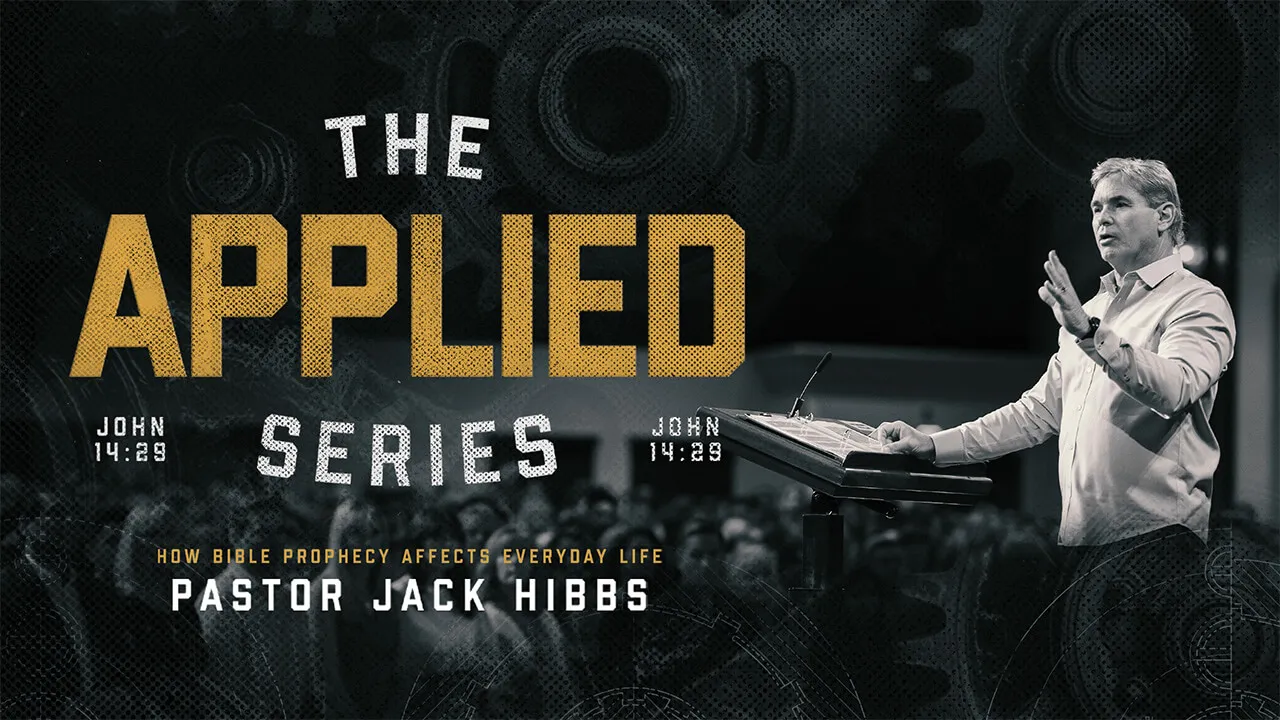
.webp)

%20(1).jpeg)


.webp)
.webp)