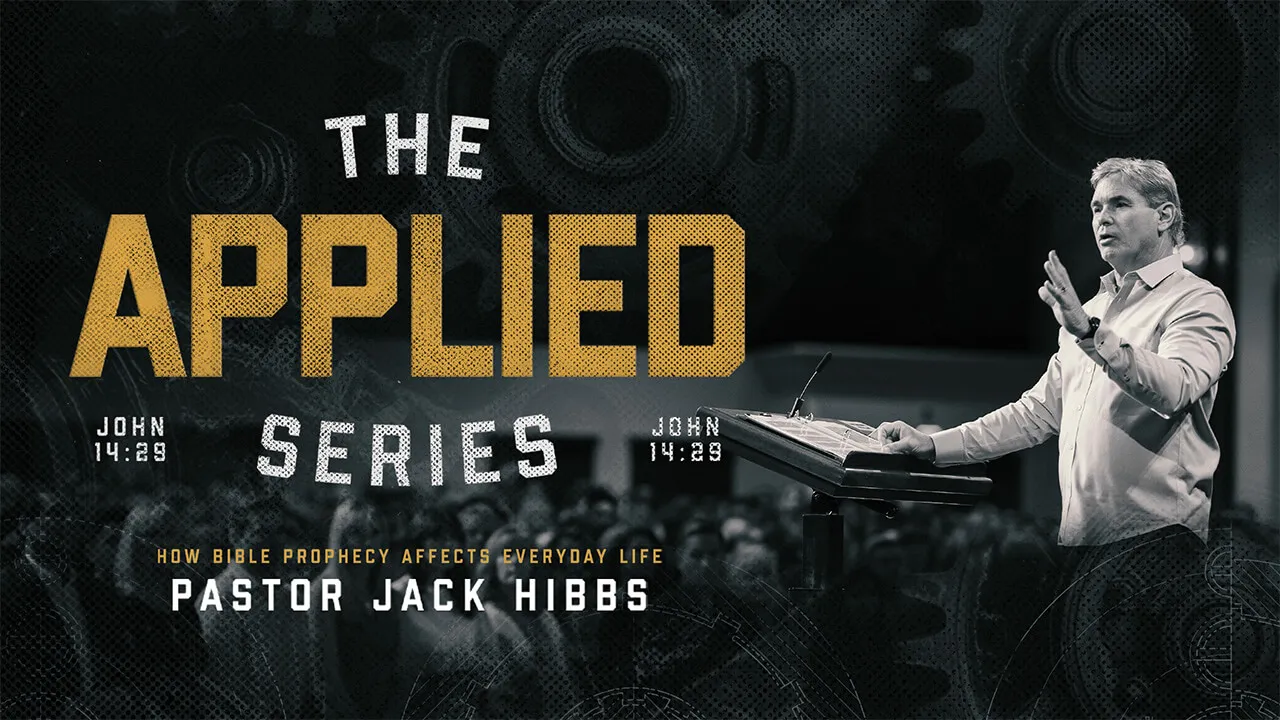
The Christmas season is here, and Real Life Network is inviting believers everywhere to slow down, refocus, and return their attention to the miracle of Jesus. As the world grows louder with online news, politics, and endless cultural noise, RLN offers something different. Through our Christian streaming service, we are releasing 25 Days of Christmas, a daily journey filled with Scripture based encouragement, Christ centered reflections, and uplifting content for the whole family. If you are looking for conservative news, biblical worldview teaching, and clean, faith filled programming during the holidays, RLN is the place to be.
Each day leading up to Christmas, viewers can experience a new message designed to prepare the heart, strengthen the mind, and stir worship. Pastor Jack Hibbs opens the series with a timely reminder that Christmas is more than tradition. It is the celebration of God stepping into human history. In a culture that often replaces truth with distraction, this season calls us back to the foundation of our faith, the birth of Jesus Christ.
A special highlight of the series comes from Daniel and Paige Cohen, reporting from Israel. Their Christmas reflections offer a meaningful perspective on the land where the story of redemption began. As global tension and uncertainty continue to shape the headlines, their messages are a reminder that the hope of the Gospel remains unshaken. The places we read about in Scripture are real, the promises of God are real, and the Messiah who came is still the Savior who reigns.
Every day through Christmas, RLN will release fresh content that helps families stay grounded in biblical truth. Whether you are looking for devotionals, heartfelt conversations, holiday teachings, or encouraging perspectives on faith and culture, there is something here to build your spirit. Christmas is not only a day on the calendar. It is a season worth celebrating with intention.
Families can also explore RLN’s Christmas Channel, featuring programs such as Hope for the Holidays, 25 Days of Christmas, and The Christ of Christmas. These series point viewers away from the pressure and commercialism of the world and toward the peace that comes from Christ alone.
One of the greatest joys of Real Life Network is offering content that is truly safe for the whole family. Parents no longer need to filter through questionable shows or wonder what messages their children are being taught. RLN provides clean, uplifting, biblically faithful programs that help strengthen homes and cultivate a Christian worldview.
This Christmas, we invite you to return your focus to the Savior, to rediscover the miracle of His birth, and to celebrate His unchanging love. Whether you watch Pastor Jack Hibbs, join Daniel and Paige Cohen in Israel, or enjoy the many holiday programs available, RLN is here to walk with you through this season of hope.
Start watching 25 Days of Christmas today at RealLifeNetwork.com and experience a Christmas focused on the One who came to save.

Anger is one of the most common human emotions, and one of the most dangerous when left unchecked. It can erupt quickly, grow silently, or simmer beneath the surface for years. Scripture teaches that anger is not simply a reaction; it is a revelation of what is happening in your heart. And while there is such a thing as righteous anger, most of the anger that affects our lives is not righteous at all. It is fleshly, personal, reactive, and destructive.
Pastor Jack Hibbs often says that the Christian life must be lived from the inside out. Anger proves that. What grows inside eventually shows up outside. Jesus did not lower the standard on anger; He raised it. He showed us that anger left unresolved is a spiritual danger, a seed that can grow into something far worse.
In this devotional message adapted into a long-form teaching, we explore what God says about anger, how it affects the believer, and how to defeat it through the power of the Holy Spirit. Below are five essential truths that every follower of Jesus must understand if they want to overcome anger and walk in peace.
Anger Reveals the Condition of the Heart
Anger never appears without a cause. It is always pointing to something deeper. Jesus taught in Matthew 5 that anger itself places a person in spiritual danger. You do not have to commit violence to be guilty before God. Anger hidden in the heart is visible to Him. Bitterness rehearsed in the mind is heard by Him. Resentment carried secretly is confronted by Him.
Many believers excuse anger because they do not act on it outwardly. They think that because they have not yelled or struck someone, they are fine. But Jesus says the real battlefield is inside. Anger shapes your thoughts, influences your conversations, and eventually molds your behavior. What begins as a quiet irritation can grow into a destructive pattern that harms your relationships and disrupts your fellowship with God.
It is possible to live your entire life without committing a violent act, yet still be shaped by an angry spirit. The truth is simple and convicting. What you harbor will eventually take root. What you rehearse will eventually show in your words. What you justify will eventually guide your decisions.
God does not expose anger to shame you. He exposes it so you can be healed. When anger rises, He is inviting you to look inside and ask, “Why is this happening in my heart?” That question is the beginning of transformation.
What Scripture Teaches About Anger and Its Consequences
Anger is not always sinful. There is a righteous anger that responds to what dishonors God. Jesus displayed this anger when He cleansed the temple. He was not defending Himself. He was defending the Father’s glory. But this type of anger is rare for most of us. More often, our anger is personal. It rises when our pride is bruised, when we feel disrespected, or when something does not go our way.
James 1:19–20 tells us to be slow to speak, slow to anger, and quick to listen because the anger of man does not produce the righteousness of God. Human anger never leads to holy results. You cannot yell someone into righteousness. You cannot intimidate someone into godliness. Emotional explosions do not build the kingdom of God. They tear it down.
Scripture also warns us about the danger of unresolved anger. Ephesians 4:26–27 says to not let the sun go down on your anger so that you do not give place to the devil. Anger that lingers becomes a foothold for spiritual attack. It becomes an opening for bitterness, resentment, and division.
Anger can also distort your perception. When you are angry, you stop listening. You misinterpret motives. You replay offenses. You build an entire narrative in your head that may have little connection to truth. Anger twists your view until you can no longer see clearly. That is why angry decisions often lead to regret.
Jesus takes anger seriously because He knows what it grows into. Anger is the seed of hatred. It is the seed of revenge. It is the seed of every relational fracture that divides families, friendships, and churches. If you want to defeat sin at the root, you must confront anger when it first appears.
The Spiritual Roots Behind Anger and the Battle for Your Mind
When God confronted Cain in Genesis 4, He asked a simple but profound question: “Why are you angry?” God was not asking for information. He was asking Cain to examine his heart. Underneath anger there is always something deeper. It may be pride, insecurity, jealousy, disappointment, fear, or a wound that has never healed.
Anger is often a mask. It hides weakness. It hides pain. It hides hurt. It hides the parts of us we do not want others to see. But God sees every hidden place. And He wants to heal what is broken. The enemy, however, wants to keep that wound open so he can manipulate it.
Your anger is not simply an emotional issue. It is a spiritual issue. It is not just about your reaction to a situation. It is about what has been left unaddressed in your heart. Anger grows strongest in those who refuse to examine themselves.
Another dangerous form of anger is the one disguised as strength. Some people use anger to control others. They raise their voice, intimidate, or dominate. They think the loudest person is the strongest person. Scripture says otherwise. Proverbs 16:32 declares that the one who rules his spirit is stronger than the one who takes a city. In God’s eyes, self-control is greater than force. Humility is greater than intimidation. Gentleness is greater than aggression.
Anger is also a fire. Proverbs 29:11 says that a fool vents all his feelings, but the wise hold them back. Wisdom pauses. Wisdom prays. Wisdom refuses to let emotions dictate direction. If you follow anger, you will walk into destruction. If you follow the Holy Spirit, you will walk into peace.
Anger left unattended is like an ember that waits for oxygen. Any small offense can ignite it into flames. The longer anger stays in your heart, the easier it is for the enemy to pour fuel on it. God calls you to deal with it quickly, because the longer it remains the deeper its roots grow.
How to Break Free from Anger Through the Power of the Holy Spirit
You cannot defeat anger through willpower. You cannot conquer anger by telling yourself to calm down. Anger must be surrendered. It must be brought into the light. It must be laid at the feet of Jesus. Only the Holy Spirit can change the heart behind the anger.
The first step is confession. Admit when anger has taken hold. Admit when it has shaped your reactions. Admit when it has hurt others. God already knows. Confession is for your freedom.
The second step is examination. Ask the Lord to show you the root. Is it pride? Is it jealousy? Is it insecurity? Is it fear? Is it an old wound? God asks honest questions because He desires honest answers. The Holy Spirit reveals truth so that healing can begin.
The third step is reconciliation. Jesus instructs us to make things right quickly. If you have spoken harshly, apologize. If you have held onto bitterness, forgive. If you have avoided someone because of anger, humble yourself and restore the relationship. You cannot walk in peace with God while refusing peace with others.
The fourth step is surrender. You must surrender your right to be angry. You must surrender your desire for revenge. You must surrender the internal script that keeps replaying what happened. Anger thrives in those who refuse surrender. Peace thrives in those who yield to the Spirit.
The final step is discipline. Learn to pause before you speak. Learn to pray before you react. Learn to listen before you assume. The more you walk in the Spirit, the less control anger has over you.
Walking in the Peace of Christ Instead of the Pattern of Anger
God calls His people to peace. Jesus said, “Blessed are the peacemakers.” Peacemakers are not passive. They are powerful. They confront situations with truth and grace. They refuse to respond in the flesh. They refuse to let anger dictate their steps.
When you walk in the peace of Christ, you stop reacting and start responding. You stop rehearsing offenses and start releasing them. You stop defending your pride and start displaying humility. Anger loses its grip on a heart that is surrendered to the Holy Spirit.
Your witness is strengthened when your anger is weakened. People notice when a Christian responds differently. When you choose peace instead of rage, humility instead of pride, forgiveness instead of bitterness, the world sees Jesus in you.
God has called you to walk in strength, and strength is not loud. Strength is obedient. Strength is self-controlled. Strength is surrendered. Strength is peaceful. The supernatural strength of the Spirit is far greater than the natural strength of anger.
Do not let anger win. Lay it down. Give it to God. Let Him heal the places where pain has lived for too long. Let Him guard your heart. Let Him renew your mind. Let Him shape your responses. Peace is possible because His Spirit lives within you.
Let’s Pray
Father, help me to be slow to anger and quick to listen. I do not want my emotions to lead me. I want to be led by Your Spirit. Forgive me for the times I have spoken harshly, acted impulsively, or let bitterness take root in my heart. Teach me to respond with grace, to pause before reacting, and to walk in humility. Fill me with Your peace so that even when I am provoked, I choose patience over pride. In Jesus’ name I pray. Amen.
Anger is one of the most common human emotions, and one of the most dangerous when left unchecked. It can erupt quickly, grow silently, or simmer beneath the surface for years. Scripture teaches that anger is not simply a reaction; it is a revelation of what is happening in your heart. And while there is such a thing as righteous anger, most of the anger that affects our lives is not righteous at all. It is fleshly, personal, reactive, and destructive.
Pastor Jack Hibbs often says that the Christian life must be lived from the inside out. Anger proves that. What grows inside eventually shows up outside. Jesus did not lower the standard on anger; He raised it. He showed us that anger left unresolved is a spiritual danger, a seed that can grow into something far worse.
In this devotional message adapted into a long-form teaching, we explore what God says about anger, how it affects the believer, and how to defeat it through the power of the Holy Spirit. Below are five essential truths that every follower of Jesus must understand if they want to overcome anger and walk in peace.
Anger Reveals the Condition of the Heart
Anger never appears without a cause. It is always pointing to something deeper. Jesus taught in Matthew 5 that anger itself places a person in spiritual danger. You do not have to commit violence to be guilty before God. Anger hidden in the heart is visible to Him. Bitterness rehearsed in the mind is heard by Him. Resentment carried secretly is confronted by Him.
Many believers excuse anger because they do not act on it outwardly. They think that because they have not yelled or struck someone, they are fine. But Jesus says the real battlefield is inside. Anger shapes your thoughts, influences your conversations, and eventually molds your behavior. What begins as a quiet irritation can grow into a destructive pattern that harms your relationships and disrupts your fellowship with God.
It is possible to live your entire life without committing a violent act, yet still be shaped by an angry spirit. The truth is simple and convicting. What you harbor will eventually take root. What you rehearse will eventually show in your words. What you justify will eventually guide your decisions.
God does not expose anger to shame you. He exposes it so you can be healed. When anger rises, He is inviting you to look inside and ask, “Why is this happening in my heart?” That question is the beginning of transformation.
What Scripture Teaches About Anger and Its Consequences
Anger is not always sinful. There is a righteous anger that responds to what dishonors God. Jesus displayed this anger when He cleansed the temple. He was not defending Himself. He was defending the Father’s glory. But this type of anger is rare for most of us. More often, our anger is personal. It rises when our pride is bruised, when we feel disrespected, or when something does not go our way.
James 1:19–20 tells us to be slow to speak, slow to anger, and quick to listen because the anger of man does not produce the righteousness of God. Human anger never leads to holy results. You cannot yell someone into righteousness. You cannot intimidate someone into godliness. Emotional explosions do not build the kingdom of God. They tear it down.
Scripture also warns us about the danger of unresolved anger. Ephesians 4:26–27 says to not let the sun go down on your anger so that you do not give place to the devil. Anger that lingers becomes a foothold for spiritual attack. It becomes an opening for bitterness, resentment, and division.
Anger can also distort your perception. When you are angry, you stop listening. You misinterpret motives. You replay offenses. You build an entire narrative in your head that may have little connection to truth. Anger twists your view until you can no longer see clearly. That is why angry decisions often lead to regret.
Jesus takes anger seriously because He knows what it grows into. Anger is the seed of hatred. It is the seed of revenge. It is the seed of every relational fracture that divides families, friendships, and churches. If you want to defeat sin at the root, you must confront anger when it first appears.
The Spiritual Roots Behind Anger and the Battle for Your Mind
When God confronted Cain in Genesis 4, He asked a simple but profound question: “Why are you angry?” God was not asking for information. He was asking Cain to examine his heart. Underneath anger there is always something deeper. It may be pride, insecurity, jealousy, disappointment, fear, or a wound that has never healed.
Anger is often a mask. It hides weakness. It hides pain. It hides hurt. It hides the parts of us we do not want others to see. But God sees every hidden place. And He wants to heal what is broken. The enemy, however, wants to keep that wound open so he can manipulate it.
Your anger is not simply an emotional issue. It is a spiritual issue. It is not just about your reaction to a situation. It is about what has been left unaddressed in your heart. Anger grows strongest in those who refuse to examine themselves.
Another dangerous form of anger is the one disguised as strength. Some people use anger to control others. They raise their voice, intimidate, or dominate. They think the loudest person is the strongest person. Scripture says otherwise. Proverbs 16:32 declares that the one who rules his spirit is stronger than the one who takes a city. In God’s eyes, self-control is greater than force. Humility is greater than intimidation. Gentleness is greater than aggression.
Anger is also a fire. Proverbs 29:11 says that a fool vents all his feelings, but the wise hold them back. Wisdom pauses. Wisdom prays. Wisdom refuses to let emotions dictate direction. If you follow anger, you will walk into destruction. If you follow the Holy Spirit, you will walk into peace.
Anger left unattended is like an ember that waits for oxygen. Any small offense can ignite it into flames. The longer anger stays in your heart, the easier it is for the enemy to pour fuel on it. God calls you to deal with it quickly, because the longer it remains the deeper its roots grow.
How to Break Free from Anger Through the Power of the Holy Spirit
You cannot defeat anger through willpower. You cannot conquer anger by telling yourself to calm down. Anger must be surrendered. It must be brought into the light. It must be laid at the feet of Jesus. Only the Holy Spirit can change the heart behind the anger.
The first step is confession. Admit when anger has taken hold. Admit when it has shaped your reactions. Admit when it has hurt others. God already knows. Confession is for your freedom.
The second step is examination. Ask the Lord to show you the root. Is it pride? Is it jealousy? Is it insecurity? Is it fear? Is it an old wound? God asks honest questions because He desires honest answers. The Holy Spirit reveals truth so that healing can begin.
The third step is reconciliation. Jesus instructs us to make things right quickly. If you have spoken harshly, apologize. If you have held onto bitterness, forgive. If you have avoided someone because of anger, humble yourself and restore the relationship. You cannot walk in peace with God while refusing peace with others.
The fourth step is surrender. You must surrender your right to be angry. You must surrender your desire for revenge. You must surrender the internal script that keeps replaying what happened. Anger thrives in those who refuse surrender. Peace thrives in those who yield to the Spirit.
The final step is discipline. Learn to pause before you speak. Learn to pray before you react. Learn to listen before you assume. The more you walk in the Spirit, the less control anger has over you.
Walking in the Peace of Christ Instead of the Pattern of Anger
God calls His people to peace. Jesus said, “Blessed are the peacemakers.” Peacemakers are not passive. They are powerful. They confront situations with truth and grace. They refuse to respond in the flesh. They refuse to let anger dictate their steps.
When you walk in the peace of Christ, you stop reacting and start responding. You stop rehearsing offenses and start releasing them. You stop defending your pride and start displaying humility. Anger loses its grip on a heart that is surrendered to the Holy Spirit.
Your witness is strengthened when your anger is weakened. People notice when a Christian responds differently. When you choose peace instead of rage, humility instead of pride, forgiveness instead of bitterness, the world sees Jesus in you.
God has called you to walk in strength, and strength is not loud. Strength is obedient. Strength is self-controlled. Strength is surrendered. Strength is peaceful. The supernatural strength of the Spirit is far greater than the natural strength of anger.
Do not let anger win. Lay it down. Give it to God. Let Him heal the places where pain has lived for too long. Let Him guard your heart. Let Him renew your mind. Let Him shape your responses. Peace is possible because His Spirit lives within you.
Let’s Pray
Father, help me to be slow to anger and quick to listen. I do not want my emotions to lead me. I want to be led by Your Spirit. Forgive me for the times I have spoken harshly, acted impulsively, or let bitterness take root in my heart. Teach me to respond with grace, to pause before reacting, and to walk in humility. Fill me with Your peace so that even when I am provoked, I choose patience over pride. In Jesus’ name I pray. Amen.
Do Not Let Anger Win: Guard Your Heart and Walk in Peace
Discouragement shows up quietly, often unexpectedly. It arrives after exhausting seasons, spiritual battles, unanswered prayers, or setbacks we never saw coming. Scripture shows us that even the strongest men and women of God faced discouragement. Elijah reached a point so low he asked the Lord to take his life. Jeremiah wrestled with loneliness and rejection. Paul confessed that he despaired even of life. David poured out some of the rawest words ever recorded in Scripture as he cried, “Why are you cast down, O my soul?”
Discouragement does not mean you have failed God. It means you are human. The real danger is not feeling discouraged. The danger is letting discouragement have the final word. God never rebukes His children for feeling overwhelmed. Instead, He meets us right in the middle of it and restores our strength.
This long-form devotional, inspired by Pastor Jack Hibbs’ teaching, will help you understand discouragement not as a sign of spiritual defeat, but as an invitation to anchor your heart in the promises of God and walk forward in faith.
Discouragement Comes for Every Believer, but God Meets Us in It
Some believers feel ashamed when discouragement hits. They assume that if they were stronger, they would not feel this way. But Scripture tells a different story. Elijah had just witnessed one of the greatest miracles in Israel’s history when discouragement swept in like a storm. His boldness suddenly collapsed into exhaustion, and he fled to the wilderness.
Jeremiah experienced deep pain because he was ridiculed and rejected for speaking God’s truth. Paul endured spiritual battles so intense that he admitted he despaired even of life. David, a man after God’s own heart, confronted discouragement repeatedly and spoke to his own soul, urging it to hope in God.
These examples show us that discouragement is not a spiritual flaw. It is a human reality. Even the most faithful servants of God can become weary under pressure, confused about God’s timing, or drained from long seasons of spiritual warfare.
But here is the good news. God does not scold you for feeling discouraged. He does not tell you to hide it or pretend everything is fine. Instead, He invites you to bring it to Him. Discouragement becomes dangerous only when it drives you away from God instead of toward Him.
God meets you in your discouragement. He speaks in the quiet moments when your strength is gone. He restores you with truth. He reminds you that He has not changed, even when your emotions have.
When you feel discouraged, the most spiritual thing you can do is be honest with God. Lay your burdens at His feet. Let Him restore what weariness has taken. You do not overcome discouragement through denial. You overcome discouragement through surrender.
The Enemy Uses Discouragement to Distract, Divide, and Weaken Your Faith
Discouragement is not neutral. It is one of the enemy’s most reliable weapons because it attacks your clarity, confidence, and courage all at once. When discouragement settles in, you begin to doubt what you know is true. Your prayers lose their boldness. Your perspective narrows. Instead of standing firm, you begin to shrink back.
Satan loves discouragement because it makes strong believers feel defeated and confident believers feel uncertain. If the enemy can discourage you, he does not have to defeat you. Discouragement will drain you until you stop pursuing God’s calling.
Discouragement often whispers lies such as:
“You are alone.”
“God has forgotten you.”
“Your prayers are not working.”
“Your obedience does not matter.”
“Nothing is changing.”
“Your best days are behind you.”
None of these statements come from God. They come from a real enemy who wants to pull you out of the battle and into isolation.
Discouragement also erodes your spiritual defenses. It shifts your focus to your emotions rather than God’s truth. But discouragement is not a lack of faith. It is a lack of perspective. When you stop seeing God clearly, discouragement fills the emptiness.
This is why the enemy amplifies discouragement the moment you obey the Lord. Many believers assume that obedience should make life easier, but the reality is the opposite. Some of your deepest discouragements will come right after you take a step of faith. The enemy presses harder because you are moving in the right direction.
Do not let discouragement convince you that you are going the wrong way. It may be the strongest confirmation that you are exactly where God wants you.
God’s Truth Must Speak Louder Than Your Feelings and Your Fears
Discouragement is loud. It echoes in your mind. It exaggerates your failures. It highlights your fears. It predicts outcomes that have not happened. It overwhelms your thoughts until you begin believing things that are not true.
This is why you must allow God’s Word to speak louder than your emotions.
When David was discouraged, he did not wait for his emotions to change. He spoke to his own soul. He declared the truth of Scripture. He reminded himself that God was still on the throne, still faithful, still good.
Sometimes the truth you need most is not new. It is simply forgotten. Discouragement causes spiritual amnesia. You forget who God is, what He has done, and what He has promised. That is why the most powerful thing you can do in moments of discouragement is to open Scripture and speak the promises of God aloud.
Psalm 18:2 says, “The Lord is my rock and my fortress and my deliverer.”
Psalm 34:17 says, “The righteous cry out, and the Lord hears.”
Isaiah 40:29 says, “He gives power to the weak, and to those who have no might He increases strength.”
Philippians 1:6 declares that God finishes what He starts.
Your emotions may tell you that everything is collapsing. But God’s Word tells you that He holds everything together.
Faith does not come from positive thinking. Faith comes by hearing the Word of God. When discouragement rises, open your Bible. Read it out loud. Let the truth of Scripture correct the lies that discouragement whispers.
God Is Working Even When You Cannot Hear Him or See Anything Changing
One of the most difficult forms of discouragement comes when God feels silent. You pray but hear nothing. You obey but see no results. You wait but nothing seems to move. In those moments, discouragement grows quickly because silence feels like abandonment.
But silence is not absence. God often does His greatest work behind the scenes where you cannot see it yet.
Joseph spent years in prison, forgotten by people but never forgotten by God. Job sat in silence for long stretches while heaven battled on his behalf. Jesus intentionally waited four days before going to Lazarus’ tomb, not because He did not care, but because He had a greater plan unfolding.
When you cannot see what God is doing, you can trust that He is still doing something. Silence is not the end of your story. God is not finished writing His plans for you. Philippians 1:6 declares that the One who began a good work in you will complete it. Not might. Will.
Your discouragement may tell you that nothing is happening, but heaven is rarely as still as it seems. God moves quietly before He moves publicly. He prepares the breakthrough long before you see the outcome. Your job is not to understand the timing. Your job is to trust the One who holds every moment in His hands.
Discouragement grows when you measure God’s faithfulness by your timeline. But hope grows when you measure your timeline by God’s faithfulness.
You Can Rise Again Because Your Strength Comes From the Lord
Discouragement convinces you to stop, quit, or withdraw. It pushes you toward making decisions you will regret later. That is why Scripture consistently warns believers not to move or react when discouragement is speaking. Decisions made in discouragement are almost always the wrong decisions.
Elijah wanted to quit. Jonah wanted to run. Peter wanted to return to fishing. None of those decisions were Spirit led. They were emotional reactions to discouragement.
God does not ask you to understand everything. He simply asks you to stay close to Him. When you wait on the Lord, He renews your strength. When you lean into Him, He restores your confidence. When you surrender your discouragement, He lifts the burden that was never meant to be carried alone.
David found strength not in his circumstances, but in the Lord his God. Paul pressed on because the Spirit strengthened him. Joshua overcame fear because God promised to be with him. The same God who strengthened them strengthens you.
Discouragement cannot defeat a surrendered heart. You do not have to be strong enough on your own. You simply need to surrender to the strength of the Lord. When your heart is surrendered, discouragement loses its power. It may slow you, but it cannot stop you.
Keep your eyes on the finish line. God sees the entire race. He sees every valley and every mountain, every tear and every prayer. He promises that your labor is never wasted and your faithfulness is never forgotten. Discouragement wants you to stop, but God calls you to endure.
You were never meant to fight alone. God is near to the brokenhearted. He saves those who are crushed in spirit. He places you in a family of believers so you do not have to carry burdens by yourself. Discouragement isolates, but God unites. Reach out. Ask for prayer. Share your struggles. Let others remind you of truth when you cannot see it clearly.
God will bring you through this season. He will strengthen you again. He will restore your joy. And He will prove faithful in every detail of your life.
Let’s Pray
Father, You see the weight on my heart today. You know the fears, the frustrations, and the moments when I feel like giving up. Remind me that I am not alone. Teach me to trust Your timing and Your promises. Strengthen me where I am weak. Restore my hope. Help me keep my eyes on Jesus, the One who began this work in me and who will carry it to completion. In Jesus’ name I pray. Amen.
Discouragement shows up quietly, often unexpectedly. It arrives after exhausting seasons, spiritual battles, unanswered prayers, or setbacks we never saw coming. Scripture shows us that even the strongest men and women of God faced discouragement. Elijah reached a point so low he asked the Lord to take his life. Jeremiah wrestled with loneliness and rejection. Paul confessed that he despaired even of life. David poured out some of the rawest words ever recorded in Scripture as he cried, “Why are you cast down, O my soul?”
Discouragement does not mean you have failed God. It means you are human. The real danger is not feeling discouraged. The danger is letting discouragement have the final word. God never rebukes His children for feeling overwhelmed. Instead, He meets us right in the middle of it and restores our strength.
This long-form devotional, inspired by Pastor Jack Hibbs’ teaching, will help you understand discouragement not as a sign of spiritual defeat, but as an invitation to anchor your heart in the promises of God and walk forward in faith.
Discouragement Comes for Every Believer, but God Meets Us in It
Some believers feel ashamed when discouragement hits. They assume that if they were stronger, they would not feel this way. But Scripture tells a different story. Elijah had just witnessed one of the greatest miracles in Israel’s history when discouragement swept in like a storm. His boldness suddenly collapsed into exhaustion, and he fled to the wilderness.
Jeremiah experienced deep pain because he was ridiculed and rejected for speaking God’s truth. Paul endured spiritual battles so intense that he admitted he despaired even of life. David, a man after God’s own heart, confronted discouragement repeatedly and spoke to his own soul, urging it to hope in God.
These examples show us that discouragement is not a spiritual flaw. It is a human reality. Even the most faithful servants of God can become weary under pressure, confused about God’s timing, or drained from long seasons of spiritual warfare.
But here is the good news. God does not scold you for feeling discouraged. He does not tell you to hide it or pretend everything is fine. Instead, He invites you to bring it to Him. Discouragement becomes dangerous only when it drives you away from God instead of toward Him.
God meets you in your discouragement. He speaks in the quiet moments when your strength is gone. He restores you with truth. He reminds you that He has not changed, even when your emotions have.
When you feel discouraged, the most spiritual thing you can do is be honest with God. Lay your burdens at His feet. Let Him restore what weariness has taken. You do not overcome discouragement through denial. You overcome discouragement through surrender.
The Enemy Uses Discouragement to Distract, Divide, and Weaken Your Faith
Discouragement is not neutral. It is one of the enemy’s most reliable weapons because it attacks your clarity, confidence, and courage all at once. When discouragement settles in, you begin to doubt what you know is true. Your prayers lose their boldness. Your perspective narrows. Instead of standing firm, you begin to shrink back.
Satan loves discouragement because it makes strong believers feel defeated and confident believers feel uncertain. If the enemy can discourage you, he does not have to defeat you. Discouragement will drain you until you stop pursuing God’s calling.
Discouragement often whispers lies such as:
“You are alone.”
“God has forgotten you.”
“Your prayers are not working.”
“Your obedience does not matter.”
“Nothing is changing.”
“Your best days are behind you.”
None of these statements come from God. They come from a real enemy who wants to pull you out of the battle and into isolation.
Discouragement also erodes your spiritual defenses. It shifts your focus to your emotions rather than God’s truth. But discouragement is not a lack of faith. It is a lack of perspective. When you stop seeing God clearly, discouragement fills the emptiness.
This is why the enemy amplifies discouragement the moment you obey the Lord. Many believers assume that obedience should make life easier, but the reality is the opposite. Some of your deepest discouragements will come right after you take a step of faith. The enemy presses harder because you are moving in the right direction.
Do not let discouragement convince you that you are going the wrong way. It may be the strongest confirmation that you are exactly where God wants you.
God’s Truth Must Speak Louder Than Your Feelings and Your Fears
Discouragement is loud. It echoes in your mind. It exaggerates your failures. It highlights your fears. It predicts outcomes that have not happened. It overwhelms your thoughts until you begin believing things that are not true.
This is why you must allow God’s Word to speak louder than your emotions.
When David was discouraged, he did not wait for his emotions to change. He spoke to his own soul. He declared the truth of Scripture. He reminded himself that God was still on the throne, still faithful, still good.
Sometimes the truth you need most is not new. It is simply forgotten. Discouragement causes spiritual amnesia. You forget who God is, what He has done, and what He has promised. That is why the most powerful thing you can do in moments of discouragement is to open Scripture and speak the promises of God aloud.
Psalm 18:2 says, “The Lord is my rock and my fortress and my deliverer.”
Psalm 34:17 says, “The righteous cry out, and the Lord hears.”
Isaiah 40:29 says, “He gives power to the weak, and to those who have no might He increases strength.”
Philippians 1:6 declares that God finishes what He starts.
Your emotions may tell you that everything is collapsing. But God’s Word tells you that He holds everything together.
Faith does not come from positive thinking. Faith comes by hearing the Word of God. When discouragement rises, open your Bible. Read it out loud. Let the truth of Scripture correct the lies that discouragement whispers.
God Is Working Even When You Cannot Hear Him or See Anything Changing
One of the most difficult forms of discouragement comes when God feels silent. You pray but hear nothing. You obey but see no results. You wait but nothing seems to move. In those moments, discouragement grows quickly because silence feels like abandonment.
But silence is not absence. God often does His greatest work behind the scenes where you cannot see it yet.
Joseph spent years in prison, forgotten by people but never forgotten by God. Job sat in silence for long stretches while heaven battled on his behalf. Jesus intentionally waited four days before going to Lazarus’ tomb, not because He did not care, but because He had a greater plan unfolding.
When you cannot see what God is doing, you can trust that He is still doing something. Silence is not the end of your story. God is not finished writing His plans for you. Philippians 1:6 declares that the One who began a good work in you will complete it. Not might. Will.
Your discouragement may tell you that nothing is happening, but heaven is rarely as still as it seems. God moves quietly before He moves publicly. He prepares the breakthrough long before you see the outcome. Your job is not to understand the timing. Your job is to trust the One who holds every moment in His hands.
Discouragement grows when you measure God’s faithfulness by your timeline. But hope grows when you measure your timeline by God’s faithfulness.
You Can Rise Again Because Your Strength Comes From the Lord
Discouragement convinces you to stop, quit, or withdraw. It pushes you toward making decisions you will regret later. That is why Scripture consistently warns believers not to move or react when discouragement is speaking. Decisions made in discouragement are almost always the wrong decisions.
Elijah wanted to quit. Jonah wanted to run. Peter wanted to return to fishing. None of those decisions were Spirit led. They were emotional reactions to discouragement.
God does not ask you to understand everything. He simply asks you to stay close to Him. When you wait on the Lord, He renews your strength. When you lean into Him, He restores your confidence. When you surrender your discouragement, He lifts the burden that was never meant to be carried alone.
David found strength not in his circumstances, but in the Lord his God. Paul pressed on because the Spirit strengthened him. Joshua overcame fear because God promised to be with him. The same God who strengthened them strengthens you.
Discouragement cannot defeat a surrendered heart. You do not have to be strong enough on your own. You simply need to surrender to the strength of the Lord. When your heart is surrendered, discouragement loses its power. It may slow you, but it cannot stop you.
Keep your eyes on the finish line. God sees the entire race. He sees every valley and every mountain, every tear and every prayer. He promises that your labor is never wasted and your faithfulness is never forgotten. Discouragement wants you to stop, but God calls you to endure.
You were never meant to fight alone. God is near to the brokenhearted. He saves those who are crushed in spirit. He places you in a family of believers so you do not have to carry burdens by yourself. Discouragement isolates, but God unites. Reach out. Ask for prayer. Share your struggles. Let others remind you of truth when you cannot see it clearly.
God will bring you through this season. He will strengthen you again. He will restore your joy. And He will prove faithful in every detail of your life.
Let’s Pray
Father, You see the weight on my heart today. You know the fears, the frustrations, and the moments when I feel like giving up. Remind me that I am not alone. Teach me to trust Your timing and Your promises. Strengthen me where I am weak. Restore my hope. Help me keep my eyes on Jesus, the One who began this work in me and who will carry it to completion. In Jesus’ name I pray. Amen.
When Discouragement Hits: How to Anchor Your Heart in the Promises of God
Heaven’s influence on our lives is never greater than when our sights are fixed upon it. The man or woman whose eyes are turned upward will be marked by a life lived differently. We know this because of the accounts of those who determined to fix their gaze far above the earth. Moses is a perfect example.
In Pharaoh’s house, Moses had every benefit laid at his feet. Yet, he was not captivated by the security of the Egyptian court because “he was looking ahead to his reward” (Hebrews 11:26). For Moses, looking upward equated to living beyond the fleeting rewards of playing it safe, resulting in the deliverance of millions of his people from bondage.
Missionary to China, Hudson Taylor was another who lived with heaven in constant view. In writing about winning souls to Christ, Taylor said, “China is not to be won for Christ by quiet, ease-loving men and women.” Through his courageous, some might say outrageous, trust in God, he inspired thousands to forsake the comforts of the West to bring the gospel to China's vast, unknown interior.
The Magi of the Christmas account trained their eye on the heavenly star so they might find the Christ Child and worship Him. Christian, what are your sights set on? What is the driving force in your worship of your King? I pray that you turn your eyes upward to that which will one day be yours—heaven.
Heaven’s influence on our lives is never greater than when our sights are fixed upon it. The man or woman whose eyes are turned upward will be marked by a life lived differently. We know this because of the accounts of those who determined to fix their gaze far above the earth. Moses is a perfect example.
In Pharaoh’s house, Moses had every benefit laid at his feet. Yet, he was not captivated by the security of the Egyptian court because “he was looking ahead to his reward” (Hebrews 11:26). For Moses, looking upward equated to living beyond the fleeting rewards of playing it safe, resulting in the deliverance of millions of his people from bondage.
Missionary to China, Hudson Taylor was another who lived with heaven in constant view. In writing about winning souls to Christ, Taylor said, “China is not to be won for Christ by quiet, ease-loving men and women.” Through his courageous, some might say outrageous, trust in God, he inspired thousands to forsake the comforts of the West to bring the gospel to China's vast, unknown interior.
The Magi of the Christmas account trained their eye on the heavenly star so they might find the Christ Child and worship Him. Christian, what are your sights set on? What is the driving force in your worship of your King? I pray that you turn your eyes upward to that which will one day be yours—heaven.