What To Expect
- The Mayflower Compact established an early example of self-government, emphasizing cooperation, shared responsibility, and laws for the common good.
- America's founding principles of religious liberty and freedom of conscience helped shape the rights and freedoms citizens exercise today.
- George Washington emphasized that preserving liberty requires moral responsibility, civic participation, and an informed citizenry.
- The American Story, featuring Pastor Jack Hibbs and Tim Barton, explores America's history and encourages Christians to reflect on faith, freedom, and responsible citizenship.
Real Life Network is a free, faith-based streaming platform offering biblically grounded teaching, documentaries, news, movies, and original programming. Sign up today.
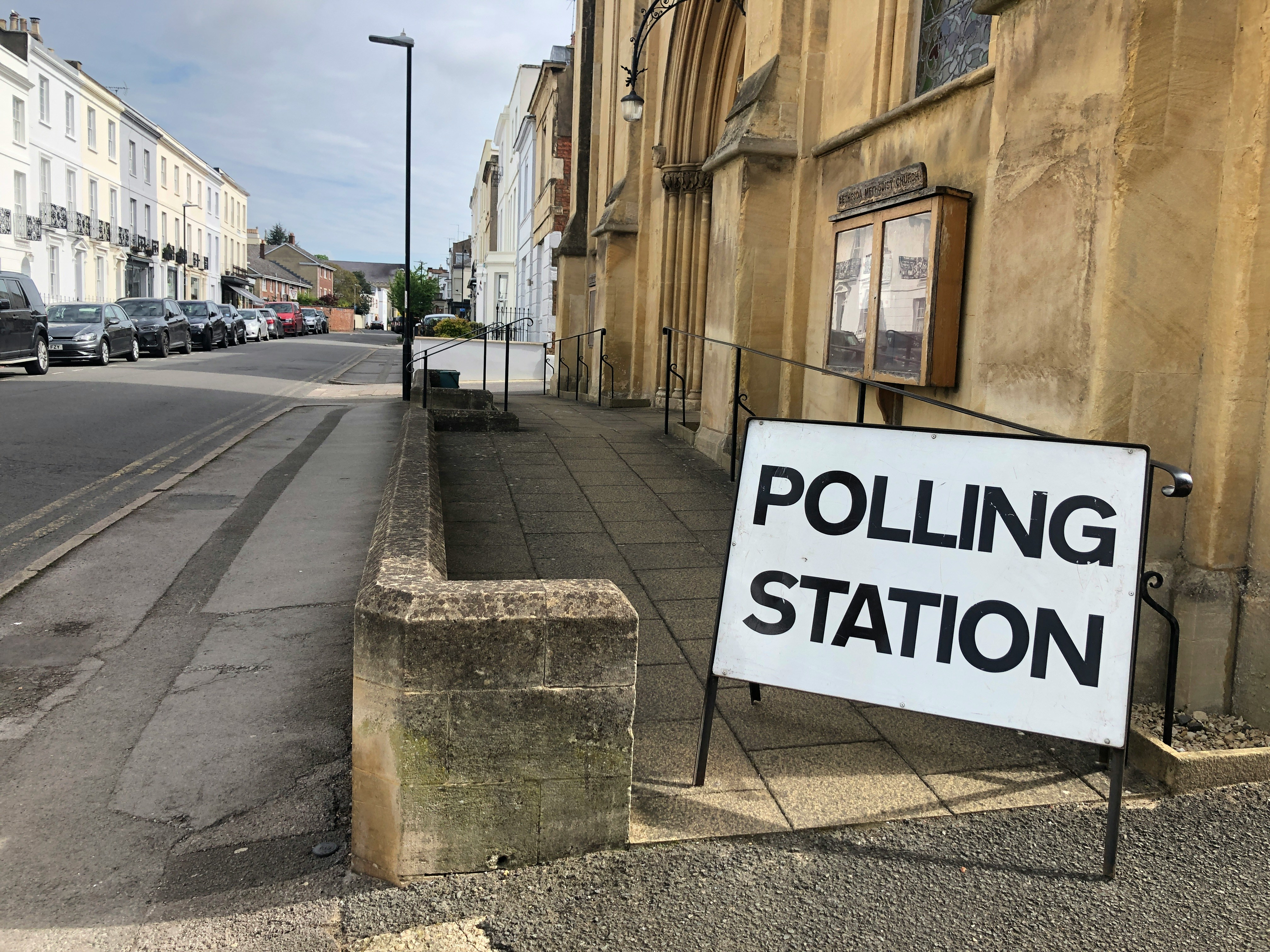
Tomorrow, Americans will once again go to the polls.
Campaigns will end. Ballots will be cast. Representatives will be chosen. And for all the attention elections receive, Election Day also offers an opportunity to remember something bigger than any one race or candidate: the extraordinary responsibility of self-government.
That idea didn’t suddenly appear in 1776. Long before there was a United States of America, people on these shores were wrestling with questions of government, liberty, faith, responsibility, and how a community could order itself for the common good.
Those questions are woven throughout The American Story, the first Real Life Network Original documentary featuring Pastor Jack Hibbs and historian Tim Barton.
A “Civil Body Politic”
In 1620, before the Pilgrims even stepped onto the shores of Plymouth, the men aboard the Mayflower entered into an agreement that became known as the Mayflower Compact. They covenanted together to form what they called a “civil Body Politick” and to establish “just and equal Laws” for the good of the colony.
It was a small beginning. This was not yet the United States, nor was the Compact a blueprint for the Constitution that would come more than a century and a half later. But it reflected an idea that would become deeply important in the American story: people joining together, accepting responsibilities as members of a community, and participating in their own government.
The American Story returns to Plymouth to explore the Pilgrims, their faith, the hardships they endured, and the principles they hoped to pass on to future generations.
Liberty of Conscience
As the colonies grew, so did the debate over another principle that would become central to the nation: religious liberty.
In Virginia’s 1776 Declaration of Rights, the section on religion declared that faith could be directed only by “reason and conviction, not by force or violence” and called for people to be free to exercise religion according to conscience.
A decade later, the Virginia Statute for Religious Freedom declared that no person should be compelled to support a particular religious ministry or suffer because of his religious beliefs.
These were significant ideas in an age when governments had often dictated religious practice.
Religious liberty was not conceived merely as permission to worship privately. The founding generation wrestled seriously with the relationship between faith, conscience, citizenship, and government. Those conversations helped shape the freedoms Americans continue to exercise today.
Liberty Requires Responsibility
America’s first president also understood that a free form of government placed responsibilities on the people entrusted with it. In his first inaugural address, George Washington spoke of the relationship between duty, morality, public prosperity, and the preservation of liberty. He described the future of republican government as an experiment entrusted to the American people.
That phrase is worth considering: entrusted to the American people.
Self-government assumes participation. It asks citizens to pay attention, seek wisdom, understand the issues before them, choose representatives, and accept responsibility for the direction of their communities and country.
Voting is one expression of that responsibility, but citizenship does not begin or end at the ballot box. It includes:
- Understanding our history
- Knowing the principles behind our institutions
- Exercising our freedoms responsibly
- Serving our neighbors
- Speaking truthfully
- Praying for those in authority
- And remaining engaged long after the election signs have disappeared.
Before Looking Ahead, Look Back
That is one reason The American Story arrives at such an interesting moment.
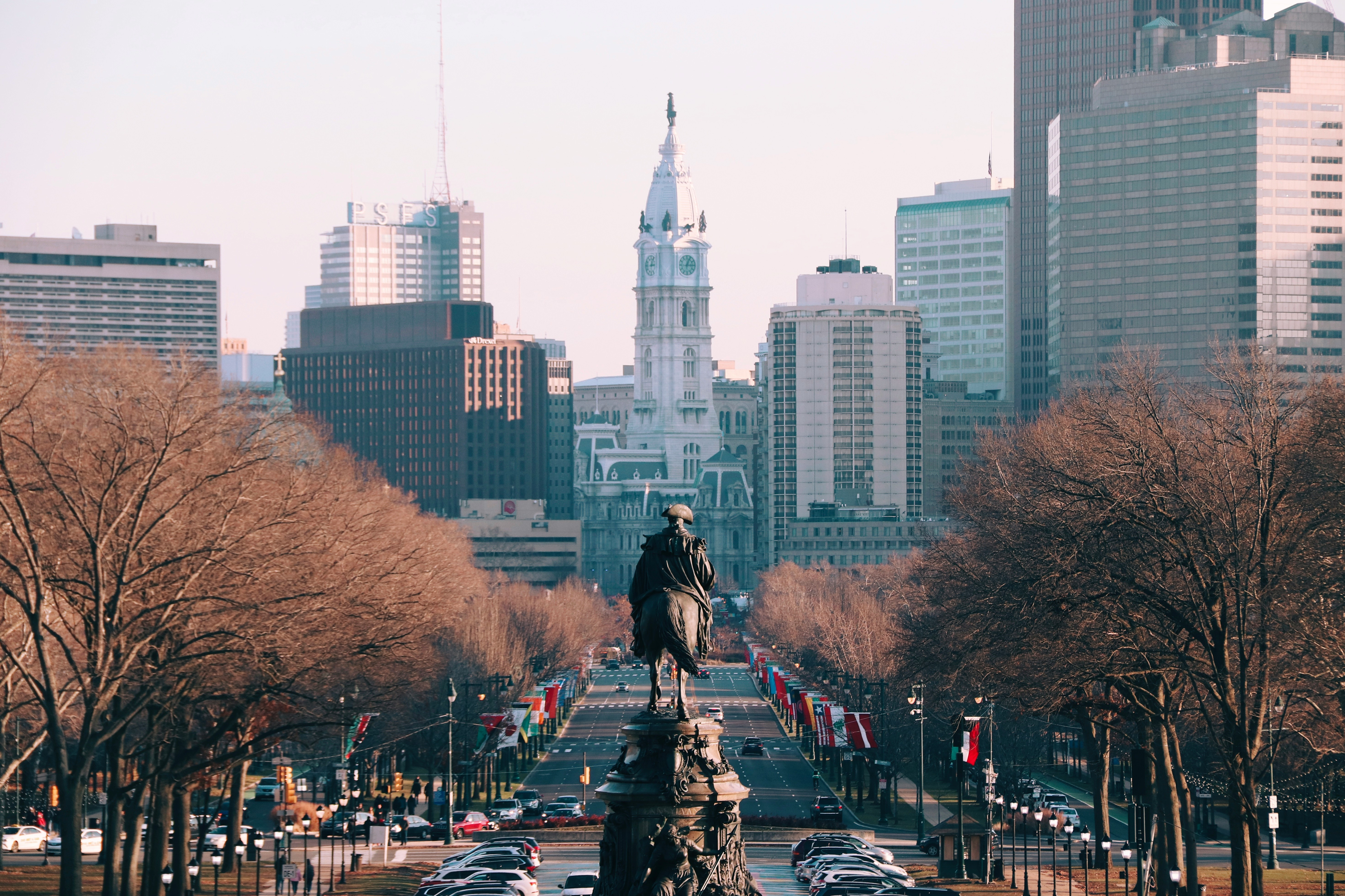
Tim Barton takes viewers to Plymouth, Boston, Lexington, Washington, D.C., Philadelphia, Valley Forge, and other historic locations to examine the people and convictions behind events many of us have known about since childhood.
Pastor Jack Hibbs then brings those stories into the present, challenging Christians to consider what faithfulness, courage, and responsible citizenship look like in our own generation.
The film doesn’t merely ask us to admire the past. It asks us to remember it. Because before America chooses its next representatives, there is value in remembering the principles, sacrifices, and responsibilities that made representative government possible in the first place.
On Election Day, Americans will make many different choices at the ballot box. But whatever those choices may be, we share an inheritance worth understanding and a responsibility to steward the freedoms we have received.
Before America votes, remember where we began.
Learn more about The American Story and pre-order your copy today.

At Real Life Network, we help viewers grow in faith and build a biblical worldview. Founded by Pastor Jack Hibbs, we are a free Christian streaming service featuring uncensored news, trusted biblical teaching, and family programming.