The Latest
- Violent unrest in France and past Islamist terrorist attacks highlight ongoing concerns about public safety, extremism, and religious freedom.
- Michigan's Senate race between Mike Rogers and Abdul El-Sayed underscores competing approaches to national security, healthcare, Israel, and political leadership.
- Deadly attacks against Christian communities in Nigeria reveal the continuing dangers of religious persecution and the need to protect vulnerable populations.
- Ezekiel 33's warning to remain watchful encourages Christians to recognize genuine threats, exercise biblical discernment, and participate responsibly in civic life.
Real Life Network is a free, faith-based streaming platform offering biblically grounded teaching, documentaries, news, movies, and original programming. Sign up today.
Violent unrest in France, political divisions in Michigan, and deadly attacks against Christians in Nigeria are raising urgent questions about religious freedom, national security, and the responsibility of government to protect its citizens. Although these developments are unfolding in different parts of the world, they share a common concern: what happens when violence, extremism, and political instability threaten the institutions people depend on?
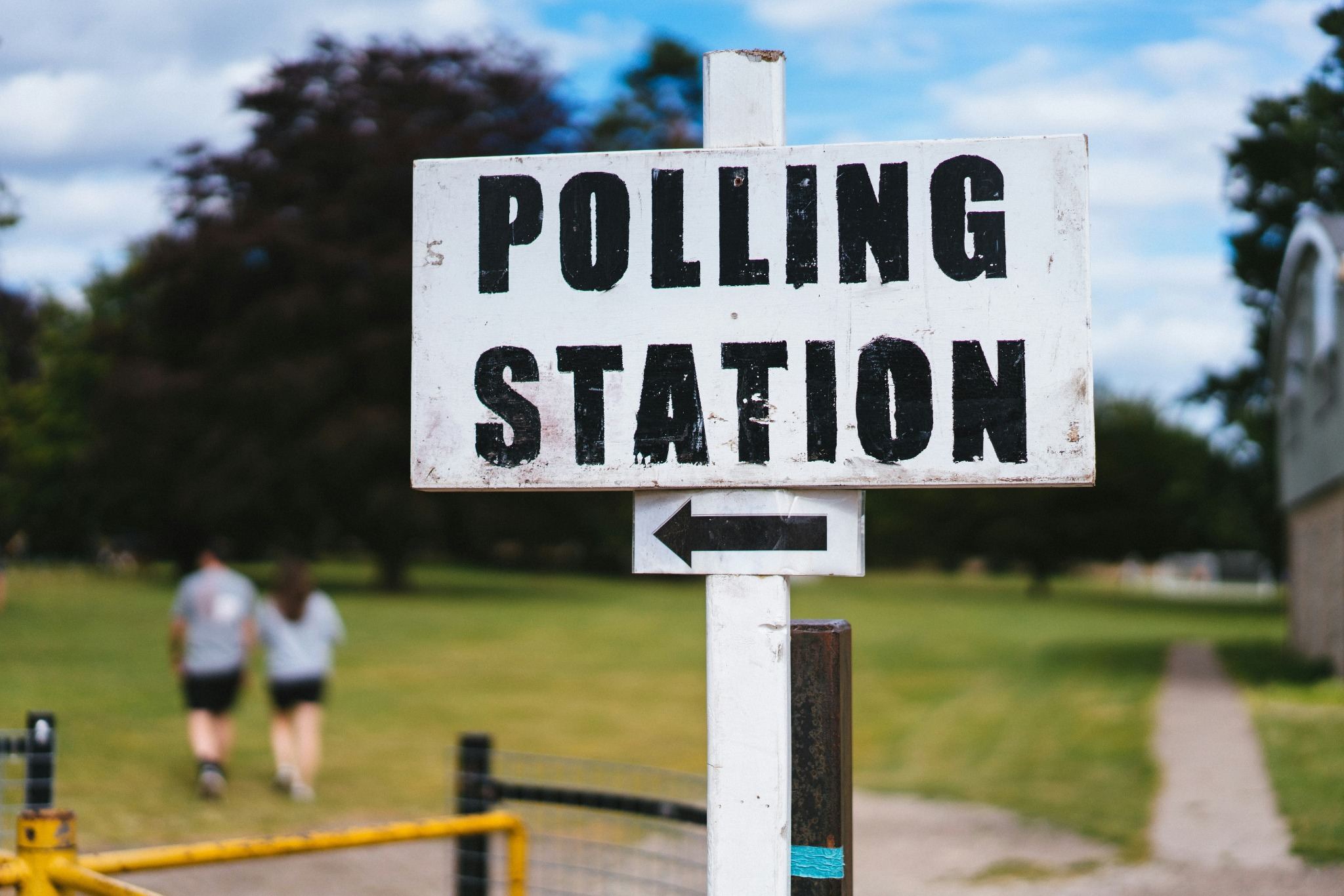
With the November 3 midterm elections approaching, Americans are also considering how immigration policy, public safety, religious liberty, and foreign affairs could shape the nation's future.
For Christians, these conversations involve more than political preferences. They raise questions about discernment, the protection of innocent life, and the responsibilities that accompany citizenship.
As these issues receive attention on The Daniel Cohen Show, available through Real Life Network, the biblical image of a watchman provides a framework for understanding the importance of recognizing danger and responding wisely.
France's Unrest and the Challenge of Protecting Religious Freedom
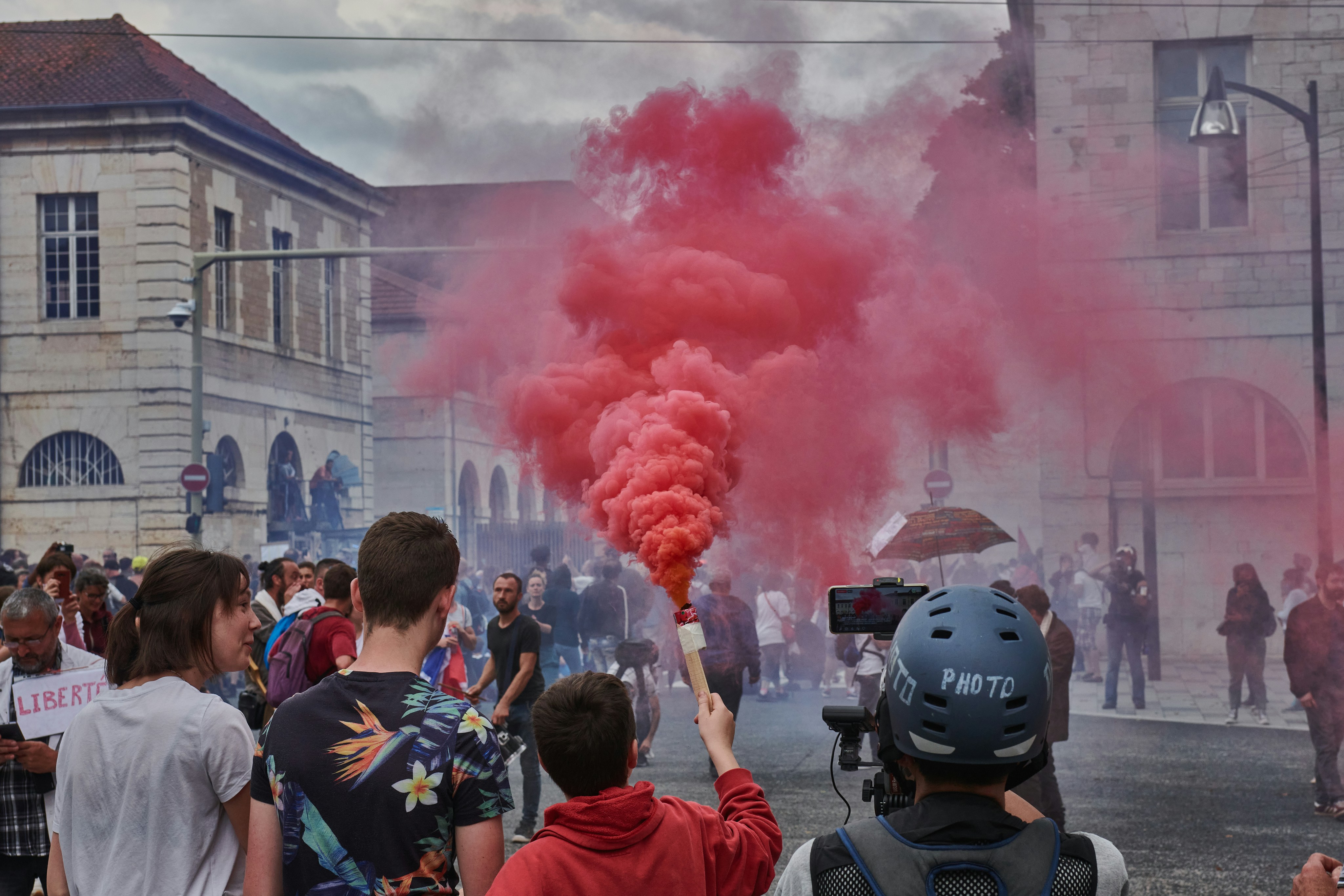
Recent reports and footage of unrest in France have brought renewed attention to the country's challenges involving public safety, immigration, social integration, and political extremism.
Images discussed during the unrest include damaged businesses, confrontations between demonstrators and police, and destruction of public property. Such scenes raise serious concerns about the government's ability to maintain order while protecting the rights of peaceful demonstrators and ordinary citizens.
France has experienced devastating Islamist terrorist attacks over the past decade.
In January 2015, gunmen attacked the offices of Charlie Hebdo, killing 12 people. Later that year, coordinated terrorist attacks in Paris, including the massacre at the Bataclan concert hall, killed 130 people.
In July 2016, a terrorist drove a truck into crowds celebrating Bastille Day in Nice, killing 86 people. That same month, two attackers murdered Catholic priest Jacques Hamel during a church service in Normandy.
The murder of schoolteacher Samuel Paty in 2020 further exposed the dangers posed by violent extremism and threats against freedom of expression.
These attacks remain significant reminders of the consequences of radicalization and failures to prevent terrorism.
However, understanding contemporary unrest requires distinguishing between peaceful political demonstrations, criminal violence, and ideologically motivated terrorism. The presence of religious or political symbols at a protest does not establish that every participant supports violence.
Protecting a nation's security requires confronting violent extremism without abandoning the religious freedoms and individual rights that make a free society worth defending.
For France, these questions are particularly important because its population includes people from many religious and cultural backgrounds. Government leaders face the difficult responsibility of maintaining public order while preserving freedom of conscience and equal protection under the law.
The biblical principle of responsible leadership offers an important perspective.
Romans 13 describes civil authority as bearing responsibility for restraining wrongdoing. Government is not simply an administrative institution. Its decisions have consequences for the safety and well-being of the people entrusted to its care.
The failures of political leaders deserve scrutiny, especially when innocent people suffer. Yet that scrutiny must remain grounded in truth rather than treating entire religious communities as responsible for the actions of extremists.
Michigan's Senate Race and the National Security Debate
Across the Atlantic, similar concerns about national security, political leadership, and public trust are influencing the 2026 midterm elections.
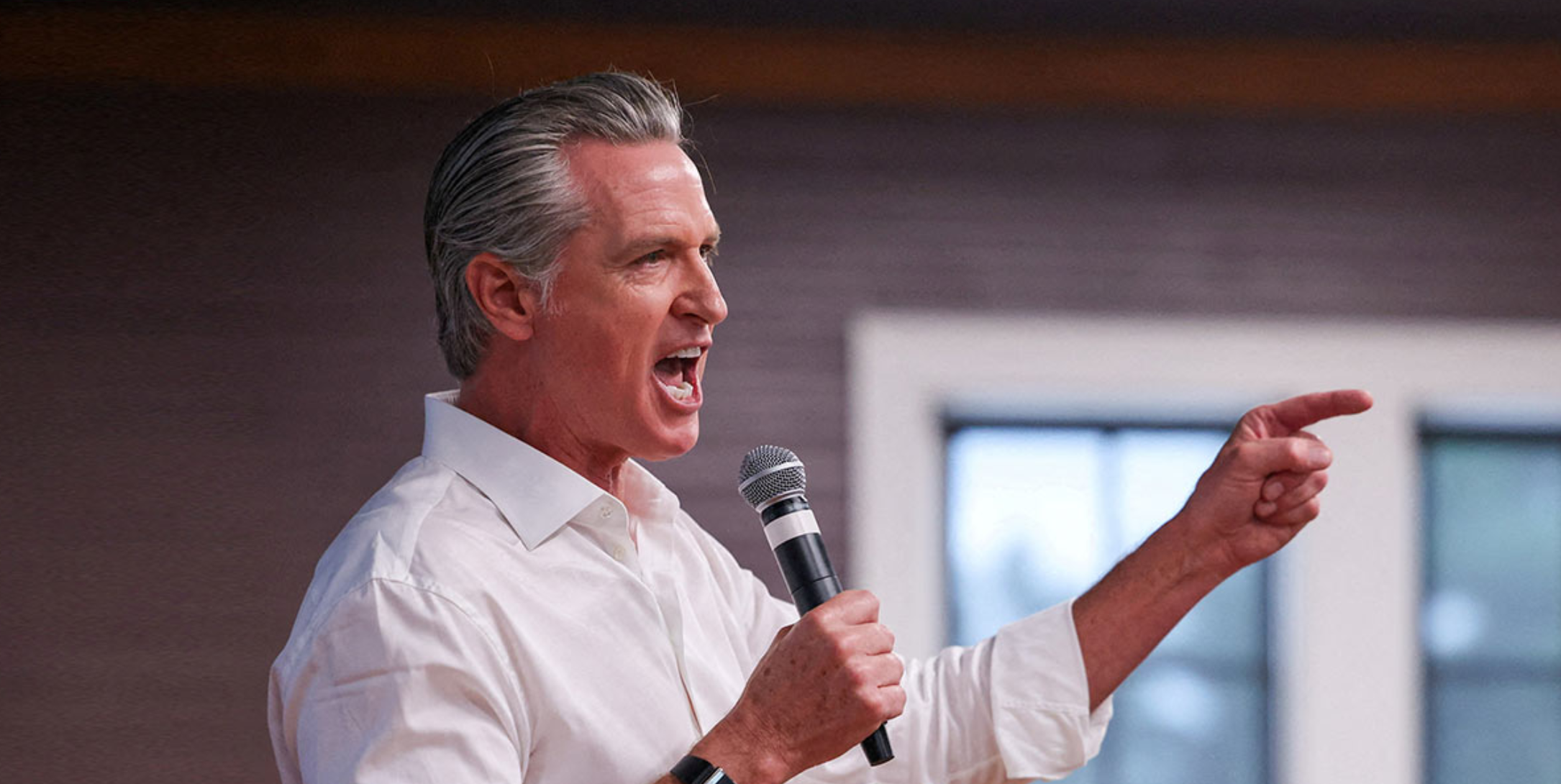
Michigan's Senate contest between Republican Mike Rogers and Democrat Abdul El-Sayed has become a focal point for debates involving foreign policy, Israel, healthcare, and the direction of the federal government.
Rogers, a former congressman and chairman of the House Intelligence Committee, has emphasized his national security experience. El-Sayed, a physician and former public health official, has focused heavily on affordability, healthcare, and economic concerns.
The candidates represent different approaches to the responsibilities of government.
Their disagreements have also prompted scrutiny of their political statements and positions concerning the Middle East.
Questions have been raised about past Muslim Brotherhood associations attributed to members of El-Sayed's family. Such claims warrant careful examination, but a relative's political history does not independently establish a candidate's personal beliefs, affiliations, or wrongdoing.
Voters should distinguish documented evidence from allegations and evaluate candidates according to their own records, statements, and proposed policies.
That standard applies equally to every candidate, regardless of political party or religious identity.
Meanwhile, some longtime Democratic voters have publicly expressed support for Rogers. Former Pontiac City Council member Melanie Rutherford has described reconsidering her traditional party allegiance after examining the candidates and their priorities.
Other Michigan Democrats have raised concerns about healthcare proposals, particularly the implications of a Medicare for All system for existing private insurance arrangements.
These disagreements illustrate how political coalitions can change when voters place greater emphasis on individual policies than longstanding party loyalties.
They also demonstrate why national security cannot be separated entirely from domestic policy. Senators influence defense spending, intelligence oversight, immigration legislation, and the nation's relationships with allies.
The debate over Israel remains especially consequential.
Former President Barack Obama's criticism of Israeli policy and Prime Minister Benjamin Netanyahu's defense of the Jewish people's historical connection to Israel reflect deeply contested questions about territory, national identity, security, and peace.
Jewish historical and religious ties to the land extend back thousands of years. At the same time, the Israeli-Palestinian conflict involves competing national claims and a history of displacement, warfare, and unsuccessful diplomatic efforts.
Responsible analysis should recognize that complexity while unequivocally condemning terrorism and attacks against civilians.
Voters should demand clarity from candidates on national security, religious freedom, and foreign policy while refusing to substitute accusations or political slogans for verifiable evidence.
Proverbs 18:17 reminds readers that the first account of a dispute may appear convincing until another examines it. That principle is particularly valuable during election season, when political advertisements and selective reporting can obscure important context.
Persecuted Christians and the Biblical Call to Remain Watchful
While Americans debate their political future, Christians in other parts of the world face threats far more immediate than an election result.
Nigeria continues to experience devastating violence involving armed militant groups, communal conflicts, and attacks against vulnerable villages.
Reports highlighted by International Christian Concern describe deadly attacks on Christian communities in Plateau State, including the killing of a pastor and numerous other residents.
The human cost extends beyond casualty figures.
Families lose loved ones, churches lose their leaders, and entire communities confront the possibility of further violence. Survivors may be forced to leave their homes, abandon farmland, or live with the uncertainty of future attacks.
Some attacks have been attributed to armed Fulani militants, while the wider violence in Nigeria involves overlapping religious, ethnic, criminal, and land-related tensions. Not all Fulani people are militants, and the circumstances of individual attacks require careful investigation.
Nevertheless, violence directed against Christians because of their faith demands international attention.
The suffering of these communities should challenge believers elsewhere to consider how they respond to persecution.
Ezekiel 33 describes the responsibility of a watchman who sees danger approaching and sounds a warning. The passage emphasizes the seriousness of recognizing a threat and responding before lives are lost.
That biblical image speaks to the importance of vigilance, but it also requires wisdom.
Christians must be careful not to confuse fear with discernment or assume that every political controversy represents the same kind of danger.
Scripture calls believers to exercise sound judgment, seek justice, defend the vulnerable, and speak truthfully.
The biblical command to love one's neighbor does not disappear when that neighbor belongs to a different religious or political community.
Nor does love require ignoring genuine threats.
Christian discernment means recognizing real danger, defending innocent people, and responding with courage rather than allowing fear or hostility to determine our actions.
For Americans, the approaching midterms provide an opportunity to consider these responsibilities within a constitutional system that allows citizens to participate in selecting their leaders.
Political engagement can be one expression of responsible citizenship, but it must never become the measure of someone's faithfulness to Christ.
No candidate or political party can provide ultimate security. Governments remain accountable for their actions, and Christians remain accountable to God for how they conduct themselves.
That responsibility includes prayer for persecuted believers, concern for victims of terrorism, thoughtful examination of political claims, and a commitment to religious liberty for all people.
France's struggles with public order, Michigan's debates over national security, and Nigeria's ongoing violence against Christian communities are different situations requiring different responses. Yet each illustrates why truth, responsible leadership, and the protection of human life matter.
The challenge is not merely to recognize warning signs. It is to respond with wisdom, justice, and faithfulness.
For more reporting and biblical perspectives on international developments, religious freedom, and the 2026 midterm elections, watch The Daniel Cohen Show on Real Life Network.

Daniel Cohen hosts the "Daniel Cohen Show" exclusively on the Real Life Network. A Jewish follower of Jesus and three-time Emmy award-winning journalist, Cohen delivers the news from Israel, reporting on today's top headlines with a biblical worldview.