News

World News
25 min

A Hungry Generation Is Looking for Something to Believe

A spiritually hungry generation is searching for something to believe. From religious liberty and cultural influence to Israel and politics, the question is not whether young people will be formed, but what will shape their understanding of truth.

Something is happening among younger Americans. Spiritual questions have not disappeared. If anything, a generation often described as secular appears increasingly interested in religion, spirituality, meaning, and transcendence. That hunger deserves attention because hunger alone does not determine what eventually satisfies it.

That is one reason conversations about faith, culture, religious liberty, Israel, and the institutions shaping the next generation matter. Real Life Network exists to bring a biblical perspective into precisely those conversations.

The central question is not whether young people will believe in something. Human beings inevitably build their lives around some understanding of truth, identity, morality, and purpose. The more important question is what will shape those beliefs.

Joshua put the choice plainly before Israel: “Choose for yourselves today whom you will serve.” There was no illusion of neutrality. Something would occupy the center.

A spiritually hungry generation will be formed by something. The question is what reaches it first.

Religious Freedom Has to Mean Religious Freedom

That question becomes especially important when families, schools, churches, and courts disagree about religious formation.

A recent Maine custody dispute illustrates how complicated those conflicts can become. The Maine Supreme Judicial Court upheld an order giving a father final decision-making authority concerning his daughter’s involvement with a particular Calvary Chapel congregation. The mother argued that the restriction violated her constitutional religious rights.

The details matter. The court rejected the characterization that it had determined Christianity itself was psychologically harmful. Instead, it said the lower court’s concerns involved messages the child received about her father and the effects of the parental conflict. That distinction deserves to be represented accurately even as the case raises significant questions about parental rights, religious upbringing, and how courts should navigate disputes involving faith.

Similar questions emerge in public schools.

Liberty High School in Frisco, Texas, recently faced scrutiny after a Muslim student organization reportedly described a school space as intended for Muslim prayer and said “only Muslims” would be allowed. Frisco ISD responded that the space is actually a “quiet room,” is not designated as belonging exclusively to one religion, and can be used for purposes other than prayer. District policy allows students of any faith to request reasonable opportunities for voluntary prayer.

That is the standard worth defending: equal religious liberty.

Christian students should be free to read Scripture, gather voluntarily, pray, and express their faith under the same rules that protect Muslim, Jewish, or other religious students. Religious liberty becomes unstable when society begins treating freedom of religion as something that must be protected for certain beliefs but restrained for others.

The answer to religious pluralism is not less religious freedom. It is the consistent application of religious freedom.

That principle matters because schools and courts do more than settle isolated disputes. They help establish the boundaries within which families and young people understand faith in public life.

Culture Is Competing for the Next Generation

The competition for belief extends well beyond churches and schools.

Entertainment, political movements, universities, influencers, social media personalities, and celebrities all participate in forming cultural assumptions. The influence can be especially powerful when it arrives as entertainment rather than instruction.

Consider the controversy surrounding actor Adam Brody. Brody, who stars as a rabbi in Nobody Wants This, recently told GQ that he considers Israel’s conduct in Gaza a “genocide” and expressed support for a free Palestine. GQ

That is Brody’s political position, and the characterization of Israel's conduct as genocide remains fiercely disputed. But the larger cultural question extends beyond one actor or one television program: what happens when entertainment, identity, politics, and moral formation become intertwined?

Audiences should be capable of encountering political opinions without automatically adopting them. The same standard applies across ideological lines. Celebrity does not establish truth. Popularity does not establish truth. A viral video does not establish truth.

Neither does political influence.

Rep. Ro Khanna recently called for Israel to release Marwan Barghouti, describing him as a potentially unifying Palestinian leader who could contribute to a peaceful Palestinian state. Barghouti, a prominent Fatah figure, is serving multiple life sentences after an Israeli court convicted him on five counts of murder connected to attacks during the Second Intifada. Barghouti rejected the court’s jurisdiction and denied the charges.

That creates a serious policy and moral debate. Supporters of Barghouti’s release view him as a potential political alternative in Palestinian leadership. Critics point to the murder convictions and argue that presenting his release as a path toward peace minimizes the victims and the violence for which he was convicted.

Those facts should not disappear behind political slogans.

The same principle applies to Israel and Gaza more broadly. October 7, Palestinian civilian suffering, Hamas’s actions, Israel’s military response, and the future of Palestinians and Israelis deserve serious examination rather than arguments inherited from celebrities, influencers, political parties, or social-media feeds.

Discernment begins when the source of an idea matters less than whether the idea is actually true.

Everyone Is Being Formed by Something

That brings the discussion back to spiritual hunger.

A generation searching for meaning is not necessarily a generation returning to biblical Christianity. Interest in spirituality can lead toward Christianity, but it can also lead toward astrology, manifestation, political ideology, personalized spirituality, or countless other belief systems. The transcript’s central argument is precisely that distinction: spiritual appetite and Christian revival are not automatically the same thing.    Pasted text

Christians should therefore resist two temptations.

The first is panic. Cultural change does not mean God has lost control.

The second is passivity. Confidence in God’s sovereignty has never meant indifference toward the formation of children, families, churches, or communities.

Parents are forming children. Teachers are forming students. Churches are forming congregations. Algorithms are forming users. Entertainment is forming audiences. Political movements are forming supporters. The question is not whether formation is happening. It is whether people recognize it.

Joshua’s challenge remains remarkably relevant: choose whom you will serve.

That choice reaches far beyond elections or partisan politics. It reaches into what is watched, what is believed, what is taught to children, what voices receive trust, what definitions of good and evil are accepted, and ultimately where authority is located.

A hungry generation is already at the table.

What matters now is what it is being fed.

‍

Find more biblical perspective on faith, culture, Israel, and the stories shaping the next generation on The Daniel Cohen Show, streaming free on Real Life Network.

World News
25 min

What Political Rhetoric Reveals About the People Who Use It

From political violence and media accountability to Iran, Israel, and disputes over Christian teaching, the stories dominating public life raise a common question: Can Americans disagree without abandoning truth, consistency, and human dignity?

Politics has always involved disagreement. A healthy country should be able to argue vigorously about taxes, foreign policy, abortion, immigration, health care, education, and the proper role of government without treating political opponents as enemies who deserve suffering or death.

That distinction matters because political rhetoric does not remain confined to television studios, campaign rallies, or social media.

A recent survey discussed on The Daniel Cohen Show asked Democratic respondents how they would react to a hypothetical headline announcing President Donald Trump had been assassinated at a rally. The transcript cites the results as evidence of a disturbing willingness among some Americans to respond positively to political violence.

A survey cannot establish that respondents would personally commit violence, and attitudes expressed in a poll should not be treated as evidence that an entire political party supports assassination. But even hypothetical approval of political murder should trouble Americans regardless of who the target is.

That principle has to work in every direction.

Political violence against Donald Trump is wrong. Violence against Democratic officials is wrong. Celebrating the murder of a conservative activist is wrong. Celebrating an attack on a progressive activist would be wrong.

A political culture becomes dangerous when disagreement is no longer enough and opponents have to be humiliated, harmed, or eliminated.

Political Violence Should Not Have a Party

The attempted assassination of Trump in Butler, Pennsylvania, demonstrated how quickly political hostility can become something much more serious. The transcript also points to the killing of Charlie Kirk and the continuing controversy surrounding responses to political violence.

The deeper question is what kind of culture develops when suffering itself becomes partisan.

The 2017 attack on Senator Rand Paul offers a smaller but revealing example. MSNBC anchor Kasie Hunt introduced coverage of Paul's injuries by calling the incident one of her “favorite stories,” before immediately clarifying her concern for the senator. Paul suffered six broken ribs in the attack. The comment generated criticism at the time, and Hunt apologized, saying she had chosen her words poorly.

That distinction matters. An irresponsible comment should not automatically be interpreted as proof that someone celebrates political violence. Corrections and apologies matter too.

But so does the underlying standard.

Nobody's broken ribs should become funny because of the letter beside his name. Nobody's assassination should become acceptable because of political hatred. And nobody's murder should become easier to dismiss because the victim belonged to the wrong ideological camp.

Christians should be particularly careful here. Human dignity does not disappear when someone votes differently.

The command to love one's enemies is most revealing when there actually are enemies to love.

Foreign Policy Exposes the Difference Between Slogans and Consequences

That same need for moral clarity appears in foreign policy.

At a University of Michigan event, Democratic Senate candidate Abdul El-Sayed was questioned by a student who described relatives suffering under Iran's government and asked about El-Sayed's previous comments concerning Iran and its leadership. El-Sayed responded that the United States should not pursue regime change and said he supports “freedom and democracy for the people of Iran,” while arguing that democratic change should come from Iranians themselves.

There is a legitimate policy debate underneath that exchange.

Opposing American-led regime change is not the same thing as supporting the Iranian government. American policymakers have debated intervention, sanctions, military force, diplomacy, and regime change for decades. But candidates asking voters for significant national authority should expect difficult questions about how their principles translate into policy when authoritarian governments repress their own citizens.

The same is true of Israel.

Missile defense can sound like an abstraction until a siren gives a family seconds to reach a shelter. Iron Dome is designed to intercept rockets and other airborne threats headed toward populated areas. Arguments over American support for the system therefore involve more than budget lines; they involve competing judgments about U.S. foreign policy, Israeli security, regional stability, and civilian protection.

Political language becomes much easier when the human consequences remain theoretical.

That reality became painfully tangible this week for Israeli Ambassador to the United States Yechiel Leiter. His son Neria, an IDF reservist, was seriously wounded in a car-ramming attack at a checkpoint in the West Bank. Another son, Moshe Yedidya Leiter, was killed in Gaza in November 2023.

Arguments over Israel, Iran, terrorism, and American foreign policy deserve serious debate. They also involve families for whom those debates are not academic.

Truth Still Matters When It Complicates the Argument

Political rhetoric becomes especially dangerous when facts are treated as raw material rather than constraints.

French President Emmanuel Macron provided a striking example at the United Nations this week when he said Hamas had “never operated” in the West Bank. A French official subsequently said Macron meant that Hamas had never governed the West Bank. Those are materially different claims. Hamas has operated in the West Bank even though it has not governed the territory.

Corrections matter because words matter, particularly when they come from heads of state discussing one of the world's most contentious conflicts.

The same principle applies closer to home.

CNN, MS NOW, and Politico recently sued the Trump administration after their reporters were barred from White House grounds. The administration defended the action by accusing the organizations of dishonest reporting; the outlets argued that exclusion based on their coverage violated constitutional protections. A federal judge has since temporarily ordered their access restored, finding that the outlets were likely to succeed on their claim that the credentials were revoked without constitutionally adequate due process.

That dispute raises legitimate questions about both government power and media responsibility. News organizations can and should be criticized when reporting is inaccurate. Government officials can and should face scrutiny when they use official authority against news organizations they dislike.

Neither principle requires abandoning the other.

Truth cannot become a partisan possession, defended when useful and discarded when inconvenient.

That standard also belongs inside the church.

The transcript raises theological questions about churches and political candidates who identify themselves as Christian while challenging historic Christian doctrines.  Those disagreements should ultimately be evaluated by Scripture rather than by whether a candidate has the preferred political affiliation.

Christianity is not infinitely adjustable. The virgin birth, bodily resurrection, identity of Christ, authority of Scripture, sin, repentance, and salvation are not campaign language to be reshaped around contemporary politics.

At the same time, theological disagreement should be represented accurately. Criticism is strongest when it addresses what someone actually teaches rather than exaggerating the position for political effect.

That principle connects every issue here.

Political violence. Media coverage. Iran. Israel. Churches. Presidential power. International diplomacy.

Different subjects, same responsibility.

Tell the truth about opponents. Refuse to celebrate their suffering. Examine claims before repeating them. Apply standards consistently. Remember the human beings living with the consequences of political decisions.

For Christians, political engagement should never require surrendering those obligations. Scripture does not permit hatred simply because the stakes feel high. It does not permit dishonesty because the other side is dishonest. And it does not allow political allegiance to determine who deserves dignity.

Politics reveals plenty about candidates and parties.

How people speak about their opponents can reveal even more.

‍

Real Life Network provides biblically grounded programming examining faith, culture, and current events. Watch The Daniel Cohen Show for more conversations about the stories shaping American and international life.

World News
25 min

Trump’s Greenland Deal, the White House Press Ban, and a Question of Accountability

Trump’s Greenland security agreement and the White House’s clash with major news outlets raise broader questions about national security, media credibility, accountability, and the responsibility to tell the full story.

A nation cannot function without trust.

Citizens have to trust that leaders are thinking beyond the next news cycle. Governments have to anticipate threats before those threats become emergencies. Journalists have to report facts accurately enough that the public can distinguish information from advocacy. And when institutions make mistakes, accountability matters.

That standard becomes especially important when the stakes involve national security.

The United States, Denmark, and Greenland have reached a new Arctic security agreement intended to strengthen Greenland's defenses and restrict adversarial powers from establishing military bases or making sensitive strategic investments on the island. President Donald Trump has described the arrangement as giving the United States permanent security rights there, although Denmark and Greenland have emphasized that Greenland remains under its existing sovereignty and the precise terms are still emerging.

Months ago, much of the public conversation surrounding Greenland sounded almost absurd. Late-night comedy made Trump's interest in the island a punchline, while critics questioned why the United States should care so much about a vast Arctic territory.

Now the strategic argument is much harder to dismiss.

Greenland sits in an increasingly important Arctic region where Russia and China have strategic interests. The new arrangement reportedly expands America's ability to operate militarily there while preventing non-NATO countries from establishing sensitive footholds.

The lesson is larger than Greenland.

Prudence sometimes means preparing for a danger before everyone else agrees that the danger is real.

Proverbs 22:3 says, “A prudent man foresees evil and hides himself, but the simple pass on and are punished.”

That principle does not require accepting every government claim or supporting every proposed national-security measure. It requires taking threats seriously enough to examine them before a crisis removes the luxury of preparation.

September 11 remains the clearest American example of what happens when seemingly distant threats become immediate realities. Nearly 3,000 people were killed that morning. The lesson should not be that every warning proves correct. It should be that responsible leadership has to consider possibilities the public would rather never imagine.

A Free Press Still Has to Be a Trustworthy Press

The question of institutional trust becomes more complicated when applied to the media.

The Trump administration recently barred CNN, MS NOW, and Politico journalists from White House grounds and confiscated their credentials. Trump accused the organizations of publishing “fake news.” The three outlets have now sued the administration, arguing that their exclusion violates the First Amendment and that access was revoked in retaliation for unfavorable coverage.

Those facts create two questions that should not be collapsed into one.

The first is whether news organizations deserve criticism when their reporting is inaccurate, incomplete, or driven by political assumptions. Of course they do. Journalism possesses enormous power to shape what millions of Americans believe happened. Errors should be corrected, important context should not be deliberately omitted, and political figures should face comparable scrutiny regardless of party.

The second question is whether a president can revoke journalists' White House access because the administration believes their reporting is dishonest or unfair. That is now a constitutional dispute before the courts. The affected organizations argue that government cannot condition press access on favorable coverage, while the administration defends its ability to determine who receives access to White House facilities.

Both questions matter.

Freedom of the press and accountability for the press are not competing principles. A free press should be vigorously protected precisely because its responsibility to tell the truth is so consequential.

That responsibility includes resisting selective standards.

Donald Trump's 2017 comments following the Charlottesville violence remain a useful example of how context can become part of a political dispute. Trump did say there were “very fine people on both sides” while discussing people involved in the controversy surrounding Confederate monuments. In the same remarks, he explicitly said he was not referring to neo-Nazis and white nationalists and said they should be “condemned totally.”

That fuller context does not resolve every legitimate criticism of Trump's response to Charlottesville. Critics have argued that his broader remarks still minimized the nature of the Unite the Right rally and created an inappropriate equivalence. But accurately evaluating the controversy requires presenting what was actually said rather than removing inconvenient portions of the statement.

The same standard should apply to every president.

Journalists should scrutinize Republican administrations. They should scrutinize Democratic administrations. They should investigate political claims rather than protect preferred narratives. And audiences should be willing to correct themselves when evidence contradicts what they wanted to believe.

Trust disappears when people conclude that facts are being filtered according to who benefits from them.

When the Victim Disappears From the Story

That problem extends beyond Washington.

Media framing determines more than how people understand politicians. It can determine whose suffering remains at the center of a tragedy.

The transcript points to the killing of 23-year-old Ukrainian refugee Iryna Zarutska on Charlotte's light rail and subsequent coverage involving the accused killer's family.  The broader concern is worth considering carefully: compassion for mental illness should never require forgetting the victim of a violent crime.

Mental illness is real. Families trying to help severely mentally ill relatives can endure extraordinary hardship. Criminal courts also have established procedures for determining whether mental illness affects legal responsibility.

But compassion and accountability are not mutually exclusive.

A victim has a name. A family has suffered a loss. A community has been wounded. Those facts should not disappear simply because another part of the story raises difficult questions about mental health, criminal justice, or failures in the systems surrounding an accused offender.

A compassionate society should be capable of caring about mental illness without allowing the person who suffered the violence to vanish from the story.

That principle reaches well beyond crime reporting.

Every institution tells stories. Governments tell citizens which dangers deserve attention. Political parties tell voters which problems matter. Media organizations decide which facts lead a broadcast and which appear near the bottom of an article.

Christians should therefore develop habits that go deeper than simply choosing which institution to trust.

Ask what happened. Examine the complete statement rather than the viral clip. Distinguish established facts from allegations. Look for missing context. Pay attention to the people most directly affected. Apply the same standard when the facts help a preferred political side and when they hurt it.

Most importantly, remember that truth does not become more or less true depending on who benefits from it.

National security requires foresight. Journalism requires accuracy. Justice requires accountability. Compassion requires remembering the human beings affected by our political and cultural arguments.

None of those responsibilities belongs exclusively to the left or the right.

A biblical worldview should make truth more important than either.

That is why Real Life Network and The Daniel Cohen Show continue examining the stories shaping American life through questions of truth, faith, culture, and responsibility.

World News
25 min

Hyde Amendment Approaches 50th Anniversary Having Saved almost 3 Million Babies

As the Hyde Amendment approaches its 50th anniversary, lawmakers and pro-life advocates are reflecting on its history, its impact on federal abortion funding, and the continuing debate over abortion policy in America.

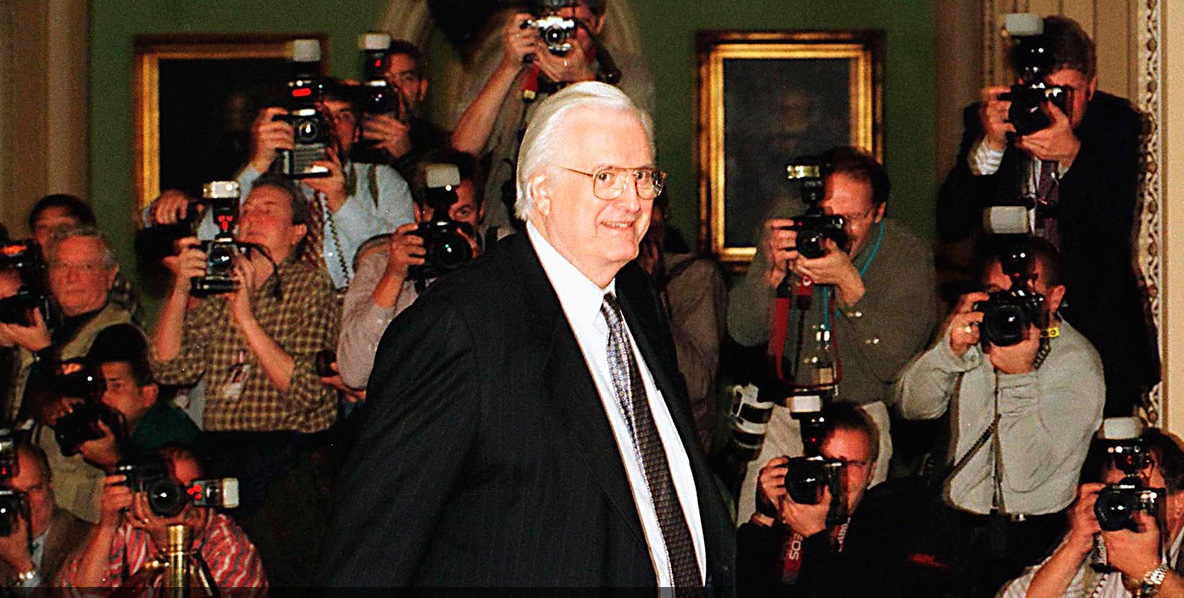
“An innocent, defenseless human life, in a caring and humane society, deserves better than to be flushed down a toilet or burned in an incinerator.” Such are the words of Henry Hyde, the former U.S. congressman from Illinois who tirelessly championed life and introduced the Hyde Amendment in 1976. Almost 50 years later, the legislative rider faces the opportunity to be renewed again.

For a half-century, the Hyde Amendment has stopped taxpayer dollars from funding abortion.

On Wednesday evening, Rep. Chris Smith (R-N.J.), co-chair of the Congressional Pro-Life Caucus, hosted a Special Order on the House floor to acknowledge the upcoming 50th anniversary of the Hyde Amendment on September 30. “The promise of America is that life is not just for the privileged, the planned, or the perfect,” Smith said, quoting Hyde. “This may sound odd, even ironic; you are here in the flush of victory. And yet it is precisely now that I ask you to contemplate the possibility of defeat, perhaps even the necessity of defeat. If you don’t know the principle or the policy for which you are willing to lose your office, then you are going to do damage here.”

Quena González, senior director of Government Affairs at Family Research Council, explained to The Washington Stand that Smith and Hyde have a history. “Representative Chris Smith served with Representative Henry Hyde for 26 years; he’s been a tireless defender of the unborn in Congress for 45 years and comes as close as anyone to carrying Hyde’s inimitable mantle.”

After the Roe v. Wade decision in 1973, the U.S. government paid for an estimated 300,000 abortions each year via Medicaid. According to the Charlotte Lozier Institute, since the Hyde Amendment’s first enactment in 1976, approximately 2.7 million lives have been saved.

During Wednesday’s event, Rep. Chip Roy (R-Texas) asserted that society has a duty to protect the unborn. “Life matters. Who are we as a people if we cannot stand up in defense of the most innocent form of life there is — a child in the womb of its mother? That should be our calling. And we should be able to unite as human beings in defense of the defenseless.”

Legislative Assistant for FRC’s Government Affairs Chantel Hoyt praised what House members shared during the Special Order. “I appreciated seeing Representative Chip Roy connect this important anniversary to the toll that chemical abortion is taking,” she told TWS. “It’s encouraging to see members like Representative Chris Smith carrying on Henry Hyde’s legacy and seeking to not only retain but build on the protections of the Hyde Amendment.”

Rep. Tracey Mann (R-Kan.) observed during the House event that he believes that abortion is not consistent with the Constitution. “Hyde should not be viewed as the finish line for the pro-life movement. It’s the floor. It’s a bare minimum compromise,” he shared. “America is founded on the self-evident truth that every person is created equal and endowed with our creator with an inherent right to life. That right is the foundation of every other right that we enjoy. As a father, I believe that every child is fearfully and wonderfully made by God. Every life has value, every child has purpose, and no child is a mistake.”

The Special Order and Hyde Amendment anniversary come at a time when chemical abortion has become a hot button issue on Capitol Hill. Pro-life politicians, lobbyists, and organizations continue to work tirelessly to ban the abortion drug mifepristone. “It’s always great to see members of Congress speak on the floor in defense of life, but especially now as we are urging the Trump administration to take action on chemical abortion to protect mothers and their babies,” Hoyt concluded.

This article was originally written by Quinn Delamater and published on The Washington Stand. For more content like this, visit Real Life Network.

World News
25 min

Who Has the Authority? Government, Families, and the Institutions Americans Are Asked to Trust

Election security, immigration, parental rights, and political power raise a common question: Who has authority, and what happens when government institutions move beyond their proper boundaries?

A healthy society depends on institutions that understand both their responsibilities and their limits. Elections require rules voters can trust. Immigration requires laws that can be enforced while treating people with dignity. Schools and child-welfare agencies exercise enormous power, but parents retain profound responsibilities toward their children.

These debates may look unrelated. They are not.

Running through each is the same fundamental question: Who has authority, where does that authority come from, and what happens when institutions move beyond their proper boundaries?

For Christians, authority is neither meaningless nor absolute. Government has a legitimate role. Parents have a legitimate role. Laws matter. Compassion matters. And none of those principles should be rewritten simply because the political circumstances have changed.

That framework is increasingly important in an America where arguments over election administration, immigration, parental rights, and political power are testing public trust from several directions.

Trust Requires Rules That Apply Consistently

The Supreme Court recently blocked the Trump administration from implementing new Postal Service requirements for mail ballots before the 2026 midterms. The proposed system would have required states to provide lists of eligible voters and use USPS-approved, barcoded ballot envelopes. The Court divided 7-2, with Justices Clarence Thomas and Samuel Alito dissenting. Justice Brett Kavanaugh indicated there was a reasonable argument that the Postal Service possesses authority to impose some requirements, but concluded that changing procedures this close to voting risked significant disruption.

There are legitimate disagreements over the proposal. The administration presented additional verification as an election-integrity measure. Opponents argued that the Postal Service was assuming authority traditionally exercised by states and that last-minute changes could prevent legitimate ballots from being counted.

Those arguments deserve more than slogans.

Election integrity and voter access do not have to be enemies. Americans should be able to expect systems that verify lawful votes while also ensuring lawful voters can participate. Confidence deteriorates when either concern is dismissed simply because it is associated with the other political party.

Trust cannot survive indefinitely when rules are treated as essential under one set of political circumstances and disposable under another.

The same principle applies to immigration.

The Trump administration has expanded the federal government's consideration of public benefits when determining whether certain immigrants qualify for permanent residency. New York City Mayor Zohran Mamdani is leading a coalition of local governments challenging the new public-charge rule, while New York Attorney General Letitia James is leading a separate state lawsuit. The plaintiffs argue that the rule exceeds federal authority and could discourage immigrant families from using health care and nutrition programs for which they are legally eligible. The administration argues that the policy promotes self-sufficiency and reduces dependence on public assistance.

The legal dispute will work its way through the courts. The broader question is worth considering now: What obligations accompany legal immigration, and what obligations does a nation have toward those it admits?

Scripture commands God's people to treat the stranger with justice and compassion. It also recognizes governments, nations, boundaries, and civil authority. Biblical compassion cannot be reduced to a slogan for one immigration policy any more than biblical order can be used to excuse mistreatment of immigrants.

Hospitality and order are not inherently contradictory.

When Government Authority Enters the Home

Nowhere does the question of authority become more personal than when the government intervenes between parents and children.

Joseph and Arlene Kutzko, a Catholic couple in Massachusetts, are fighting a legal battle involving their teenage daughter, Sophie. The parents say Algonquin Regional High School supported their daughter's male gender identity without their knowledge and that their religious objections later became intertwined with a child-welfare dispute. Sophie was removed from their custody in 2024, and the parents say they have since been prevented from maintaining contact with her.

The case includes important details that should not be ignored. An allegation of physical abuse against the father was reportedly found unsupported, according to recent reporting and the family's legal advocates. The family is now seeking to prevent testosterone treatment while pursuing its custody claims; treatment has reportedly been paused while litigation continues.

The family's account has become part of a much larger national disagreement over parental rights, gender identity, medical treatment for minors, religious liberty, and the circumstances under which child-welfare authorities should intervene.

Those are serious questions precisely because the state sometimes must intervene. Children can genuinely suffer abuse and neglect, and government has a legitimate responsibility to protect them.

But that extraordinary power also requires extraordinary care.

Parents should not automatically lose their authority simply because their religious or moral convictions conflict with prevailing cultural beliefs. At the same time, disagreements over a child's care cannot by themselves establish every fact in a contested custody case.

The power to protect children must never quietly become the power to require ideological conformity from their parents.

For Christians, parenthood is not merely a legal status granted by government. Scripture repeatedly places responsibility for the instruction and formation of children upon families. Government can protect children from genuine harm, but it should approach replacing parental judgment as an exceptional intervention, not an ordinary solution to ideological disagreement.

That distinction matters far beyond Massachusetts.

Political Power Is Not the Highest Authority

The question of authority also appears inside political parties themselves.

The Democratic National Committee has officially changed its early presidential-primary calendar for 2028. South Carolina will vote first, followed by Nevada, New Hampshire, New Mexico, Michigan, and Virginia. The DNC says the calendar gives a more representative mix of voters an early role and better tests candidates across diverse constituencies and battleground states.

The change will inevitably affect campaign strategy. South Carolina's large Black Democratic electorate and Nevada and New Mexico's Latino populations will matter earlier than under the old Iowa-and-New Hampshire-centered system. But it is too early to know which prospective candidate, if any, will ultimately benefit most.

That uncertainty is important. Politics tempts people to treat every institutional decision as evidence of a predetermined outcome. Christians should resist that impulse just as strongly as they resist political naivete.

Political parties pursue power. Candidates pursue office. Governments exercise authority. Courts interpret law. None deserves the kind of unquestioning allegiance that belongs to God.

That should produce Christians who can think clearly rather than react predictably.

A Republican administration should not receive automatic approval merely because it invokes election integrity, immigration enforcement, or parental rights. A Democratic official should not receive automatic approval merely because a policy is presented in the language of compassion, democracy, or inclusion. Every claim still has to be examined.

Proverbs 14:34 provides a standard much older than any American political coalition: “Righteousness exalts a nation, but sin is a reproach to any people.”

That standard does not change with election results.

Christian political discernment begins when truth matters more than protecting a party, an institution, or a preferred political narrative.

Government matters. Elections matter. Borders matter. Parents matter. Protecting children matters. So do due process, compassion, religious liberty, and the rule of law.

The difficult work is refusing to sacrifice one principle whenever another becomes politically convenient.

That is why Christians need more than political instincts. They need a biblical framework capable of asking not merely, Which side is doing this? but Is this true? Is it just? Is authority being exercised within its proper limits? And does the standard remain the same when political power changes hands?

Those are the questions worth continuing to ask through Real Life Network and The Daniel Cohen Show, where the headlines are examined alongside the deeper questions of faith, culture, government, and truth.

World News
25 min

When Nothing Is Sacred, Everything Becomes Political

From the solemnity of September 11 to the use of Scripture in politics, America faces a deeper question about what it still considers sacred. Christians are called to respond with compassion, biblical discernment, and the courage to stand for truth.

There are moments that should transcend politics.

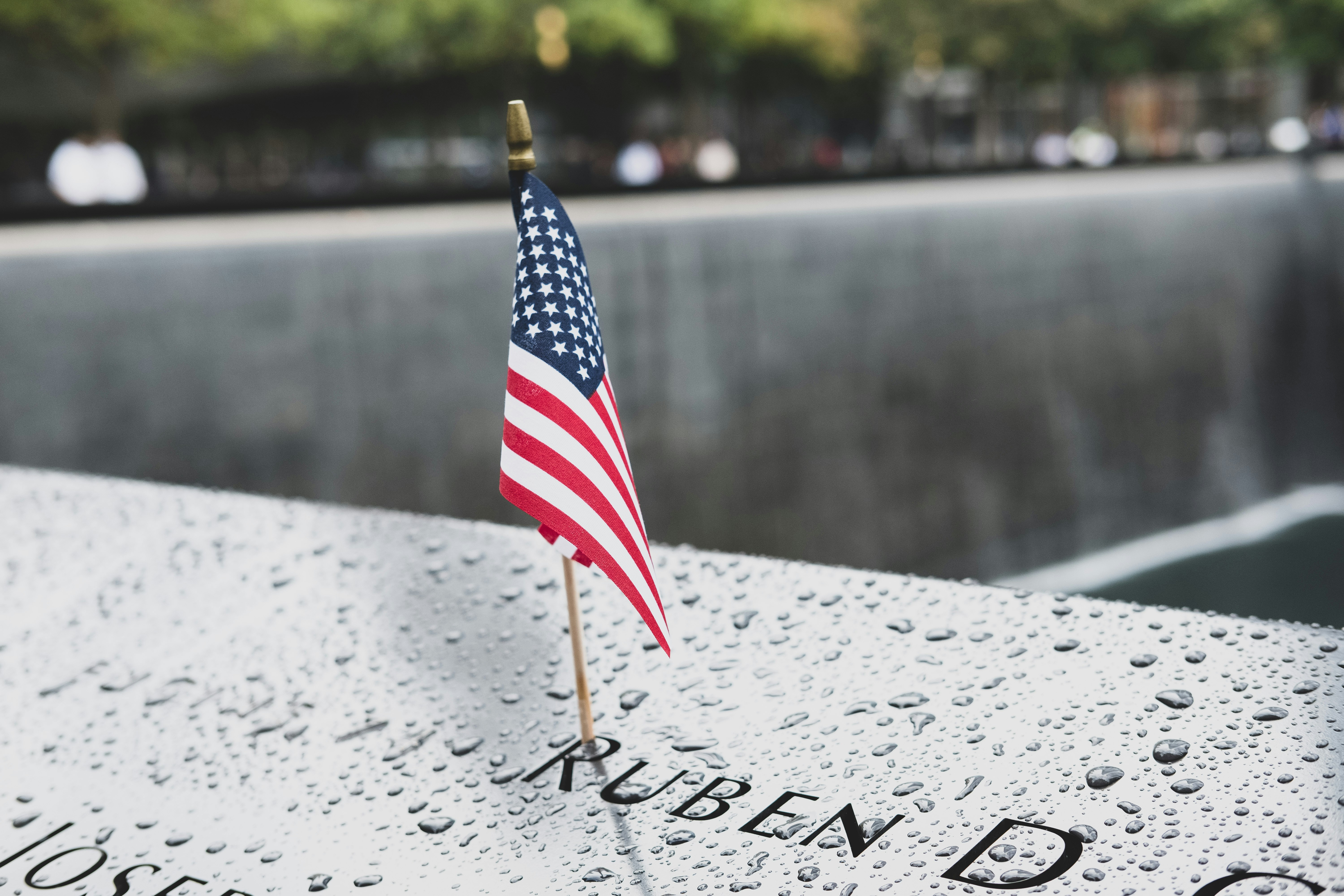
A memorial honoring nearly 3,000 Americans murdered on September 11 should be one of them. It should be a place for grief, remembrance, gratitude, and reverence. Families who have carried that loss for 25 years deserve something increasingly rare in American public life: a moment in which their pain is not reduced to another political opportunity.

That is why images of Alexandria Ocasio-Cortez and New York City Mayor Zohran Mamdani smiling and laughing together during the 25th anniversary commemoration drew criticism. A photograph cannot reveal the context of every conversation or establish what prompted a smile. But juxtaposed with grieving families at Ground Zero, the moment raised a larger question worth asking: Does American culture still recognize that some things should be treated as sacred?

These are exactly the kinds of cultural questions worth examining on Real Life Network and The Daniel Cohen Show, where the headlines are considered alongside the biblical truths that should shape how Christians understand them.

Leadership Requires More Than the Right Policies

Public leadership is not merely about legislation, budgets, speeches, or elections. Leadership also requires understanding the human consequences behind public events.

That principle extends far beyond a single 9/11 ceremony.

When thirteen American service members were killed during the 2021 withdrawal from Afghanistan, controversy followed images of President Joe Biden appearing to check his watch during the dignified transfer ceremony at Dover Air Force Base. Biden later disputed some characterizations of the moment, but Gold Star families publicly described feeling disrespected.

Politics can make people remarkably selective about empathy. When someone on the other side suffers, compassion becomes conditional. When an uncomfortable tragedy threatens a preferred narrative, attention shifts somewhere else.

Christians cannot adopt that standard.

Human dignity does not change according to political usefulness. A child killed in an act of violence matters. A soldier returned home in a flag-draped casket matters. A family still grieving someone murdered on September 11 matters. An immigrant victim matters. An American citizen victim matters. Political affiliation does not determine the value of a human life.

A healthy society should be capable of looking at suffering and seeing a human being before seeing a political opportunity.

Jesus warned that a time would come when “the love of many will grow cold” (Matthew 24:12). That description should make Christians examine more than the behavior of politicians. It should make believers examine their own hearts.

Have politics made compassion selective? Has outrage become entertainment? Have human tragedies become useful primarily when they help defeat the other side?

If so, something far more important than an election is being lost.

Biblical Language Cannot Become Political Branding

The same problem appears when Christianity itself becomes a political instrument.

Texas politician James Talarico has increasingly incorporated Christian language into his political message. In one recent appearance, he invoked Matthew 25 while arguing that Jesus would condemn senators over food assistance, Medicaid, and deportations.

Christians should welcome politicians talking seriously about Scripture. But biblical vocabulary does not automatically make an argument biblical.

Matthew 25 unquestionably demonstrates Christ's concern for the vulnerable. Christians should care about hungry people, strangers, the sick, prisoners, and those suffering around them. But translating those commands directly into support for a particular government program requires an additional political argument. Christians can share the same biblical concern while disagreeing about which policies best address it.

The same principle applies to immigration.

Scripture repeatedly commands God's people to care for foreigners and strangers. Scripture also recognizes nations, governing authorities, boundaries, and civil order. Romans 13 gives government genuine authority, while Acts 17:26 speaks of God determining nations and their dwelling places.

Neither side gets to erase the passages that complicate its politics.

Scripture should judge political convictions. Political convictions should never be allowed to rewrite Scripture.

That requires biblical literacy.

A politician who can quote a verse fluently may still misuse it. A conservative can misuse Scripture just as easily as a progressive. Christians who know only fragments of the Bible become vulnerable to anyone capable of wrapping a political agenda in Christian vocabulary.

Read the Word. Know the context. Test the argument.

Courage Means Refusing to Follow the Crowd

There is another quality disappearing from American life: the courage to stand alone.

The Lindsay Clancy case offers a difficult example. Clancy admitted killing her three young children but mounted an insanity defense. Her 2026 trial ended in a mistrial after eleven jurors favored acquittal and one juror held out.

According to another juror who later discussed the deliberations publicly, the lone holdout was a Black man.

Whatever conclusions people reach about the complicated legal questions surrounding mental illness and criminal responsibility, there is something worth recognizing in anyone willing to maintain a sincerely held conviction while an entire room pressures him to surrender it.

Standing with the crowd is easy. Standing alone costs something.

That lesson reaches far beyond a courtroom.

Christians will increasingly encounter moments when biblical convictions are unpopular, unfashionable, or professionally inconvenient. There will be pressure to remain silent because speaking could cost friendships, opportunities, influence, or reputation.

Conviction means deciding beforehand that truth matters more.

That does not grant permission to be reckless or cruel. Courage without humility quickly becomes arrogance. But humility without courage can become cowardice disguised as kindness.

Christian conviction requires both: the humility to recognize when we are wrong and the courage to stand when God's truth is clear.

America does not merely need better political messaging. It needs adults capable of recognizing sacred things, leaders who understand the human cost of their decisions, Christians who know Scripture well enough to recognize when it is being manipulated, and ordinary people willing to stand for truth when standing becomes uncomfortable.

Politics will continue changing. Candidates will come and go. Headlines that seem enormous today will eventually disappear.

The deeper question is what kind of people Americans are becoming in the process.

When nothing is sacred, everything becomes political. Christians should resist that transformation by recovering reverence, compassion, biblical discernment, and courage.

Continue examining the cultural and political stories shaping America through a biblical worldview on The Daniel Cohen Show, streaming free on Real Life Network.

Select Category
Sort By:
Thank you! Your submission has been received!
Oops! Something went wrong while submitting the form.
World News
25 min

‍Cultural Chaos from City Hall to the Locker Room

Mamdani never hid his agenda. He promised rent freezes, city-owned grocery stores, free health care for everyone, and the power for the city to seize private buildings from “bad landlords.” Daniel calls it what it is: Marxism—wrapped in compassion, funded by taxpayers far beyond New York.

At the same time, America is approving madness in its most vulnerable spaces. Cohen revisits the Gold’s Gym story of Tish Hyman, a black lesbian woman who was naked in the women’s locker room when a biological man walked in claiming to be a woman. When she objected, she was removed from the gym. He stayed.

The “most oppressed” in our culture are no longer the women who feel unsafe. They are the men who claim to be women and demand access to female spaces—even after a violent past. That is not compassion. It is confusion. Scripture says, “God is not a God of confusion but of peace” (1 Corinthians 14:33).

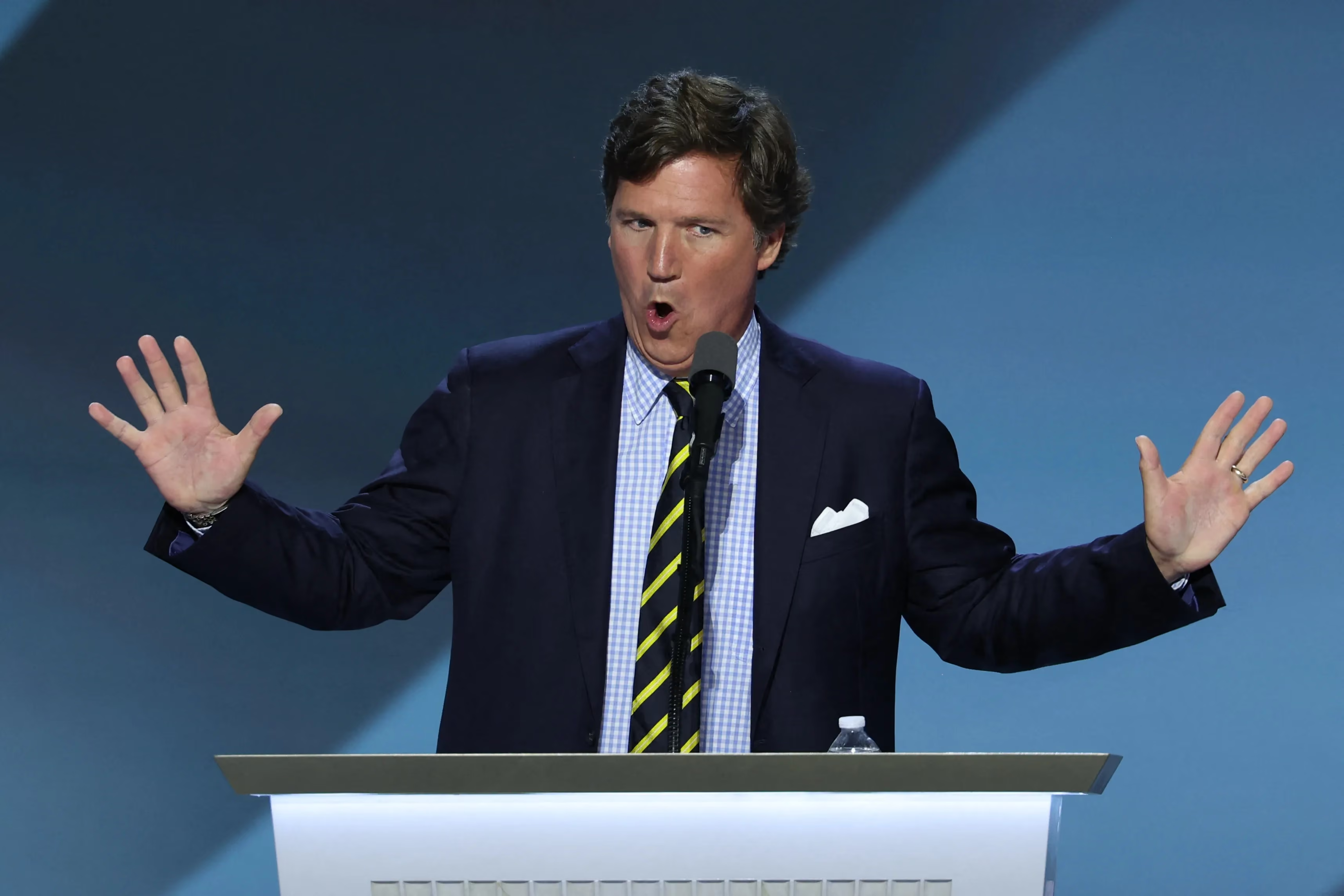
This same spirit of confusion shows up on the political right. Daniel confronts influential conservatives who platform open antisemites like Nick Fuentes without pushback. When Tucker Carlson gives a soft interview to a Holocaust denier and tells critics to “buzz off,” that is not courage—it is compromise.

The irony is painful. Some voices who claim to defend Christian values mock concern about real persecution. Ted Cruz highlights Christians slaughtered in Nigeria and Sudan, and Tucker calls it “weird.” Yet believers are being burned in churches, beheaded, and hunted for their faith. If we cannot call evil what it is, the problem is not our enemies—it’s our lack of discernment.

Money, Power, and the Battle for Our Hearts

The moral breakdown runs from City Hall to Capitol Hill. President Trump proposes sending Affordable Care Act subsidies directly to citizens instead of bloated insurance companies. Chuck Schumer would rather protect corporate profits than reopen government.

Then there is Nancy Pelosi. She entered Washington as a public servant and leaves with an estimated net worth in the hundreds of millions. Her stock portfolio beat top hedge funds and even Warren Buffett’s returns. When asked about insider trading, she dodged with nervous smiles.

Meanwhile, mainstream media runs tearful stories about people on government aid unable to afford eyebrow appointments. Daniel’s point is not cruelty—it is responsibility. Benefits meant to feed families were never designed to fund luxuries.

"For even when we were with you, we commanded you this: If anyone will not work, neither shall he eat." (2 Thessalonians 3:10)

Yet glimpses of sanity remain. Tennessee removed pride flags from public schools so classrooms can focus on education, not activism. Italy proposed banning face-covering Islamic garments in public, arguing that religious freedom should not create parallel societies. These are imperfect steps—but at least they recognize a truth: no nation survives when it refuses to say no to destructive ideologies.

A Biblical Response to a World on Fire

From Mamdani’s victory party to transgender men in women’s locker rooms to antisemitism and the persecution of Christians, Daniel Cohen returns to one truth: this is not political chaos—it is spiritual war.

The answer is not despair. It is not loyalty to pundits or politicians. The answer is returning to the Word of God. Genesis 1:27 tells us that God created humanity male and female. Romans 11 reminds us that God’s covenant with Israel stands. Ephesians 6 declares that our real enemies are not flesh and blood but spiritual powers of darkness.

So what should Christians do?

Wake up spiritually. Read Scripture so you can recognize lies from both left and right.
Refuse cowardice. When you see antisemitism or the abuse of the vulnerable, speak truth in love.
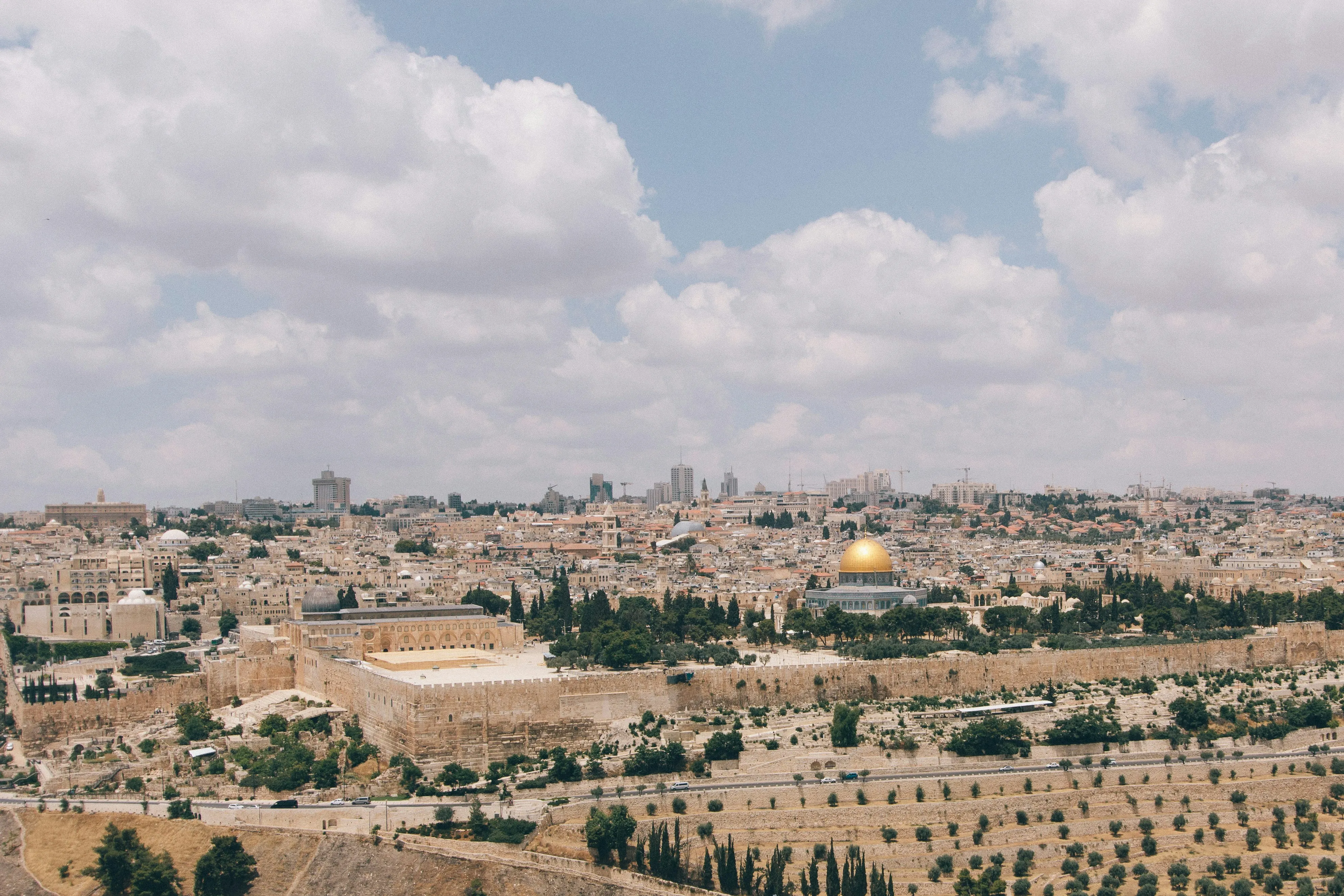
Live ready. Jesus is coming again—not to rule from New York or Brussels but from Jerusalem.

History is not falling apart. It is falling into place under His authority. Stay grounded in Scripture, stand with truth, and let your hope rest in Christ—not in the chaos of the world.

‍

New York’s Fall: Zoran Mamdani, Cultural Chaos, and Biblical Discernment

Daniel Cohen exposes how radical politics, gender confusion, and rising antisemitism reveal a deeper spiritual battle. This episode calls believers to return to Scripture, think clearly, and stand firm in biblical truth amid cultural chaos.

November 11, 2025
World News
25 min

The celebration in New York was not just political. It was spiritual. As progressive activists, socialist leaders, and Islamic radicals united behind Zoran Mamdani, the world saw an alliance that defies logic but fulfills prophecy. Islam is incompatible with the LGBTQ movement, yet both locked arms in a common cause. The contradiction reveals the deeper battle Daniel Cohen exposes on The Daniel Cohen Show on Real Life Network (RLN): the war is not merely political. It is about biblical truth, deception, and the erosion of America’s moral foundation.

A Dark Alliance: From Politics to Spiritual Warfare

Cohen describes Mamdani’s rise as more than a political victory. It is the merging of ideologies that stand against both Israel and the gospel. Islamists, socialists, and progressives are uniting under a banner of moral confusion. “This isn’t rebellion or empowerment,” Cohen says. “It’s deception.”

He recalls his mother’s journey from Haifa, Israel, to the United States, weeping at the sight of the Statue of Liberty. That moment symbolized hope, gratitude, and faith in God’s providence. That same statue, Cohen warns, now stands before a generation celebrating oppression in the name of freedom. “In their version,” he says, “Lady Liberty’s face would be covered, her freedom silenced.”

This strange alliance of Marxism and Islamism—a “Red-Green Alliance”—has become a spiritual warfare front line. From the streets of New York City to college campuses across America, the same deception spreads: anti-Israel propaganda, antisemitism, and hatred cloaked as justice.

Truth Under Attack: From New York to Israel

Cohen highlights what he calls “a coordinated movement against biblical worldview and Israel’s covenant promises.” Mamdani’s supporters include those who defend Hamas, deny Zionism, and excuse jihad under the banner of liberation. It is the same spirit that fuels unrest on college campuses and influences the progressive left, mainstream media, and even parts of the conservative movement.

He quotes Scripture, reminding viewers that “God is on the throne” and that “nothing happens outside of His purview.” The chaos in America’s streets, midterm elections, and social divisions mirror a deeper blindness, one that refuses to call evil what it is.

Cohen points to Pastor Jack Hibbs, founder of Real Life Network, and Pastor Tom Hughes, who stood at the Nova music festival memorial near Gaza. Their messages echo the biblical truth that God’s promises to Israel are irrevocable. Nations may rage, but His covenant stands.

The Great Deception and the Call to Discernment

While radicals chant for Sharia law and progressives cheer socialism, Cohen calls believers to recognize what is truly happening: a spiritual war disguised as politics. “When Marx meets Muhammad, freedom dies twice,” he warns. The problem is not only ideological but theological. Humanity keeps trying to build a utopia without God, and the result is always tyranny.

He also warns conservatives not to trade discernment for celebrity influence. Voices like Tucker Carlson and others in the GOP may speak truth at times but can also minimize real evil, like antisemitism or persecution of Christians in Africa and the Middle East. “We must stand for truth even when it costs something,” Cohen says.

He quotes 2 Chronicles 16:9: “The eyes of the Lord run to and fro throughout the earth, to show Himself strong on behalf of those whose heart is loyal to Him.” The real question is not who wins elections but who will stand for truth when compromise is easier.

The Hope of the Gospel

The world is spiraling in confusion because it has rejected the Creator. But there is hope, not in politics or protest, but in the cross of Jesus Christ. Humanity’s deepest problem is not cultural decay or global conflict. It is sin. And the only remedy is redemption.

Through His death and resurrection, Jesus Christ conquered sin, defeated death, and offers forgiveness to all who repent and believe. True freedom does not come from Trump, Biden, or any human government. It comes from the Savior who said, “If the Son sets you free, you will be free indeed.”

Daniel Cohen ends his broadcast the same way he lives: calling believers to stand with Israel, defend truth, love courageously, and live ready for Christ’s return.

Zoran Mamdani and the Rise of Spiritual Deception

Zoran Mamdani has formed an alliance against truth. Daniel Cohen exposes how radical Islam, socialism, and deception are reshaping America and attacking Israel. This is not just politics. It is spiritual warfare.

November 10, 2025
World News
25 min

On The Daniel Cohen Show from Real Life Network (RLN), Daniel opens with what feels like a spiritual diagnosis of the times. While President Trump and Prime Minister Netanyahu build a coalition of nations — Qatar, Turkey, Saudi Arabia, Egypt, and Jordan — to pressure Hamas into releasing hostages and accepting peace, the world’s stage erupts in hypocrisy. From the media’s silence on Hamas atrocities to Hollywood’s applause for moral confusion, Daniel reminds us that behind every headline lies a deeper war, not of politics but of principalities. This is spiritual warfare disguised as diplomacy, celebrity activism, and cultural rebellion. Israel faces rockets; America faces lies. Yet both must decide whom they will serve. As Daniel puts it: “You can’t fight for freedom while cashing checks from those who crush it.”

The Illusion of Freedom


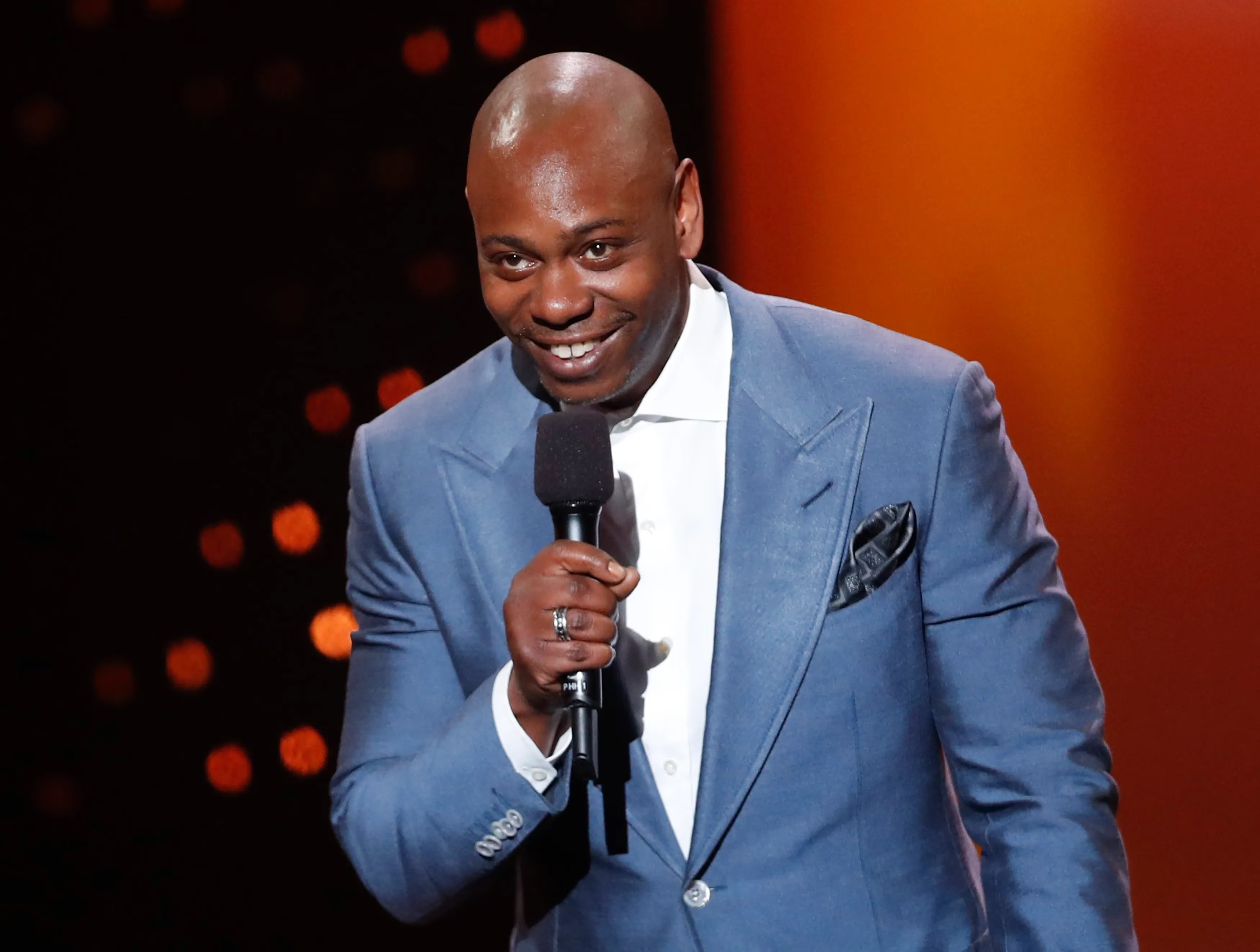
When Dave Chappelle claims he can “speak more freely” in Saudi Arabia than in America, Daniel doesn’t respond with outrage, he responds with truth. Saudi Arabia, he reminds us, is a land where women only recently gained the right to drive, where slavery still exists, and where public beheadings remain legal. Yet Chappelle calls that freedom.

Bill Maher, not known for defending Christianity, exposes Chappelle’s blindness: “If you believe that, do a bit on Mohammed.” Daniel uses the moment not to mock but to mourn. America has traded gratitude for grievance. Chappelle, a millionaire made rich by free speech and free markets, now mocks both. Worse, he turns “I stand with Israel” into a coded insult, a signal that he’s been “compromised.”

Freedom without truth is a costume. And much of entertainment is playing dress-up with sin, hiding moral bankruptcy behind applause. The Bible says, “No one can serve two masters” (Matthew 6:24). In Daniel’s words: “Dave Chappelle has chosen his master, and it’s not truth.”

The Sanctity of Life 

From celebrity compromise, Daniel turns to a victory that actually matters: the closing of America’s largest abortion clinic, a 78,000-square-foot facility in Houston that performed over 10,000 abortions a year. “It was a monument to death,” he says, “and now it’s gone.”

Since 1973, over 63 million unborn children have been killed in the United States. Daniel doesn’t soften the language: “Abortion isn’t healthcare. It’s child sacrifice on the altar of convenience.” But in the same breath, he gives thanks because prayer, persistence, and policy have pushed back the darkness.

“Before I formed you in the womb, I knew you,” God said through Jeremiah. That promise isn’t abstract, it’s personal. Daniel celebrates that promise while exposing the callousness of Planned Parenthood executives caught on tape bartering over baby organs. This is what happens when a culture forgets that life is sacred. Yet where sin increases, grace abounds. The tide is turning, and God is not finished.

Women’s Sports, Children’s Minds, and America’s Soul

Daniel shifts from Houston to headlines shaping family life. The biological male once called Leah Thomas has been permanently banned from women’s competition, a small win for sanity. Daniel applauds women like Riley Gaines, who refused to be silenced. Her courage cost her comfort but preserved truth for the next generation.

Then Daniel turns his eye to the battlefield of the imagination: children’s entertainment. Shows like CoComelon now normalize gender confusion, training toddlers to accept lies before they can spell truth. “This is not innocence, it’s indoctrination,” Daniel warns. Yet the antidote isn’t outrage; it’s discipleship. Christian parents must teach, model, and defend biblical worldview at home, where the next great awakening must begin.

From Gaza to the Gospel: Real Peace Through Christ Alone

Back on the global stage, Daniel examines Trump’s 20-point peace deal with Netanyahu, a plan offering ceasefire, hostage release, and humanitarian aid. But the deeper question remains: What good is peace on paper if hearts remain at war with God?

Hamas delays, deflects, and deceives because rebellion runs deeper than politics. Sin operates the same way, pretending to negotiate, refusing to surrender. Daniel notes that even within Gaza, local families are rising against Hamas tyranny, longing for peace their rulers reject. It’s a mirror of the human heart, trapped, deceived, and desperate for freedom.

The real hope, Daniel insists, is not in presidents or policies, but in a person: Jesus Christ, the Prince of Peace.

The Hope of the Gospel

There is one Creator who made all people in His image and calls every nation to walk in truth. Humanity, from Gaza to Los Angeles, has rebelled against that truth and fallen under sin’s curse. Yet God, rich in mercy, sent His Son, Jesus Christ, fully God and fully man, to live the life we could not live, die the death we deserved, and rise from the grave, conquering sin and death forever.

Whoever repents and believes in Christ alone is forgiven, reconciled to God, and given new life. That’s not religion, it’s redemption. And that’s the only peace plan that works. “For He Himself is our peace.” (Ephesians 2:14)

A Confused World: From Israel to Hollywood and the War for the Unborn

Daniel Cohen calls believers to stand firm in truth against Hamas, Hollywood, abortion, and identity politics.

November 5, 2025
World News
25 min

On The Daniel Cohen Show, streamed on Real Life Network, viewers do not just get another christian tv show. They step into a space where christianity and politics, faith and culture, and the Israel conflict are all seen through a clear biblical lens. RLN is a christian streaming service built for people who are tired of filtered headlines, tired of spin, and who want faith based news, live news, and christian worldview news from a trusted online news source that does not bow to the mob.

In this episode Daniel Cohen used Tucker Carlson’s recent comments about Christian Zionism to explain something much bigger. This is not just a media feud. It is a picture of spiritual warfare that reaches from the war in Israel to American politics, from news streaming on big platforms to what believers choose to watch live tv on at home.

What Tucker Carlson Got Wrong about Christian Zionism and Israel

Tucker Carlson recently called Christian Zionism a “brain virus” and a “Christian heresy” while talking with Nick Fuentes, a white supremacist who mocks the Holocaust and degrades women. After major backlash from pastors, ambassadors, and many believers, Tucker tried to walk it back with a soft apology. He said he was angry, that his words were poorly chosen, and that some Christian Zionists are very kind people.

Then he immediately doubled down on the lie that led him there. Tucker claimed that Israel deliberately targeted churches in Gaza and intentionally murdered Christian civilians. He argued that because the Israeli military is precise, any tragic hit near a church must have been planned policy, not fog of war.

Daniel Cohen pressed pause on that narrative. Israel’s military does have precision tools, but precision does not erase the chaos of battle or the evil of Hamas. Terrorists hide among civilians, in apartment blocks, in hospitals, near churches and schools. Collateral damage is heartbreaking and tragic, but it is not the same as a policy to murder Christians. In at least one case Israel admitted error, investigated, and expressed deep sorrow. That is the opposite of what Tucker claimed.

Christian Zionism, Daniel explained, is not blind loyalty to every decision of a government. It is a conviction that God made a specific covenant with the Jewish people and the land of Israel, and that covenant is still part of His plan for the nations. It is faith and politics working together under Scripture, not political christianity that worships any leader on earth.

How a Media Narrative Becomes Spiritual Warfare

Daniel also pointed out what many miss. Tucker did not make these comments in a vacuum. He chose to share a stage with Nick Fuentes, a man who praises Hitler, mocks the murder of six million Jews, and jokes that women really want to be abused. When a high profile commentator like Tucker gives that kind of voice a platform, he is not just asking questions. He is driving a wedge between Christians and Jews and poisoning the well for future conversation about Israel.

That is why this matters for faith and politics. When believers repeat these talking points, they end up defending a narrative that makes Israel the villain and excuses the terror of Hamas. Christian Zionism is smeared as warmongering, while actual terrorists are framed as victims. This is not simply political christianity. It is a distortion of the Gospel and of history.

Daniel reminded viewers that supporting Israel’s right to exist and defend herself does not mean ignoring the suffering of Arab Christians in Gaza, Lebanon, or Syria. You can care deeply about every Christian in the Middle East and still refuse to call Israel the aggressor in a war that Hamas started. That balance is what a mature christian worldview news perspective looks like.

From there Daniel widened the lens. The same spirit that twists the Israel conflict also shows up in American culture. Legacy news channels call it justice when conservatives are censored, doxxed, or de-platformed. Entertainment elites celebrate performers who mock God on award shows and NFL stages. Radical activists demand open borders and call any enforcement cruelty. In each case the goal is the same. Redefine good and evil, then shame anyone who resists.

This is why uncensored news matters. Believers cannot just trust big streaming platforms that mute stories which do not fit elite narratives. They need video streaming services and new channels that are willing to call sin sin, protect women in locker rooms and sports, defend unborn life, and tell the truth about war in Israel even when it is unpopular.

Why Believers Need Better News Streaming and a Stronger Spine

Daniel Cohen often reminds viewers that the biggest question is not what Tucker, or the Heritage Foundation, or the Obamas think. The real question is whether Christians will let Scripture shape their view of Israel, America, and culture, or whether they will let trends on news streaming apps and social feeds do the discipling.

That is where Real Life Network comes in. RLN is a streaming service built as an alternative to secular video streaming services that laugh at faith. It offers christian tv shows, live news, and faith based news that refuses to compromise. Viewers can watch live tv style coverage, replay segments as online news, and explore full shows from a growing lineup of new channels that share a clear Christian worldview.

Daniel’s challenge is simple and direct

  • Open your Bible before you open your favorite news source

  • Refuse to let talking heads tell you how a Christian must feel about Israel or about the war in Israel

  • Reject the wedge that people like Nick Fuentes and other extremists try to drive between Jews and Christians

  • See cancel culture, gender confusion, political rage, and the hatred of Israel as different fronts in the same spiritual war

When believers do that, faith and politics stop being a tug of war between parties and become an arena where Jesus is Lord over every headline.

A Call to Stand with Truth in an Age of Confusion

In the end Daniel Cohen’s message is not about winning a media fight with Tucker Carlson. It is about guarding the church from subtle deception. The enemy would love nothing more than to convince believers that supporting Israel is unchristian, that standing for women’s safety is hateful, that enforcing borders is bigotry, and that only approved voices on big streaming platforms count as real News.

The Gospel tells a different story. God is faithful to His covenant with Israel. He calls His people to protect the innocent and confront evil. He commands us to love our enemies, not by endorsing their lies, but by speaking the truth in love. And He invites every person, Jew and Gentile, to salvation through Jesus.

That is why christianity and politics cannot be separated from discipleship. It is why political christianity that compromises Scripture to stay acceptable will always collapse. And it is why believers need faith based news, christian worldview news, and trustworthy online news that points them back to Christ and His Word every single day.

Tucker Carlson, Christian Zionism, and the War over Truth

Tucker Carlson’s attack on Christian Zionism sparks a deeper conversation about faith. Daniel Cohen calls believers to seek biblical truth on RLN.

November 4, 2025
World News
25 min

In an age when truth bends to politics and headlines echo propaganda, Daniel Cohen stands apart. On The Daniel Cohen Show from Real Life Network, Cohen refuses to separate faith and politics, insisting that every crisis in Israel, Europe, or America reveals a deeper spiritual battle. His latest message, now streaming on RLN’s Christian streaming service, exposes how the war in Israel, the collapse of moral courage in the West, and the revival of the Church all connect to the same conflict between light and darkness.

The War in Israel and the Western Desire for Chaos

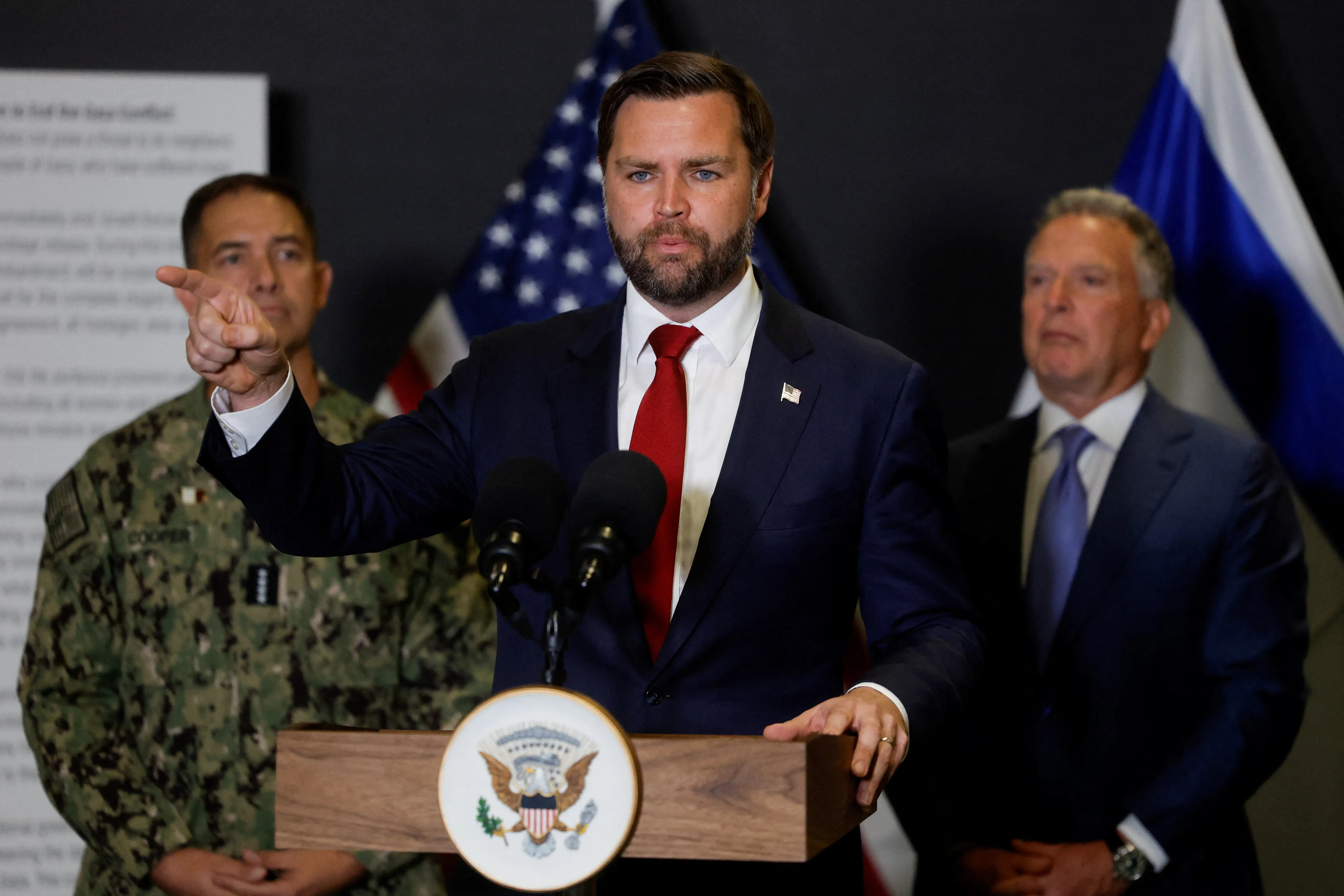
Daniel Cohen begins by explaining the Israel conflict as more than a military standoff. He calls it a mirror reflecting the moral decay of the West. When Vice President J D Vance stood in southern Israel and said that Western media seems to root for failure, Cohen agreed. He notes how every violent flareup is treated as proof that peace is impossible, as if journalists secretly prefer unrest to resolution.

Cohen points to something bigger happening beneath the surface. The ceasefire in Gaza, fragile as it is, represents the groundwork for an Abraham Accords 2.0 that could unite Israel with more Arab nations. Iran and Hamas tried to stop that process on October 7, but their terror only exposed their weakness. Across the Middle East, Arab leaders are tired of Iran’s chaos and looking toward stability with Israel instead.

For Cohen, this is where Christianity and politics intersect. He says the way nations treat Israel reveals their spiritual health. The promises God made to Abraham still stand, and rejecting those promises has consequences. Cohen praises leaders such as Netanyahu and pastors like Jack Hibbs, who refuse to apologize for supporting Israel’s right to exist. He reminds viewers that what happens in the Middle East is not random history. It is evidence that biblical prophecy is unfolding in real time.

From London to New York: The Cost of Moral Surrender

Cohen turns his attention to Europe, describing how cities once known for courage are now paralyzed by fear. London, Amsterdam, and Paris have become stages for mobs shouting antisemitic slogans while police stand by and do nothing. He calls it moral cowardice disguised as tolerance. The refusal to confront evil has created societies where Jewish citizens must hide behind fences and guards just to worship in peace.

Then Cohen looks at New York City, where radical candidate Zoran Mamdani publicly promises to remake the state “in the image of our people.” For Cohen, those words are not progress but warning. He explains that when politics becomes tribal, truth disappears. Polls show foreign born voters supporting Mamdani while native born New Yorkers divide among failed alternatives. It is a symptom, Cohen says, of immigration without assimilation and education without truth. When a nation forgets who it is, power replaces principle.

Cohen warns that America is on the same path as Europe. The slow surrender to radical ideologies, the moral confusion in the name of tolerance, and the silence of churches all point to a deeper loss of conviction. Without biblical truth, the West cannot survive. The problem is not diversity, he says, but the rejection of God’s design for justice and order.

The Church’s Moment to Rise

Even in the darkness, Cohen sees signs of hope. The Church is stirring. Turning Point USA Faith has doubled its network of partner churches, now more than eight thousand strong, reaching hundreds of thousands of believers ready to stand for truth. Cohen calls this growth part of Charlie Kirk’s legacy. Kirk preached repentance, holiness, and sacrifice in a culture that craves comfort. He reminded believers that a faith that costs nothing is worth nothing.

Cohen speaks with apologist Dr Frank Turek, who challenges Christians to prepare for cultural battle long before they step onto a college campus. Turek’s Cross Examined ministry teaches believers how to defend their faith with logic, evidence, and love. Both men agree that silence is no longer an option. Fear has no place in the life of a believer. God commands courage, not comfort.

Cohen ends with a reminder that history belongs to God. Governments rise and fall. Online news, news streaming, and live news will change by the hour, but the Gospel does not. The greatest battle is not in Gaza or New York but in the human heart. Christ alone can bring peace. He lived a perfect life, died for sinners, and rose again to offer forgiveness and eternal life.

When viewed through that lens, the war in Israel, the political turmoil in America, and the collapse of Europe are not separate stories but one message. They remind us that truth matters and eternity is near.

If you are tired of news channels that distort facts and weary of news sources that censor faith, The Daniel Cohen Show is the alternative. Stream uncensored news, Christian worldview news, and faith based news through Real Life Network, a leading Christian streaming service and one of the most trusted streaming platforms for video streaming services and Christian TV shows. Here you can watch live TV, follow news live, and explore new channels filled with biblical truth, Christianity and politics, and stories that strengthen faith instead of undermining it.

Visit RealLifeNetwork.com to discover why believers around the world are turning to RLN as their home for online news, news streaming, and uncensored news that honors God. Watch The Daniel Cohen Show today and see world events through the clarity of Scripture.

From Gaza to New York: Daniel Cohen Reveals What the Media Won’t Show You

Daniel Cohen explores how faith and politics collide in Israel, Europe, and the United States.

October 23, 2025
World News
25 min

The United States is not just divided; it is unraveling. On The Daniel Cohen Show from Real Life Network (RLN), Daniel Cohen looks past the noise of politics and online news to uncover the spiritual crisis shaking the nation. Through RLN’s Christian streaming service, Cohen calls believers to see the connection between America’s moral collapse, political corruption, and the war in Israel. What he reveals is not just another opinion. It is the biblical truth behind the headlines, a truth that secular media refuses to confront.

The Illusion of Progress and the Reality of Decay

“What happens when a nation built on the Word of God decides it no longer needs God?” Cohen asks. The answer, he says, is playing out in real time. Political leaders lie with ease. Schools teach children to reject their own identity. Entertainment celebrates sin and mocks faith. Meanwhile, much of the Church stays silent.

Cohen draws parallels between America’s spiritual decay and Israel’s physical battle for survival. While Israel fights against Hamas and its allies, America is fighting to remember who it is. The Israel conflict, he argues, mirrors our own cultural and moral confusion. A society that rejects God does not become free. It becomes enslaved to its idols: power, pleasure, and politics.

He calls this the new religion of the West. The enemies of truth are no longer at the gate. They are in our homes, on our screens, and in our pulpits. This is the normalization of evil, a culture where morality is measured not by Scripture but by emotion.

Media Deception, Political Idolatry, and the Church’s Silence

Cohen exposes how modern politics has become America’s new idol. Both the left and the right now treat their political leaders as saviors and their parties as messiahs. Instead of turning to Scripture, people turn to news streaming platforms and social media feeds designed to fuel fear and division.

He warns that too many Christian leaders have traded truth for comfort. “The Gospel doesn’t fit neatly into party platforms,” he says. “It confronts both sides.” The left preaches progress without God, and the right preaches patriotism without repentance. Both are hollow without Christ.

Cohen ties this to global trends, corruption in Washington, persecution of Christians overseas, and the manipulation of truth in online news. When a nation removes God from its institutions, justice disappears, wisdom dies, and lies become law.

The only cure, he insists, is revival, not political revival but spiritual awakening. America does not need new politicians; it needs new hearts.

A Call to Courage and the Hope of the Gospel

As the episode closes, Cohen offers both warning and hope. History proves that no nation survives once it abandons truth. Babylon, Rome, and every empire that rejected God collapsed from within. America is not immune.

But there is hope, real hope found in the Gospel of Jesus Christ. Cohen reminds his audience that salvation does not come from Washington, Hollywood, or any political system. It comes from the cross. Christ alone can heal what politics has broken.

He calls believers to pray for Israel, for America, and for persecuted Christians worldwide. Revival will not begin in newsrooms or statehouses but in hearts surrendered to truth. “The world is on fire,” Cohen says, “but the Gospel is still the water.”

The Hope of the Gospel

Every story of corruption, conflict, or cultural chaos points to humanity’s deeper problem, sin. We have rebelled against a holy God, exchanging His truth for lies. Yet God, rich in mercy, sent His Son, Jesus Christ, to live without sin, die in our place, and rise again so that all who repent and believe may have eternal life.

That is the real headline behind every broadcast: nations fall, but Christ reigns. Governments fail, but grace endures. America’s only hope is not in saving a nation but in saving souls.

The Lies Are Crumbling: Daniel Cohen Exposes America’s War Against Truth

Daniel Cohen explains how America’s moral collapse, media deception, and global chaos reveal a deeper spiritual crisis and why the only real hope is the Gospel.

October 23, 2025