Real Life Network is a free, faith-based streaming platform offering biblically grounded teaching, documentaries, news, movies, and original programming. Sign up today.
In the ancient world, long before social media or mass communication, the gospel went viral in a city that looks surprisingly familiar to us today. Corinth was powerful, wealthy, immoral, intellectually proud, and spiritually confused. It was also the place where God used persecution, politics, and even a pagan courtroom to accelerate the spread of Christianity.
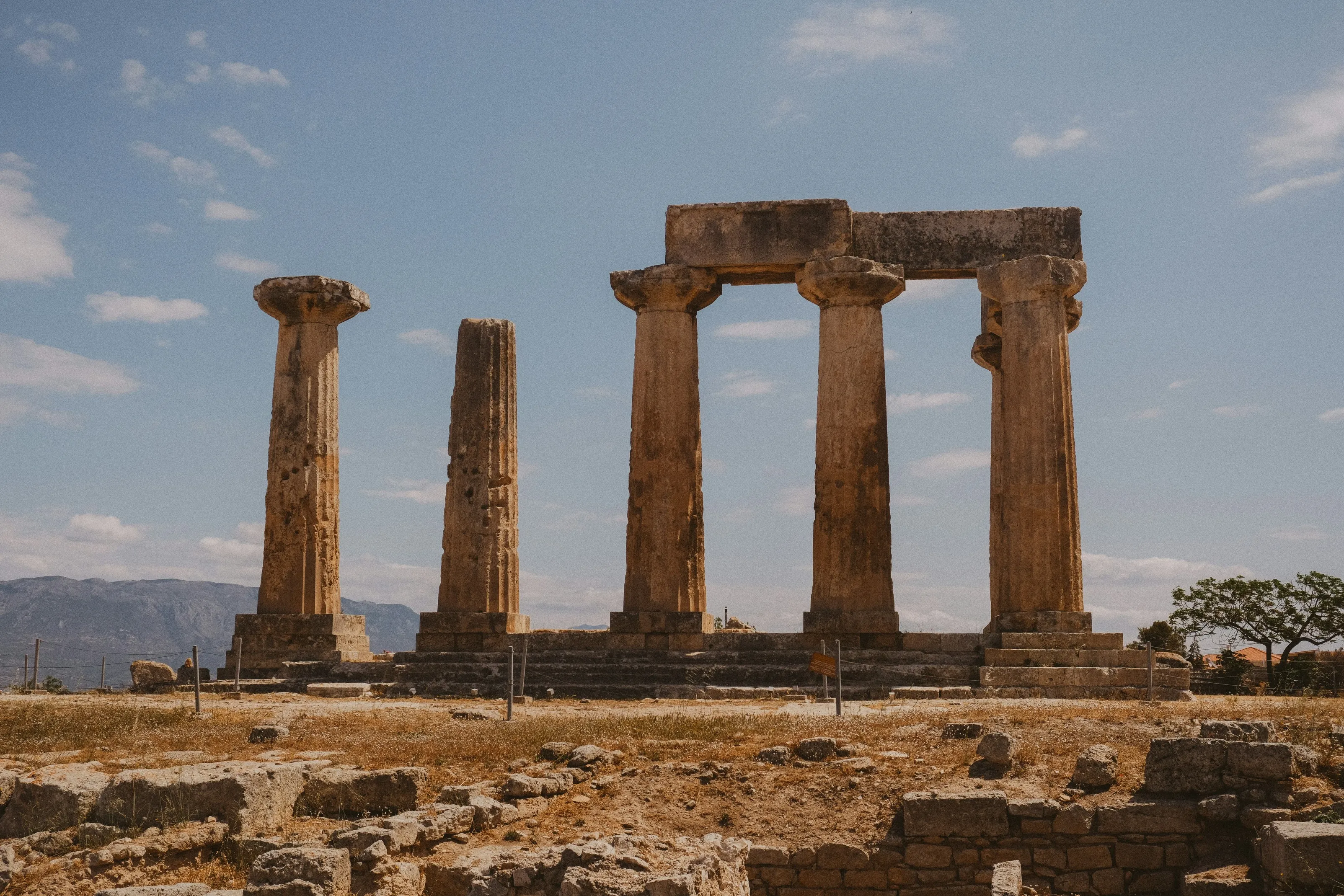
Standing in Greece, near the ruins of ancient Corinth, you can feel the weight of history. This was not just another stop on the apostle Paul’s missionary journey. This was a turning point where the gospel moved from being hunted to being protected by law. And what the enemy intended for evil, God used for good.
Paul, Corinth, and an Unexpected Legal Victory
The apostle Paul arrived in Corinth preaching Christ crucified and risen. His message was simple and offensive to both religious leaders and Roman sensibilities. Jesus was not just a moral teacher. He was the resurrected Messiah, Lord of all.
The Jewish leaders in Corinth were furious. They dragged Paul before Gallio, the Roman proconsul, accusing him of persuading people to worship God contrary to Mosaic law. Their goal was clear. They wanted Rome to declare Christianity illegal.
Instead, Gallio dismissed the case outright.
Gallio ruled that this was an internal religious dispute, not a violation of Roman law. With that single decision, Christianity gained legal protection across the Roman Empire. For the first time, the gospel could spread without fear of official Roman persecution.
This moment changed everything. What looked like a threat became a catalyst. What was meant to silence the gospel gave it room to grow. The message of resurrection and hope exploded outward from Corinth into the known world.
Love, Resurrection, and the Power of the Gospel
Corinth was a city known for corruption, sexual immorality, and pagan worship. Yet it became home to one of the strongest early Christian communities. Why? Because the gospel does not thrive in perfect environments. It thrives in broken ones.
Paul later wrote to the Corinthian church words that are now among the most beloved in all of Scripture. Love is patient. Love is kind. Love does not envy. Love does not boast. This was not poetic theory. It was a radical call to live differently in a culture obsessed with power and pleasure.
The message that transformed Corinth was not moral reform alone. It was resurrection hope. Paul preached Christ crucified, buried, and risen. He reminded believers that death was defeated, sin was paid for, and eternal life was secure.
That same gospel still goes viral today.
Why Corinth Still Matters Today
Corinth matters because it proves something essential. The gospel does not need cultural approval to advance. It needs faithful witnesses. God can use hostile courts, skeptical leaders, and even political rulings to accomplish His purposes.
From Israel to Greece, from Jerusalem to Corinth, the resurrection message has always moved forward against the odds. And it still does.
We live in a time when truth is contested and faith is mocked. But history reminds us that the gospel has always flourished in moments like this. The same resurrection power that transformed Corinth is still at work today.
I am Daniel Cohen, and this is the kind of biblical worldview reporting we bring to you on Real Life Network and The Daniel Cohen Show.
For the full episode, go to RLN News.
.png)
Daniel Cohen hosts the "Daniel Cohen Show" exclusively on the Real Life Network. A Jewish follower of Jesus and three-time Emmy award-winning journalist, Cohen delivers the news from Israel, reporting on today's top headlines with a biblical worldview.