
Stream Real Life Network Now

WATCH NOW
Iran


World News
25 min
What Happens When a Nation Can No Longer Recognize Its Allies
As global tensions rise and political narratives reshape public debate, the greatest challenge may not be identifying our enemies but recognizing our allies. Discover why discernment remains essential for preserving truth, freedom, and biblical perspective.
When a nation loses the ability to distinguish between allies and adversaries, truth and propaganda, leadership and political theater, it becomes vulnerable long before the first battle is lost. The headlines may change, but the underlying challenge remains the same. As conflict intensifies in the Middle East, foreign governments expand their influence, and political narratives compete with objective reality, Americans are confronted with a pressing question: Can we still recognize the difference between those who defend freedom and those who seek to undermine it? These are not isolated controversies. They are warning signs that discernment has become one of the most important responsibilities of our time.
Read more biblical news and cultural analysis on Real Life Network or watch The Daniel Cohen Show.
The Cost of Misidentifying the Enemy
The week began with devastating news. Two American service members were killed after an Iranian ballistic missile strike on a U.S. base in Jordan. For months, much of the conflict with Iran had been measured in sanctions, diplomacy, intercepted missiles, and political negotiations. Suddenly, the cost was measured once again in American lives. That reality should cut through every political talking point. Iran remains the world's leading state sponsor of terrorism, and its hostility toward the United States has never been a secret.
Yet even as Iran demonstrated exactly who it is, much of the public debate shifted away from the regime responsible for the attack and toward Israel, America's closest ally in the Middle East. Vice President J.D. Vance argued that Israeli influence helped derail negotiations with Iran, suggesting that voices in Israel preferred continued military action over diplomacy. That framing misses the larger point. The agreement did not collapse because Israel objected to it. It collapsed because Iran has repeatedly demonstrated that it uses negotiations to buy time while continuing to pursue its long-term objectives.
This is where discernment becomes indispensable. A nation that cannot correctly identify its adversaries will inevitably begin questioning its allies instead. History is filled with civilizations that spent more energy arguing among themselves than confronting the threats gathering outside their borders. The danger is not merely military. It is intellectual and moral. When a society begins treating warnings as manipulation and allies as liabilities, it loses the clarity necessary to make wise decisions.
A nation becomes most vulnerable when it begins questioning its allies more than its enemies.
Israel's relationship with the United States has never been based on sentimentality. It rests on shared strategic interests, democratic values, intelligence cooperation, and a common recognition of the dangers posed by radical Islamic terrorism. Those realities should not disappear simply because political narratives become more convenient than geopolitical facts.
When Political Narratives Replace Clear Judgment
The same confusion appears in other arenas. While Israel is frequently portrayed as exercising outsized influence over American policy, Qatar has quietly invested hundreds of billions of dollars across American universities, think tanks, nonprofit organizations, and other institutions. At the same time, President Trump alleged that China obtained personal information connected to approximately 220 million American voter records while elements within the intelligence community minimized the scope of the breach. Whether discussing foreign influence, election security, or media coverage, one theme continues to emerge: narratives increasingly shape public perception more than facts themselves.
That concern extends beyond government agencies. Several major broadcast networks declined to air President Trump's address regarding China's alleged cyber activities, leaving many Americans to learn about the speech only through secondary reporting. Whatever one's opinion of the president, citizens should be wary whenever gatekeepers decide which information the public deserves to hear. Healthy democracies depend on informed voters, not curated narratives.
The same principle explains why Marco Rubio's public comments stood out during the episode. Whether addressing Hamas, Iran, or America's allies, Rubio demonstrated something increasingly uncommon in modern politics: clarity. He distinguished between aggressors and defenders without relying on carefully manufactured slogans or focus group-tested language. Leadership is not merely about speaking persuasively. It is about speaking truthfully, even when the truth is unpopular.
Truth becomes increasingly difficult to defend when political narratives matter more than objective reality.
That challenge extends well beyond foreign policy. Political performance often receives more attention than principled leadership. Sound bites replace substance. Viral moments overshadow careful reasoning. Public discourse becomes less concerned with what is true and more concerned with what is emotionally satisfying or politically advantageous. The result is a culture that gradually loses confidence in objective truth itself.
Watch the full discussion on The Daniel Cohen Show, and discover more faith-centered analysis and current events on Real Life Network.
Discernment Is a National Necessity
Throughout the episode, seemingly unrelated stories all pointed toward the same conclusion. Debates over military alliances, concerns about election security, media gatekeeping, congressional battles over aid to Israel, and even moments of political theater all revealed how easily discernment can be replaced by confusion. A society does not lose its way overnight. It drifts one compromised judgment at a time, until it becomes difficult to distinguish conviction from convenience or principle from performance.
That is why support for Israel ultimately represents something larger than a single foreign policy debate. Israel remains the Middle East's only stable democracy and America's most dependable strategic partner in one of the world's most volatile regions. More importantly, the Jewish people occupy a unique place within the biblical story of redemption. Scripture reminds us that God works through history with purpose, and His covenant faithfulness has never depended upon shifting political winds. The conversation surrounding Israel therefore becomes both geopolitical and spiritual. It forces us to ask whether we are evaluating events through the lens of temporary political narratives or enduring biblical truth.
The larger lesson applies far beyond one nation or one administration. Every generation must decide whether it will judge events according to facts or emotions, principles or personalities, truth or propaganda. Those choices shape the future of every free society.
Civilizations rarely collapse because they lack enemies. They decline when they can no longer recognize the difference between friends and foes.
That is why discernment remains one of the most important responsibilities of every citizen and every Christian. Headlines will continue to change. Political figures will come and go. But wisdom requires looking beneath the news cycle to identify the deeper forces shaping our culture. The future will belong not to those who shout the loudest, but to those who refuse to lose sight of the truth.
Watch the full discussion on The Daniel Cohen Show, and discover more faith-centered analysis and current events on Real Life Network.
World News
25 min
Tehran’s Anti-Trump Vendetta
Iran has repeatedly plotted to assassinate President Donald Trump, and U.S. officials say the threat remains active. This article examines the regime's longstanding hostility toward America, past assassination attempts, and why the danger has not diminished.
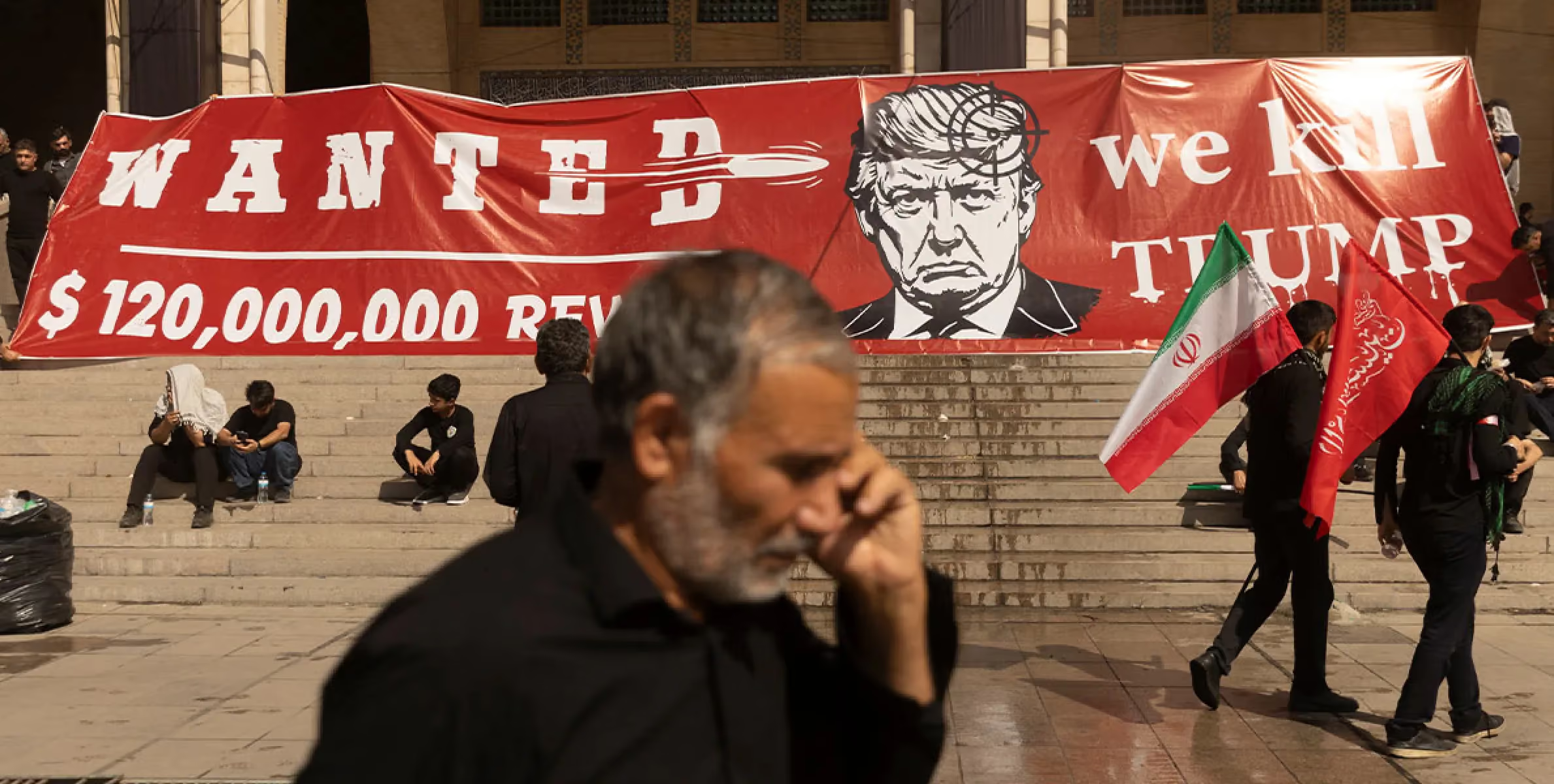
The U.S. government remains alert to Iranian threats against President Donald Trump, even here on U.S. soil, according to remarks by Mike Waltz, U.S. Ambassador to the United Nations and former National Security Advisor, on Sunday. The Islamist regime in Tehran has plotted to assassinate Trump on at least two prior occasions, both in peacetime and wartime, and recently redoubled its rhetoric vowing Trump’s death.
“I won’t get into specific intelligence, but this regime, going all the way up to the ayatollah, has plotted to kill President Trump for many years,” Waltz said Sunday on ABC’s “This Week.” “They have operatives here in the United States. Plots are ongoing. But our intelligence community, the FBI, our law enforcement entities are absolutely on top of it.”
The remarks followed reporting last week that Israeli officials had warned President Trump of a fresh Iranian plot against his life, although no official spokesperson confirmed this.
The report came as no surprise, given the Iranian regime’s open vendetta against Trump since his first term in office. Iran has vowed retaliation against Trump ever since he ordered the airstrike that killed IRGC general Qassem Soleimani in Iraq on January 3, 2020.
More recently, Iran’s Supreme Leader Mojtaba Khamenei has a more personal cause for revenge, after his father and predecessor, Ali Khamenei, died amid Operation Epic Fury. In only his second public statement, Khamenei the Younger vowed vengeance for “the blood of all those martyred … by bringing the criminal and dishonorable killers to justice. … These criminals — whose names are known from top to bottom — will take to their graves the unfulfilled wish of dying peacefully in their beds.”
Attendees of Khamenei the Elder’s July 4 memorial ceremonies displayed a banner declaring, “We Will Kill Trump.”
Recent history has shown that Iranian attempts on Trump’s life are neither Israeli fiction, nor too low to stoop for a regime that has unwaveringly declared “Death to America” for the past 47 years.
On November 8, 2024, the Biden Justice Department (the same one that spent so many years persecuting Trump) announced an indictment against Farhad Shakeri, an Iranian national, for “a plot to murder a U.S. citizen of Iranian origin in New York,” as well as a plot to assassinate then-president-elect Donald Trump.
“According to statements made by Shakeri in recorded interviews with law enforcement agents, the IRGC has also tasked Shakeri with carrying out other assassinations against U.S. and Israeli citizens located in the United States,” the DOJ stated. “In particular, Shakeri has informed law enforcement that he was tasked on Oct. 7, 2024 with providing a plan to kill President-elect Donald J. Trump.” However, “Shakeri claimed he did not intend to propose a plan to kill Trump within the timeframe set by the IRGC.”
While the DOJ did arrest two co-conspirators, “Shakeri remains at large and is believed to reside in Iran,” the statement admitted. “Shakeri immigrated to the United States as a child and was deported in or about 2008 after serving 14 years in prison for a robbery conviction.” According to the DOJ, he “used a network of criminal associates he met in prison in the United States” to plan his attacks. However, due to his physical absence, the charges against Shakeri have never gone to trial.
On the other hand, the DOJ did obtain a conviction in the case of Asif Merchant. On March 6, 2026, the DOJ announced that a federal jury had convicted Merchant “of murder for hire and attempting to commit an act of terrorism transcending national boundaries.” The Pakistani national was a trained IRGC operative who tried to recruit hitmen “to steal documents, stage a protest, and arrange the murder of one of three specific U.S. government officials,” including President Trump. In June 2024 (still under the Biden administration), Merchant paid a $5,000 advance to men he believed to be hitmen, but who were in fact undercover federal law enforcement officers.
Thus, the DOJ has publicly revealed at least two Iranian plots from 2024 to assassinate Donald Trump. Other less mature plots may have been foiled before attaining the same level of threat, and some may remain undisclosed to protect intelligence assets. In any event, the same regime that sought revenge on Trump in 2024 has much more reason to seek revenge now — and fewer inhibitions against making the attempt.
President Trump responded stoically to the report, suggesting his prior awareness of the threat or at least an acceptance of the risks attending his high station. “They want to take out the U.S. leader — me,” he told reporters in Ankara, Turkey, before the U.S. Secret Service insisted that he fly home on his old Air Force One, not the jet gifted by Qatar. “I’m on every list. I saw this morning, I’m on every single one of their lists. And so far, I guess I’ve been a little bit lucky, but that maybe doesn’t last very long.”
Trump has even gone so far as to give instructions about how much firepower to unload on Iran in the event that one of their assassination plots succeeds.
“1000 Missiles are Locked and Loaded and aimed at the Islamic Republic of Iran, with thousands of more to immediately follow, should the Iranian Government act on its threat, pronounced in many corners of the Globe, to assassinate, or attempt to assassinate, the sitting President of the United States of America, in this case, ME!” Trump blasted out on Truth Social. “Orders have already been given, and the U.S. Military is ready, willing, and able, for a one year period of time, subject to extension, to completely decimate and destroy all areas of Iran — PRAISE BE TO ALLAH!”
This reveals once again the spirit of defiance in the face of mortal peril that Trump displayed when he lifted a fist after being grazed by a would-be assassin’s bullet at an outdoor rally in Butler, Pennsylvania.
The renewed effort by Iran to assassinate a sitting U.S. president — even during a ceasefire — provides Americans with a fresh reminder that the Islamist regime in Tehran remains a mortal enemy of the United States. Theirs is an ideological hatred that cannot be placated by gifts of cash or appeased by endless diplomacy, or even military surrender. They want to destroy the United States. Although they lack the firepower to do so openly, they do not and will not show any qualms about stooping to use an assassin’s bullet.
This article was originally written by Joshua Arnold and published on The Washington Stand. For more content like this, visit Real Life Network.
World News
25 min
Why Deterrence Still Matters in a Dangerous World
As tensions with Iran escalate and another ceasefire collapses, the debate over deterrence takes center stage. This article explores why lasting peace depends not only on diplomacy but also on the willingness to confront aggression with credible strength.
The Middle East has once again reminded the world that peace cannot be sustained by wishful thinking alone. Reports of an Iranian assassination plot targeting President Donald Trump, renewed attacks on American interests, and the collapse of yet another ceasefire all point to a difficult reality: some regimes are not looking for compromise. As discussed on The Daniel Cohen Show, history repeatedly demonstrates that lasting peace depends on credible deterrence, not empty promises. When evil believes there is no meaningful consequence for aggression, conflict becomes more likely, not less. Watch more biblical news and analysis anytime on Real Life Network.
Peace Depends on Credible Strength
The recent ceasefire involving Iran was described as an opportunity for diplomacy.
Instead, it quickly exposed the limits of negotiating with a regime that has spent decades chanting "Death to America" while funding terrorism across the Middle East.
Within days, Iranian-backed actions once again threatened regional stability. Commercial shipping faced attacks in the Strait of Hormuz, and American military assets responded. Reports also resurfaced that Israeli intelligence had shared information about a specific Iranian plot targeting President Trump.
Whether through direct military action or proxy groups, the message coming from Tehran has remained remarkably consistent for decades. That consistency matters.
Too often, Western observers assume every conflict can be resolved if both sides simply negotiate long enough. But negotiations only succeed when both parties recognize the cost of walking away.
Deterrence is not about seeking war. It is about convincing those who desire war that the price will be too high to pay.
That principle has shaped international security for generations.
It remains just as relevant today.
Appeasement Has Never Produced Lasting Peace
History offers repeated warnings about confusing restraint with weakness.
Authoritarian regimes frequently interpret hesitation as opportunity.
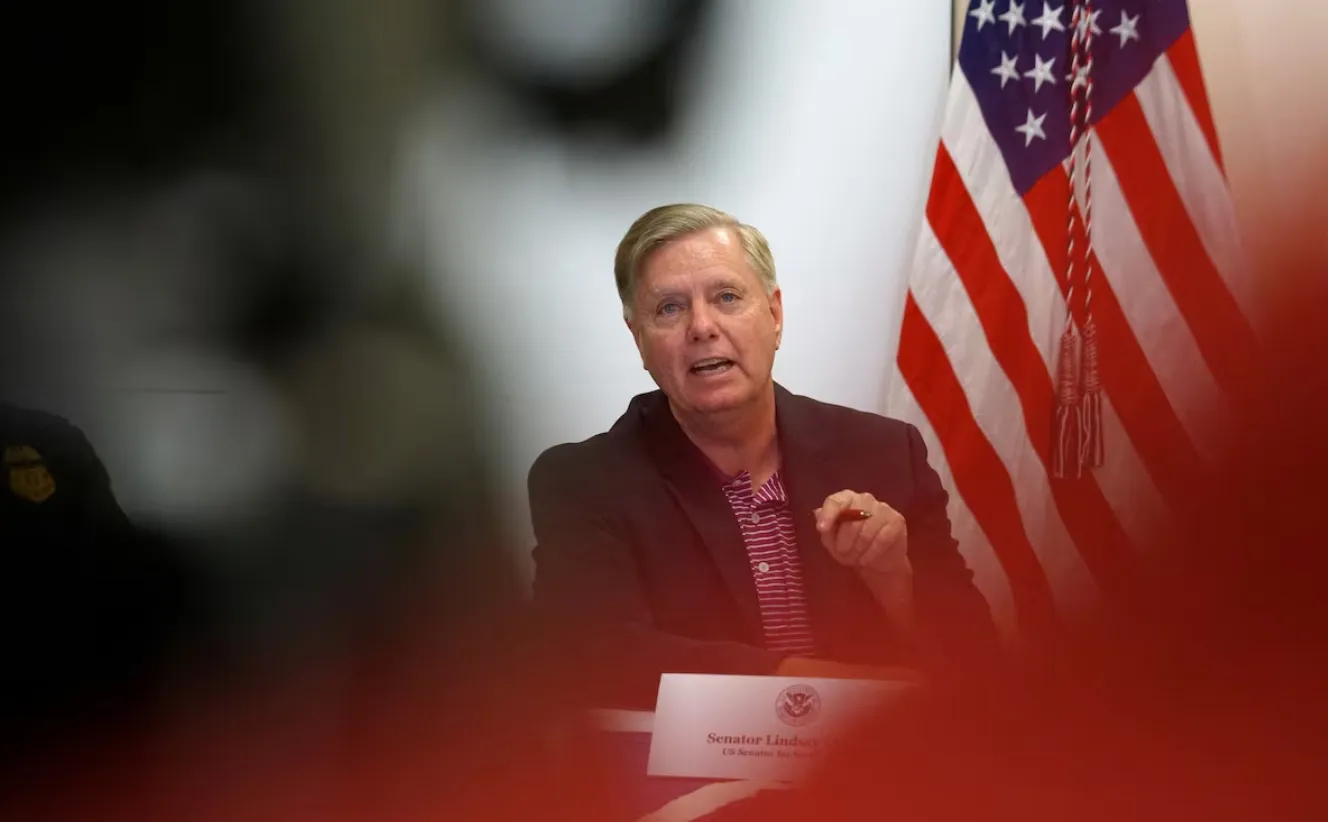
That reality helps explain why leaders such as the late Senator Lindsey Graham consistently argued that Iran's pursuit of nuclear weapons could never be treated as just another diplomatic disagreement. Whether people agreed with every position he took or not, Graham maintained a clear conviction that regimes built upon terrorism cannot simply be persuaded into abandoning their objectives.
His longstanding support for Israel reflected that same belief.
Israel understands a lesson its neighbors have been forced to learn repeatedly: deterrence works only when it is believable.
Military preparedness does not guarantee peace. Neither does diplomacy. But history suggests that peace becomes increasingly fragile when aggressors conclude there will be little consequence for escalating violence.
History repeatedly shows that peace is strongest when those pursuing violence believe they cannot succeed.
Readers looking for a more biblical perspective on today's headlines can find additional episodes on Real Life Network.
Biblical Wisdom Recognizes the Reality of Evil
Scripture consistently calls believers to pursue peace.
It also refuses to pretend evil does not exist.
The Bible never presents peace as the absence of discernment. Rather, wisdom requires recognizing the true nature of those who reject justice, celebrate violence, and refuse accountability.
That balance often gets lost in modern political conversations. Seeking peace is virtuous. Ignoring reality is not.
Christians should always pray for diplomacy, reconciliation, and the preservation of life. Yet praying for peace does not require abandoning wisdom about the intentions of those who openly threaten innocent people.
Throughout history, freedom has often depended on leaders willing to prepare for conflict precisely so conflict could be avoided. That remains true today.
Real peace is preserved not by pretending evil has disappeared, but by ensuring evil understands there are consequences for its actions.
The world will continue debating foreign policy, military strategy, and diplomacy.
Those debates matter. But beneath every policy discussion lies a timeless principle: peace is most secure when justice is defended with both wisdom and strength.
Watch the full discussion on The Daniel Cohen Show and explore more biblical news and cultural commentary on Real Life Network.
.webp)
World News
25 min
Trump's Iran Deal Faces Growing Scrutiny From Conservatives
President Trump's proposed agreement with Iran is drawing criticism from conservatives who argue the deal rewards Tehran, sidelines Israel, and risks repeating mistakes made in previous negotiations with the Islamic Republic.
Iran, Israel, President Trump, the Strait of Hormuz, sanctions relief, and Middle East peace have dominated headlines in recent weeks. But beneath the political talking points lies a growing debate among conservatives about whether the administration's proposed agreement with Iran represents a strategic victory or a costly concession. On Real Life Network and The Daniel Cohen Show, the conversation centers on a question many Americans are asking: why does an agreement designed to promote stability appear to provide significant benefits to Iran while offering few visible gains for the United States or Israel?
The controversy has become one of the most significant foreign policy discussions within the conservative movement, exposing divisions over diplomacy, deterrence, and America's relationship with Israel.
Why Critics Are Concerned About the Iran Agreement
The administration has described the memorandum of understanding with Iran as an opportunity to reduce tensions and avoid a broader regional conflict. Supporters argue that diplomacy remains preferable to military escalation and that economic engagement could encourage greater stability.
Critics see a very different picture.
According to details discussed throughout the episode, the agreement would reportedly ease economic pressure on Iran through sanctions relief, allow greater access to international markets, and potentially unlock significant financial resources. At the same time, opponents argue that the deal offers little more than assurances from a regime that has repeatedly violated international commitments and continued supporting proxy organizations throughout the Middle East.
The concern is not merely about economics. The concern is whether the agreement addresses the underlying threat posed by the Islamic Revolutionary Guard Corps and the broader ideology driving Iranian foreign policy.
For decades, Iran has funded groups such as Hezbollah, Hamas, and the Houthis while pursuing regional influence through military, political, and financial support. Critics argue that any agreement that strengthens Tehran financially without fundamentally changing its behavior risks recreating the same conditions that produced instability in the first place.
A diplomatic agreement is only as strong as the willingness of both sides to honor it.
Many conservatives who supported President Trump through multiple elections now find themselves questioning whether this approach aligns with the administration's previous commitment to maximum pressure and strong deterrence.
For additional analysis of international affairs and current events through a biblical worldview, viewers continue turning to Real Life Network and The Daniel Cohen Show.
Israel's Role in the Debate
One of the most controversial aspects of the proposed agreement is Israel's position in the process.
Israel remains America's closest ally in the Middle East and has long viewed Iran's nuclear ambitions and regional influence as direct threats to its security. Yet critics argue that Israel was largely sidelined during discussions surrounding the agreement despite being one of the nations most directly affected by its outcome.
This concern intensified after comments from Vice President J.D. Vance criticizing members of the Israeli government who publicly opposed the deal. Those remarks generated significant backlash among conservative voters who believe support for Israel should remain a foundational principle of American foreign policy.
The criticism is not necessarily rooted in partisan politics.
Rather, it reflects a broader belief that Israel faces unique security challenges that cannot be fully understood from Washington alone. Israeli citizens live under the constant threat of rocket attacks, terrorist activity, and regional instability. For many supporters of Israel, those realities make security concerns more than theoretical policy debates.
Many conservatives believe that strengthening Israel and strengthening American interests are complementary goals, not competing priorities.
The discussion has also highlighted broader questions about deterrence. Critics argue that adversaries are less likely to pursue aggression when they perceive strength and resolve. They worry that economic concessions offered before meaningful behavioral changes have occurred could send the opposite message.
These concerns help explain why the debate has become so emotional among voters who otherwise remain supportive of President Trump's broader agenda.
For more faith-based commentary on culture, politics, and world events, viewers can explore programming available through Real Life Network.
What Conservatives Want to See Next
Beyond the details of the agreement itself, many conservatives are focused on what comes next.
One issue receiving renewed attention involves American citizens currently detained in Iran. Critics have questioned why the release of detained Americans was not more prominently included in discussions surrounding sanctions relief and economic incentives.
Others point to Iran's continued support for regional proxy groups as evidence that fundamental problems remain unresolved. From their perspective, any lasting peace agreement must address not only nuclear concerns but also the broader network of organizations responsible for destabilizing the region.
The debate also reveals something larger about the modern conservative movement.
Many voters are demonstrating that their support for political leaders is not unconditional. They are willing to celebrate policies they believe work while voicing concerns when they believe mistakes are being made.
That distinction matters. Political loyalty and policy agreement are not the same thing.
Conservatives increasingly want results, accountability, and policies that reflect the principles they elected leaders to pursue.
Whether the agreement ultimately succeeds or fails remains to be seen. What is already clear is that many Americans remain deeply invested in the outcome. They understand that decisions made today could shape the future of the Middle East, America's global influence, and the security of one of its closest allies for years to come.
As the conversation continues, supporters and critics alike will be watching closely to see whether diplomacy produces meaningful change or simply delays difficult decisions.
For more news, cultural commentary, and biblical analysis, visit Real Life Network and watch The Daniel Cohen Show.
World News
25 min
From Iran to Britain: The Consequences of Looking Away
From Iran's nuclear ambitions to free speech in Britain and the influence of social media on children, this episode explores what happens when societies ignore warning signs and choose convenience over reality.
Iran, Israel, free speech, social media, parenting, political leadership, and cultural decline may seem like separate issues. In reality, they all point to the same question: what happens when leaders stop confronting problems honestly? Through the analysis featured on Real Life Network and The Daniel Cohen Show, recent headlines reveal a growing pattern of institutions avoiding difficult truths while expecting the public to accept the consequences.
Whether the issue is a proposed agreement with Iran, restrictions on speech in the United Kingdom, or the growing influence of social media on children, reality does not disappear simply because leaders choose not to address it.
The Iran Deal Nobody Has Seen
The latest agreement between the United States and Iran has generated headlines around the world. Supporters describe it as an opportunity for stability and peace. Critics see it differently.
The problem is simple. Nobody has actually seen the details.
Public officials are celebrating what has been described as a memorandum of understanding, yet many of the specifics remain unknown. That uncertainty has created significant concern, particularly in Israel, where citizens live with the direct consequences of Iranian aggression.
For many Israelis, the issue is not abstract. It is personal.
Iran continues to fund proxy organizations throughout the region, support terrorist groups, and pursue influence through organizations openly hostile to both Israel and the United States. Critics of the agreement argue that economic relief and diplomatic recognition may provide a struggling regime with new opportunities while leaving the underlying threat unchanged.
The concern is not whether diplomacy has value. Diplomacy can be useful.
The concern is whether diplomacy is being mistaken for resolution.
A temporary agreement cannot solve a long-term problem if the underlying threat remains intact.
Many observers point to previous agreements with Iran that promised restraint while allowing the regime to preserve its power and influence. That history explains why skepticism remains high among those who believe the Islamic Republic has consistently demonstrated its unwillingness to honor commitments.
For more analysis of international affairs, current events, and biblical worldview commentary, viewers continue turning to Real Life Network and The Daniel Cohen Show.
When Governments Decide What People Can Hear
The conversation about reality extends beyond foreign policy.
In the United Kingdom, government officials have proposed new restrictions on social media access for children under sixteen. Supporters argue these policies are necessary to protect young people from harmful content and excessive screen time.
Few parents would deny that social media presents challenges.
The deeper question is who gets to decide what information people can access.
Historically, governments have often attempted to regulate speech. What makes these developments different is that they increasingly involve regulating what citizens are allowed to hear, read, and consume.
That distinction matters.
Restricting speech controls expression. Restricting access to information shapes understanding itself.
Many observers have noted the inconsistency in modern Western governments. Authorities often appear reluctant to address serious social problems while simultaneously becoming more aggressive in regulating public discourse.
This concern is especially significant for Christians, who understand that truth flourishes through open examination rather than government management.
A society that limits access to ideas risks creating citizens who are easier to control but less capable of discernment.
The answer to harmful ideas has never been ignorance. It has always been wisdom.
For additional commentary on culture, politics, and faith, viewers can explore the growing library of content available through Real Life Network.
The Battle for the Next Generation
While politicians debate foreign policy and governments debate speech restrictions, another battle is unfolding much closer to home.
It is taking place in families.
One of the most revealing moments discussed in this episode involved children participating in political protests while repeating slogans and language they are far too young to understand. The incident served as a reminder that children often absorb the worldview of the adults shaping their environment.
Parents understand this instinctively.
Children learn what to value long before they understand why they value it.
This reality makes the conversation about social media even more important. Smartphones, social platforms, influencers, and digital communities increasingly compete with parents for a child's attention, loyalty, and identity.
The challenge is not merely technological.
It is spiritual and cultural.
Many young people now spend more time consuming content than building relationships, developing skills, or engaging with the real world around them. As screen time increases, meaningful human interaction often declines.
This trend carries long-term consequences.
Families cannot outsource discipleship to algorithms. Parents cannot delegate character formation to social media platforms.
The future of a culture is shaped by what it teaches its children to love, believe, and pursue.
That is why parenting matters. It is why education matters. It is why worldview matters.
The most important questions facing society are not ultimately political. They are questions about truth, responsibility, and whether the next generation will inherit the wisdom needed to preserve what previous generations built.
The issues discussed throughout this episode may appear disconnected at first glance. Iran, free speech, social media, parenting, and cultural change all seem to occupy different categories.
Yet they share a common thread.
Every one of them involves a choice between confronting reality and avoiding it.
History repeatedly shows that problems ignored today rarely become easier tomorrow.
For more news, biblical analysis, and cultural commentary, visit Real Life Network and watch The Daniel Cohen Show.
Related Articles
.webp)
World News
25 min
Iran, Artificial Intelligence, and the Cost of Ignoring Reality
From Iran's nuclear ambitions and artificial intelligence to immigration and economic success, this episode examines why truth, reality, and clear-eyed leadership matter more than political narratives.
Iran, Israel, artificial intelligence, immigration, capitalism, Elon Musk, and cultural change may seem like unrelated topics. Yet they share a common thread. Across politics, economics, technology, and foreign policy, many of today's biggest debates come down to one question: are leaders willing to confront reality, or are they trying to negotiate with it? Through the analysis featured on Real Life Network and The Daniel Cohen Show, recent headlines reveal the consequences of avoiding hard truths and the importance of recognizing reality before it becomes impossible to ignore.
Whether discussing Iran's nuclear ambitions, the rise of artificial intelligence, or the cultural challenges facing Western nations, reality has a way of asserting itself regardless of political preferences or public opinion.
Iran, Israel, and the Limits of Negotiation
Much of the current discussion surrounding the Middle East centers on negotiations between the United States, Israel, and Iran. While diplomatic agreements can serve important purposes, they cannot solve problems that remain fundamentally unchanged.
According to Daniel Cohen's analysis, the central issue is not oil prices, shipping routes, or even temporary ceasefires. The concern is the Iranian regime itself and the ideology that continues to drive its actions. For decades, Iran has funded proxy groups, supported terrorism, and pursued nuclear capabilities despite repeated international pressure.
The recent agreement being discussed would reportedly reopen economic pathways and provide relief to a regime that many observers believe was facing unprecedented weakness. Critics argue that such agreements risk giving Iran valuable time to regroup, rebuild, and continue pursuing its long-term objectives.
The concern extends beyond military capabilities.
The question is whether policymakers are addressing symptoms while leaving the underlying problem intact.
A deal may pause a conflict, but it cannot solve a problem that leaders refuse to define honestly.
Supporters of a tougher approach argue that lasting peace requires confronting the source of instability rather than repeatedly negotiating around it. They point to decades of failed agreements and broken promises as evidence that diplomacy alone cannot transform a regime that remains committed to revolutionary goals.
For more biblical analysis of world events, current affairs, and international developments, viewers continue turning to Real Life Network and The Daniel Cohen Show.
Artificial Intelligence Is Already Reshaping the Future
While headlines focus on international conflict, another transformation is unfolding at remarkable speed.
Artificial intelligence is no longer a future possibility. It is a present reality.
Students entering the workforce are increasingly aware that many traditional career paths may look dramatically different within a few years. Businesses are integrating AI into daily operations. Military organizations are incorporating AI into decision-making systems. Healthcare, education, finance, and manufacturing are all being reshaped by technologies that continue advancing at a rapid pace.
This creates both opportunity and uncertainty.
On one hand, artificial intelligence has the potential to solve problems, improve efficiency, and create entirely new industries. On the other hand, it raises serious questions about employment, ethics, human dignity, and the future of decision-making itself.
What makes this moment unique is that many people still underestimate how quickly these changes are occurring.
The conversation is no longer about whether AI will affect society. It already is.
Artificial intelligence is not a future issue. It is already reshaping how people learn, work, fight, and make decisions.
This reality creates an important challenge for Christians, educators, business leaders, and policymakers. Ignoring the technology will not stop its development. Embracing it without wisdom could create entirely new dangers.
The wiser path requires understanding the technology while remaining grounded in timeless principles that affirm human value, responsibility, and accountability.
For additional faith-based content exploring culture, technology, and current events, viewers can explore programming available through Real Life Network.
Wealth, Immigration, and the Importance of Cultural Confidence
The same tension between reality and ideology appears in debates surrounding wealth creation, immigration, and cultural identity.
The recent milestone of Elon Musk becoming the world's first trillionaire generated strong reactions across the political spectrum. Supporters celebrated innovation, entrepreneurship, and economic growth. Critics focused on wealth inequality and concerns about concentrated financial power.
Lost in much of the debate was an important reality: wealth creation and wealth redistribution are not the same thing.
SpaceX's success reportedly created thousands of new millionaires among employees, demonstrating how innovation can generate opportunities for workers throughout an organization.
The larger question is whether societies reward the creation of value or merely focus on redistributing what already exists.
At the same time, debates surrounding immigration and assimilation continue growing throughout the Western world. Communities in Europe and North America increasingly find themselves asking how immigration policies can balance compassion, opportunity, security, and cultural stability.
These discussions are often portrayed as conflicts between inclusion and exclusion. In reality, many citizens are asking a simpler question: can a society maintain its identity if newcomers are not encouraged to embrace its values, laws, and institutions?
Assimilation is not about ethnicity or race. It is about shared commitments.
Successful immigration has historically depended upon newcomers embracing the principles that allowed their new home to flourish in the first place.
Whether discussing economic systems, technological innovation, or immigration policy, the same lesson emerges repeatedly.
A society cannot preserve what it values if it refuses to acknowledge the realities shaping its future.
Reality does not disappear simply because it is politically inconvenient. Technology continues advancing. Ideologies continue spreading. Economic systems continue producing results. Cultural decisions continue shaping future generations.
The challenge facing leaders today is not merely identifying problems. It is having the courage to describe those problems honestly and address them before they become crises.
For more news, cultural commentary, and biblical analysis, visit Real Life Network and watch The Daniel Cohen Show.
Related Articles
Thank you! Your submission has been received!
Oops! Something went wrong while submitting the form.
World News
As war erupts between Israel and Iran, believers around the world are searching for clarity through a biblical worldview. We are tracking the unfolding conflict with sober analysis rooted in biblical truth, Christian news reporting, and careful attention to what is actually happening on the ground in Israel. You can follow ongoing coverage and updates on the Real Life Network, where we are bringing together trusted voices to help Christians understand the significance of this moment.
When the first reports began coming in just after 11 p.m. Pacific time, the scale of the situation was immediately clear. What began as coordinated military strikes between Israel and the United States quickly developed into the opening hours of a conflict that could reshape the Middle East.
Here in Israel, sirens have been sounding repeatedly. Rockets have been launched toward central Israel, and civilians have been moving in and out of bomb shelters as defensive systems intercept incoming threats.
But despite the gravity of the situation, something remarkable stands out. Israelis are not panicking. Life continues with a steady resolve. Families move quickly when sirens sound. Soldiers stand ready. The country is accustomed to facing danger with clarity and courage.
What we are witnessing is not simply another geopolitical conflict. It is a moment where history, security, and biblical prophecy are intersecting before our eyes.
Inside Israel as the War Begins
Reporting from the Tel Aviv region, the atmosphere throughout Israel has been tense but disciplined. Sirens have sounded throughout the day, sending civilians into bomb shelters multiple times as defensive systems respond to incoming rockets.
The military operation itself was significant. Hundreds of aircraft were involved in what Israeli officials described as the largest coordinated strike in the nation’s history. High value targets connected to Iran’s military leadership and nuclear infrastructure were reportedly hit in the opening phase.
Israel’s layered defense system has been active throughout the conflict. Long range interceptors engage ballistic missiles high above the atmosphere. Other systems neutralize rockets before they reach population centers.
The United States has also deployed additional defensive systems throughout the region. American Patriot and THAAD interceptors have been helping neutralize missiles before they even reach Israeli airspace.
This level of cooperation highlights something that often gets overlooked in media coverage.
The alliance between Israel and the United States is not simply political. It is strategic, historic, and deeply connected to shared values.
For those watching events unfold from the United States or around the world, it is important to stay informed through trusted sources. You can continue following verified updates and biblical analysis through the Real Life Network, where our team is monitoring developments in real time.
The Iranian People and the Underground Church
One of the most misunderstood aspects of this conflict is the relationship between the Iranian people and their government.
Many Americans assume that Iran’s citizens stand behind their leadership. In reality, the situation is very different.
The Iranian regime has extremely low approval ratings inside the country. Many Iranians have spent decades living under a system that suppresses freedom, limits expression, and imposes harsh ideological control.
That is why videos circulating online have shown scenes that may surprise Western audiences. In some areas, Iranian citizens are celebrating the possibility that the regime’s grip on power could weaken.
It is also important to remember something rarely discussed in mainstream media.
There is a growing underground church in Iran. Thousands of believers follow Jesus quietly, often at great personal risk. These Christians have been praying for their nation for years.
For them, the events unfolding today are not merely political developments. They represent a possible opening for greater freedom and spiritual renewal.
The people of Iran are not the enemy. The conflict is with a regime that has built its power through terror, repression, and hostility toward Israel and the West.
As believers watch these developments, prayer remains essential. Scripture instructs us in Psalm 122:6 to pray for the peace of Jerusalem. That command has never been more relevant.
A Spiritual Battle Behind the Headlines
While most of the world analyzes this conflict through geopolitical lenses, Christians recognize that there is also a spiritual dimension.
The leadership in Iran often frames global events through its own religious ideology and long term eschatological worldview. That means many decisions are shaped not only by strategy, but also by deeply held theological beliefs about conflict and destiny.
For Christians, this reminds us that the Bible repeatedly speaks about nations rising and falling throughout history.
Scripture also reminds us that God remains sovereign over the affairs of nations.
Israel’s return as a nation in 1948 was itself an event many scholars had long associated with biblical prophecy. Today, decades later, Israel remains at the center of global attention.
This does not mean we rush to sensational conclusions or speculative predictions. Responsible Christian analysis requires caution and humility.
But it does mean we should watch carefully.
Events in the Middle East remind believers that God’s Word is not merely ancient history. It continues to speak into the present moment.
As the conflict develops, many questions remain. How will regional powers respond? What role will Russia and China play? Could the conflict expand into a wider regional war?
These are serious questions that deserve thoughtful examination.
You can continue following in-depth coverage, biblical analysis, and updates from trusted voices through the Real Life Network, where we will continue reporting on these events as they unfold.
The Call for Prayer and Perspective
In moments like this, fear and speculation spread quickly. Social media is filled with rumors, incomplete reports, and emotional reactions.
But believers are called to respond differently. We respond with prayer. We respond with wisdom. And we respond with confidence that God is not surprised by the events unfolding in the world today.
Christians should be praying for the safety of civilians in Israel. We should also be praying for the people of Iran, many of whom long for freedom and peace.
Most importantly, we remember that our ultimate hope does not rest in governments or military power. Our hope rests in Christ.
For continuing coverage, biblical insight, and trusted reporting from voices like the Daniel Cohen Show, stay connected with the Real Life Network and share the app with friends who want to understand world events through a biblical worldview.
Related Articles
25 min
March 3, 2026
Daniel Cohen
World News
If you have been watching the “Hands Off Iran” protests after the massive U.S. Israeli strikes, you have heard the claim: this is about peace, this is about opposing an unjust war, this is about protecting innocent people. I want to engage that argument seriously, not mock it. Because what matters is what “hands off” has actually produced for 47 years. Watch the full breakdown on the Real Life Network.
The slogans sound compassionate, but compassion has to be tethered to reality. “Hands off Iran” did not protect the Iranian people. It protected the regime that brutalized them. It did not prevent war. It financed and prolonged proxy war, terror, and a nuclear sprint while ordinary Iranians paid the price.
The “hands off” crowd thinks they are protesting war, but what they are really shielding is tyranny.
What do you think “restraint” looked like on the ground? It looked like dissidents murdered in the streets. It looked like women punished for defying the regime. It looked like a diaspora that escaped, then watched their homeland held hostage by a radical theocracy. And it looked like Iranians, after decades of fear, celebrating the first real crack in the regime’s armor.
That is the lie I want to expose: the lie that doing nothing is morally neutral.
Here is the second lie: “This is Israel’s fight, not America’s.” No. For decades, Iran has attacked Israel and also killed Americans as a strategic policy. Not accidentally. Not as collateral damage. Deliberately. Think about the pattern: bombings, proxies, drones, kidnappings, and October 7’s ripple effects. The Islamic Republic has never been just Israel’s problem. It has been America’s problem, too. And America finally showed up to the fight. For more analysis from Israel, keep up with coverage on the Real Life Network.
Iran has never been only Israel’s problem, and pretending otherwise has cost American lives.
Why Trump Did This And Why “Israel Dragged Us” Makes No Sense
The “Israel dragged America into it” narrative requires you to believe something that just does not fit reality. You have to believe Donald Trump, the man who ran against endless foreign wars, was manipulated into launching the most consequential operation of his presidency.
That is not Trump. It has never been Trump.
Trump’s record has been consistent for years. He targeted the IRGC’s Qassem Soleimani in 2020 because it was in America’s interest. He walked away from the JCPOA in 2018 against the advice of the foreign policy establishment because it was bad for America. He has always had a particular kind of courage: the willingness to say the uncomfortable thing that the entire room has decided you are not allowed to say.
That matters, because “hands off” did not produce peace. It produced an ecosystem of terror: Hezbollah, Hamas, the Houthis, militias, and a regime that learned it could walk away from talks without consequences. When you teach a regime that there is no price for aggression, you do not get moderation. You get escalation.
Here is the hard truth. Diplomacy was tried. Negotiations happened. Iran walked away, again. For 47 years, walking away was a winning move because it did not cost them anything. That is why this moment is so significant. Consequences finally arrived.
Justice is not “unprovoked war” when it stops a regime that has been exporting terror for decades.
And I will end where we began: the protest crowd says “hands off” because they think they are for peace. But peace is not the absence of action. Peace is the defeat of the engine that keeps manufacturing conflict.
Watch and share today’s show on the Real Life Network. And if you have friends repeating the slogans, do not hate them. Engage them. Ask them what “hands off” bought us. Ask them who benefited. Because the Iranian people did not.
For more frontline coverage and a biblical worldview as history unfolds, visit the Real Life Network.
Related Articles
- Why do Christian Kids Convert to Islam? by Hedieh Mirahmadi Falco
- The Collapse of an Illusion: Is the Islamist Narrative Losing Its Grip? by Hedieh Mirahmadi Falco
- A New Middle East After Iran’s Collapse by Daniel Cohen
25 min
Hands Off Iran? What 47 Years of “Restraint” Really Produced
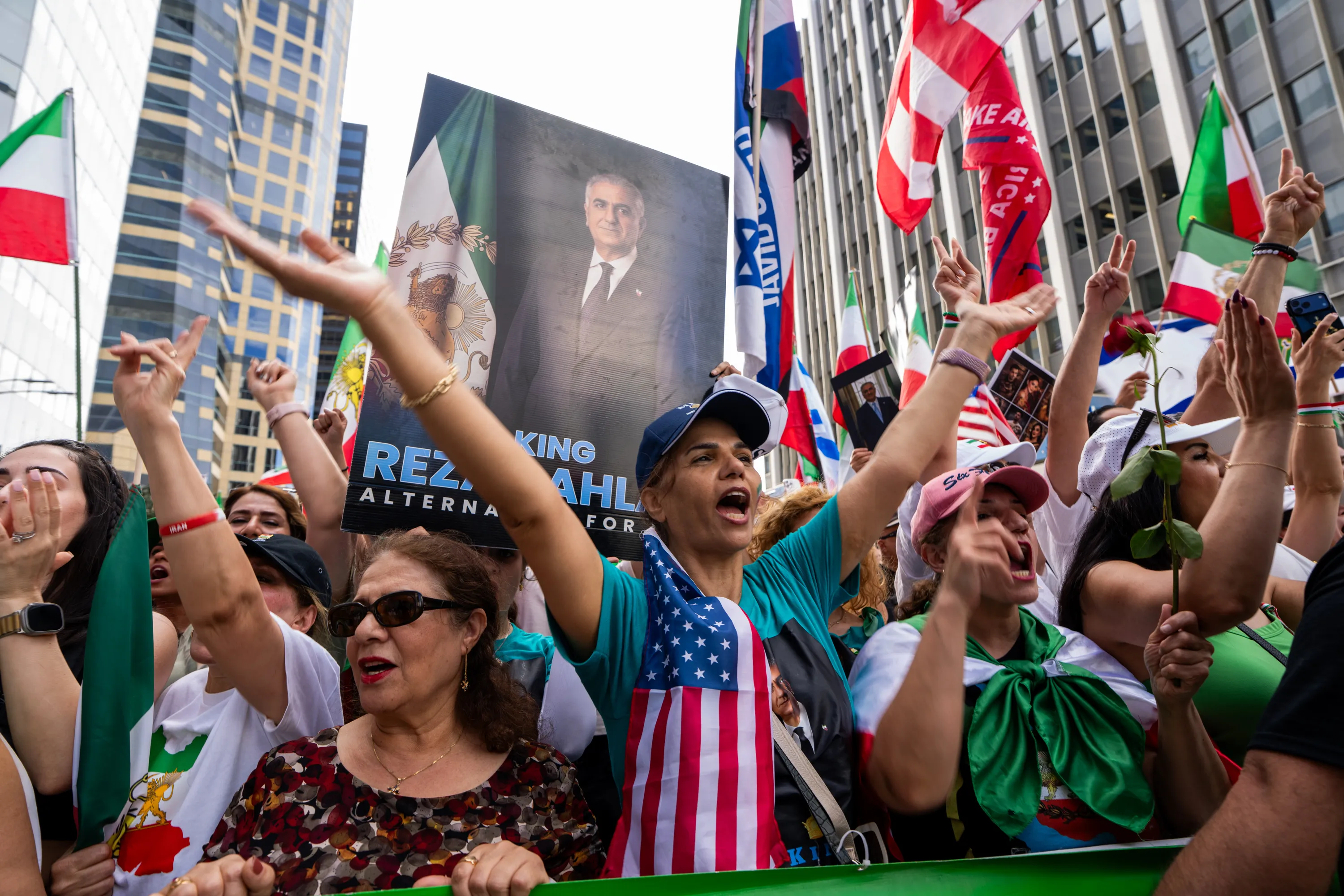
March 3, 2026
Daniel Cohen
World News
If you watch The Daniel Cohen Show for a biblical worldview on Israel, Iran, and the Middle East, you already know this was not “just another headline.” This is one of those rare moments where history moves fast, and the world wakes up to what the Iranian regime really was: the engine behind decades of terror. In the span of hours, a joint U.S. Israel operation reportedly decapitated Iran’s top leadership and struck core military targets, and the region is now recalculating in real time. Watch and share the full coverage on the Real Life Network.
This is what it looks like when evil loses its grip and fear begins to break.
What Just Happened, And Why It Matters
Multiple reports describe coordinated U.S. and Israeli strikes against Iran’s leadership, missile infrastructure, and key military sites on February 28, 2026, in an operation the Pentagon labeled “Operation Epic Fury,” while Israeli officials used their own operational language.
Now listen, the legacy media will argue about phrasing, tone, and optics because they always do. But here is the plain truth: Iran was not a “normal country with disagreements.” Iran under the Islamic Republic was the number one state sponsor of terror in the region, funding and directing proxy warfare through Hamas, Hezbollah, and the Houthis, while crushing its own people.
When the regime’s upper tier is removed, it creates an opening, not a guaranteed victory, but an opening. And that is why you saw something the world almost never sees: people inside and outside Iran celebrating the possibility of freedom, even as regime loyalists reportedly tried to reassert control through intimidation and violence.
If you want the cleanest way to understand this moment, its moral clarity. The Iranian people are not your enemy. The regime was. That distinction matters.
The Third Player: Saudi Arabia, The Gulf, And A Regional Realignment
Here’s what the media often misses because they don’t understand the Middle East, or they don’t want to. The hatred between Iran and the Sunni Arab Gulf states was never “just about Israel.” It’s theological, strategic, and historical. Tehran’s imperial ambitions threatened Riyadh, Bahrain, the UAE, Kuwait, and beyond.
That’s why this moment has the potential to do what decades of “process” could not: unify a broader regional front against the Iranian terror machine and its proxies. That does not mean every government will say everything out loud, because politics in the region is about survival. But it does mean the strategic reality is shifting, and fast.
And here is where Americans need to wake up. Strength is not “escalation” when it prevents larger wars. Deterrence is mercy. Weakness invites aggression. That’s not ideology, that’s history.
For ongoing updates, clips, and full episodes, get the free app and watch on the Real Life Network.
A Biblical Worldview For What Comes Next
The job is not finished just because the head was struck. Proxy networks do not disappear overnight. Intelligence services do not dissolve because a headline changes. And inside Iran, the regime’s loyal enforcement arms may lash out harder precisely because they know their time is short.
But hear me clearly: Christians do not watch this like spectators. We watch with discernment, prayer, and a commitment to truth. Scripture is not naive about evil. It also is not naive about accountability.
Proverbs says there is rejoicing when righteousness rises, and Scripture also warns us that evil does not simply repent because it is embarrassing. That means two things can be true at once: you can be grateful for justice, and you can be sober about the instability that follows a regime’s collapse.
The Iranian people deserve freedom, and the Middle East deserves a future without a terror regime holding the region hostage.
If you missed the show coverage and want the full breakdown from Israel as events unfold, watch now on the Real Life Network. And if you are already watching, share it, because the truth needs distribution.
Related Articles
- Shaping the Next Generation: Examining Education, Ideology, and the Future of Palestinian Youth by Daniel Cohen
- The Super Bowl Ad America Needed, Netanyahu’s Iran Warning, and the Olympic Contrast We Cannot Ignore by Daniel Cohen
- Accountability, Assimilation, and A Response to Minnesota’s Somali Immigration Crisis by Daniel Cohen
25 min
A New Middle East After Iran’s Collapse

March 2, 2026
Daniel Cohen
World News
If you want clear, biblical worldview analysis on Israel, Bible prophecy, the Middle East, and the cultural battles shaping the church, watch The Daniel Cohen Show on the Real Life Network. From Israel to California, believers are asking the same question: how do we read the headlines without panic, and how do we stay faithful without going numb? In this conversation with Pastor Jack Hibbs from the Real Life Network flagship studios in Chino Hills, we talk Israel and Iran, the underground church, Hollywood’s silence, and why the church must recognize Bible prophecy with courage, not fear.
Israel in the Headlines and Prophecy in Real Time
I’m speaking to you from Israel, about 9,000 miles away from Chino Hills, and Pastor Jack and I start with the reality that never stops being true: when Israel moves, the world watches. But believers should watch with more than curiosity. We should watch with a Bible open.
Pastor Jack is teaching a new series designed to help the church recognize Bible prophecy. That word matters: recognize. Not obsess. Not panic. Not speculate into the weeds. Recognize what Scripture has already told us would happen, then live steady, faithful, and unshaken.
Israel’s covenant identity is not a political slogan. It is a biblical fact rooted in the God of Abraham, Isaac, and Jacob. Pastor Jack points to what Scripture foretold: God drawing His people back from the four corners of the earth, the return to the land, the resurgence of antisemitism, and Israel surrounded by enemies. The headlines may feel chaotic, but prophecy tells us God is not improvising.
When Israel is in the news, Christians should sit up and take notice through a biblical worldview, not cable news emotion.
We also talk about Iran, because the eyes of the world keep shifting there. The regime appears weaker than it has been in years, the streets are unstable, and the region is watching. Pastor Jack frames it with clarity: Persia is Bible land. Iran today occupies the map where Scripture has already spoken about nations, hostility, and God’s purposes in the last days. That does not mean we set dates or write fan fiction. It means we remember God’s Word does not return void.
Iran’s Underground Church and the God Who Still Speaks
One of the most powerful parts of this conversation is not geopolitical. It is personal. We talk about the underground church in Iran and the testimonies that keep surfacing, stories of people who had never held a Bible, never entered a church, never had access to Christian resources, and yet encountered Jesus in dreams.
To some, that sounds impossible. To anyone who has read Acts, it sounds familiar.
Pastor Jack makes a point that lands with weight: God is not limited by tyrants, borders, or censorship. He can move through dreams, providence, a whispered prayer, and a digital download that no regime can fully stop. He references something that has been discussed publicly before: huge spikes in Scripture and sermon content being accessed inside Iran, even during the early COVID years. Whether it is a digital Bible, a sermon clip, or a single verse shared quietly, God uses it all.
God can shake the nations, but He also pursues one soul trapped under tyranny, because the gospel is always personal.
And that’s where Pastor Jack presses the church to do what the church is called to do. Pray for the people of Iran. Pray for freedom. Pray for protection for believers who are gathering quietly, risking everything to follow Jesus. Pray for courage, wisdom, and endurance.
We also address the glaring hypocrisy of our modern “human rights” class. Many celebrity voices have spent years condemning Israel, but they go silent when the Iranian regime brutalizes its own people. Pastor Jack’s answer is blunt: cowardice. And he points to the spiritual reality that fear of retaliation often silences people who are bold only when it is safe.
Israel is an easy target for the fashionable crowd. The church is an easy target. But confronting a regime that punishes dissent? That costs something. And too many of the loudest voices do not speak when speaking is dangerous.
Faith, Politics, and the Courage to Engage
Then we pivot to America, because you cannot separate faith and public life. You can try, but you will be disciplined by the world you refuse to engage. Pastor Jack says it plainly: believers must stop being spectators while their children’s minds are shaped by ideologies that hate truth, hate order, and hate God’s design.
We talk about activism aimed at protecting lawlessness and shaming enforcement, with schools even encouraging walkouts that put kids in danger. Pastor Jack’s counsel is practical and forceful: parents should stand up, push back, and hold institutions accountable. Organized disruption is not “grassroots” just because someone says it is. Often it is coordinated, funded, and designed to destabilize.
From there, we come home to California. I ask the question a lot of people are asking right now: is California salvageable? Pastor Jack says yes, and he explains why. In his view, the state has hit rock bottom, and that is exactly where a turnaround becomes possible. He points to growing momentum, stronger candidates, and a sharpening public awareness of fraud, corruption, and one party decay.
He also warns that if California turns, the church will be called to serve, not hide. Not merely comment from the sidelines, but engage in the work of rebuilding a moral foundation and defending what is true.
We close with something Pastor Jack says that I want every believer to remember, because it cuts through the noise: you live in a world of faith and politics whether you admit it or not. You either engage or you get vandalized by the culture.
Bible prophecy is not given to scare the church, but to steady the church and keep us obedient when the world shakes.
If you want more conversations like this, grounded in Scripture and unafraid of the moment we’re living in, watch The Daniel Cohen Show on the Real Life Network and share it with someone who needs clarity right now.
Related Articles
25 min
Daniel Cohen and Pastor Jack Hibbs: Israel, Iran, and Bible Prophecy Without Fear
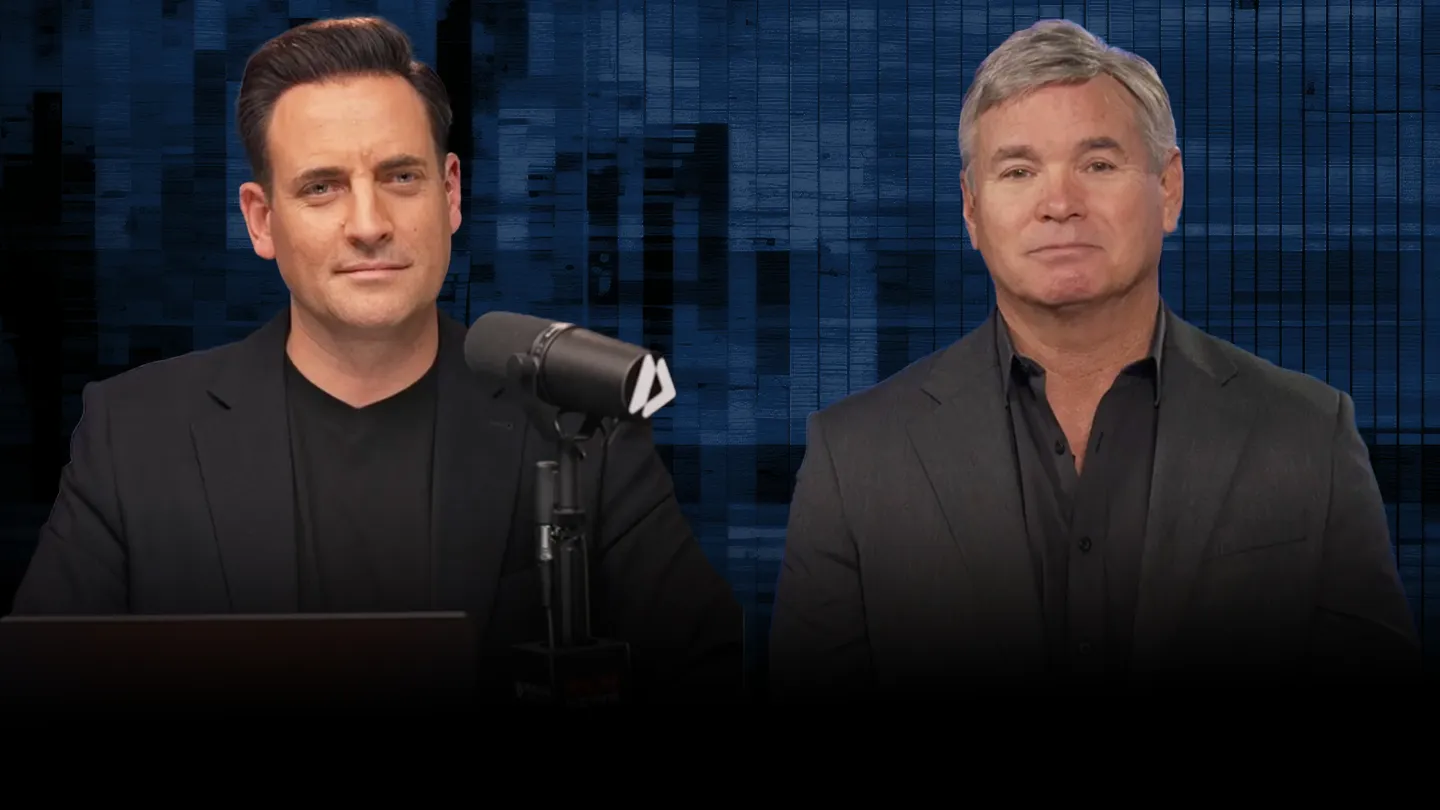
February 16, 2026
Daniel Cohen
World News
Watch The Daniel Cohen Show on the Real Life Network for Christian news and biblical worldviews on the latest events around the globe. On January 27, International Holocaust Remembrance Day, we pause and ask the question the world never wants to answer: how did six million Jews get exterminated, and how do we stop it from happening again? If “never again” means anything, it means we do not look away when evil shows its face. It means we tell the truth, even when it is unpopular. It means we call darkness what it is.
Never Again Is Not a Slogan, It Is a Warning
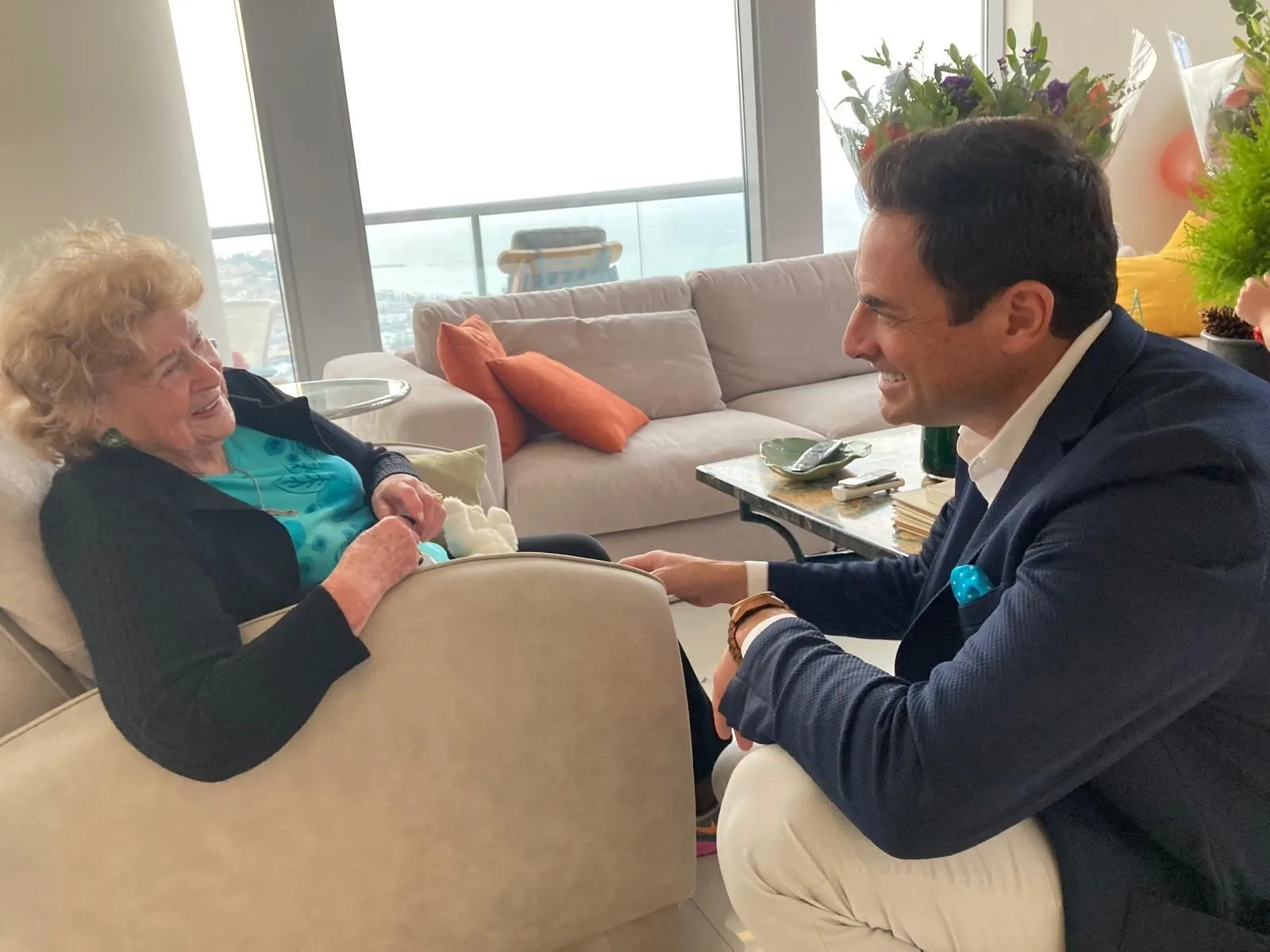
Eighty-one years ago, Soviet troops liberated Auschwitz. They found survivors who were barely alive, walking skeletons of skin and bone. My grandmother Laura was one of them. She lived. Most did not. Only a tiny fraction walked out of that place.
I have seen the images you have seen: the piles of shoes, the abandoned luggage, the warehouses of hair. Six million Jews were systematically exterminated because they were Jewish. And every year, we say “never again,” as if repeating the words is enough to keep the world from repeating the sin.
But here is the uncomfortable truth. “Never again” is meaningless if we only say it when it is safe.
Look at Iran. I am not equating anything to the Holocaust. The Holocaust stands alone in its scope and horror. But if we are talking about mass slaughter, state violence, public executions, and a regime crushing dissent with bullets and terror, then yes, we are watching something horrifying unfold in real time. Reports from inside Iran suggest tens of thousands may have been killed for demanding freedom. The regime has cut the internet for weeks. Ask yourself why. If everything is “under control,” why hide the evidence?
And where are the loudest voices in the West? Where are the celebrity human rights crusaders? Where is the UN women’s office? Where is the legacy media urgency? If your compassion only activates when it can be used as a cudgel against Israel, then it is not compassion. It is propaganda.
When the world goes silent in the face of evil, evil learns it can keep going.
Iran’s Regime Targets the Body, and the World Pretends Not to See
Let me show you the kind of evil the Islamic Republic specializes in. There is footage and imagery coming out in small trickles, even with the internet severed. There are fathers holding sons whose eyes have been destroyed. Reports indicate security forces were told to aim at demonstrators’ eyes, to blind them and break the rebellion. Think about that. A regime so demonic it treats human sight like a target.
This is what radical Islamist tyranny does. It maims. It tortures. It destroys families. It crushes hope.
Now, add the regional reality. The U.S. has moved serious firepower into the Middle East. Israel is preparing for the possibility of retaliation. Iran vows that if the U.S. strikes, it will unleash its rage on the Jewish state. And of course it will, because the radical Islamist obsession is always the same: destroy Israel, murder Jews, erase the miracle of a nation God has preserved.
Meanwhile, October 7 ignited a wave of global antisemitism that is still spreading. In America, we now see protesters targeting Jews not only in politics, but in culture. People protested a Jerry Seinfeld comedy show in Chicago because he is Jewish and supports Israel’s right to defend itself after being attacked by genocidal terrorists. Read that again and tell me we are not sliding backward into medieval antisemitism.
And then came a moment that was both heartbreaking and deeply symbolic. The last Israeli hostage held in Gaza was finally recovered after 843 days. Not rescued alive. Recovered. Israel can finally say there are no longer hostages in Gaza, dead or alive. Comfort, yes, but bittersweet. Families have been shattered. A nation has carried grief like a weight on its chest.
Never again means we confront antisemitism, Islamism, and moral cowardice before they metastasize.
Minnesota’s Moral Confusion and the Call to Protect the Least of These
Now pivot to Minnesota, because if you want to understand the sickness of our moment, listen to leaders who casually weaponize Holocaust imagery for politics. Governor Tim Walz compared ICE enforcement to the story of Anne Frank. That is grotesque. Anne Frank was not “processed.” She was hunted and murdered for being Jewish. Illegal immigrants who commit crimes are not being hunted for extermination. They are being deported. Words matter. History matters.
And then we get a story so absurd it sounds like satire: a group calling itself a Democratic coalition of Satan worshippers recognized Walz at the state capitol. I cannot believe we are even saying this out loud in America. But it is a sign of the times. Confusion is everywhere, and spiritual darkness loves confusion.
The Bible is clear. We do not wrestle against flesh and blood, but against spiritual forces of darkness. This is spiritual warfare. That does not mean we become hysterical. It means we become discerning. It means we pray. It means we speak with biblical truth and refuse to let lies set the terms.
That is why I want to end with something constructive and urgent: the protection of children and the defense of the family.
I sat down with Katie Faust, the founder of Them Before Us, and she said something every church needs to hear. The culture keeps trying to redefine family around adult desire. Katie keeps bringing it back to the child. Children have rights. Children are not accessories. Children have a right to be known and loved by their mother and father when possible, and they should never be bought and sold.
She also confronted the growing industry of “big fertility,” IVF, commercial surrogacy, and donor conception, and the ways children can be commodified in the process. You do not have to agree with every policy detail to recognize the core moral question: are we centering the adult, or are we protecting the child?
The church must become a child-protecting, truth-telling force in a culture that treats kids like a product.
If you want the full interview, and more biblical worldview coverage that refuses to bow to the spirit of the age, watch The Daniel Cohen Show on the Real Life Network.
Related Articles
25 min
Never Again Means Now: Holocaust Remembrance Day, Iran’s Bloodshed, and the Fight for Truth
January 29, 2026
Daniel Cohen
World News
Iran is not simply teetering on the edge of unrest. It is standing at a historic rupture, one that carries consequences far beyond its borders. What unfolds next will reshape energy markets, redraw regional alliances, challenge Islamist power structures, and test the moral clarity of the West and the Church alike. This is not a local uprising. It is a global fault line.
At the heart of the question is whether the Islamic Republic can survive sustained internal collapse or whether it will be decisively dismantled through airstrikes, internal fracture, or a combination of both. A full destruction of the regime would send shockwaves across the Middle East, not least because Iran sits at the center of proxy warfare, nuclear brinkmanship, and global oil supply chains. Any destabilization of Tehran reverberates through Hezbollah in Lebanon, militias in Iraq and Syria, the Houthis in Yemen, and even energy prices felt by American families at the pump.
President Donald Trump has made clear in past conflicts that American involvement is rarely altruistic. His approach to Venezuela demonstrated that regime pressure often comes with long-term U.S. interests attached, particularly oil. Trump has openly said the United States would be involved there “for years” and Iran would be no different. Even if Washington were to assist in facilitating the return of Crown Prince Reza Pahlavi, it would come at a price. Power vacuums invite factions, and Iran has no shortage of them.
Inside the country, the chants are unmistakable. “Javeed Shah--Long live the King” has echoed through protests, signaling an overwhelming popular rejection of Islamic rule. Yet outside Iran, the opposition landscape is far messier. Competing factions backed by powerful Western and regional forces are positioning themselves for influence. Chief among them is the Mujahideen-e-Khalq, or MEK, whose very name means “those who fight jihad for truth.” Despite the branding, the reality is darker.
The MEK is a Marxist-Islamist cult that demands absolute obedience, suppresses dissent, and operates with rigid ideological control. It does not resonate with a generation of Iranians who are risking their lives for personal freedom, not ideological replacement. Yet the MEK has found defenders in surprising places within Western political circles, including figures such as Rudy Guiliani, John Bolton and Mike Pence. Their support reflects a dangerous misunderstanding of the Iranian people’s aspirations and a willingness to empower another authoritarian movement under the guise of opposition.
Power, Oil, and Global Consequences
The stakes extend well beyond Iran’s borders. A destabilized or liberated Iran would dramatically affect global energy markets, potentially lowering oil prices and weakening petro-authoritarian regimes. It would alter nuclear negotiations overnight. It would challenge the balance of power across the Middle East, especially among Islamist governments that have been propped up by Western policy for decades, including Saudi Arabia, Qatar, Turkey, and now post-war Syria and Iraq. Many within the U.S. State Department fear “regional imbalance” if Iran falls. What they truly fear is something unprecedented: the defeat of Islamic rule by its own
people.
Regional leaders from Riyadh to Ankara do not want a free Iran. Saudi Arabia and Qatar worry about oil price shocks and the ideological implications of a successful anti-Islamist revolution. Turkish President Erdogan fears the precedent it would set for political Islam across the region. Trump will hear these concerns loudly. At the same time, he faces pressure from isolationist elements within his own base who reject any form of nation-building or prolonged U.S. involvement abroad.
Officially, the administration maintains that diplomacy comes first. White House press secretary Karoline Leavitt has stated that while negotiations are preferred, nothing is off the table. Trump has already imposed a sweeping 25 percent tariff on any entity doing business with Iran, signaling that economic warfare is very much underway.
Israel’s position adds another layer of complexity. A free Iran would almost certainly align against Islamist terror networks and in favor of Israel’s security. That shift would have profound implications for the Abraham Accords, Palestinian statehood debates, and regional peace negotiations. The very existence of a non-Islamist Iran would upend decades of anti-Israel strategy rooted in Tehran.
Yet military intervention is not the only tool available, and it is striking how many non-military options remain underutilized. The United States possesses some of the most advanced cyber capabilities in the world. Iranian internet infrastructure, traffic systems, and regime-controlled media could be disrupted at scale. The temporary shutdown of Iran’s national television network showed what is possible. More could be done.
The Islamic Revolutionary Guard Corps, designated as a Foreign Terrorist Organization, continues to operate with alarming freedom through front companies, shipping firms, construction conglomerates, charities, banks, and energy intermediaries. Assets are hidden through relatives. Money is laundered through third countries. Operatives travel under diplomatic cover. Sanctions are riddled with carve-outs and selectively enforced by Western governments terrified of escalation.
Cutting off the IRGC would require real resolve: aggressive enforcement of material support laws, freezing assets held by proxies and family members, blocking insurance and port access, grounding aviation services tied to IRGC networks, and ending humanitarian or commercial channels the Guard secretly controls. Elevating authentic opposition voices, smuggling communication tools and supplies into Iran, and conducting psychological operations that sow doubt within regime ranks are all viable strategies that fall short of open war.
The urgency of this moment is underscored by recent developments. The U.S. has ordered evacuations of American citizens. France has withdrawn diplomats. Intelligence reports suggest regime elites are already moving money and preparing exit strategies. The cracks are real.
Faith, the Church, and What Comes Next
For the Church, this moment carries profound spiritual weight. Iran is a theocracy that criminalizes Christianity. Converts are branded traitors. Pastors are imprisoned. Evangelism is treated as a national security threat. Yet despite relentless persecution, Christianity is growing through underground churches, exposing the moral and spiritual bankruptcy of political Islam.
While Iranians risk everything to escape Islamic rule, too many Western churches remain silent, confused, or morally neutral. Scripture does not permit such detachment. Isaiah commands, “Learn to do right; seek justice. Defend the oppressed.” Hebrews reminds us that what can be shaken will be shaken, so that what cannot be shaken may remain.
Living fearless does not mean predicting outcomes or endorsing geopolitical schemes. It means refusing to avert our eyes, refusing to distort the truth, and refusing to let fear dictate our witness. Millions of Iranian Christians are praying for freedom. The question is whether the global Church will have the courage to stand with them when history is being written in real time.
For biblical insight, cultural analysis, and fearless reporting on moments shaping our world, stay connected with the Real Life Network. Visit RealLifeNetwork.com to watch, listen, and stand for truth where faith and current events collide.
25 min
Iran at the Breaking Point: Power, Oil, Faith, and the Battle for What Comes Next
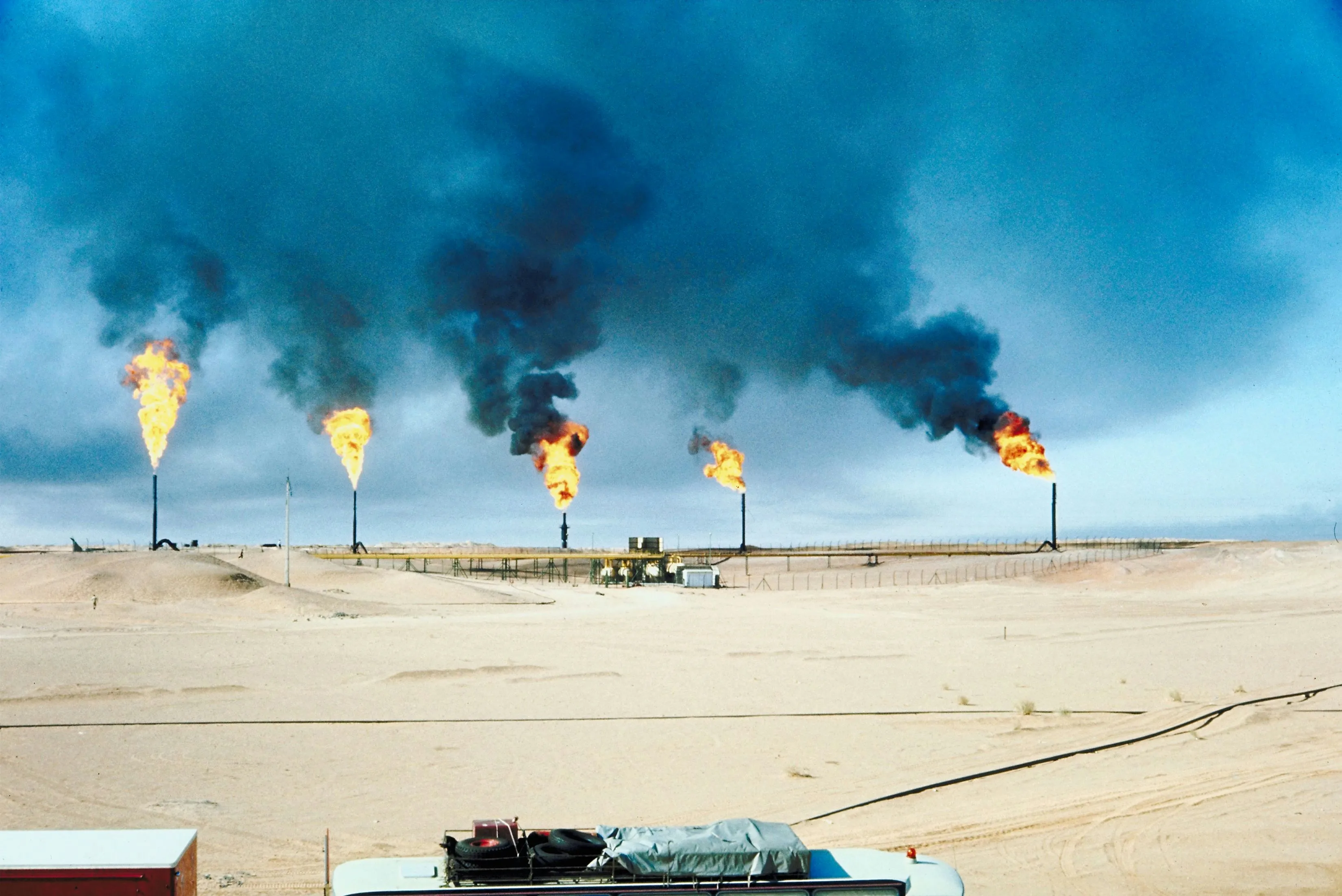
January 22, 2026
Hedieh Mirahmadi Falco
World News
There is something quietly powerful about a person who simply shows up. No speeches. No screaming. Just the steady confidence of standing on principle. On the Daniel Cohen Show for Real Life Network (RLN News), I want to name what so many Americans can feel right now: our culture is loud, confused, and unstable, and the need for biblical truth, moral clarity, and a Christian worldview has never been more urgent.
Hollywood and the legacy media love to lecture the rest of us about morality, but this week exposed the hypocrisy. We watched celebrities elevate a political narrative around Renee Good while ignoring the deeper issues of law, order, and truth. At the same time, actress Sydney Sweeney did something refreshingly human that cut through the noise. She stood for a photo with former Israeli hostages Noah Argomani and Avianatan Orr, survivors of Hamas captivity. In an entertainment industry that punishes anyone who steps out of step with the herd, she did not flinch. Quiet courage still matters, especially when it costs you something.
Protect Women’s Sports and Tell the Truth
We also have a major case at the United States Supreme Court that could decide whether men will continue competing against women in women’s sports. The arguments we are hearing from the left are built on confusion, and sometimes outright denial of reality. The lead attorney could not even define what a woman is. Justice Alito asked a basic question. The answer came back as word salad and evasions.
Title IX was passed to protect women and ensure equal opportunity, privacy, and safety. It was not designed to accommodate an ideology that pretends biology is optional. We have seen female athletes lose scholarships, lose records, and take physical punishment they should never have to endure. This is not compassion. It is exploitation. Riley Gaines nailed it when she said that if leaders cannot state a simple truth about male and female, then they lose credibility on everything else.
And Christians, this is another reminder of why voting matters. Supreme Court seats shape the law for generations. Policy follows downstream from worldview, and worldview follows downstream from truth.
Iran’s Uprising and the Red Green Alliance
While Americans are being distracted and manipulated, Iran is burning, literally and figuratively. The death toll is unclear because the regime has cut the internet and buried the truth along with the bodies. There are reports of mass graves, families not receiving the remains of loved ones, and protesters being executed publicly. We are watching an Islamic dictatorship respond the only way it knows how: with terror.
Here is what I know. It is worse than the world is being told. It is worse than many want to admit. And the people of Iran cannot do this alone.
This also connects to what Charlie Kirk has described as the Red Green Alliance, the coalition between radical leftism and radical Islam. We have seen this pattern before. In Iran in 1979, leftists welcomed Islamists into the revolution, thinking they could build something free together. Then the Islamists took power and crushed everyone who would not submit. That is how it ends every time. Tyranny wins and freedom dies.
If you are wondering why this matters in America, look at what is happening in Minnesota, including Somali fraud scandals, the obstruction of ICE operations, and elected officials calling law enforcement “terror.” Look at the ideological protection being offered to movements that do not share Judeo-Christian values at all. If we lose the ability to name truth, we will lose the ability to defend anything good.
As the noise grows louder and the truth becomes harder to find, believers need a place they can trust. Real Life Network exists to cut through propaganda, speak with biblical clarity, and equip Christians to stand firm in an increasingly hostile culture.
Watch The Daniel Cohen Show and hundreds of other faith grounded programs anytime on Real Life Network. Stream biblical worldview news, bold teaching, and cultural commentary all in one place, free and without compromise.
Download the Real Life Network app or visit RealLifeNetwork.com and make truth part of your daily rhythm.
Related Articles:
- Elon Musk, Hollywood, and the War on Truth by Daniel Cohen
- Hedieh’s Story: Why She’s Here, Why She Speak, Why it Matters by Hedieh Mirahmadi
- 7 of Today’s Best Christian Podcasts (and Where to Stream Them Free) by Real Life Network
25 min
Quiet Courage in a Loud Culture: Hollywood Hypocrisy, Israel, and Standing for Biblical Truth
January 16, 2026
Daniel Cohen
World News
In a world drowning in confusion, Christians need biblical truth more than ever. The Daniel Cohen Show on Real Life Network connects the breaking headlines to the deeper reality: a spiritual battle over truth, law, and the future of the West. From chaos in Los Angeles after a U-Haul attack to reports of Sharia style patrol behavior in Europe now echoed in New York, to rising hostility toward ICE, the pattern is clear. If the church loses biblical worldview clarity, the culture will gladly disciple the next generation with propaganda.
Chaos in Los Angeles and the New Normal of Imported Conflict
A U-Haul rams into a pro Iran freedom demonstration in Westwood, leaving one person injured and setting off a wave of anger, confusion, and street level retaliation. Daniel Cohen’s point is not that every protest becomes violence. His point is that American streets are increasingly becoming the stage where foreign conflicts play out locally.
What used to feel “far away” is no longer distant when factions bring their grievances into U.S. neighborhoods, when social media accelerates rage, and when institutions refuse to name ideologies honestly. In Cohen’s framing, these are not random sparks. They are warning signals.
American cities are already strained by polarization, distrust in legacy institutions, and leaders who often reward the loudest activists. When you add global ideological conflict into that mix, the result is volatility. The Westwood incident is a picture of how quickly a crowd can become a mob, and how quickly a single driver can turn a public gathering into a near tragedy.
Cohen also warns that the public is often fed a curated narrative instead of full context. That is why Christian news grounded in Scripture matters. A biblical worldview does not deny compassion, but it refuses manipulation. It insists on truth, accountability, and moral clarity.
“Community Patrols” and the Slow Drift Toward Parallel Enforcement
The script turns from Los Angeles to New York City, where a Muslim “community patrol” presence is described as operating in a style that resembles law enforcement branding. Supporters say it is a response to bias incidents. Critics argue it looks like a parallel security culture, and they point to Europe as the preview.
The European examples Cohen highlights are not abstract. Reports have captured patrol members confronting residents for drinking, declaring certain areas “Muslim,” and harassing people over sexuality and women’s clothing. That is not neighborly concern. That is social coercion. And the danger of coercion is that it spreads by normalization.
Cohen’s argument is that this does not begin with tanks or armies. It begins with guilt, pressure, and political appeasement. Leaders present it as tolerance. Institutions frame it as inclusion. But the practical effect can be the creation of new boundaries, new rules, and new “protected” enforcers operating in the public square.
In this context, Cohen links the issue to the broader Red Green Alliance, where radical left politics and Islamist movements can cooperate for influence. They may disagree on many doctrines, but they can align against Judeo Christian values, moral order, and the legitimacy of Israel. The outcome is a culture where truth is treated as hate, and coercion is treated as compassion.
This is also why the question of Israel matters here. Israel is not a side issue in Scripture or in geopolitics. It sits at the crossroads of Biblical Prophecy, regional security, and the post October 7th reality where Hamas continues to threaten civilians and exploit global confusion.
Political Vigilantism, MediaBias, and Iran’s Sliding Door Moment
Cohen returns to what he calls an “epidemic of political vigilantism,” especially as rhetoric escalates against ICE. When activists are told for years that law enforcement is “Nazi,” “Gestapo,” or “secret police,” it should not surprise anyone when someone decides that confrontation is heroic.
In the script, the call for violence is explicit. It is celebrated as maturity. It is framed as necessity. But that is exactly how societies decay: when the moral boundary against violence is erased, and when law is replaced by emotion and mob power.
Cohen’s critique of Media Bias is simple: the narrative matters more than the facts. A tragic death is instantly weaponized. Responsibility is blurred. Moral agency disappears. Meanwhile, in Iran, something historic is unfolding and much of the same media class treats it as background noise.
Cohen argues that Iran’s uprising is a sliding door moment. If the regime falls, the ripple effects could be massive across the Middle East. Iran’s terror funding networks weaken. Hamas and Hezbollah lose support. The “ring of fire” around Israel is disrupted. The moment also exposes the selective outrage of activists who scream constantly at Israel while remaining quiet when the Islamic Republic brutalizes its own people.
This is not just politics. It is Spiritual Warfare, and the cost of deception is always paid in blood.
The Hope of the Gospel
The world offers two false shelters: denial that evil exists, or rage that tries to defeat evil with evil. The Gospel offers something better. God is not confused, not absent, and not intimidated by the chaos of nations. He created humanity, judges with perfect justice, and commands all people everywhere to repent.
Jesus Christ, the crucified and risen Lord, entered a violent world and did not answer darkness with darkness. He conquered sin and death through the cross, and He offers forgiveness to rebels who deserve judgment. The same grace that saves also transforms, teaching believers to love what God loves, hate what God hates, and speak truth with courage and compassion.
If you feel overwhelmed by chaos in Los Angeles, fear in New York, or bloodshed in Iran, do not cling to propaganda or despair. Cling to Christ. He is the only King who cannot be voted out, overthrown, or silenced.
As for me and my house, we will serve the Lord.
Discover more Christian news and biblical worldview analysis on the Daniel Cohen Show, streaming on Real Life Network.
Related Articles:
25 min
Chaos in Los Angeles, Sharia Patrol Anxiety, and Iran’s Uprising: The Spiritual Warfare Behind It All
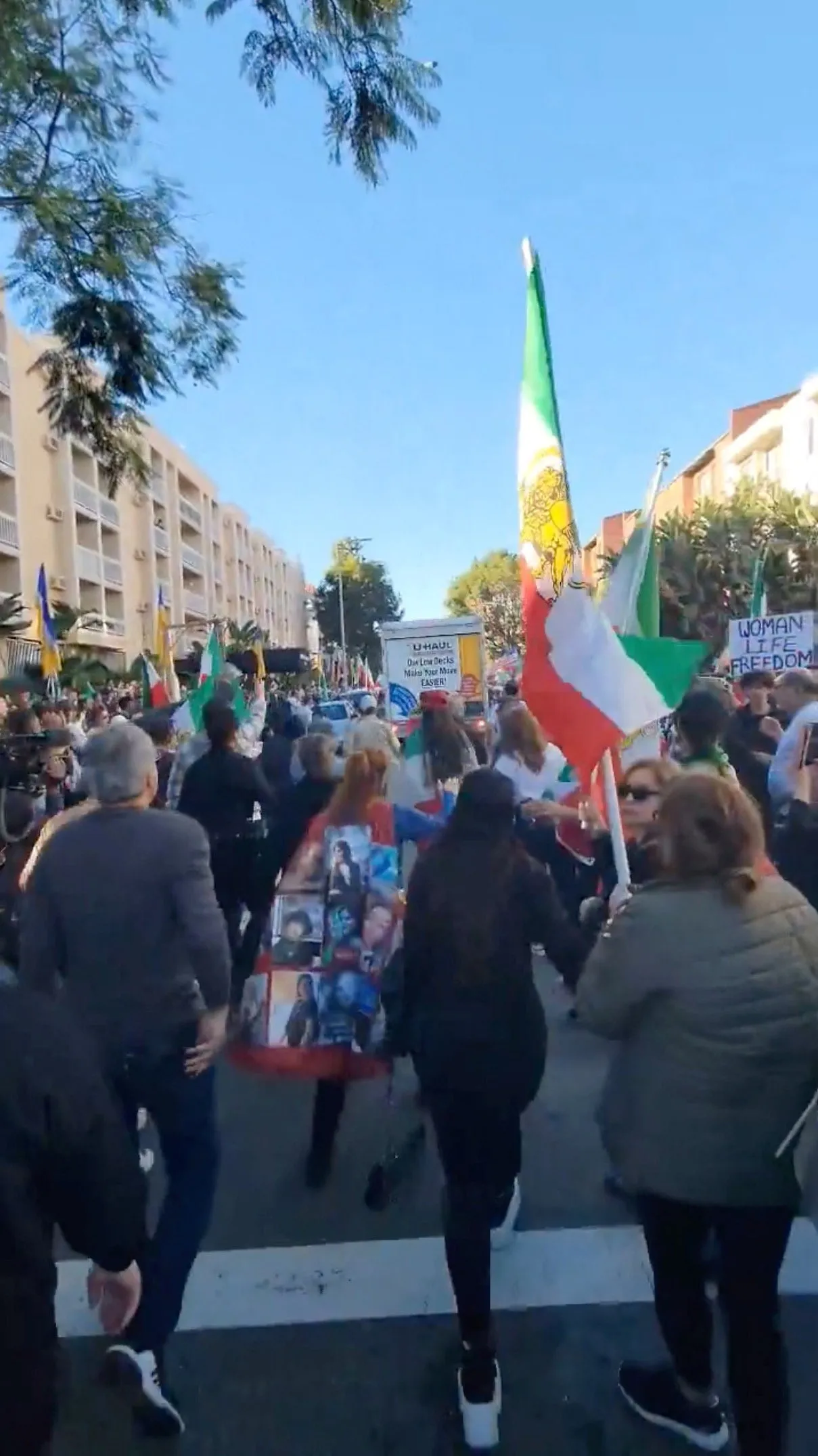
January 14, 2026
Daniel Cohen
World News
The United Arab Emirates, a Muslim-majority nation, just drew a shocking line: the UAE is restricting Emirati students from enrolling in UK universities because British campuses have become hotbeds for radical Islam and anti-West extremism. If that sounds familiar, it should. UK universities and American universities have become ideological factories where pro-Hamas rhetoric spreads, Israel is demonized, and truth gets buried under activism. Meanwhile, Iran protests are erupting against the Islamic Republic, and legacy media barely whispers. I’m Daniel Cohen with Christian news from a biblical worldview. Watch now for free on the Real Life Network at RealLifeNetwork.com.
UAE Draws a Line as UK Universities Radicalize Students
Let’s start with the headline that should stop every parent and policymaker in their tracks. The UAE, a country that knows exactly what Islamist extremism looks like up close, is warning its own young people: do not go to British universities because the environment is radicalizing and anti-West. Think about that. A Muslim-majority nation is signaling that the UK has lost control of its own institutions.
And this is not just a “UK problem.” The same pipeline has been forming for years in the United States. Universities, aided by sympathetic media and activist networks, have normalized slogans, excuses, and narratives that sanitize extremists while vilifying anyone who pushes back. The result is predictable: soft language for radicalism, harsh language for law enforcement, and constant moral confusion.
Here is what the UAE decision exposes. Even leaders in the Muslim world can recognize that radical Islam is not merely a private faith issue. It is a political movement that uses institutions as battlegrounds. When governments finally admit that campuses are becoming recruitment and propaganda spaces, that is a flashing red warning sign to the rest of us.
Iran Is Erupting While the West Looks Away
Now, pivot to the story the corporate press treats like background noise: Iran is on fire. The people are risking their lives to throw off the yoke of the Ayatollah, the IRGC, and decades of religious tyranny. This is not theoretical. This is blood in the streets, internet shutdowns, families grieving, and a nation crying out for freedom.
So why is the coverage so thin?
Because the modern activist class does not actually prioritize human rights consistently. If they did, the brutality of Tehran would dominate the news cycle. If they did, celebrities, influencers, and the same voices screaming about “justice” would be naming the Iranian regime for what it is: a violent theocracy that crushes dissent, oppresses women, and funds terror across the region.
Instead, too many of these voices are fixated on attacking Israel and Zionism. That is not an accident. It is ideological alignment. The Iranian regime’s obsession has always been the destruction of Israel and hostility toward America. And when Western activists echo that obsession, they go quiet when Iranians rise up against it. Silence becomes a form of complicity.
From a biblical worldview, this is spiritual blindness in real time. Scripture warns that people can be deceived into calling evil good and good evil. And that is exactly what we are watching when the world shrugs at Iranian suffering but rages endlessly at Israel’s existence.
America’s Campus Crisis and Why It Matters for Your Family
Now bring it home. The UAE is making a protective move about UK universities, but Americans should be asking a harder question: who is protecting our kids from the same ideological machine here?
Across the U.S., campuses have become training grounds for a mix of far-left activism and Islamist sympathy. Students are taught to view America as inherently oppressive, Israel as uniquely evil, and violence as “resistance,” depending on who commits it. That framework does not produce thoughtful citizens. It produces radicals with credentials.
And when the public sees federal officers attacked, when lawful enforcement is treated like tyranny, when words like “secret police” get thrown around casually, it creates a permission structure for chaos. People start believing rules do not apply to them. They start believing intimidation is activism. They start believing the state is illegitimate unless it agrees with their ideology.
You do not have to agree with every policy choice to see the danger of a society that cannot tell the difference between law and lawlessness. A civilization collapses when truth becomes optional.
So here is the challenge. If the UAE can recognize that universities can become incubators for radicalization, Americans can too. Parents, pastors, and leaders need courage to speak clearly, protect their communities, and refuse to be manipulated by propaganda disguised as compassion.
The bigger story is not just geopolitics, it is worldview. When elites can excuse extremism, ignore persecuted people, and call propaganda “education,” you are watching a culture lose its moral center. But we are not without hope. God is not confused, not surprised, and not absent.
If you want Christian news that connects the headlines to biblical truth without the spin, watch The Daniel Cohen Show on the Real Life Network. Tell your family and friends, download the app, and watch now for free at RealLifeNetwork.com.
Related articles:
- Iran’s Revolt Against Religious Rule by Hedieh Mirahmadi
- Ideology at War With the West: The Rising Alliance Behind Modern Terror by Hedieh Mirahmadi
- Trump Arrests Maduro and Venezuela Tastes Freedom Again by Daniel Cohen
25 min
UAE Bars UK Campuses Over Radical Islam as Iran’s Uprising Spreads
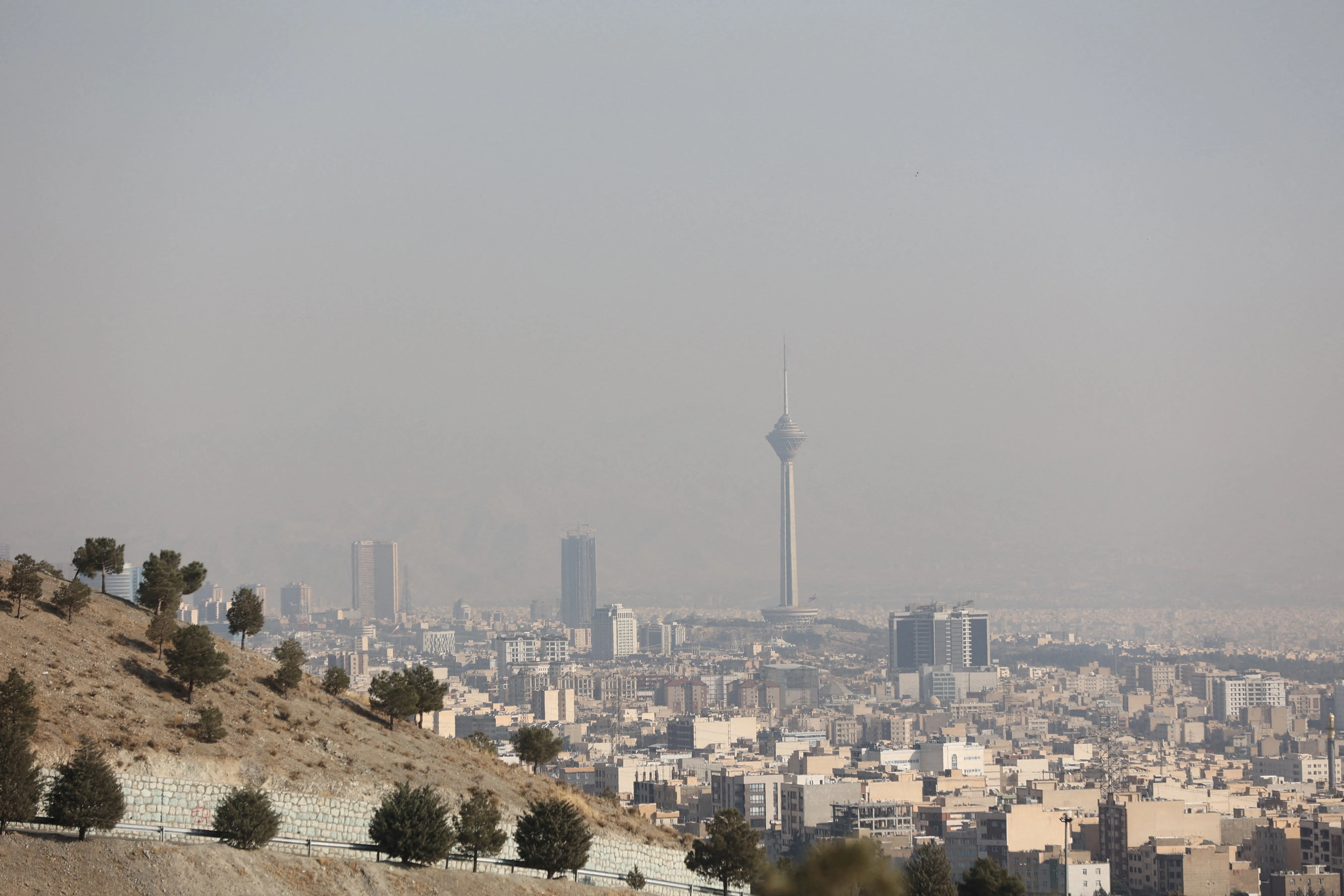
January 12, 2026
Daniel Cohen
World News
A Regime Facing Rejection, Not Reform
Iran is entering a phase that its ruling clerics have long feared but refused to acknowledge. What began years ago as scattered unrest has now hardened into a sustained rejection of the Islamic Republic itself. Across multiple cities, protesters are no longer bargaining with power. They are repudiating it. The chants coming from the streets no longer ask for reform within the system. They call for the system’s removal.
According to reporting by Iranian dissident and analyst Anni Cyrus, one of the most alarming developments for the regime is the growing number of protesters openly calling for the return of Crown Prince Reza Shah Pahlavi. That demand is unprecedented in the context of Iran’s post-1979 political order. It signals not a longing for the past, but a rejection of clerical supremacy and the religious state that has dominated Iranian life for more than forty years. When crowds chant for a figure explicitly displaced by the Islamic Revolution, they are not negotiating terms. They are declaring the revolution itself a failure.
This shift matters because the Islamic Republic is not merely a government. It is an ideological system that fuses religious authority with political control and enforces obedience through fear. The regime’s legitimacy rests on the claim that it governs by divine mandate. Any public challenge to that claim, especially one voiced by large numbers of ordinary citizens, strikes at the heart of its authority. That is why the state’s response has been swift and violent.
Security forces have fired live ammunition into crowds. Arrests have escalated into the thousands. Executions have been carried out under vague criminal charges designed to disguise political repression as law enforcement. Internet blackouts and surveillance have intensified in an attempt to control the narrative and isolate protesters from one another. These measures reflect a regime that understands it is losing consent and is relying increasingly on brute force to maintain control.
Faith, Fear, and the Collapse of Legitimacy
Economic collapse has accelerated the unrest, but it did not create it. Inflation, unemployment, and shortages have devastated everyday life, yet these hardships are widely understood inside Iran as symptoms of a deeper problem. The ruling clerical class has enriched itself while ordinary Iranians struggle to survive. Corruption is systemic. Accountability is nonexistent. Faith has been weaponized to silence dissent rather than to serve the people.
Religious minorities, particularly Christians, have borne the cost of this system for decades. Iran remains one of the most hostile environments in the world for Christian converts. Leaving Islam is treated as a political offense. House churches are raided. Pastors are imprisoned. Evangelism is prosecuted as a threat to national security. These actions are not anomalies. They are the logical outcome of a state that cannot tolerate allegiance to any authority beyond its own religious framework.
Yet despite the repression, Christianity continues to grow underground in Iran. House churches persist. Converts continue to testify to encounters with Christ through Scripture, personal witness, and dreams. The expansion of the Christian faith under such conditions highlights the inherent weakness of coercive religious rule. When belief is enforced by law, it eventually collapses under its own contradictions. Faith that is freely chosen cannot be extinguished by prisons or executions.
Why Iran’s Uprising Matters to the World
Western policymakers have repeatedly misread this reality. For years, Iran has been treated as a conventional state actor capable of moderation through incentives and diplomacy. Nuclear agreements were framed as stabilizing tools. Sanctions relief was promoted as humanitarian. Dialogue was cast as the pathway to peace. These approaches failed because they misunderstood the ideological nature of the regime. The Islamic Republic is not oriented toward compromise. It is oriented toward survival through control.
The Iranian people appear to understand this more clearly than many Western institutions. Their chants are not aimed at foreign governments. They are aimed at the clerics who rule them. They are rejecting political Islam as a governing system, not merely objecting to economic conditions or foreign policy disputes. That distinction matters.
The contrast between Iran’s streets and Western discourse is stark. While Iranians risk their lives to escape Islamic rule, segments of Western culture continue to romanticize Islamist narratives under the banner of tolerance or social justice. While Iranian women defy compulsory veiling, Western institutions frame hijab enforcement as empowerment. While Iranian Christians worship in secret, Western churches often hesitate to speak clearly about the dangers of religious authoritarianism.
This moment demands honesty. The uprising in Iran is not simply another cycle of unrest. It is a reckoning with an ideology that promised justice and delivered repression. It is a warning about the consequences of merging religious absolutism with unchecked political power. It is also a reminder that truth, once awakened, is difficult to suppress.
Whether the current uprising succeeds or is violently crushed, the Islamic Republic has already lost something it may never recover. It has lost the belief of its people. Regimes can survive sanctions and protests. They rarely survive the collapse of legitimacy. Iran’s future remains uncertain, but one reality is now unmistakable. The era of unquestioned clerical rule is ending, and no amount of force can fully restore what has been broken.
For more by Hedieh Mirahmadi, watch Living Fearless on Real Life Network.
25 min
Iran’s Revolt Against Religious Rule
.jpg)
January 5, 2026
Hedieh Mirahmadi Falco