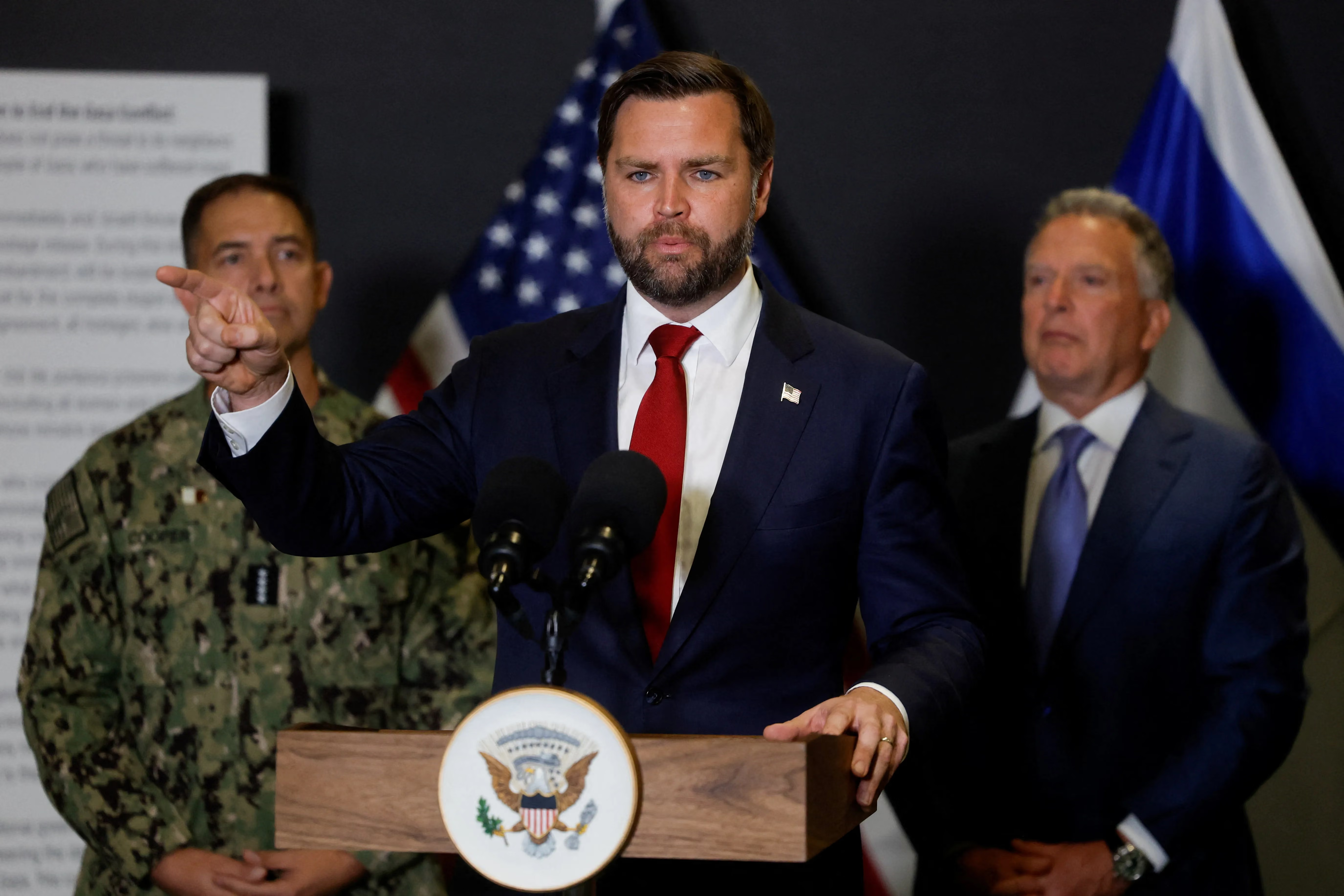
The Autopen Presidency, Open Borders, and a Nation Asleep: Daniel Cohen Connects the Dots
Daniel Cohen exposes Biden’s failures, rising terror threats, growing socialism, and global spiritual decline, calling believers back to biblical truth.


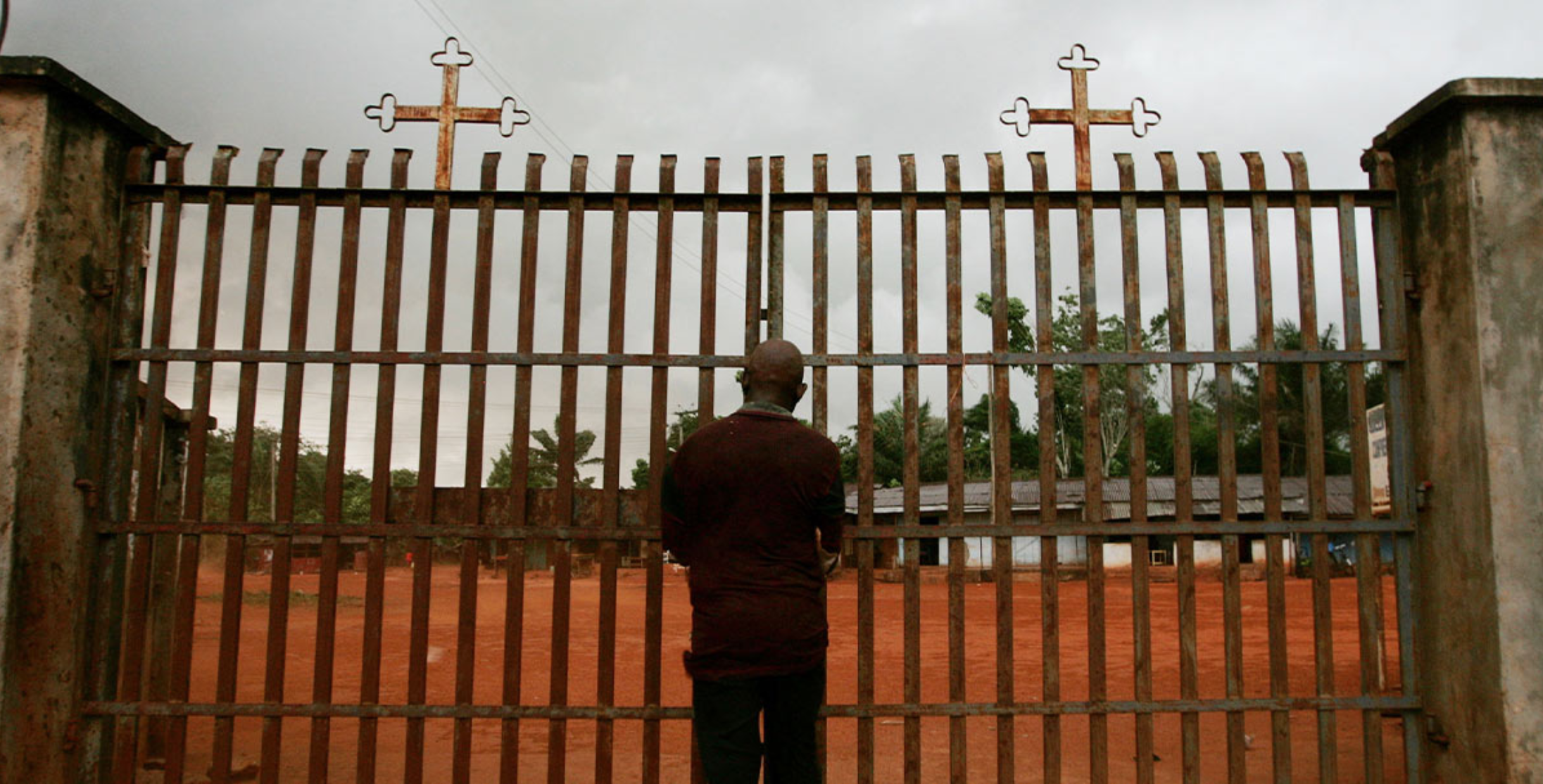
As terrorist violence in Nigeria continues to claim the lives of Christians and other religious practitioners at rates not seen anywhere else in the world, experts and lawmakers gathered for a hearing on Capitol Hill Thursday to assess if any progress has been made to address the crisis one year after the U.S. designated the West African nation as a Country of Particular Concern (CPC).
Last month, another devastating attack was carried out by rifle-wielding terrorists who massacred dozens of civilians, with at least 62 killed and another 52 wounded in Taraba state in the eastern part of the country. The atrocity is part of a disturbing pattern of attacks being committed almost exclusively by Islamist terrorists, including groups like Boko Haram, the Islamic State West Africa Province (ISWAP), and Fulani. According to Open Doors, of the 4,849 Christians killed for their faith worldwide last year, 72% (3,490) were murdered in Nigeria.
Overall, between 50 and 60,000 Christians have been killed in Nigeria by various terrorist groups since 2009, far and away the most killed in any one single country over that time span, with experts calling the situation a “genocide.” In addition, at least 19,800 churches have been attacked, with some estimates stating that over 18,000 churches and 2,000 Christian schools have been destroyed.
During Tuesday’s House Foreign Affairs Committee hearing that aimed to assess Nigeria’s efforts to address the violence since the Trump administration designated the country a CPC a year ago, Riley Barnes, assistant secretary of State for Democracy, Human Rights, and Labor, stated that Islamist attacks against Christians have largely continued unabated.
“The levels of violence and atrocities committed against Christians in Nigeria are appalling, particularly in the Middle Belt,” he explained. “Fulani ethnic militias commit violent attacks that directly target Christian populations. Nigerians I have spoken to on the ground have underscored the depth and breadth of suffering for many. Ample witness testimonies over even the past year have stated plainly that perpetrators use religious language during their attacks, specifically identified Christians for killing and abduction.”
Rep. Chris Smith (R-N.J.), who chaired the hearing, observed during Thursday’s “Washington Watch” that there has been some movement from the Nigerian government to address the ongoing crisis.
“[U]nfortunately, Christians are still being slaughtered, particularly in the Middle Belt, by the Fulani terrorists, the Boko Haram terrorists; more to the north [ISWAP is] continuing their killing spree,” he detailed. “But the government to some extent is trying to mitigate that carnage. But when it comes to Fulani, not nearly enough has been done. [The Trump] administration [is] doing a great job and really pressing the Nigerian government to use police, military assets, [and] intel [to] stop these terrorists from slaughtering Christians, from abducting individuals and then demanding ransom for which they use to buy more weapons and raping the women. It’s disgusting.”
Smith went on to highlight how the Nigerian government has for the most part denied that the targeted killings are even an issue. “On one trip in 2012, I met with a Catholic bishop in Jos, which is where Boko Haram was running rampant. I went to five of his fire-bombed churches, met with the survivors — wonderful, wonderful Christians who are suffering lost loved ones. [The] government said, ‘Oh, what? Nothing to see here.’ There’s a culture of denial that enables all of this. They pay lip service but don’t do enough. … Some Muslims get killed too, those who refuse to join in with the jihadist mindset. But Christians are singled out because [they consider them] infidels and don’t deserve to live, and they kill with impunity.”
Smith further noted that the approaches of previous administrations to appease and increase trade with governments that commit egregious human rights violations has not succeeded in stopping the violations. “[The Biden administration] took away CPC status for Nigeria, and under Obama, they wouldn’t even name countries [as CPCs],” he pointed out. “… And people just say, ‘Let’s trade more with this country or that more. Let’s trade with China.’ But [instead] let’s have human rights conditionally affixed to it to say, ‘Okay, we’ll trade if and only if you stop killing the Christians and persecuting believers the way you do.’”
Arielle Del Turco, who serves as director of the Center for Religious Liberty at Family Research Council, additionally asserted that the CPC designation of Nigeria put a spotlight on the issue that should help in the long run.
“[The CPC designation] doesn’t mean things change on the ground overnight, unfortunately,” she acknowledged during “Washington Watch” Thursday. “What it did do, though, is it directed a lot of attention from the State Department onto Nigeria, where it wasn’t really on their radar previously. It is now on the top of their radar. … This was an issue that the Biden administration routinely denied. They would explain it with climate change. They would explain it as a farmer-herder conflict. But the Trump administration knows that when we have militants riding on motorcycles, coming into villages with guns and weapons, slaughtering people, shouting ‘Allahu Akbar,’ that there is a religious element to this.”
Del Turco also emphasized that progress has been made since the CPC designation a year ago. “Now, one year later … at least Nigerian government officials will admit that, ‘Oh yeah, there might be a problem here.’ Now, to us, that might seem so small, but as someone that’s been tracking this issue for years, I think this is the first I’ve heard that Nigerian officials will admit that there’s any problem at all. So these small incremental changes hopefully will lead to something bigger along the way.”
Going forward, Del Turco underscored the responsibility that American Christians have to pray for their less privileged fellow Christians a world away. “I was very blessed to be able to go to Nigeria earlier this year with the group Christian Freedom International, and we were on the ground in some of the villages that do routinely face attacks from these Muslim Fulani militants. I remember one woman in particular we spoke to. … There was a Nigerian military base like a stone’s throw away, so close, but they wouldn’t or couldn’t stop these attacks. … [S]he would just be lying in her bed praying that the Lord would protect her and her two children. Her husband had already died 10 years before from a militant attack. So these people are just trying to lead normal lives. This woman in particular ran a little corner store selling snacks. … [T]his is the violence and brutality that is their normal life that they have to face every day. … These fellow believers in Christ really deserve our compassion. They deserve our prayers.”
This article was written by Dan Hart and origianlly published on The Washington Stand. For more content like this, visit Real Life Network.
A year after Nigeria's designation as a Country of Particular Concern, deadly attacks against Christians continue. Discover what U.S. lawmakers and religious liberty advocates are saying about the crisis, government accountability, and the urgent need for prayer.
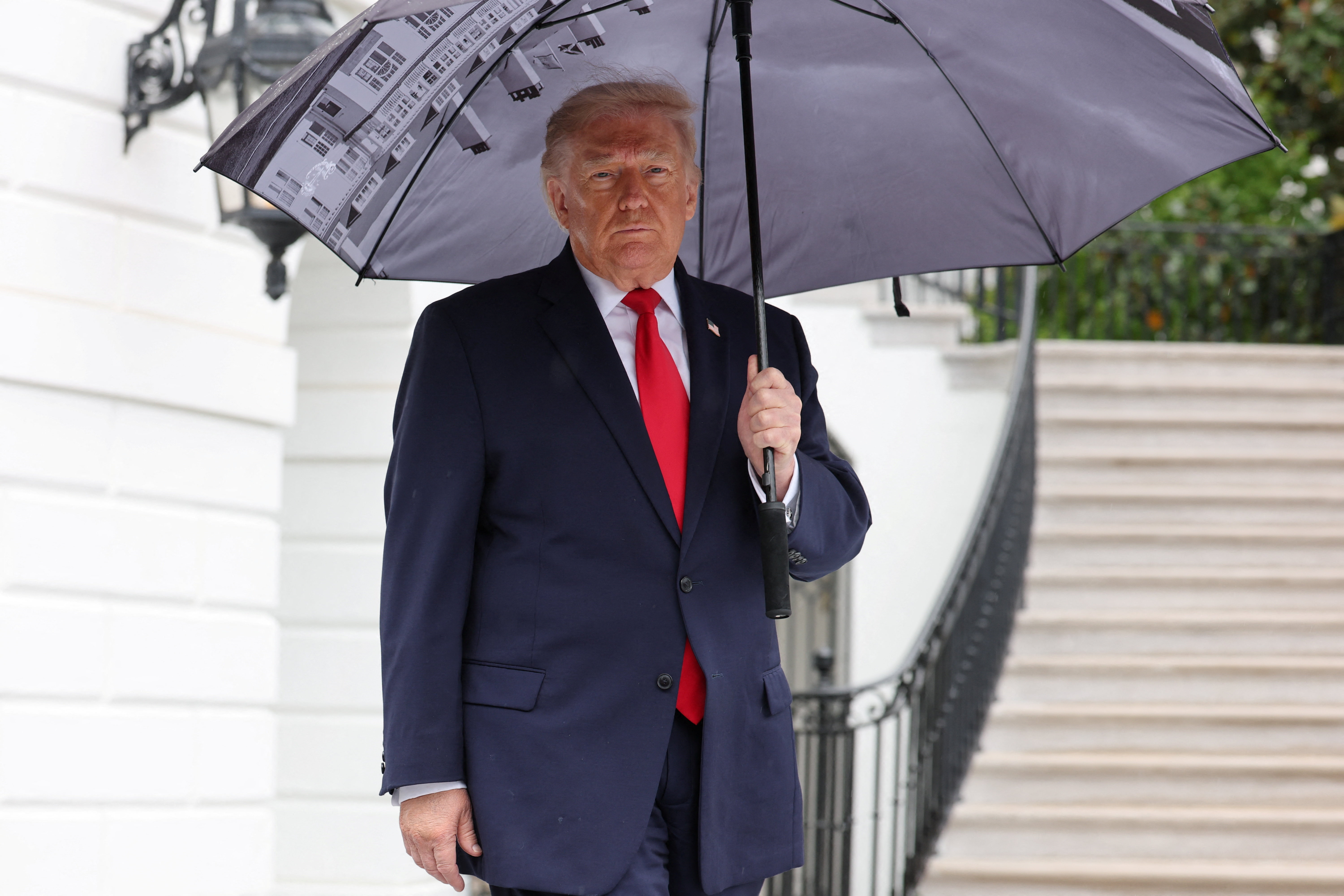
What happens when a person gains everything the world has to offer but remains unprepared to face eternity?
It is a question that transcends politics, wealth, influence, and public reputation. Yet it became the center of an important conversation when President Donald Trump was asked about death, heaven, and forgiveness during a recent 60 Minutes interview.
The president's answers revealed something worth examining, not simply about Donald Trump, but about the human heart.
The discussion also comes at a difficult moment for American politics. Republicans are confronting electoral losses, disagreements over Israel and Iran are dividing conservatives, and the assassination of Charlie Kirk continues to expose troubling attitudes toward political violence.
But beneath these headlines lies a more consequential question.
Political success cannot save the soul, and no amount of earthly influence can replace the transforming grace of Jesus Christ.
That truth applies to presidents and ordinary citizens alike.
During his interview, Trump was asked what he believed would happen to him after death.
Having survived an assassination attempt in Butler, Pennsylvania, the president has experienced a reminder of life's fragility that few people encounter so directly.
When asked whether he expected to go to heaven, Trump expressed hope that he would, explaining that he considered himself religious.
The conversation then turned to forgiveness.
Interviewer Ross Douthat referenced the memorial service for Charlie Kirk, where Kirk's widow, Erika, publicly forgave the man accused of murdering her husband.
At that same memorial, Trump acknowledged that he did not share Kirk's approach toward political opponents.
When Douthat asked whether the president could forgive figures such as James Comey and Nancy Pelosi, Trump indicated that he could not honestly promise to do so.
The answer was striking.
Trump has experienced extraordinary political opposition, legal battles, and threats against his life. His frustration with political adversaries is understandable, even when his responses deserve examination.
Christians can recognize those circumstances without excusing bitterness.
Jesus' teaching in Matthew 6:14–15 makes forgiveness an essential part of the Christian life. Believers who have received God's mercy are called to extend forgiveness to others.
That does not mean wrongdoing should go unpunished. Forgiveness does not eliminate accountability, excuse criminal behavior, or require abandoning justice.
It means refusing to allow hatred to govern the heart.
Erika Kirk's response to her husband's murder provides a powerful example.
Faced with unimaginable grief, she publicly expressed forgiveness grounded in her Christian faith.
Her words did not minimize the seriousness of the crime. Instead, they demonstrated that the Gospel offers a response to suffering that goes beyond retaliation.
The contrast raises a question for every Christian, regardless of political affiliation.
Is it possible to defend the right policies while harboring the wrong attitudes?
Absolutely.
A person can hold strong convictions about immigration, religious liberty, national security, or Israel while struggling with pride, resentment, and unforgiveness.
The same is true of political opponents.
No party possesses a monopoly on virtue, and no political leader is exempt from the moral demands of Scripture.
Christians are called to evaluate leaders through biblical truth without confusing political loyalty with spiritual faithfulness.
The warning is especially important when discussing someone as influential as Donald Trump.
His accomplishments and political positions can be assessed on their merits. His statements can be praised or challenged. But his eternal standing before God cannot be determined by political achievements, and no observer can claim complete knowledge of his heart.
That judgment belongs to God.
The responsibility of believers is to speak truth with humility, pray for leaders, and remember that everyone stands in need of divine grace.
The president's interview also exposed growing tensions over America's relationship with Israel.
Trump suggested that Israel and other American partners should reimburse the United States for costs associated with the conflict involving Iran.
He also claimed that Israel would not exist without his leadership.
Those statements raise questions about the relationship between American foreign policy and biblical convictions.
Trump's administration has taken significant steps in support of Israel, including recognizing Jerusalem as its capital and overseeing the Abraham Accords.
Those accomplishments deserve recognition.
Yet American assistance and Israel's biblical significance are not identical matters.
Scripture presents God's covenant with Abraham and his descendants as something established long before the existence of the United States.
Genesis 12:3 and Numbers 24:9 have traditionally informed Christian discussions about blessing Israel, while Jeremiah 31 emphasizes God's enduring covenantal faithfulness.
Christians differ over how those passages apply to the modern State of Israel and contemporary foreign policy. Those interpretive questions deserve thoughtful consideration.
Nevertheless, a biblical perspective should encourage humility about the limits of political power.
No president can claim ultimate credit for God's purposes in history.
American leaders must make difficult decisions about military spending, alliances, and national interests. Those decisions can be debated without reducing an entire relationship to financial transactions.
The disagreements surrounding Israel and Iran have also intensified divisions within the Republican Party.
Representative Thomas Massie's opposition to aspects of the administration's foreign policy, including his effort to impeach Defense Secretary Pete Hegseth, illustrates the growing conflict among conservatives over military involvement overseas.
Some Republicans believe a more restrained foreign policy is necessary to protect American interests and avoid prolonged conflicts.
Others argue that maintaining a strong partnership with Israel is essential to regional security and America's broader strategic responsibilities.
These competing positions cannot be resolved through personal attacks alone.
They require serious consideration of military objectives, costs, constitutional authority, and the consequences of American action or inaction.
Immigration has produced similar disagreements.
During the 60 Minutes interview, Trump acknowledged the possibility that his administration's deportation policies had been too harsh.
At approximately the same time, the administration announced that Stephen Miller would replace Susie Wiles as White House chief of staff.
The combination raised questions about whether immigration enforcement would become more restrained or more aggressive.
For many conservative voters, border security remains a central political concern.
Yet the biblical responsibility to love one's neighbor and treat strangers with dignity must also inform Christian discussions of immigration.
A nation can maintain lawful borders while recognizing the humanity of immigrants and the importance of fair treatment.
Those principles need not be mutually exclusive.
The larger concern is whether political disagreements are producing thoughtful debate or simply deepening resentment.
Conservatives who share many foundational beliefs increasingly disagree about Israel, military intervention, immigration, and the direction of the Republican Party.
Those divisions may have significant electoral consequences.
But they also offer an opportunity for Christians to demonstrate something different from the hostility that dominates so much of public discourse.
Conviction and humility can coexist.
Disagreement does not require hatred.
And faithfulness to Scripture must remain more important than loyalty to a political movement.
The assassination of Charlie Kirk remains a painful reminder of what can happen when political hostility becomes something more dangerous.
Kirk was known for engaging students on college campuses, often inviting those who disagreed with him to ask questions and challenge his positions.
His approach reflected a belief that political and cultural disagreements should be addressed through conversation rather than intimidation or violence.
Following his death, comedian Dave Chappelle reportedly made remarks during a performance that Cohen criticized as insensitive toward Kirk's murder.
The controversy raised a broader question about the boundaries of comedy and the moral responsibilities of public figures.
Free speech protects the right to express unpopular, offensive, or provocative opinions.
But possessing the right to say something does not make every statement wise, compassionate, or morally defensible.
Political violence should never become a source of celebration.
The principle must apply consistently.
A person does not become less deserving of compassion because of political affiliation, religious belief, or public controversy.
Kirk's family deserves the same dignity and sympathy that should be extended to every family devastated by violence.
That standard should also shape Christian conversations about conflict overseas, including the suffering of Israeli and Palestinian civilians.
Every human life bears inherent dignity.
And no political disagreement justifies celebrating another person's death.
Erika Kirk's public response offered an alternative to the bitterness surrounding so much of the conversation.
She chose to speak about forgiveness while grieving the loss of her husband.
That decision points toward a truth that reaches beyond the immediate tragedy.
The Gospel does not promise that Christians will avoid suffering, injustice, or persecution.
It promises something greater: reconciliation with God through Jesus Christ and the possibility of a transformed heart.
This is why the question of eternity matters more than any election.
Mark 8:36 asks what a person gains by possessing the whole world while forfeiting the soul.
Wealth cannot answer that question.
Neither can fame, political influence, military strength, or electoral success.
The Christian message is that salvation is not earned through accomplishments or moral superiority. It is received by God's grace through faith in Jesus Christ.
Ephesians 2:8–9 teaches that salvation is God's gift, not the result of human works.
That message should produce gratitude and humility rather than self-righteousness.
It should also change how Christians approach public life.
Believers have responsibilities as citizens. They should study the issues, participate thoughtfully in elections, pray for elected officials, and seek the good of their communities.
But political engagement must never replace the Church's central mission.
The Great Commission calls Christians to make disciples, proclaim the Gospel, and teach obedience to Christ.
That calling remains unchanged regardless of which party controls Congress or occupies the White House.
The greatest need in American politics is not simply better leadership or stronger policies, but hearts transformed by the grace and truth of Jesus Christ.
The same grace that makes forgiveness possible is available to presidents, entertainers, political activists, and ordinary families.
No one is beyond the need for repentance.
And no one is beyond the reach of God's mercy.
The future of American politics may remain uncertain, but the promises of Scripture do not change with election results.
God remains sovereign.
Christ remains the only Savior.
And the Church remains called to speak truth, extend grace, and point people toward the hope of eternal life.
The question is not merely what kind of country will be left to the next generation.
It is whether the people living in it are prepared for eternity.
Watch The Daniel Cohen Show on Real Life Network for news, cultural analysis, and conversations connecting current events to the hope of the Gospel.
Donald Trump's remarks on forgiveness, Israel, and political power raise deeper questions about faith and leadership. Explore how Charlie Kirk's legacy, growing conservative divisions, and biblical teachings reveal the importance of humility, grace, and eternal hope.
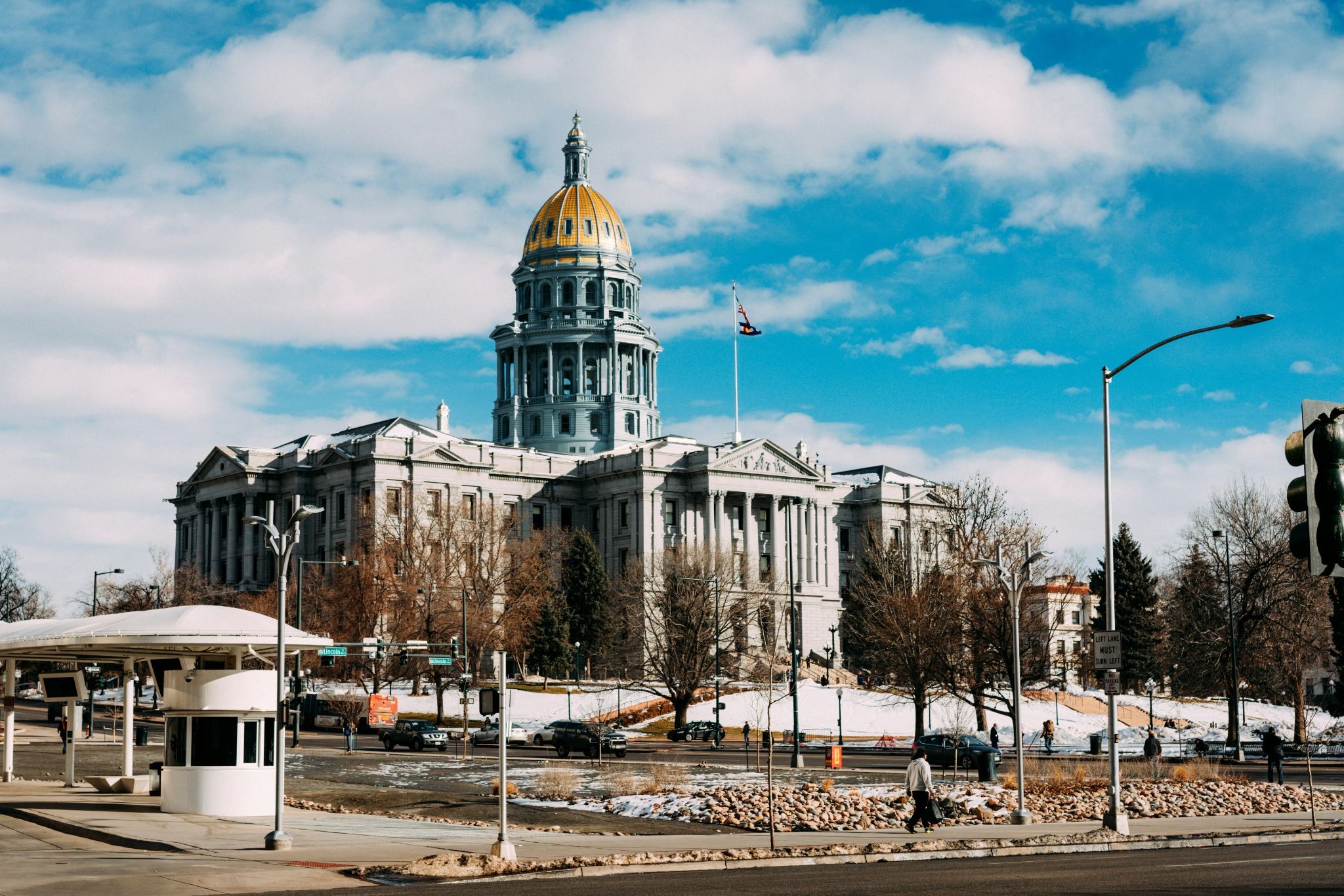
The nationwide campaign against transgender procedures on minors gained new momentum last week, despite the general triumph of pro-transgender politicians. In Colorado, voters approved a ballot measure (Proposition 135) prohibiting transgender surgeries on minors, acting to protect children when their politicians would not. Colorado thus became the 28th state to restrict transgender procedures on minors, and the first state to do so by ballot measure.
Proposition 135 would “prohibit surgeries on minors that alter their biological sex characteristics as a treatment in response to a minor’s perception of sex or gender” and “prohibit the use of state or federal funds or insurance coverage to pay for these surgeries.” The Colorado Department of Health Care Policy and Financing said the state’s Medicaid program spent $2.7 million on transgender procedures for minors between 2023 and 2025, although the lion’s share was likely for hormonal treatments, which the ballot measure did not address.
Notably, amid a general landslide in favor of Democrats, the proposition passed in Colorado by a margin of 51.9% to 48.1%, or just over 100,000 votes. The Associated Press called the race on Friday.
“Amidst Democrats’ decisive election victories last week, ballot measures reversing their gender-bending social agenda still won in deep-blue states,” noted Quena González, senior director of Government Affairs at Family Research Council. “In Colorado, where the Republican Party has been on the defense for over a decade, liberal voters provided the winning edge for a first-in-the-nation ballot measure protecting children from gender transition procedures.”
The voters’ verdict was thus a reality check on the extremism of the transgender agenda. Pro-transgender activists did not accept the result calmly. “It’s certainly painful to see the outcome and how close it was,” lamented Nadine Bridges, executive director of the LGBT advocacy group One Colorado. “I don’t imagine if people had the right information that they would have made this decision.”
Denial is the first stage of grief. In reality, opponents of Proposition 135 dropped $4,927,982 into defeating the measure, while a grassroots campaign known as Protect Kids Colorado mustered only $271,540 in its favor — a ratio of 18 to one. If the proposition’s opponents had any good arguments, they certainly had every opportunity to let voters know.
This fact suggests that even liberal voters in Colorado did hear the arguments against Proposition 135 — and voted for it anyways. “Ascendant elected Democrats and demoralized Republicans alike would do well to note that the issue of protecting children from gender ideology cuts directly across party lines,” González told The Washington Stand.
In fact, pro-transgender activists are the ones actually promoting false claims. Planned Parenthood Action alleged that “Proposition 135 would allow the government to interfere in personal medical decisions that should remain between families and their trusted providers. The measure creates barriers to care.” Likewise, GLAAD claimed that “Proposition 135 would prohibit health care professionals from practicing medically necessary health care for transgender youth that is supported by every major medical association.”
In reality, there is nothing “medically necessary” about amputating healthy breasts or genitalia. Such irreversible surgeries with long-term side effects are an extreme way to treat mental or emotional distress, and multiple evidence reviews commissioned by Western governments have not found the results satisfactory enough to justify rushing minors into such life-altering surgeries.
Nor is it true that transgender surgeries for minors are supported by “every major medical association.” In February, the American Society of Plastic Surgeons (ASPS) — the organization whose members would be responsible for conducting such surgeries — recommended “that surgeons delay gender-related breast/chest, genital, and facial surgery until a patient is at least 19 years old.” When pressed on their position, the American Medical Association reluctantly agreed that transgender surgeries “should be generally deferred to adulthood.”
Given these position statements, it is entirely inaccurate to characterize Proposition 135 as government interference “in personal medical decisions” when even medical organizations agree that transgender surgeries are inappropriate for minors.
Unfortunately, the transgender lobby holds more sway over Colorado officials than over Colorado voters, which means there is still a chance for the legislature to undo the protections voters implemented. Proposition 135 was a statutory measure, not a constitutional one. This meant that it only needed a simple majority to pass (a threshold it only narrowly cleared), but that the state legislature could amend or repeal it.
“We’re going to have to take a look at these anti-trans measures and what adjustments are necessary and appropriate,” Colorado Governor-elect Phil Weiser responded to the outcome. He added that it is “a natural and I believe appropriate role of the legislature” to consider adjustments to statutory ballot measures.
Meanwhile, however, the fact remains that Colorado voters did implement Proposition 135. And, as Republicans found out in the 2026 midterm, ignoring the voters can be a dangerous prospect.
For now, advocates of Proposition 135 are celebrating a successful effort to protect Colorado children, even against long political and fiscal odds. Protect Kids Colorado Co-Founder Erin Lee celebrated “the thousands of just everyday Coloradans who came together to make this happen.” And she warned legislators that any attempt to undo the measure, as well as a girls’ sports measure (Proposition 134) which also passed, would be “to their detriment.”
“The results of the 2026 election are an early indication that one of the most lasting effects of President Trump’s second term may very well end up being a 180-degree reversal in the cultural tide that until 2024 targeted children with lies and convinced families that ‘gender transition’ is the only answer,” González concluded. “Today, the transgender activists are in retreat as popular opinion turns decidedly against trans ideology.”
This article was written by Joshua Arnold and origianlly published on The Washington Stand. For more content like this, visit Real Life Network.
Colorado voters approved Proposition 135, restricting gender-transition surgeries for minors despite strong opposition and Democratic victories statewide. Explore what the results reveal about public opinion, medical concerns, and the ongoing debate over parental rights.

The 2026 midterm elections left Republicans confronting a difficult reality. Democratic victories in states once considered reliably conservative raised serious questions about the future of the Republican Party, the influence of emerging political movements, and the direction of the country.
Was the election a rejection of President Donald Trump? Did the conflict with Iran and rising gasoline prices drive voters away? Or did Democrats simply run more effective campaigns?
Each explanation may contain part of the answer. But focusing exclusively on political strategy risks overlooking a deeper concern.
America's political divisions may be symptoms of a much larger spiritual problem, one that cannot be solved by winning another election.
The prophet Jeremiah confronted a similar failure of leadership when he warned against those who offered superficial reassurance while ignoring the deeper problems facing God's people.
Jeremiah 6:14 describes leaders who treated serious wounds as though they were minor, declaring peace when there was no peace.
The warning remains relevant. A nation cannot address its challenges honestly without first understanding what is wrong.
And for Christians, that examination must begin with more than the opposing political party. It must also include the spiritual condition of the Church.
The Democratic victories in Texas, Georgia, and Ohio represented more than disappointing results for Republican candidates. They exposed assumptions about voter loyalty, political organization, and the effectiveness of conservative messaging.
In Texas, Democrat Gina Hinojosa defeated longtime Republican Governor Greg Abbott, while James Talarico won the state's closely watched Senate race against Ken Paxton.
Texas has served as a foundation of Republican presidential campaigns for decades. With its substantial electoral vote count, changes in the state's political direction could have lasting national consequences.
Georgia delivered another historic result with the election of Keisha Lance Bottoms as governor. In Ohio, Amy Acton defeated Republican Vivek Ramaswamy despite the state's strong support for Trump in the 2024 presidential election.
These outcomes invite an uncomfortable question: Had Republicans become too confident in states they assumed would remain safely conservative?
Campaign spending and national recognition cannot replace the importance of relationships with voters.
Democrats demonstrated the effectiveness of local organizing, volunteer networks, voter registration, and consistent engagement with communities.
The lesson extends beyond any particular election. Political movements must understand the people they hope to represent rather than assume those voters will remain loyal indefinitely.
Even prominent progressive politicians such as Alexandria Ocasio-Cortez have demonstrated an ability to communicate effectively with their supporters, build recognizable messages, and maintain engagement through social media.
Disagreeing with a political opponent's policies should not prevent an honest assessment of that opponent's organizational strengths.
The same principle applies to the concerns driving voters.
Affordability became a central theme of Democratic campaigns. Families facing higher grocery bills, gasoline prices, and housing costs wanted leaders who understood their daily struggles.
Economic statistics and policy achievements matter, but political leaders must also recognize how families experience the economy.
There are legitimate disagreements about which policies would best address these concerns. Energy production, government spending, healthcare, and taxation all deserve serious debate.
Yet one lesson from the election is difficult to ignore: voters want their concerns acknowledged and their circumstances understood.
For Republicans, rebuilding trust will require more than criticizing Democratic proposals. It will require clearly communicating how conservative policies would address the challenges facing American households.
The election also brought growing disagreements over America's relationship with Israel into sharper focus.
Within conservative media and Republican political circles, the conflict with Iran has intensified debates about military involvement, national security, and the responsibilities of the United States overseas.
Some commentators have questioned whether the costs of the conflict contributed to Republican losses. Others have expressed concern that opposition to military intervention could weaken America's longstanding partnership with Israel.
These disagreements reflect a broader debate about the meaning of an America First foreign policy.
Should the United States reduce its international commitments? How should American leaders balance domestic economic pressures with security threats overseas? What responsibilities does the country have toward allies facing military aggression?
These questions deserve careful consideration.
Israel remains an important American partner in intelligence sharing, defense technology, and regional security. Its relationship with the United States has historically received support from both major political parties, although disagreements over military assistance and the conduct of particular conflicts have grown.
Iran's government and its support for armed groups throughout the Middle East remain central concerns in discussions about regional security.
For Americans living thousands of miles from the conflict, these debates often focus on energy prices, military spending, and the possibility of prolonged involvement.
For families living in Israel, the consequences can be immediate.
Rocket warnings, bomb shelters, and the threat of attacks are realities that shape everyday life. Understanding those experiences provides important context for conversations about Israel's security.
At the same time, concern for Israeli civilians should not diminish concern for Palestinian civilians or others affected by conflict. Human suffering deserves compassion regardless of nationality or religious identity.
Christian engagement with these issues should be grounded in biblical conviction, careful attention to facts, and a commitment to human dignity.
The political debate has also brought renewed attention to Michigan Senator-elect Abdul El-Sayed, whose campaign emphasized economic concerns, healthcare, and changes to American foreign policy.
El-Sayed has criticized U.S. military assistance to Israel and argued for greater attention to Palestinian suffering. His positions have generated significant disagreement among Americans concerned about Israel's security and the future of American foreign policy.
Those disagreements should be evaluated through his stated policies and their potential consequences, rather than assumptions about his religious identity.
Religious freedom is a foundational American principle, and Christians can defend their convictions while respecting the rights of fellow citizens who worship differently.
Faithful engagement requires the courage to challenge ideas without abandoning the biblical responsibility to treat people with dignity.
The growing divisions within both political parties suggest that the coming years will involve difficult debates about national identity, foreign policy, economic priorities, and the principles that should guide American leadership.
But political debates alone cannot answer the deeper questions facing the country.
Near the conclusion of the election analysis, a warning from actor Jim Caviezel brought the discussion back to the spiritual responsibilities of Christians.
Caviezel, known for portraying Jesus in The Passion of the Christ, challenged believers to consider whether the modern Church has become too comfortable, too hesitant, or too disconnected from the demands of the Gospel.
His comments echoed the warning to the church at Laodicea in Revelation 3.
In Revelation 3:15–16, Jesus rebukes a congregation for being spiritually lukewarm.
The passage is not primarily about political participation. It is about spiritual complacency, misplaced confidence, and the need for genuine repentance.
That distinction is important.
A church can become politically active without becoming spiritually healthy. It can speak loudly about cultural problems while neglecting prayer, discipleship, evangelism, and obedience to Scripture.
Likewise, political frustration can tempt Christians to view people who disagree with them as enemies rather than neighbors who need the same grace and truth found in Jesus Christ.
The deeper challenge is not simply whether Christians are sufficiently involved in elections.
It is whether the Church is faithfully fulfilling its biblical mission.
Are believers sharing the Gospel? Are families being strengthened through Scripture and prayer? Are churches teaching sound doctrine and equipping Christians to live faithfully in a changing culture?
Are Christians demonstrating the love, humility, integrity, and courage that should characterize followers of Jesus?
These questions deserve attention regardless of which political party holds power.
The Great Commission in Matthew 28:18–20 calls Christians to make disciples of all nations, baptizing them and teaching them to obey Christ's commands.
That mission does not depend on election results.
Neither does God's sovereignty.
Political setbacks can create uncertainty about the future, but they cannot surprise the Lord. Scripture repeatedly reminds believers that God remains sovereign over nations, rulers, and the course of history.
Daniel 2:21 declares that God changes times and seasons, removes kings, and raises up kings.
That truth should produce humility rather than political complacency.
Christians still have responsibilities as citizens. They should vote thoughtfully, evaluate policies carefully, serve their communities, and pray for those in authority.
But the Church must never confuse political victory with spiritual revival.
The answer to a spiritually lukewarm Church is not greater political outrage. It is renewed love for Christ, deeper faithfulness to Scripture, and a greater commitment to the Gospel.
That renewal begins in ordinary places.
It begins with parents teaching their children God's Word, believers praying for their neighbors, pastors faithfully preaching Scripture, and Christians demonstrating integrity in their workplaces and communities.
It also requires the humility to recognize that cultural and spiritual problems are not confined to one political party.
Every person needs the grace of God. Every community benefits from truth, compassion, and moral responsibility.
And every generation of Christians must decide whether it will faithfully carry forward the mission entrusted to the Church.
The 2026 midterms may be remembered for unexpected political victories, changing electoral coalitions, and the growing divisions within American politics.
But for believers, the most important question is not simply what went wrong on Election Day.
It is what must change in the hearts and lives of God's people.
America's political future remains uncertain. The outcome of the next election is unknown. The challenges facing families, communities, and the nation are real.
Yet none of those uncertainties diminish the authority of Jesus Christ.
There is still reason to pray, to serve, to speak truth graciously, and to remain engaged in the life of the nation.
The call is not to despair over political defeat or place ultimate confidence in the next candidate.
It is to return to the unchanging mission of the Church with renewed conviction and a heart shaped by the Gospel.
Watch The Daniel Cohen Show on Real Life Network for news, cultural analysis, and conversations about current events from a biblical worldview.
Republican losses in 2026 exposed weaknesses in voter outreach, messaging, and party unity. Explore how economic concerns, debates over Israel, and shifting voter priorities reveal a deeper challenge for Christians: spiritual complacency and the need for renewed faith.

Far-left activist groups like the Human Rights Campaign are already calling on Democrats to pass pro-transgender legislation like the Equality Act. But a closer look at the 2026 election results would caution the incoming congressional majorities against interpreting the election as a mandate to do so. Although American voters elected Democrats in overwhelming numbers, voters in Democrat-controlled states still voted against transgender extremism.
The facts of this issue dawn slowly, as the relevant states count ballots slowly. Still, at 9:14 p.m. on Wednesday, the Associated Press decided there was enough information, with 68% of votes counted, to declare that Washington voters had chosen to restrict participation in school sports by biological sex by approving Ballot Measure 638.
According to the official ballot title, “this measure would prohibit students it defines as ‘biologically male’ from competing in certain school athletic activities intended for female students only. It would require verification of biological sex by students’ healthcare providers.”
Washington voters were asked, “Should this measure be enacted into law?” Thus far, 1,252,863 voters (56.6%) have voted “yes,” while 961,810 voters (43.4%) have voted “no.” That’s a lead of 290,000 votes (or 13.2% of the total votes cast), with two-thirds of the ballots already counted.
The dominant popularity of Measure 638 is evident from the county breakdown. The “no” votes hold a majority in only three of Washington’s 39 counties, and even in those counties the margins are relatively close. In far-north Whatcom (home to Bellingham, Wash.), “no” votes lead 50.6% to 49.4%. In King County (Seattle), “no” votes lead 57.2% to 42.8%; this county’s large population is the only reason the contest even took this long to determine. And, in sparsely-populated Jefferson County, “no” votes lead 57.5% to 42.5%.
In the other 36 counties, a majority of Washington voters preferred to protect girls’ sports. That includes counties with other large cities, including Snohomish (Everett), Pierce (Tacoma), Thurston (Olympia), Clark (Vancouver), Benton (Richland), and Spokane (Spokane).
When the suburbs of Seattle and Portland are voting against a transgender policy item, Democratic politicians would be wise to pay attention.
The vote was not some conservative fluke, where Washingtonians zigged right while the country zagged left. The very same Washington voters rejected Measure 645, which would have repealed the state’s millionaire tax, by a margin of 57.9% to 42.1%. Washington voters remain their usual progressive selves, but allowing confused boys to compete in girls’ sports is one wilderness trail they refused to hike.
Meanwhile, Arizona voters approved Ballot Proposition 318, which protected both girls’ sports and girls’ locker rooms. According to its title, it “requires all schools and athletic associations to designate athletic teams as male, female, or coed based on the biological sex of the athletes as defined at birth; [and] prohibits these entities from authorizing use of private spaces not designated for a person’s sex.”
As of Thursday, Arizona voters favored the proposition 58.9% to 41.1%, with an estimated 86.4% of the vote recorded (enough to make the outcome mathematically certain). While Arizona is less solidly Democratic than Washington state, it has grown steadily bluer; the same preliminary election results show Democrats flipping both legislative chambers to give them a governing trifecta in January.
Once again, the widespread appeal of the proposition is apparent at the county level. In only one of Arizona’s 15 counties did “no” votes outnumber “yes” votes. In Cococino County (Flagstaff), 54.1% of voters voted “no,” compared to 45.9% of voters who voted “yes.” Even this result defied partisan odds, as 61% of the county usually votes for Democrats.
A third western state offered voters the chance to protect girls’ sports on the ballot, and there the outcome appears to be closer. In deep-blue Colorado, with 87% of the votes recorded as of Thursday, the outcome of two transgender-related ballot measures remain too close to call.
Colorado Proposition 134 would:
Current reporting shows 1,232,721 “yes” votes (52.7%) and 1,107,376 “no” votes (47.3%), for a lead of 5.4%.
Colorado Proposition 135 would:
As of this writing, there are 1,224,683 “yes” votes (52.3%) and 1,118,057 “no” votes (47.7%), for a lead of 4.6%.
With an estimated 13% of the vote left to be counted, neither proposition is over the finish line yet. But they are certainly outperforming other propositions. On Colorado Amendment 81, which would require law enforcement agencies to coordinate with the Department of Homeland Security, “no” votes are leading 54.8% to 45.2%. This means that protecting girls’ sports and protecting children from irreversible, harmful surgeries is significantly more popular — even among Colorado’s progressive population — than enforcing federal immigration law.
It’s noteworthy that each of the transgender-related measures came in left-leaning states. This is because the legislatures in those states have refused to protect girls’ sports and gender-confused children on their own.
When more than half the state legislatures protected female athletes from male intrusion and children from gender transition surgeries, pro-transgender activists argued that these were irrelevant or niche issues, driven by “transphobic hate” and an activist class. In reality, these commonsense policies are popular even among voters in Democratic-leaning states. It is the transgender activists and the politicians they control who are truly out of touch.
Such results in ballot initiatives also invite another conclusion. Despite the Democrats’ historic victory in the 2026 midterm elections, the simultaneous success of girls’ sports initiatives in Democrat-controlled states suggests that voters did not choose them because they wanted to see radical pro-transgender policies implemented. If Democrats misinterpret their electoral victory as a signal to return to the radicalism of the Biden administration, they might provoke the type of voter anger that delivered victory to Republicans in 2024.
This article was written by Joshua Arnold and origianlly published on The Washington Stand. For more content like this, visit Real Life Network.
Despite major Democratic victories in the 2026 midterms, voters in Washington, Arizona, and Colorado supported measures restricting transgender participation in girls' sports. Discover what these results reveal about voter priorities and the future of transgender policies.

The 2026 midterm elections delivered a sobering message. Democrats secured major victories, Republicans suffered significant setbacks, and the political landscape shifted in ways few anticipated. For many Americans, the results brought disappointment, frustration, and serious questions about the country's future.
But amid the uncertainty, Christians must remember a truth that no election can change: Our hope was never on a ballot.
Psalm 146:3 warns, “Do not put your trust in princes, in human beings who cannot save.” Political leaders come and go. Parties gain and lose power. Congressional majorities change. Yet the authority of Jesus Christ remains unchanged.
That truth does not diminish the importance of elections or the consequences of public policy. Christians should care deeply about the direction of their country, the protection of religious liberty, the well-being of their neighbors, and the future of their families.
But political disappointment must never become spiritual despair. The same God who governed history before Election Day remains sovereign today.
The election results revealed serious challenges for the Republican Party, particularly in states that have traditionally provided a foundation for conservative political victories.
In Texas, Democrat James Talarico defeated Republican Ken Paxton in a consequential Senate race. Democratic victories extended beyond the Senate contest, with Republicans also experiencing major setbacks in statewide races.
The results raised questions about whether Texas, long considered a Republican stronghold, could become increasingly competitive in future national elections.
Other states delivered difficult outcomes for Republicans as well. Democratic victories in Ohio, Kansas, Georgia, and Maine reflected a broader shift that cannot be dismissed as an ordinary midterm setback.
History offers some perspective. In 2010, Democrats lost 63 House seats and six Senate seats during Barack Obama's first midterm election. In 1994, Republicans gained 54 House seats and eight Senate seats under Bill Clinton.
Both presidents eventually recovered politically.
A difficult election does not necessarily determine the outcome of the next presidential race. Nevertheless, the results deserve serious reflection.
Americans are concerned about affordability, healthcare, energy prices, national security, and the financial pressures facing their families.
Political leaders may point to economic statistics, border security improvements, or other policy achievements. But when families continue struggling to afford groceries, gasoline, and everyday necessities, those concerns cannot simply be dismissed.
The political consequences of the conflict with Iran also deserve examination. Military decisions carry economic consequences, and higher energy prices affect nearly every aspect of American life.
Acknowledging these concerns does not require abandoning principles. It requires listening carefully to the people affected by public policy.
There were also examples of graciousness amid defeat.
Following the Texas Senate race, Ken Paxton congratulated James Talarico and pledged to pray for his success in serving Texas and the nation. In Ohio, Vivek Ramaswamy encouraged supporters to learn from setbacks and continue working toward a stronger country.
These responses demonstrate an important principle: Political defeat does not excuse bitterness, and disagreement does not remove the Christian responsibility to pray for those in authority.
The path forward requires more than identifying electoral mistakes. It requires humility, wisdom, and a renewed commitment to the principles that matter most.
One of the most consequential questions emerging from the election concerns America's relationship with Israel.
Within the Republican Party, disagreements over foreign policy, the conflict with Iran, and the future of American involvement overseas have become increasingly visible.
Vice President JD Vance has called for changes in America's approach to foreign policy, including its relationship with Israel. Those comments raise important questions about the direction of the Republican coalition and the priorities that may shape the 2028 presidential election.
The concerns driving these disagreements are understandable.
American families are tired of rising costs, prolonged conflicts, and uncertainty about the country's responsibilities overseas. Many want their leaders to focus more attention on the challenges affecting everyday life at home.
Those concerns deserve serious consideration.
Yet America's relationship with Israel involves more than the immediate political costs of a particular conflict.
Israel has long been an important American partner in intelligence, defense, technology, and regional security. Cooperation between the two countries carries significant implications for both nations.
For Christians who understand the biblical promises concerning Israel as continuing to carry significance today, the relationship also raises important theological questions.
Genesis 12:3 records God's promise to Abraham concerning those who bless him. Numbers 24:9 echoes the language of blessing and cursing in relation to Israel.
These passages have shaped the convictions of many Christians who believe that America's treatment of Israel should be approached with particular seriousness.
At the same time, biblical conviction should encourage thoughtful judgment rather than dismissing every legitimate question about foreign policy.
Supporting Israel does not require treating every decision by its government as beyond criticism. Nor does concern about American military involvement necessarily indicate hostility toward the Jewish people.
The challenge is to distinguish reasonable policy disagreements from genuine prejudice while considering the moral, strategic, and biblical dimensions of the relationship.
The threat posed by Iran's leadership and its regional activities also remains an important concern.
Iran's nuclear ambitions, its support for armed groups, and the security challenges facing Israel cannot be separated from the broader discussion about American foreign policy.
But difficult questions remain about military strategy, the costs of conflict, and how best to protect American interests while supporting important allies.
Those conversations will likely continue shaping both major political parties.
Political calculations may change from one election to the next, but Christians must evaluate the issues before them through enduring biblical principles rather than temporary partisan loyalties.
The most important lesson from the midterms is not found in the electoral map.
It is found in Scripture.
Psalm 20:7 declares, “Some trust in chariots and some in horses, but we trust in the name of the Lord our God.”
That distinction matters in moments of political uncertainty.
The strength of a nation is not measured solely by its economy, military capabilities, or political leadership. Proverbs 14:34 reminds believers that righteousness exalts a nation, while sin brings reproach.
America's challenges therefore cannot be solved through political strategy alone.
Better candidates, stronger campaigns, and more effective policies may produce meaningful improvements. But no political leader can transform the human heart or accomplish the mission entrusted to the Church.
Only Jesus Christ can save.
That truth should shape how Christians respond to both political victories and defeats.
When preferred candidates win, gratitude should be accompanied by humility. Political success is not evidence that every decision made by a party or leader is righteous.
When preferred candidates lose, disappointment should not become hopelessness. God's authority does not depend on congressional majorities or presidential elections.
The responsibility of Christians remains the same.
Continue sharing the Gospel. Make disciples. Strengthen families. Support faithful churches. Care for neighbors. Defend biblical truth. Pray for elected leaders, including those whose beliefs and policies differ from biblical convictions.
First Timothy 2:1–2 calls believers to pray for kings and all who are in authority. That command does not change when a different political party assumes power.
Pray for wisdom in government. Pray for justice and peace. Pray for leaders to recognize their responsibility before God. Pray that those who do not know Jesus Christ would come to saving faith.
And remember that political opponents are not beyond the reach of God's grace.
A nation cannot be renewed simply by winning an election. Lasting spiritual renewal begins with transformed hearts and lives shaped by the truth of God's Word.
That is why Christians must resist the temptation to measure the Church's success by the fortunes of a political party.
The Great Commission has not been suspended. The call to be salt and light has not been withdrawn. The responsibility to love God and neighbor remains.
The coming years may bring difficult political battles, disagreements over America's future, and further uncertainty about the direction of the country.
But uncertainty about politics does not require uncertainty about God.
Empires rise and fall. Political movements emerge and fade. Leaders who once appeared unstoppable eventually leave the stage of history.
Jesus Christ remains King.
There is no reason to abandon the work God has placed before His people. There is no reason to surrender joy to fear or allow disappointment to harden into bitterness.
Grief may be an understandable response to a difficult election. Despair need not be.
America's future remains worth caring about, its people remain worth serving, and its leaders remain worth praying for.
Most importantly, the hope of the Gospel remains as powerful today as it was before the first ballot was cast.
Remember who you are, whose you are, and who remains on the throne.
For more news, cultural analysis, and biblical perspective, watch The Daniel Cohen Show on Real Life Network.
Following the 2026 midterms, America faces political uncertainty and growing divisions over Israel and foreign policy. Discover why Christians can trust God's sovereignty, remain grounded in biblical truth, and find lasting hope beyond election results.
The pain of Joe Biden’s disastrous presidency is not abstract. It has names and faces. On The Daniel Cohen Show from Real Life Network, Daniel Cohen shows how an Autopen presidency in Washington, a broken border, unvetted Afghan migration, socialist indoctrination, and Islamic pressure in Europe are all connected. This is Conservative News with a Biblical Worldview, not to stir rage for its own sake, but to wake up Christians to the spiritual war behind the headlines. Daniel Cohen, Charlie Kirk, and other bold voices are calling believers to see Biden, Trump, Radical Islam, and the open border through the lens of Scripture, not spin.
Cohen begins with grief. Twenty year old National Guard member Sarah Bexstrom died on Thanksgiving Day after being shot near the White House by an Afghan national brought into the United States under Joe Biden’s Operation Allies Welcome. Her father held her hand as she slipped into eternity. Fellow Guardsman Andrew Wolf was shot twice in the head and is now fighting for his life. His family is begging believers to pray, and Cohen urges viewers to intercede for a miracle.
Then he asks the question everyone in Conservative News should be asking. How did we get here?
For four years the media told America that Joe Biden was sharp and in control, even as the world watched him fall off bikes, lose his place, and whisper that he would “get in trouble” if he took questions. Now, President Trump has called the whole thing what it was. An Autopen presidency. Trump says that virtually all of Biden’s executive orders were signed by machine, not by the man whose name is on them. If that is true, Cohen says, then who was actually running the country. Deep State handlers. Obama era operatives. People the American public never elected.
While Biden’s staff and an Autopen were authorizing open border policies, the southern barrier was literally being pulled up by heavy equipment so migrants could stream through. It was not just families from Mexico. Young, fighting age men from the Middle East were allowed in. Biden’s team promised these Afghans were carefully vetted. Then two Afghan nationals in the same week were either arrested for plotting terror or accused of carrying it out. One, according to investigators, drove across the country to ambush American soldiers near the White House. Another allegedly built a bomb in Texas and posted video threats online.
This is not compassion, Cohen says. It is negligence. Immigration without assimilation is invasion. And the cost is now measured in American blood.
Cohen then zooms out. What is happening through Biden’s immigration policies has a spiritual twin in America’s classrooms and Europe’s streets.
In Minneapolis, a reporter walked through “Little Mogadishu” and could barely find anyone who spoke English. Somali gang members claimed parts of the neighborhood as their turf. Cohen is not attacking legal immigrants. He is an immigrant himself who moved with his family to Israel. The difference, he says, is that biblical immigration expects people to love their new nation, learn its language, and adopt its values. Modern multiculturalism does the opposite. It demands that the host country change everything for newcomers and then calls any discomfort Islamophobia.
He points to Europe as a warning. In England, an Islamic activist declared that the cross on the national flag is unacceptable under Sharia. In Brussels, Muslims disrupted a Christmas market, filling the air with chants and black smoke. Christmas, one of the most sacred Christian holidays, is being treated as an offense in lands built on Christian heritage. Cohen notes that there is one Jewish state, Israel, and more than fifty Muslim majority nations. Yet Israel is accused of colonization while Islamic activists demand that Europe change its flags, food, and festivals.
Even the Vatican is not immune. Cohen describes Pope Francis placing a wreath at the tomb of Ataturk, the man whose regime helped erase Christianity from Turkey, and the Vatican Library providing a prayer rug for Muslims. To Cohen, that is surrender, not bridge building.
Back in America, the same spirit shows up in the classroom. At the University of Oklahoma, Christian psychology student Samantha Fulnecke wrote a short essay defending traditional gender roles and citing the Bible. Her trans identifying professor failed her with a grade of zero and called her beliefs offensive. Cohen contrasts this with his own university experience in the late 1990s, when professors at least allowed debate. Today, he says, the only diversity allowed is the kind that makes everyone think exactly the same.
Add to this a Heartland Institute poll showing that a majority of young adults prefer a Democrat socialist for president in 2028, and the pattern is clear. Mass migration, endless printing and inflation, useless degrees, and constant propaganda have primed a generation to embrace socialism and resent the country that gave them more opportunity than any place in history.
Despite the heaviness of the stories, Cohen refuses to end in despair. He reminds viewers that the deepest problem is not Biden, Trump, socialism, or Radical Islam. The deepest problem is sin. Human beings in Brussels, Kabul, Minneapolis, and Washington have all rebelled against a holy God. When societies forget Him, they lose their minds and their morals. Borders collapse, gratitude dies, and grievance becomes a way of life. That is why even wealthy figures like Michelle Obama can frame life as oppression, and why some conservative voices like Candace Owens can drift into confusion about Israel. Without a firm biblical anchor, anyone can be swept away.
The answer is not nostalgia for a better past. It is repentance and faith in Jesus Christ.
The Gospel says that God created the world good, that humanity fell into sin, and that no political system can repair what sin destroyed. In love, God sent His Son. Jesus lived without sin, died on the cross as a substitute for sinners, and rose again so that all who repent and trust Him alone are forgiven and given new life. That is the only foundation strong enough to withstand the pressures of globalism, jihad, socialism, and cultural decay.
Cohen urges believers to know their Bibles, to test every voice, whether from the left or the right, against Scripture, and to reject political idolatry. Christians can support strong borders, call out Islamic terror, resist socialist lies, and still love their enemies because their identity is rooted in Christ, not in cable news. He commends resources like Pastor Jack Hibbs’ devotional “Watching Waiting” to help believers stay awake in the last days and live with hope, not fear.
In the end, he says, nations rise and fall, but the kingdom of God cannot be shaken.
If you are tired of media that hides these connections, you need more than another channel. You need a Christian streaming service that tells the truth. On Real Life Network, The Daniel Cohen Show delivers Conservative News from Israel, America, and the wider world through a clear Biblical Worldview.
Visit RealLifeNetwork.com today, download the free app, and watch The Daniel Cohen Show for unfiltered coverage that points you back to Christ, not chaos.
Daniel Cohen exposes Biden’s failures, rising terror threats, growing socialism, and global spiritual decline, calling believers back to biblical truth.
The West is facing a crisis of truth that cannot be explained by politics alone. On The Daniel Cohen Show from Real Life Network, Daniel Cohen connects stories from Germany, the Middle East, and America to show how Radical Islam, cultural confusion, political corruption, and media manipulation are symptoms of a deeper spiritual war. His message blends Conservative News with a Biblical Worldview that refuses to look away from the real enemy. Tags such as Daniel Cohen, Muslim Brotherhood, Trump, Trump Executive Order, Comey, Letitia James, Iran, Water Crisis, Christmas Markets, Germany, Islamic Terror, Trans Athlete, Womens Sports, Erika Kirk, Turning Point USA, Faith, Forgiveness, Israel, and Real Life Network become threads in a much larger story.
Cohen begins with a moment that shocked even seasoned journalists. In Germany, during one of the oldest Christmas Markets in Europe, a German church allowed the Muslim call to prayer to echo through its sanctuary. Even the German reporter who filmed it admitted a sense of deep unease. Cohen ties this to growing influence from Iran and the Muslim Brotherhood, who continue to use Western institutions as platforms to expand their ideology.
Qatar alone has spent billions to reshape Western thought, funding activists, politicians, media outlets, and university programs that advance pro Hamas sentiment and anti Israel narratives. These same networks celebrated on the streets of Berlin and Hamburg after the October 7 attacks, waving Hamas flags and shouting chants that once would have been unthinkable in Europe.
Cohen reminds viewers that discernment is the missing ingredient. When nations reject biblical truth, they lose the ability to distinguish good from evil. Political leaders offer appeasement instead of justice. Media outlets rewrite reality. Churches remain silent to avoid offense. Germany, a place once known for theological conviction, now struggles to define right and wrong at its own Christmas Market.
This is not simply geopolitical confusion. It is spiritual blindness.
From Europe Daniel Cohen turns to the United States, where political corruption and cultural decline reveal similar patterns. He highlights a case in which a Christian school teacher in Kentucky repeatedly abused young boys while school officials looked the other way. According to the report, the school treated the teacher as a victim rather than a danger, a tragic example of the collapse of moral courage.
Cohen connects this with larger failures of leadership. He points to political figures like James Comey and Letitia James, whose selective prosecutions demonstrate a pattern of weaponized justice. He contrasts this with President Trump’s willingness to take bold action, including a Trump Executive Order targeting foreign influence campaigns. Cohen shows how Trump faced endless resistance from entrenched Deep State networks who feared the exposure of their alliances with groups like the Muslim Brotherhood and the Iranian regime.
He also highlights Ilhan Omar’s recent statement saying she is representing “the people of Somalia” rather than American citizens. This, Cohen says, is the natural result of electing leaders whose loyalties lie with foreign interests over biblical principles.
The madness shows up not only in politics but in culture. Cohen plays footage from the World’s Strongest Woman competition where a biological male dominated female athletes. Women who had trained for years were pushed aside by an ideology that denies biological reality. Cohen says this is what happens when a society abandons truth. The women’s sports crisis is not an isolated problem. It is a symptom of a culture at war with creation itself.
Despite the darkness Daniel Cohen refuses despair. He highlights leaders like Erika Kirk and Turning Point USA Faith who are helping Christians speak with courage and clarity. Erika’s message on forgiveness struck Cohen deeply. She explained that forgiveness does not erase accountability but frees the believer from bitterness. It allows Christians to fight for truth without losing compassion.
Cohen applies this to the war in Israel. He reminds viewers that Israel is not just another country. It is a nation God set apart in Genesis 12 and defended throughout Scripture. Any worldview that refuses to recognize God’s covenant with Israel will falter when interpreting world events. Radical Islam understands this spiritually even if the modern West does not.
Cohen warns that many Western churches have been silent about Islamic Terror, Iran’s aggression, and Hamas’s goals because they fear criticism. He urges pastors to recover biblical conviction. The early Church faced Rome. Modern believers face ideologies built on deception, intimidation, and moral relativism. The Church must stand between culture and collapse.
Yet Cohen also stresses hope. Forgiveness and Faith are powerful weapons when wielded through the Gospel. Christians can expose evil without becoming hateful. They can defend women’s sports without mocking the broken. They can stand with Israel without despising their neighbors. Courage is born from conviction, not rage.
Cohen closes with clarity. The enemies of truth are active. Whether through the Muslim Brotherhood, foreign influence from Iran, cultural confusion about identity, or the collapse of discernment in American institutions, the real battle is spiritual. The crisis is not just Radical Islam or political corruption or collapsing borders. The crisis is sin.
Humanity has rebelled against God. No government can heal that wound. No election can rescue a nation that rejects its Creator. But Christ can.
Jesus lived without sin, died for sinners, and rose again so that all who repent and believe may be saved. This is the hope that can revive a nation, restore courage, and lead believers to stand with conviction.
Cohen urges viewers to fill their minds with truth and anchor their worldview in Scripture rather than media spin. Real Life Network exists for this purpose, offering Conservative News, biblical teaching, and Christian worldview content that strengthens believers for a time such as this.
If you want unfiltered truth and a biblical lens for the cultural battles shaping our world, watch The Daniel Cohen Show on Real Life Network. Explore Christian streaming, Conservative News, faith based content, and powerful teaching that refuses to compromise.
Visit RealLifeNetwork.com to watch today.
Daniel Cohen reveals how the Muslim Brotherhood, geopolitical manipulation, and cultural confusion expose a crisis of discernment in the West and why believers need a biblical worldview.
America is in a civil war. Not a war fought with armies and borders, but a war fought in hearts, pulpits, and newsrooms. Daniel Cohen says it plainly on The Daniel Cohen Show on the Real Life Network. The greatest battle in America today is not Republican versus Democrat, conservative versus progressive, or even America versus RadicalIslam. It is the battle for biblical truth in a culture that is losing its moral compass.
What used to be clear is now confused. What used to be evil is now celebrated. What used to unite believers is now tearing the church apart. And at the center of this spiritual war is one issue God uses to expose what is in the heart: Israel.
The same voices many conservatives trusted for years have drifted. Tucker Carlson, Candace Owens, Megan Kelly, and even the Heritage Foundation are suddenly questioning Israel in ways that sound closer to the far left than to Evangelical, Pro Israel, America First values. This is not simply political confusion. Cohen calls it a spiritual shaking.
Jesus warned that a house divided cannot stand. Cohen says that is exactly where both political parties and the American church are today. The Democrat Party is fractured between the left and the far left. But the conservative movement is now experiencing its own split. The new divide is not over taxes or border policy. The dividing line is Israel, truth, and worldview.
Cohen plays the clip where Tucker warns conservatives to “cool it” on Israel, treating the survival of the Jewish state like a niche concern. Yet Scripture calls Israel God’s covenant nation and the root through which both the Bible and the Messiah came. To diminish Israel is to diminish the authority of Scripture itself.
This is why the drift is so dangerous. It reveals deeper cracks. When once-solid conservative voices begin to echo narratives from Hamas sympathizers or MediaBias outlets, it exposes a spiritual blindness that has nothing to do with politics and everything to do with worldview.
The civil war grows sharper as anti Israel rhetoric spreads through the right. Cohen exposes the disturbing rise of antisemitic voices around influencers and lawmakers. Some talk show guests and staffers go so far as to refer to Jews as “vermin” or “schemers.” That language does not come from conservatism. It comes from history’s darkest chapters.
Cohen reminds viewers that Hamas has a stated goal: destroy the Saturday people first and the Sunday people second. To pretend Israel and Hamas are morally equivalent is not political analysis. It is deception.
In a culture flooded with propaganda from Gaza, TikTok, and anti Israel crowds on college campuses, many are losing the ability to call evil what it is. Cohen asks the question no one on the drifting right wants to answer. “What should Israel have done after October 7.” No one gives an answer because the truth is obvious. A nation has the God given right to defend its people.
The spiritual battle has reached the doors of the church. Cohen highlights the Dallas congregation that pledged allegiance to the LGBTQ and transgender agenda, calling it “justice” and “love.” But it is not biblical love. It is the rewriting of Scripture to worship the culture.
He then exposes Catholic bishops who loudly condemned President Trump’s immigration policy yet remained silent when a Catholic president championed abortion until birth and displayed transgender ideology on the White House lawn. Ezekiel 34 warns shepherds who protect themselves and not their sheep. That warning is unfolding in real time. The greatest threat to the church is not persecution from outsiders but compromise from insiders.
Cohen highlights stories that show how badly America needs revival. Companies turning human embryos into jewelry pieces. Transgender activists talking openly about implanting uteruses into men and calling it progress. Schools teach children that biology is fluid. These are not small distractions. They are signs of a culture that has rejected the Creator.
Genesis says God made male and female. Psalm 139 says each child is knit together by God. When a culture bends biology, destroys family, and mocks the image of God, it invites judgment.
The good news is that God is not silent. Daniel Cohen closes with a call that echoes the heartbeat of pastors like Jack Hibbs.
Wake up spiritually.
Return to Scripture.
Stand with truth even when the culture mocks you.
Stand with Israel even when political winds shift.
Pray bold prayers for America, Israel, and the church.
And most importantly, remember the hope of the gospel. Humanity’s problem is not political dysfunction but sin. Jesus Christ lived the perfect life we could never live, died in our place, rose from the grave, and offers forgiveness to all who repent and believe. He is coming again. And the nations will not determine that day. He will.
This is not a time for fear. It is a time for clarity, courage, and conviction. America is in a civil war. But God’s people do not fight with fear. They stand firm, speak truth, love boldly, and trust the King who will return in glory.
Daniel Cohen exposes the spiritual civil war tearing through America, the conservative movement, and the church. A call for biblical truth in a time of chaos.
The headlines say politics. The stakes are spiritual. On The Daniel Cohen Show from Real Life Network, Daniel unpacks President Trump’s latest move in the Middle East and why it matters for Israel, America, and anyone who cares about biblical truth. After brokering a Gaza ceasefire, Trump is pressing for unity inside Israel. His letter to President Isaac Herzog urges a full pardon of Prime Minister Benjamin Netanyahu so Israel can face its enemies with one voice. The left calls it interference. Conservatives see a leader who knows lawfare when he sees it. Cohen asks the question beneath the noise. If Israel is fighting a seven front war for survival, should its prime minister be dragged into court over cigars and champagne from a decade ago while rockets fly and hostages wait?
Trump told the Knesset in October that a pardon would let Netanyahu unite Israel. The reaction inside the chamber was loud and clear. Many lawmakers stood and applauded. In his letter, Trump affirms the independence of Israel’s courts while calling the Netanyahu cases political and unjustified. Cohen notes the obvious parallel. The same strategy used against Trump is now being used against Netanyahu. Tie up your opponent in endless cases. Drain time, money, and focus. Win in court what you cannot win at the ballot box.
Israel’s president can grant pardons, but only after a request. Netanyahu has not asked because he has not been convicted. Cohen’s point is not legal procedure. It is clarity. Israel faces Hamas in Gaza, Hezbollah in the north, and Iran in the shadows. Leadership focus is not a luxury. It is survival. When Trump says let Bibi unite Israel, he is speaking to national security, not convenience.
Cohen widens the lens. The same confusion eroding American life is showing up in policy, media, and even bathrooms and classrooms. When safety and modesty are sacrificed to ideology, families pay the price. Cohen highlights a viral confrontation in a bookstore restroom where a mother calmly but firmly defends girls’ privacy. He reminds viewers that compassion without truth leaves children unprotected. Genesis 1:27 is not hateful. It is reality. Male and female is both biblical and biological.
He points to churches and Christian institutions that bless what Scripture calls sin or silence students who speak for life and truth. Unconditional love is not unconditional affirmation. Ephesians 4:15 commands believers to speak the truth in love. When institutions trade doctrine for applause, they do not love people. They leave them lost.
Cohen pushes back on the claim that Americans are racing toward socialism. Voters are responding to secure borders, sane economics, and the protection of children. They are rejecting chaos, not embracing it. Even high profile Democrats admit that the most poisonous rhetoric is coming from the far left. Support for Israel is increasingly incompatible with their party line. That shift matters because it reveals an old truth. When you abandon objective morality, you are left with power plays and slogans.
Back in Jerusalem, the Knesset advanced a bill for the death penalty for terrorists who murder Israelis. Cohen interviews leaders who argue that a dead terrorist does not return to the cycle of bloodshed. He traces the policy debate to a painful fact. Prisoner exchanges have returned killers to the battlefield. Genesis 9:6 grounds justice in the image of God. Capital punishment is not vengeance. It is a sober defense of innocent life. Israel is signaling that it will no longer reward terror with leverage.
Cohen calls out a carousel of shifting narratives. Global warming, then climate change, then warnings of a new ice age. He does not mock stewardship. Christians should care for creation. He rejects fear as a political tool that grows government while ignoring real threats like child medicalization, border chaos, and the rise of radical ideologies. God sustains the earth. Wisdom governs our choices. Panic does not.
Politics can restrain evil for a time. Only the cross can change a heart. The deeper crisis beneath Israel’s battles and America’s culture war is spiritual rebellion against God. Jesus Christ lived the perfect life we could not live. He died for our sins and rose again so that anyone who repents and believes in Him is forgiven and made new. Real peace does not begin in a court or a coalition. It begins at Calvary. When leaders pursue justice and nations defend the innocent, they echo the moral order that God created. When hearts are made new, enemies become neighbors and temporary ceasefires make room for eternal hope.
If you are weary of spin and hungry for clarity, watch The Daniel Cohen Show on Real Life Network. Get bold, biblical truth about Israel, America, and the world through a Christian worldview that refuses to flinch.
Daniel Cohen analyzes President Trump’s push to pardon Netanyahu, Israel’s internal divide, and why real peace requires biblical truth.
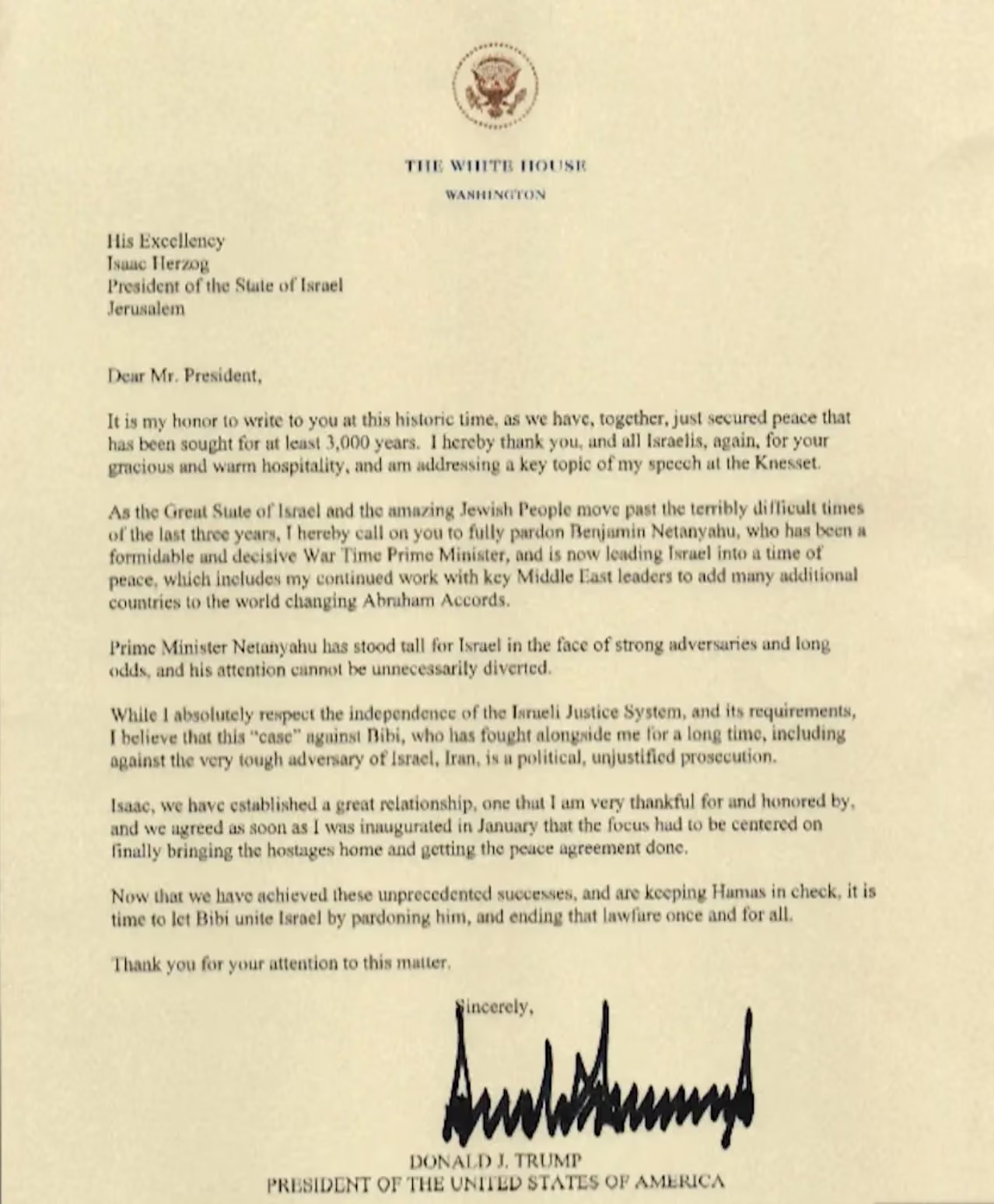
Mamdani never hid his agenda. He promised rent freezes, city-owned grocery stores, free health care for everyone, and the power for the city to seize private buildings from “bad landlords.” Daniel calls it what it is: Marxism—wrapped in compassion, funded by taxpayers far beyond New York.
At the same time, America is approving madness in its most vulnerable spaces. Cohen revisits the Gold’s Gym story of Tish Hyman, a black lesbian woman who was naked in the women’s locker room when a biological man walked in claiming to be a woman. When she objected, she was removed from the gym. He stayed.
The “most oppressed” in our culture are no longer the women who feel unsafe. They are the men who claim to be women and demand access to female spaces—even after a violent past. That is not compassion. It is confusion. Scripture says, “God is not a God of confusion but of peace” (1 Corinthians 14:33).
This same spirit of confusion shows up on the political right. Daniel confronts influential conservatives who platform open antisemites like Nick Fuentes without pushback. When Tucker Carlson gives a soft interview to a Holocaust denier and tells critics to “buzz off,” that is not courage—it is compromise.
The irony is painful. Some voices who claim to defend Christian values mock concern about real persecution. Ted Cruz highlights Christians slaughtered in Nigeria and Sudan, and Tucker calls it “weird.” Yet believers are being burned in churches, beheaded, and hunted for their faith. If we cannot call evil what it is, the problem is not our enemies—it’s our lack of discernment.
The moral breakdown runs from City Hall to Capitol Hill. President Trump proposes sending Affordable Care Act subsidies directly to citizens instead of bloated insurance companies. Chuck Schumer would rather protect corporate profits than reopen government.
Then there is Nancy Pelosi. She entered Washington as a public servant and leaves with an estimated net worth in the hundreds of millions. Her stock portfolio beat top hedge funds and even Warren Buffett’s returns. When asked about insider trading, she dodged with nervous smiles.
Meanwhile, mainstream media runs tearful stories about people on government aid unable to afford eyebrow appointments. Daniel’s point is not cruelty—it is responsibility. Benefits meant to feed families were never designed to fund luxuries.
"For even when we were with you, we commanded you this: If anyone will not work, neither shall he eat." (2 Thessalonians 3:10)
Yet glimpses of sanity remain. Tennessee removed pride flags from public schools so classrooms can focus on education, not activism. Italy proposed banning face-covering Islamic garments in public, arguing that religious freedom should not create parallel societies. These are imperfect steps—but at least they recognize a truth: no nation survives when it refuses to say no to destructive ideologies.
From Mamdani’s victory party to transgender men in women’s locker rooms to antisemitism and the persecution of Christians, Daniel Cohen returns to one truth: this is not political chaos—it is spiritual war.
The answer is not despair. It is not loyalty to pundits or politicians. The answer is returning to the Word of God. Genesis 1:27 tells us that God created humanity male and female. Romans 11 reminds us that God’s covenant with Israel stands. Ephesians 6 declares that our real enemies are not flesh and blood but spiritual powers of darkness.
Wake up spiritually. Read Scripture so you can recognize lies from both left and right.
Refuse cowardice. When you see antisemitism or the abuse of the vulnerable, speak truth in love.
Live ready. Jesus is coming again—not to rule from New York or Brussels but from Jerusalem.
History is not falling apart. It is falling into place under His authority. Stay grounded in Scripture, stand with truth, and let your hope rest in Christ—not in the chaos of the world.
Daniel Cohen exposes how radical politics, gender confusion, and rising antisemitism reveal a deeper spiritual battle. This episode calls believers to return to Scripture, think clearly, and stand firm in biblical truth amid cultural chaos.
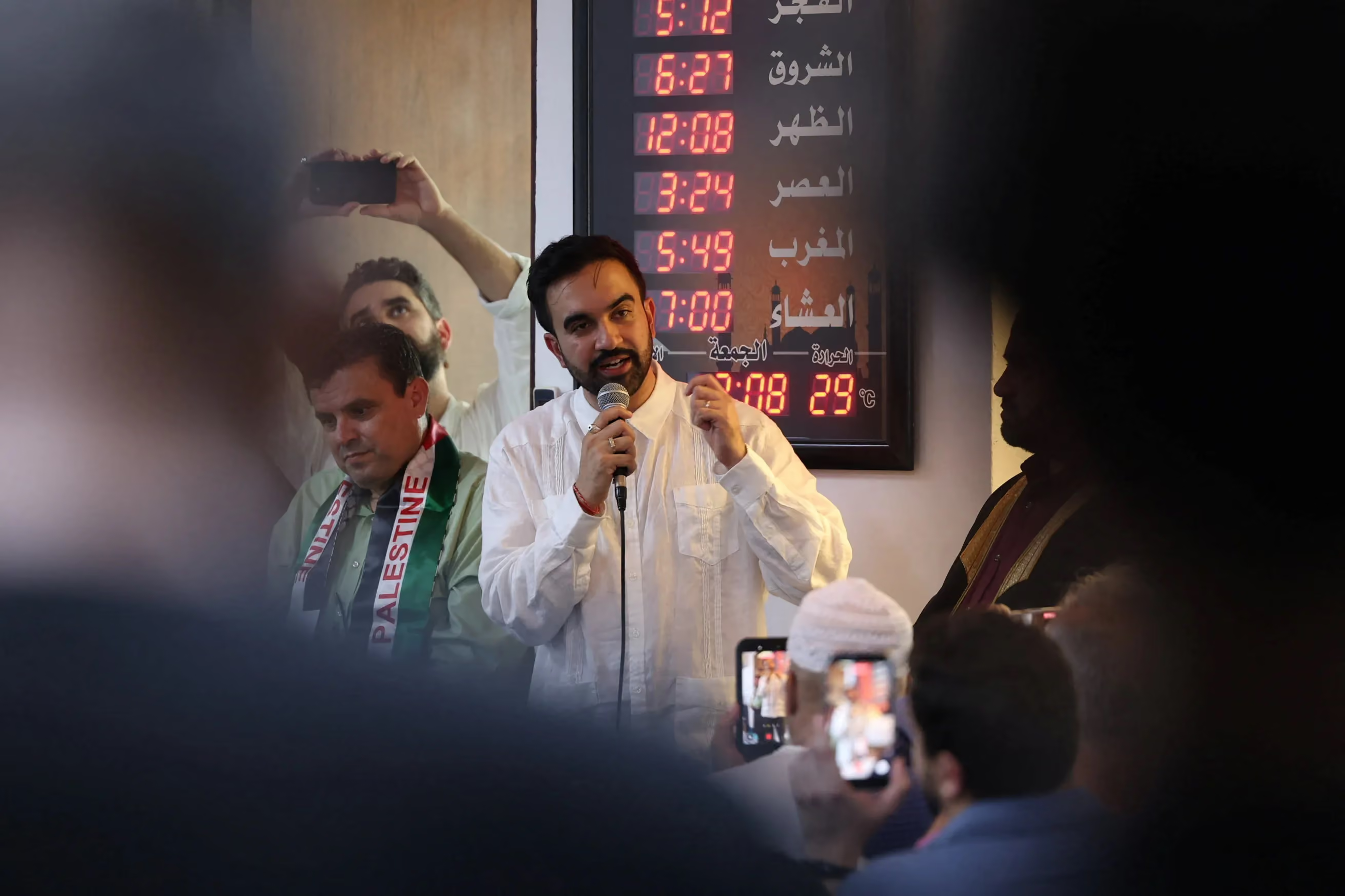
The celebration in New York was not just political. It was spiritual. As progressive activists, socialist leaders, and Islamic radicals united behind Zoran Mamdani, the world saw an alliance that defies logic but fulfills prophecy. Islam is incompatible with the LGBTQ movement, yet both locked arms in a common cause. The contradiction reveals the deeper battle Daniel Cohen exposes on The Daniel Cohen Show on Real Life Network (RLN): the war is not merely political. It is about biblical truth, deception, and the erosion of America’s moral foundation.
Cohen describes Mamdani’s rise as more than a political victory. It is the merging of ideologies that stand against both Israel and the gospel. Islamists, socialists, and progressives are uniting under a banner of moral confusion. “This isn’t rebellion or empowerment,” Cohen says. “It’s deception.”
He recalls his mother’s journey from Haifa, Israel, to the United States, weeping at the sight of the Statue of Liberty. That moment symbolized hope, gratitude, and faith in God’s providence. That same statue, Cohen warns, now stands before a generation celebrating oppression in the name of freedom. “In their version,” he says, “Lady Liberty’s face would be covered, her freedom silenced.”
This strange alliance of Marxism and Islamism—a “Red-Green Alliance”—has become a spiritual warfare front line. From the streets of New York City to college campuses across America, the same deception spreads: anti-Israel propaganda, antisemitism, and hatred cloaked as justice.
Cohen highlights what he calls “a coordinated movement against biblical worldview and Israel’s covenant promises.” Mamdani’s supporters include those who defend Hamas, deny Zionism, and excuse jihad under the banner of liberation. It is the same spirit that fuels unrest on college campuses and influences the progressive left, mainstream media, and even parts of the conservative movement.
He quotes Scripture, reminding viewers that “God is on the throne” and that “nothing happens outside of His purview.” The chaos in America’s streets, midterm elections, and social divisions mirror a deeper blindness, one that refuses to call evil what it is.
Cohen points to Pastor Jack Hibbs, founder of Real Life Network, and Pastor Tom Hughes, who stood at the Nova music festival memorial near Gaza. Their messages echo the biblical truth that God’s promises to Israel are irrevocable. Nations may rage, but His covenant stands.
While radicals chant for Sharia law and progressives cheer socialism, Cohen calls believers to recognize what is truly happening: a spiritual war disguised as politics. “When Marx meets Muhammad, freedom dies twice,” he warns. The problem is not only ideological but theological. Humanity keeps trying to build a utopia without God, and the result is always tyranny.
He also warns conservatives not to trade discernment for celebrity influence. Voices like Tucker Carlson and others in the GOP may speak truth at times but can also minimize real evil, like antisemitism or persecution of Christians in Africa and the Middle East. “We must stand for truth even when it costs something,” Cohen says.
He quotes 2 Chronicles 16:9: “The eyes of the Lord run to and fro throughout the earth, to show Himself strong on behalf of those whose heart is loyal to Him.” The real question is not who wins elections but who will stand for truth when compromise is easier.
The world is spiraling in confusion because it has rejected the Creator. But there is hope, not in politics or protest, but in the cross of Jesus Christ. Humanity’s deepest problem is not cultural decay or global conflict. It is sin. And the only remedy is redemption.
Through His death and resurrection, Jesus Christ conquered sin, defeated death, and offers forgiveness to all who repent and believe. True freedom does not come from Trump, Biden, or any human government. It comes from the Savior who said, “If the Son sets you free, you will be free indeed.”
Daniel Cohen ends his broadcast the same way he lives: calling believers to stand with Israel, defend truth, love courageously, and live ready for Christ’s return.
Zoran Mamdani has formed an alliance against truth. Daniel Cohen exposes how radical Islam, socialism, and deception are reshaping America and attacking Israel. This is not just politics. It is spiritual warfare.
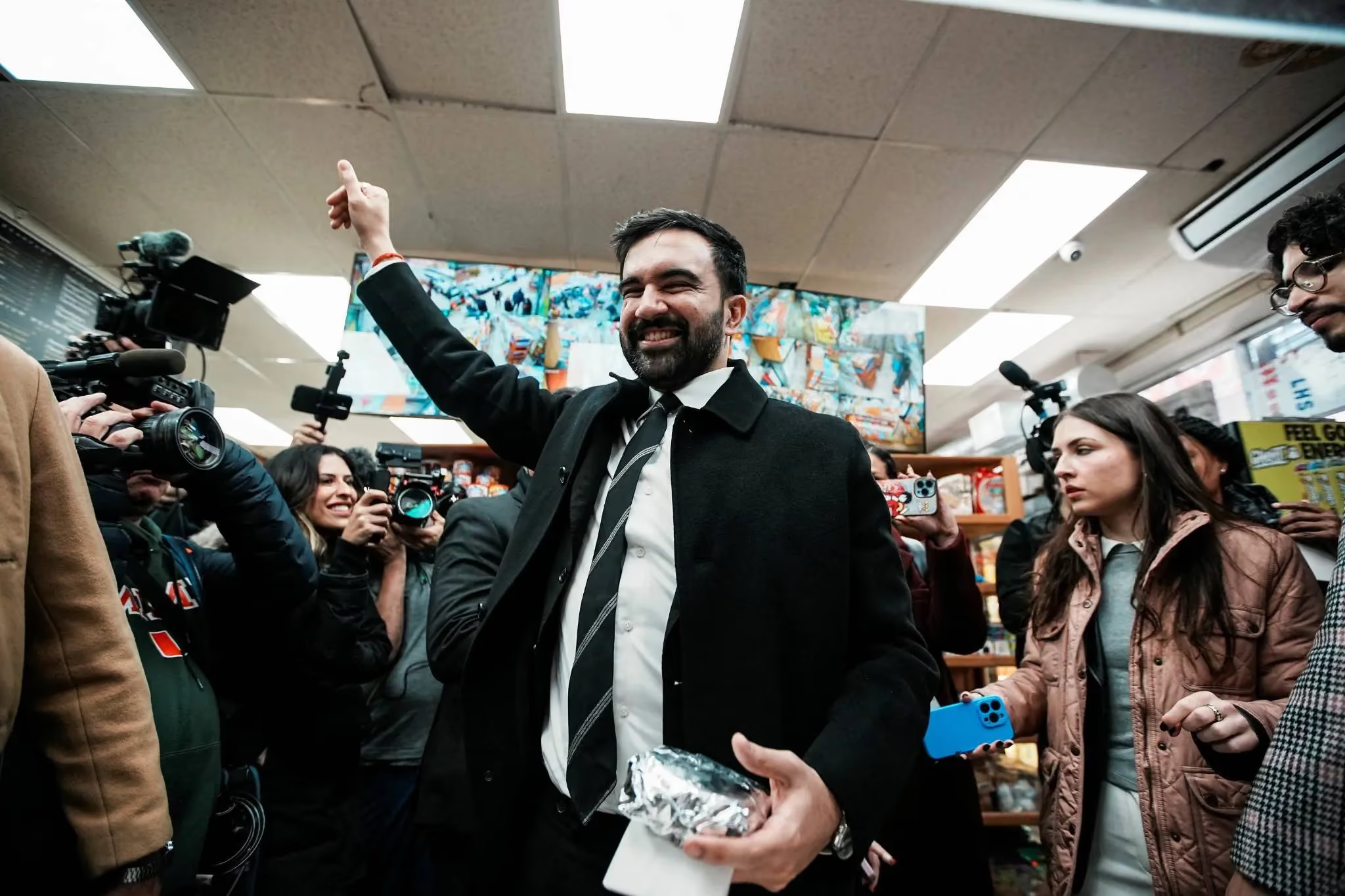
On The Daniel Cohen Show from Real Life Network (RLN), Daniel opens with what feels like a spiritual diagnosis of the times. While President Trump and Prime Minister Netanyahu build a coalition of nations — Qatar, Turkey, Saudi Arabia, Egypt, and Jordan — to pressure Hamas into releasing hostages and accepting peace, the world’s stage erupts in hypocrisy. From the media’s silence on Hamas atrocities to Hollywood’s applause for moral confusion, Daniel reminds us that behind every headline lies a deeper war, not of politics but of principalities. This is spiritual warfare disguised as diplomacy, celebrity activism, and cultural rebellion. Israel faces rockets; America faces lies. Yet both must decide whom they will serve. As Daniel puts it: “You can’t fight for freedom while cashing checks from those who crush it.”
When Dave Chappelle claims he can “speak more freely” in Saudi Arabia than in America, Daniel doesn’t respond with outrage, he responds with truth. Saudi Arabia, he reminds us, is a land where women only recently gained the right to drive, where slavery still exists, and where public beheadings remain legal. Yet Chappelle calls that freedom.
Bill Maher, not known for defending Christianity, exposes Chappelle’s blindness: “If you believe that, do a bit on Mohammed.” Daniel uses the moment not to mock but to mourn. America has traded gratitude for grievance. Chappelle, a millionaire made rich by free speech and free markets, now mocks both. Worse, he turns “I stand with Israel” into a coded insult, a signal that he’s been “compromised.”
Freedom without truth is a costume. And much of entertainment is playing dress-up with sin, hiding moral bankruptcy behind applause. The Bible says, “No one can serve two masters” (Matthew 6:24). In Daniel’s words: “Dave Chappelle has chosen his master, and it’s not truth.”
From celebrity compromise, Daniel turns to a victory that actually matters: the closing of America’s largest abortion clinic, a 78,000-square-foot facility in Houston that performed over 10,000 abortions a year. “It was a monument to death,” he says, “and now it’s gone.”
Since 1973, over 63 million unborn children have been killed in the United States. Daniel doesn’t soften the language: “Abortion isn’t healthcare. It’s child sacrifice on the altar of convenience.” But in the same breath, he gives thanks because prayer, persistence, and policy have pushed back the darkness.
“Before I formed you in the womb, I knew you,” God said through Jeremiah. That promise isn’t abstract, it’s personal. Daniel celebrates that promise while exposing the callousness of Planned Parenthood executives caught on tape bartering over baby organs. This is what happens when a culture forgets that life is sacred. Yet where sin increases, grace abounds. The tide is turning, and God is not finished.
Daniel shifts from Houston to headlines shaping family life. The biological male once called Leah Thomas has been permanently banned from women’s competition, a small win for sanity. Daniel applauds women like Riley Gaines, who refused to be silenced. Her courage cost her comfort but preserved truth for the next generation.
Then Daniel turns his eye to the battlefield of the imagination: children’s entertainment. Shows like CoComelon now normalize gender confusion, training toddlers to accept lies before they can spell truth. “This is not innocence, it’s indoctrination,” Daniel warns. Yet the antidote isn’t outrage; it’s discipleship. Christian parents must teach, model, and defend biblical worldview at home, where the next great awakening must begin.
Back on the global stage, Daniel examines Trump’s 20-point peace deal with Netanyahu, a plan offering ceasefire, hostage release, and humanitarian aid. But the deeper question remains: What good is peace on paper if hearts remain at war with God?
Hamas delays, deflects, and deceives because rebellion runs deeper than politics. Sin operates the same way, pretending to negotiate, refusing to surrender. Daniel notes that even within Gaza, local families are rising against Hamas tyranny, longing for peace their rulers reject. It’s a mirror of the human heart, trapped, deceived, and desperate for freedom.
The real hope, Daniel insists, is not in presidents or policies, but in a person: Jesus Christ, the Prince of Peace.
There is one Creator who made all people in His image and calls every nation to walk in truth. Humanity, from Gaza to Los Angeles, has rebelled against that truth and fallen under sin’s curse. Yet God, rich in mercy, sent His Son, Jesus Christ, fully God and fully man, to live the life we could not live, die the death we deserved, and rise from the grave, conquering sin and death forever.
Whoever repents and believes in Christ alone is forgiven, reconciled to God, and given new life. That’s not religion, it’s redemption. And that’s the only peace plan that works. “For He Himself is our peace.” (Ephesians 2:14)
Daniel Cohen calls believers to stand firm in truth against Hamas, Hollywood, abortion, and identity politics.
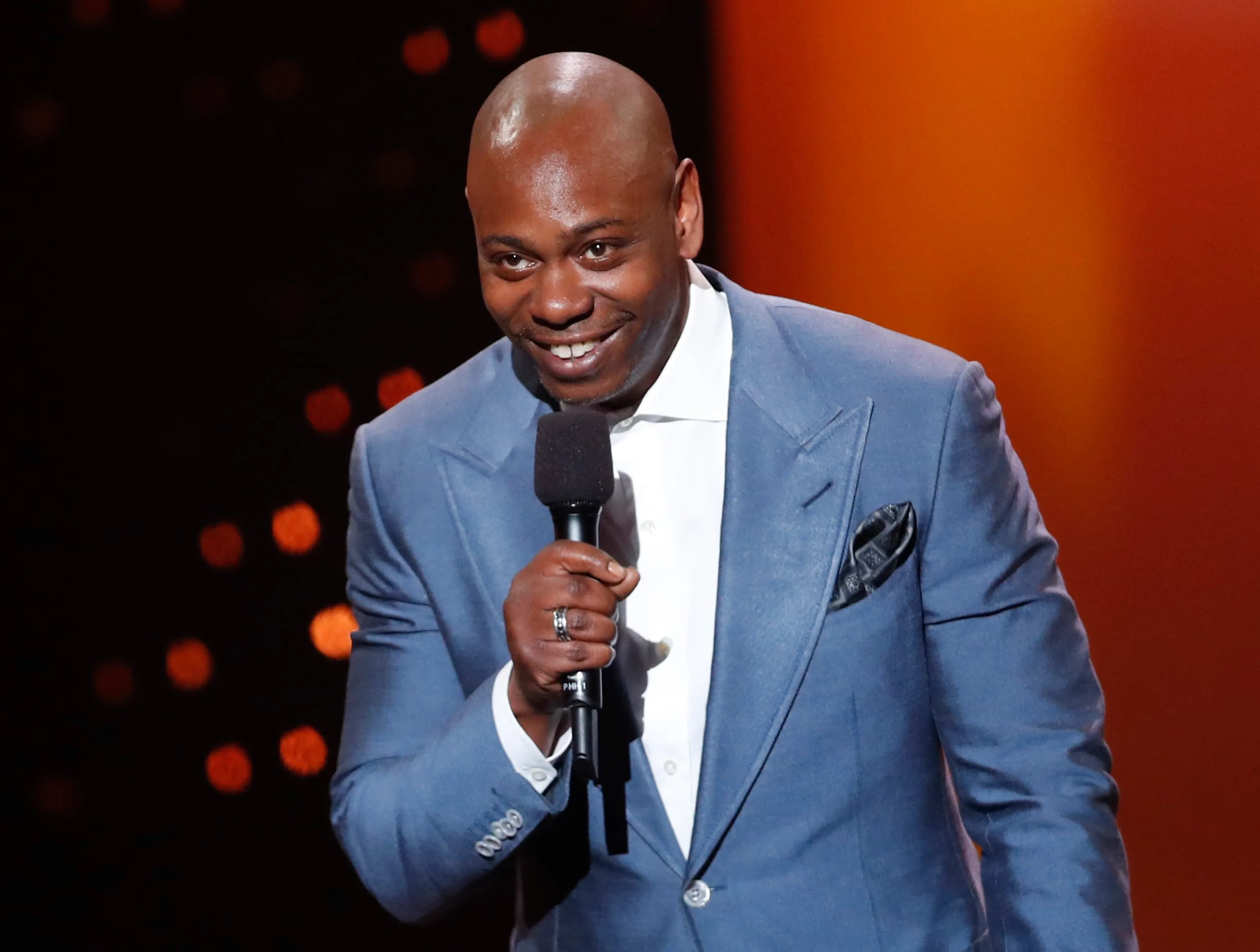
On The Daniel Cohen Show, streamed on Real Life Network, viewers do not just get another christian tv show. They step into a space where christianity and politics, faith and culture, and the Israel conflict are all seen through a clear biblical lens. RLN is a christian streaming service built for people who are tired of filtered headlines, tired of spin, and who want faith based news, live news, and christian worldview news from a trusted online news source that does not bow to the mob.
In this episode Daniel Cohen used Tucker Carlson’s recent comments about Christian Zionism to explain something much bigger. This is not just a media feud. It is a picture of spiritual warfare that reaches from the war in Israel to American politics, from news streaming on big platforms to what believers choose to watch live tv on at home.
Tucker Carlson recently called Christian Zionism a “brain virus” and a “Christian heresy” while talking with Nick Fuentes, a white supremacist who mocks the Holocaust and degrades women. After major backlash from pastors, ambassadors, and many believers, Tucker tried to walk it back with a soft apology. He said he was angry, that his words were poorly chosen, and that some Christian Zionists are very kind people.
Then he immediately doubled down on the lie that led him there. Tucker claimed that Israel deliberately targeted churches in Gaza and intentionally murdered Christian civilians. He argued that because the Israeli military is precise, any tragic hit near a church must have been planned policy, not fog of war.
Daniel Cohen pressed pause on that narrative. Israel’s military does have precision tools, but precision does not erase the chaos of battle or the evil of Hamas. Terrorists hide among civilians, in apartment blocks, in hospitals, near churches and schools. Collateral damage is heartbreaking and tragic, but it is not the same as a policy to murder Christians. In at least one case Israel admitted error, investigated, and expressed deep sorrow. That is the opposite of what Tucker claimed.
Christian Zionism, Daniel explained, is not blind loyalty to every decision of a government. It is a conviction that God made a specific covenant with the Jewish people and the land of Israel, and that covenant is still part of His plan for the nations. It is faith and politics working together under Scripture, not political christianity that worships any leader on earth.
Daniel also pointed out what many miss. Tucker did not make these comments in a vacuum. He chose to share a stage with Nick Fuentes, a man who praises Hitler, mocks the murder of six million Jews, and jokes that women really want to be abused. When a high profile commentator like Tucker gives that kind of voice a platform, he is not just asking questions. He is driving a wedge between Christians and Jews and poisoning the well for future conversation about Israel.
That is why this matters for faith and politics. When believers repeat these talking points, they end up defending a narrative that makes Israel the villain and excuses the terror of Hamas. Christian Zionism is smeared as warmongering, while actual terrorists are framed as victims. This is not simply political christianity. It is a distortion of the Gospel and of history.
Daniel reminded viewers that supporting Israel’s right to exist and defend herself does not mean ignoring the suffering of Arab Christians in Gaza, Lebanon, or Syria. You can care deeply about every Christian in the Middle East and still refuse to call Israel the aggressor in a war that Hamas started. That balance is what a mature christian worldview news perspective looks like.
From there Daniel widened the lens. The same spirit that twists the Israel conflict also shows up in American culture. Legacy news channels call it justice when conservatives are censored, doxxed, or de-platformed. Entertainment elites celebrate performers who mock God on award shows and NFL stages. Radical activists demand open borders and call any enforcement cruelty. In each case the goal is the same. Redefine good and evil, then shame anyone who resists.
This is why uncensored news matters. Believers cannot just trust big streaming platforms that mute stories which do not fit elite narratives. They need video streaming services and new channels that are willing to call sin sin, protect women in locker rooms and sports, defend unborn life, and tell the truth about war in Israel even when it is unpopular.
Daniel Cohen often reminds viewers that the biggest question is not what Tucker, or the Heritage Foundation, or the Obamas think. The real question is whether Christians will let Scripture shape their view of Israel, America, and culture, or whether they will let trends on news streaming apps and social feeds do the discipling.
That is where Real Life Network comes in. RLN is a streaming service built as an alternative to secular video streaming services that laugh at faith. It offers christian tv shows, live news, and faith based news that refuses to compromise. Viewers can watch live tv style coverage, replay segments as online news, and explore full shows from a growing lineup of new channels that share a clear Christian worldview.
Daniel’s challenge is simple and direct
When believers do that, faith and politics stop being a tug of war between parties and become an arena where Jesus is Lord over every headline.
In the end Daniel Cohen’s message is not about winning a media fight with Tucker Carlson. It is about guarding the church from subtle deception. The enemy would love nothing more than to convince believers that supporting Israel is unchristian, that standing for women’s safety is hateful, that enforcing borders is bigotry, and that only approved voices on big streaming platforms count as real News.
The Gospel tells a different story. God is faithful to His covenant with Israel. He calls His people to protect the innocent and confront evil. He commands us to love our enemies, not by endorsing their lies, but by speaking the truth in love. And He invites every person, Jew and Gentile, to salvation through Jesus.
That is why christianity and politics cannot be separated from discipleship. It is why political christianity that compromises Scripture to stay acceptable will always collapse. And it is why believers need faith based news, christian worldview news, and trustworthy online news that points them back to Christ and His Word every single day.
Tucker Carlson’s attack on Christian Zionism sparks a deeper conversation about faith. Daniel Cohen calls believers to seek biblical truth on RLN.
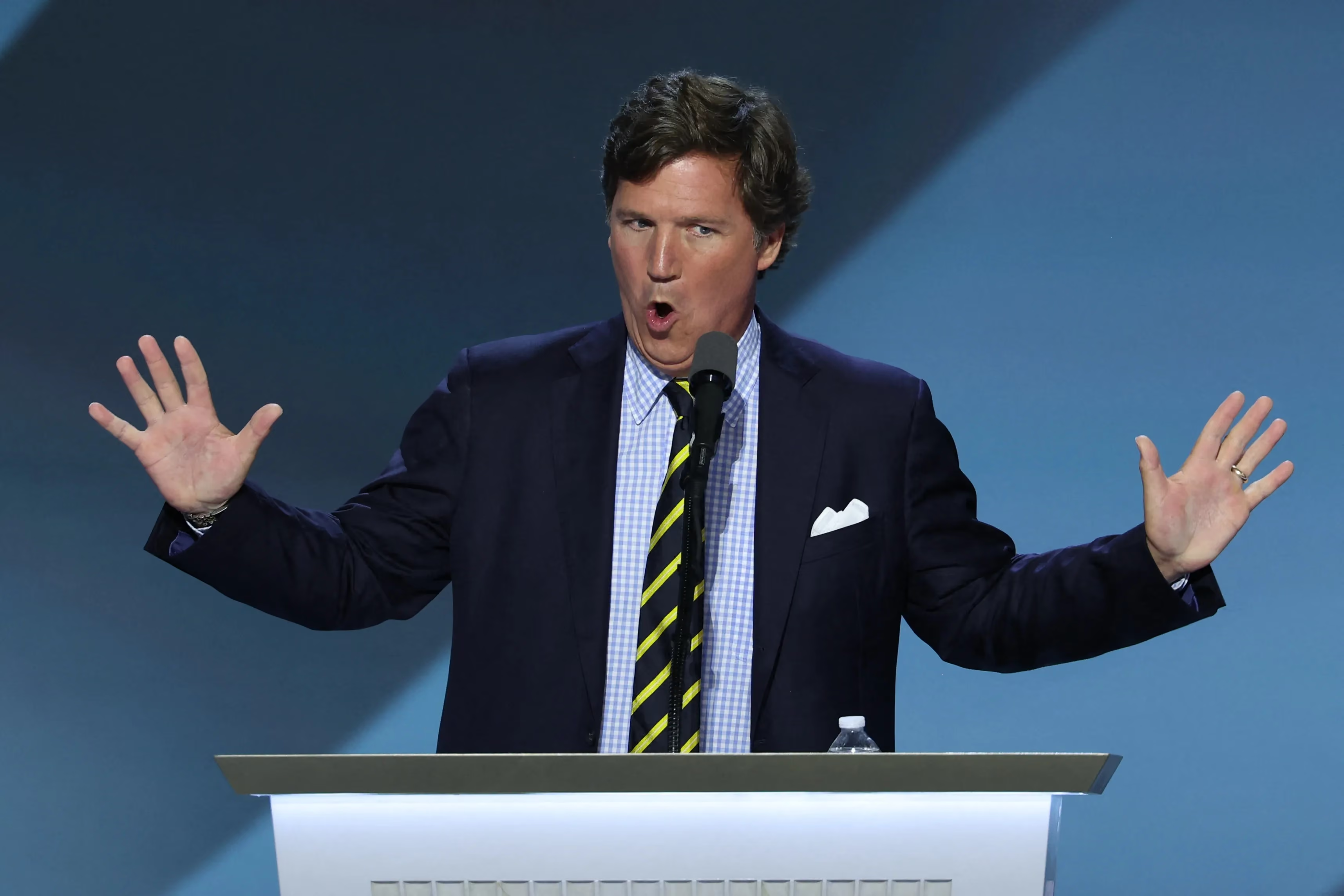
In an age when truth bends to politics and headlines echo propaganda, Daniel Cohen stands apart. On The Daniel Cohen Show from Real Life Network, Cohen refuses to separate faith and politics, insisting that every crisis in Israel, Europe, or America reveals a deeper spiritual battle. His latest message, now streaming on RLN’s Christian streaming service, exposes how the war in Israel, the collapse of moral courage in the West, and the revival of the Church all connect to the same conflict between light and darkness.
Daniel Cohen begins by explaining the Israel conflict as more than a military standoff. He calls it a mirror reflecting the moral decay of the West. When Vice President J D Vance stood in southern Israel and said that Western media seems to root for failure, Cohen agreed. He notes how every violent flareup is treated as proof that peace is impossible, as if journalists secretly prefer unrest to resolution.
Cohen points to something bigger happening beneath the surface. The ceasefire in Gaza, fragile as it is, represents the groundwork for an Abraham Accords 2.0 that could unite Israel with more Arab nations. Iran and Hamas tried to stop that process on October 7, but their terror only exposed their weakness. Across the Middle East, Arab leaders are tired of Iran’s chaos and looking toward stability with Israel instead.
For Cohen, this is where Christianity and politics intersect. He says the way nations treat Israel reveals their spiritual health. The promises God made to Abraham still stand, and rejecting those promises has consequences. Cohen praises leaders such as Netanyahu and pastors like Jack Hibbs, who refuse to apologize for supporting Israel’s right to exist. He reminds viewers that what happens in the Middle East is not random history. It is evidence that biblical prophecy is unfolding in real time.
Cohen turns his attention to Europe, describing how cities once known for courage are now paralyzed by fear. London, Amsterdam, and Paris have become stages for mobs shouting antisemitic slogans while police stand by and do nothing. He calls it moral cowardice disguised as tolerance. The refusal to confront evil has created societies where Jewish citizens must hide behind fences and guards just to worship in peace.
Then Cohen looks at New York City, where radical candidate Zoran Mamdani publicly promises to remake the state “in the image of our people.” For Cohen, those words are not progress but warning. He explains that when politics becomes tribal, truth disappears. Polls show foreign born voters supporting Mamdani while native born New Yorkers divide among failed alternatives. It is a symptom, Cohen says, of immigration without assimilation and education without truth. When a nation forgets who it is, power replaces principle.
Cohen warns that America is on the same path as Europe. The slow surrender to radical ideologies, the moral confusion in the name of tolerance, and the silence of churches all point to a deeper loss of conviction. Without biblical truth, the West cannot survive. The problem is not diversity, he says, but the rejection of God’s design for justice and order.
Even in the darkness, Cohen sees signs of hope. The Church is stirring. Turning Point USA Faith has doubled its network of partner churches, now more than eight thousand strong, reaching hundreds of thousands of believers ready to stand for truth. Cohen calls this growth part of Charlie Kirk’s legacy. Kirk preached repentance, holiness, and sacrifice in a culture that craves comfort. He reminded believers that a faith that costs nothing is worth nothing.
Cohen speaks with apologist Dr Frank Turek, who challenges Christians to prepare for cultural battle long before they step onto a college campus. Turek’s Cross Examined ministry teaches believers how to defend their faith with logic, evidence, and love. Both men agree that silence is no longer an option. Fear has no place in the life of a believer. God commands courage, not comfort.
Cohen ends with a reminder that history belongs to God. Governments rise and fall. Online news, news streaming, and live news will change by the hour, but the Gospel does not. The greatest battle is not in Gaza or New York but in the human heart. Christ alone can bring peace. He lived a perfect life, died for sinners, and rose again to offer forgiveness and eternal life.
When viewed through that lens, the war in Israel, the political turmoil in America, and the collapse of Europe are not separate stories but one message. They remind us that truth matters and eternity is near.
If you are tired of news channels that distort facts and weary of news sources that censor faith, The Daniel Cohen Show is the alternative. Stream uncensored news, Christian worldview news, and faith based news through Real Life Network, a leading Christian streaming service and one of the most trusted streaming platforms for video streaming services and Christian TV shows. Here you can watch live TV, follow news live, and explore new channels filled with biblical truth, Christianity and politics, and stories that strengthen faith instead of undermining it.
Visit RealLifeNetwork.com to discover why believers around the world are turning to RLN as their home for online news, news streaming, and uncensored news that honors God. Watch The Daniel Cohen Show today and see world events through the clarity of Scripture.
Daniel Cohen explores how faith and politics collide in Israel, Europe, and the United States.
The United States is not just divided; it is unraveling. On The Daniel Cohen Show from Real Life Network (RLN), Daniel Cohen looks past the noise of politics and online news to uncover the spiritual crisis shaking the nation. Through RLN’s Christian streaming service, Cohen calls believers to see the connection between America’s moral collapse, political corruption, and the war in Israel. What he reveals is not just another opinion. It is the biblical truth behind the headlines, a truth that secular media refuses to confront.
“What happens when a nation built on the Word of God decides it no longer needs God?” Cohen asks. The answer, he says, is playing out in real time. Political leaders lie with ease. Schools teach children to reject their own identity. Entertainment celebrates sin and mocks faith. Meanwhile, much of the Church stays silent.
Cohen draws parallels between America’s spiritual decay and Israel’s physical battle for survival. While Israel fights against Hamas and its allies, America is fighting to remember who it is. The Israel conflict, he argues, mirrors our own cultural and moral confusion. A society that rejects God does not become free. It becomes enslaved to its idols: power, pleasure, and politics.
He calls this the new religion of the West. The enemies of truth are no longer at the gate. They are in our homes, on our screens, and in our pulpits. This is the normalization of evil, a culture where morality is measured not by Scripture but by emotion.
Cohen exposes how modern politics has become America’s new idol. Both the left and the right now treat their political leaders as saviors and their parties as messiahs. Instead of turning to Scripture, people turn to news streaming platforms and social media feeds designed to fuel fear and division.
He warns that too many Christian leaders have traded truth for comfort. “The Gospel doesn’t fit neatly into party platforms,” he says. “It confronts both sides.” The left preaches progress without God, and the right preaches patriotism without repentance. Both are hollow without Christ.
Cohen ties this to global trends, corruption in Washington, persecution of Christians overseas, and the manipulation of truth in online news. When a nation removes God from its institutions, justice disappears, wisdom dies, and lies become law.
The only cure, he insists, is revival, not political revival but spiritual awakening. America does not need new politicians; it needs new hearts.
As the episode closes, Cohen offers both warning and hope. History proves that no nation survives once it abandons truth. Babylon, Rome, and every empire that rejected God collapsed from within. America is not immune.
But there is hope, real hope found in the Gospel of Jesus Christ. Cohen reminds his audience that salvation does not come from Washington, Hollywood, or any political system. It comes from the cross. Christ alone can heal what politics has broken.
He calls believers to pray for Israel, for America, and for persecuted Christians worldwide. Revival will not begin in newsrooms or statehouses but in hearts surrendered to truth. “The world is on fire,” Cohen says, “but the Gospel is still the water.”
Every story of corruption, conflict, or cultural chaos points to humanity’s deeper problem, sin. We have rebelled against a holy God, exchanging His truth for lies. Yet God, rich in mercy, sent His Son, Jesus Christ, to live without sin, die in our place, and rise again so that all who repent and believe may have eternal life.
That is the real headline behind every broadcast: nations fall, but Christ reigns. Governments fail, but grace endures. America’s only hope is not in saving a nation but in saving souls.
Daniel Cohen explains how America’s moral collapse, media deception, and global chaos reveal a deeper spiritual crisis and why the only real hope is the Gospel.