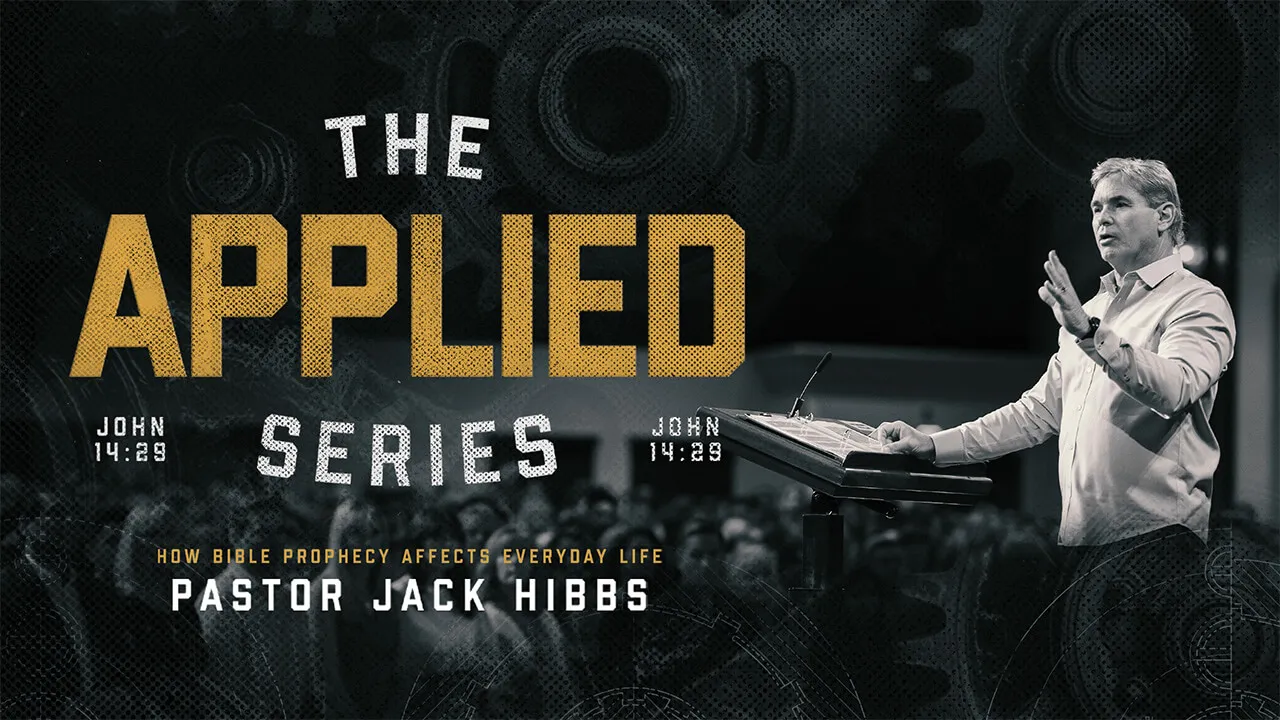
In a culture filled with appearances and performance driven faith, Scripture reminds us that God is not impressed by what looks polished on the outside. True Christianity is revealed under examination. In this devotional, Pastor Jack Hibbs calls believers to sincere faith that can withstand the heat of God’s refining light.
A Faith That Can Be Examined
We are all at our best when we’re in the company of other Christians. But it’s who we are at home that defines the person we truly are. The question is, are you and I sincere?
Our English word “sincere” is a translation of the Greek word eilikrinēs, which means pure, unsullied, without wax, and able to bear full examination in the sun. That type of examination was essential because it wasn’t uncommon for first-century craftsmen to use wax as putty to hide cracks in their slightly damaged pottery.
When the Heat Reveals the Truth
Say you were a worshipper of the goddess Diana, and you purchased an idol to take to her temple. But as you held the statue in the warm sun, her arm fell off. What happened? When the heat was turned up, your idol was revealed for what it was—with wax and insincere. Likewise, when God turns up the heat in our lives through fiery trials, His purpose is to expose falsehood within us. We may deceive others, and even ourselves, but we cannot hide the truth from God. Our relationship with Him must be sincere. We cannot “putty” ourselves up and put on a show of Christianity. We must, as Paul prayed, “approve the things that are excellent.”
It’s time to get real—time to allow the full splendor of the light of God’s Word to examine us. That we might have a single eye to the very best things with a pure and sincere heart until the day of Christ.
Watch and Grow on Real Life Network
For more from Pastor Jack Hibbs and trusted biblical teaching that strengthens your faith, watch on Real Life Network. Stream free, faith filled content anytime at RealLifeNetwork.com or download the Real Life Network app today.

Podcasts have become one of the most accessible ways to learn, grow, and stay connected to biblical truth in a busy world. Whether you listen during your commute, on a walk, or while making dinner, the right Christian podcast can offer encouragement and steady your heart in a way few other media can.
As podcasts continue to multiply, listeners want to know which ones remain faithful to Scripture, bring clarity to cultural questions, and offer guidance that is truly helpful for families and new believers. Real Life Network offers a collection of well-produced, biblically centered podcasts that stand out in those areas.
Below are seven top shows—some well-known, others delightfully unexpected—that you can stream for free and incorporate easily into your weekly rhythm.
1. Ignite with Barry Meguiar
Barry Meguiar’s Ignite podcast is full of practical encouragement for believers who want to share their faith confidently. His warm, conversational style helps listeners overcome fear and see evangelism as a natural, joy-filled part of everyday life. Whether he’s sharing stories, offering tips, or speaking from decades of personal ministry experience, Barry equips Christians to live boldly and joyfully for Christ.
Available free on Real Life Network.
2. The Prophecy Pros Podcast
Hosted by Jeff Kinley and Todd Hampson, The Prophecy Pros Podcast offers clear, accessible discussions about biblical prophecy and the future events described in Scripture. Rather than leaning into speculation, the hosts bring biblical grounding, perspective, and steady teaching to topics that often create confusion. The show appeals to listeners who want to understand global events in light of God’s Word.
Episodes stream free on Real Life Network.
3. ICR’s Creation Podcast
The Institute for Creation Research offers a thoughtful podcast exploring the relationship between Scripture and science. Topics range from biology and geology to apologetics, worldviews, and the authority of the Bible. This podcast is particularly helpful for teens, students, educators, and anyone who wants to explore scientific questions with confidence.
Available on Real Life Network.
4. Steve Wiggins: Groundworks Ministries Devotional Podcast
Pastor Steve Wiggins brings Scripture alive through short, insightful daily devotionals. Each episode takes a few minutes to unpack a passage from God’s Word, offering practical application and spiritual encouragement. The brevity of the episodes makes them easy to incorporate into morning routines, school carpools, or lunchtime breaks.
Episodes stream free on Real Life Network.
5. Victor Marx Podcast
Victor Marx brings a unique voice to Christian podcasting through testimonies, interviews, and discussions shaped by global ministry work and real-world challenges. Many episodes feature guests who have endured hardship or trauma, offering listeners powerful stories of perseverance. The show is particularly meaningful for men’s groups, parents, and believers navigating difficult seasons.
Available on Real Life Network.
6. The Jack Hibbs Podcast
Pastor Jack Hibbs’ podcast offers teaching, conversations, and worldview-driven episodes that help believers understand Scripture and apply it to today’s culture. While his sermons are widely known, the podcast format allows for a more conversational approach, often addressing contemporary issues, theological questions, and practical aspects of Christian living.
Streaming free on Real Life Network.
7. Rose Unplugged
Rose Unplugged brings thoughtful, faith-informed commentary on culture, current events, and Christian living. Rose’s interviews and insights appeal to listeners who want substance, depth, and a grounded perspective on the issues shaping today’s world. Her style is warm, clear, and engaging, making the show a strong choice for believers who prefer conversation-driven podcasts with a biblical lens.
Why Christian Podcasts Matter Today
In a cultural landscape full of noise, Christian podcasts provide a steady stream of truth and encouragement. They help believers stay rooted in Scripture, understand the times, and grow in faith no matter how busy life becomes. Whether listeners want deep teaching, worldview discussions, practical discipleship, or quick daily encouragement, Christian podcasts offer something meaningful for everyone.
Why Real Life Network Is an Ideal Place to Stream These Shows
Real Life Network offers a curated environment where every program aligns with biblical truth. Listeners don’t have to sort through questionable recommendations or sift through a sea of content that does not reflect their values. Instead, RLN provides a trusted library of podcasts and talk-style programs that strengthen the heart and mind.
With teaching, interviews, devotionals, and cultural commentary—all free and accessible—RLN gives believers a reliable place to build a healthier media rhythm.
Christian podcasts have become one of the great spiritual tools of our time. For all of us who are learning, growing, teaching, and simply trying to stay anchored in truth, these shows offer substance and encouragement that travel with you wherever you go.
Discover these podcasts and more anytime on Real Life Network.
Podcasts have become one of the most accessible ways to learn, grow, and stay connected to biblical truth in a busy world. Whether you listen during your commute, on a walk, or while making dinner, the right Christian podcast can offer encouragement and steady your heart in a way few other media can.
As podcasts continue to multiply, listeners want to know which ones remain faithful to Scripture, bring clarity to cultural questions, and offer guidance that is truly helpful for families and new believers. Real Life Network offers a collection of well-produced, biblically centered podcasts that stand out in those areas.
Below are seven top shows—some well-known, others delightfully unexpected—that you can stream for free and incorporate easily into your weekly rhythm.
1. Ignite with Barry Meguiar
Barry Meguiar’s Ignite podcast is full of practical encouragement for believers who want to share their faith confidently. His warm, conversational style helps listeners overcome fear and see evangelism as a natural, joy-filled part of everyday life. Whether he’s sharing stories, offering tips, or speaking from decades of personal ministry experience, Barry equips Christians to live boldly and joyfully for Christ.
Available free on Real Life Network.
2. The Prophecy Pros Podcast
Hosted by Jeff Kinley and Todd Hampson, The Prophecy Pros Podcast offers clear, accessible discussions about biblical prophecy and the future events described in Scripture. Rather than leaning into speculation, the hosts bring biblical grounding, perspective, and steady teaching to topics that often create confusion. The show appeals to listeners who want to understand global events in light of God’s Word.
Episodes stream free on Real Life Network.
3. ICR’s Creation Podcast
The Institute for Creation Research offers a thoughtful podcast exploring the relationship between Scripture and science. Topics range from biology and geology to apologetics, worldviews, and the authority of the Bible. This podcast is particularly helpful for teens, students, educators, and anyone who wants to explore scientific questions with confidence.
Available on Real Life Network.
4. Steve Wiggins: Groundworks Ministries Devotional Podcast
Pastor Steve Wiggins brings Scripture alive through short, insightful daily devotionals. Each episode takes a few minutes to unpack a passage from God’s Word, offering practical application and spiritual encouragement. The brevity of the episodes makes them easy to incorporate into morning routines, school carpools, or lunchtime breaks.
Episodes stream free on Real Life Network.
5. Victor Marx Podcast
Victor Marx brings a unique voice to Christian podcasting through testimonies, interviews, and discussions shaped by global ministry work and real-world challenges. Many episodes feature guests who have endured hardship or trauma, offering listeners powerful stories of perseverance. The show is particularly meaningful for men’s groups, parents, and believers navigating difficult seasons.
Available on Real Life Network.
6. The Jack Hibbs Podcast
Pastor Jack Hibbs’ podcast offers teaching, conversations, and worldview-driven episodes that help believers understand Scripture and apply it to today’s culture. While his sermons are widely known, the podcast format allows for a more conversational approach, often addressing contemporary issues, theological questions, and practical aspects of Christian living.
Streaming free on Real Life Network.
7. Rose Unplugged
Rose Unplugged brings thoughtful, faith-informed commentary on culture, current events, and Christian living. Rose’s interviews and insights appeal to listeners who want substance, depth, and a grounded perspective on the issues shaping today’s world. Her style is warm, clear, and engaging, making the show a strong choice for believers who prefer conversation-driven podcasts with a biblical lens.
Why Christian Podcasts Matter Today
In a cultural landscape full of noise, Christian podcasts provide a steady stream of truth and encouragement. They help believers stay rooted in Scripture, understand the times, and grow in faith no matter how busy life becomes. Whether listeners want deep teaching, worldview discussions, practical discipleship, or quick daily encouragement, Christian podcasts offer something meaningful for everyone.
Why Real Life Network Is an Ideal Place to Stream These Shows
Real Life Network offers a curated environment where every program aligns with biblical truth. Listeners don’t have to sort through questionable recommendations or sift through a sea of content that does not reflect their values. Instead, RLN provides a trusted library of podcasts and talk-style programs that strengthen the heart and mind.
With teaching, interviews, devotionals, and cultural commentary—all free and accessible—RLN gives believers a reliable place to build a healthier media rhythm.
Christian podcasts have become one of the great spiritual tools of our time. For all of us who are learning, growing, teaching, and simply trying to stay anchored in truth, these shows offer substance and encouragement that travel with you wherever you go.
Discover these podcasts and more anytime on Real Life Network.
7 of Today’s Best Christian Podcasts (and Where to Stream Them Free)
Living Fearless exists to bring clarity where there is confusion and truth where there is silence. I’m Hedieh Mirahmadi, and through this podcast on the Real Life Network, I speak with conviction about the spiritual, cultural, and ideological threats facing our nation today. This is a place where biblical truth is not softened, where hard realities are confronted honestly, and where courage replaces fear in a world increasingly hostile to Judeo-Christian values. Watch now for free and get grounded in truth at RealLifeNetwork.com.
I have lived inside the very world I am warning you about. For more than twenty-five years, I worked on the front lines of America’s fight against Islamic extremism across more than thirty-five countries. I advised governments, built counter radicalization programs, and worked alongside federal agencies including Homeland Security, the Department of Justice, and the FBI. This was not academic work. It was lived experience.
I was raised in a politically conservative Iranian American home and spent much of my adult life as a devout Muslim involved in reformist movements. I believed spiritual reinterpretation could defeat jihadist ideology. That belief gave me access to networks few outsiders ever see, but it also revealed a hard truth. You cannot defeat a spiritual war with policy alone.
It was only when I surrendered my life to Jesus Christ that I fully understood the nature of the battle. Islamism is not merely a religion. It is a political ideology cloaked in spiritual language, driven by conquest, and empowered when the church remains silent. That realization is what brings me here, to this network, and to Living Fearless.
Islam & Christendom in Perpetual War: Phase One
To understand the present, we must confront the past honestly. Christendom once covered the Middle East, North Africa, Greece, Rome, Spain, and much of Europe. These lands were Christian centuries before Islam emerged in the seventh century. The early spread of Islam was not peaceful evangelism. It was military conquest.
After the death of Muhammad, Islamic armies expanded rapidly through force. Christian communities were displaced, churches destroyed, women assaulted, and believers forced to convert, pay heavy taxes, or die. By 732 A.D., Islamic forces had reached deep into Europe before being stopped at the Battle of Tours in France.
For centuries, Christians under Islamic rule faced systemic oppression. This reality led directly to the Crusades, which were not random acts of aggression, but a response to generations of invasion and persecution. While mistakes were made, the historical context matters. Phase One of Islamic conquest was military, territorial, and violent.
That phase ended with the collapse of the Ottoman Caliphate after World War I. But the ideology did not die. It adapted.
Cultural Jihad & Modern Islamist Strategy: Phase Two
When armies failed, the strategy changed. Islamists shifted from swords to systems. This is Phase Two: cultural and civilizational jihad.
The Muslim Brotherhood became the intellectual backbone of modern Islamism, openly describing their mission as a civilizational struggle. Their strategy, known as tamkeen, focuses on planting deep roots within a society through schools, charities, media, mosques, colleges, and eventually government.
I witnessed this firsthand across Europe, the Middle East, and the United States. Cultural jihad operates slowly and intentionally. It reshapes identity before laws ever change. Violence comes later. The mindset comes first.
This ideology spread globally through Saudi funded education, Islamist organizations, and alliances with groups like Hamas, al Qaeda, and political movements across continents. Eventually, it reached the West, embedding itself in universities, nonprofits, courts, and activist networks under the language of civil rights and social justice.
The Rise of Cultural Jihad in the United States
In America, Islamists learned to exploit our freedoms. They work within the system, using our laws, our compassion, and our fear of offending others. Mosques, prisons, charities, student groups, and interfaith initiatives became strategic entry points.
Prisons, in particular, became major recruitment hubs. Student organizations echoed Brotherhood talking points. Lawsuits and public pressure forced institutions to accommodate ideological demands. This was not accidental. It was planned.
Communities in states like Minnesota, Illinois, and Texas reveal the same pattern: trust building first, identity shaping second, political influence last. Cultural jihad does not begin in Congress. It begins quietly, at the community level.
The Islamist Conquest of the U.S. & the Red Green Alliance
Today, Islamism has merged with radical leftism in what is known as the Red Green Alliance. Their end goals differ, but they share one objective: dismantling Judeo-Christian values.
This alliance is visible on college campuses, in city councils, and in Congress. Islamist aligned politicians normalize anti-Israel rhetoric, excuse corruption, and frame America as inherently oppressive. Criticism is silenced by accusations of Islamophobia.
Religious liberty is weaponized. Political ideology is disguised as faith. And institutions partner with these groups without understanding the long-term consequences.
Separate Islam from Muslims: A Call to Clarity, Courage, and Compassion
I want to end where the Gospel always leads us: truth paired with love.
Muslims are not our enemy. They are our mission field. I know this because I was one of them. Islamism thrives on fear and silence. Jesus came to break both.
We must oppose political Islam with courage, while loving Muslims with compassion and clarity. Only the Gospel transforms hearts. Only Christ sets captives free.
This is Living Fearless. And this is why I speak.
Watch Living Fearless on the Real Life Network and share it with someone who needs clarity right now. Download the RLN app and start watching for free at RealLifeNetwork.com.
For more articles like this click here.
Living Fearless exists to bring clarity where there is confusion and truth where there is silence. I’m Hedieh Mirahmadi, and through this podcast on the Real Life Network, I speak with conviction about the spiritual, cultural, and ideological threats facing our nation today. This is a place where biblical truth is not softened, where hard realities are confronted honestly, and where courage replaces fear in a world increasingly hostile to Judeo-Christian values. Watch now for free and get grounded in truth at RealLifeNetwork.com.
I have lived inside the very world I am warning you about. For more than twenty-five years, I worked on the front lines of America’s fight against Islamic extremism across more than thirty-five countries. I advised governments, built counter radicalization programs, and worked alongside federal agencies including Homeland Security, the Department of Justice, and the FBI. This was not academic work. It was lived experience.
I was raised in a politically conservative Iranian American home and spent much of my adult life as a devout Muslim involved in reformist movements. I believed spiritual reinterpretation could defeat jihadist ideology. That belief gave me access to networks few outsiders ever see, but it also revealed a hard truth. You cannot defeat a spiritual war with policy alone.
It was only when I surrendered my life to Jesus Christ that I fully understood the nature of the battle. Islamism is not merely a religion. It is a political ideology cloaked in spiritual language, driven by conquest, and empowered when the church remains silent. That realization is what brings me here, to this network, and to Living Fearless.
Islam & Christendom in Perpetual War: Phase One
To understand the present, we must confront the past honestly. Christendom once covered the Middle East, North Africa, Greece, Rome, Spain, and much of Europe. These lands were Christian centuries before Islam emerged in the seventh century. The early spread of Islam was not peaceful evangelism. It was military conquest.
After the death of Muhammad, Islamic armies expanded rapidly through force. Christian communities were displaced, churches destroyed, women assaulted, and believers forced to convert, pay heavy taxes, or die. By 732 A.D., Islamic forces had reached deep into Europe before being stopped at the Battle of Tours in France.
For centuries, Christians under Islamic rule faced systemic oppression. This reality led directly to the Crusades, which were not random acts of aggression, but a response to generations of invasion and persecution. While mistakes were made, the historical context matters. Phase One of Islamic conquest was military, territorial, and violent.
That phase ended with the collapse of the Ottoman Caliphate after World War I. But the ideology did not die. It adapted.
Cultural Jihad & Modern Islamist Strategy: Phase Two
When armies failed, the strategy changed. Islamists shifted from swords to systems. This is Phase Two: cultural and civilizational jihad.
The Muslim Brotherhood became the intellectual backbone of modern Islamism, openly describing their mission as a civilizational struggle. Their strategy, known as tamkeen, focuses on planting deep roots within a society through schools, charities, media, mosques, colleges, and eventually government.
I witnessed this firsthand across Europe, the Middle East, and the United States. Cultural jihad operates slowly and intentionally. It reshapes identity before laws ever change. Violence comes later. The mindset comes first.
This ideology spread globally through Saudi funded education, Islamist organizations, and alliances with groups like Hamas, al Qaeda, and political movements across continents. Eventually, it reached the West, embedding itself in universities, nonprofits, courts, and activist networks under the language of civil rights and social justice.
The Rise of Cultural Jihad in the United States
In America, Islamists learned to exploit our freedoms. They work within the system, using our laws, our compassion, and our fear of offending others. Mosques, prisons, charities, student groups, and interfaith initiatives became strategic entry points.
Prisons, in particular, became major recruitment hubs. Student organizations echoed Brotherhood talking points. Lawsuits and public pressure forced institutions to accommodate ideological demands. This was not accidental. It was planned.
Communities in states like Minnesota, Illinois, and Texas reveal the same pattern: trust building first, identity shaping second, political influence last. Cultural jihad does not begin in Congress. It begins quietly, at the community level.
The Islamist Conquest of the U.S. & the Red Green Alliance
Today, Islamism has merged with radical leftism in what is known as the Red Green Alliance. Their end goals differ, but they share one objective: dismantling Judeo-Christian values.
This alliance is visible on college campuses, in city councils, and in Congress. Islamist aligned politicians normalize anti-Israel rhetoric, excuse corruption, and frame America as inherently oppressive. Criticism is silenced by accusations of Islamophobia.
Religious liberty is weaponized. Political ideology is disguised as faith. And institutions partner with these groups without understanding the long-term consequences.
Separate Islam from Muslims: A Call to Clarity, Courage, and Compassion
I want to end where the Gospel always leads us: truth paired with love.
Muslims are not our enemy. They are our mission field. I know this because I was one of them. Islamism thrives on fear and silence. Jesus came to break both.
We must oppose political Islam with courage, while loving Muslims with compassion and clarity. Only the Gospel transforms hearts. Only Christ sets captives free.
This is Living Fearless. And this is why I speak.
Watch Living Fearless on the Real Life Network and share it with someone who needs clarity right now. Download the RLN app and start watching for free at RealLifeNetwork.com.
For more articles like this click here.
Hedieh’s Story: Why She’s Here, Why She Speaks, Why It Matters
In the early days of online entertainment, Netflix was nearly synonymous with streaming. It offered convenience, an enormous catalog, and a constant flow of new shows and movies. But as viewing habits have evolved, so has the conversation around what families are consuming. Parents and Christian households are increasingly evaluating the moral, spiritual, and emotional impact of what enters the home through television screens and mobile devices.
Many have begun asking a new kind of question: Is there a better option? And more specifically, Why choose a Christian streaming platform instead of Netflix?
Christian streaming is no longer a niche corner of the digital world. It has become a robust alternative for individuals and families who want content that aligns with their faith, strengthens their worldview, and offers a trusted environment without constant vigilance over content filters or parental controls. Understanding the differences between mainstream platforms and Christian services helps clarify why this shift is happening.
1. The Content Priorities Are Entirely Different
Mainstream platforms like Netflix are designed to appeal to the broadest possible audience. That means content often includes dark or cynical themes, rising levels of violence, sexualized material, inappropriate language, and spiritual ideas presented without biblical grounding.
Even shows marketed as family-friendly can introduce content parents would prefer to avoid. In contrast, Christian streaming platforms curate material through a completely different lens. A faith-based platform prioritizes:
- Biblical worldview
- Clean and uplifting entertainment
- Programs designed to encourage spiritual growth
- Storytelling that reinforces hope, redemption, and truth
The entire library is built around a core mission rather than mass appeal. Viewers do not have to wonder what might appear in the next scene or whether a show will undermine the values they work hard to instill in their families.
2. Christian Platforms Remove the Need for Constant Content Policing
Parents know the feeling: sitting with a remote in hand, ready to mute, skip, or stop a show before it exposes their children to something inappropriate. Streaming should reduce stress, not increase it. Choosing a Christian platform means:
- No surprise graphic scenes
- No suggestive themes buried in teen or children’s shows
- No spiritual confusion wrapped in entertainment
- No need to pre-screen every episode
The platform itself acts as the filter, giving families a break from guarding every moment of viewing.
Real Life Network, for example, offers a library intentionally free of disturbing or explicit content, allowing parents to relax and trust the environment their family is watching in.
3. Christian Streaming Prioritizes Spiritual Growth, Not Entertainment Volume
Netflix excels at volume, offering thousands of titles in dozens of genres. But quantity doesn’t always equal meaning. Much of the content is designed to entertain without offering any deeper value. For viewers who want their media habits to reinforce biblical thinking, that wide-open environment can feel spiritually thin. Christian streaming platforms intentionally offer:
- Teaching series
- Documentaries grounded in Scripture
- Programs that help believers understand culture through a biblical lens
- Wholesome feature films
- Children’s shows that point toward faith rather than away from it
- Podcasts and conversations that sharpen understanding
More than entertainment, this content reinforces discipleship, encouragement, worldview formation, and spiritual nourishment.
Real Life Network places this purpose at the center of everything it provides, ensuring that viewers receive not only enjoyment but also edification.
4. Christian Streaming Helps Protect the Hearts and Minds of Young Viewers
Children today face more exposure to complex ideas than any previous generation. Streaming platforms often introduce mature topics earlier than parents anticipate, and even “clean” entertainment can include messages that contradict biblical teaching.
A Christian streaming platform creates a reliable environment for young people by offering:
- Safe, meaningful alternatives to mainstream shows
- Content that reinforces positive choices and character
- Stories that emphasize courage, kindness, faith, and integrity
- A worldview that prepares them to navigate culture thoughtfully
Instead of absorbing constant messages rooted in secular assumptions, children and teens can engage with stories shaped by truth and purpose.
5. Netflix and other major platforms often promote content that conflicts with a Christian worldview
Mainstream platforms prioritize cultural relevance and trending topics, which means their content often reflects values at odds with biblical teaching. This includes how relationships, spirituality, identity, morality, and purpose are portrayed.
While there may be neutral or even uplifting shows on Netflix, the surrounding environment often requires viewers to sift through a great deal of material that works against Christian convictions.
In contrast, Christian streaming platforms intentionally reinforce biblical truth, hope rather than despair, virtue rather than sensationalism, and discernment rather than cultural confusion.
The guiding question for content creation and curation is not “What will attract the largest audience?” but “What will strengthen and encourage people?”
6. Faith-Based Platforms Offer Content You Cannot Find Anywhere Else
Christian streaming platforms are not simply offering sanitized versions of secular shows. They provide content built from the ground up for Christian audiences. This includes:
- Historical documentaries
- Worldview and apologetics programs
- Bible teaching and discipleship series
- Faith-based movies unavailable on mainstream platforms
- Testimonies and stories of transformation
- Prophecy conferences
- Sermons from respected pastors
- Children’s programming that teaches Scripture
Real Life Network, for example, features exclusive content created with believers in mind—programming that Netflix simply does not offer because it is not part of its mission or business model.
7. Christian Streaming Helps Build a Healthier Media Diet
Media shapes the way people think, feel, and interpret the world. Over time, even passive exposure to dark or unsettling entertainment can affect a person’s outlook, peace of mind, and sense of hope.
Choosing a Christian platform doesn’t mean avoiding culture; it means balancing it with content that strengthens the soul. Faith-based streaming encourages peace, encouragement, engagement with Scripture, thoughtfulness about cultural issues, and conversations grounded in truth.
Families often find that replacing even a portion of their mainstream viewing with faith-driven content produces noticeable benefits in their home environment.
Streaming has become one of the most influential forces in shaping worldview, imagination, and daily thought patterns. Choosing a Christian platform instead of—or in addition to—Netflix is ultimately about choosing an environment that aligns with what matters most.
For families wanting entertainment that brings peace instead of concern, conviction instead of confusion, and hope instead of heaviness, faith-based streaming offers a refreshing and necessary alternative.
Explore biblically grounded films, teachings, and family-safe programming anytime on Real Life Network.
In the early days of online entertainment, Netflix was nearly synonymous with streaming. It offered convenience, an enormous catalog, and a constant flow of new shows and movies. But as viewing habits have evolved, so has the conversation around what families are consuming. Parents and Christian households are increasingly evaluating the moral, spiritual, and emotional impact of what enters the home through television screens and mobile devices.
Many have begun asking a new kind of question: Is there a better option? And more specifically, Why choose a Christian streaming platform instead of Netflix?
Christian streaming is no longer a niche corner of the digital world. It has become a robust alternative for individuals and families who want content that aligns with their faith, strengthens their worldview, and offers a trusted environment without constant vigilance over content filters or parental controls. Understanding the differences between mainstream platforms and Christian services helps clarify why this shift is happening.
1. The Content Priorities Are Entirely Different
Mainstream platforms like Netflix are designed to appeal to the broadest possible audience. That means content often includes dark or cynical themes, rising levels of violence, sexualized material, inappropriate language, and spiritual ideas presented without biblical grounding.
Even shows marketed as family-friendly can introduce content parents would prefer to avoid. In contrast, Christian streaming platforms curate material through a completely different lens. A faith-based platform prioritizes:
- Biblical worldview
- Clean and uplifting entertainment
- Programs designed to encourage spiritual growth
- Storytelling that reinforces hope, redemption, and truth
The entire library is built around a core mission rather than mass appeal. Viewers do not have to wonder what might appear in the next scene or whether a show will undermine the values they work hard to instill in their families.
2. Christian Platforms Remove the Need for Constant Content Policing
Parents know the feeling: sitting with a remote in hand, ready to mute, skip, or stop a show before it exposes their children to something inappropriate. Streaming should reduce stress, not increase it. Choosing a Christian platform means:
- No surprise graphic scenes
- No suggestive themes buried in teen or children’s shows
- No spiritual confusion wrapped in entertainment
- No need to pre-screen every episode
The platform itself acts as the filter, giving families a break from guarding every moment of viewing.
Real Life Network, for example, offers a library intentionally free of disturbing or explicit content, allowing parents to relax and trust the environment their family is watching in.
3. Christian Streaming Prioritizes Spiritual Growth, Not Entertainment Volume
Netflix excels at volume, offering thousands of titles in dozens of genres. But quantity doesn’t always equal meaning. Much of the content is designed to entertain without offering any deeper value. For viewers who want their media habits to reinforce biblical thinking, that wide-open environment can feel spiritually thin. Christian streaming platforms intentionally offer:
- Teaching series
- Documentaries grounded in Scripture
- Programs that help believers understand culture through a biblical lens
- Wholesome feature films
- Children’s shows that point toward faith rather than away from it
- Podcasts and conversations that sharpen understanding
More than entertainment, this content reinforces discipleship, encouragement, worldview formation, and spiritual nourishment.
Real Life Network places this purpose at the center of everything it provides, ensuring that viewers receive not only enjoyment but also edification.
4. Christian Streaming Helps Protect the Hearts and Minds of Young Viewers
Children today face more exposure to complex ideas than any previous generation. Streaming platforms often introduce mature topics earlier than parents anticipate, and even “clean” entertainment can include messages that contradict biblical teaching.
A Christian streaming platform creates a reliable environment for young people by offering:
- Safe, meaningful alternatives to mainstream shows
- Content that reinforces positive choices and character
- Stories that emphasize courage, kindness, faith, and integrity
- A worldview that prepares them to navigate culture thoughtfully
Instead of absorbing constant messages rooted in secular assumptions, children and teens can engage with stories shaped by truth and purpose.
5. Netflix and other major platforms often promote content that conflicts with a Christian worldview
Mainstream platforms prioritize cultural relevance and trending topics, which means their content often reflects values at odds with biblical teaching. This includes how relationships, spirituality, identity, morality, and purpose are portrayed.
While there may be neutral or even uplifting shows on Netflix, the surrounding environment often requires viewers to sift through a great deal of material that works against Christian convictions.
In contrast, Christian streaming platforms intentionally reinforce biblical truth, hope rather than despair, virtue rather than sensationalism, and discernment rather than cultural confusion.
The guiding question for content creation and curation is not “What will attract the largest audience?” but “What will strengthen and encourage people?”
6. Faith-Based Platforms Offer Content You Cannot Find Anywhere Else
Christian streaming platforms are not simply offering sanitized versions of secular shows. They provide content built from the ground up for Christian audiences. This includes:
- Historical documentaries
- Worldview and apologetics programs
- Bible teaching and discipleship series
- Faith-based movies unavailable on mainstream platforms
- Testimonies and stories of transformation
- Prophecy conferences
- Sermons from respected pastors
- Children’s programming that teaches Scripture
Real Life Network, for example, features exclusive content created with believers in mind—programming that Netflix simply does not offer because it is not part of its mission or business model.
7. Christian Streaming Helps Build a Healthier Media Diet
Media shapes the way people think, feel, and interpret the world. Over time, even passive exposure to dark or unsettling entertainment can affect a person’s outlook, peace of mind, and sense of hope.
Choosing a Christian platform doesn’t mean avoiding culture; it means balancing it with content that strengthens the soul. Faith-based streaming encourages peace, encouragement, engagement with Scripture, thoughtfulness about cultural issues, and conversations grounded in truth.
Families often find that replacing even a portion of their mainstream viewing with faith-driven content produces noticeable benefits in their home environment.
Streaming has become one of the most influential forces in shaping worldview, imagination, and daily thought patterns. Choosing a Christian platform instead of—or in addition to—Netflix is ultimately about choosing an environment that aligns with what matters most.
For families wanting entertainment that brings peace instead of concern, conviction instead of confusion, and hope instead of heaviness, faith-based streaming offers a refreshing and necessary alternative.
Explore biblically grounded films, teachings, and family-safe programming anytime on Real Life Network.